
















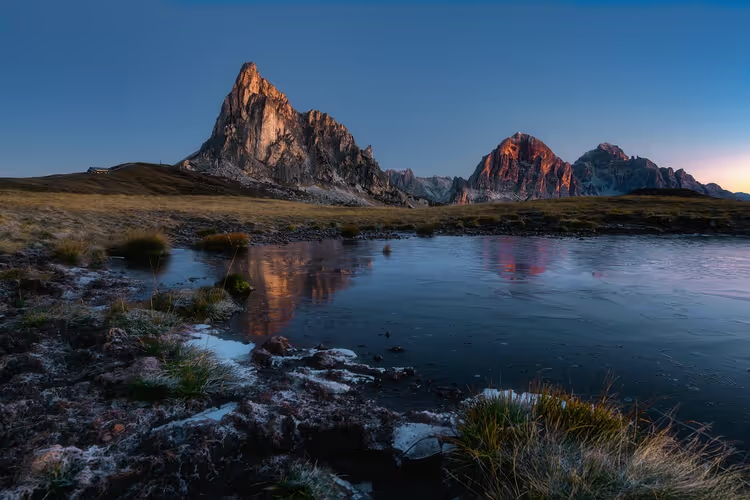
Interesting facts about Italy: volcanoes, truffle and two states
Italy has several active volcanoes, including Etna, the highest active volcano in Europe. It is also home to two independent states and the oldest university on the continent, in Bologna.
We have gathered facts that can be verified against official data rather than tourist brochures. The country's population is about 59 million people, and the density is almost 200 people per square kilometer (as of 2024, Istat data and Wikipedia).
Below are the numbers, dates, and places worth seeing with your own eyes.
Italy in numbers: population and area
💡 In short:
- Italy is one of the most densely populated countries in Europe: about 59 million residents.
- Population density is almost 200 people per km², which is above the EU average (as of Demographics of Italy).
The country's area is just over 300 thousand square kilometers, and about 59 million people live on it (as of Wikipedia). The density is roughly twice the EU average.
Most people are concentrated in the north, in Lombardy, and around Rome. If you are going to Milan or Rome in the summer, allow time for lines. In Apulia or Basilicata you will see the same Italy without the tourist crush.
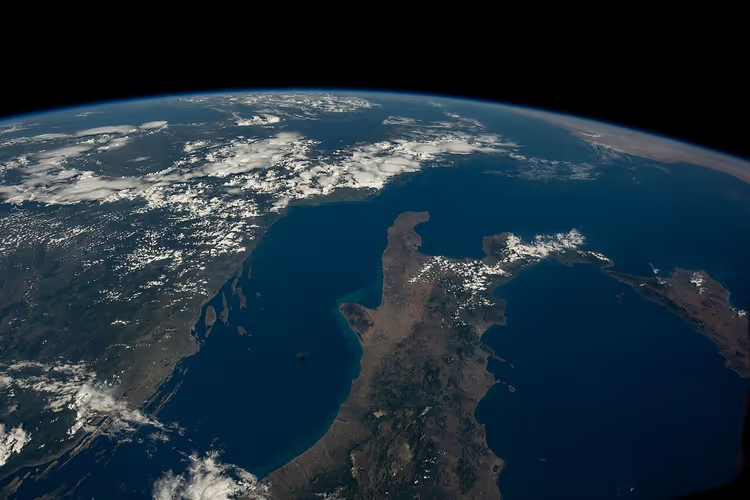
Italy's records: art, truffle, university
Italy holds first place in the number of works of art. The largest truffle in history was also found here: in 2007, a white truffle weighing 1.5 kg was discovered in Tuscany. It was sold at auction for 330 thousand dollars (as of 09/2026, Guinness World Records). The buyer was a billionaire from Macau.
Italy's universities also set records. The University of Bologna is considered the oldest in Europe; it opened in 1088. Sapienza University in Rome was founded in 1303 (as of Sapienza University of Rome). Today it has more than 110 thousand students.
If you want to see works by Renaissance masters, start with the Uffizi Gallery in Florence and the Vatican Museums. Buy tickets in advance, especially in summer.
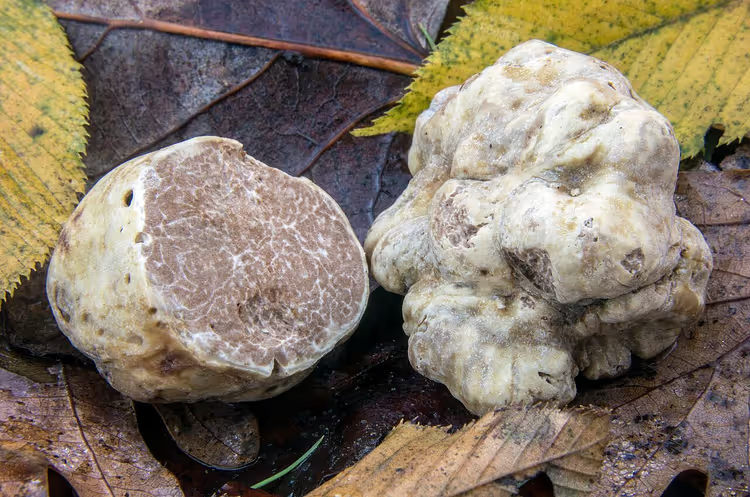 © This image was created by user Nicolò Oppicelli (Nicolò Oppicelli) at Mushroom Observer , a source for mycological image · CC BY-SAPhoto: This image was created by user Nicolò Oppicelli (Nicolò Oppicelli) at Mushroom Observer , a source for mycological image, CC BY-SA (https://creativecommons.org/licenses/by-sa/3.0), Wikimedia Commons
Two states inside Italy
Within Italy's borders there are two independent states: Vatican City and San Marino. Vatican City is considered the smallest independent state in the world; its area is less than half a square kilometer (as of Geography of Vatican City). It has its own army, radio, and television, and the currency used here is the euro.
San Marino is called the oldest republic on the planet. Its founding is dated to 301 AD, and its constitution is considered one of the oldest surviving ones (as of San Marino). You can cross the border without a visa or passport control.
If you are planning a visit, come in the morning while the museums and St. Peter's Basilica are open.
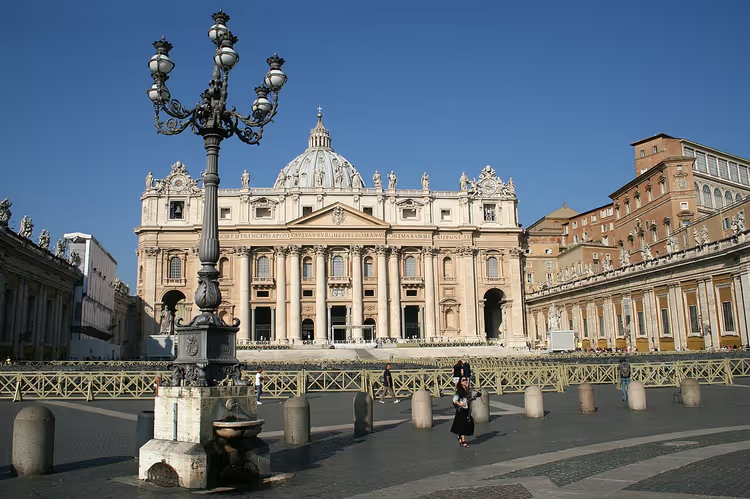 © Jean-Pol GRANDMONT · CC BY-SAPhoto: Jean-Pol GRANDMONT, CC BY-SA (https://creativecommons.org/licenses/by-sa/3.0), Wikimedia Commons
Volcanoes: Etna, Vesuvius, Stromboli
Italy remains one of the most volcanically active countries in Europe. Several volcanoes are active on its territory, and some make themselves known constantly.
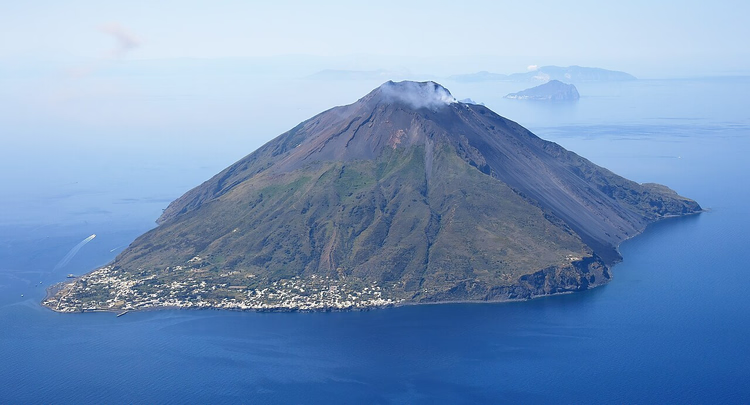 © Carsten Steger · CC BY-SAPhoto: Carsten Steger, CC BY-SA (https://creativecommons.org/licenses/by-sa/4.0), Wikimedia Commons
Etna on Sicily is considered the highest active volcano in Europe. Vesuvius near Naples became famous for the eruption that buried Pompeii. Stromboli in the Aeolian Islands erupts almost continuously, which is why it is called the "lighthouse of the Mediterranean."
If you are interested in volcanoes, hike up to the crater of Vesuvius. The trail takes a little over an hour. Etna is easier to see from Catania, and on Stromboli night climbs are organized with a guide. Choose clear weather, otherwise the summit will be in the clouds.
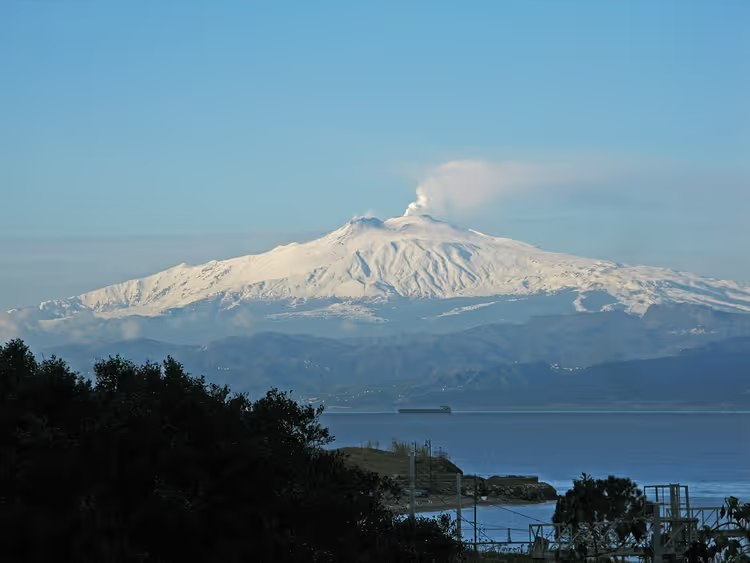 © Jacopo Werther · CC BY-SAPhoto: Jacopo Werther, CC BY-SA (https://creativecommons.org/licenses/by-sa/4.0), Wikimedia Commons
Cuisine: pizza, parmesan, and mozzarella
Italian cuisine is considered one of the most popular in the world, and it starts with pizza. The round flatbread with toppings was born in Naples, and the margherita was made in honor of Queen Margherita. The classic recipe is simple: tomatoes, mozzarella, and basil.
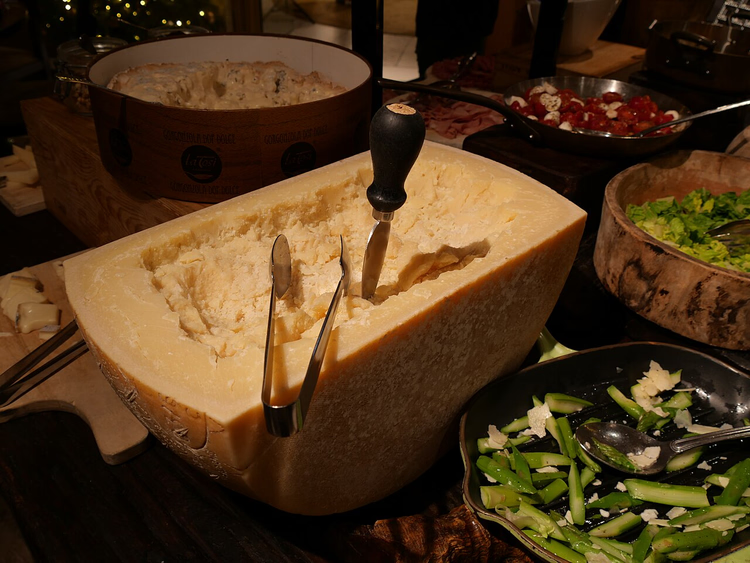 © Peachyeung316 · CC BY-SAPhoto: Peachyeung316, CC BY-SA (https://creativecommons.org/licenses/by-sa/4.0), Wikimedia Commons
Cheese holds a special place in Italy. Parmesan and mozzarella have long become part of cuisines around the world. Parmesan is aged for months, which is why it is so dense and salty.
If you want to try authentic cuisine, look for trattorias away from the main squares.
Islands and legends of Sardinia
The country's largest islands are Sicily and Sardinia. You already know Sicily from Etna, and old legends are tied to Sardinia. According to legend, local healers and sorceresses made medicinal potions and passed their secrets down from generation to generation through the female line.
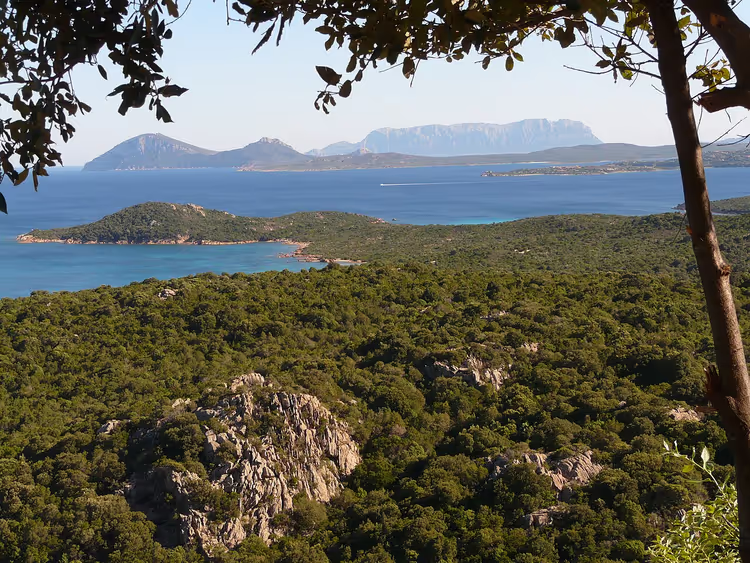
Sardinia is also interesting for its landscapes: rocky coasts, bays with clear water, and villages in the mountains. It is home to one of the longest-living communities in Europe, which scientists have been studying for a long time.
If you are going to Sardinia in summer, book accommodation in advance. Italians themselves love the island, and in August there are almost no vacancies left.
⁉️🤔 Frequently asked questions
How many people live in Italy?
Italy has about 59 million residents, with a density of almost 200 people per square kilometer (as of 2024, Istat census). Most people live in the north and in the capital region. In summer, Rome and Milan are crowded, so book accommodation and tickets in advance.
Is it true that there are other states inside Italy?
Yes, this is about the Vatican and San Marino. The Vatican is the smallest state in the world, and San Marino is considered the oldest republic on the planet (as of: history of San Marino). You can visit both without a separate visa if you have the right to enter Italy.
Which university in Italy is the oldest?
The University of Bologna is considered the oldest; it opened in 1088. Sapienza in Rome was founded in 1303 and is among the largest in the world (as of: Sapienza University of Rome). Today it has more than 110,000 students. Foreigners can enroll, but tuition is usually paid, and some programs are taught in Italian.
Where in Italy can you see volcanoes?
Active volcanoes are in the south. Etna rises in Sicily, Vesuvius stands near Naples, and Stromboli erupts in the Aeolian Islands. A trail of just over an hour leads to the crater of Vesuvius. Etna and Stromboli are usually climbed with a guide and only in clear weather.
Where does pizza margherita come from?
Margherita was first made in Naples and named after Queen Margherita. The classic ingredients are simple: tomatoes, mozzarella, and basil. Look for real pizza in trattorias away from the main squares, not in tourist cafes on central streets.
In short: what to book
Italy fits volcanoes, two states, and Europe's oldest university in Bologna into one territory. If you are planning a trip, choose a base according to your interests and do not try to cover the whole country in a week.
- If volcanoes matter to you: base yourself in Catania or Naples.
- If you want to see the Vatican and San Marino: plan Rome and a separate trip to San Marino near Rimini.
- If you are interested in art: allow time for Florence and the Vatican Museums with tickets booked in advance.
Want to bring home something memorable from your trip? Check out our guide on what to bring from Italy.

A small editorial team writing guides for independent travel. We travel ourselves, but we haven’t been everywhere, so we check prices, opening hours and how to get there against official sources.