
















Japan in August: heat above 35 °C, matsuri and shinkansen queues
In August, Japan swelters in the heat and celebrates at the same time. The air clings to your skin, and the streets hum with drums and flutes. Is it worth going right now, and how do you prepare so your vacation doesn't turn into a battle with the thermometer?
Short answer: yes, if you're ready for the humidity and plan your trips in advance. In all of 2025, Tokyo recorded 23 days with temperatures above 35 °C, a record for the entire history of observations (as of 09/2026, Mainichi). On the plus side, August brings the most spectacular summer festivals and the Buddhist Obon.
Below, we'll break down how hot it actually gets, where to find matsuri, how to survive the Obon rush, and what to expect from typhoon season.
Ad: this article contains affiliate links, we earn a commission if you book through them, at no extra cost to you.
How hot is Japan in August
💡 In short:
- In Tokyo, Kyoto, and Osaka, August brings the peak heat and humidity of the entire year.
- This month is the peak of matsuri: Awa Odori in Tokushima and Nebuta Matsuri in Aomori.
- During Obon, August 13-16, transport and hotels are at their busiest.
- Typhoon season peaks in August and September, according to the Japan Meteorological Agency.
 © Sitao Xiang · CC BY-SAPhoto: Sitao Xiang, CC BY-SA (https://creativecommons.org/licenses/by-sa/4.0), Wikimedia Commons
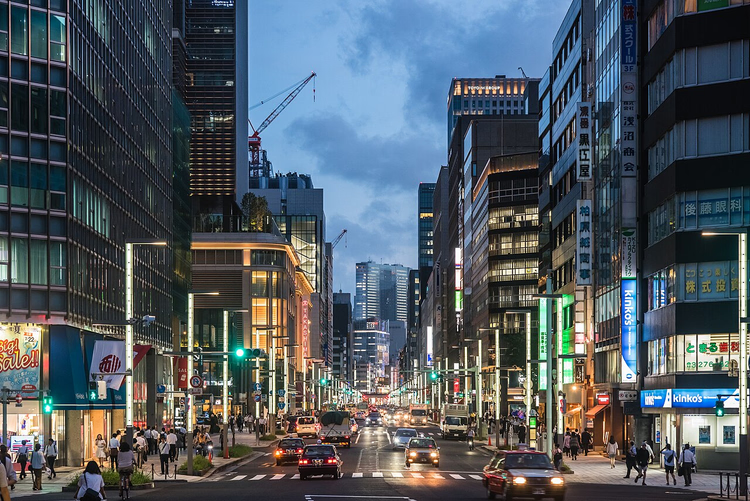
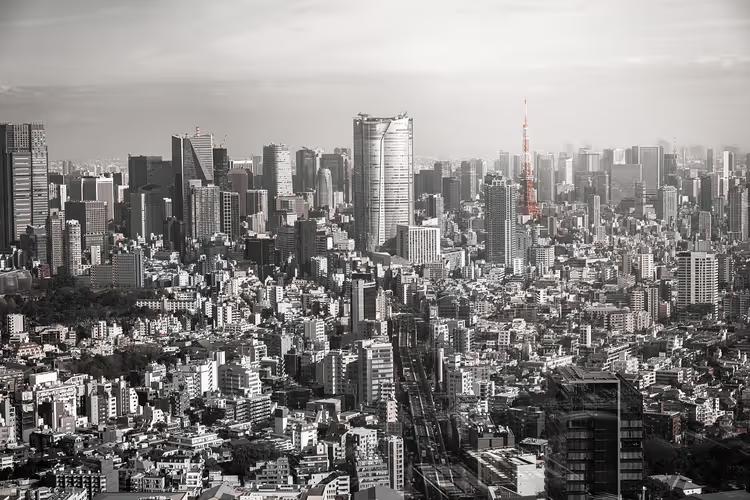
According to JMA climate normals, the average daytime high in Tokyo in August stays around 31 °C. The temperature regularly climbs above that mark, and high humidity makes the air feel heavier than the thermometer shows.
The mugginess barely lets up at night, so air conditioners in trains, shops, and cafes run constantly. You'll be more comfortable building your itinerary around cool places and moving heavy sightseeing to the morning.
The difference between regions is noticeable. In northern Hokkaido, August feels milder, while in the south and on Okinawa the humidity lingers longer, so you should decide in advance what kind of climate you're willing to put up with.
Heavy clothing only gets in the way. Bring lightweight fabrics and loose fits, and pack sunscreen cream in your backpack, you need it even on cloudy days.
Indicator | Japan in August |
|---|---|
Daytime temperature | around 31 °C in Tokyo (long-term normals) |
Humidity | high, mugginess persists at night |
Holidays | peak matsuri and Obon August 13-16 |
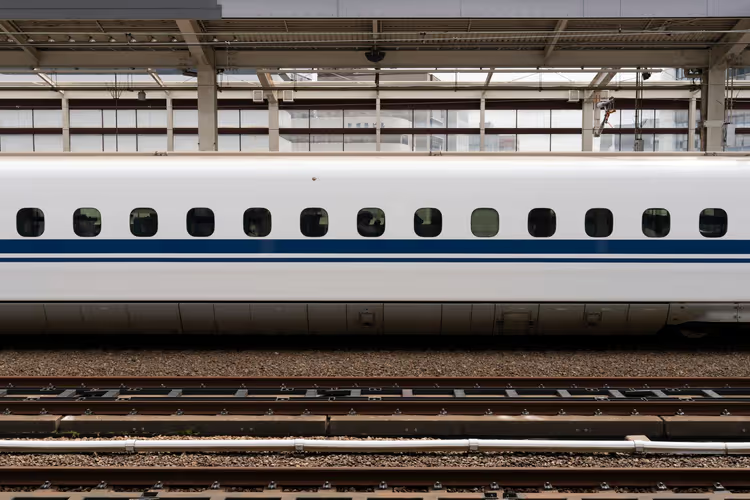
Transport | shinkansen and hotels overloaded during Obon |
Weather | typhoon season, peak in August and September |
What helps you on days like these.
- Drink more than you think you need, and use the drink vending machines on every corner.
- Plan sightseeing for the morning, and take a break in a cool place during the day.
- Keep a bottle of water, a small towel, and sunscreen in your backpack.
Peak matsuri: the main summer festivals
If there's one reason to put up with the mugginess, it's matsuri. August delivers the densest run of festivals of the year. People take to the streets in light yukata, drums and flutes sound, and rhythmic shouts fill the air. The festivals take place in the evening, when the heat eases a little, and last well past midnight. Many venues are open-air, so bring water and arrive early to get a spot near the stage.
 © Mason tang photography · CC BY-SAPhoto: Mason tang photography, CC BY-SA (https://creativecommons.org/licenses/by-sa/4.0), Wikimedia Commons
Awa Odori in Tokushima
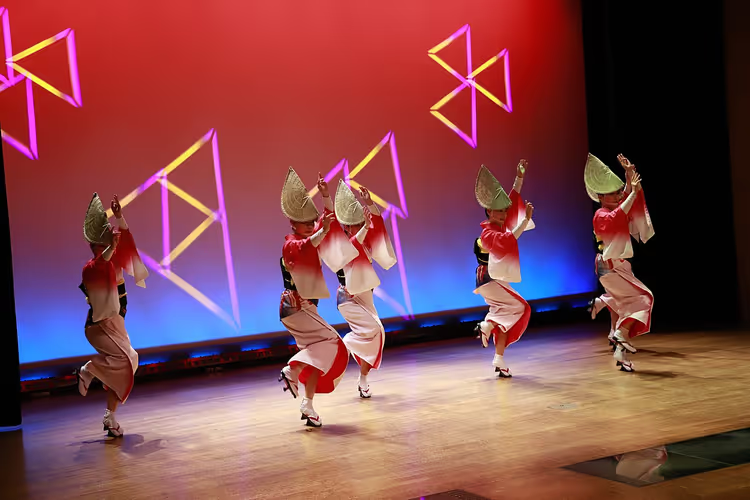
On the island of Shikoku, Tokushima turns into one big dance floor for several days. In 2026, Awa Odori takes place on August 11-15 (as of 09/2026, matcha-jp.com). Thousands of dancers move in groups to drums and flutes, while spectators pick up the rhythm and sing along.
 © Ann Lee · CC BY-SAPhoto: Ann Lee, CC BY-SA (https://creativecommons.org/licenses/by-sa/2.0), Wikimedia Commons
Nebuta Matsuri in Aomori
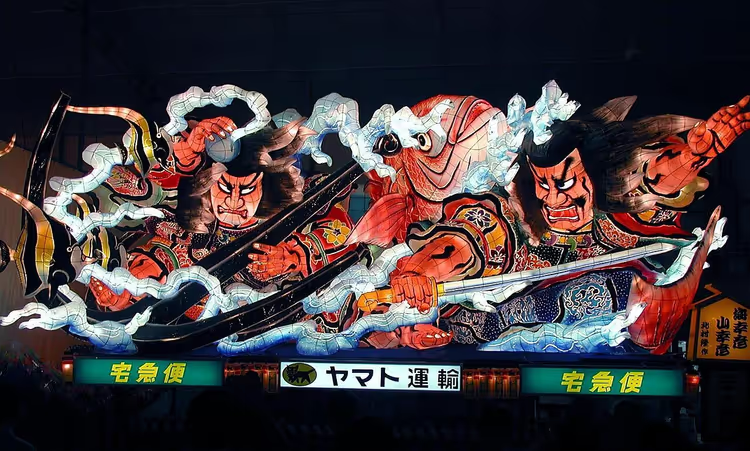
In the north, in Aomori, huge illuminated paper figures are pulled through the streets in early August. In 2026, the festival runs August 2-7 (as of 09/2026, festinjapan.jp). The figures depict warriors and mythical heroes, glow brightly in the dark, and Haneto dancers leap alongside them.
 © Kitamura,Yamato · CC BYPhoto: Kitamura,Yamato, CC BY (https://creativecommons.org/licenses/by/3.0), Wikimedia Commons
Hanabi: fireworks across the country
Few things are as tied to Japanese summer as Hanabi. In August, major fireworks displays light up the skies over rivers and bays in dozens of cities. Many people arrive early, spread out a mat, and eat street food while the sky fills with color. If you get the chance, set aside a whole evening for the spectacle.
For tours and event tickets, tours and activities on GetYourGuide are a good fit.
Obon: how the festival of ancestors changes your trip
In mid-August, Japan celebrates Obon, a Buddhist festival honoring ancestors. In 2026, its main days fall on August 13-16 (as of 09/2026, selfguidejapan.com). Many families return to their hometowns, visit graves, and light lanterns that guide the spirits.
Different parts of the country have their own local traditions: some hold Bon Odori dances, others light large bonfires. You'll enjoy stopping by the festival in a small town, where the atmosphere is calmer than in a big city. Local tourism offices usually publish the Bon Odori dance schedule, which makes it easy to pick an evening.
This tradition has a practical side for travelers. Nearly the entire country hits the road at the same time, and Obon week becomes one of the busiest of the year.
- Shinkansen trains and domestic flights can be fully booked, so reserve seats in advance.
- Hotel prices rise during these days, and popular options sell out quickly.
- If your schedule is flexible, it's better to move long-distance travel outside the Obon days.
Our advice: if your trip falls during Obon, lock in trains, flights, and hotels as early as possible. Booking Shinkansen seats is easy through Japan trains on Trip.com. This will save you both stress and money.
Typhoon season: what to know about the weather
August also falls in the middle of typhoon season, which lasts into autumn. According to official meteorological service reports, the peak comes in August and September. A powerful typhoon brings heavy rain and wind and sometimes disrupts train and flight schedules.
This doesn't happen constantly, but you should keep the forecast handy and leave buffer time. A calm rainy day is easy to get through in a museum, cafe, or onsen.
Is it worth going to Japan in August
Honestly, August is not the easiest month for a trip. The heat is real, the humidity is exhausting, and around Obon, transport and hotels get more expensive. For those who don't handle humid heat well or are looking for quiet, spring or autumn will be more comfortable.
- Who it's for: those who love festivals and are willing to get up early for peaceful sightseeing.
- Not for: those who need cool weather and empty streets.
But this month has something no other season offers. Matsuri, fireworks, and summer life in yukata make an August trip special. If you love festivals and plan ahead for the heat and the Obon rush, the trip will pay off in experiences. Plan fewer stops per day than in the cool season: you'll tire faster in the heat.
⁉️🤔 Frequently asked questions
How hot is Japan in August?
In major cities, intense heat persists during the day, and humidity stays high. Even at night, the air barely cools down, which is why August is considered the hottest and most humid month of summer. Air conditioning and early morning walks help.
What is Obon and why does it matter for tourists?
Obon is dedicated to ancestors and is celebrated on August 13-16. Trains, flights, and hotels are overloaded during these days, so book everything in advance.
Which festivals should you not miss in August?
The most famous include Awa Odori in Tokushima and Nebuta Matsuri in Aomori. Add to them the many Hanabi fireworks displays in cities across the country, which take place almost every weekend.
Should you be afraid of typhoons?
August falls within the peak of typhoon season, but disruptions don't happen constantly. Keep an eye on the forecast and leave buffer time in your itinerary.
Is it worth going to Japan in August despite the heat?
Yes, especially if you love festivals. Matsuri and fireworks make the month special. At the same time, plan ahead for the heat, the Obon rush, and possible weather-related disruptions. Then the trip will bring pleasure, not exhaustion.
In short: what to book
If you want to catch a matsuri, August gives you the fullest festival calendar. Plan your route so that sightseeing falls in the morning, and evenings are left open for festivals and fireworks.
- Dreaming of Awa Odori in Tokushima: book your hotel several months ahead.
- Traveling during Obon: lock in shinkansen tickets and hotels in advance.
- Love fireworks: pick cities with major Hanabi events and get there early.
You can compare hotels for your dates on Trip.com: see hotels in Tokyo on Trip.com.

A small editorial team writing guides for independent travel. We travel ourselves, but we haven’t been everywhere, so we check prices, opening hours and how to get there against official sources.