

Montenegro by month: sea temperature, weather and ski season
Planning a trip to Montenegro and not sure when to go? The answer depends on your goal: beach, mountain hiking, or skiing. For most travelers, the best months are May, June, and September.
During these months, the coast is warm but not muggy, and the crowds have not yet filled Budva and Kotor. In September, the water temperature in Budva stays around 24 °C (seatemperature.info, as of 09/2026), while in July and August the beaches are packed to capacity.
Below, we break down the climate of two regions, monthly weather, and when to take time off for a specific activity.
Ad: this article contains affiliate links, we earn a commission if you book through them, at no extra cost to you.
When to go to Montenegro
💡 In short:
- Best months to visit: May, June, and September.
- Swimming is most comfortable in late June and September.
- June, September, and October work well for hiking.
- Ski season in the mountains runs from December to February.
- Climate and water temperature: 09/2026, verified on the Montenegro tourism office portal.
May, June, and September offer the best balance for a trip around the country. The temperature is comfortable for both sightseeing and hiking, and in the afternoon you can easily swim. There are noticeably fewer tourists in these months than at the height of summer.
July and August also work for a vacation. But be prepared for heat and humidity: on the coast at peak season, there is literally no room to put down a towel by the water.
The ideal month depends on your activity:
Activity | Best months |
|---|---|
Swimming | June, September |
Sightseeing | May, June, September |
Hiking | June, September, October |
Skiing | December, January, February |
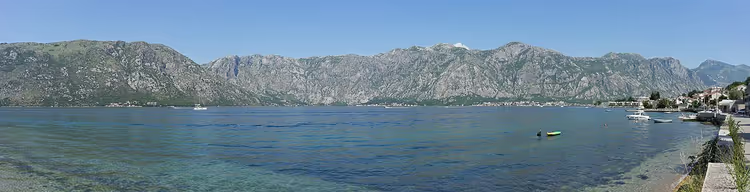 © Ingo Mehling · CC BY-SAPhoto: Ingo Mehling, CC BY-SA (https://creativecommons.org/licenses/by-sa/4.0), Wikimedia Commons
Climate in Montenegro
The country's climate splits into two distinct regions, and this matters for planning. The weather on the coast and in the mountains can differ dramatically on the same day.
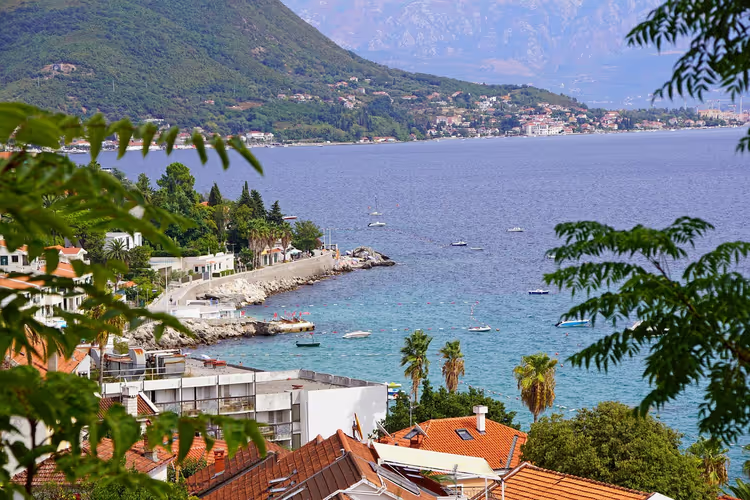
The coast has a Mediterranean climate. Summers here are hot and dry, winters mild and rainy. The average annual water temperature in Budva is about 19 °C, with the minimum in February (Budva data, 09/2026).
In the mountains and on the plateau, the climate is continental and alpine. Summers here are cooler, with a couple more rainy days, and winters are cold and snowy. That is why Durmitor turns into a ski resort in winter, where you come for snow.
Budva and Zabljak: coast and mountains
To give you a sense of the difference between the sea and the mountains, let's compare two towns. Budva represents the coast, while Zabljak shows the highlands.
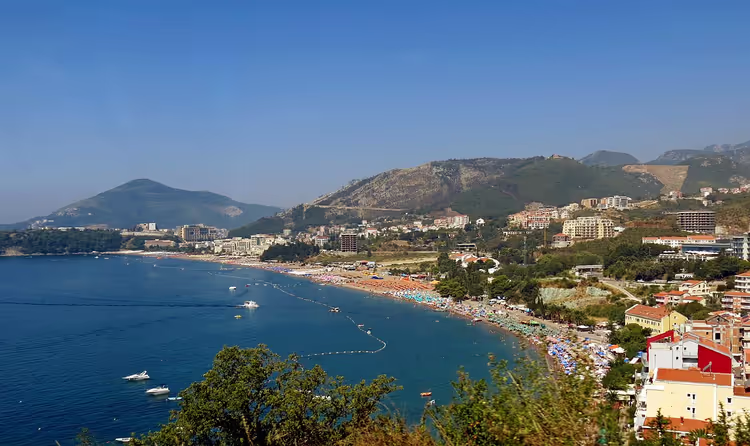 © Natalia Semenova · CC BYPhoto: Natalia Semenova, CC BY (https://creativecommons.org/licenses/by/3.0), Wikimedia Commons
Budva climate
Budva sits right on the Adriatic shore, so its weather is typical of the entire coast. Day-to-night temperature swings here are moderate, and in summer there is almost no rain.
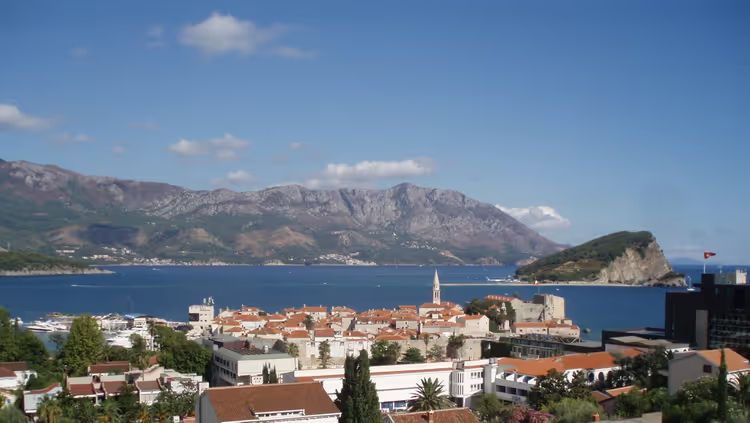 © Bratislav Tabaš · CC BY-SAPhoto: Bratislav Tabaš, CC BY-SA (https://creativecommons.org/licenses/by-sa/3.0), Wikimedia Commons
Zabljak climate
Žabljak lies in the heart of Durmitor National Park and is considered the highest town in the Balkans (montenegro-spirit.com, as of 09/2026). Nights here are colder than on the coast, and winters can bring hard frosts.
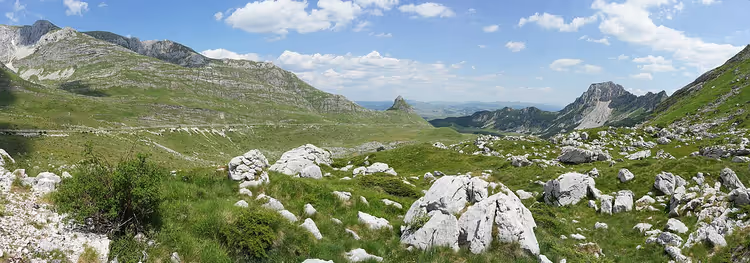 © Ingo Mehling · CC BY-SAPhoto: Ingo Mehling, CC BY-SA (https://creativecommons.org/licenses/by-sa/4.0), Wikimedia Commons
Weather in Montenegro by month
Below is a month-by-month breakdown. If you have already chosen your travel dates, find your period and see what to expect.
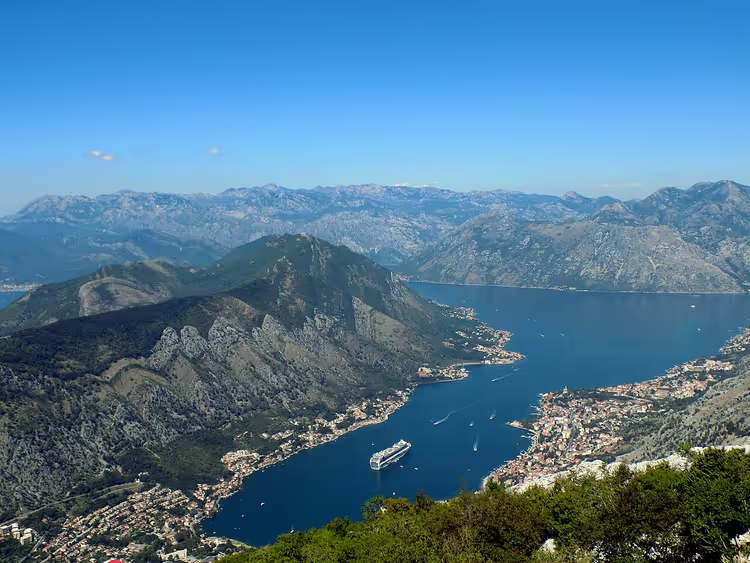 © Milica Buha · CC BY-SAPhoto: Milica Buha, CC BY-SA (https://creativecommons.org/licenses/by-sa/4.0), Wikimedia Commons
Weather in December, January and February
Winter is the best time for skiing. In the mountains the season is in full swing, the slopes are covered with snow, and daytime temperatures stay around freezing. In Žabljak they can drop noticeably lower.
There is almost nothing to do on the coast during these months. The weather is gray, rainy and cold, with temperatures around 10 °C. Beaches are empty, and some cafes and hotels are closed until spring.
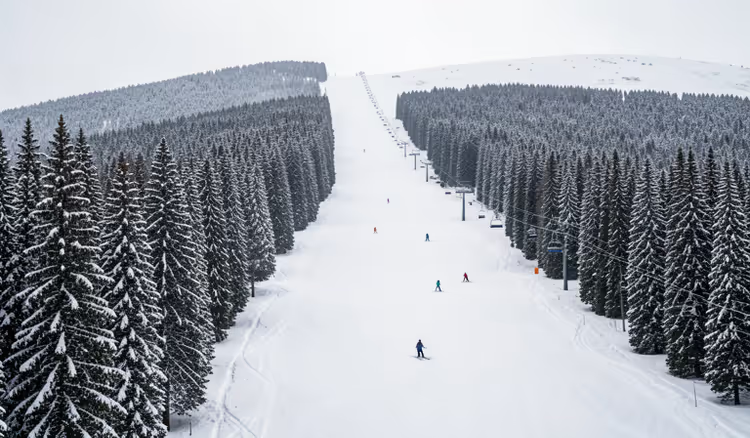 AIIllustrative image: AI-generated
Weather in March and April
March and April are the shoulder season between winter and summer. In the mountains the snow begins to melt: in March you can still ski at high altitudes, and in April the first hiking trails open up.
The coast is still cool. In March the air warms up to 12-15 °C, and in April to 16-19 °C (average temperatures in Budva, as of 09/2026). This is a good time for sightseeing in towns without the beaches: there are almost no lines, and you will see more for the same money.
Weather in May and June
May and June offer the most balanced vacation. On the coast the air stays around 23-27 °C, and the sea warms up to 18-20 °C. Swimming is still brisk, but walking around the country is comfortable.
In the mountains this time is mild and green. Hiking and other outdoor activities are easy to handle, with no heat yet. Bring a light jacket for the evening and do not forget a raincoat.
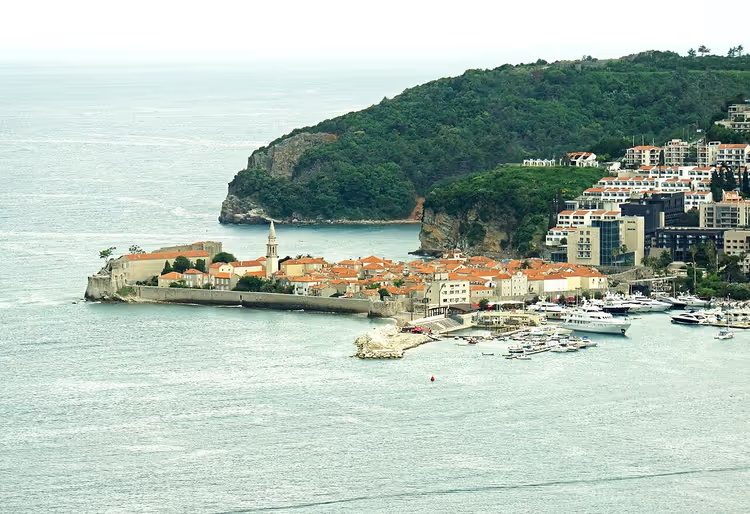 © Dennis G. Jarvis · CC BY-SAPhoto: Dennis G. Jarvis, CC BY-SA (https://creativecommons.org/licenses/by-sa/2.0), Wikimedia Commons
Weather in July and August
In July and August the coast is hot and crowded. At peak season the beaches are packed, and there is no room near the water because almost all of Europe goes on vacation. A hotel with a private beach solves the problem, while public beaches do not.
If you are going only for the beach and staying by the sea, the weather is great for that. Sightseeing and public beaches are also possible, but you will quickly get tired of the heat. In the mountains these months are warm, but noticeably milder than by the sea, and hiking is quite doable.
Weather in September and October
September is the best month for swimming. The air stays around 26-28 °C, the sea water is about 24 °C, and there are fewer tourists. In October you can still swim, but the water gradually cools down.
For hiking, September and October again offer the best conditions, and the autumn colors in the mountains are especially beautiful. The national parks Lovćen and Durmitor look their most vivid at this time, so plan your mountain trip for the fall.
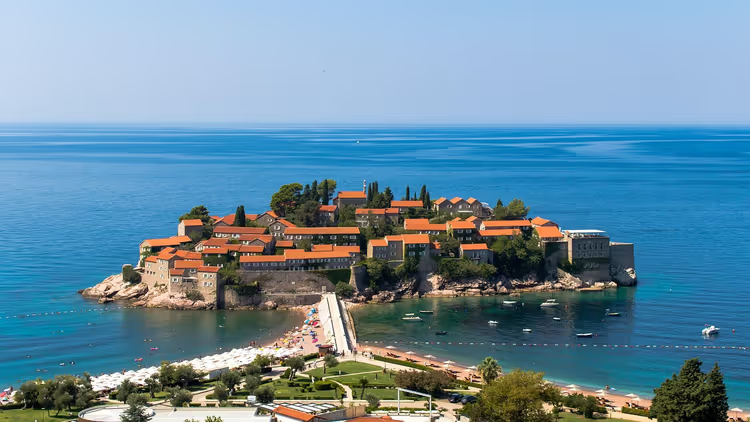
Weather in November
November is considered the worst month for a trip. It is cold and damp both on the coast and in the mountains. The ski season has not started yet, and swimming is off the table: the water cools to 14-17 °C (monthly averages for Budva, as of 09/2026).
Many hotels and restaurants on the coast close, and attractions operate on reduced hours. If your trip falls in this month, bring waterproof clothing and allow extra time for getting around.
⁉️🤔 Frequently asked questions
When is the best time to visit Montenegro?
May, June, and September are the most commonly recommended months. The weather is warm enough for both swimming and sightseeing, and the coast is noticeably less crowded. If you want reliably hot weather and a warm sea, choose the second half of June or September.
When can you swim in Montenegro?
The swimming season runs from May to October, but June and September are the most comfortable months for swimming. In September, the water in Budva stays around 24 °C and the air around 27 °C. In July and August the sea is also warm, but the beaches are packed and finding a spot is not easy.
Is Montenegro good for hiking in summer?
For hiking, June, September, and October are the best choices. In summer the mountains are warm, but it gets hot at midday and you will tire quickly. In autumn the conditions are milder, and the colors in Durmitor and Lovćen are especially vivid. Plan to set out early in the morning and bring water with you.
When does the ski season start in Durmitor?
The main season in the mountains runs from December to February. The best time to go is January and February in the Žabljak area. At higher elevations you can ski in March as well.
What should you bring in the shoulder season?
In March, April, and November the days are cool and rainy, so bring a waterproof jacket and a warm sweater. In summer, light clothing and a hat are enough. In the mountains it gets cool in the evening even in the warm months, so a light jacket always comes in handy.
In short: what to book
Choosing dates for Montenegro comes down to choosing between the sea and the mountains. For a beach vacation, go for late June or September: the sea is warm and the crowds are smaller. For hiking and autumn colors, September and October are the best months to visit. Skiers will like January and February in the Žabljak area.
- Steady warm weather without extreme heat: May and June.
- The warmest sea and fewer tourists: September.
- Hiking and autumn colors: September and October.
- Skiing and snow: January and February.
Dates picked? Then book hotels in Montenegro on Trip.com in advance, and find tours around the country on GetYourGuide.

A small editorial team writing guides for independent travel. We travel ourselves, but we haven’t been everywhere, so we check prices, opening hours and how to get there against official sources.