
















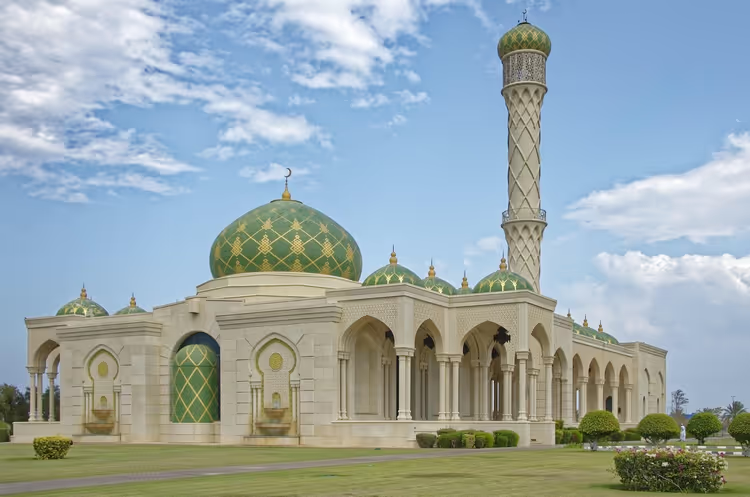
Oman: Sultan Qaboos mosque, Muscat opera and Mutrah souq
Oman is often skipped. Tourists fly to Dubai, and the sultanate stays off the radar. That's a mistake. There are no nightclubs or glass skyscrapers here, but there is the Sultan Qaboos Grand Mosque, the Amouage perfume house, and the old Mutrah Souq. You arrive in a different country: locals wear the dishdasha, houses are built in a traditional style, and the city goes quiet early in the evening.
The Sultan Qaboos Grand Mosque covers 416,000 m² and holds up to 20,000 worshippers (as of 09/2026, Wikipedia). In a few days you'll see the highlights of Muscat and understand what sets the sultanate apart from its neighbors.
Ad: this article contains affiliate links. We earn a commission if you book through them, at no extra cost to you.
When to go to Oman and what to know before the trip
💡 In short:
- Best season for Oman: October through April.
- For the mosque and the souq, wear covered clothing: shoulders and knees covered.
- As of 09/2026, Wikipedia.
Oman didn't open up to tourists right away. The modern country only started being built in the 1970s, so you won't find Dubai-style towers here. Cities remain low-rise, and many local men wear the national dishdasha robe. First impression: a calm, tidy East without the bustle.
The season defines the whole trip. From October to April, Muscat is warm and cool in the evening. From May to September it's hot, and walking the streets at midday isn't a good idea. In the Jebel Akhdar mountains it's cooler, and it rains there in winter. Bring light clothing and one warm layer for the evening.
Clothing is simpler than it seems. In Muscat, men walk around in shorts, women in skirts and tank tops. Restrictions apply to the mosque and old quarters: there you cover your shoulders and knees. Topless sunbathing is not allowed, and you can't photograph local people without permission.
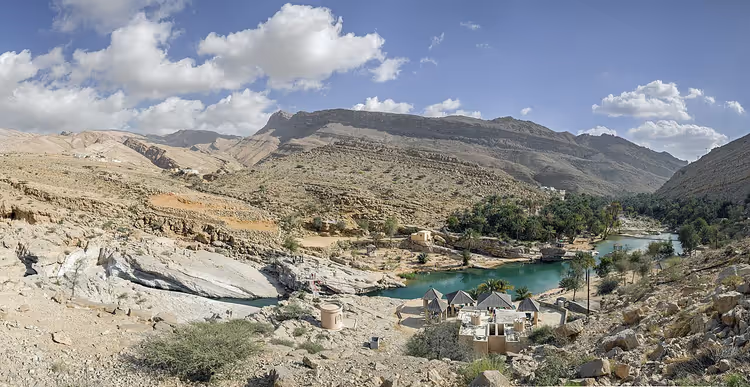 © Richard Bartz · CC BY-SAPhoto: Richard Bartz, CC BY-SA (https://creativecommons.org/licenses/by-sa/3.0), Wikimedia Commons
Alcohol is almost never sold in Oman. It's not in stores, public places are dry, and drinks are served only in hotels and licensed restaurants. You can bring some with you, but only a small amount per adult. For an evening glass of wine, this is the main limitation of the trip.
The sultanate's cuisine draws on its neighbors. The base is rice with lamb, chicken, or fish. Locals love camel and goat, and cardamom coffee is served with dates and baklava. Portions are large, so one dish and tea will be enough.
1. Sultan Qaboos Grand Mosque
The Sultan Qaboos Grand Mosque is considered the country's main temple. It was built from 1994 to 2001, and about 300,000 tons of Indian sandstone went into the cladding (as of 09/2026, Wikipedia). Inside, one of the world's largest single-piece carpets awaits: 21 tons, 70 by 60 meters, four years of work, and 600 craftswomen.
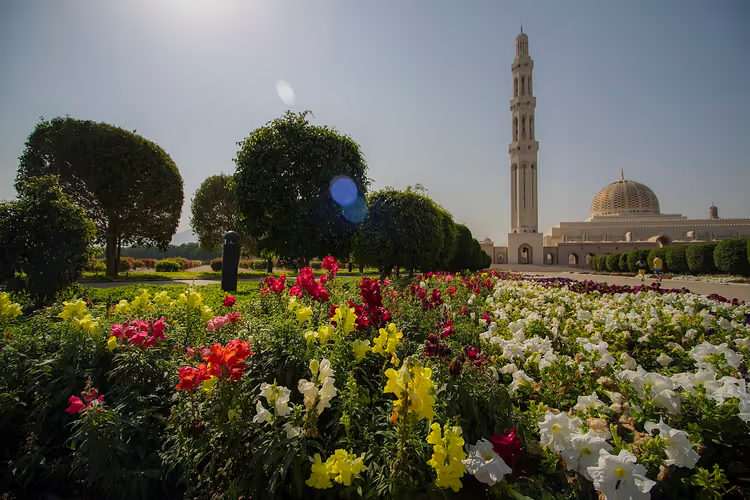 © Mostafameraji · CC BY-SAPhoto: Mostafameraji, CC BY-SA (https://creativecommons.org/licenses/by-sa/4.0), Wikimedia Commons
- How to get there: Bawshar district, taxi from central Muscat.
- Cost: free entry, check tourist hours on site.
- Who it's for: those who want to see a living religion alongside the tourist flow.
- The catch: covered clothing is mandatory even for men.
If you're traveling with a group, check out Muscat tours on GetYourGuide. A guide will tell you when the mosque is less crowded.
2. Amouage perfume house
Oman is known for frankincense. Aromatic resin has been used to make incense here for centuries, and in the early 1980s, by decree of the Sultan, production of luxury perfumes began. The Amouage perfume house was founded in 1983, and the factory in Muscat opened in 2012 (as of 09/2026, Wikipedia). Today visitors are allowed in: you'll see how perfume is bottled and walk past displays of flacons.
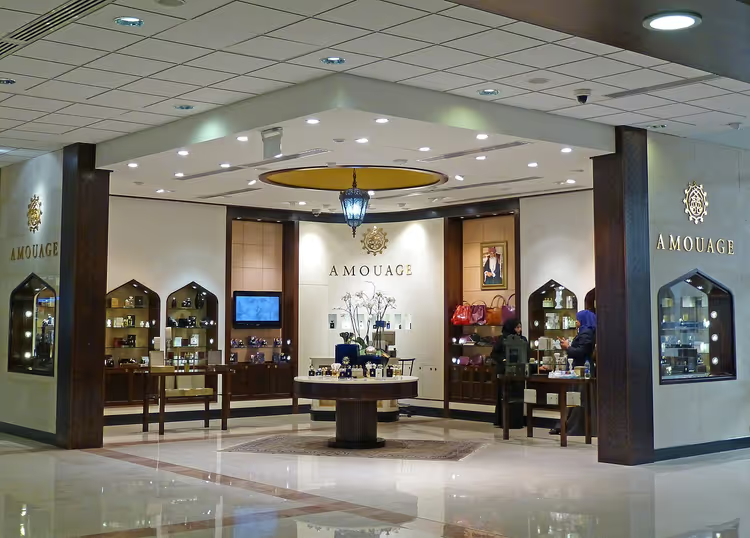 © Ji-Elle · CC BY-SAPhoto: Ji-Elle, CC BY-SA (https://creativecommons.org/licenses/by-sa/3.0), Wikimedia Commons
The cap of the women's perfume echoes the dome of the Sultan Qaboos Mosque, and the men's cap echoes the handle of the national khanjar dagger. There's a brand store next door where you can buy a small bottle.
- Prices: bottles are in the upper price segment, so check prices on the brand's official website.
- The catch: without a guide, the factory looks like an ordinary workshop.
- Who it's for: those looking for an unusual souvenir from Oman.
3. Royal opera house muscat
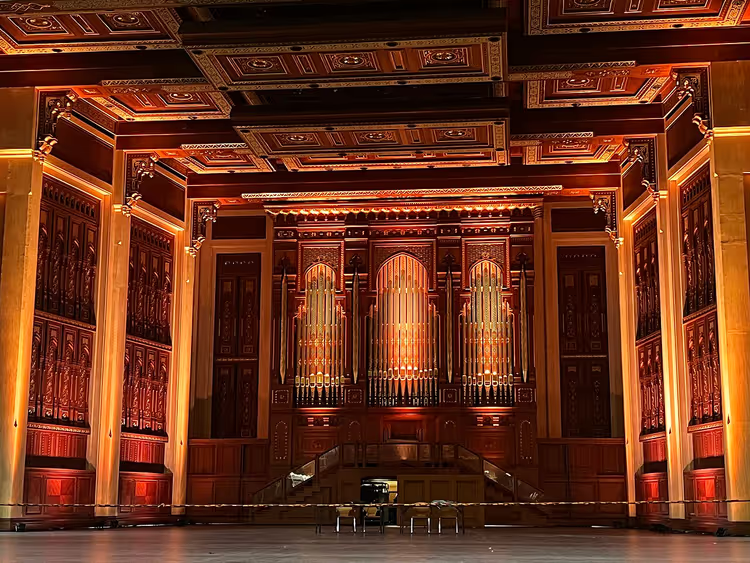
The Royal Opera House Muscat opened in 2011, and at the time it was the first opera house on the Arabian Peninsula. The hall seats 1,100 spectators, and Plácido Domingo and Andrea Bocelli have performed on its stage (as of 09/2026, Wikipedia).
 © Batoul84 · CC BY-SAPhoto: Batoul84, CC BY-SA (https://creativecommons.org/licenses/by-sa/4.0), Wikimedia Commons
The building stands in the Shati al-Qurm district on Sultan Qaboos Street. The architecture is modern but with Arab motifs: stone, arches, and large windows. There are hotels near the opera, so you can end the evening calmly. If you're looking for accommodation in the center, check out hotels in Muscat on Trip.com.
- Cost: tickets start in the low double digits, check prices on the official website.
- The catch: some performances run for one evening only, and tickets sell out quickly.
- Who it's for: those who combine architecture and music.
4. Mutrah Souq
 © Dr. Thomas Liptak · CC BY-SAPhoto: Dr. Thomas Liptak, CC BY-SA (https://creativecommons.org/licenses/by-sa/4.0), Wikimedia Commons
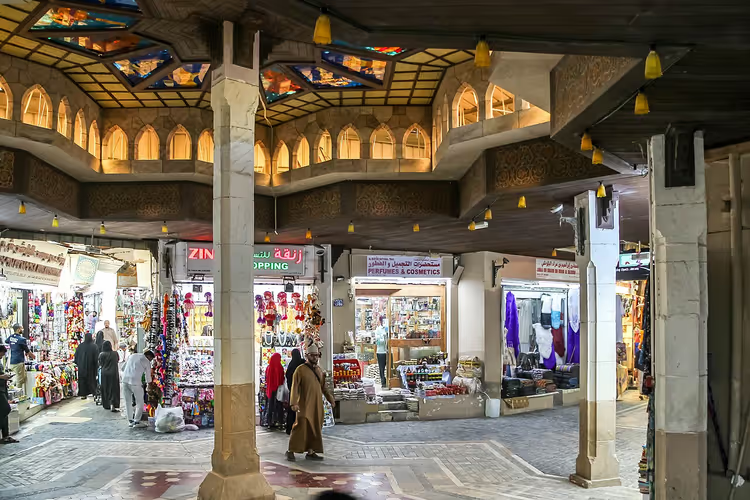
Mutrah Souq is considered the most touristy place in the East. Historically it was a separate town, and today it's part of greater Muscat. The souq is entirely covered, so you can stroll from stall to stall without melting in the sun.
Frankincense, spices, silver, and daggers are sold here. Prices in the tourist core are higher, so compare a couple of shops before buying. Bargaining is possible and expected: almost any shop will give you a small discount. Come closer to evening, when the heat subsides.
- How to get there: Mutrah district, the corniche, about 20 minutes by taxi from central Muscat (on the map).
- Cost: free entry.
- Who it's for: shopping and photos of the old East.
- The catch: in the evening, the narrow passages get crowded.
Frankincense, spices, and silver are taken home from here even by residents of neighboring countries. If you want an experience, not just a souvenir, choose Oman tours on GetYourGuide.
Tours and tickets in Muscat
Guided tours, skip-the-line tickets and activities — most offers can be cancelled free of charge.
See offers on GetYourGuideThe widget loads once you give your consent.
⁉️🤔 Frequently asked questions
When is the best time to visit Oman?
From October to April. In summer you'll get heat and humidity, so sightseeing is better moved to early morning.
Can you drink alcohol in Oman?
Not in public places. Alcohol is served only in hotels and licensed restaurants.
What should a woman wear in Oman?
Regular clothes, with covered clothing only in mosques and old quarters. A swimsuit is appropriate only on a hotel beach. Bring a scarf for the mosque with you, as it's not always provided at the entrance.
How many days do you need for Muscat?
A few days are enough for Muscat. In that time you can visit the mosque, the opera, the souq, and the perfume factory without rushing. If you're going only for a weekend, keep central Muscat and Mutrah Souq. It's worth staying longer for the mountains and the coast.
Is a vacation in Oman expensive?
Average for the region. Hotels and dinners are more expensive than in Jordan but cheaper than in Dubai. Count Amouage perfumes and silver as a separate budget line: these are souvenirs in the upper price segment. The main expenses go to accommodation and taxis; entry to the mosque and the souq is free.
In short: what's worth booking
If you have a short trip: take a hotel in central Muscat and one day for city sights. If you want more: add a trip to the Jebel Akhdar mountains and the coast of the Gulf of Oman. For families with children, the area around the opera is convenient; for shopping and evening walks, Mutrah works well.
What to book in advance: accommodation in Muscat for the October to April season and a city sightseeing tour. Check out Muscat hotels on Trip.com and choose an Oman tour on GetYourGuide.

A small editorial team writing guides for independent travel. We travel ourselves, but we haven’t been everywhere, so we check prices, opening hours and how to get there against official sources.