
















Rail pass, hostel and night bus: how to build a budget for a trip to Japan
Japan is considered an expensive country, but it is realistic to save money here. Most of the money goes to travel between cities, lodging, and food. These expenses can be cut in advance if you know local rates and residents' habits.
Below are eight techniques that the editorial team verified on official websites. Each answers one question: how much it costs and where almost everyone overpays.
Ad: this article contains affiliate links, we earn a commission if you book through them, at no extra cost to you.
What determines the budget of a trip to Japan
The trip budget rests on three items. Transportation between cities takes the most, lodging comes second, food third. The techniques below work together: a rail pass lowers the cost of travel, comparing accommodation prices reduces the nightly bill, and lunches at cafeterias keep daily spending under control.
💡 In short:
- The Japan Rail Pass pays off on long routes, while on short ones compare it with individual tickets.
- Choose lodging from business hotels, capsules, and hostels, and compare the price on the hotel's website and with an aggregator.
- Plan long-distance travel by night bus or a low-cost carrier flight.
Japan Rail Pass: when it pays off
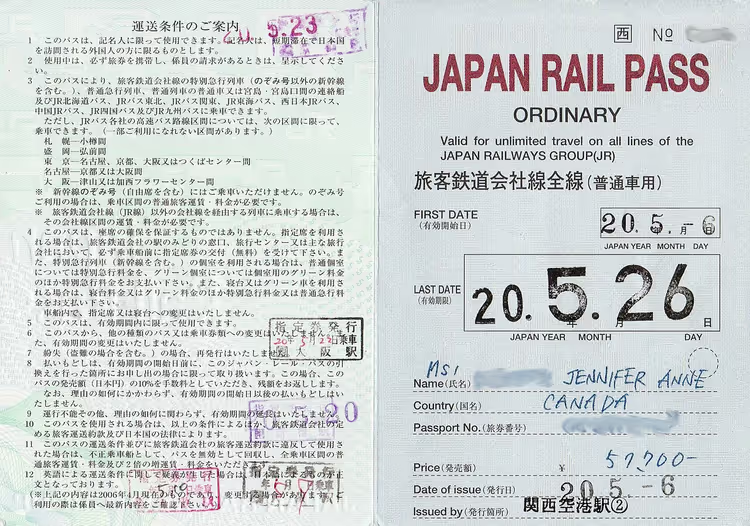
The Japan Rail Pass gives unlimited travel on JR lines, including the shinkansen. On long routes the pass pays off fastest, while for two short trips it is more advantageous to buy tickets separately.
A standard adult pass costs 50,000 yen for 7 days, 80,000 yen for 14 days, and 100,000 yen for 21 days (as of 09/2026, official Japan Rail Pass website). The Green Car version with a separate car costs 70,000 yen for a week. From October 1, 2026, base fares rise to 53,000, 84,000, and 105,000 yen, so buying early saves several thousand yen.
 © Jennifer Feuchter · CC BYPhoto: Jennifer Feuchter, CC BY (https://creativecommons.org/licenses/by/2.0), Wikimedia Commons
The pass covers commuter trains, JR buses, and the ferry to Miyajima. Compare its price with the sum of individual tickets for your route before buying. After the price increase, the pass does not pay off on every route.
You can buy the pass online or through an agency. If you want to compare train options, check train schedules and prices on Trip.com.
Business hotels, capsules, and hostels
Business hotels offer a room with a private bathroom at a moderate price. Chain brands like Toyoko Inn keep rates below the area average, and a buffet-style breakfast is often already included in the price.
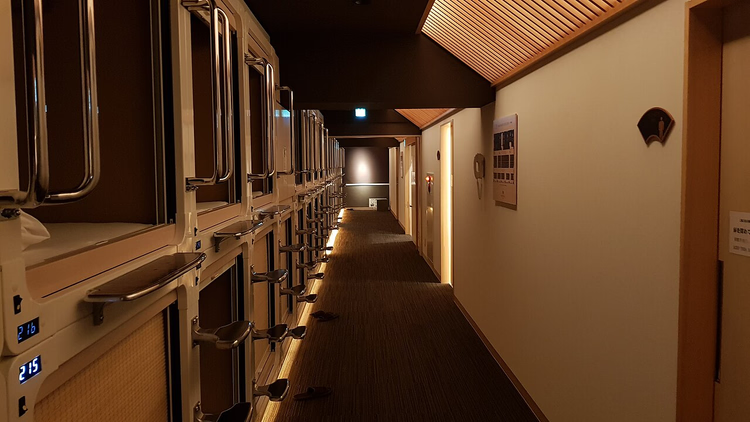
A capsule hotel offers only a bed and a shared bathroom, but costs less than a hotel in the center. This is especially advantageous in Tokyo and Osaka, where a night in a regular hotel is expensive.
 © Trueshow111 · CC BY-SAPhoto: Trueshow111, CC BY-SA (https://creativecommons.org/licenses/by-sa/4.0), Wikimedia Commons
Hostels and Japanese guesthouses are clean and cozy, and a bunk in a shared room costs the least of all. Sometimes owners ask for an extra charge for a towel, so bring your own.
Compare the price on the hotel's website with the price from an intermediary: direct rates are sometimes lower, and cancellation terms are clearer. For a big city like Tokyo, compare hotel prices in Japan on Trip.com in advance.
Campsites: the cheapest lodging in Japan
The most budget-friendly lodging option in Japan: campsites. The country has entire networks of well-equipped grounds in rural and resort areas. You pay per person or per tent, and showers and toilets are usually nearby.
Many campsites operate only during the summer season. Check the schedule on the site's website before your trip. For a family with a tent, this is the cheapest way to spend a week by the sea or in the mountains.
Night buses and low-cost carriers instead of the shinkansen
Intercity buses cost less than any other form of transport, and overnight routes cover two expense categories at once. You pay for the trip but not for a hotel, since you would have spent that time traveling anyway. If you have several long transfers, buy a Japan Bus Pass.
Budget carriers also fly between cities: Peach, Jetstar, and Air Do sell domestic flights at low fares. On long routes, a low-cost flight is faster and cheaper than the train, but you need to add the trip to the airport to the ticket price.
Set aside time and money for this leg. Check transfer options on Kiwitaxi in advance: a taxi on the day of departure will eat up your budget.
Food: shokudo, bento, and evening discounts
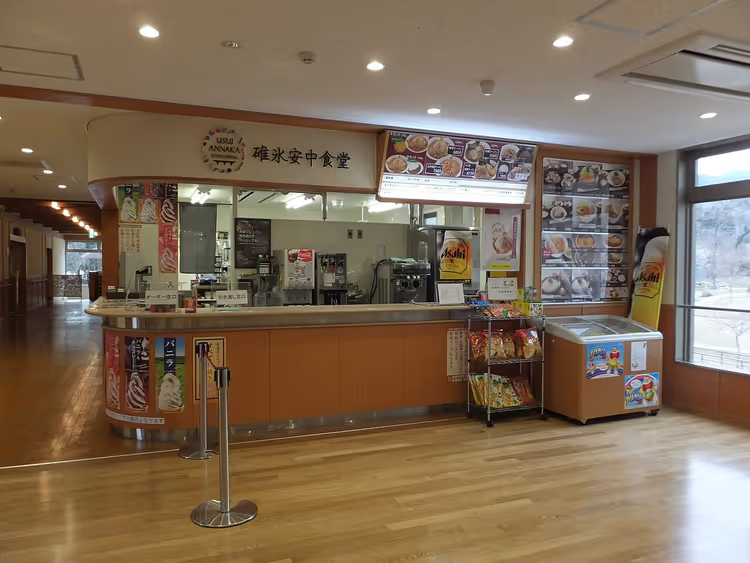
Shokudo are budget diners where you get large portions for little money. A bowl of ramen at one of these diners costs less than dinner at a restaurant, and miso soup comes with almost everything.
At tachigui, Japanese fast food spots, they make soba and udon, and a portion costs less than at a sit-down restaurant. Expensive places offer a reduced lunch menu at a low price during the day. Tea and water are served free of charge, and tipping is not customary in Japan.
 © 京葉快速26 · CC BY-SAPhoto: 京葉快速26, CC BY-SA (https://creativecommons.org/licenses/by-sa/4.0), Wikimedia Commons
Bento, boxed lunches, are sold in stores and at stations. A set includes several dishes, and this kind of meal is convenient to take on a train or to a picnic. Food halls in department stores sell delicacies at high prices, but prices drop closer to closing time. A dinner from evening discounts costs less than a restaurant meal.
Konbini, 24-hour convenience stores, are everywhere: you will find affordable food and cup noodles here. At markets, groceries cost several times less, and you also get to know the local culture.
Festivals and free shrines
Festivals run year-round at shrines, temples, and on city streets. Admission is free, and street vendors sell food, so you try local dishes and spend less than at a restaurant.
Shinto shrines and temple grounds usually do not charge admission. You will have to pay for individual halls and enclosed gardens, so check the price on site.
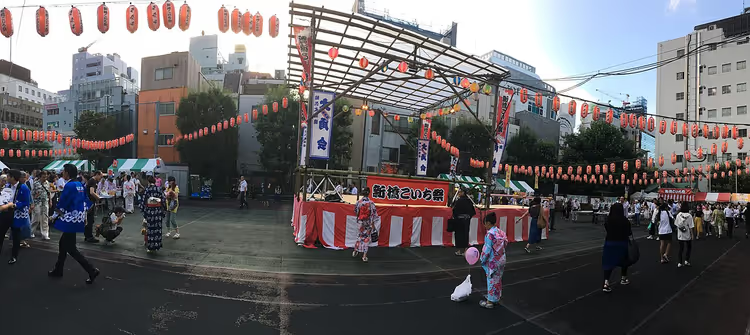 © Nesnad · CC BYPhoto: Nesnad, CC BY (https://creativecommons.org/licenses/by/4.0), Wikimedia Commons
Check the festival calendar in advance. That way you will catch a festival in your city and get a free evening program.
Walking tours through Japanese cities
A walk costs nothing and shows you the city more closely than a bus window. Japanese cities have many buildings designed by famous architects, so an interesting route can be found without a sightseeing map.
Want Japanese atmosphere: walk the old pilgrimage trails, along rural streets, or head up into the mountains. The country has many national parks, and some of their trails are free.
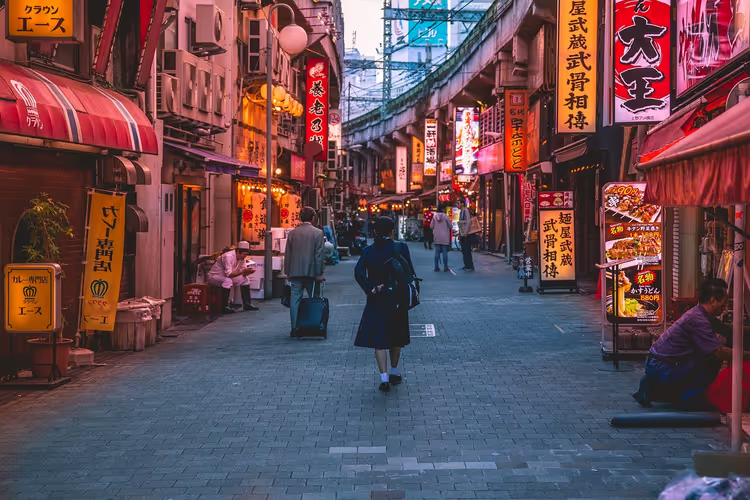
On foot, you will see a neighborhood that a bus passes in a minute. Start your route in the morning. Then you will have time for an unplanned stop.
Parks, picnics, and sakura
City parks are open to visitors and mostly free. Locals come here often, especially on weekends, and you can follow their example.
Have a picnic or just sit on the lawn during the day. If you time your trip for sakura season, the park will be the best free activity of the day.
⁉️🤔 Frequently asked questions
How much does the Japan Rail Pass cost in 2026?
An adult pass for 7 days costs 50,000 yen (as of 09/2026, Japan Rail Pass fares). Fares for 14 and 21 days are listed in the section about the pass. Compare the pass price with the total of individual tickets for your route.
Where can I stay cheaply in Japan?
The cheapest options: campsites and bunk beds in hostels. Next come capsule hotels and business hotels with breakfast. Prices are higher in large cities, so book in advance and compare the hotel's own price with the price on an aggregator.
Can you eat cheaply in Japan?
Yes, food in Japan does not have to hit your budget. Lunch at a shokudo, a bento from a store, or a portion at a tachigui costs less than a restaurant dinner. Expensive places offer a cheap lunch menu, and food halls drop prices before closing.
Is a night bus worth it?
An overnight route covers two expense categories: you travel between cities and do not pay for a hotel. The catch is that sleeping in a seat is uncomfortable, and you arrive tired in the morning. On short stretches, take a daytime route, and save the night bus for long transfers.
What is free in Japan?
Festivals, city parks, and admission to the grounds of most Shinto shrines. You will have to pay for individual temple halls and enclosed gardens. Walking through old neighborhoods also costs nothing and shows you the city better than a bus tour.
In short: what to book
Your Japan trip budget comes down to three decisions: the rail pass, accommodation, and how you get between cities. If you are doing the Tokyo-Kyoto-Osaka route in a week, compare the price of a Japan Rail Pass with the total cost of individual tickets. For two short trips, buying tickets separately is cheaper.
If you have a packed itinerary across several cities, take the night bus and a business hotel with breakfast. If you are traveling as a family with suitcases, pick a hotel near the station and do not skimp on the airport transfer.
The decision matrix is simple. One city and a short trip: a hostel or capsule. A week across three cities: a rail pass and a business hotel. Two weeks on the road: a two-week rail pass, hostels, and campsites.
What to book in advance: hotel prices on Trip.com and trains with the Japan Rail Pass on Trip.com.

A small editorial team writing guides for independent travel. We travel ourselves, but we haven’t been everywhere, so we check prices, opening hours and how to get there against official sources.