
















10 Rules to get off the plane with a fresh face
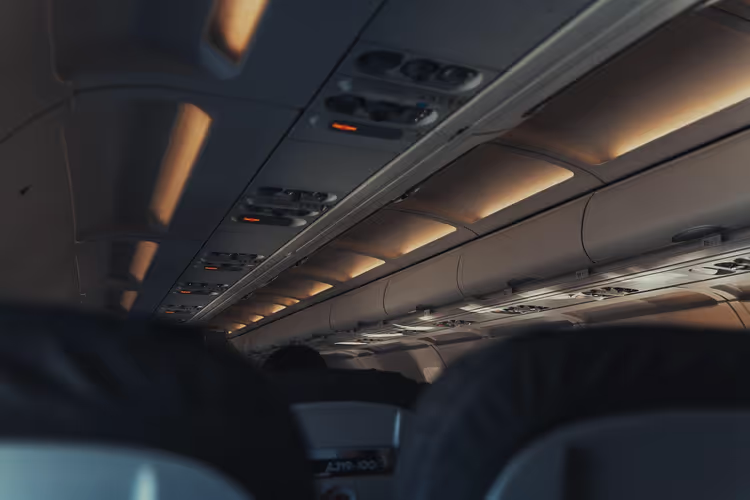
The long flight drains freshness faster than a sleepless night. The dry cabin air, UV rays through the window glass, and a disrupted sleep schedule make themselves felt by the end of the flight, when only minutes remain before you exit the airport.
Relative humidity in an aircraft cabin is several times lower than in a living room, so skin loses water long before landing (according to air quality research in Airbus cabins).
Below are 10 tips that help you walk out of the terminal with a fresh face and no puffiness. Almost everything fits in carry-on luggage and requires no extra spending.
Put together a beauty kit before the flight
In-flight comfort starts with a well-packed carry-on. Lay everything out in advance: this way you won't be digging through your backpack for cream mid-flight.
💡 In short:
- Drink water and moisturize your skin throughout the flight.
- Bring SPF, sheet masks, and eye drops.
- Wear cotton clothing and compression stockings.
- Adjust your sleep to the time zone of your destination.
1. Use SPF before, during, and after the flight
An SPF product is a must-have in any cosmetic bag. It comes in handy even in cloudy weather: clouds block some light but let ultraviolet through.
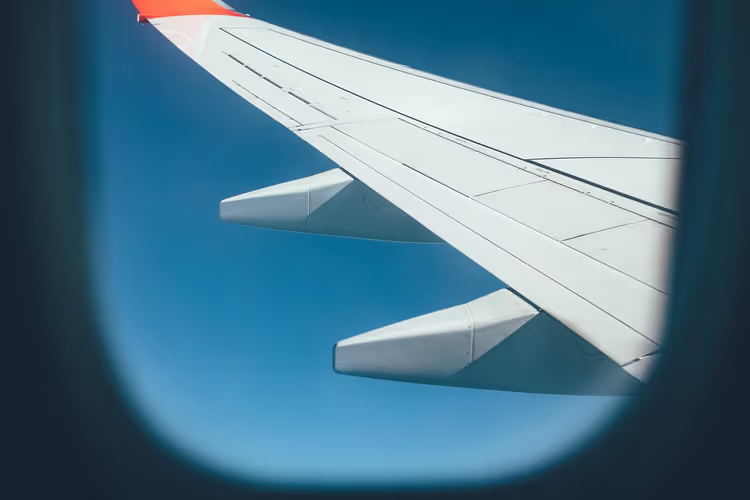
In flight, protection is just as necessary as on the beach. At cruising altitude, UV levels are noticeably higher than on the ground, and untinted window glass barely blocks harmful rays (according to research in JAMA Dermatology).
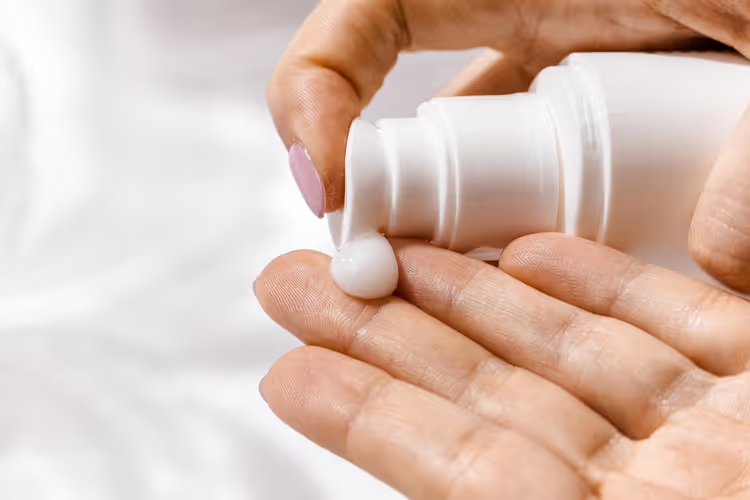
Apply cream before leaving home and refresh the layer during the flight: this protects your skin along the entire route. A travel spray is more convenient, it doesn't get your hands dirty and takes up no space.
2. Use sheet masks
A small pack of sheet masks takes up almost no room in your carry-on. You'll thank yourself more than once for packing it ahead of time.
Sheet masks hydrate the skin and restore it after the dry cabin air. They're easy to use. Masks are soaked in serum, so at security they may be classified as liquids. Put them in a clear bag together with your other bottles.
If you have a long flight ahead, add eye patches and softening masks for hands and feet to your kit, since these areas dry out just as quickly as the face.
3. Hydrate your skin from within
The air in an aircraft cabin is dry, so skin gets red and flaky. To avoid dehydration, you should drink plain water in small portions throughout the flight.
Airline rules limit the volume of liquids in carry-on luggage, but an empty container is not prohibited. Bring an empty bottle and ask a flight attendant to fill it with water after takeoff, so you always have a supply on hand.
4. Travel without makeup
Save your best makeup for the vacation, and let your skin rest from beauty products during the flight. Makeup residue, sweat, and sebum clog pores and can cause breakouts and inflammation.
If you're not ready to go completely makeup-free, choose light mineral products and a nourishing lip balm. Heavy textures only harm the skin in flight.
5. Cleanse your skin
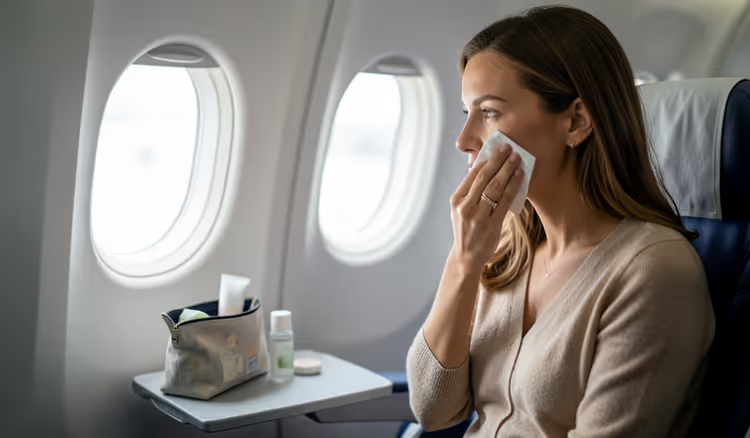
If you did apply makeup in flight, remove it with cleansing products. Bring a pack of makeup remover wipes: they take up little space and get the job done in a couple of minutes.
Makeup remover sticks are even more convenient for travel. The solid texture doesn't leak, the oils and vitamins in the formula moisturize the skin, and one stick lasts for several months.
 AIIllustrative image: AI-generated
6. Plan your airplane outfit in advance
For a long flight, choose loose clothing made from natural fabrics. It doesn't restrict movement and reduces the risk of swelling.
A warm cardigan, a cotton top, and cotton pants are lifesavers on board: you won't get cold and you won't look rumpled.
Compression stockings deserve a separate mention. In a seated position, blood pools in the veins and carries oxygen less efficiently. Stockings hug the leg tightly, partially take over the work of the muscles, and help the veins push blood back up to the heart. Visually, they're almost indistinguishable from regular tights.
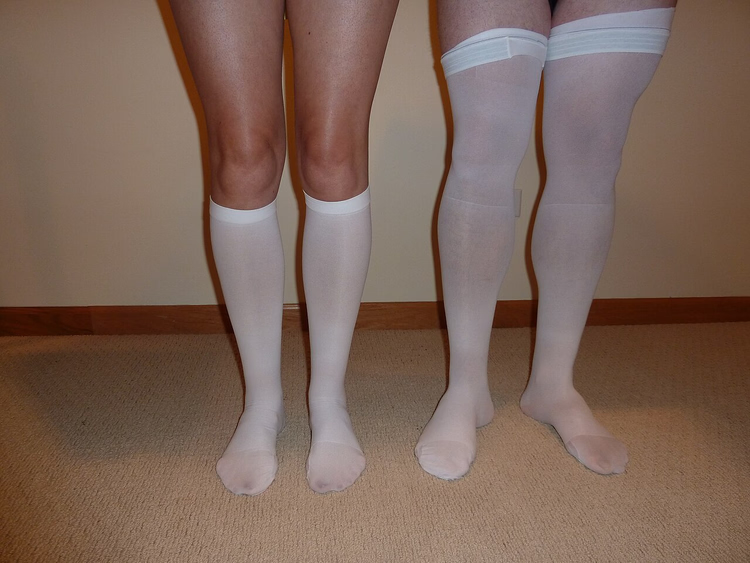 © Lentpjuve · CC BY-SAPhoto: Lentpjuve, CC BY-SA (https://creativecommons.org/licenses/by-sa/4.0), Wikimedia Commons
7. Take care of your eyes
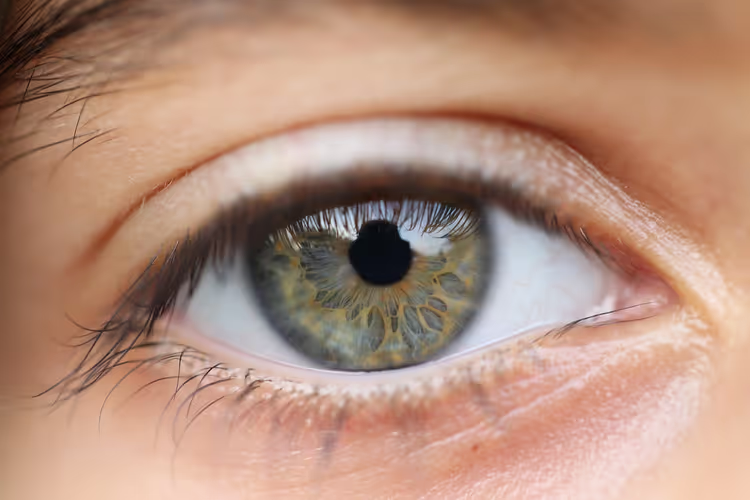
The dry cabin air dries out your eyes just as it does your skin. Reading and watching movies in flight increase irritation and dry out the cornea.
Swap contact lenses for glasses during the flight, this noticeably reduces the strain on your eyes. Bring moisturizing drops to compensate for moisture loss.
8. Eat healthy, quality food
Bring light snacks on board: fresh vegetables, nuts, dried fruit, crackers, and energy bars. This kind of food is rich in protein and vitamins and doesn't weigh down digestion.
Skip salty and spicy food, soda, and fast food. They cause heartburn, heaviness in the stomach, and worsen swelling, and after landing you'll feel worn out.

9. Schedule time for sleep
Healthy sleep is the best rest for the body: during sleep, the body recovers and builds up energy.
Travel drains your energy long before takeoff: packing, the trip to the airport, check-in, and finding the right terminal wear you out before you even board the plane.
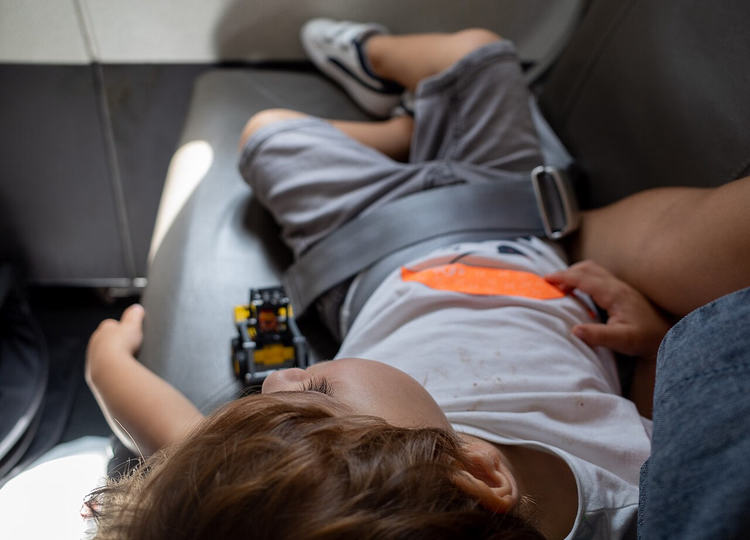
Jet lag is easier to handle if you prepare in advance. Sleep on the plane during the hours when it's night at your destination, and stay awake when it's day there (according to NHS). Even a short daytime nap improves well-being.
 © Jules Verne Times Two · CC BY-SAPhoto: Jules Verne Times Two, CC BY-SA (https://creativecommons.org/licenses/by-sa/4.0), Wikimedia Commons
10. Bring a sleep mask and headphones
A couple of small items in your carry-on create comfortable conditions for rest on board.
A sleep mask blocks out excess light and helps the production of melatonin, the sleep hormone. Choose cotton or silk models: they don't pull the skin around the eyes and don't leave creases.
Noise-canceling headphones shut out cabin noise and your neighbors. With a podcast, music, or a movie, time in flight passes noticeably faster, and it's easier to rest.
 © osseous · CC BYPhoto: osseous, CC BY (https://creativecommons.org/licenses/by/2.0/), Flickr
⁉️🤔 Frequently asked questions
Does SPF help if your seat isn't by the window?
Yes, partially. Ultraviolet passes through the window glass and scatters throughout the cabin. By the window the dose is higher, in the aisle it's lower, but cream also protects the skin from dryness. Apply it before boarding and refresh the layer mid-flight.
Can you bring sheet masks in carry-on luggage?
Yes, but masks are soaked in serum, so at security they may be classified as liquids. Put them in a clear bag together with your other bottles. Add eye patches and hand masks to your masks.
How much water should you drink during a flight?
Don't wait for thirst: the cabin air is dry, and dehydration creeps up unnoticed. Bring an empty bottle and ask a flight attendant to fill it. A few glasses over the course of the flight will support your skin and help you avoid puffiness.
Does sleeping on the plane replace adapting to a new time zone?
Not entirely, but it helps. Sleeping in transit sets your internal clock to your destination's schedule. Go to sleep when it's night at your destination, and after landing immediately live by local time.
What should you do if your skin is dried out by the time you land?
Wash your face with cool water, apply moisturizer or a sheet mask, and drink water. A warm shower and a full night's sleep will speed up recovery. Skin usually returns to normal by evening.
In short: what to bring on a flight
- If you have dry skin: bring sheet masks and moisturizer.
- If you have sensitive eyes: bring glasses and moisturizing drops.
- If you have a long flight: bring a sleep mask, headphones, and compression stockings.
Put together your beauty kit in advance and place it in the top pocket of your backpack. Then the flight will go smoothly, and your face will stay fresh after landing.

A small editorial team writing guides for independent travel. We travel ourselves, but we haven’t been everywhere, so we check prices, opening hours and how to get there against official sources.