
















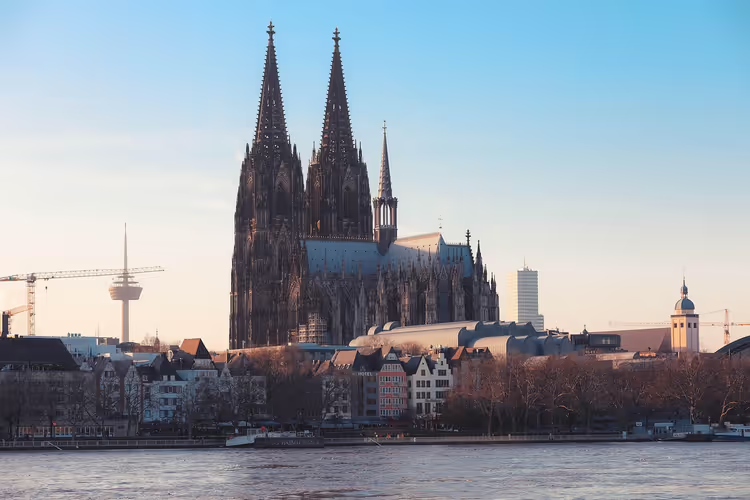
What to see in Cologne: 30 places and opening hours
Cologne can be explored on foot in a day. Almost all the main sights are within a couple of kilometers of the cathedral, and half of them remain free to enter.
We've put together 30 of the city's attractions, from the Gothic cathedral to the Roman gates. For each place, we've noted what to see, how to get there, and how much it costs. Where prices change, you'll find a link to the official source.
Ad: this article contains affiliate links, we earn a commission if you book through them, at no extra cost to you.
What to see in Cologne
💡 In short: Cologne is easy to explore on foot starting from the cathedral. Thirty main sights are located in the Old Town and along the Rhine, and many of them are free to visit.
- The cathedral, Rathausplatz, and Museum Ludwig are within a ten-minute walk of each other (on the map).
- Free: Great St. Martin Church, Church of the Holy Apostles, Flora Botanical Garden, and the Roman Tower.
- Paid: the cathedral, the Chocolate Museum, Cologne Zoo, the cable car, and art galleries.
- Prices and opening hours: 09/2026, verified on the official Cologne Cathedral website.
The table below will help you plan your walking route and avoid wasting time on closed doors.
# | Place | Entry | Closed |
|---|---|---|---|
1 | Cologne Cathedral | ticketed | no |
2 | Fragrance Museum | paid | Sunday |
3 | Museum Ludwig | paid | Monday |
4 | Chocolate Museum | paid | no |
5 | Rathausplatz | free | no |
6 | Phantasialand | paid | seasonal |
7 | Great St. Martin Church | free | no |
8 | Church of the Holy Apostles | free | Tuesday |
9 | Rautenstrauch-Joest Museum | paid | Monday |
10 | Heinzelmännchen Fountain | free | no |
11 | Cologne Zoo | paid | no |
12 | Cologne City Hall | weekdays | weekends |
13 | Augustusburg Palace | paid | Monday |
14 | White House | private | no |
15 | Romano-Germanic Museum | paid | under renovation |
16 | Wallraf-Richartz Museum | paid | Monday |
17 | Schnütgen Museum | paid | Monday |
18 | Ulrepforte | free | no |
19 | 4711 Eau de Cologne House | free | Sunday |
20 | Gürzenich | event-based | no |
21 | Hahnentorburg | free | no |
22 | Severinstorburg | free | no |
23 | Eigelsteintorburg | free | no |
24 | Bayenturm | free | no |
25 | Church of St. Pantaleon | free | no |
26 | Cable car | paid | November-March |
27 | Hohenzollern Bridge | free | no |
28 | Flora Botanical Garden | free | no |
29 | Colonius TV Tower | exterior only | no |
30 | Roman Tower | private | no |
Below, we'll go through each place in order, with photos, hours, and directions.
1. Cologne Cathedral
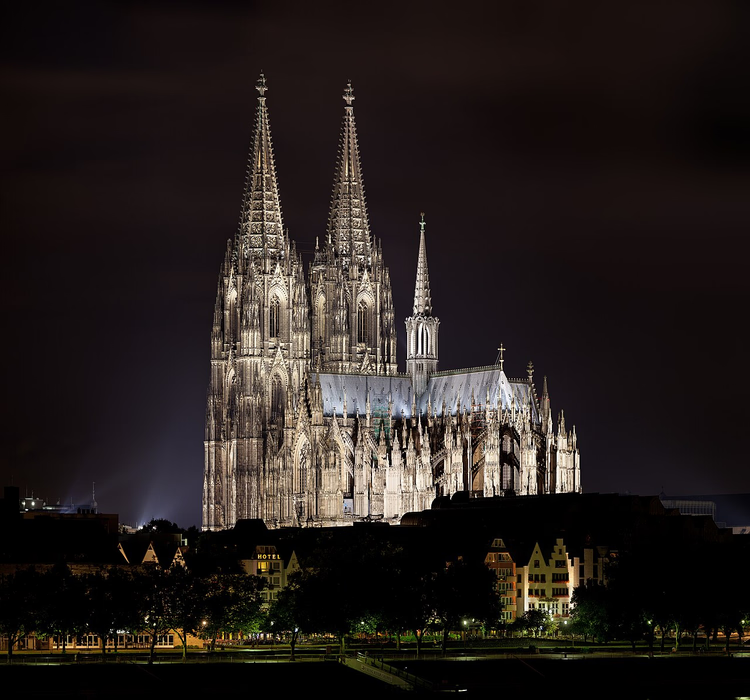 © Thomas Wolf , www.foto-tw.de · CC BY-SAPhoto: Thomas Wolf , www.foto-tw.de, CC BY-SA (https://creativecommons.org/licenses/by-sa/3.0/de/deed.en), Wikimedia Commons
Cologne Cathedral is visible from anywhere in the city center. Its two towers rise nearly 160 meters, and until the late 19th century the church remained the tallest building in the world (as of 09/2026, official website).
Construction began back in the Middle Ages and was only completed several centuries later. The long interruptions left their mark on the building: the Gothic framework never fully acquired its lavish decoration. But the cathedral retained an authenticity that many later-completed churches lack.
Inside, the cathedral functions as a museum. You'll see medieval stained glass, sculptures on the columns, and the famous treasury with reliquaries. The Shrine of the Three Kings deserves special attention: pilgrims from all over Europe come here for it.
From July 1, 2026, a ticket is required to enter; free admission has been discontinued (verified 14.09.2026 on the ticketing site). Climbing the tower is paid separately, and it's more than 500 steps with no elevator. The line for the viewing platform is shorter in the morning.
- How to get there: Dom/Hauptbahnhof station, exit toward the cathedral.
- Tickets and hours: the cathedral is open daily from 6:00 to 20:00; tickets for the cathedral, the tower, and the treasury are purchased separately (as of 09/2026, official website).
- Who it's for: those who want to see the city's main symbol and climb above the Rhine.
- Not for: those who struggle with stairs and no elevator.
- The catch: in high season, climbing the tower takes over an hour.
Tours of the cathedral and Old Town are easy to book in advance: Cologne tours on GetYourGuide.
2. Fragrance Museum
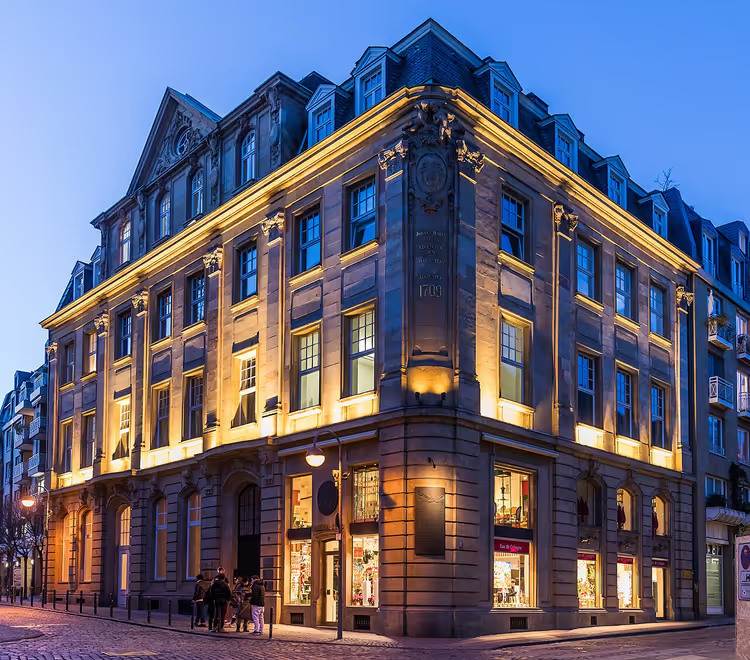 © Raimond Spekking · CC BY-SAPhoto: Raimond Spekking, CC BY-SA (https://creativecommons.org/licenses/by-sa/4.0), Wikimedia Commons
The Fragrance Museum operates in the house of Johann Maria Farina, who was the first to blend floral scents and called the mixture "Cologne water." The Farina factory is considered the oldest perfume house in the world, and production still continues here today.
The workshops have been preserved in the house and turned into a museum. A guide in period costume leads the tour, showing you copper stills, antique bottles, and walking you through the entire process. At the end, you can smell the cologne and buy a bottle in the shop.
The original scent is citrusy, with bergamot and herbs. Farina himself said his water smelled like a spring morning in Italy after rain. This is where the word "eau de cologne" comes from, which the French translated as "Cologne water."
- How to get there: metro to Neumarkt station or bus 132.
- Cost: admission is paid, tours run on a schedule.
- Who it's for: fans of perfume history and unusual museums.
- The catch: on weekends, groups fill up quickly, so it's best to arrive at opening time.
3. Museum Ludwig
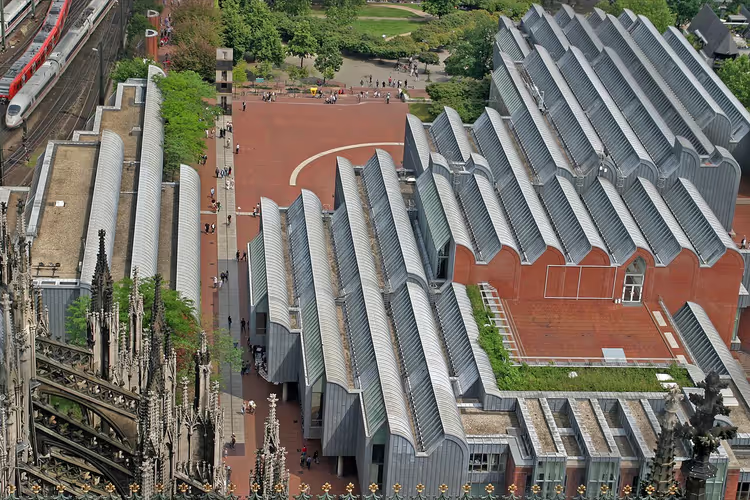 © Thomas Robbin · CC BY-SAPhoto: Thomas Robbin, CC BY-SA (http://creativecommons.org/licenses/by-sa/3.0/), Wikimedia Commons
Museum Ludwig holds one of the best collections of 20th-century art in Europe. Here you'll see avant-garde, pop art, expressionism, and surrealism, as well as one of the largest collections of Picasso in Germany (as of 09/2026, official website).
The gallery's foundation was laid by the Ludwig couple: in 1976, they donated around 350 works to the city and paid for a new building next to the cathedral (as of 09/2026, Museum Ludwig website). This gift is what led to a modern museum appearing in the center of Cologne.
The new building looks striking against the Gothic backdrop. Its windows offer an unexpected view of the cathedral, so photography is allowed here and even convenient. 20th-century art is presented without fuss, there are many rooms, and you won't feel tired after a couple of hours.
- How to get there: trams 5, 16, 18 to Dom/Hauptbahnhof stop.
- Cost: admission is paid, the museum is closed on Mondays.
- Who it's for: those interested in modern art and Picasso.
- The catch: complex exhibitions are hard to understand without an audio guide.
4. Chocolate Museum
 © Photo: Arminia , cropped by Elya , · CC BY-SAPhoto: Photo: Arminia , cropped by Elya ,, CC BY-SA (http://creativecommons.org/licenses/by-sa/3.0/), Wikimedia Commons
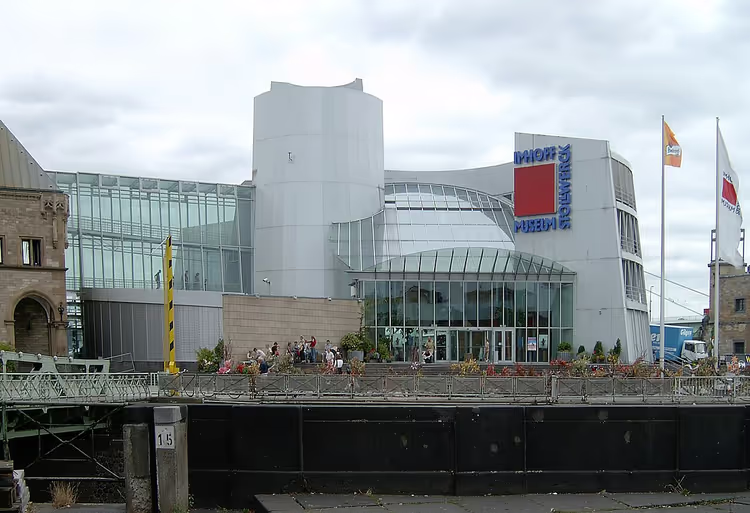
The city's sweetest museum stands on an island in the Rhine, and its building resembles a huge ship. Inside, a real chocolate factory operates, visible through glass (as of 09/2026, official website).
You'll follow the entire journey of the cocoa bean, from plantations to the finished bar. Large machines mix, temper, and wrap the chocolate, with only souvenirs packed by hand. A separate exhibit is dedicated to vintage boxes and labels from chocolate brands.
Children love the chocolate fountain, about three meters tall, most of all. Wafers are dipped into it and handed out to visitors. At the museum, you can order your own custom bar made to your recipe, and the shop sells chocolate from well-known brands.
- How to get there: buses 106, 132, and 133 to Schokoladenmuseum stop.
- Cost: admission is paid, and with the KölnCard on GetYourGuide you get museums and transport on one card.
- Who it's for: families with children and anyone with a sweet tooth.
- The catch: during school holidays, a line forms at the ticket office, so it's best to buy tickets online.
5. Town Hall Square
Town Hall Square lies in the center of the Old Town, three hundred meters from the cathedral.
Underground, at a depth of about ten meters, there is an archaeological museum. It displays the remains of a Roman settlement and tells the story of how medieval Cologne lived. The exhibition takes you back several centuries.
City festivals and fairs take place on the square, and the town hall itself hosts receptions and balls. During the day it is noisy here, but everything is close to the cathedral.
- How to get there: metro to Dom/Hauptbahnhof and Heumarkt stations or bus 132.
- Cost: the square and viewing from outside are free, the museum in the basement is paid.
- Who it's for: those who want to see the town hall and get a glimpse of the city's Roman past.
- The catch: during the day the square is noisy and crowded.
6. Phantasialand Park
 © KevinSchepers · CC BY-SAPhoto: KevinSchepers, CC BY-SA (https://creativecommons.org/licenses/by-sa/4.0), Wikimedia Commons
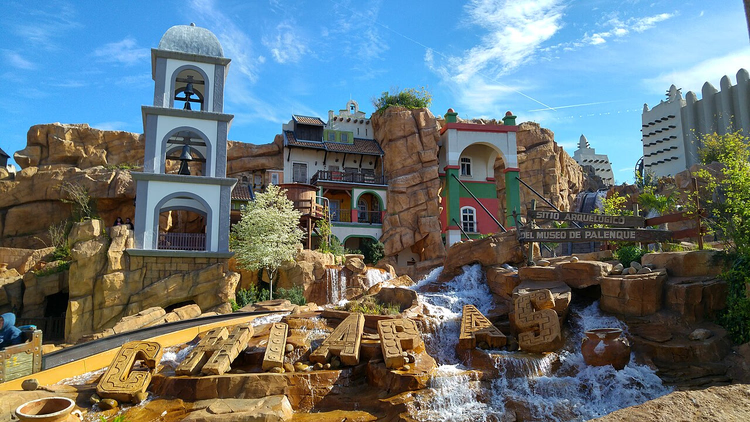
Phantasialand Park is located in Brühl, half an hour from Cologne. It is not just rides, but a themed town divided into zones representing different countries.
There are water slides, carousels for toddlers, and extreme swings with a loop. For those who get wet, there is a warm-air dryer. Chinese acrobats perform in the park, and "living" dolls and cartoon characters stroll along the paths.
In summer the park stays open longer, in winter it closes earlier, so check the opening hours before your trip.
- How to get there: by regional train to Brühl, the journey takes about fifteen minutes.
- Cost: admission is paid, the ticket covers most rides.
- Who it's for: families with children and thrill-seekers.
- The catch: on weekends the lines for popular rides are long.
7. St. Martin's Church
 © Pedro J Pacheco · CC BY-SAPhoto: Pedro J Pacheco, CC BY-SA (https://creativecommons.org/licenses/by-sa/4.0), Wikimedia Commons
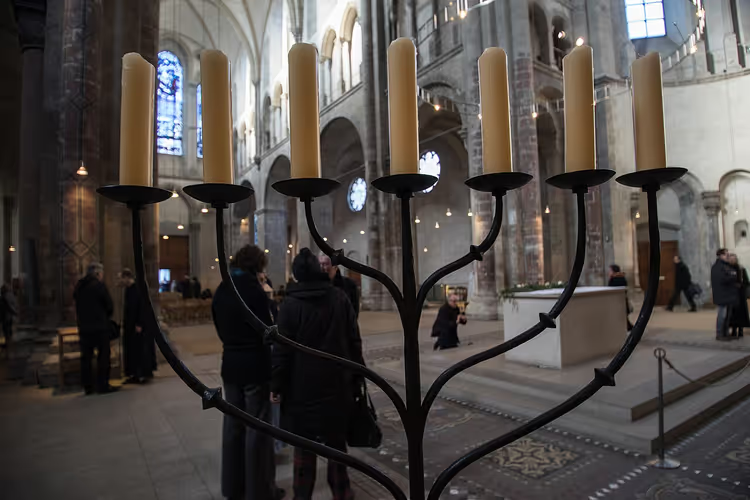
Great St. Martin stands on the banks of the Rhine next to the cathedral. Of the city's twelve Romanesque churches, this one is considered the most beautiful, and Fischmarkt Square offers the best view of its four towers.
The church has survived destruction and rebuilding but has kept its Romanesque appearance. The altar was built in the shape of a clover leaf, the vault of the main hall has ten sides, and the tall windows are decorated with stained glass depicting saints.
Inside there is a fragment of an ancient Roman column, which locals consider a talisman for the city. Go in at a quiet time to see the frescoes without the crowds. Remember that this is an active church, so dress modestly.
- How to get there: metro to Rathaus or Heumarkt stations, then walk toward the Rhine.
- Cost: admission is free, but your appearance should be appropriate.
- Who it's for: those who love Romanesque architecture and river views.
- The catch: tour groups come here, so mornings and evenings are calmer.
8. Church of the Holy Apostles
 © Raimond Spekking · CC BY-SAPhoto: Raimond Spekking, CC BY-SA (https://creativecommons.org/licenses/by-sa/4.0), Wikimedia Commons
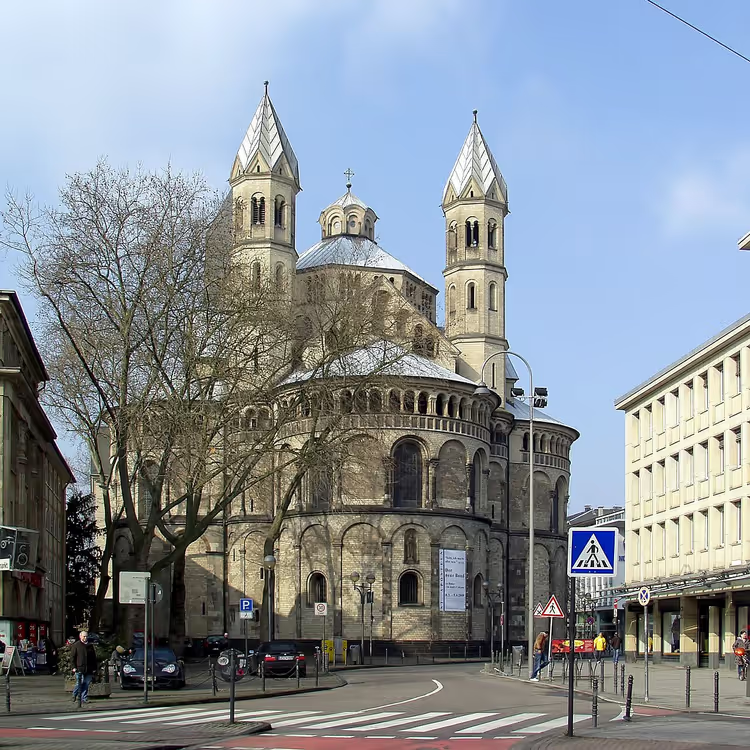
The Church of the Holy Apostles stands on Neumarkt Square, in the very heart of the Old Town. It is the third-tallest Romanesque church in Cologne, with two towers on either side.
Inside you will find gray-blue frescoes of St. John, colorful stained glass, and a huge organ. The sculpture of the twelve apostles and the ancient baptismal font are considered the church's main treasures. The interior has been restored several times after wars, but the frescoes have survived almost untouched.
You step in from the noisy square and find yourself in silence. This is one of those churches where it is easy to take a break in the middle of a walk.
- How to get there: trams 1, 7, 9, 11, and 14 to Neumarkt stop, buses 134 and 146.
- Cost: admission is free, photography is allowed.
- Who it's for: those walking through the Old Town who want to step into a Romanesque church.
- The catch: on Tuesdays the church is closed to tourists.
9. Ethnological Museum
 © Raimond Spekking · CC BY-SAPhoto: Raimond Spekking, CC BY-SA (https://creativecommons.org/licenses/by-sa/4.0), Wikimedia Commons
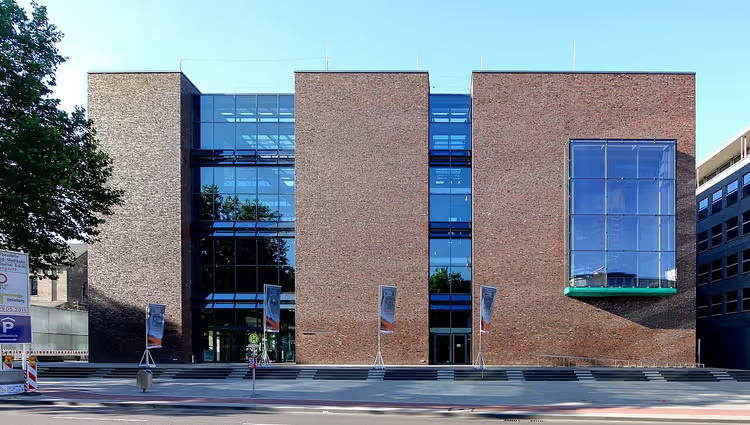
The Rautenstrauch-Joest Ethnological Museum is one of the five largest in Germany. It explores how different peoples explain the world and why their customs are so different.
In the halls you will see old photographs, ritual objects, rare journals, and monographs. The exhibitions tackle difficult topics: life and death, rites, relations between men and women, and the mistakes of generations that people repeat for centuries.
A separate exhibition is dedicated to childhood, feelings, and the problems of a child. Temporary projects are also held here, so it is worth checking the museum's website before visiting.
- How to get there: metro to Neumarkt station.
- Cost: admission is paid, and there are noticeably fewer people in the morning.
- Who it's for: those who enjoy unhurried, substantive exhibitions.
- The catch: some texts are only in German, without translation.
10. Heinzelmännchen Fountain
 © Thomas Wolf , www.foto-tw.de · CC BY-SAPhoto: Thomas Wolf , www.foto-tw.de, CC BY-SA (https://creativecommons.org/licenses/by-sa/3.0/de/deed.en), Wikimedia Commons
Not far from the cathedral hides the city's most famous fountain. It is a monument to female curiosity: in the center stands a woman with a lantern, and next to her gnomes are scattered along the stairs.
The sculpture was created by the Renard father and son, based on a poem by a German poet. According to legend, a woman scattered peas for the gnomes to catch a glimpse of how they helped the city at night. The offended gnomes supposedly left Cologne forever.
Around the fountain there are bas-reliefs with other characters from the poem, greenery, and flower beds. Tourists spend a long time looking for this sculpture, so it is almost always surrounded by people.
- How to get there: on foot from the cathedral, look for the street between the cathedral and the Rhine.
- Cost: viewing from outside is free.
- Who it's for: those who love urban legends and small sculptures.
- The catch: the fountain is small, easy to walk past.
11. Cologne Zoo
 © Neuwieser · CC BY-SAPhoto: Neuwieser, CC BY-SA (https://creativecommons.org/licenses/by-sa/2.0), Wikimedia Commons
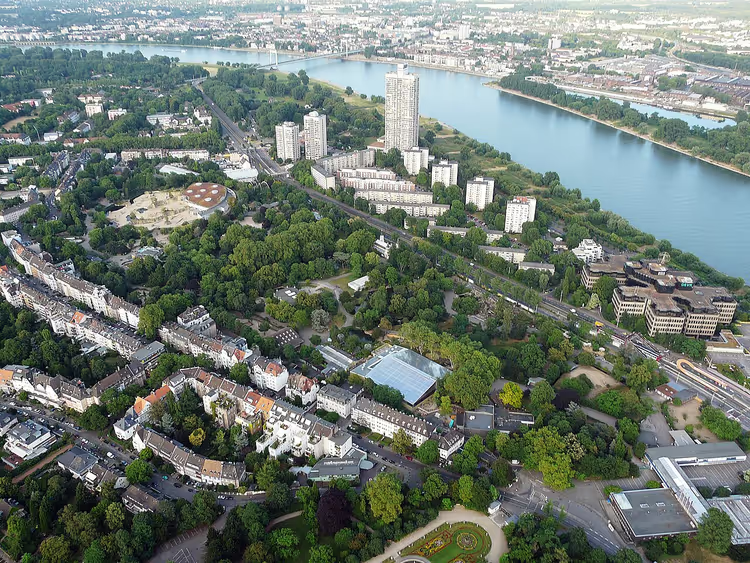
Cologne Zoo in the north of the city is considered one of the oldest in Germany. It occupies a large area next to the Botanical Garden, and it is home to elephants, camels, and baboons (as of 09/2026, official website).
Monkeys live in a purpose-built "Jungle House," and tropical plants are kept in rooms with a special climate. The aquarium with bright fish, mollusks, and reptiles is particularly impressive.
The grounds are clean and well maintained, and the animals are fed on a schedule. Tickets are cheaper to buy online in advance; in summer there is a line at the ticket office (checked on 14.09.2026 on the official website). From the cathedral and back you can take a special "Zoo Express."
- How to get there: tram 18 or bus 140 to the Zoo/Flora stop.
- Cost: admission is paid, and an online ticket also works as a transit pass for the zone (as of 09/2026, prices on the zoo's website).
- Who it's for: families with children and animal lovers.
- The catch: some enclosures are far from the entrance, so plan at least half a day.
Zoo tickets are convenient to buy in advance: tickets on Tiqets.
12. Cologne City Hall
 © Arminia · CC BY-SAPhoto: Arminia, CC BY-SA (http://creativecommons.org/licenses/by-sa/3.0/), Wikimedia Commons
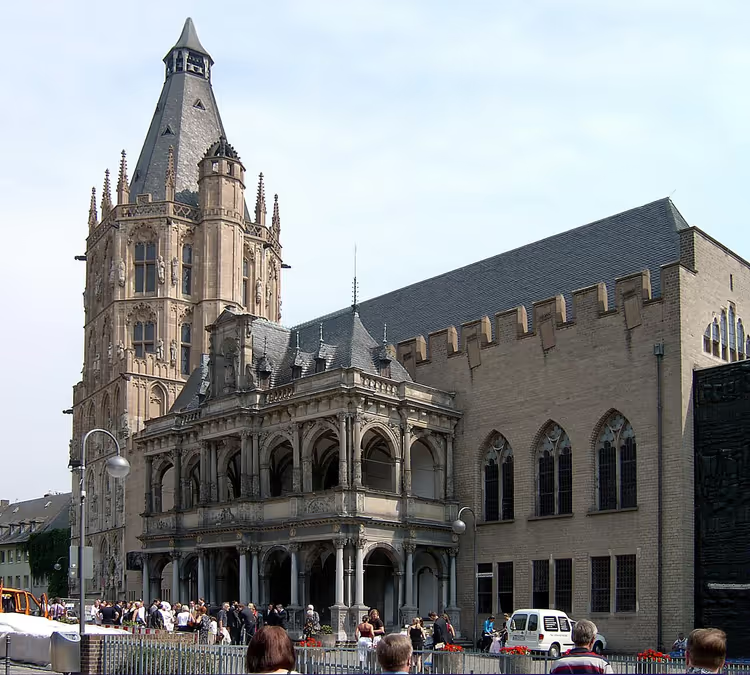
Cologne City Hall is considered the oldest in Germany. It stands in the historic center between the Old Market and Town Hall Square, just three hundred meters from the cathedral.
The building was constructed in several stages, and the process stretched across the 14th to 16th centuries. The combination of Gothic and Baroque gives the city hall a picturesque look. On the facade you'll find a wooden face named Platz-Jabbek: with every strike of the clock it opens its mouth and sticks out its tongue. The tower is decorated with figures of notable citizens.
The city hall at Rathausplatz is open for tours on weekdays; the rest of the time the building is occupied by the city administration.
- How to get there: metro to Dom/Hauptbahnhof and Heumarkt stations, bus 132.
- Cost: viewing the facades is free, tours are paid.
- Who it's for: those who want to see the country's oldest city hall.
- The catch: it's a working building, so access is limited by time.
13. Augustusburg Palace
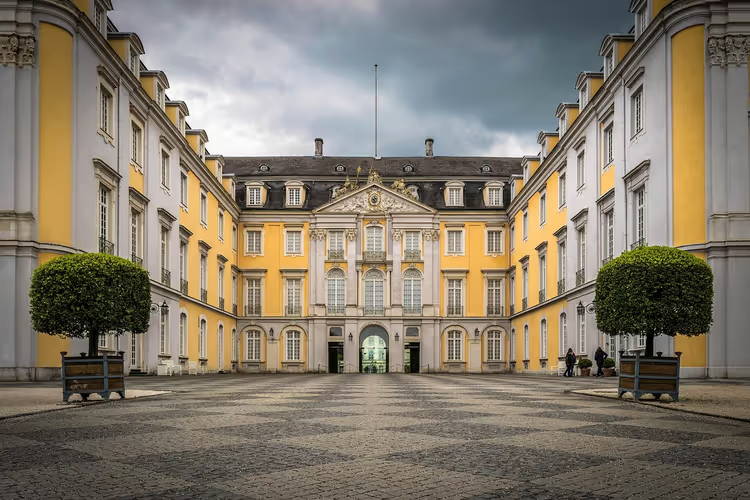
Augustusburg Palace stands in Brühl and is one of the earliest examples of German Rococo. It was built in the early 18th century for an archbishop and elector, and today the complex is listed as a UNESCO World Heritage Site.
Inside, you'll find state rooms with stucco work and historic exhibits, while outside a park with avenues and concert areas spreads around the palace.
The palace is closed on Mondays, so it's better to plan your trip for another day.
- How to get there: by regional train to Brühl, then on foot or by bus.
- Cost: admission is paid; tickets for the park and the palace can differ.
- Who it's for: those who love palaces, parks, and landscape design.
- The catch: the rooms open in fixed sessions, with no self-guided viewing.
14. White House
 © Raimond Spekking · CC BY-SAPhoto: Raimond Spekking, CC BY-SA (https://creativecommons.org/licenses/by-sa/4.0), Wikimedia Commons
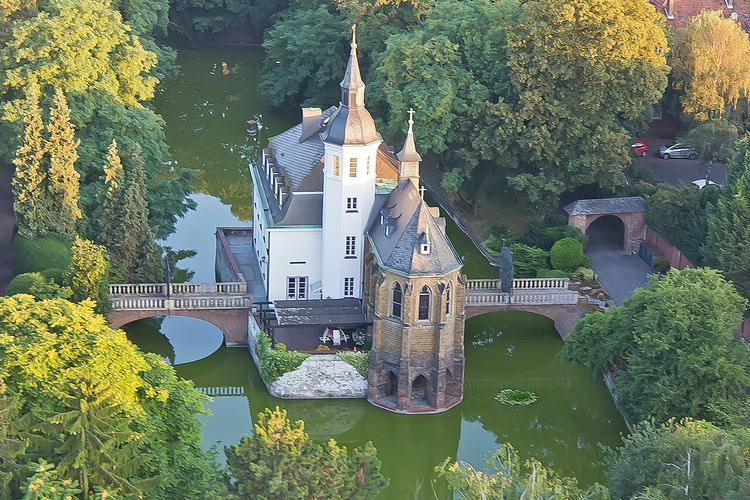
The White House, or Weisshaus, was first mentioned back in the 14th century. At that time, the castle served as a summer residence for Benedictine abbots and as a defensive fortification.
Snow-white walls, old stonework, and a picturesque pond create a harmonious ensemble, complemented by Gothic turrets. Two arched bridges connect the castle to a large, shady park.
Today, Weisshaus is privately owned, so you can't go inside. You can get there by taking the Stadtbahn toward Bonn and getting off at the Arnulfstraße stop.
- How to get there: Stadtbahn toward Bonn, Arnulfstraße stop.
- Cost: private property, viewing only from the outside.
- Who it's for: those strolling through Cologne's western parks.
- The catch: no access inside, the castle can only be seen from outside.
15. Romano-Germanic Museum
 © Raimond Spekking · CC BY-SAPhoto: Raimond Spekking, CC BY-SA (https://creativecommons.org/licenses/by-sa/4.0), Wikimedia Commons
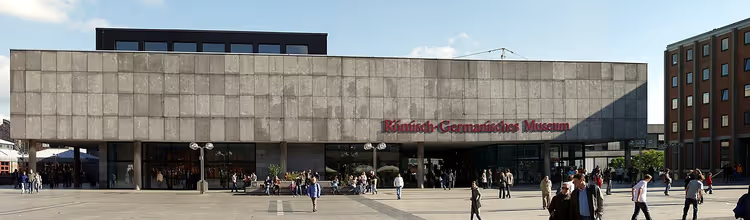
The Romano-Germanic Museum houses one of Europe's largest archaeological collections. The exhibits span the period from the Paleolithic to the early Middle Ages, with roughly three million objects in total (as of 09/2026, official website).
It features Roman glass, jewelry, weapons, and everyday objects. The collection's pride is considered to be the Dionysus mosaic and the fifteen-meter funerary monument of Poblicius.
Important: the museum's main building on Roncalliplatz is closed for renovation, and part of the exhibition is temporarily on display at the Belgisches Haus (verified 14.09.2026 on the official website). Before visiting, check which rooms are currently open.
- How to get there: Dom/Hauptbahnhof and Heumarkt stations, then walk.
- Cost: paid admission, on the first Thursday of the month the museum stays open later.
- Who it's for: those interested in Cologne's Roman history.
- The catch: some rooms are closed for renovation.
16. Wallraf-Richartz Museum
 © Hans Peter Schaefer - http://www.reserv-a-rt.de · CC BY-SAPhoto: Hans Peter Schaefer - http://www.reserv-a-rt.de, CC BY-SA (http://creativecommons.org/licenses/by-sa/3.0/), Wikimedia Commons
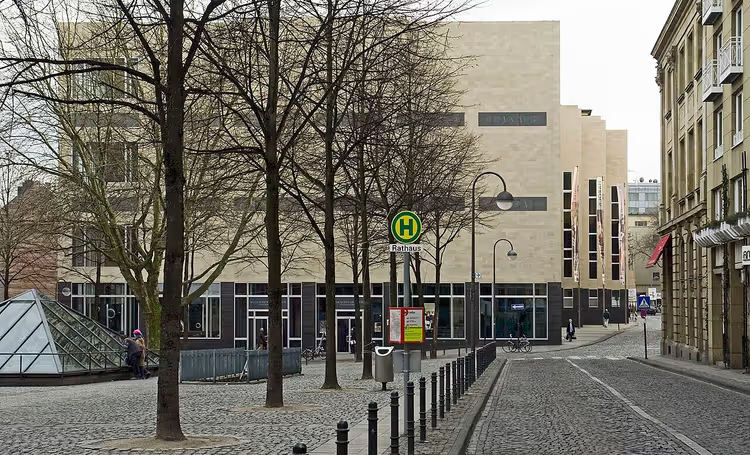
The Wallraf-Richartz Museum was founded back in the 19th century, and it has occupied its current building near Rathausplatz since 2001 (as of 09/2026, museum page on the city website).
It is one of Germany's largest picture galleries. The collection includes paintings created over seven centuries, including works from the Cologne school of painting and unique graphic art. The collection's pride is considered to be Stefan Lochner's "Madonna of the Rose Bower."
The museum is closed on Mondays, but it stays open later on the first and third Thursday of the month.
- How to get there: Dom/Hauptbahnhof and Heumarkt stations, then walk.
- Cost: paid admission, on the first Thursday of the month Cologne museums offer reduced prices.
- Who it's for: those who love old master paintings.
- The catch: closed on Mondays along with most of the city's museums.
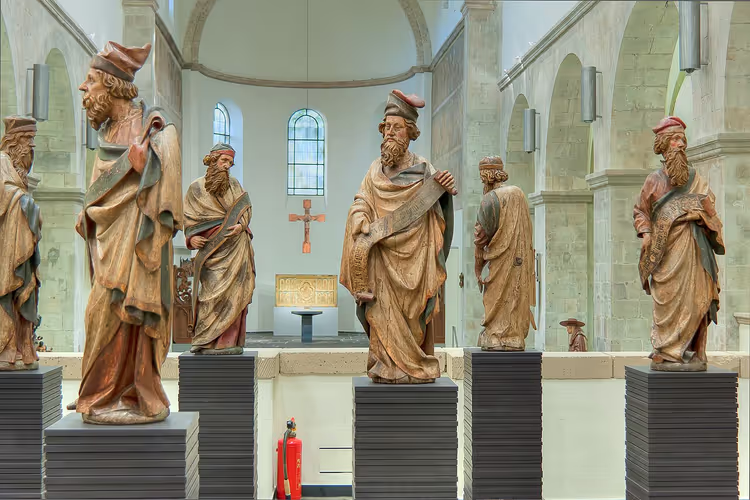
17. Schnütgen Museum
The Schnütgen Museum came into being thanks to the collector Alexander Schnütgen. In the late 19th century, he collected medieval church artifacts and later donated the collection to his native city on one condition: to create a museum open to everyone.
 © Raimond Spekking · CC BY-SAPhoto: Raimond Spekking, CC BY-SA (https://creativecommons.org/licenses/by-sa/4.0), Wikimedia Commons
Since the mid-20th century, the collection has been housed in the Romanesque Basilica of St. Cecilia, which is itself an architectural monument. In the rooms you'll see stained glass, old tapestries, church utensils made of ivory and precious metals, ceremonial vestments, and statues.
This is a quiet museum without crowds, where it's easy to study the details.
- How to get there: Neumarkt station, then walk to Cäcilienstraße.
- Cost: paid admission, closed on Mondays.
- Who it's for: those interested in medieval art.
- The catch: the exhibition is small, an hour is enough for it.
18. Ulrepforte
 © Островский Александр, Киев · CC BY-SAPhoto: Островский Александр, Киев, CC BY-SA (https://creativecommons.org/licenses/by-sa/3.0), Wikimedia Commons
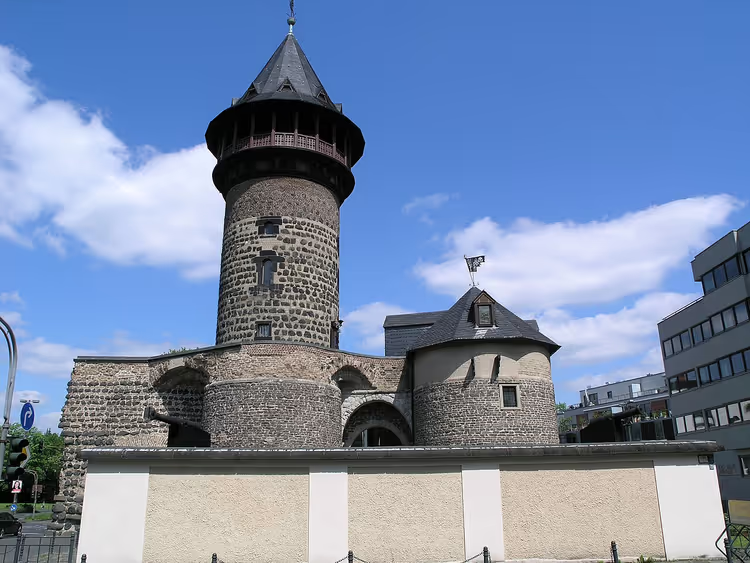
Ulrepforte has been mentioned in documents since the 13th century. It was once a city fortress, and today all that remains is a recognizable tower in the south of the historic center.
The fortress's name translates as "pottery production," since this craft flourished here until the 19th century. In different eras, a mill, merchant houses, and wine cellars operated inside.
You can find Ulrepforte between Sachsenring, Ulrichgasse, and Kartäuserwall. It's not a touristy spot, but it has atmosphere.
- How to get there: tram to the Ulrepforte stop, then walk.
- Cost: free viewing from outside.
- Who it's for: those who love quiet corners away from the crowds.
- The catch: no access inside, the building is residential and under restoration.
19. 4711 Eau de Cologne House
 © Raimond Spekking · CC BY-SAPhoto: Raimond Spekking, CC BY-SA (https://creativecommons.org/licenses/by-sa/4.0), Wikimedia Commons
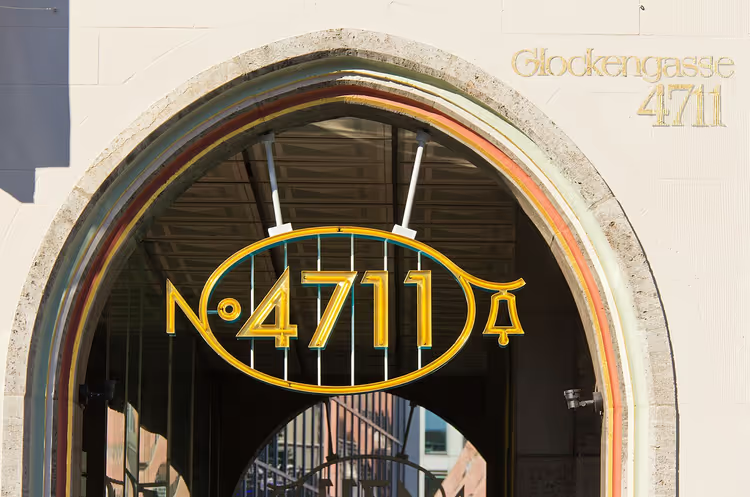
For several centuries, this house has been producing Eau de Cologne according to a recipe kept secret.
Today, 4711 brand products are sold in nearly sixty countries. There is a shop at the factory: here you can choose a fragrance from a large collection, buy cosmetics and shower gels. On the second floor there is a small museum with exhibits about the brand's history.
The 4711 House is open on weekdays and Saturdays, and closed on Sundays.
- How to get there: walk from the cathedral, the house stands in the center on Glockengasse.
- Cost: free entry, the museum is free.
- Who it's for: those looking for perfume and an unusual souvenir from Cologne.
- The catch: the factory is closed on Sundays.
20. Gürzenich
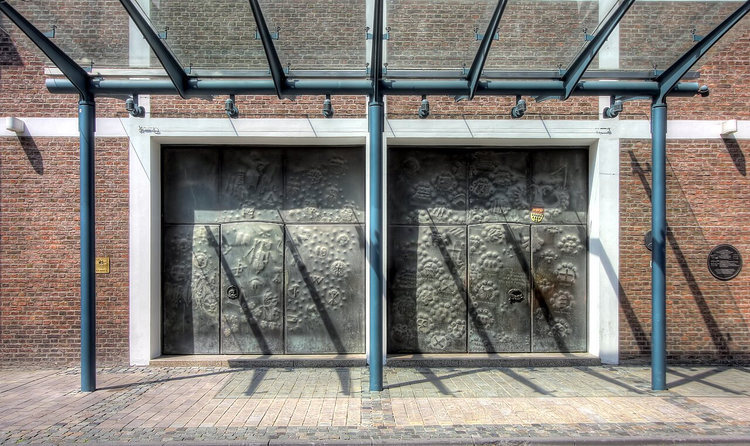
Gürzenich was built back in the 15th century as a noble reception hall. For its time, it was a very spacious building with expressive Gothic decoration.
 © Raimond Spekking · CC BY-SAPhoto: Raimond Spekking, CC BY-SA (https://creativecommons.org/licenses/by-sa/4.0), Wikimedia Commons
During World War II, the building burned down, and only the massive walls survived. After restoration, it became an exhibition and concert complex that has preserved its historic atmosphere. Today, musicians perform here and organ music concerts take place.
You can get inside for a concert or exhibition; there is no free entry.
- How to get there: Heumarkt station, then walk.
- Cost: tickets depend on the event.
- Who it's for: those who want to hear organ music in a historic hall.
- The catch: check the program in advance.
21. Hahnentorburg Gate
The Hahnentorburg Gate was part of the medieval city wall. The road to Aachen and Jülich passed through it, which is why it is considered one of the main gates of the Old Town.
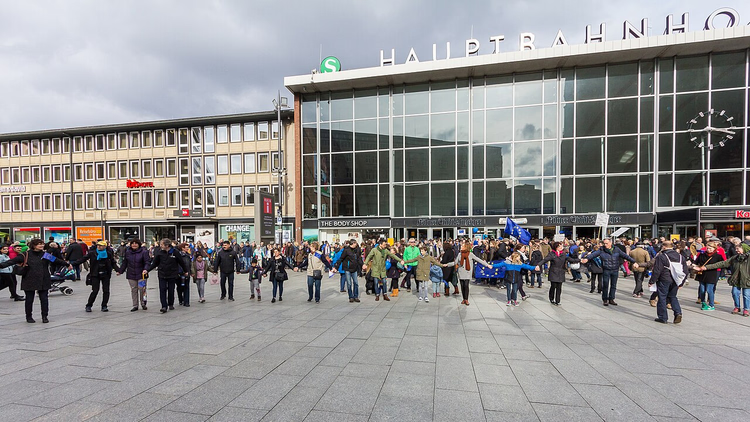 © Raimond Spekking · CC BY-SAPhoto: Raimond Spekking, CC BY-SA (https://creativecommons.org/licenses/by-sa/4.0), Wikimedia Commons
The gate was built back in the early 13th century as a demonstration of the power of Cologne's fortifications. Later it housed a prison and a horse tram depot, and at the end of the 19th century a history museum opened here. After the war the building was restored and turned into an exhibition hall, and today it is home to the carnival honor guard.
It is located on Hahnenstraße near Rudolfplatz.
- Getting there: tram or subway to the Rudolfplatz stop.
- Cost: you can view the gate from the outside for free.
- Who it's for: those walking through the western part of the Old Town.
- The catch: you can only get inside for exhibitions.
22. St. Severin's Gate
 © Raimond Spekking · CC BY-SAPhoto: Raimond Spekking, CC BY-SA (https://creativecommons.org/licenses/by-sa/4.0), Wikimedia Commons
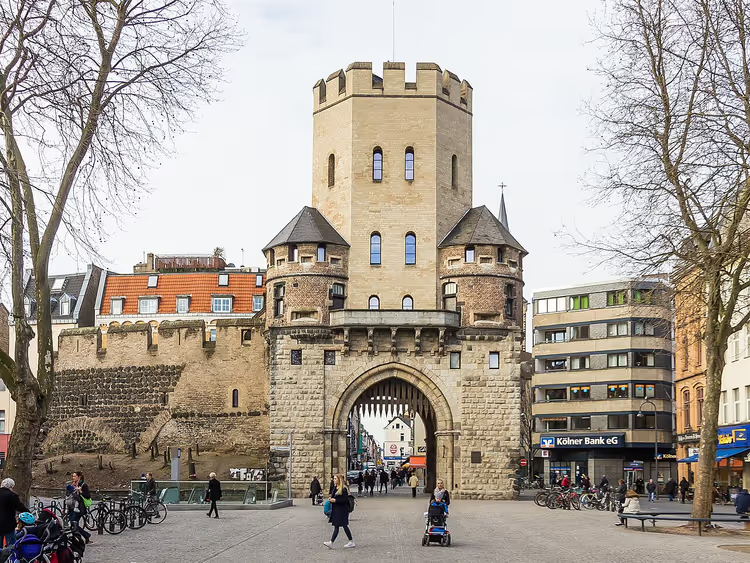
St. Severin's Gate survives as part of the medieval city wall. The main route from Cologne to Bonn passed through it, and the structure itself dates back to the 13th century.
The gate served not only as an entrance but also as a meeting place for honored guests. At the end of the 19th century it housed a natural history museum, later a hygiene museum, and then a community center. Despite its long history, the gate's exterior has survived almost in its original form.
The monument is located in the south of the Old Town, near Chlodwigplatz.
- Getting there: tram or bus to Chlodwigplatz.
- Cost: viewing from the outside is free.
- Who it's for: those following the southern route from the cathedral to the Rhine.
- The catch: there is a busy interchange nearby, so don't expect quiet.
23. Eigelstein Gate
Eigelstein Gate was the northern entrance to the city. It was built in the 13th century to connect Cologne with Neuss, and it was a key element of the city's fortifications.
Napoleon and his wife entered the city through this gate. After the city wall was demolished, the authorities decided to preserve the gate, and at the end of the 19th century the architect Stübben carried out a reconstruction. Later it housed a natural history museum and a branch of the history museum.
Today it is part of the city's historical heritage at the intersection of Lübeckerstraße, Eigelstein and Greesbergstraße.
- Getting there: tram to the Eigelstein stop or on foot from the main station.
- Cost: viewing from the outside is free.
- Who it's for: those who want to walk along the line of the old city walls.
- The catch: there is no permanent exhibition inside.
24. Bayenturm Tower
Bayenturm Tower rose on the banks of the Rhine as part of a single fortress wall. The octagonal two-story structure with a crenellated top is considered one of the most recognizable buildings in the Old Town.
The tower was built in the 13th century, then underwent major reconstruction in the late 19th century and was restored after the war using the original drawings by architect Stübben. Today its appearance is almost identical to the original.
Look for Bayenturm near the Rheinauhafen embankment, between Bayenstraße and Agrippinawerft.
- Getting there: on foot along the Rhine from Deutzer Brücke.
- Cost: free to view from outside.
- Who it's for: those strolling along the embankment and looking for traces of the city wall.
- The catch: you can't go inside.
25. Church of St. Pantaleon
The Church of St. Pantaleon stands on a hill in the southern part of the Old Town. The first mention of it dates back to the 9th century, and in the 10th century a monastery was founded there.
It is a three-aisled Romanesque basilica with three towers of different heights. The church houses relics of St. Nicholas the Wonderworker, Bruno the Great, and St. Pantaleon himself. Services, talks with priests, and church classes are held here for parishioners.
The basilica is surrounded by quiet streets, and there are noticeably fewer tourists here than at the cathedral.
- Getting there: tram to Barbarossaplatz, then walk.
- Cost: free entry.
- Who it's for: those who want to see Romanesque architecture without the crowds.
- The catch: service times may limit viewing.
26. Cable car
 © Ebertplatz aka Gerd Franke, Cologne/Köln (www.ebertplatz.de) · CC BY-SAPhoto: Ebertplatz aka Gerd Franke, Cologne/Köln (www.ebertplatz.de), CC BY-SA (http://creativecommons.org/licenses/by-sa/3.0/), Wikimedia Commons
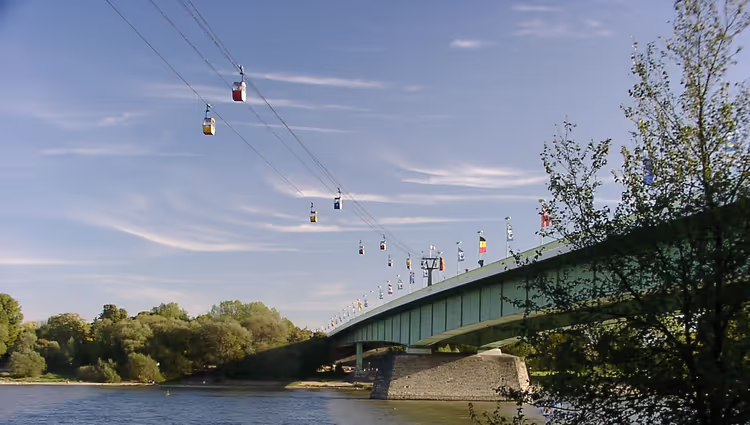
The cable car takes you over the Rhine near the zoo, and from here you get the best view of the river, the Old Town, and Cologne Cathedral from above.
The cable car opened in the mid-20th century and became the first of its kind in Germany. It held the status of the only one in the country for several decades, until similar transport appeared in Koblenz.
The cable car runs from April to October, daily from morning to evening, with cabins traveling between Rheinpark and the zoo. This way you can combine both outings in one day and see the city from above.
- Getting there: Riehler Straße station next to the zoo.
- Cost: paid ticket, combined ticket with the zoo available. Cable car tickets on Tiqets.
- Who it's for: those who want to see Cologne from above.
- The catch: closed in winter.
27. Hohenzollern Bridge
 © Raimond Spekking · CC BY-SAPhoto: Raimond Spekking, CC BY-SA (https://creativecommons.org/licenses/by-sa/4.0), Wikimedia Commons
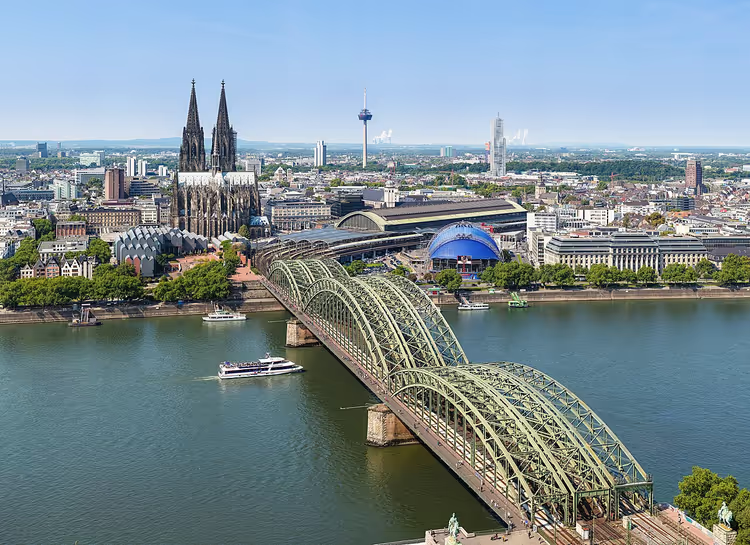
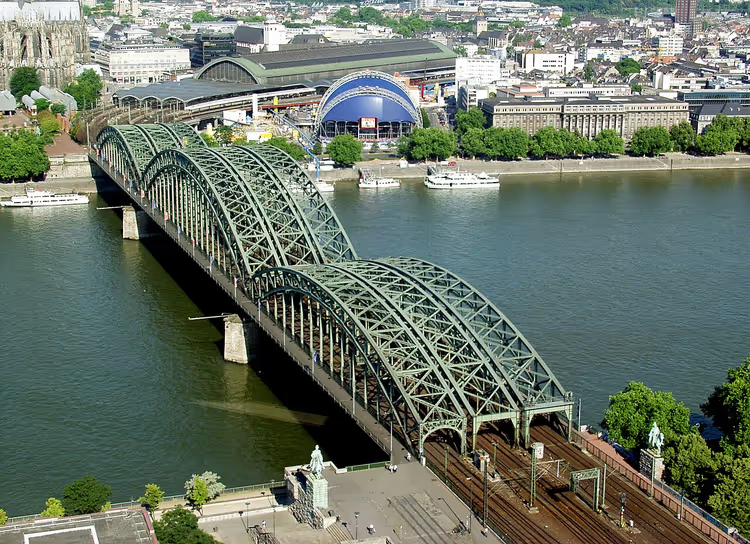
The Hohenzollern Bridge spans the Rhine right by the cathedral. Trains run across it between the city's two stations, and a pedestrian and bicycle path runs along the steel arches.
The bridge opened in the early 20th century, and today it is one of the most popular photo spots. Thousands of couples have left padlocks on its railings, which is why the bridge is also called the lovers' bridge.
Access to the bridge is free, and it offers an excellent view of the cathedral and the river. Go at sunset, when the city is lit up.
- Getting there: Dom/Hauptbahnhof or Bahnhof Deutz station, then walk onto the bridge.
- Cost: free access around the clock.
- Who it's for: those who want the best view of the cathedral across the Rhine.
- The catch: it's cold on the bridge in windy weather.
28. Flora Botanical Garden
 © Renardo la vulpo · CC BY-SAPhoto: Renardo la vulpo, CC BY-SA (https://creativecommons.org/licenses/by-sa/4.0), Wikimedia Commons
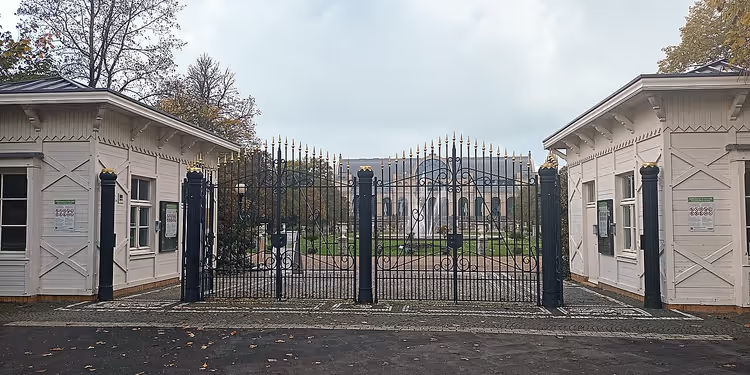
The Flora Botanical Garden was laid out in the north of the city back in the 19th century. At first it was a city park designed by Prussian architect Peter Lenné, and a separate botanical garden was established here later.
Today ferns, heather meadows, alpine grasses, and Mediterranean trees grow in the open air. The plants are complemented by sculptures, fountains, and seating areas, and the grounds include a lake, greenhouses, and a café.
Entry to the garden and the subtropical house is free; you only pay for some of the greenhouses. The garden is open from morning until dusk, and the subtropical house welcomes visitors during the day. Hours change by season, so check them on the city website.
- Getting there: tram 18 or bus 140 to Zoo/Flora stop.
- Cost: free entry, some greenhouses are paid.
- Who it's for: those who want a break from the city among greenery.
- The catch: the subtropical house closes earlier than the garden.
29. Colonius TV Tower
 © Superbass · CC BY-SAPhoto: Superbass, CC BY-SA (https://creativecommons.org/licenses/by-sa/4.0), Wikimedia Commons
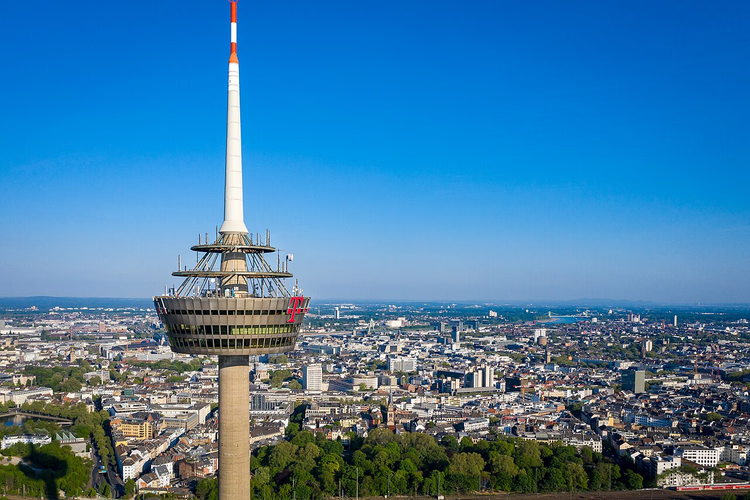
The Colonius TV Tower remains the tallest structure in Cologne. It was built in the late 20th century to a design by architect Erwin Heinle and ranks among the tallest towers in Germany.
The tower got its name from the city's Roman name, Colonia Claudia Ara Agrippinensium. It stands on Innere Kanalstraße, which follows the curves of the former city wall.
The observation deck and restaurant have been closed for many years, so you can only admire the tower from outside. The observation deck used to offer a view of the entire city, but visitors are no longer allowed inside.
- Getting there: metro to Ebertplatz station, then walk.
- Cost: free to view from outside, no access to the top.
- Who it's for: those interested in engineering structures.
- The catch: you can't go inside, you can only look from a distance.
30. Roman Tower
 © VollwertBIT · CC BY-SAPhoto: VollwertBIT, CC BY-SA (https://creativecommons.org/licenses/by-sa/2.5), Wikimedia Commons
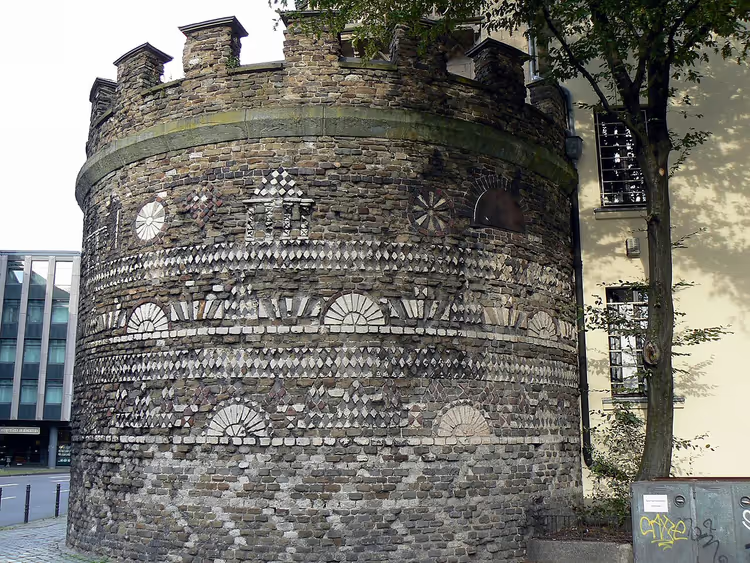
The Roman Tower was built in the 2nd to 3rd centuries, when Cologne was considered a remote outpost of Rome. The walls are made of sandstone, limestone, and trachyte and are decorated with authentic mosaic masonry.
After the Romans left, the city was surrounded by a fortress wall, and the tower served at various times as the Monastery of St. Clare and as a residential building. It became a historical monument in the late 19th century, when it was restored and given neo-Gothic features.
Today the tower is privately owned. You can see it during a ten-minute walk west of the cathedral. It is a rare chance in Cologne to see Roman masonry almost in the city.
- Getting there: on foot west from the cathedral, about ten minutes.
- Cost: private property, view from outside.
- Who it's for: those who want to see the city's Roman heritage.
- The catch: you can't go inside, the building is private.
Tours and tickets in Cologne
Guided tours, skip-the-line tickets and activities — most offers can be cancelled free of charge.
See offers on TiqetsThe widget loads once you give your consent.
⁉️🤔 Frequently asked questions
How many days do you need in Cologne?
Cologne's main sights can be covered on foot in one day. Half a day is enough for the cathedral, Rathausplatz, and the Old Town; save the other half for museums. If you want to add the zoo, the cable car, and Brühl, plan two days and take your time.
What can you see in Cologne for free?
Great St. Martin, the Church of the Holy Apostles, the Church of St. Pantaleon, Flora Botanical Garden, and the Roman Tower are open free of charge. Walking across the Hohenzollern Bridge is also free.
When is the best time to visit Cologne?
Plan your trip for May, June, or September. In summer the center is crowded with tourists, and in winter the cable car and some parks close. Carnival in February draws huge crowds, so book accommodation well in advance.
Where to go with kids?
Kids usually enjoy Cologne Zoo with its "Jungle House" and aquarium, as well as the Chocolate Museum with its fountain and waffles. For a full day, you can head to Phantasialand in Brühl. The cable car is also a hit with kids, but it only runs from April to October.
Is the KölnCard worth buying?
If you plan to visit two museums and use public transport, the KölnCard pays for itself. The card covers entry to Cologne museums and city transport. But if you're only walking around free sights, you don't need it. Compare prices in advance and decide based on your itinerary.
Cologne sights on the map
All thirty places are easy to view on a map. Mark the cathedral as the center, then move along the Rhine or along the ring of the former city wall. Book trains to Cologne in advance: train tickets to Cologne on Trip.com.
In short: what to book
Cologne is easy to explore on foot: the cathedral, Rathausplatz, and the Old Town are all close together. Plan paid attractions in advance so you don't waste time at the ticket office. Look for accommodation in the center, near Hauptbahnhof.
- If you have one day: start with the cathedral, cross the Hohenzollern Bridge, and return to Rathausplatz.
- If you have two days: add the Chocolate Museum, the zoo, and the cable car.
- If you're traveling with kids: plan for the zoo and Phantasialand in Brühl.
Book a Cologne sightseeing tour and a central hotel on Trip.com.

A small editorial team writing guides for independent travel. We travel ourselves, but we haven’t been everywhere, so we check prices, opening hours and how to get there against official sources.