
















What to see in London: 35 places with directions and the catch for each
London can be covered in three days. But the list of must-sees runs to dozens of entries. We've picked thirty-five places, from Big Ben and the Tower to the flea market on Brick Lane. For each one we give directions, a rough idea of the price and an honest catch. You'll see straight away what deserves your time and what you can happily skip.
Ad: this text contains affiliate links, we earn a commission on them, and the price for you stays the same.
What to see in London: a quick overview
💡 In short:
- Split the city into districts: Westminster, the City, the South Bank and Kensington. That way you lose less time getting around.
- The biggest museums are free: the British Museum, the National Gallery, Tate Modern.
- For the Tower, Westminster Abbey and the viewing platforms, book your ticket online in advance.
- Prices and opening hours: 09/2026, checked on the official London tourist board website
1. Royal Albert Hall
 © Diliff · CC BY-SAPhoto: Diliff, CC BY-SA (https://creativecommons.org/licenses/by-sa/3.0), Wikimedia Commons
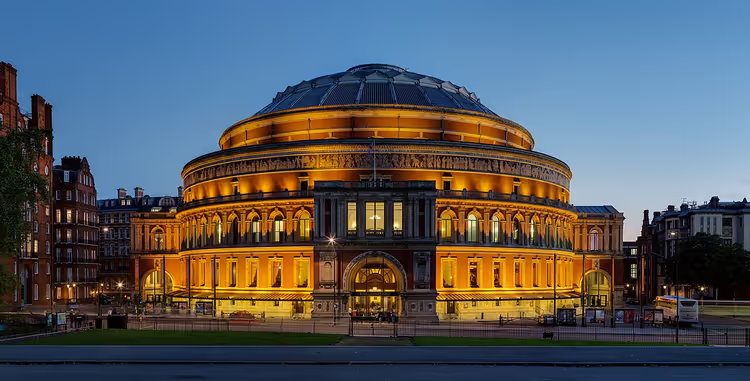
The Royal Albert Hall stands in South Kensington, right on the edge of Hyde Park. It is a royal hall of arts and sciences named after Prince Albert, husband of Queen Victoria. The building is elliptical in shape: red brick, a glass dome on a metal frame and mosaic quotations from the Bible on the facade. Inside, the hall echoes an ancient amphitheatre, and the stage holds the second-largest organ in the country.
The acoustics were poor at first. The problem was solved with panels under the ceiling, which Londoners nicknamed "flying saucers". Today the hall hosts concerts, exhibitions and sports shows. You can look inside on a daytime tour, see the schedule on the official website.
Getting there is easy: take the Tube to South Kensington, then walk past the South Kensington museums. The tour lasts about seventy minutes. Admission is paid, and concert tickets sell out fast, so buy ahead.
- Getting there: South Kensington, a ten-minute walk through the tunnel under Exhibition Road.
- Who it's for: lovers of classical music and 19th-century architecture.
2. Big Ben
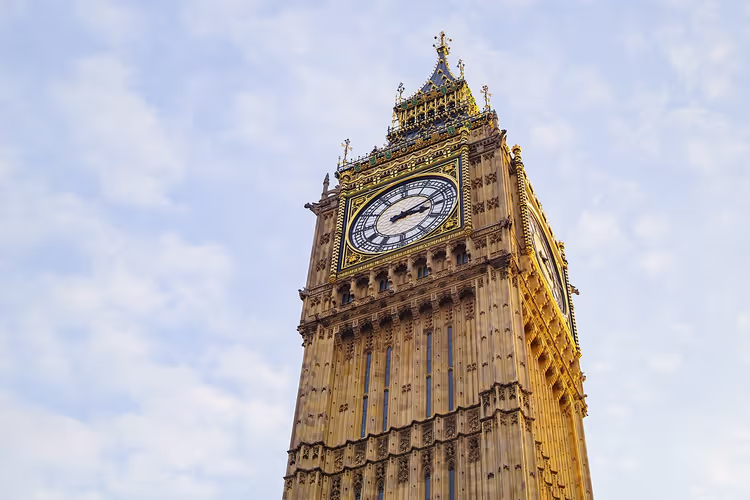
The clock tower of the Palace of Westminster rises almost a hundred metres above the Thames. The name "Big Ben" belongs not to the tower itself but to its main bell. In the old days bells were given names, and this one was named after Sir Benjamin Hall, who oversaw its installation. Later the name passed to the whole tower, although officially it is called the Clock Tower of the Palace of Westminster.
Four clock faces look out in the four directions of the compass. The clock is considered one of the most accurate in the world, and the bell once cracked, which made its sound recognisable. On a dark evening the lighting makes the tower especially photogenic.
Tourists cannot go up. The Palace of Westminster remains a working institution, and tours inside are available only to UK citizens by prior booking. Getting there: take the Tube to Westminster.
- Getting there: Westminster, the exit for Parliament Square.
- The catch: it is always crowded here and noisy with traffic, especially at weekends.
- Who it's for: anyone after the classic first-visit shot. Fifteen minutes is enough.
3. British Museum
 © Ham · CC BY-SAPhoto: Ham, CC BY-SA (http://creativecommons.org/licenses/by-sa/3.0/), Wikimedia Commons
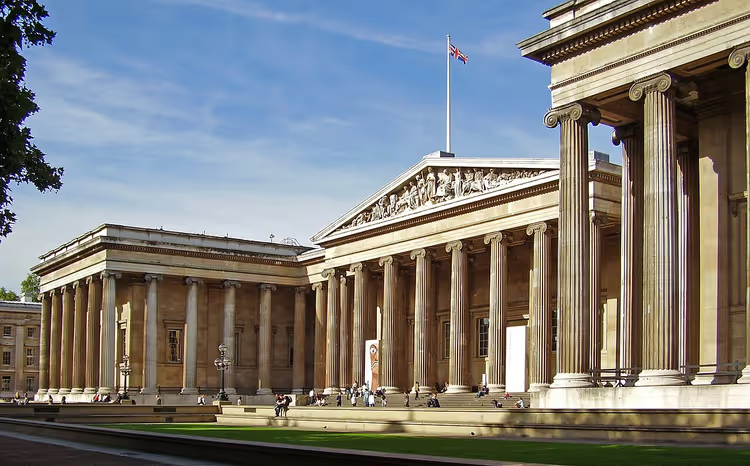
The British Museum holds the art of ancient Greece and Rome, Egypt and the Middle East. It brings together prints, drawings, coins, sculpture and ethnography. The building took twenty-four years to build, and part of the collection was moved out and returned only after the Second World War. The wooden sarcophagi with animal mummies and the reliefs showing battle and hunting scenes make a strong impression.
The essential minimum: the sculpted portraits of the emperors Augustus and Hadrian, the coin room and works by Michelangelo, Botticelli, Dürer, Raphael, Van Gogh and Rembrandt. Once a year the museum holds "Nights at the Museum" with a new theme and talks until morning.
Getting there: take the Tube to Tottenham Court Road or Holborn. Admission is free, and a separate ticket is needed only for temporary exhibitions. Check the opening times and the hours of individual galleries on the official website. Inside there is a cafe and a souvenir shop.
- Who it's for: anyone ready to give the museum half a day.
- The catch: you cannot see everything in one visit. Pick two or three galleries in advance.
4. Westminster and the Houses of Parliament
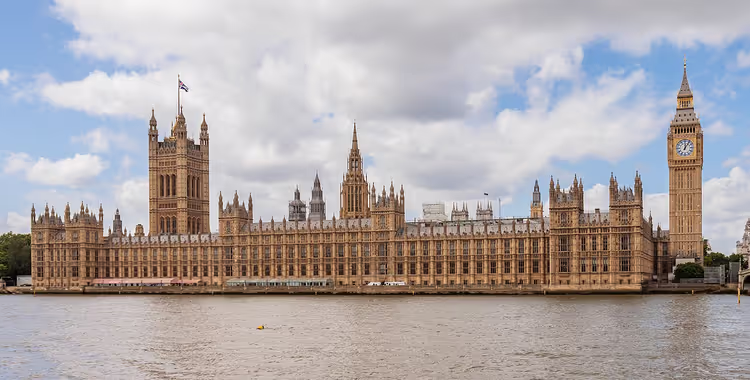 © Terry Ott from Washington, DC Metro Area, United States of America · CC BYPhoto: Terry Ott from Washington, DC Metro Area, United States of America, CC BY (https://creativecommons.org/licenses/by/2.0), Wikimedia Commons
Westminster Palace is a huge complex on the bank of the Thames. Its two towers, Big Ben and Victoria, can be seen from the opposite bank. The UK Parliament sits here, and for many years people were let in only on official business. Tours for tourists were allowed only in the early 2000s.
Visitors are admitted during parliamentary recesses and on Saturdays. Inside you will see Westminster Hall, the Royal Gallery with its paintings and sculptures, and the debating chamber. The tour starts once a group has gathered, so arrive at opening time.
Getting there: take the Tube to Westminster. It is safer to book tickets online in advance so you don't have to queue. If you want to cover a lot of places at once, take a look at a ticket for the hop-on hop-off sightseeing bus around London.
- Getting there: Westminster, a five-minute walk to the visitor entrance.
- Who it's for: anyone interested in political history and the palace interiors.
5. Sherlock Holmes Museum
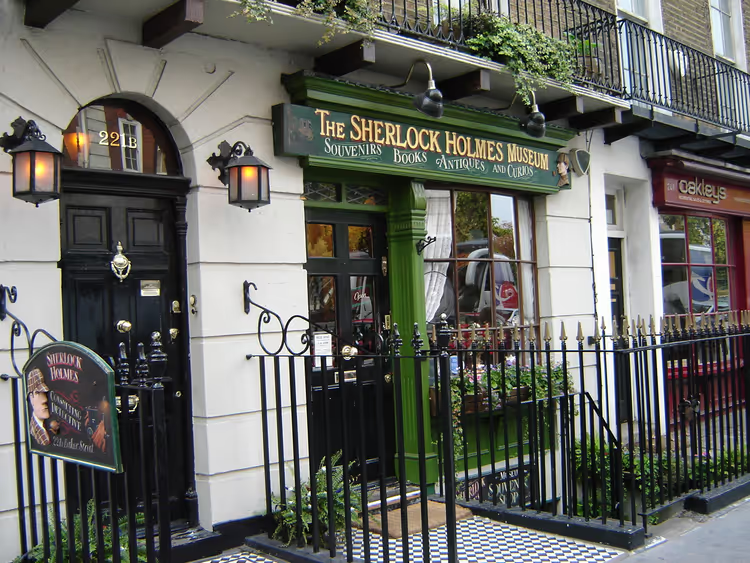
The Sherlock Holmes Museum occupies an ordinary four-storey house on Baker Street in Westminster. From a distance only the sign and the queue at the door give it away. The ground floor houses a souvenir shop, and above it are Sherlock's sitting room and bedroom. The third floor is given over to Mrs Hudson and Dr Watson, and on the top floor an exhibition of wax figures of characters from the detective stories awaits.
A queue forms at the door by opening time, and that is no accident: the house is small and plenty of people want to get in. On the narrow staircase you have to wait until the previous group has cleared the room. On the other hand, you can take photos everywhere, and visitors happily pose in the sitting room and the study.
In the sitting room you are allowed to sit in the armchair by the fireplace. Props are always laid out on the side table: Sherlock's cap, a pipe and a magnifying glass. Getting there: take the Tube to Baker Street, then it is a couple of minutes on foot. The museum is open daily, except over the Christmas holidays.
- The catch: it is hard to move through the rooms in a crowd, so come first thing in the morning.
- Who it's for: fans of the books, couples and families with children.
6. Piccadilly
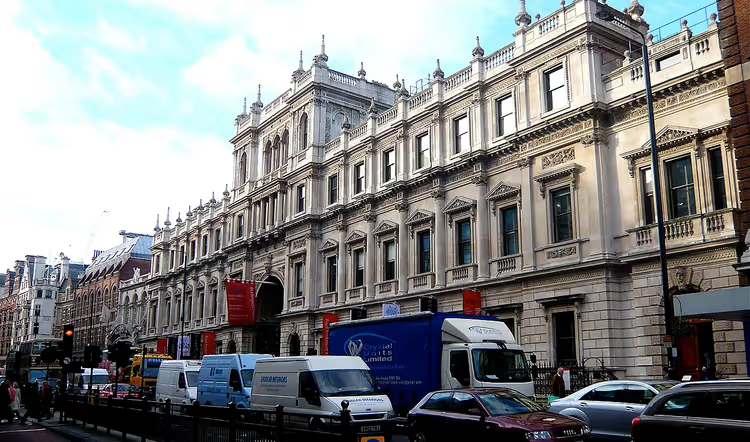 © Wolfiewolf · CC BYPhoto: Wolfiewolf, CC BY (https://creativecommons.org/licenses/by/2.0), Wikimedia Commons
Piccadilly is among the oldest streets in Westminster. It owes its name to the tailor Robert Baker, who made his fortune from fashionable collars known as piccadills. He bought a plot here and built a house that was called Piccadilly Hall. Later the area was built up with the mansions of wealthy people, and such houses came to be called "Piccadilly".
By day it is crowded here, and in the evening the shop windows and the lit facades come on. People arrange to meet at Piccadilly Circus, a favourite spot for dates among the British. The street also has the Café Royal, where artists, writers and poets liked to gather.
A distinctive feature of the street is its private gentlemen's clubs. Some of the houses are still closed to outsiders today, and the buildings themselves are listed as historic. The transport links here are among the best in the world: several major roads lead to the circus, so you will get here quickly from any side of the centre.
Getting there: take the Tube to Piccadilly Circus or Green Park. The walk is easy to combine with a stroll to Hyde Park and Buckingham Palace.
- Who it's for: shopping, an evening walk and beautiful shop windows.
- Not for: those who dislike crowds and noise.
7. The City
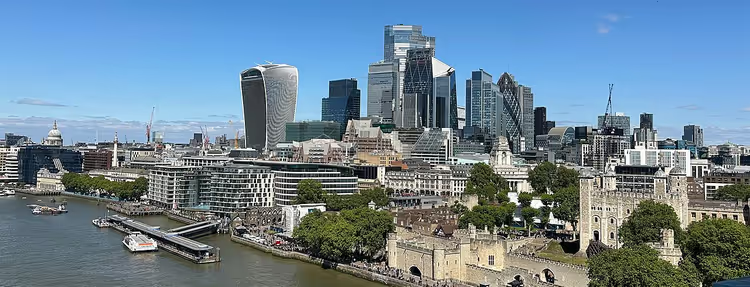 © APK · CC BYPhoto: APK, CC BY (https://creativecommons.org/licenses/by/4.0), Wikimedia Commons
The City is the most ancient district of London and its financial heart. It is not subject to royal authority: it is headed by its own Lord Mayor, and even the Crown comes here only with his permission. Officially the City is the smallest county in Great Britain, and its boundary is marked by special posts. It has around ten thousand permanent residents.
The district was founded by the Romans about two thousand years ago, when Britain was part of the empire. Many of the streets follow the roads laid down back then. Old buildings sit alongside office towers: Heron, Lloyd's, Mary Axe and Tower 42. The Barbican Centre, the city's largest cultural complex, is here too.
Besides the towers, the main monuments are concentrated here: the Tower of London, St Paul's Cathedral, Leadenhall Market and the Royal Exchange. The district's infrastructure never stands still, so old facades keep giving way to new projects. The City's architecture is a rare mix of every century and style at once.
The City is best visited on a weekday during the day, when business life is in full swing all around. At weekends the streets empty out, and you risk finding yourself alone. Getting there: take the Tube to Barbican, Tower Hill, Liverpool Street or Mansion House.
- Who it's for: anyone who loves the contrast between history and modern architecture.
- The catch: the Tube is packed at rush hour, so pick a time outside the morning rush.
8. Tower of London
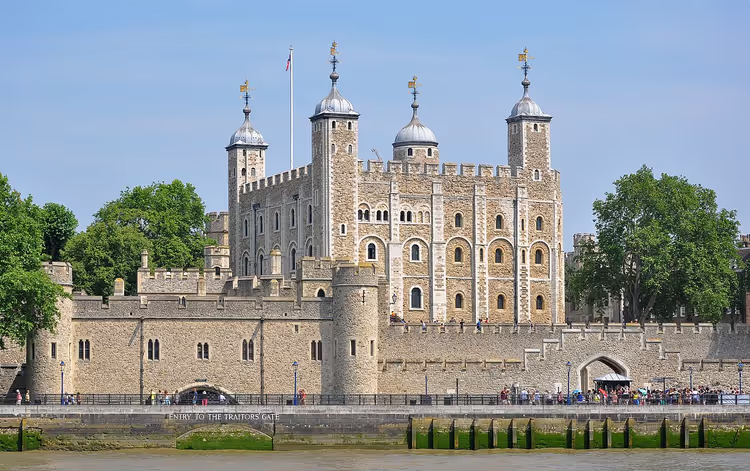 © Bob Collowan · CC BY-SAPhoto: Bob Collowan, CC BY-SA (https://creativecommons.org/licenses/by-sa/3.0), Wikimedia Commons
The Tower of London sprawls along the north bank of the Thames. It is one of the best-preserved medieval structures in Europe: in all its history the fortress was never taken by storm. In places the walls are more than four metres thick. Royal families lived inside, and noble prisoners were held here too, so the Tower was a home and a prison at the same time.
Many legends are attached to the fortress. The black raven is seen as a symbol of misfortune, and for its number of ghosts the castle is called the leader among Britain's fortresses. Rumour has long been woven into real history, and that is easy to believe beside walls that have stood for almost a thousand years.
There are many paths within the grounds and the surface is cobblestone, so wear comfortable shoes. There are always plenty of tourists, so it is better to buy tickets online in advance. With the London Pass you skip the queue. Opening hours and prices were checked on 14.09.2026 on the official website. Getting there: take the Tube to Tower Hill.
skip-the-line ticket to the Tower of London and the Crown Jewels
- Getting there: Tower Hill, then follow the signs to the fortress.
- Who it's for: history lovers and families with children.
9. Tower Bridge
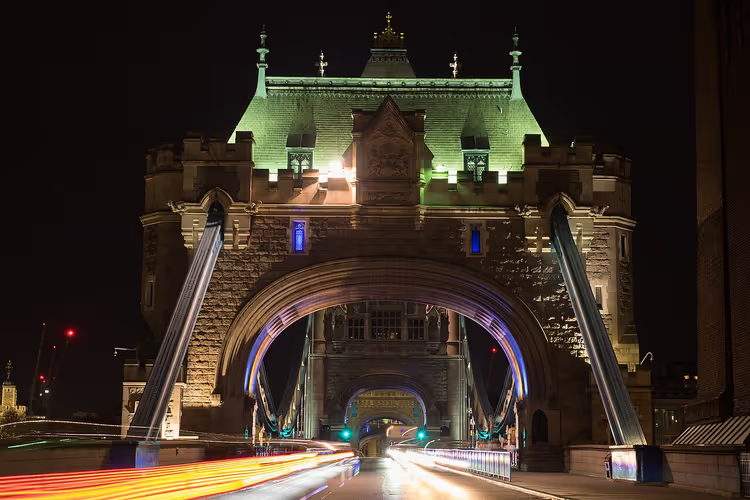 © Sarahhoa · CC BY-SAPhoto: Sarahhoa, CC BY-SA (https://creativecommons.org/licenses/by-sa/2.0), Wikimedia Commons
Tower Bridge was built in the 19th century, when London had become a major centre of trade and industry. Its two Gothic towers and lifting spans capture the spirit of Victorian England. The bridge is a harmonious continuation of the fortress standing next to it.
Inside, between the towers, there is a museum. There used to be a pedestrian walkway here, but it was closed because of frequent thefts in such a deserted spot. You can go up the towers by stairs or by lift, and the mechanism that raises the spans is open to visitors.
The walkways house an exhibition of photographs of bridges around the world, each with a description. The bridge itself is raised to let ships through, and if you catch a lift, you will see the mechanism at work.
You can take photos on the bridge, but the glass and the metal structures get in the way of the shot. That is why experienced travellers often photograph the bridge from the nearby embankments instead of going up. Getting there: take the Tube to Tower Hill or a bus to the stop by the fortress.
- The catch: the walkways give a limited view, and it looks better from the embankment.
- Who it's for: anyone who wants to see the symbol of the city and visit the museum inside.
10. Globe Theatre
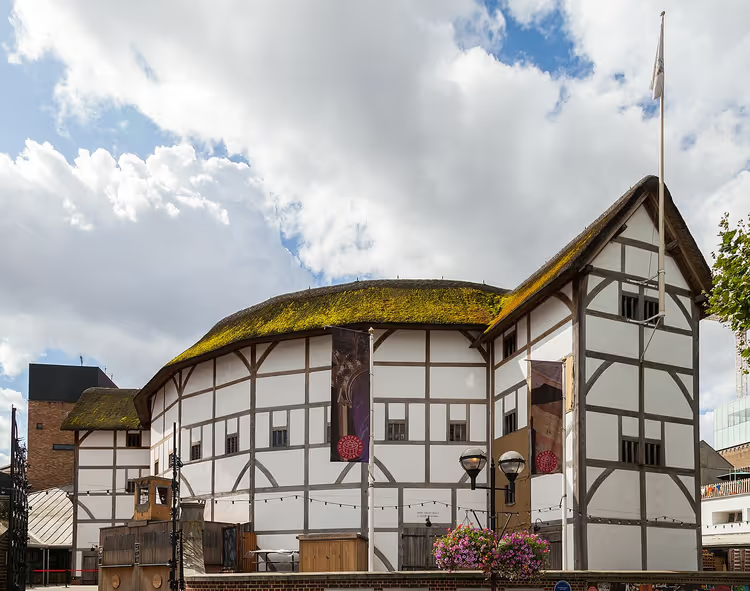 © Diego Delso · CC BY-SAPhoto: Diego Delso, CC BY-SA (https://creativecommons.org/licenses/by-sa/4.0), Wikimedia Commons
The Globe is London's first theatre. It was built on the site of its predecessor, which burned down: back then the authorities put up a residential building on the vacant plot. The new building was assembled a few metres from the old one and opened in the late 1990s, in an effort to recreate the look of the very first theatre.
Inside there are three tiers of galleries with seating, while by the stage people watch standing. Microphones and stage lights are deliberately not used here, to preserve the atmosphere of Elizabethan times. Shakespeare forms the core of the repertoire, but modern productions are staged too.
Most of the structure is open to the sky and the roof is only partial, so performances run only in the warm months. In winter the theatre serves as a school for young actors, while tours run all year round. It is easier to buy tickets online in advance. Getting there: take the Tube to Cannon Street or Mansion House.
- Who it's for: anyone who wants to see Shakespeare the way his contemporaries did.
- Not for: those who aren't prepared to stand by the stage and depend on the weather.
11. Royal Opera House, Covent Garden
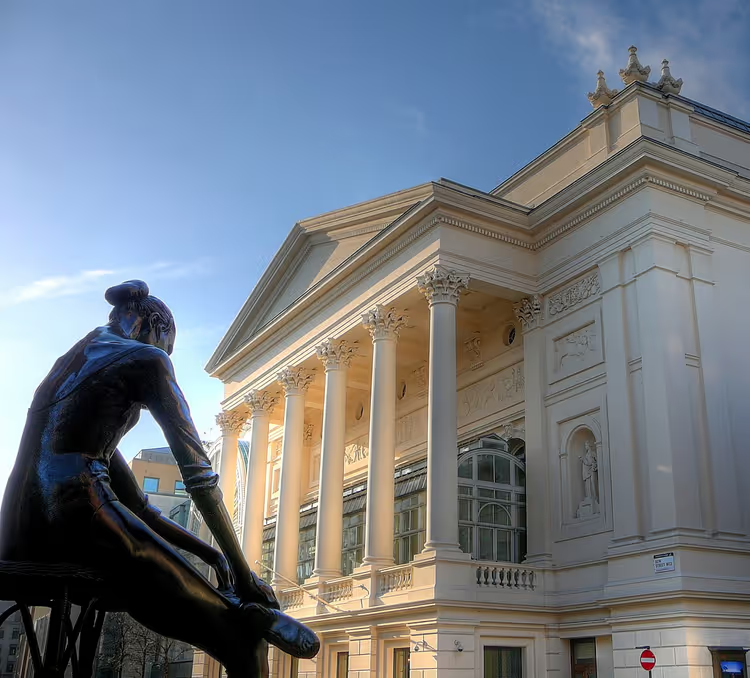 © Russ London ( talk ) · CC BY-SAPhoto: Russ London ( talk ), CC BY-SA (https://creativecommons.org/licenses/by-sa/3.0), Wikimedia Commons
Covent Garden is considered the largest opera house in Great Britain. It takes its name from the square on which it stands. The theatre burned down twice: in the early 19th century it was rebuilt in nine months, and after the fire in the late 20th century the repairs took about two years. On one occasion the authorities raised ticket prices, but the public boycotted the performances and the prices had to be brought back down.
Today the theatre offers two tours. The first, "Backstage", shows the performers' daily routine and the preparations for premieres. The second, "Velvet, Gilt and Glamour", introduces the architecture and history of the building. Check the tour schedule on the theatre's official website.
Getting there: take the Tube to Covent Garden or a bus to the square of the same name. Next door is a covered market with cafes and street performers, so it is easy to combine the two.
- Who it's for: fans of opera and ballet.
- Who it's for: anyone interested in the architecture of historic auditoriums.
12. Trafalgar Square
 © Diliff · CC BY-SAPhoto: Diliff, CC BY-SA (https://creativecommons.org/licenses/by-sa/3.0), Wikimedia Commons
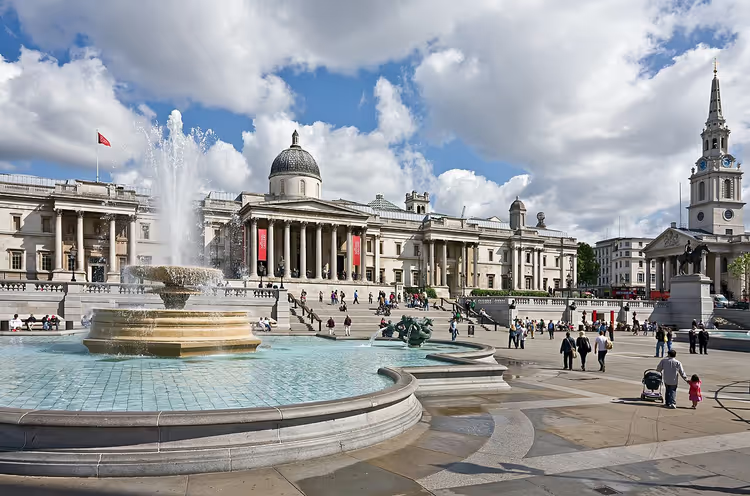
Trafalgar Square is London's main square. It is named after Admiral Horatio Nelson's victory at Trafalgar. In the centre rises a column topped with his statue, with bronze lions sitting at its foot. Four plinths stand at the corners of the square, three of them occupied by monuments.
The fourth plinth stood empty for a long time. Various sculptures were placed on it in turn, including live performances, until a model of the ship Victory appeared on the pedestal in the early 2010s. Another landmark on the square is the statue of Charles I, from which the British traditionally measure distances.
Thousands of pigeons once lived here. Then the authorities banned feeding them, and hardly any birds remain. The square lies at the junction of The Mall, the Strand and Whitehall. From here it is an easy walk to Westminster, Buckingham Palace and the National Gallery, so it makes a convenient starting point for a walking route.
Getting there: take the Tube to Charing Cross or Embankment, or a bus to the stops by the square.
- Who it's for: a walk in the centre and evening photos.
- The catch: during the day there are lots of tourists and street performers by the fountains.
13. Abbey Road
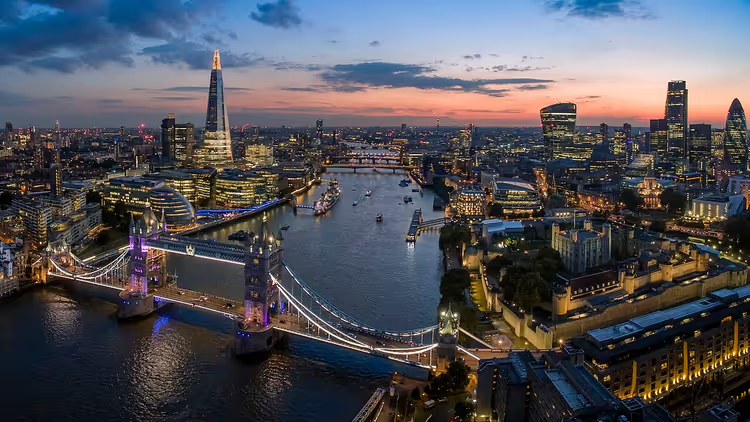
Abbey Road is loved by young people and creative types. Locals gave the street a second name, "the home of love and art". Fans of The Beatles, Pink Floyd and Duran Duran come here to see the studios where their albums were recorded. The world-famous recording studio is here too.
 © Ilya Grigorik · CC BY-SAPhoto: Ilya Grigorik, CC BY-SA (https://creativecommons.org/licenses/by-sa/3.0), Wikimedia Commons
The most popular spot is the crossing that ended up on the cover of the last Beatles album. Every tourist has a photo taken on it, while drivers patiently give way. The zebra crossing on Abbey Road is the only one in the world fitted with a webcam streaming live to the internet.
On the corner with Grove End Road hangs a sign reading "Abbey Road NW8 City of Westminster". Fans stole it more than once, so it had to be fixed high up and for good. The walls by the sign are repainted regularly, but graffiti of the musicians keeps coming back. Getting there: take the Tube to St John's Wood.
- Getting there: St John's Wood, then walk to the crossing.
- Who it's for: music fans and lovers of urban legends.
14. Westminster Abbey
 © ChrisVTG Photography · CC BY-SAPhoto: ChrisVTG Photography, CC BY-SA (https://creativecommons.org/licenses/by-sa/4.0), Wikimedia Commons
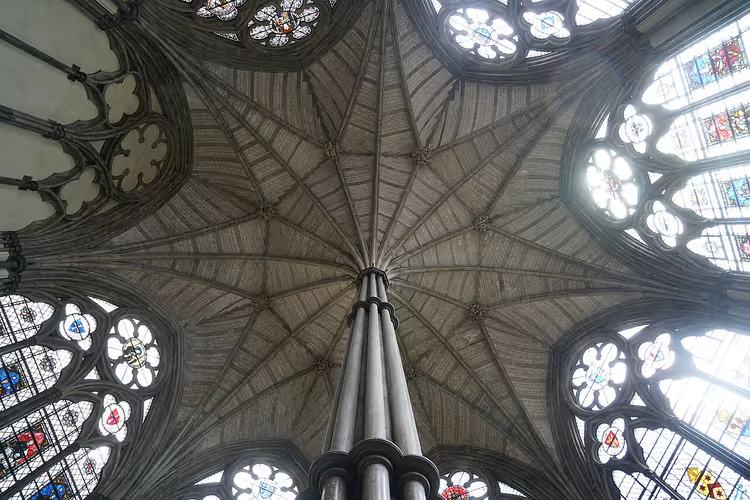
Westminster Abbey is Great Britain's most sacred site and the place where monarchs are crowned. Royals are married and buried here. The building is laid out in the shape of a Latin cross, with two large towers and a multitude of carved arches. The interior is decorated with stained glass and frescoes, and the floor is laid with mosaic.
Inside, the abbey feels more like a burial vault: there are more than three thousand tombs and memorials here. Charles Dickens, Isaac Newton, Lord Byron, Charles Darwin and Robert Burns found their rest here. The coronation throne with the "Stone of Destiny" deserves special attention. In the evenings, concerts of sacred music are held in the church.
Photography and filming are not allowed inside, and you will not be let in wearing shorts or a short skirt. Visitors are asked not to bring preschool children, to avoid noise. Tickets and opening hours were checked on 14.09.2026 on the official website. Getting there: take the Tube to Westminster or St James's Park.
ticket to Westminster Abbey with an audio guide
- Who it's for: lovers of history and architecture.
- The catch: there is a strict dress code at the entrance, and photography is banned.
15. Buckingham Palace
 © Diliff · CC BY-SAPhoto: Diliff, CC BY-SA (https://creativecommons.org/licenses/by-sa/3.0), Wikimedia Commons
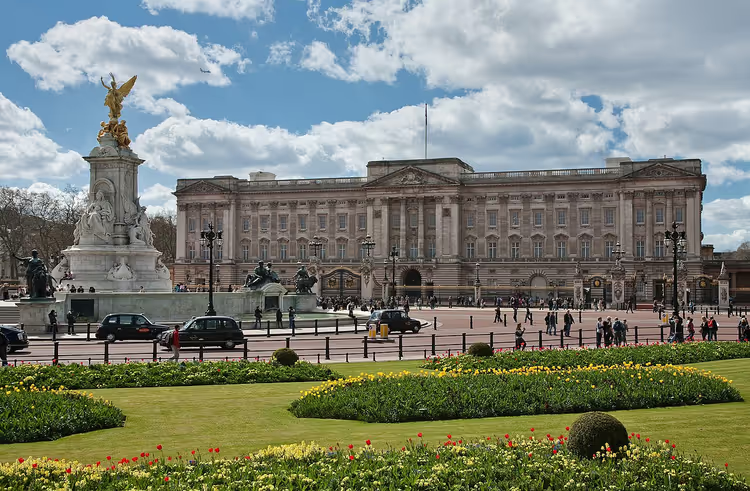
Buckingham Palace differs from hundreds of palaces in Europe in that it remains a working royal residence. It originally belonged to the Duke of Buckingham, who sold it to George III. Construction and decoration dragged on for almost a century, and the ballroom was finished only by the middle of the 19th century. The interiors were changed more than once, but the luxury remained.
The attraction here is not only the palace itself but the traditions that surround it. The Changing of the Guard is considered one of the most recognisable ceremonies in the world. Visits to the palace begin in the morning, and the closing time changes with the season, so check it in advance on the official website.
Getting there: take the Tube to Victoria, Green Park or St James's Park. Watch the Changing of the Guard from the railings, and arrive half an hour before it starts. Next door are the Royal Mews, which also admit tourists: ticket to the Royal Mews at Buckingham Palace.
- Who it's for: anyone who wants to see royal ceremony.
- The catch: on ceremony days there is a dense crowd at the railings.
16. Kensington Palace
 © Steve Cadman from London, U.K. · CC BY-SAPhoto: Steve Cadman from London, U.K., CC BY-SA (https://creativecommons.org/licenses/by-sa/2.0), Wikimedia Commons
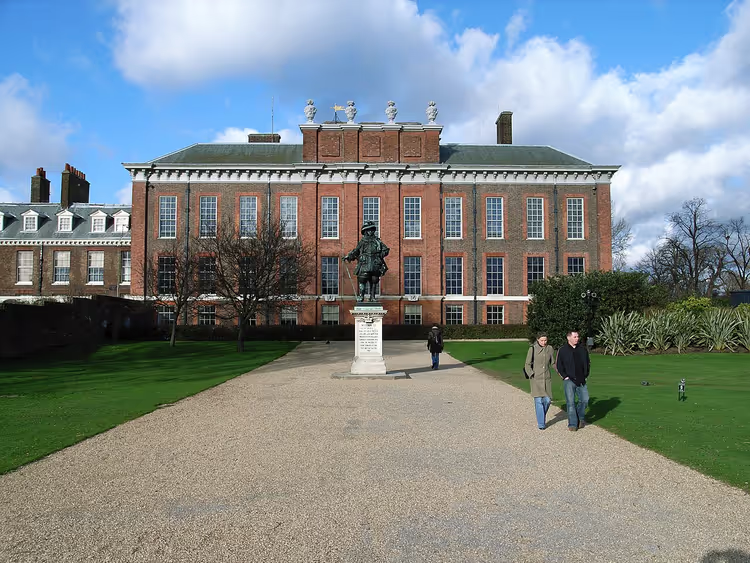
Kensington Palace is the most modest and cosy of England's present-day royal residences. Today it belongs to the Prince and Princess of Wales. The mistresses of the palace were almost always women who changed history: Queen Victoria was born here, and later Princess Diana walked its halls.
Behind the unassuming facade lie paintings, tapestries, painted ceilings and historic rooms. At the centre of the palace is the light installation "Luminous Lace": it took twelve thousand Swarovski crystals and four kilometres of glowing wire.
Getting there: take the Tube to Queensway, Notting Hill Gate or High Street Kensington. Entry to the gardens is free, while tickets to the apartments depend on the season. Kensington Gardens and the Princess Diana memorial are close by.
- Who it's for: anyone interested in everyday royal life.
- The catch: some of the apartments close for restoration, so check before you visit.
17. St Paul's Cathedral
 © Mark Fosh · CC BYPhoto: Mark Fosh, CC BY (https://creativecommons.org/licenses/by/2.0), Wikimedia Commons
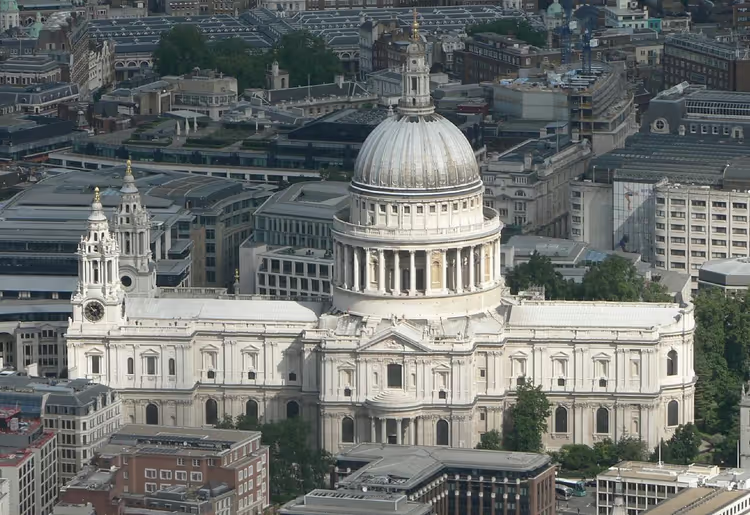
St Paul's Cathedral is the main cathedral of the City and the official seat of the Bishop of London. The building you see today is already the fifth on this site: three earlier cathedrals were destroyed by fire, and the fourth was plundered by the Vikings. There was no dome in the original design, and the builders had to be inventive to fit it in.
The cathedral opens to tourists in the morning and closes as early as the afternoon; on Sundays entry is for worshippers only. It is easier to buy tickets in advance so you don't have to queue. Hours and prices were checked on 14.09.2026 on the official website. Getting there: take the Tube to St Paul's.
fast-track ticket to St Paul's Cathedral
- Who it's for: anyone ready to climb the dome and see the city from above.
- The catch: the climb to the galleries is by narrow spiral staircases.
18. Oxford Street
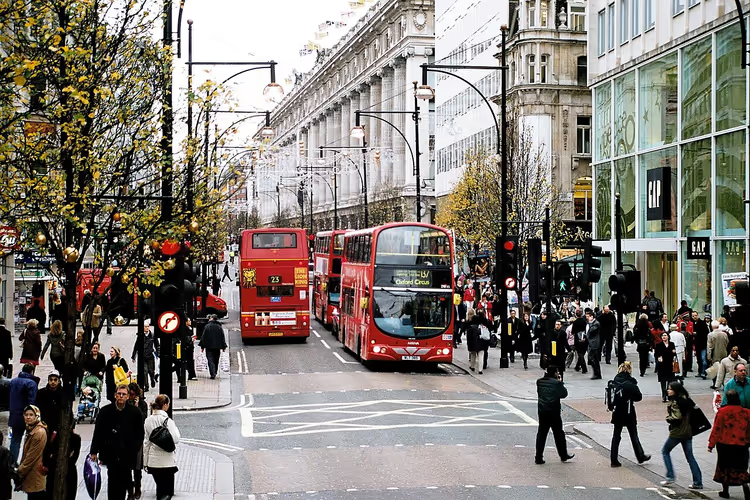
Oxford Street is the busiest shopping street in Europe. Sooner or later every visitor to the city ends up here: popular tourist routes run through it, and the prices are aimed at shoppers on an average income. The area appeared on the map in the 16th century, when a stretch of the old Roman road began to be built up with cheap houses.
Gradually the slums turned into a centre of trade. Today there are more than three hundred shops here, and you won't manage to look into all of them in one day. Shops display by the door the items that best represent them, so you can tell at once whether it is worth going in.
Getting there: take the Tube to Oxford Circus, Marble Arch or Bond Street. The street breaks records for petty theft, so keep your phone and wallet in an inside pocket.
- Who it's for: shopping on any budget.
- The catch: it is crowded all year round, and pickpockets are very active here.
19. Charles Dickens Museum
 © Matt Brown · CC BYPhoto: Matt Brown, CC BY (https://creativecommons.org/licenses/by/2.0), Wikimedia Commons
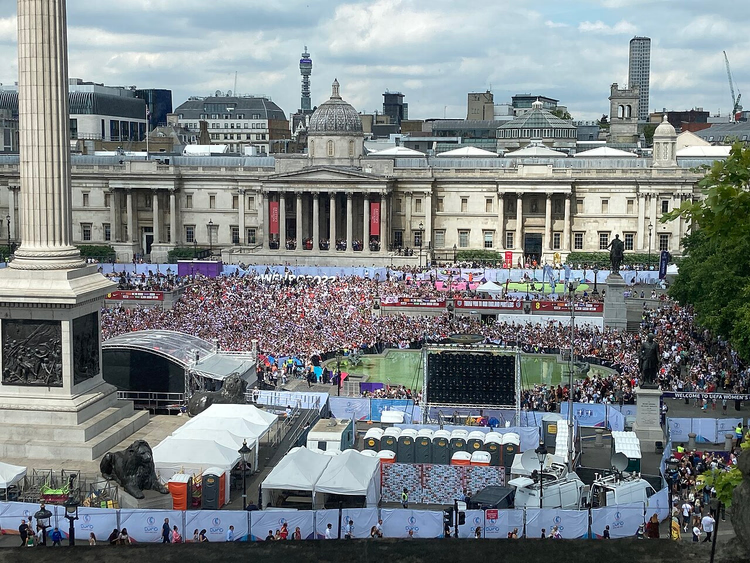
The Charles Dickens Museum is the last surviving house where Charles and Catherine Dickens lived. At first glance it is clear that this is a stronghold of Victorian England, with its spirit and way of life. The restorers set out to convey the mood of a warm, lived-in 19th-century home: a drawing room, a long dining table, a four-poster bed and all kinds of kitchenware.
A separate room is given over to the writer's study with his personal belongings. The museum is open from Tuesday to Sunday, and in December it opens every day. Getting there: take the Tube to Chancery Lane or Russell Square.
- Who it's for: Dickens fans and lovers of Victorian interiors.
- The catch: the house is small, and at peak times the tours run in a dense stream.
20. Soho
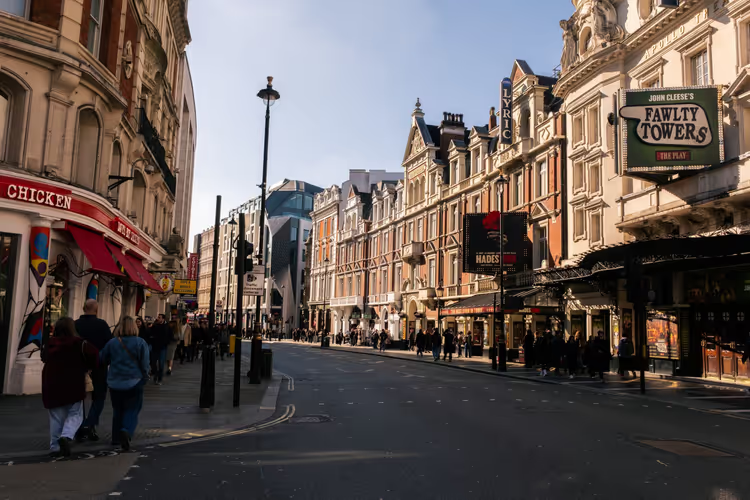
Soho is the liveliest district in the city. Students, tourists and the creative crowd all meet here. The name is linked to the hunting cry "so-ho", which rang out here in the days of Henry VIII. Historically Soho was a buffer zone between the aristocratic quarters and the poor districts, which is why immigrants, performers and freelancers settled here.
Hardly any residential buildings are left in Soho, and quiet courtyards are hard to find. Instead, clubs, bars and restaurants are concentrated here. Life is in full swing at any hour: if at four in the morning you feel the party isn't over, head here. There is plenty for food lovers too: cuisines from almost all over the world at fairly forgiving prices.
Getting there: take the Tube to Piccadilly Circus, Leicester Square or Tottenham Court Road.
- Who it's for: nightlife, theatres and restaurants.
- Not for: a quiet family evening.
21. Mary Axe skyscraper
 © Ian Muttoo from Mississauga, Canada · CC BY-SAPhoto: Ian Muttoo from Mississauga, Canada, CC BY-SA (https://creativecommons.org/licenses/by-sa/2.0), Wikimedia Commons
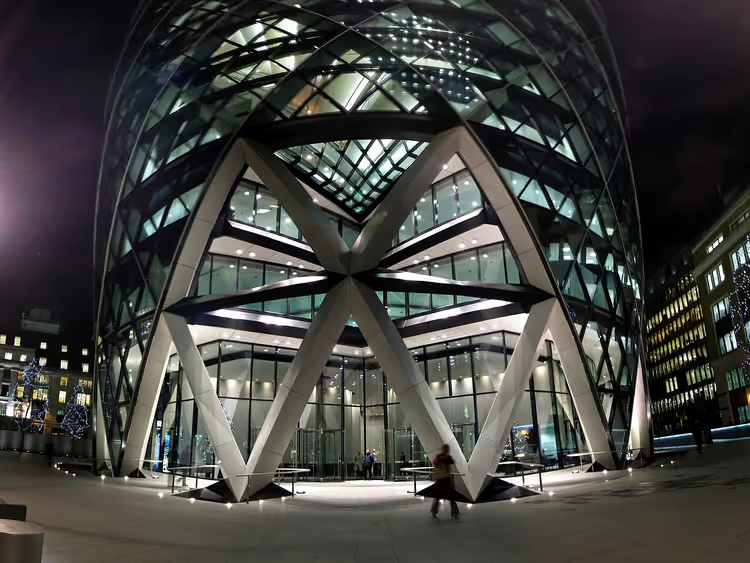
Mary Axe is a forty-storey, fully glazed skyscraper named after the street it stands on. Locals nicknamed the tower the Gherkin for its shape and the greenish tint of its glass. Against the backdrop of historic London the building looks futuristic.
The design was groundbreaking. The engineers used load-bearing structures in the form of a lattice, which made maintenance cheaper. The abundance of glass solved three problems at once: ventilation, heat retention and lighting. For its originality the team received several prestigious European awards.
The tower is not open to visitors every day, and if you are lucky, access to the viewing platform is free. There are cafes and restaurants on the upper floors. Getting there: take the Tube to Liverpool Street or Aldgate.
- Who it's for: lovers of modern architecture.
- The catch: you can only get inside on open days, and the schedule is irregular.
22. Leadenhall Market
 © Diliff · CC BYPhoto: Diliff, CC BY (https://creativecommons.org/licenses/by/2.5), Wikimedia Commons
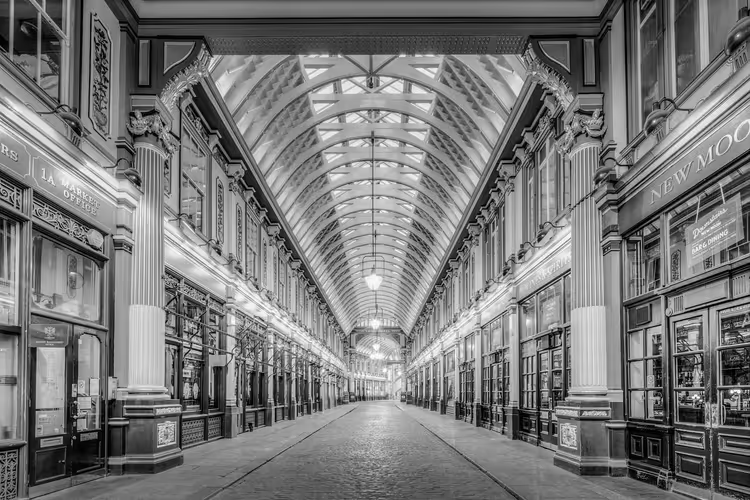
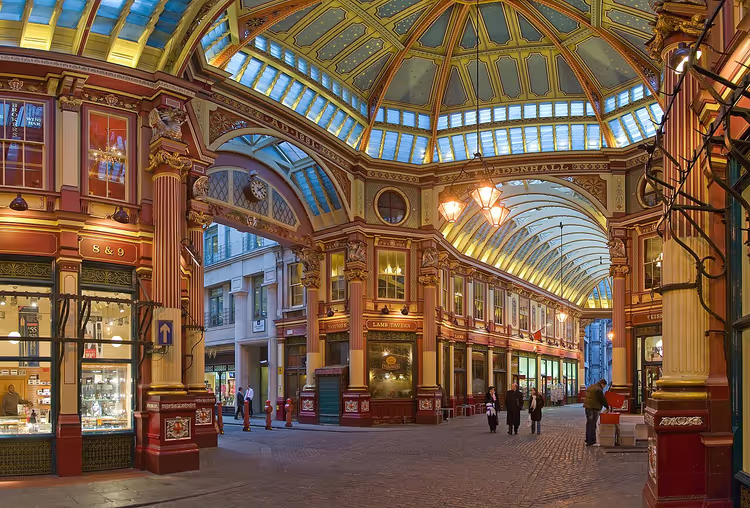
Leadenhall Market is the oldest market in Foggy Albion, and it has not lost its relevance. Trading grounds were located here as far back as the days of Londinium, while the market itself appeared on the map in the 14th century and quickly became one of the fastest-growing trading spots in the city.
In the early 19th century the authorities announced a competition to design the building. The winner built a huge pavilion with long arcades and a glass roof decorated with hundreds of details. If you get a sense of déjà vu under the glass vaults, there is a reason: this is where "magical" London was filmed for the first part of the Harry Potter saga.
Getting there: take the Tube to Bank or Monument. The market operates on weekdays; at weekends most of the shops are closed, and tourists come for the photos.
- Who it's for: Harry Potter fans and lovers of covered markets.
- The catch: most places are closed at weekends.
23. The Shard
 © wasd42 · CC BY-SAPhoto: wasd42, CC BY-SA (https://creativecommons.org/licenses/by-sa/4.0), Wikimedia Commons
The Shard has become one of London's newest architectural landmarks. The glass pyramid was built in time for the start of the 2012 Olympic Games, and it fully lives up to its name: thousands of glass panels sparkle in the sun.
The viewing platform occupies floors sixty-eight to seventy-two. The ticket includes access to the bar, and if the weather turns out cloudy and the view is a washout, you can get your money back. The opening schedule is unpredictable and depends on events, so check the hours for the day before you visit.
Getting there: take the Tube to London Bridge. Tickets are cheaper bought online in advance, especially for sunset, when demand is highest.
ticket to The Shard viewing platform with a drink
- Who it's for: the best panoramic view of the Thames and Tower Bridge.
- The catch: visibility is poor on a cloudy day, and the platform is not always open.
24. National Gallery, London
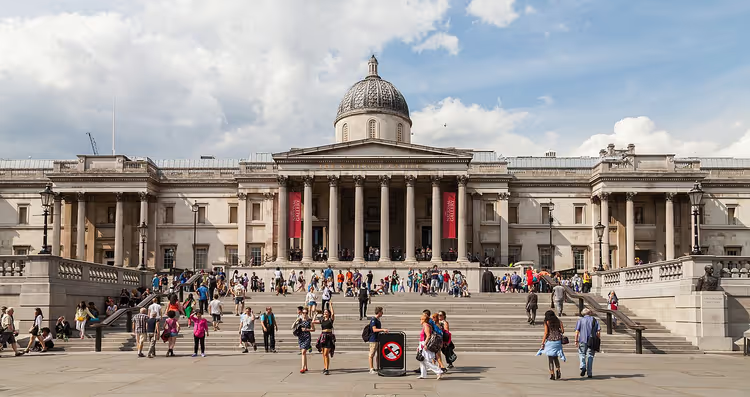 © Diego Delso · CC BY-SAPhoto: Diego Delso, CC BY-SA (https://creativecommons.org/licenses/by-sa/4.0), Wikimedia Commons
The National Gallery is one of the largest picture galleries in London. It looks more modest than the Louvre, but it is laid out more logically. Paintings from the 12th to the 20th century are on show here, with the main emphasis on the schools of Western Europe. The gallery opened in the early 19th century and has changed buildings several times since.
The last move was forced: the number of paintings kept growing, and a new building was needed. On the north side of Trafalgar Square rose the building designed by Wilkins, known today to every tourist. The rooms hold more than two thousand exhibits, and you won't get round everything in a day.
It is better to decide straight away what you are coming for: Van Dyck, one of the titans of English classical painting, or the canvases of Van Gogh. You can take an audio lecture or ask the staff. Admission is free, and you pay only for temporary exhibitions. Getting there: take the Tube to Charing Cross or Leicester Square.
- Who it's for: anyone who wants to see the classics without queues or extra charges.
- The catch: the rooms are large, and it is easy to wear yourself out in a day.
25. Madame Tussauds
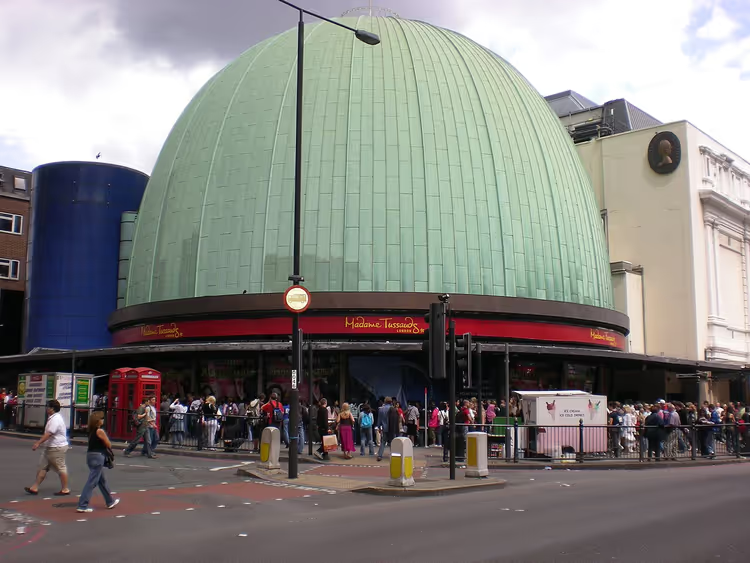 © Citizen59 · CC BY-SAPhoto: Citizen59, CC BY-SA (http://creativecommons.org/licenses/by-sa/3.0/), Wikimedia Commons
Marie Tussaud made brilliant use of the knowledge she gained while her mother worked as housekeeper to Philippe Curtius, an acknowledged master of wax figures. At first she travelled with her silent companions through the cities of Europe, and then she settled in London. The first museum opened on Baker Street, and later it moved to Marylebone Road, where it remains today. The concept has not changed since.
Rising stars appear in the collections almost at once, but they vanish just as quickly if the fame of the original fades. The Beatles, Star Wars characters, Benedict Cumberbatch and Marilyn Monroe stand side by side with politicians and kings. Modern technology makes the figures more lifelike: Jennifer Lopez blushes charmingly.
It is better to buy tickets online, as they cost more at the door. ticket to Madame Tussauds London. Getting there: take the Tube to Baker Street.
- Who it's for: families with children and pop culture fans.
- The catch: at weekends queues form at the ticket desks and by the popular figures.
26. London Dungeon
The London Dungeon is a history museum styled as a grim dungeon. It brings together medieval instruments of torture that still inspire horror today. The museum opened in the late 20th century. The first batch of history's darkest characters made a strong impression on the public, and little has changed since: the technology has only become more convincing.
The current show includes "live performances". You will see just how ugly the realities of medieval London were: the fire of 1666, the plague, the wars. The viewer ends up right at the heart of the events.
The schedule depends on the day of the week: on weekdays the tours run during the day, on Thursdays they start later, and at weekends the last session begins in the evening. Getting there: take the Tube to London Bridge or Waterloo.
- Who it's for: lovers of dark history and special effects.
- Not for: small children and easily frightened visitors.
27. Tate Britain
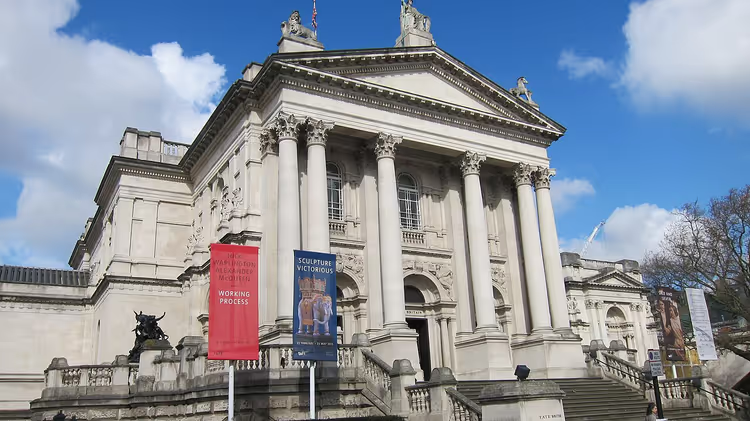 © Carlos Cunha · CC BY-SAPhoto: Carlos Cunha, CC BY-SA (https://creativecommons.org/licenses/by-sa/3.0), Wikimedia Commons
Tate Britain grew out of the private collection of Sir Henry Tate, who owned one of the largest collections of English art of the 16th to 20th centuries. The opening of the gallery was made possible by his fortune: Tate grew rich from producing refined sugar.
The collection grew so much that it had to be divided. The classics stayed in the old building on Millbank. Modern art moved to Tate Modern, in the building of a former power station on the bank of the Thames.
Admission is free, and you pay only for special projects. Check the opening hours before your visit.
- Who it's for: lovers of British art.
- The catch: the permanent display changes often, and some rooms close between projects.
28. Hyde Park
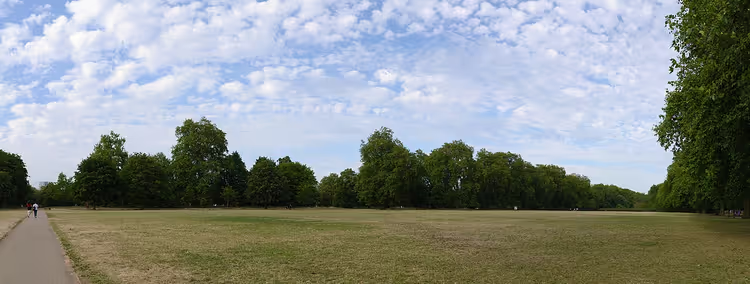 © Alvesgaspar · CC BY-SAPhoto: Alvesgaspar, CC BY-SA (https://creativecommons.org/licenses/by-sa/4.0), Wikimedia Commons
Hyde Park is the most democratic park in the city. The legendary British reserve fails in only two places: at the football and here. At Speakers' Corner anyone who wishes can stand on a box and speak on any subject.
There are only three bans: microphones, calls to violence and foul language. The park looks like a typical English landscape garden: no French symmetry, only calm and natural beauty. In the centre lies the Serpentine lake; in summer people walk barefoot on its shore, and swimming is allowed in the water.
The park is open daily from early morning until midnight. Nearby is a small contemporary art gallery of the same name. Getting there: take the Tube to Marble Arch, Lancaster Gate or Hyde Park Corner.
- Who it's for: walks, picnics and morning runs.
- The catch: it is crowded by the Serpentine at weekends.
29. London Eye observation wheel
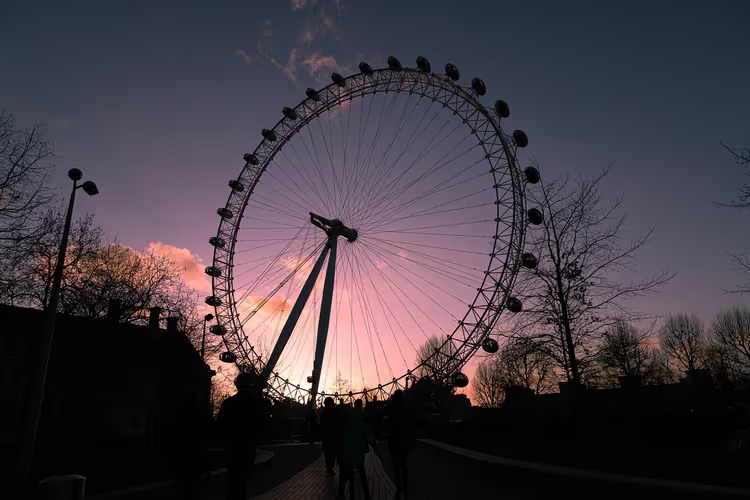
The London Eye was built for the millennium celebrations. When it was completed it was the tallest observation wheel in the world, but the title later passed to a similar structure in Singapore. The wheel has thirty-two transparent capsules, each of which can hold up to twenty-five people at a time.
You can book a capsule for two and enjoy a romantic ride above the Thames. Opening times vary through the year, but the wheel usually opens in the morning and closes between six and half past eight in the evening. Check hours and prices on the official website.
Getting there: take the Tube to Waterloo or Westminster. Tickets are cheaper bought online and in advance, and demand is especially high for sunset.
- Who it's for: panoramic photos and romantic outings.
- The catch: on a clear day at sunset there is a long queue at the entrance.
30. River Thames
 © samoletnibileti · CC BYPhoto: samoletnibileti, CC BY (https://creativecommons.org/licenses/by/2.0/), Flickr
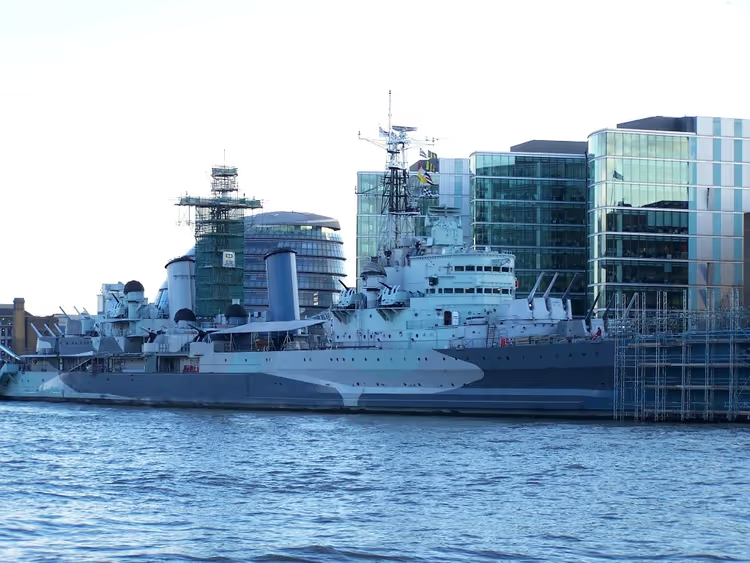
The Thames is not just another river. English monarchs built palaces on its banks so they could get home faster. It was this waterway that made London one of the largest port cities in Europe. The Thames has been a source of inspiration more than once: Claude Monet painted a series of landscapes of it, William Turner was not far behind, and Dickens's characters strolled along its embankments.
It is time for you to enjoy the beauty of this river too. Buy a ticket for one of the riverboats and try to take in the grandeur of the bridges: Tower, London, Waterloo. From the water, the Globe Theatre, Tate Modern and St Paul's Cathedral look different. Thames cruise from Westminster to Greenwich.
Getting there: the piers at Westminster, the London Eye and the Tower. The trip takes from forty minutes to two hours, depending on the route.
- Who it's for: anyone who wants to see the city from the water.
- The catch: it is windy on deck even in summer, so bring a jacket.
31. St Pancras station
 © Colin · CC BY-SAPhoto: Colin, CC BY-SA (https://creativecommons.org/licenses/by-sa/3.0), Wikimedia Commons
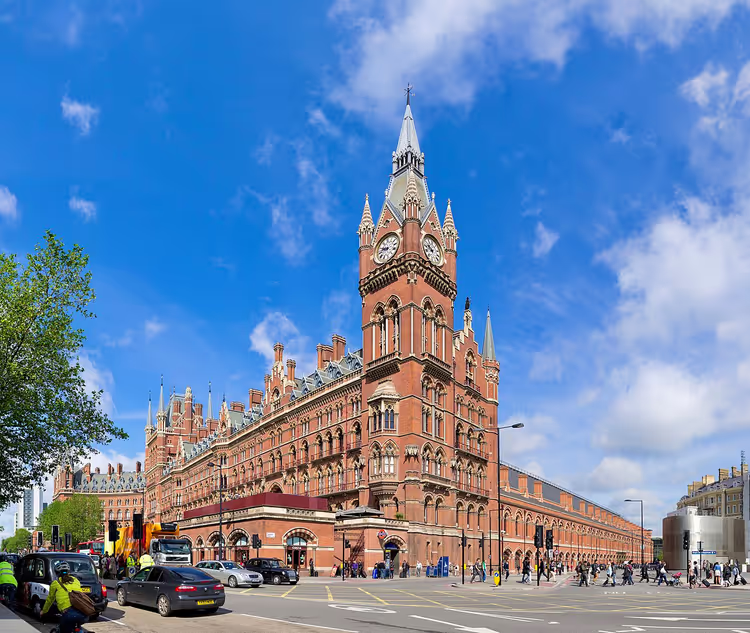
Since its restoration in the early 2000s, St Pancras has confidently competed with other sights for the title of the most romantic place in the city. The building dates back to the Victorian era, and it has kept its charm.
The structure is like a nesting doll: the station itself sits inside an arched train shed, and around it a neo-Gothic building with a hotel was put up. Almost nothing from the 19th century remains under the vaults, but the architecture of the facade has survived. Trains leave from here for the Continent, and Paris is now a couple of hours away.
King's Cross, well known to Harry Potter fans, is next door, and between them runs a Tube station with a compound name. Getting there: take the Tube to King's Cross St Pancras.
- Who it's for: lovers of railways and neo-Gothic architecture.
- The catch: inside the station there is a lot of noise and hurrying passengers.
32. Wembley Stadium
 © Arne Müseler · CC BY-SAPhoto: Arne Müseler, CC BY-SA (https://creativecommons.org/licenses/by-sa/3.0/de/deed.en), Wikimedia Commons
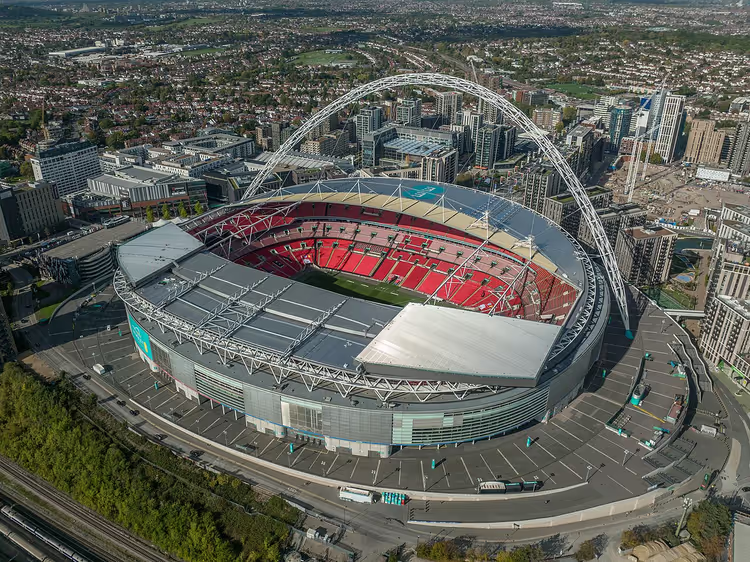
Wembley is one of the largest sports venues in the world. The stadium was built on the site of the legendary 1923 arena, and the new one has proved a worthy successor: it impresses with its size and the standard of its facilities. Even on the approach to the arena you can see the elegant load-bearing arch that supports the roof, which opens in three petals.
Wembley has more than once been a stage for world-class stars. Stadium tours are run for visitors, and a basic ticket costs about twenty pounds. The schedule is flexible and depends on the type of ticket and current events: tours usually begin in the morning, and the last one starts in the early afternoon.
Getting there: take the Tube to Wembley Park or Wembley Central. On match days the area is closed off, so allow extra time.
- Who it's for: football fans and lovers of big arenas.
- The catch: on concert and match days you can't get near the stadium.
33. Harrods department store
Harrods is London's most upmarket department store. For most visitors, shopping here is out of reach, but a walk through its halls is comparable to a trip to a museum: the luxury of the interiors recalls the decor of royal residences. Since the 19th century its regular customers have included Oscar Wilde, Princess Diana, Sigmund Freud, Elton John and Madonna.
Besides the brands, there are regular fashion shows, festivals and cookery shows here. Be sure to drop in at Christmas: the window displays and the decorated halls turn the store into a festive attraction. The department store is open daily, including Sundays.
Getting there: take the Tube to Knightsbridge. Even if you are not planning to buy anything, it is worth visiting the food hall and the tea department.
- Who it's for: lovers of window displays, fine food and shopping.
- Not for: those looking for budget shopping.
34. Portobello flea market
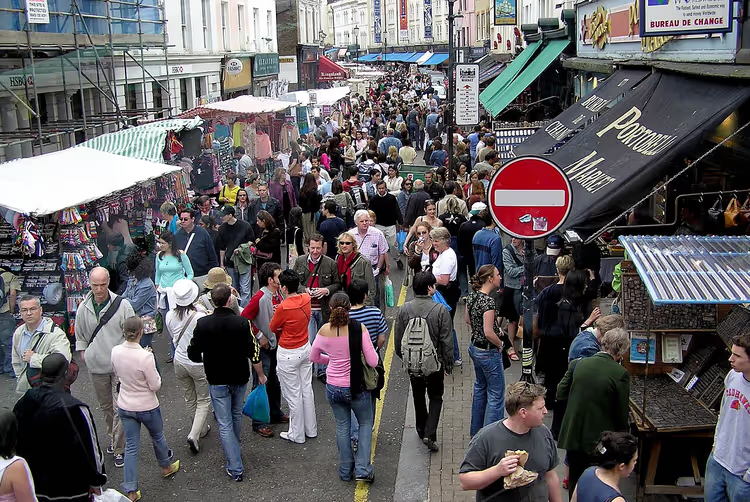
Portobello Road is considered one of the most popular market streets in the world. It cuts through the Notting Hill neighbourhood, and more than three kilometres of open stalls, shops and street traders' stands await its visitors. But that is not what made the market's name.
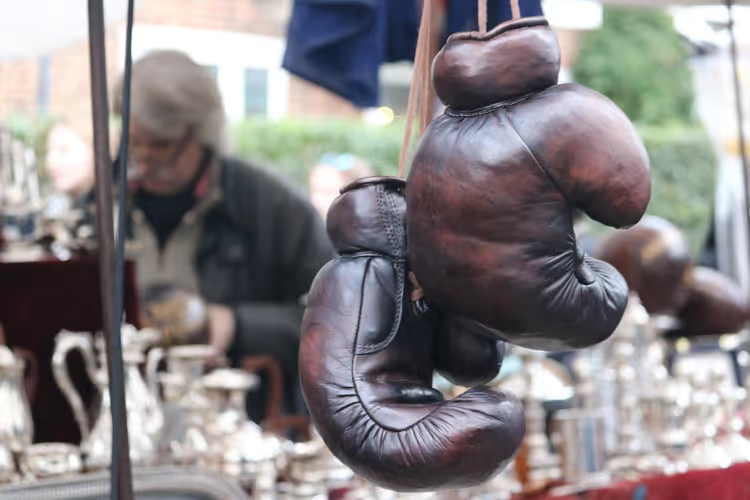
The real Portobello begins on Saturday, when sellers and connoisseurs of antiques gather here. The antiques market here is the largest in the world. Three centuries ago a farm with the poetic name Portobello stood on this spot, and in the Victorian era the land was built up with small houses in blue, red and lilac, and the cityscape began to take shape.
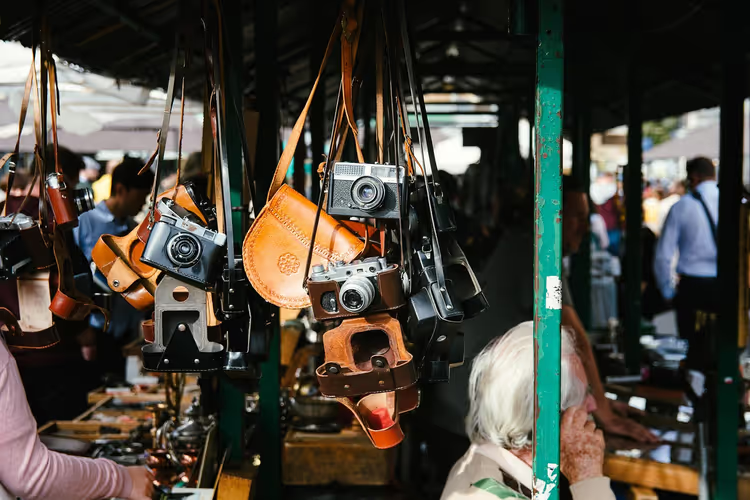
Today you can wander the market for hours. People find everything here, from faded tickets to Rolling Stones concerts to Meissen porcelain. Getting there: take the Tube to Notting Hill Gate or Ladbroke Grove.
- Who it's for: hunters of antiques and vintage.
- The catch: the street is packed on Saturdays, and haggling is best done in the morning.
35. Brick Lane flea market
Brick Lane is often overlooked, although this market sets fashion trends of its own. The street is part of the Bangladeshi community, which was once a Jewish ghetto, and that history has left its mark on the look of the area.
People come here for two things: curry and concept fashion. The cluster of little restaurants serving this dish will amaze you with the choice. As for clothes, you can find everything here, from vintage pieces by expensive brands to old Art Deco magazines. Photographers and artists often turn up here too, looking for inspiration in the colourful mix of the place.
Getting there: take the Tube to Aldgate East or Shoreditch High Street. On Sunday the market is in full swing, and on other days some of the stalls are closed.
- Who it's for: lovers of streetwear, vintage and Asian food.
- The catch: on big days the street is jammed, and some of the shops open only around noon.
London on the map
The map shows the places from this list. Open it in a separate window if you want to plan a route for the day. It is easier to group the sights by district so you don't have to travel halfway across the city.
Tours and tickets in London
Guided tours, skip-the-line tickets and activities — most offers can be cancelled free of charge.
See offers on GetYourGuideThe widget loads once you give your consent.
⁉️🤔 Frequently asked questions
How much does it cost to get into London's main museums?
The British Museum, the National Gallery, Tate Modern and the Victoria and Albert Museum are free. You pay only for temporary exhibitions. For Westminster Abbey, St Paul's Cathedral, the Tower and the viewing platforms, tickets are bought separately, and online they are noticeably cheaper than at the ticket desk on the door.
Can you go up Big Ben?
No. The clock tower is part of the Palace of Westminster and remains a working government site. Tours inside are available only to UK citizens by prior booking. Tourists view the tower from outside, from Parliament Square or from the opposite bank of the Thames, which gives the best shot.
What can you see in London for free?
Practically all the classics: the British Museum, the National Gallery, Tate Modern, Hyde Park, Trafalgar Square, the Changing of the Guard at Buckingham Palace and the Thames embankments. Among the paid viewing platforms, free entry is sometimes available at the Mary Axe tower, but only on open days.
How do you get from the airport to central London?
From Heathrow, the Tube's Piccadilly line and an express train to Paddington station run to the centre. From Gatwick, the train to Victoria or London Bridge is more convenient. A taxi costs more and takes longer at rush hour. Train tickets and transfers are cheaper booked online in advance, especially if you are travelling with suitcases.
When is the best time to go to London?
The quietest months are April, May and September: mild weather and fewer tourists. In summer the centre is crowded, and hotel prices rise on the days of major events. In winter the city delights with its Christmas lights and the Harrods window displays, but it gets dark soon after lunch.
In brief: what's worth booking
London doesn't call for a single ticket: the city is easy to put together from separate stops. If you are on a tight budget, go for the free museums and parks, and limit the paid viewing platforms to one. If you plan to do all the classics, the London Pass is better value. With children, Madame Tussauds and the London Dungeon go down well.
The matrix is simple. If you have one day: Westminster, Big Ben, Trafalgar Square and a Thames cruise. If you have three days: add the Tower, the British Museum and Soho with its theatres. If you are coming to shop: Oxford Street, Harrods and Portobello on a Saturday.
Buy tickets for the main sights online in advance, as the ticket queues eat up more time than the journey itself. To build a route out of several tours, take a look at tours and tickets in London on GetYourGuide.

A small editorial team writing guides for independent travel. We travel ourselves, but we haven’t been everywhere, so we check prices, opening hours and how to get there against official sources.