

















Sapphires of Ratnapura: how to visit the mines and avoid buying a fake
Ratnapura means "city of gems." The town sits 101 km from Colombo and has lived off stone mining for more than two thousand years (Ratnapura). People come here for sapphires, rubies, and moonstone, and tourists add the mines along the Kalu Ganga river and the markets where stones sit loose on the counters.
Be prepared: this is not a resort. The center has few cafes and hotels, but every morning traders from nearby towns lay out their goods right on the streets (street trading). Service here is basic, and English is not understood everywhere.
Below we'll cover what to see in Ratnapura, how to get to the gem mining sites, and how to avoid buying a fake.
Ad: this article contains affiliate links, we earn a commission if you book through them, at no extra cost to you.
Ratnapura: a city that lives off stones
💡 In short:
- Ratnapura lies southeast of Colombo, the drive takes 3-4 hours.
- What to see: the gem museum, the mines along the Kalu Ganga river, the stone markets.
- Stone certification: 09/2026, verified on the National Gem and Jewellery Authority website.
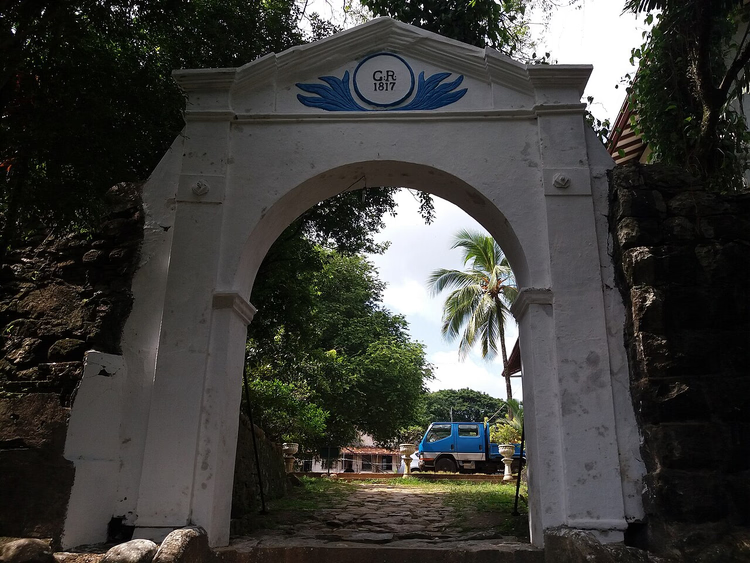
The country's largest buyers are based right here, and almost all stone trading passes through the city (city description).
 © L Manju · CC BY-SAPhoto: L Manju, CC BY-SA (https://creativecommons.org/licenses/by-sa/4.0), Wikimedia Commons
The center is pleasant to explore on foot: old houses, jewelry shops, workshops where stones are sorted right in front of you. There are no high-rises or restaurants here, but gem displays are on every corner.
- The catch: there are almost no decent cafes or hotels in the center, and by evening the options drop to zero.
There are few Western tourists in the city. You'll hear English in the museum, in larger shops, and in hotels, but in a small eatery it's easier to point at what you want. Keep this in mind if you plan to stay overnight rather than come for a day trip.
Gem museum
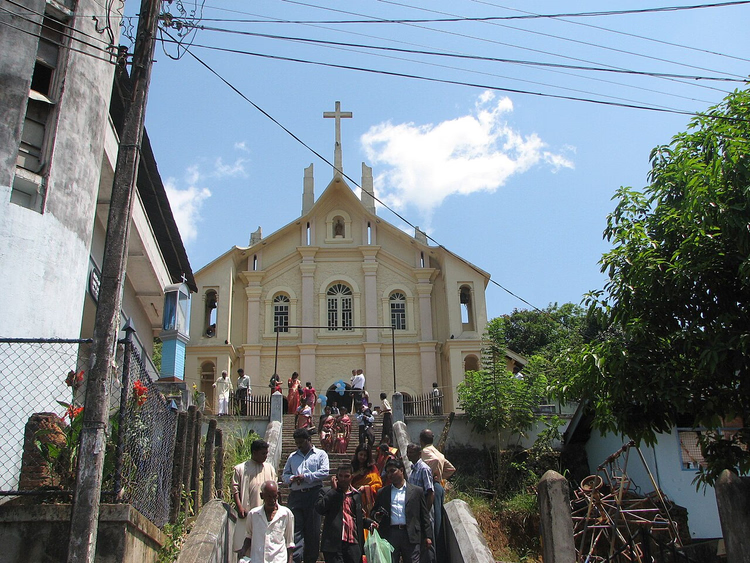
The Ratnapura Gemmological Museum stands in the city center, open on the map.
 © Terrance Rengarasu · CC BY-SAPhoto: Terrance Rengarasu, CC BY-SA (http://creativecommons.org/licenses/by-sa/3.0/), Wikimedia Commons
Inside you'll see a collection of stones found in Ratnapura and the surrounding area. An English-speaking guide will explain the journey a gem takes from being found in the ground to becoming jewelry, and will show photographs and exhibits. The museum has a shop selling locally mined stones.
- Admission and hours: exact opening hours are not listed in public sources, so check on site on the day of your visit.
- Who it's for: those who want to understand in a single visit what stones are mined on the island.
- Not for: if the goal of your trip is the mines, save the museum for the way back.
If you want to build a route covering several places on the island, check out Sri Lanka tours on GetYourGuide.
How stones are mined along the Kalu Ganga river
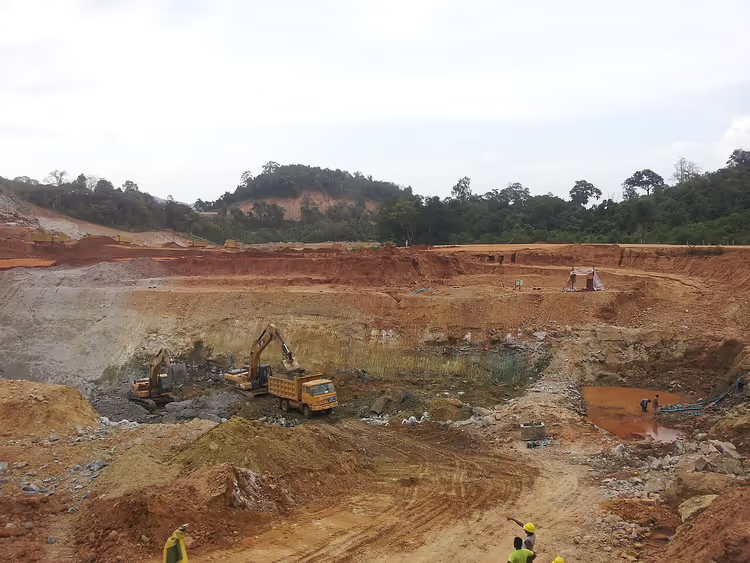
The main mining sites sit by the water. The Kalu Ganga, or Black River, erodes the rock and carries out gravel with stones (Kalu Ganga).
Along the bank you'll notice small huts made of palm leaves. These are not shacks but mine entrances: behind each one a tunnel goes down. Miners open up gravel layers near the riverbed or right in the rice fields, and the rock is hauled up with ropes in woven baskets.
 © Gihan Jayaweera · CC BY-SAPhoto: Gihan Jayaweera, CC BY-SA (https://creativecommons.org/licenses/by-sa/3.0), Wikimedia Commons
Sand washes out through the weaving, stones stay at the bottom. The gravel is then washed and sorted by hand, and that's the hardest part of the work.
Mining is harmful to your health, and finds are rare: sometimes not a single valuable stone turns up in a whole day. That's why most miners live in poverty, while the money goes to those who resell the finds.
You won't be taken down into active tunnels: the process is viewed from the surface and only with the mine owner's permission. A tuk-tuk will get you from the center to the riverbank, agree on the price before you get in.
From mine to display case: cutting and markets
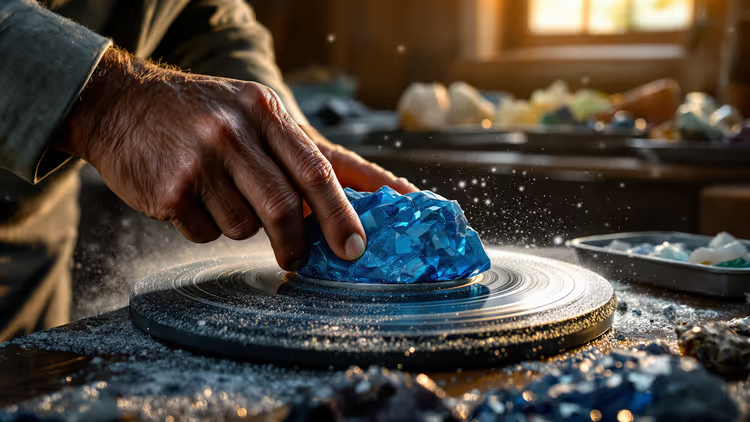
What's mined is sold at auctions or sent to factories. One of the workshops, Priyantha Gems, is open to visitors (open on map). Cutting here is done by hand, just like mining: the cutter guides the stone through the machine himself.
Sri Lankan cutters are valued worldwide. Some stones go to orders from jewelry houses, the rest stay in local shops. The most famous stone from here is the Star of Adam, a blue star sapphire weighing 1,404 carats, found in 2015 (stone description).
 AIIllustrative image: AI-generated
From there, stones make their way to the markets. Ratnapura has three: Abagahamula Gem Market, Demuwamawatha Gem Market, and Clock Tower Gem Market (Ratnapura markets). Each has its own schedule, but mornings are the busiest everywhere.
The markets mostly sell rough stones. Be more careful with finished pieces: fakes are easy to come by, so for jewelry it's better to go to government stores, where items come with a certificate.
Where | What people buy | What you get |
|---|---|---|
Gem markets | rough stones | bargaining and a selection of raw material |
Government stores | finished jewelry | a certificate with the piece |
NGJA laboratory | stone testing and appraisal | an authenticity report |
The National Gem and Jewellery Authority holds the Gem City Ratnapura gathering here every year (per NGJA, 09/2026).
Bargaining at the market is the norm: the asking price can almost always be brought down, especially if you're buying several stones at once.
Tours and tickets
Guided tours, skip-the-line tickets and activities — most offers can be cancelled free of charge.
See offers on GetYourGuideThe widget loads once you give your consent.
How to buy a stone without getting it wrong
Before buying, decide what you need: a souvenir, a stone for a collection, or everyday jewelry. For a souvenir, a moonstone or topaz will do; for an investment, people look for a sapphire with documentation.
Three rules that protect your money. First: ask for a certificate and note which laboratory issued it. Second: have the stone checked at a government laboratory, where they do testing and appraisal. Third: verify the certificate number online on the NGJA website before paying.
Be careful with street sellers. If someone offers you a sapphire out of his pocket with no papers, walk away. Cash rupees will come in handy regardless, cards aren't accepted everywhere. And don't rush: a stone chosen calmly costs less than one bought under pressure.
Practicalities: getting there, staying, and money
The drive from Colombo takes 3-4 hours: about 101 km of mountain switchbacks (distance). Buses run regularly and cost less than a taxi, but they're slower and make stops. A car with a driver is more convenient: along the way you can stop at waterfalls and tea plantations.
There are few hotels in Ratnapura, and they get booked up quickly. If you're staying overnight, book a hotel in Ratnapura in advance. Bring cash: cards work in hotels and larger shops, but small ones take cash only.
Rain is possible here in any month: the city sits in a wet tropical forest zone (city climate). Bring a raincoat and don't plan a trip to the river right after a downpour: the water rises and some roads get washed out.
⁉️🤔 Frequently asked questions
Can you visit active mines in Ratnapura?
There are no ready-made tours inside the mines. You won't be taken into the actual workings: it's dangerous and disrupts the work.
How much does entry to the gem museum cost?
The museum doesn't publish current prices, so check them at the entrance. A guided tour in English is available during working hours. Plan your visit for the first half of the day.
When is the best time to visit Ratnapura?
Plan your visit for the morning and keep a spare day in case of rain. For a trip to the river, pick a day with no overnight rain.
How do you avoid buying a fake at the gem market?
Ask for a certificate and verify its number through the NGJA online check. A cheap sapphire without documents is almost always an imitation.
What to see near Ratnapura?
There's plenty of nature around the city: Adam's Peak (Sri Pada), Sinharaja Forest Reserve, Udawalawe National Park, and Kitulgala (areas around Ratnapura). People climb Adam's Peak at night to catch the sunrise at the top. For Sinharaja and Udawalawe, set aside a full day.
In short: what to book
Ratnapura isn't a resort, it's a working gem town. It's worth coming here for the mines, the museum, and the morning markets, with tropical scenery as a bonus. If you have one day, start with the museum and markets, and head to the river in the morning or save it for your next visit. If you're staying overnight, book accommodation in Ratnapura in advance: options in the center are limited.

A small editorial team writing guides for independent travel. We travel ourselves, but we haven’t been everywhere, so we check prices, opening hours and how to get there against official sources.