
















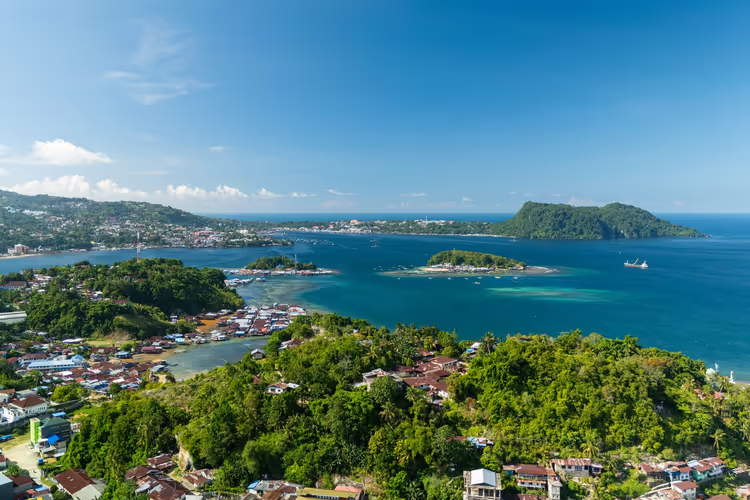
Vacation in Indonesia: which islands to choose and when to go
Indonesia has more than 17,000 islands (according to Wikipedia). The country ranks first in the world by island count. The journey from Europe takes almost a full day, but warm seas and sunshine await you year-round.
Choosing one island is harder than flying to the country. Bali, Java, Sumatra, Sulawesi, and hundreds of smaller islands are nothing alike. On top of that, the rainy season arrives in different regions at different times.
We break down which island to choose for your vacation, which volcanoes and temples are worth seeing, when to go, and what to try from the local cuisine.
Ad: this article contains affiliate links, we earn a commission if you book through them, at no extra cost to you.
How Indonesia is organized
💡 In short:
- The country spans more than 17,000 islands, with an area of about 1.9 million km² (according to Wikipedia).
- The best time to visit: the dry season from May to October, which shifts in different regions (according to Lonely Planet).
- Prices and opening hours: 09/2026, verified on the official website of Pura Besakih Temple.
Of these islands, roughly a thousand are inhabited. There are only five large islands: Sumatra, Java, Kalimantan, Sulawesi, and New Guinea. The country stretches from Asia to Oceania, so the climate and nature vary greatly.
More than 275 million people live here, and by population the country ranks among the world's top four (according to Wikipedia). Domestic flights are cheap, and they can get you from Java to Bali or Sulawesi in a couple of hours.
Islands of Indonesia: where to go
Choosing an island is easier by type of vacation rather than by name. Bali offers temples, rice terraces, and beaches. Java offers cities, volcanoes, and convenient trains between them. Sumatra and Sulawesi suit those looking for nature and diving.
Island | What to see | Who it suits |
|---|---|---|
Bali | Temples, rice terraces, beaches | First trip, surfing |
Java | Cities, volcanoes, trains | History and logistics |
Sumatra | Volcanoes, Buddhist heritage | Nature and hiking |
Sulawesi | Diving, distinctive culture | Divers |
New Guinea | Tropical forests | Wild nature |
Plan to spend the first week of your trip on Bali. The island is small, and you can drive around it with a hired driver in a couple of days. Surfers choose the beaches in the south, while Ubud suits a relaxed stay among rice terraces. Book accommodation in advance (Bali hotels on Trip.com).
Sulawesi is known for diving and its distinctive culture. The tourist infrastructure here is more modest, but there are fewer tourists. To reach the island, you'll need a domestic flight from Java or Bali.
Sumatra preserves the heritage of the ancient Buddhist Srivijaya and is famous for its volcanoes. New Guinea in the east remains the wildest part of the country, where people go for tropical rainforests. The Lesser Sunda Islands offer world-class diving and snorkeling. If reefs matter to you, plan inter-island flights in advance.
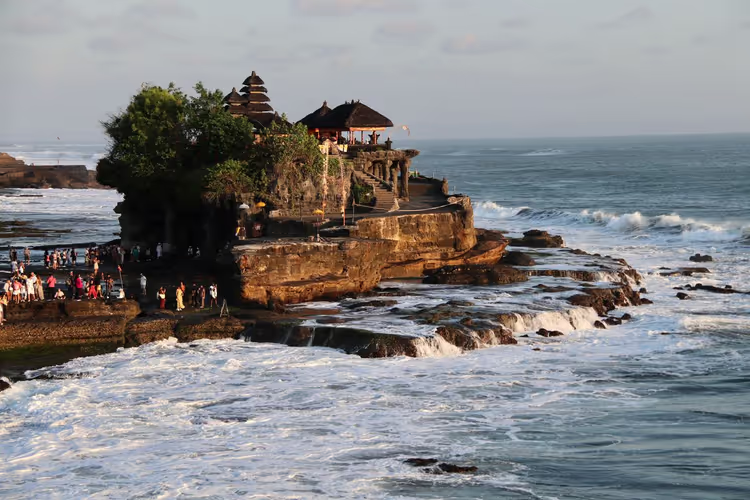
Volcanoes and nature of Indonesia
Indonesia lies in the Ring of Fire, and hundreds of volcanoes are scattered across the country. Some of them are still active. The formidable Krakatoa is known for its catastrophic eruption, while the sacred Mount Agung on Bali is visible from almost any beach on the island.
The country connects two oceans and two hemispheres. At night in the southern part you will see the Southern Cross constellation, the local equivalent of the Big Dipper.
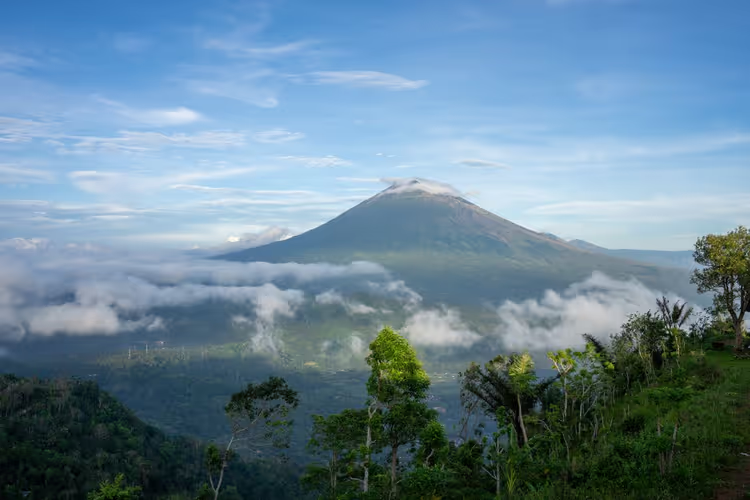
Water activities are available here year-round: diving, snorkeling, surfing, and boat trips. If you are traveling for the sea, choose the dry season. Volcano excursions are easy to book in advance (guided volcano hikes on GetYourGuide).
Temples and culture: Pura Besakih
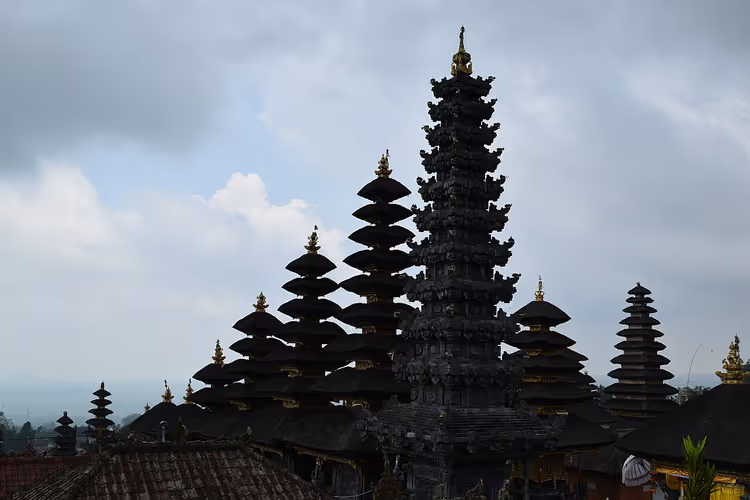
Pura Besakih on Bali is called the Mother Temple. The complex sits on the slope of Mount Agung and includes dozens of shrines and terraces. Admission for foreigners costs 150,000 IDR and includes a local guide, a sarong, and transport to the upper levels (as of 09/2026, pura-besakih.com).
The temple is open daily from 07:00 to 18:00. Arrive at opening time: by midday, groups gather at the main staircases, and you will have to wait in line.
 © ::::=UT=:::: · CC BY-SAPhoto: ::::=UT=::::, CC BY-SA (https://creativecommons.org/licenses/by-sa/3.0), Wikimedia Commons
The country's cultural heritage is not limited to Bali. Sumatra was home to the Buddhist state of Srivijaya. During the Dutch East Indies era, colonial towns and indigenous villages existed side by side, and in Jakarta skyscrapers stand next to shacks. You will notice this contrast on your very first trip. Festivals and crafts are part of everyday life here, and colorful ceremonies take place right in the streets.
Tours and tickets in Bali
Guided tours, skip-the-line tickets and activities — most offers can be cancelled free of charge.
See offers on GetYourGuideThe widget loads once you give your consent.
Indonesian cuisine: what to try
Indonesian cuisine is built on sweet sauces, rice, and seafood. The country's signature dish, fried rice with vegetables, chicken, or seafood, is called nasi goreng. A portion is served for both breakfast and dinner.
For drinks, try arak, a local strong spirit made from rice and palm sap. It is drunk on its own or added to cocktails with honey. They also brew tuak here, a sweet palm wine.
In tourist areas, the markup is high. Eat at warungs, local eateries: you will pay noticeably less for the same portion.
When to go to Indonesia
The dry season runs roughly from May to October (according to the Lonely Planet guidebook). During these months there is less rain and calmer seas. The rainy season does not mean downpours all day; rain usually lasts a couple of hours, and you will have enough time for excursions.
The coast is hot year-round, while the mountains are noticeably cooler. During the European winter, Bali sees the most tourists, so book accommodation and excursions in advance.
⁉️🤔 Frequently asked questions
How many islands are there in Indonesia?
More than 17,000, but only about a thousand are inhabited. There are only five major islands: Sumatra, Java, Kalimantan, Sulawesi, and New Guinea. In two weeks you can see one or two islands, and that is enough for a first introduction to the country.
When is the best time to go to Indonesia?
The dry season lasts from May to October (according to Lonely Planet). In different regions it shifts by a couple of weeks, so check the forecast. For Bali and Sulawesi, choose June or September: the sea is calm and there is almost no rain.
How much does it cost to enter Pura Besakih?
Entry for foreigners costs 150,000 IDR (as of 09/2026, pura-besakih.com). For what is included in the price and opening hours, see the "Temples and culture: Pura Besakih" section.
What local food should I try?
Start with nasi goreng, fried rice with chicken or seafood. For drinks, try arak and sweet palm wine called tuak. A portion at a warung costs less than at tourist cafes near the beach.
Which islands should I choose for a first trip?
For beaches and temples, go with Bali. Divers should add Sulawesi or the smaller islands of the archipelago. Choose Java and Sumatra if you want volcanoes, cities, and the Buddhist heritage of Srivijaya.
In short: what to book
Match the island to the purpose of your trip. Bali works well for temples and beaches. Head to Sulawesi for nature and diving. You will find volcanoes, cities, and history on Java and Sumatra.
If you have a couple of weeks, plan two bases and one domestic flight. If you are going for the first time, allow more time for Bali. In high season, book accommodation and tours in advance (hotel prices in Indonesia on Trip.com).
The Indonesian rupiah exchange rate changes almost every day. It is more profitable to exchange money at banks and large exchange offices. At markets, keep small bills handy.

A small editorial team writing guides for independent travel. We travel ourselves, but we haven’t been everywhere, so we check prices, opening hours and how to get there against official sources.