
















Indonesia: 17,508 islands, the blue fire of Ijen and Komodo dragons
Indonesia does not start with Bali. Officially, the country spans 17,380 islands (as of 2023, list of islands of Indonesia), but most tourists' itineraries include only two or three. Add active volcanoes, hundreds of languages, and dozens of ethnic groups, and you get a country that is hard to grasp in a single trip. Below, the editorial team has gathered verified facts that will help you plan.
Indonesia in numbers
💡 In short:
- Indonesia is considered the world's largest archipelagic state.
- The archipelago's residents speak hundreds of languages, yet there is officially only one national language.
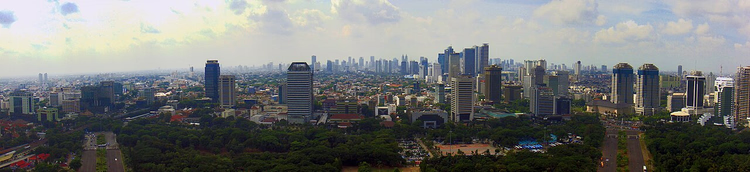
Most of the islands are uninhabited. Some are so small they still have no names, while tourists are more familiar with Sumatra, Java, Sulawesi, and Bali. The division into provinces almost everywhere aligns with the settlement of ethnic groups, so customs and cuisine change literally from island to island.
 © musnahterinjak · CC BY-SAPhoto: musnahterinjak, CC BY-SA (https://creativecommons.org/licenses/by-sa/3.0), Wikimedia Commons
The majority of residents practice Islam, but the country remains secular and multiethnic. Women here work in business and government, are not required to cover their faces, and move freely, which sets Indonesia apart from many Muslim countries.
A single national language, Bahasa Indonesia, unites the archipelago, while at home people speak local dialects. Linguists count over 700 living languages (as of 09/2026, overview of languages of Indonesia), which is roughly 10% of the world's languages.
Volcanoes and wildlife
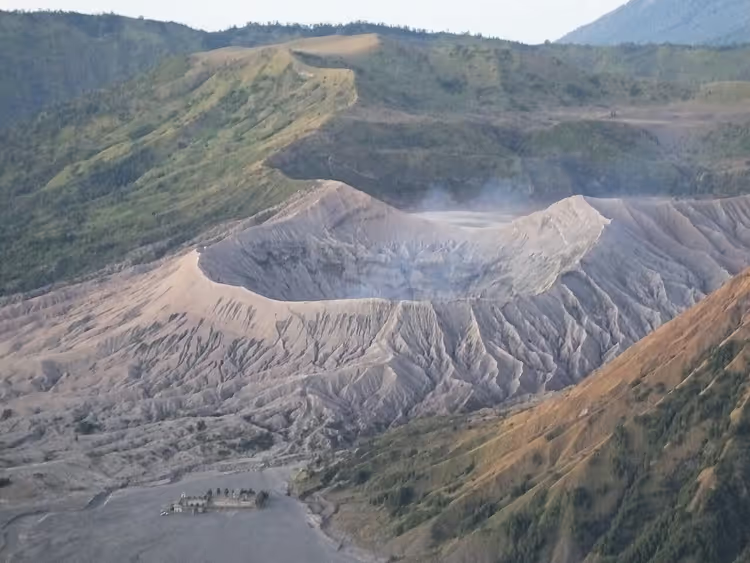
Indonesia lies on the Pacific Ring of Fire, and it has more active volcanoes than any other country in the world (as of 09/2026, list of volcanoes in Indonesia). Some peaks are open for guided climbs. If you head to a crater, wear closed-toe shoes and bring a respirator: the wind carries sulfur gas.
 © Hugo van den Bos · CC BYPhoto: Hugo van den Bos, CC BY (https://creativecommons.org/licenses/by/2.0), Wikimedia Commons
The archipelago's nature ranks among the richest on the planet. In 2025 alone, researchers from the BRIN agency described 51 new species of flora and fauna (as of 2025, BRIN report), and discoveries continue every year.
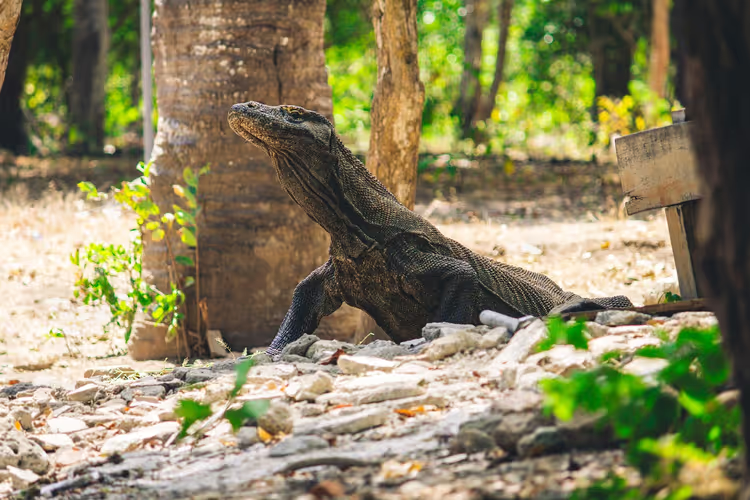
Among rare animals, the Komodo dragons stand out. They live only on a few islands of Komodo National Park and are protected by the state. The Javan rhinoceros is even rarer: the last population survives in Ujung Kulon National Park in western Java. You can see the dragons with a ranger: they will show you the route and ask you to keep your distance.
Tourism and the economy
Tourism is one of the country's main sources of income. From January to November 2025, Indonesia welcomed 13.98 million foreign tourists, up 10.44% from the previous year (as of 01/2026, Ministry of Tourism). If you are traveling in high season, book inter-island flights in advance.
 © Satdeep Gill · CC BY-SAPhoto: Satdeep Gill, CC BY-SA (https://creativecommons.org/licenses/by-sa/4.0), Wikimedia Commons
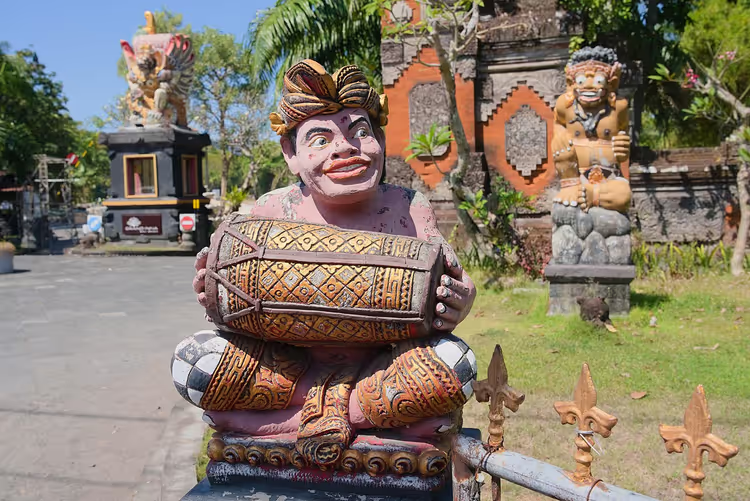
The authorities are constantly expanding destinations beyond Bali: new routes, local festivals, and tours to remote provinces are emerging. Spices are also important to the economy, and Indonesia remains one of the world's leading suppliers of nutmeg.
Spa services are taken seriously here: massages, body wraps, and herbal rituals are offered not only by salons but also by hotels in Bali, Java, and Lombok. Book for the morning, when the therapist is less busy and you are not yet tired from the heat.
Unusual facts from across the islands
In eastern Java lies the Ijen crater (Kawah Ijen). At night, burning sulfur gas escapes from its cracks, and the flames look bright blue, which is why tourists hike in the dark to see this glow. The crater holds one of the most acidic lakes in the world, and sulfur is still mined there by hand.
On the islands, you can find snakes that glide from tree to tree, stretching their bodies in the air. They are harmless to tourists, but it is best to observe them from the ground and without sudden movements.
In the village of Tuban on Java, people still make ampo, a snack made from clay and rice. It is worth trying more out of curiosity than for the taste.
Indonesia was home to Dedi Koswara, known as the "tree man." A rare disease covered his body with growths, and doctors could not stop the process.
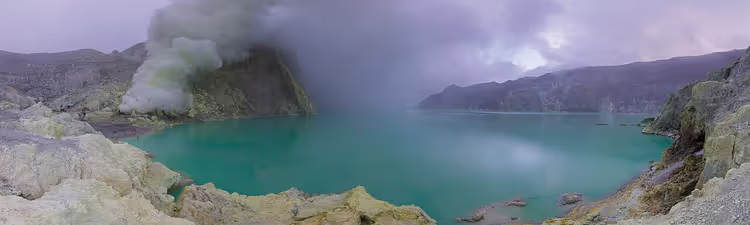 © Thomas Fuhrmann · CC BY-SAPhoto: Thomas Fuhrmann, CC BY-SA (https://creativecommons.org/licenses/by-sa/4.0), Wikimedia Commons
⁉️🤔 Frequently asked questions
How many islands are there in Indonesia?
Indonesia is considered the world's largest archipelagic state, with thousands of islands. Most of them are uninhabited or unnamed, and two or three are usually enough for a trip. Sumatra, Java, Sulawesi, and Bali receive the bulk of tourists.
How many languages are spoken in Indonesia?
Linguists count hundreds of living languages. There is one national language, Bahasa Indonesia, and it is understood almost everywhere. In the tourist areas of Bali and Java, English will be enough, while in remote areas a translator will come in handy.
What makes Indonesia interesting beyond Bali?
Besides beaches, there are active volcanoes, Komodo National Park with its dragons, and the Ijen crater with its blue fire. Routes through Java and Flores offer more impressions than another week on the same beach. Local airlines fly between the islands, so logistics should be planned in advance.
Are the volcanoes and Komodo dragons dangerous?
Climbing some volcanoes requires a guide, while Mount Bromo can be reached on your own. Only go to the crater when the volcano's status is open. In Komodo National Park, tourists are accompanied by rangers, and dragons can be viewed from a distance. If you stay on the route and follow instructions, the trip is safe.
When is the best time to visit Indonesia?
The dry season runs roughly from May to October, and that is the best time for beaches and trekking. From November to March, rains are more frequent, and sea routes to some islands are closed. Check forecasts and volcano statuses before you fly.
In short: what to know about Indonesia
Beyond Bali, you will find dozens of ethnic groups, active volcanoes, and the rare wildlife of national parks.
If you want beaches and surfing: choose Bali or Lombok. If volcanoes interest you: look at Java and the Ijen crater. If you want rare animals: plan for Flores and Komodo.
Before your trip, check current destinations and site statuses on the official tourism website of Indonesia.

A small editorial team writing guides for independent travel. We travel ourselves, but we haven’t been everywhere, so we check prices, opening hours and how to get there against official sources.