
















What to see on Sulawesi: Makassar, Toraja and diving at Bunaken
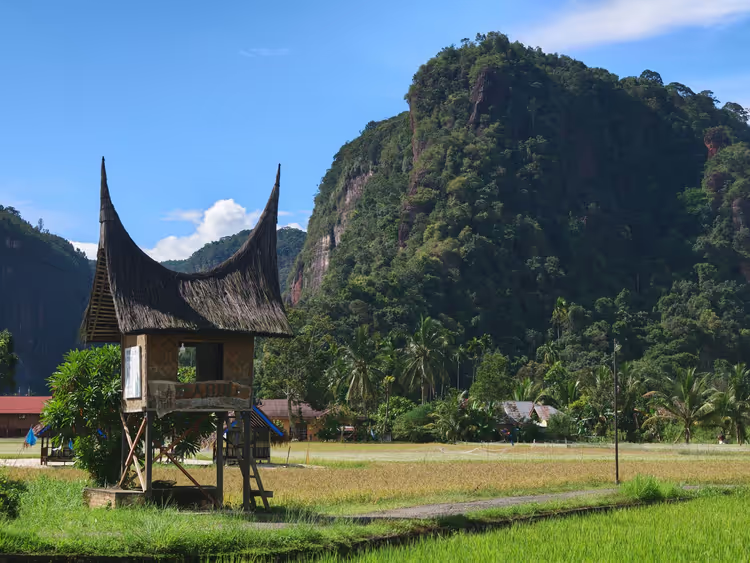
Sulawesi on the map looks like an open flower with four petals. The island is not like a resort with a hotel around the corner: it is several different worlds on one piece of land. In the south stands colonial Makassar, in the mountains hide the cliff graves of Toraja, and in the north people dive off Bunaken.
The island lies in Indonesia between Borneo and New Guinea. There are no direct charters from Europe, so there are few casual tourists. The south is reached via Makassar, the northern dive sites via Manado. From Makassar to mountainous Toraja, a road of about 300 km leads the way (as of 2026, GoAsia).
Below we have put together a practical route across the island: Makassar, Toraja, Bunaken. We checked all prices, hours and distances against sources and noted the date next to the numbers.
Ad: this article contains affiliate links, we earn a commission if you book through them, at no extra cost to you.
Sulawesi: what to know before you go
💡 In short:
- Fly into Makassar in the south or Manado in the north: both cities receive domestic flights.
- Plan 10-14 days to cover the south, Toraja and diving in the north.
- Keep cash rupiah on hand: cards are accepted only in large Toraja hotels.
- Prices and opening hours: 09/2026, checked on the South Celebes Tourism website.
Makassar: the colonial south of the island
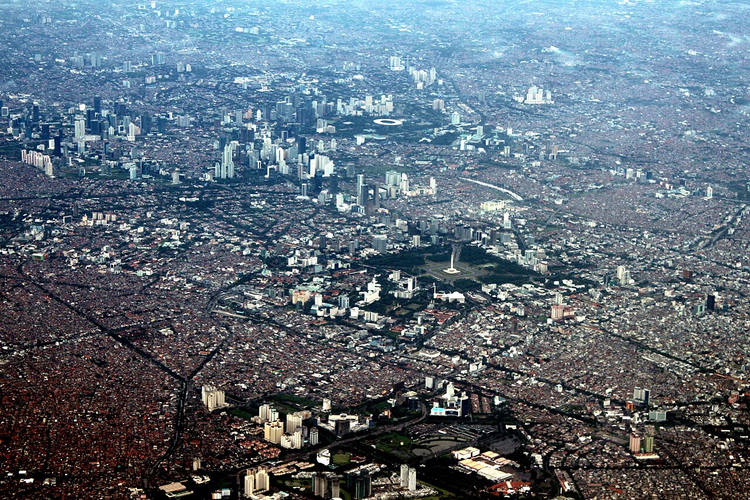
Makassar serves as the capital of South Sulawesi and the gateway to the island. Dutch colonial architecture and Bugis culture mix here. One day is enough to walk the old center and understand the region's history.
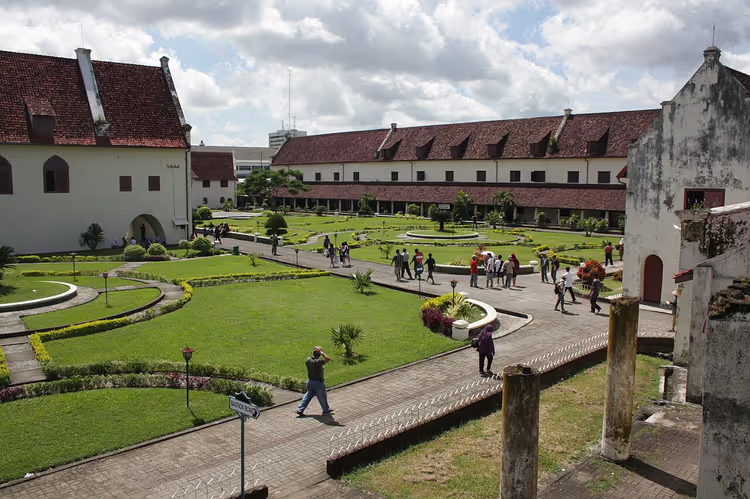
Start with Fort Rotterdam, the former Ujung Pandang fortress. The fort is open daily from 8:00 to 18:00 local time, admission is free (as of 09/2026, South Celebes Tourism). A museum and cultural center operate inside. Come at opening time: by midday the walls get hot.
Nearby, in Sungguminasa, lies the Makam Raja-Raja Gowa complex, the tombs of the kings of Gowa. The rulers of the sultanate that governed the south before the Dutch arrived are buried here. This is an active site: dress modestly and ask permission before taking photos.
For souvenirs, go to the market. They sell batik, wooden tableware and jewelry. Bargain: the starting price is inflated two to three times. Watch out that a factory-made fake is not passed off to you as handmade work.
 © Sanko . · CC BY-SAPhoto: Sanko ., CC BY-SA (https://creativecommons.org/licenses/by-sa/3.0), Wikimedia Commons
Toraja: cliff graves and rituals
Toraja is not a city but a mountain region 300 km north of Makassar. You can get there in three ways, and the journey takes almost a whole day.
To Rantepao | Time | Price |
|---|---|---|
Bus (Bintang Prima) | 8-10 h | 200,000-300,000 rupiah |
Minivan (Kijang) | 8-10 h | 150,000-200,000 rupiah |
Car with driver | 7-8 h | from 1,500,000 rupiah |
The night bus is convenient: you arrive in Rantepao in the morning and do not pay for an extra night on the road (as of 2026, GoAsia).
But the main reason to come here lies in the funeral rites. Locals believe that after death a person departs for the land of the ancestors, and the body is kept in the house for weeks, months and even years, until the family raises money for the ceremony.
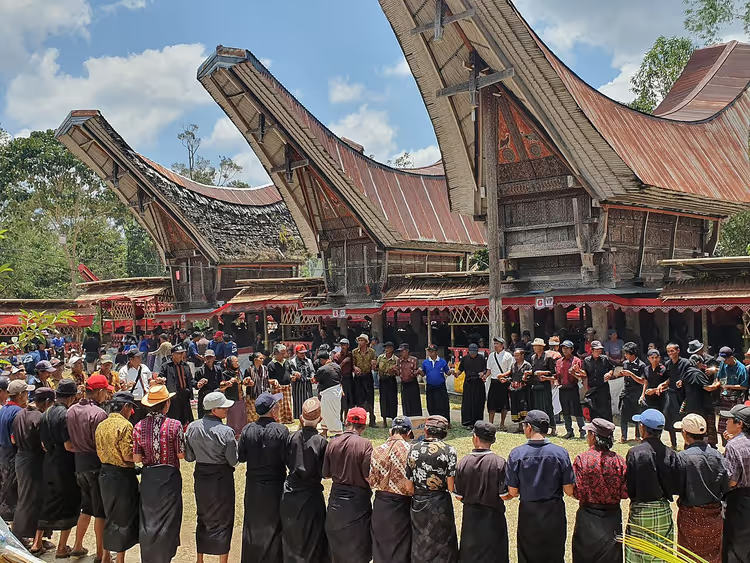
The Rambu Solo ceremony itself lasts several days. Hundreds of guests gather, buffaloes and pigs are slaughtered, and circular ma'badong dances are performed at night. One ceremonial buffalo costs from 50 to 500 million rupiah (as of 2026, GoAsia). A high-status funeral uses twenty or more animals.
Several burial sites are worth visiting.
Place | Entry | What to see |
|---|---|---|
Kete Kesu | around 10,000 rupiah (as of 09/2026, Pemkab Toraja Utara) | tongkonan houses and graves behind the village |
Lemo | paid entry (cash on site) | cliff with tau-tau figures |
Londa | around 10,000 rupiah (as of 09/2026, Pemkab Toraja Utara) | cave with coffins and bones |
Kete Kesu is 4 km from Rantepao, and you can walk there. Lemo is known for its cliff, where wooden tau-tau figures stand in the galleries. In Londa you descend into a cave with coffins, and a local guide with a kerosene lamp leads you through the dark corridors.
Tourists are treated kindly at funerals, and the ceremony is not staged for spectators. But you need a local guide: he will explain what is happening and tell you when to take photos. A guide costs several hundred thousand rupiah per day. Come with a gift: cigarettes, sugar, or a small amount of cash (as of 2026, GoAsia).
 © WiDi · CC BY-SAPhoto: WiDi, CC BY-SA (https://creativecommons.org/licenses/by-sa/4.0), Wikimedia Commons
Wildlife: babirusa, anoa, and maleo
Sulawesi is home to animals found nowhere else. The babirusa looks like a cross between a deer and a wild boar, while the anoa is a dwarf relative of the buffalo. The maleo bird, from the megapode family, buries its eggs in warm volcanic soil and does not incubate them.
 © musnahterinjak · CC BY-SAPhoto: musnahterinjak, CC BY-SA (https://creativecommons.org/licenses/by-sa/3.0), Wikimedia Commons
All of them live in the forests of Lore Lindu, a park covering 2,180 km² in Central Sulawesi (as of 09/2026, Wikipedia). It has 77 recorded endemic bird species, plus the Tonkean macaque and the pygmy tarsier. Scientists believe some of these species may disappear, so you will not see them in the wild on every trip.
Diving: Bunaken and Manado Tua
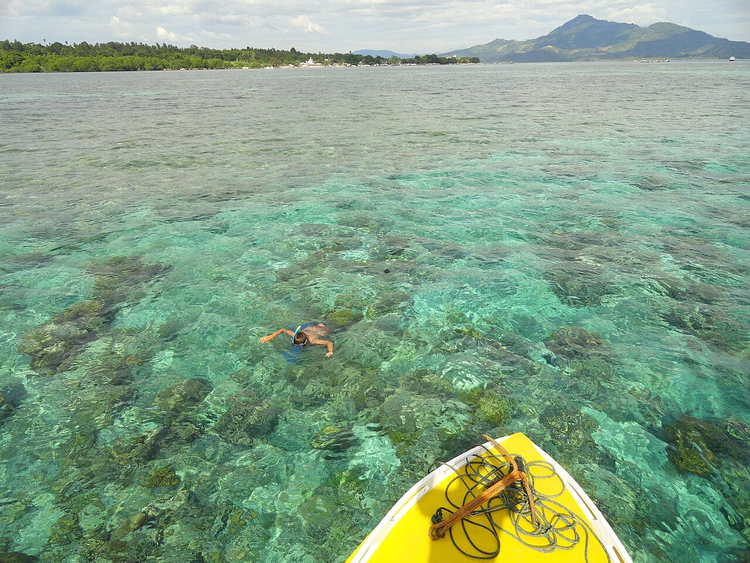
In the north of Sulawesi, the Bunaken marine park was established. It lies right off Manado, and Manado Tua island is an extinct volcano with sheer underwater walls. People come here for coral gardens and clear water.
Park entry for foreigners costs around 150,000 rupiah per trip, and the ticket is valid for the entire stay (as of 2026, dive operator Manado Safaris). Payment is usually arranged by the dive operator. Confirm the amount on site: park rules change without notice.
The authorities banned fishing near the shore, so the reefs are densely populated with corals and fish. The walls drop down for dozens of meters, and water visibility stays high year-round. Three or four days are enough to cover the best sites around Bunaken and Manado Tua.
 © Fabio Achilli from Milano, Italy · CC BYPhoto: Fabio Achilli from Milano, Italy, CC BY (https://creativecommons.org/licenses/by/2.0), Wikimedia Commons
Dive trips and equipment rental are sold right in Manado, most often as multi-day packages. Bring your certification card: without it, you will only be allowed to do a discovery dive.
Tours and tickets
Guided tours, skip-the-line tickets and activities — most offers can be cancelled free of charge.
See offers on GetYourGuideThe widget loads once you give your consent.
Cuisine: pork and Minahasa spices
Minahasa cuisine in the north rests on two things: pork and spices. The Minahasa people are Christian, so pork is a common dish here, unlike in the Muslim areas of the island. In Manado everything is cooked spicy, with chili and spiced sauces.
On the coast you will be served fresh fish and seafood, while in Makassar they cook rich beef soups. Portions are generous, and prices at street warungs are lower than in hotels. Eat where the locals eat: a line of them is the best guide.
How to get there and when to go
You need to fly to Makassar (Sultan Hasanuddin Airport) or Manado (Sam Ratulangi). Domestic flights depart from Jakarta, Bali, and Surabaya almost daily (as of: 2026, GoAsia). There are also direct flights between Makassar and Manado: the overland route would take two days.
The best time to visit is from May to October, during the dry season. Funeral ceremonies in Toraja most often take place from July to September, with the peak in August. If you want to attend a ceremony, plan your trip for these months.
Rantepao sits at an elevation of 700 m, and at night temperatures can drop to 15-20 °C. Bring a light jacket and cash: ATMs in the mountains are unreliable, and cards are not accepted outside major hotels. Look for hotels in Rantepao or Makassar, and it is more convenient to book rooms in advance: find a hotel in Makassar on Trip.com.
 © Thank You (25 Millions ) views from Fresno, USA · CC BYPhoto: Thank You (25 Millions ) views from Fresno, USA, CC BY (https://creativecommons.org/licenses/by/2.0), Wikimedia Commons
⁉️🤔 Frequently asked questions
When is the best time to go to Sulawesi?
The dry season runs from May to October, which is the most convenient time to travel. At night it is cool in the mountains, while during the day the coast is hot and humid.
How much does Bunaken National Park cost?
Around 150,000 rupiah for foreigners, and the ticket is valid for your entire stay (as of 2026, Manado Safaris).
Will I be allowed to attend a funeral in Toraja?
Yes, tourists are welcomed there. Go with a local guide and take photos only after getting permission from the guide or the family.
How do I get from Makassar to Toraja?
It is about 300 km along a mountain road, and the bus takes 8 to 10 hours (as of 2026, GoAsia). The most convenient option is the overnight service: you arrive in Rantepao in the morning.
Is it safe to eat local food?
Yes, the local cuisine is safe if you eat in busy places. In Manado the food is spicy, so let them know if you do not like chili. Drink bottled water, and take ice only where locals use it. Look for pork in the north; it is not served in Muslim areas.
In short: what to book
A trip to Sulawesi splits into two parts: the south with Makassar and Toraja, and the north with diving. Between them it is easier to fly than to travel overland. Here is a quick matrix by travel style:
- If you have 7 days: choose Makassar and Toraja, and leave the north for next time.
- If you are going for diving: fly straight to Manado and stay near Bunaken.
- If you are interested in culture: plan your trip for July to September, when the ceremonies take place.
- If you are traveling with family: choose the south and Toraja; the north suits divers better.
Book hotels in advance, especially for August, and dive trips and excursions are easy to arrange through GetYourGuide.

A small editorial team writing guides for independent travel. We travel ourselves, but we haven’t been everywhere, so we check prices, opening hours and how to get there against official sources.