
















Birthright citizenship: 9 countries where a child gets a passport
Giving birth abroad is a way to immediately give your child a passport from another country. Some countries apply birthright citizenship. It means that citizenship is granted based on the mere fact of being born in the territory. After that come the details, and they matter.
In some places, parents also get status along with the child. In others, adults keep their own residence permit and wait until their son or daughter comes of age. Below you will find nine countries with birthright citizenship, the path for parents, and honest caveats. We checked the rules against official immigration websites as of 09/2026.
What is birthright citizenship
💡 In short:
- Birthright citizenship (jus soli) gives a child citizenship of the country where they were born.
- In some countries, parents get a simplified path to status; in others, there is no such path.
- Conditions and timelines: 09/2026, according to official immigration websites of the countries, for example Argentina's immigration service
Birthright citizenship is contrasted with citizenship by descent. With citizenship by descent, citizenship is inherited from parents, and the place of birth does not matter. Birthright citizenship works differently: the mere fact of a child being born in a specific territory is what matters.
Most countries in the Americas follow birthright citizenship. In Europe and Asia, it is rare. That is why families often travel across the ocean to get a passport for a newborn. First, look at the table, then the breakdown for each country.
Country | Citizenship for the child | Path for parents |
|---|---|---|
Argentina | by birth | permanent residence |
Uruguay | by birth | residence through family ties |
Costa Rica | by birth | after several years |
Panama | by birth | simplified path |
Mexico | by birth | expedited path |
Canada | by birth | only through the child |
Peru | by birth | through the child later |
USA | by birth | no benefits |
Chile | by birth, with caveats | through residence |
1. Argentina
Argentina grants citizenship to all children born in its territory, with no caveats about the parents' status. The child receives a passport by birthright, and you can apply for it immediately after registering the birth.
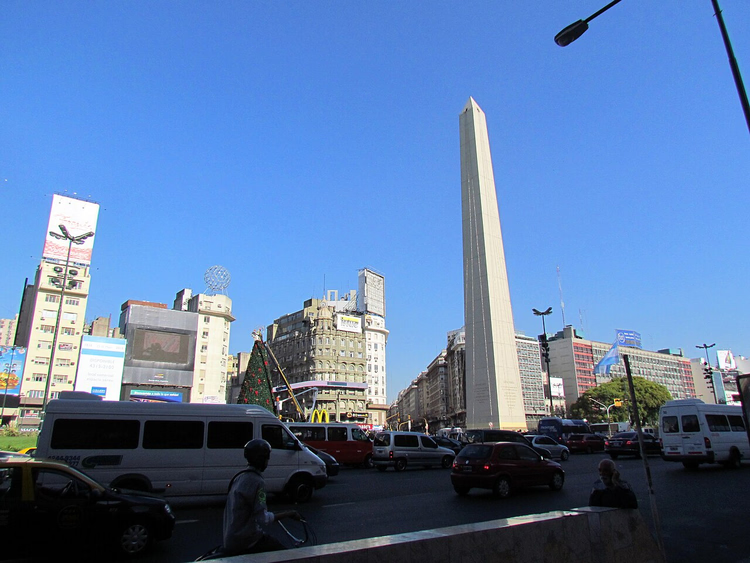 © David Berkowitz from New York, NY, USA · CC BYPhoto: David Berkowitz from New York, NY, USA, CC BY (https://creativecommons.org/licenses/by/2.0), Wikimedia Commons
The law also leaves a path for adults. Permanent residence is obtained through the National Immigration Service. For citizens of countries outside MERCOSUR, the basic rule requires three years of temporary residence, after which the status is changed to permanent (as of 09/2026, Migraciones). Children under 18 who apply for status together with a parent do not pay the immigration fee. The citizenship application is accepted online.
2. Uruguay
Uruguay recognizes a child as a citizen by the fact of birth. For parents, there is a separate category here: permanent residence through family ties. You only need to prove your relationship to a Uruguayan citizen, and the residence permit is processed online or by appointment at an office (as of 09/2026, Dirección Nacional de Migración).
 © Felipe Restrepo Acosta · CC BY-SAPhoto: Felipe Restrepo Acosta, CC BY-SA (https://creativecommons.org/licenses/by-sa/4.0), Wikimedia Commons
Citizenship for adults comes later, after years of permanent residence in the country. The list of documents changes, so check it on the agency's website before traveling. For many families, this is a clear and predictable path.
3. Costa Rica
Costa Rica considers any child born in the country to be its citizen. For parents, the path is longer. First, they obtain a residence permit through family reunification. Then they apply for citizenship.
 © JERRYE AND ROY KLOTZ MD · CC BY-SAPhoto: JERRYE AND ROY KLOTZ MD, CC BY-SA (https://creativecommons.org/licenses/by-sa/3.0), Wikimedia Commons
The timeline for adults depends on their origin. Nationals of Latin American countries and Spain naturalize faster; others wait longer. The exact timeline is calculated under local law, so check it with the immigration service before submitting documents.
4. Panama
Panama gives children citizenship by birthright. For parents, the country offers simplified naturalization through a connection to a Panamanian child. First, they are granted permanent resident status.
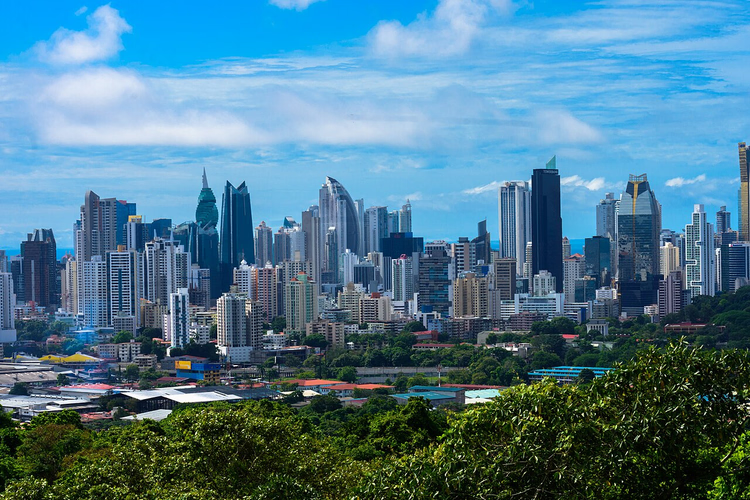 © Mattias Hill · CC BY-SAPhoto: Mattias Hill, CC BY-SA (https://creativecommons.org/licenses/by-sa/3.0), Wikimedia Commons
The right to citizenship comes later, after several years of residence. The conditions are tied to the child's age and the adults' status, so the formal timeline is best confirmed with the immigration authority. If you need status for the whole family, Panama is one of the convenient options.
5. Mexico
Mexico follows birthright citizenship without exceptions. A child born in its territory becomes a Mexican citizen. Parents with a Mexican child get an expedited path to permanent residence, and then to citizenship.
The general naturalization period for foreigners is shorter when a close relative is a Mexican citizen. The exact timeline and document package depend on your status. Check with the national immigration authority right before applying.
6. Canada
Canada grants citizenship by birth to almost all children, except children of diplomats. The child receives a passport, but the country promises you nothing. Parents obtain their own status through the general process.
 © Dietmar Rabich · CC BY-SAPhoto: Dietmar Rabich, CC BY-SA (https://creativecommons.org/licenses/by-sa/4.0), Wikimedia Commons
There is no separate program for parents of a newborn. The only path through the child opens when they grow up and apply to sponsor their parents themselves. Plan your own legalization separately from your child's passport.
7. Peru
Peru operates under birthright citizenship. A child born in the country becomes a Peruvian citizen. The state does not give parents automatic status.
 © Martin St-Amant ( S23678 ) · CC BY-SAPhoto: Martin St-Amant ( S23678 ), CC BY-SA (https://creativecommons.org/licenses/by-sa/3.0), Wikimedia Commons
The right to move to be with the child comes later. It opens when the child reaches adulthood and can apply for family reunification. Until then, adults rely on their own residence permit. Do not tie your move solely to the birth of a child.
8. USA
The USA grants citizenship to children born in its territory under the Constitution. Court practice around this rule has changed, so check the latest guidance on official websites before traveling.
 © Christian David · CC BY-SAPhoto: Christian David, CC BY-SA (https://creativecommons.org/licenses/by-sa/4.0), Wikimedia Commons
There are no benefits for parents. The country does not give them separate status because of the birth of a child. You can only legalize through the general process. The path through the child opens when they turn 21. The newborn's passport, meanwhile, is issued through the standard procedure.
9. Chile
Chile grants citizenship to children born in its territory, but with caveats. If you are in the country as tourists or holders of temporary status, the child may not be recognized as a citizen. In that case, the family first needs to obtain a residence permit.
 © Natalia Reyes Escobar · CC BY-SAPhoto: Natalia Reyes Escobar, CC BY-SA (https://creativecommons.org/licenses/by-sa/4.0), Wikimedia Commons
After that, the path to citizenship for parents takes several years of permanent residence. So check Chile especially carefully. Keep a written response from the immigration service as backup.
⁉️🤔 Frequently asked questions
Does birthright citizenship give parents citizenship?
Not directly. The passport by birthright goes to the child. Parents can only apply for a separate status, and not everywhere. In Argentina, Uruguay, Panama, and Mexico, the path to permanent residence is simplified, while in Canada, the USA, and Peru there is none at all. There, you wait until the child comes of age, and in the USA until they turn 21.
Can I get a passport for my child without a residence permit?
In most countries, yes. Birthright citizenship usually does not depend on the parents' status. The exception is Chile, where children of tourists may not be recognized as citizens. The child receives it by the mere fact of birth. You need a birth certificate and documents from the maternity hospital, and for leaving the country, the child's own passport as well. After that, the paperwork is submitted to the country's consulate or to the local registration authority at the place of birth.
How many years do parents have to wait for citizenship?
It varies everywhere. In Latin America, it is usually a matter of several years of permanent residence after obtaining a residence permit. In Canada, the wait stretches until the child comes of age. In the USA, a child can sponsor parents only from age 21. The exact timeline is calculated under the local naturalization law, so it should be confirmed with the immigration service of the chosen country.
In short: which country to choose
Birthright citizenship almost always gives a passport to the child. Not all countries open a path to status for parents, and that is the main selection criterion.
- If you need status for the whole family: Argentina, Uruguay, Panama, or Mexico.
- If only the newborn's passport matters: Canada, Peru, or the USA.
- If you want to assess the risks first: check the rules with the immigration authority.
Timelines and document requirements change often, so before applying, check them on the official website of the immigration service of the chosen country.

A small editorial team writing guides for independent travel. We travel ourselves, but we haven’t been everywhere, so we check prices, opening hours and how to get there against official sources.