
















What to bring from Scandinavia: 13 gift ideas
A trip to Scandinavia is expensive, and a random fridge magnet doesn't justify that money. The good news: half of the local souvenirs can be eaten, worn, or put on a shelf with actual use.
We've gathered 13 ideas that are specifically tied to the North, and for each one we've suggested where to find the item. Some of these things have long become classics. The cheese slicer, for example, was patented in Norway in 1925 (As of 09/2026, Patentstyret).
How to choose a souvenir from Scandinavia
💡 In short:
- Buy food at regular supermarkets: the same candy and cheese cost less there than in shops near the port.
- Buy wool, ceramics, and wood at manufacturer stores, not at the airport.
- Souvenir prices and availability: 09/2026, verified on the official Visit Norway website
The main shopping rule in the North is simple: the farther you are from the train station and the port, the lower the price for the same item. Shops in central Oslo or Bergen add a markup for foot traffic, while supermarkets sell the same product noticeably cheaper.
If you're bringing food, check the expiration date and import rules: each country has its own. For coworker gifts, pick small items that fit in a backpack, and plan space for a sweater or cheese in advance.
1. Licorice candy
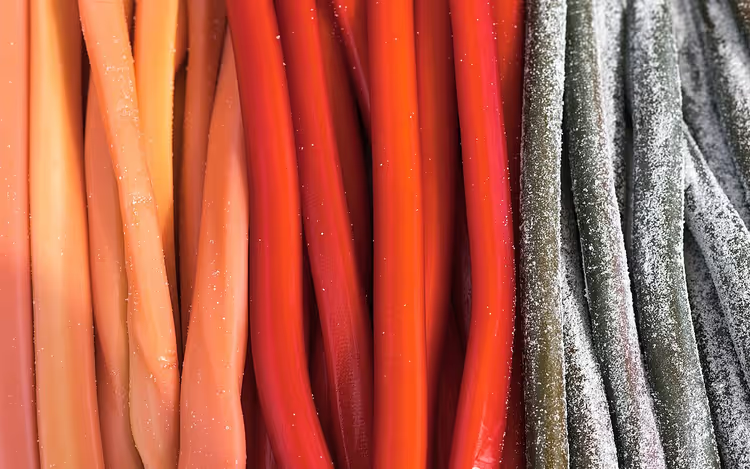 © Frank Schulenburg · CC BY-SAPhoto: Frank Schulenburg, CC BY-SA (https://creativecommons.org/licenses/by-sa/4.0), Wikimedia Commons
The most budget-friendly souvenir on the list. Licorice is made from licorice root extract, and its flavor is sharp: bitter, salty, slightly medicinal. Scandinavians eat it by the bag, while tourists usually wince.
You can buy a box of licorice at any supermarket, not just at a souvenir shop. Get a small package to try: salty licorice is far from universally liked. But the bright label and low price make it a convenient gift for coworkers.
- The catch: the taste is an acquired one; instead of the usual sweetness, you get bitterness and salt.
2. Vikings
 © Wolfmann · CC BY-SAPhoto: Wolfmann, CC BY-SA (https://creativecommons.org/licenses/by-sa/4.0), Wikimedia Commons
Magnets, amulets, ships, helmets, and even pepper shakers with warriors fill entire walls in shops. Historians remind us: Vikings didn't have horned helmets; those were invented by artists and filmmakers.
If you're looking for a gift for a school-age kid, go for a wooden ship or a forged brooch. Minimalist items with runes look more appropriate than plastic figurines in armor.
- Who it's for: history buffs and fans of Nordic TV series.
3. Trolls
 © Øyvind Holmstad · CC BY-SAPhoto: Øyvind Holmstad, CC BY-SA (https://creativecommons.org/licenses/by-sa/4.0), Wikimedia Commons
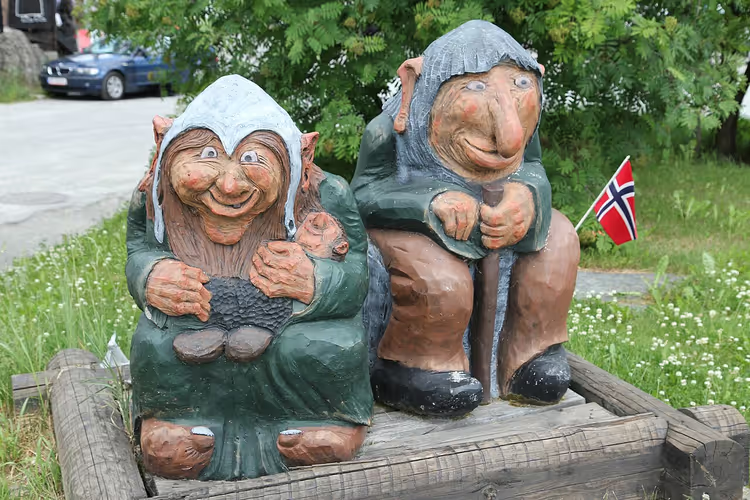
Trolls came to store shelves from Norse mythology and greet you right at the airport. Carved wooden figurines were given as talismans for centuries, and modern ones look like shaggy little creatures with big noses.
In Norway, trolls have become part of the tourism industry: Hunderfossen park has around 150 figures (As of 09/2026, Visit Norway). At home, you get an inexpensive but instantly recognizable Nordic souvenir.
- Who it's for: kids and anyone who loves Nordic folklore.
4. Moomins
 © OulunPooki5131 · CC BY-SAPhoto: OulunPooki5131, CC BY-SA (https://creativecommons.org/licenses/by-sa/4.0), Wikimedia Commons
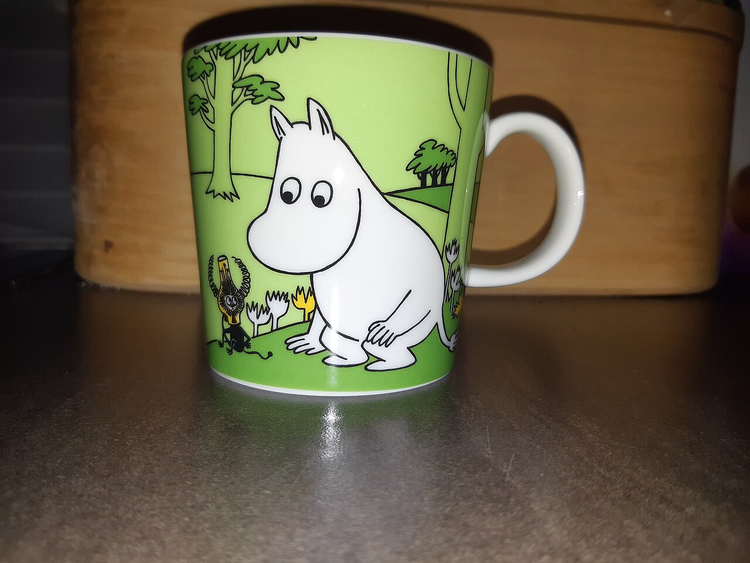
The Moomins come from Finland, but they're unofficially considered symbols of two countries at once. Tove Jansson wrote the first story about them in 1945, and she wrote it in Swedish (As of 09/2026, official Moomin website).
Based on the author's drawings, tableware, bedding, postcards, playing cards, and board games are printed today. Finland and Sweden also sell regular "Moomin stuff": candles, bowls, magnets, and plush toys. Go ahead and buy the tableware and textiles: they'll survive more than one move.
- Who it's for: collectors and fans of Finnish illustration.
5. Cloudberry products
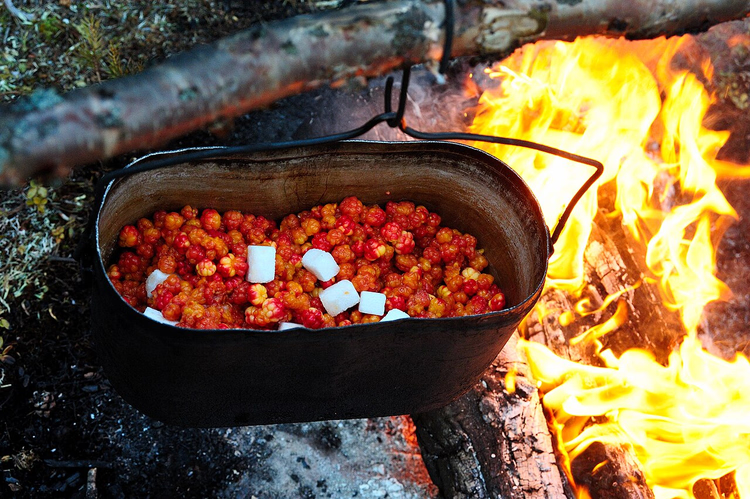 © Vsatinet · CC BY-SAPhoto: Vsatinet, CC BY-SA (https://creativecommons.org/licenses/by-sa/4.0), Wikimedia Commons
Cloudberries grow in northern marshes and ripen only at the end of the short summer. For Norwegians and Finns, this isn't just a berry; it's a symbol of the North and one of the defining flavors of the brief northern summer.
It's made into jam, liqueurs, meat sauces, and desserts. You'll find a jar of jam at any supermarket, and liqueur will count toward your alcohol allowance at the border. If you don't like sweet things, go for the sauce: it pairs well with reindeer and elk.
- Where to buy: grocery stores and markets in Norway, Sweden, and Finland.
6. Brunost
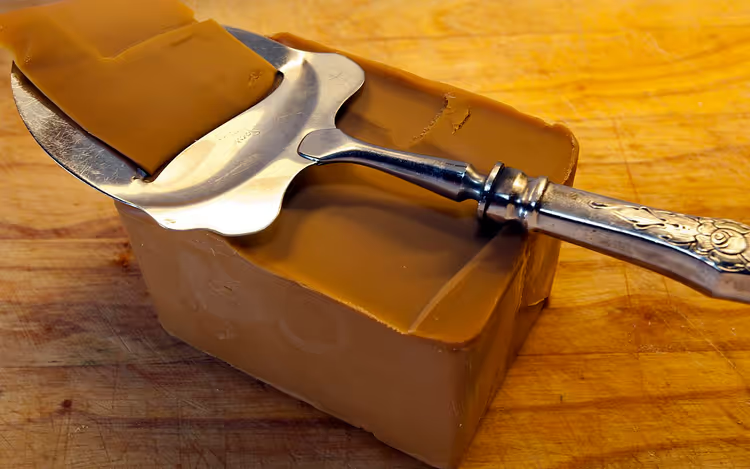 © Arnstein Bjone · CC BY-SAPhoto: Arnstein Bjone, CC BY-SA (https://creativecommons.org/licenses/by-sa/4.0), Wikimedia Commons
Brunost, Norwegian brown cheese, is made from whey: it is slowly boiled down until the milk sugars caramelize. According to Visit Norway, this cheese is made from cow's and goat's milk and is considered part of the northern culinary tradition.
It is cut into thin slices and eaten with waffles, toast, or plain bread. Bring packs in different sizes: the stylish box itself works as a gift.
- The catch: the taste is sweet and caramel-like, and it has almost nothing to do with the cheese you're used to.
7. Cheese slicer
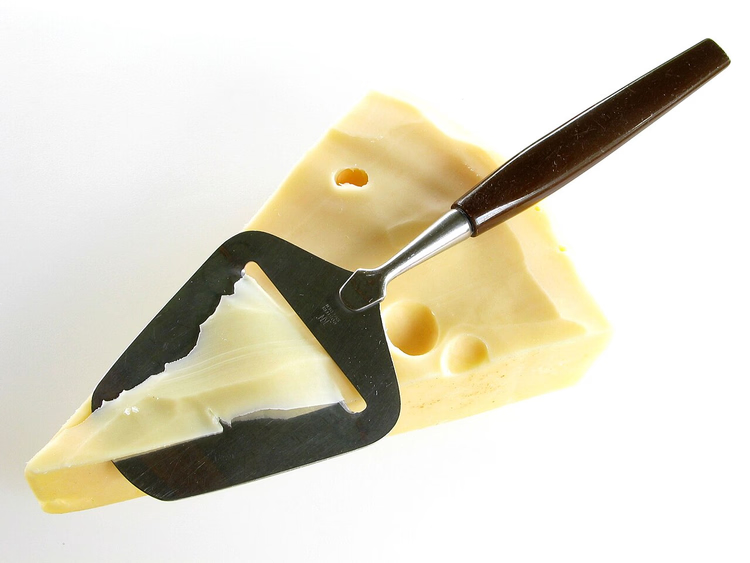
The cheese slicer was invented by Norwegian cabinetmaker Thor Bjørklund: in 1925 he received a patent for a "cheese cutting knife" (as of 09/2026, Norwegian patent office). Almost a hundred years later, these slicers are still made in Ringebu, Norway (as of 09/2026, Bjørklund1925).
The special blade shape lets you cut cheese thin and even. There are simple models and gift versions: with carved handles, flags, and even shaped like a moose head.
- Where to buy: grocery stores and kitchenware shops, not just souvenir stores.
8. Capelin roe
 © Wolfmann · CC BY-SAPhoto: Wolfmann, CC BY-SA (https://creativecommons.org/licenses/by-sa/4.0), Wikimedia Commons
Capelin roe is sold in metal tubes, and it's one of the most convenient edible souvenirs. Scandinavians squeeze it onto a sandwich right at breakfast. It looks like mustard paste and comes in salted or smoked varieties.
The metal tube weighs little and takes up almost no space in a suitcase. Grab a couple: one for yourself, one as a gift.
- Who it's for: people who like fish spreads and hearty breakfasts.
9. Canned game meat
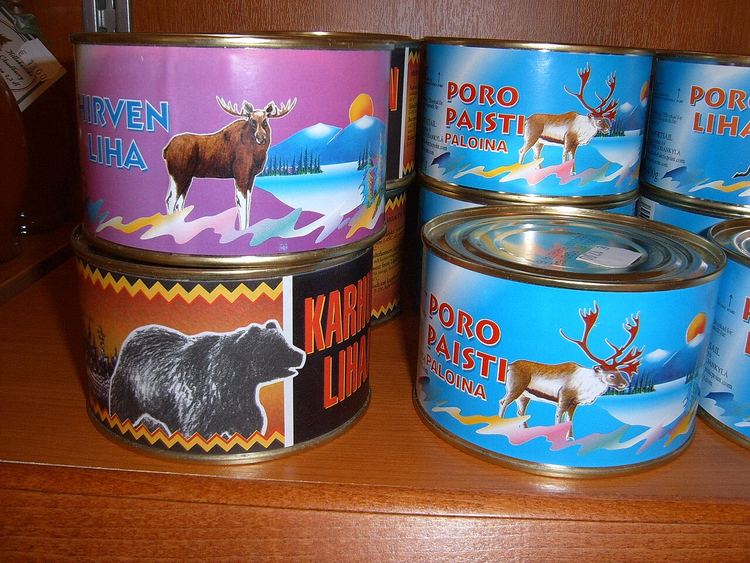
Canned moose and reindeer meat will appeal to those who like trying new things. Scandinavian stores carry a wide selection: stewed meat, ragout, and pâtés made from moose and reindeer.
The moose is one of the most common motifs in local souvenir shops. Keychains, magnets, and plush moose toys come at you from the train station onward, so canned meat fits right into the theme. Get a can for dinner and another as a gift.
- Who it's for: people who hunt for new flavors and enjoy game meat.
10. Gløgg

Gløgg, a Scandinavian hot drink, is made from wine or juice with spices, raisins, and almonds. It's similar to mulled wine, but it's the drink Scandinavians serve in cold weather.
You'll find regular bottles and gift sets with several flavors, depending on the spices. At home, heat it up and add nuts: you've got yourself a ready-made winter evening.
- Who it's for: people who like spiced baked goods and warm drinks.
11. Aquavit
Aquavit, a strong Scandinavian spirit, is made from potatoes or grain and infused with caraway and dill. The strength is usually around 40% (as of 09/2026, Vinmonopolet data).
 AIIllustrative image: AI-generated
The name "Norwegian aquavit" has protected status: at least 95% potato spirit and six months of aging in oak barrels (as of 09/2026, description of aquavit styles). The color of the drink ranges from clear to dark walnut, depending on the aging period.
- Who it's for: for those who collect strong spirits.
- The catch: aquavit is drunk in small portions with fatty fish, and it's too spicy for cocktails.
12. Knitted sweaters
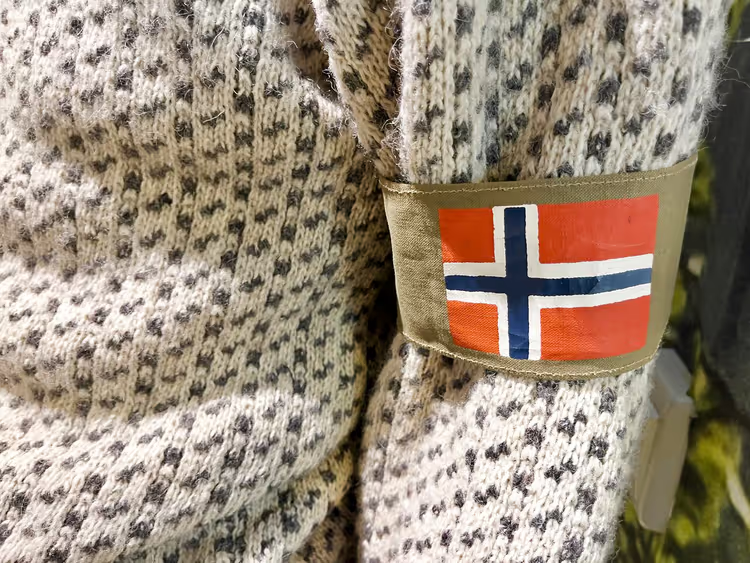 © Wolfmann · CC BY-SAPhoto: Wolfmann, CC BY-SA (https://creativecommons.org/licenses/by-sa/4.0), Wikimedia Commons
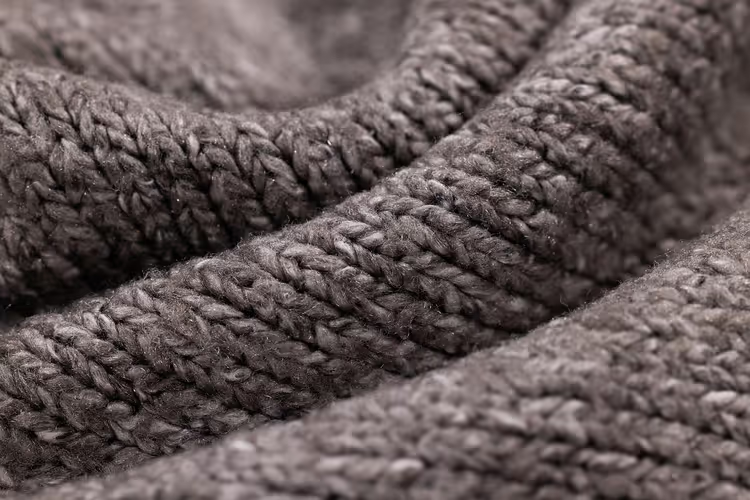
Sweaters with national patterns are brought from Norway and Iceland. They're warm, made of natural wool, and come in handy right during the trip. The classic patterns of these sweaters include snowflakes, diamonds, and reindeer.
The price of such sweaters is high, so many people choose hats and socks instead. Socks here stop being a mundane gift: they're hand-knitted and last longer than cheap ones.
- Where to buy: branded wool stores, markets, and farm shops.
- The catch: pure wool requires gentle washing, machine washing ruins it.
13. Eco accessories
Scandinavians sort their waste and actively recycle materials, and this is reflected in store inventories. They sell bags made from recycled rubber and shoes made from car tires.
If you support an eco-friendly lifestyle, this kind of gift will hit the mark. The selection varies from country to country, so look for local brands and recycling labels.
- Who it's for: for those who choose items made from recycled materials.
⁉️🤔 Frequently asked questions
How much money should you set aside for souvenirs?
There is no single amount: it depends on the number of gifts and your budget. The cheapest options (licorice, magnets, postcards) cost very little, while a wool sweater will run you several times more. Build in a buffer on top of your trip budget and compare prices at local shops rather than the hotel kiosk.
What should you definitely not bring back from Scandinavia?
Don't buy perishable foods without a comfortable margin on the expiration date. Heavy glass is also a questionable gift: getting it home in one piece is hard, and suitcase space is more valuable.
Where are souvenirs cheaper?
At markets, prices are lower than in shops near the port or train station. Save the airport for a last resort: the selection is narrow and the markup is the highest.
What should you give a child?
Plush trolls and Moomin trolls, board games based on the books, wooden Viking figurines. Moomin dishware also appeals to kids: it's bright and practical. For school-age children, get Tove Jansson books in a gift edition (as of 09/2026, book catalog on the official website).
How do you tell a local souvenir from a fake?
Check the ingredients and labeling: local items list the manufacturer and country. Real licorice and brunost are made in Norway, Sweden, or Finland, not in third countries. Ask the seller where an item was made if the label is unclear.
In short: what's worth booking
Suitcase space is more valuable than saving on gifts, so leave large purchases for the last day of your trip.
- If you're looking for a cheap gift for colleagues: get licorice and chocolate from the supermarket.
- If you want a culinary souvenir: bring brunost, cloudberry jam, and capelin roe.
- If you're planning a gift for loved ones: choose a patterned sweater or Moomin dishware.
- If you need a drink for a cold evening: pick up aquavit or a glögg set.
Jot down a couple of ideas from the list, check expiration dates and import rules, and your suitcase will pack itself.

A small editorial team writing guides for independent travel. We travel ourselves, but we haven’t been everywhere, so we check prices, opening hours and how to get there against official sources.