
















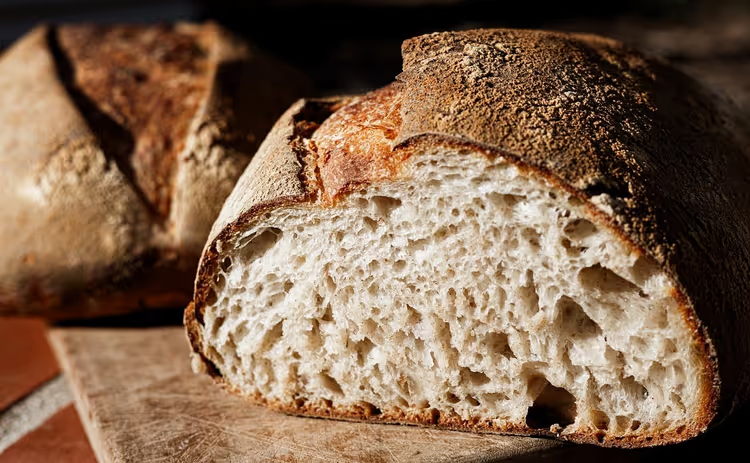
8 Most unusual dishes of Scandinavia: what to try and what is dangerous
Surströmming ruins clothes, and hákarl smells like ammonia. Both dishes come from Northern Europe, where food was preserved for centuries with salt, cold, and time. Some of these recipes require caution, while others are completely harmless, and at first glance you won't notice the difference.
We've put together eight of the most unusual dishes from Scandinavia, Iceland, Finland, and Greenland. For each one, we explain what it's made from, how it's served in its home country, and who should try it. Food that seems strange to us remains a living tradition for locals, not a museum curiosity.
On the list you'll find fish after salting and fermentation, sweet cheese made from whey, beer porridge, and bread baked together with fish. Some dishes you'll try without a second thought, while others are better approached with preparation.
What makes northern cuisine so unusual
💡 In short:
- More than half the list is fish: it's salted, fermented, dried, or soaked in lye.
- Brunost, øllebrød, and kalakukko are safe, you risk nothing with them.
- Lutefisk is eaten only after heat treatment, and hákarl requires long fermentation.
- Dish ingredients and festival dates: 09/2026, verified using data from the Valdres tourist office and Visit Finland.
Northern cuisine grew out of poverty and long winters. Salt was expensive, fresh vegetables were almost nonexistent, and fish had to last until spring. So housewives salted, fermented, and dried everything the sea and pastures provided. That's where the recipes that seem exotic to you today came from.
The easiest way to compare the dishes is by base ingredient and preparation method. That way you'll immediately see where fermentation does the main work and where an ordinary oven does.
Dish | Country | Base | How it's made |
|---|---|---|---|
Surströmming | Sweden | herring | salt and fermentation in barrels |
Rakfisk | Norway | trout or char | salting and fermentation for months |
Lutefisk | Norway | cod | drying and soaking in lye |
Brunost | Norway | whey and cream | long reduction |
Hákarl | Iceland | Greenland shark | fermentation and drying |
Øllebrød | Denmark and Norway | rye bread, beer, and milk | boiling into a thick porridge |
Kalakukko | Finland | rye dough, fish, and pork fat | baking for several hours |
Mattak | Greenland | whale skin with blubber | freezing or air-drying |
1. Surströmming
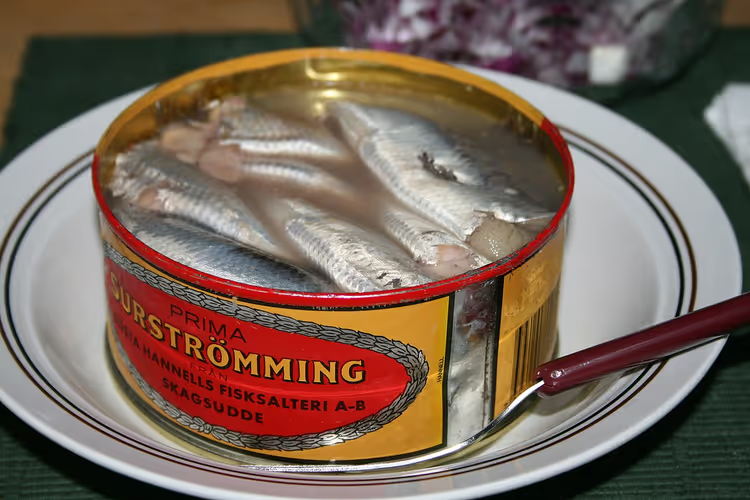
Swedes themselves call this dish rotten fish, and the name is honest. A can of surströmming bulges, and the smell penetrates any packaging. Spill the brine on your clothes and the item is easier to throw away. In Sweden, there was even discussion about banning opening such cans in apartment buildings, because the smell would wake up the entire building.
Surströmming is simple to make. Herring is kept in a salt solution for several days, then packed into barrels for fermentation. According to one version, the recipe appeared during the war between the Swedes and Prussian feudal lords. There wasn't enough salt for proper preservation, the fish began to ferment, and the hungry soldiers liked the result.
The sharp smell comes from acetic and propionic acids released during fermentation. But for Swedes, surströmming remains a source of pride and a delicacy. It's eaten with tomatoes, onions, and bread, and festivals are regularly held in honor of the fish. You open the can only outdoors.
- The catch: the smell stays on your hands and clothes.
- Who it's for: for those who want to start their introduction to the North with the strongest impression.
 © Wrote · CC BYPhoto: Wrote, CC BY (https://creativecommons.org/licenses/by/2.0), Wikimedia Commons
2. Rakfisk
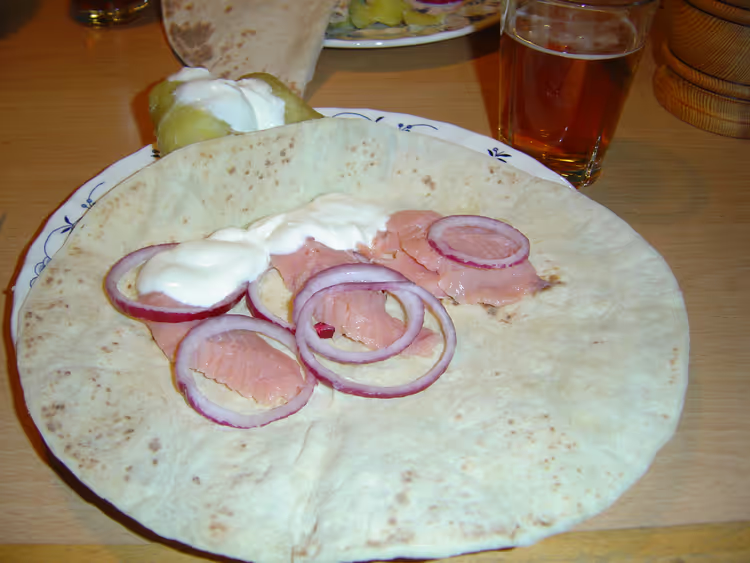
Rakfisk resembles the first item on the list in both taste and smell. It's a Norwegian appetizer made from trout, less often from char or whitefish. The fish is salted, sealed in barrels, and left for a couple of months, sometimes almost half a year. Despite the smell, Norwegians eat rakfisk in large quantities, especially in autumn.
It's served with onions, dark bread, and sour cream. If you're not used to it, the smell will seem too strong, so take a small portion.
The dish has its own festival in the Valdres valley. The Rakfisk Festival takes place in Fagernes on the first weekend of November; we verified the dates on the festival's official website. At the tasting, you compare fish from different producers, and more than 25,000 people come to the town (as of 09/2026, Valdres tourist office).
- The catch: strong smell, the dish isn't for everyone.
- Who it's for: for those traveling to Norway in autumn who want to catch the season.
 © Unknown author · CC BY-SAPhoto: Unknown author, CC BY-SA (http://creativecommons.org/licenses/by-sa/3.0/), Wikimedia Commons
3. Lutefisk
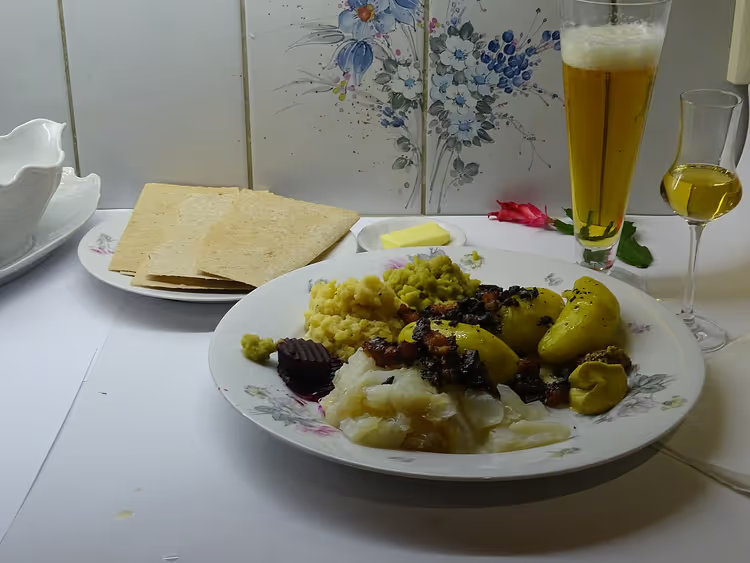
Lutefisk looks like white jelly, and it's the most controversial item on the list. Cod is first dried, then soaked in lye. This treatment creates lysinoalanine in the fish, a substance linked to kidney damage. So raw lutefisk must not be eaten, and you should only try it where the dish is prepared according to the rules.
That said, in Norway lutefisk is placed on the Christmas table alongside familiar holiday dishes. Before serving, the fish is thoroughly heated, and once cooked it's safe. Even locals eat lutefisk infrequently, mostly on holidays. It's served with bacon, onions, mashed potatoes, and sometimes with sweet brunost cheese.
According to legend, it all started with a fire at a fish warehouse. Lightning set the building ablaze, and the fish stocks mixed with ash. The Vikings didn't throw away the remains and soaked the fish in water. The lye from the ash turned it into jelly, and people unexpectedly liked the result.
- The catch: without heat treatment, the dish is dangerous to your health.
- Who it's for: for people without stomach problems.
 © Bertie79 · CC BY-SAPhoto: Bertie79, CC BY-SA (https://creativecommons.org/licenses/by-sa/4.0), Wikimedia Commons
4. Brunost
Brunost adds a sweet note to the fish lineup. It is a brown cheese made from whey, and it tastes like cream caramel or salted caramel. There may be no added sugar at all. The color and sweetness come from caramelization of milk sugar during long simmering.
The modern recipe is attributed to the Norwegian farmer Anne Hov from the Gudbrandsdalen valley, who worked in the second half of the 19th century (as of 09/2026, TINE website). Before her, whey was simply boiled to make a soft sweet cheese. Hov added cream to the mixture, and the new cheese quickly became popular. Its sales helped the valley survive hard years.
Brunost is usually made from cow's and goat's milk in varying proportions, sometimes with sheep's milk added. Of everything on this list, it is the easiest dish to bring home. You will like brunost if you enjoy dessert cheeses.
- The catch: the taste is sweet, with none of the usual salty cheese notes.
- Who it's for: for those who want to bring a northern flavor home.
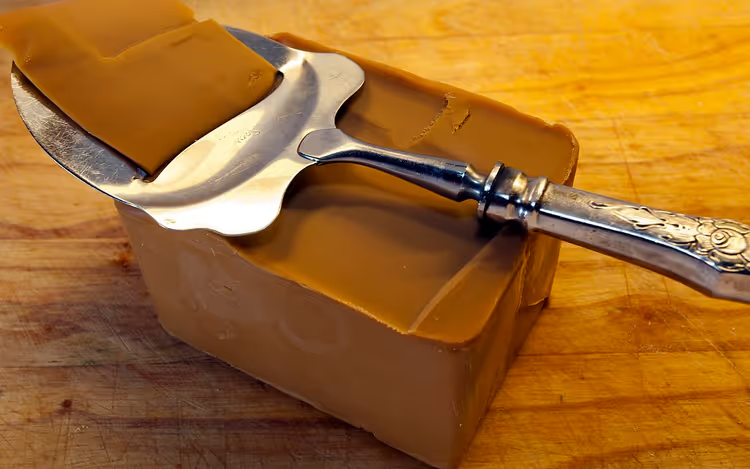 © Arnstein Bjone · CC BY-SAPhoto: Arnstein Bjone, CC BY-SA (https://creativecommons.org/licenses/by-sa/4.0), Wikimedia Commons
5. Hakarl
Hakarl, fermented Greenland shark meat, is Iceland's national dish. The fresh meat cannot be eaten because it contains a lot of urea and ammonia. To remove them, the meat is first fermented and then dried for a long time. The taste still remains very strong, so you try hakarl in small cubes.
In Iceland, hakarl is sold in supermarkets already sliced and is taken as a beer snack. You can see the production process at the Bjarnarhofn farm on the Snaefellsnes peninsula, where a shark museum operates (as of 09/2026, Iceland Travel). That way you will understand what the process looks like before buying a package at random.
- The catch: the ammonia smell is stronger than in surstromming.
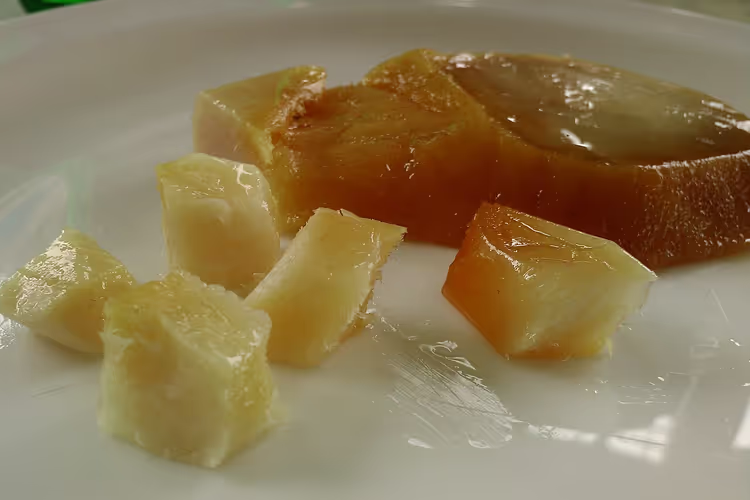 © Xfigpower · CC BY-SAPhoto: Xfigpower, CC BY-SA (https://creativecommons.org/licenses/by-sa/3.0), Wikimedia Commons
6. Ollebrod
Hakarl is paired with beer, while ollebrod is made from beer. It is a thick porridge-soup popular in Denmark and Norway. Rye bread is boiled with beer and milk, with a little flour, honey, sometimes eggs and spices added. Ollebrod is served hot, often with croutons.
After boiling, only the name in the ingredient list and a light malty aroma remain from the beer. In its home countries, this dish is considered a hearty winter breakfast that warms you up in the cold. There are many recipe variations, and every family has its own. If you are wary of fish experiments, ollebrod is a calm way to get acquainted with Nordic cuisine.
- Who it's for: for those who want to try simple home-style Nordic classics.
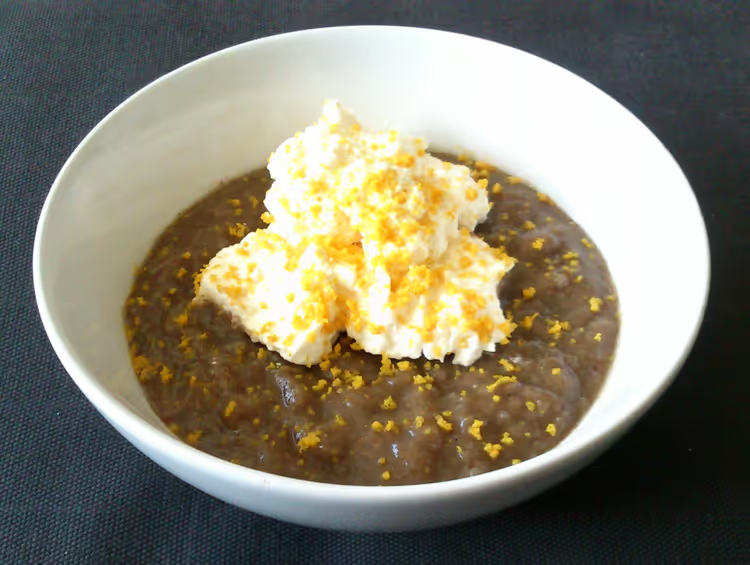 © RhinoMind · CC BY-SAPhoto: RhinoMind, CC BY-SA (https://creativecommons.org/licenses/by-sa/3.0), Wikimedia Commons
7. Kalakukko
Kalakukko is Finnish bread with a fish and pork fat filling. The dish is considered to originate from the Savo region and its capital Kuopio (as of 09/2026, Finland's tourist office). The dough is made from rye, and the filling is small fish from the salmon family, most often vendace, plus salted pork fat.
Nobody removes the bones from the fish. The bread is baked for up to six hours, and during that time the bones soften completely. The result is a full meal that's easy to take on the road. If you're traveling through Finland by train, kalakukko will get you through the journey.
- Who it's for: for those heading to Finland who want a filling meal for the whole day.
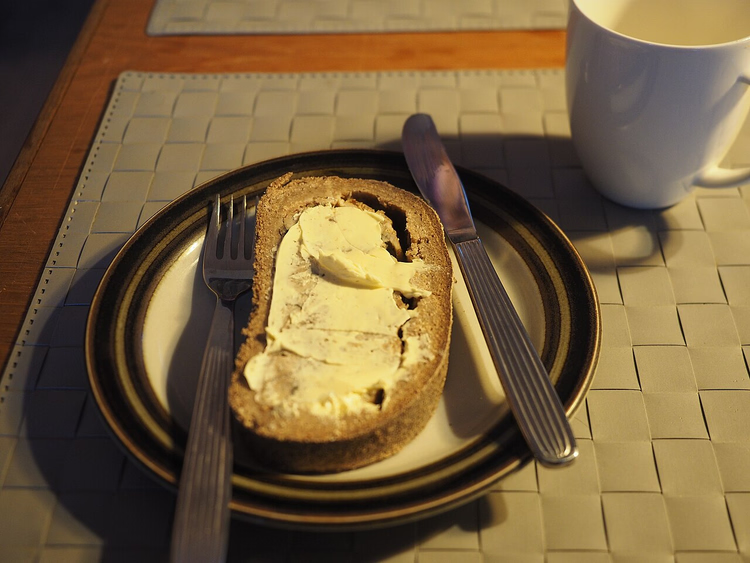 © JIP · CC BY-SAPhoto: JIP, CC BY-SA (https://creativecommons.org/licenses/by-sa/4.0), Wikimedia Commons
8. Mattak
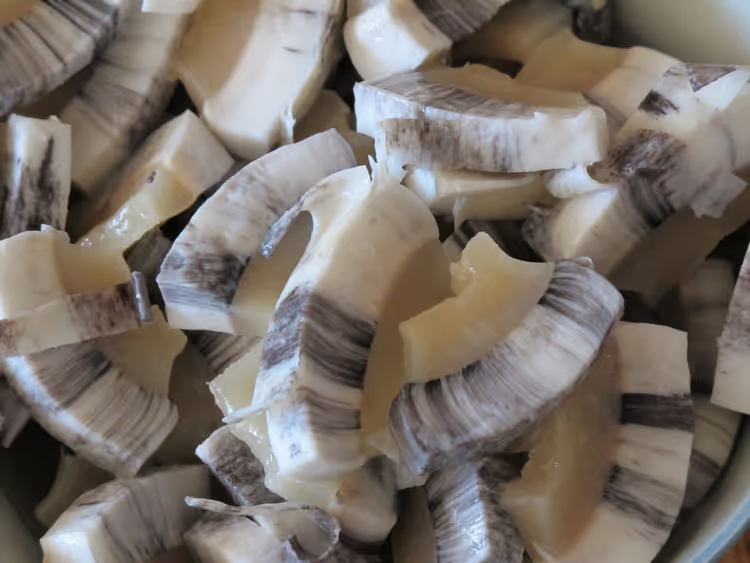
Mattak is made from frozen whale skin with a layer of blubber. In Greenland, this dish always appears on the Christmas table. It's eaten in small cubes with onion, garlic, and bread. Whale skin is edible when slightly thawed, and sometimes it's dried.
For Arctic residents, whale and shark remain everyday food, not exotic fare. For centuries, the diet here has been built on meat, fish, and fat, because vegetables barely grow on permafrost. If you're a guest in Greenland, mattak will most likely be one of the first treats offered to you.
 © Lisa Risager · CC BY-SAPhoto: Lisa Risager, CC BY-SA (https://creativecommons.org/licenses/by-sa/2.0), Wikimedia Commons
What else goes on the northern table
The list doesn't end at eight items. In northern countries you'll find porridge with sour cream, dishes made from moss, caviar in tubes, reindeer appetizers, and bone marrow tartare. Cranberry condiments are also popular, served even with potato pancakes. If fermented fish feels like too strong a start, begin with these dishes instead.
⁉️🤔 Frequently asked questions
Why does surströmming smell so strong?
Surströmming is made from herring that is first salted and then left to ferment. Fermentation continues in the sealed can, so the smell hits you immediately when you open it. The sharpness comes from acetic and propionic acids. Open the can outdoors and keep the brine away from your clothes, it's almost impossible to wash out.
Which dishes on the list are safe to eat?
Brunost, øllebrød, and kalakukko. Brunost is boiled down from whey with cream, kalakukko is baked for several hours, and øllebrød is cooked from rye bread, beer, and milk. Be most careful with lutefisk: it's eaten only after heat treatment.
How is mattak different from hákarl?
Hákarl is made from fermented Greenland shark meat, while mattak is made from whale skin with blubber. Hákarl comes from Iceland, mattak from Greenland. Hákarl is eaten in cubes with beer, while mattak is served at festive meals, most often frozen. Both dishes rank among the strongest in flavor on the entire list.
In short: which dish to start with
If you want to start gently, go with brunost, øllebrød, and kalakukko. If you're ready for an experiment, put surströmming, rakfisk, and hákarl first. Mattak and lutefisk sit between these groups, and you should only try them when properly prepared.
Northern cuisine is built on fish, milk, and time, not on spices. That's why half the list seems strange to us, even though for locals it's an ordinary dinner. Pick one dish that fits your trip and try it where it's prepared the traditional way.

A small editorial team writing guides for independent travel. We travel ourselves, but we haven’t been everywhere, so we check prices, opening hours and how to get there against official sources.