
















Legal life in another country: 7 visas for those who work online
Working from a laptop by the sea is easier than it seems. The harder part is legally staying longer than 90 days in a country where you have no right of residence. EU and EEA citizens don't need a visa for Spain, Croatia, or Iceland. These three programs are designed for citizens of countries outside the EU.
Visas for digital nomads solve exactly this problem. Since 2020, such programs have been launched by Iceland and Barbados (Barbados Welcome Stamp), and in 2023 Spain joined them (startup law). The conditions vary significantly: each country has its own income threshold, duration, and renewal process.
We've put together seven destinations and broken down the visa duration, income threshold, renewal process, and weak points for each. Before applying, make sure your income and documents fit the program you've chosen.
Ad: this article contains affiliate links, we earn a commission if you book through them, at no extra cost to you.
What you need to know about the digital nomad visa
💡 In short:
- A digital nomad visa allows you to live in the country and work for a foreign client.
- You need verified remote income, private health insurance, and a criminal record certificate.
- Income thresholds and durations: 09/2026, verified on the EDB Mauritius website and government agency pages.
The general logic is the same across all programs. You prove that you work for a company or clients outside the country and don't compete for local jobs. In return, you get status for a period of six months to a year and a half. With an EU passport, you can live and work in Spain, Croatia, and Iceland without such status.
The document package is almost the same everywhere: a passport, a contract or invoices for services, a bank statement, insurance, and a criminal record certificate. Some countries accept applications online, while others require biometrics at a consulate.
The table below is compiled from official government agency pages, so you can verify every figure using the link in each row.
Country | Length of stay | Income threshold | Renewal |
|---|---|---|---|
one year, then a three-year permit | 200% of the minimum wage, about €2,850 per month | yes | |
one year | about $1,500 per month | yes, annually | |
12 months | about 2.5 times the national average salary | no | |
12 months | $50,000 per year | no | |
up to 180 days | about €6,700 per month | no | |
6 months | no income threshold | yes, for another six months | |
up to 18 months | $50,000 per year | at the authority's discretion |
1. Spain
 © Nan Palmero from San Antonio, TX, USA · CC BYPhoto: Nan Palmero from San Antonio, TX, USA, CC BY (https://creativecommons.org/licenses/by/2.0), Wikimedia Commons
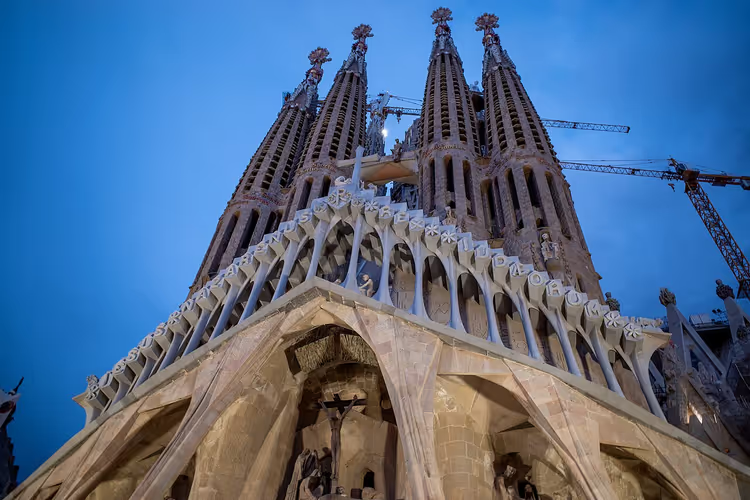
Spain launched its digital nomad visa in 2023 under the startup law (Law 28/2022, BOE). The first visa is issued for one year, after which you can apply for a three-year permit. You can submit your application either at a consulate or while already in the country.
The income threshold is tied to the minimum wage: you need to prove 200% of it, which in 2026 is about €2,850 per month (text of the law). Your employer must have been in business for at least a year, and you need three years of professional experience.
- Who it's for: non-EU and non-EEA citizens with a contract with a foreign company or regular clients.
- Where to live: Barcelona is the most popular choice, followed by Madrid.
- Renewal: yes, as long as you maintain your income and insurance.
- The catch: the threshold rises every year along with the minimum wage.
Accommodation in central Barcelona gets booked well in advance, so it's worth checking hotels in Spain on Trip.com before you submit your application.
2. Mauritius
 © ”dronepicr” · CC BYPhoto: ”dronepicr”, CC BY (https://creativecommons.org/licenses/by/2.0), Wikimedia Commons
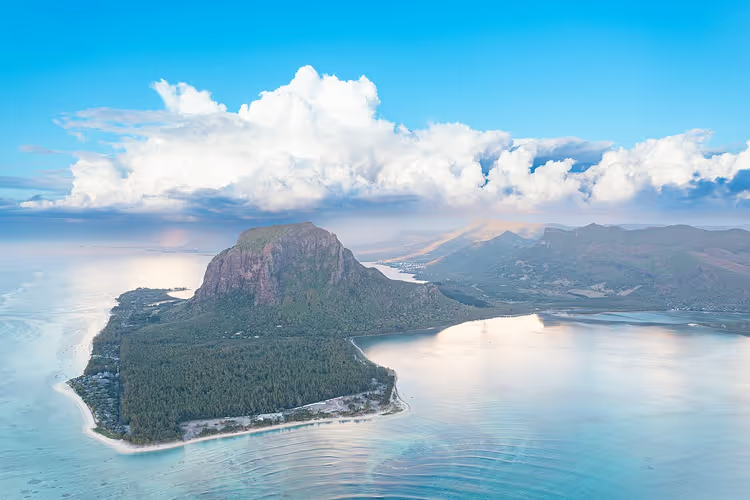
Mauritius issues a one-year Premium Visa and renews it without you having to leave the country. You apply online, and a decision arrives within a few weeks. Some applicants get the visa before entering the country, while others enter on a tourist visa and submit their documents once they're there.
The income threshold is low by European standards: around $1,500 a month, backed up by bank statements (Premium Visa requirements, EDB). The residence permit doesn't tie you to one part of the island, so you can move to a different place as the season changes.
- Who it's for: remote workers with a steady income and a rental agreement.
- How to apply: online through the EDB portal, no consulate visit required.
- Renewal: yes, for another year.
- Where to live: people choose between the capital, Port Louis, and coastal villages.
The island is popular in the winter months, so compare hotels in Mauritius on Trip.com ahead of time.
3. Croatia
 © Chensiyuan · CC BY-SAPhoto: Chensiyuan, CC BY-SA (https://creativecommons.org/licenses/by-sa/4.0), Wikimedia Commons
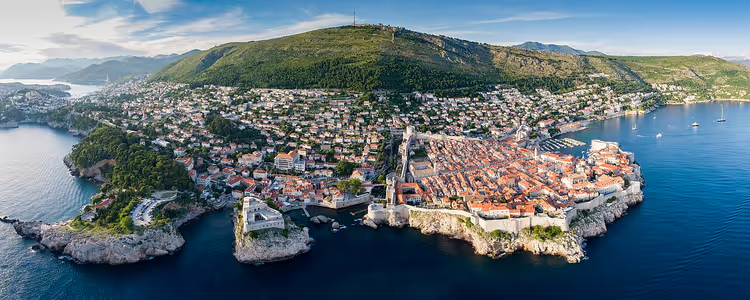
Croatia issues a digital nomad permit online. The status is valid for 12 months and cannot be renewed: a new application is only accepted six months after the previous permit expires.
The income threshold is tied to the country's average salary and is updated every year: it currently stands at about 2.5 times the average monthly pay (Croatian Ministry of the Interior page). If you're traveling with family, the amount is calculated separately for each member.
- Who it's for: citizens of countries outside the EU and EEA who are willing to change countries once a year or reapply.
- How to apply: an online form and biometrics at a Croatian consulate.
- The catch: no renewal, and you'll have to spend six months abroad between two permits.
To avoid hunting for accommodation at the last minute, check hotels in Croatia on Trip.com for your dates.
4. Barbados
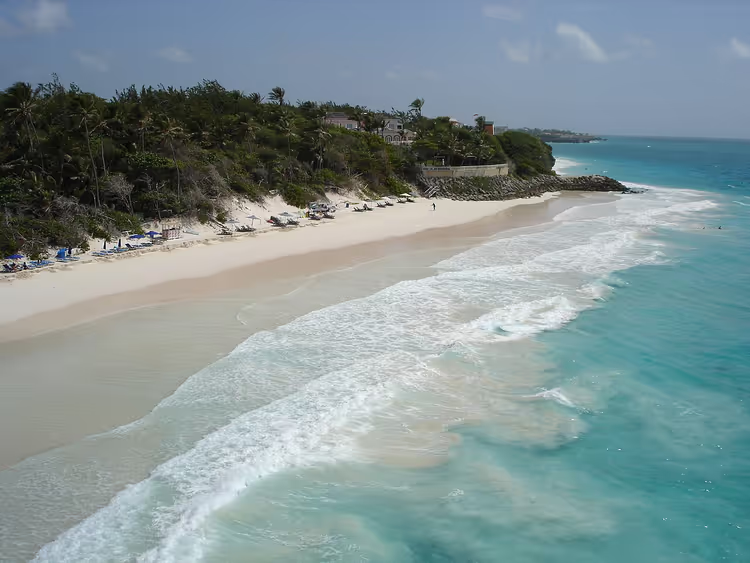 © Patdoy at en.wikipedia · CC BY-SAPhoto: Patdoy at en.wikipedia, CC BY-SA (http://creativecommons.org/licenses/by-sa/3.0/), Wikimedia Commons
Barbados launched the Welcome Stamp program in 2020 (official program website). You apply online, no consulate visit is required, and the permit is valid for one year. There's no renewal, but after returning home you can apply again.
The income requirement here is higher than in other programs: you need to prove $50,000 per year for the entire stay (Barbados Welcome Stamp conditions). This threshold explains why the status is more often taken by professionals with clients in Europe and the US.
- Who it's for: high-income professionals and families who work from home.
- Duration: 12 months.
- Renewal: no, only a new application after returning.
- Application: fully online, with uploaded document scans.
The island is small, and hotels in Barbados on Trip.com will show options near the beaches and the capital, Bridgetown.
5. Iceland
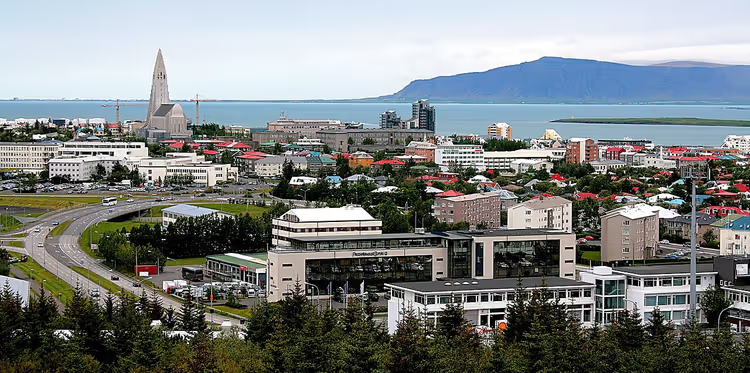 © Hedwig Storch · CC BY-SAPhoto: Hedwig Storch, CC BY-SA (https://creativecommons.org/licenses/by-sa/3.0), Wikimedia Commons
Iceland issues a remote work visa for up to 180 days and does not allow extensions (Directorate of Immigration). The application is sent by mail; you don't need to come to the country in person to apply. A repeat application is accepted no earlier than one year later.
The income threshold is one of the highest in Europe: about €6,700 per month, and the amount is higher if you move with a family (visa conditions). You need to work for a foreign company or as a self-employed person with a business outside the island.
- Who it's for: highly paid professionals from outside the EU and EEA who are interested in a Nordic country.
- Duration: up to 180 days.
- Renewal: no, you can reapply after one year.
- Documents: proof of employment and an income statement.
If you don't meet the income requirement, a regular trip remains an option, and hotels in Iceland on Trip.com will help you plan accommodation in Reykjavik.
6. Curaçao
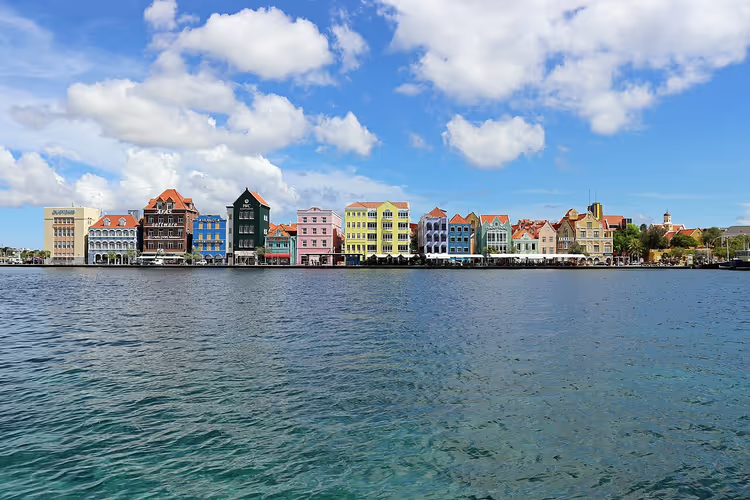 © Coolcaesar · CC BYPhoto: Coolcaesar, CC BY (https://creativecommons.org/licenses/by/4.0), Wikimedia Commons
Curaçao participates in the Home in Curaçao program and welcomes remote workers for six months. The status can be extended for another six months (Government of Curaçao). There is no income threshold here at all, which is rare among similar programs.
Any remote worker who remains employed by a foreign company can apply. The island lies in the southern Caribbean, where strong hurricanes are rare, so you can work here year-round.
- Who it's for: those with stable remote work and a modest income by European standards.
- Duration: 6 months.
- Renewal: yes, for another six months.
- Application: online through the program portal.
The capital, Willemstad, is compact, and hotels in Curaçao on Trip.com will show options in different parts of the island.
7. Dominica
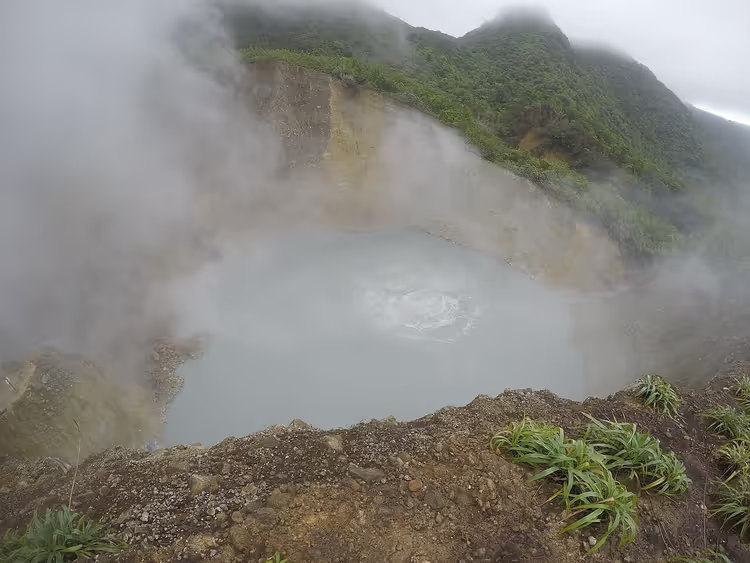 © Bayukjdr · CC BY-SAPhoto: Bayukjdr, CC BY-SA (https://creativecommons.org/licenses/by-sa/4.0), Wikimedia Commons
Dominica issues the Work in Nature visa to any remote worker, regardless of profession. The stay is up to 18 months, the longest permit in this roundup (Dominica tourism authority). Any adult applicant with verified income can apply.
The threshold here is annual, and its size is comparable to Barbados: about $50,000 (program conditions). The program is periodically revised, so check the current amounts on the official portal before applying.
- Who it's for: remote workers of any profession with verified annual income.
- Duration: up to 18 months.
- Documents: proof of annual income and a description of your field of work.
Most of the island is covered by volcanoes and tropical forest, and hotels in Dominica on Trip.com will help you find accommodation away from tourist groups.
⁉️🤔 Frequently asked questions
How much do you need to earn for a digital nomad visa?
The amount depends on the country. Mauritius asks for about $1,500 per month (EDB conditions), Barbados and Dominica require $50,000 in annual income (Welcome Stamp), Spain counts 200% of the minimum wage (income threshold under the law). And Curaçao has no income threshold at all (Home in Curaçao portal). Compare the rows in the table above and choose a country that fits your income.
Is health insurance mandatory?
Yes, almost all programs require a policy for the entire stay. Spain accepts only private insurance covering the trip period (legal requirements). Get a policy for a full year right away, not just for the first trip: status renewal won't be approved without it.
Can a digital nomad visa be extended?
It depends on the program. Mauritius renews the status annually, Curaçao gives another six months. Croatia and Iceland do not offer renewals: a new application in Croatia is accepted only after six months (Ministry of the Interior rules). Plan your departure in advance so you do not overstay.
Do digital nomads pay taxes in the host country?
The tax residency threshold in most countries is 183 days per year. Many visas in this selection are valid longer, so resident status is quite realistic. In Spain, a digital nomad visa holder becomes a tax resident. In Croatia, foreign income is not taxed under this status (Ministry of the Interior page). Count your days of stay in advance to understand where you will pay taxes.
What internet and SIM should you get for the trip?
Public Wi-Fi in cafes is not suitable for working with documents and video calls. It is more reliable to buy an eSIM with a monthly plan and activate it before departure: compare eSIM plans. Coverage varies across the Caribbean islands, so check the operator's coverage map before buying.
In short: what to book
Choosing a country depends on two things: your income and the length of stay you need.
- If you have a family and a high income: Barbados or Dominica.
- If your income is modest: Curaçao, there is no threshold there.
- If you want Europe: Spain or Croatia.
- If you need the longest stay: Dominica.
- If you want warm weather in winter: Mauritius or Curaçao.
Book tickets to the Caribbean and Mauritius in advance, there are fewer flights there than to Europe: compare tickets on Kiwi.com.

A small editorial team writing guides for independent travel. We travel ourselves, but we haven’t been everywhere, so we check prices, opening hours and how to get there against official sources.