
















Five corners of real jungle: where to go and what to consider
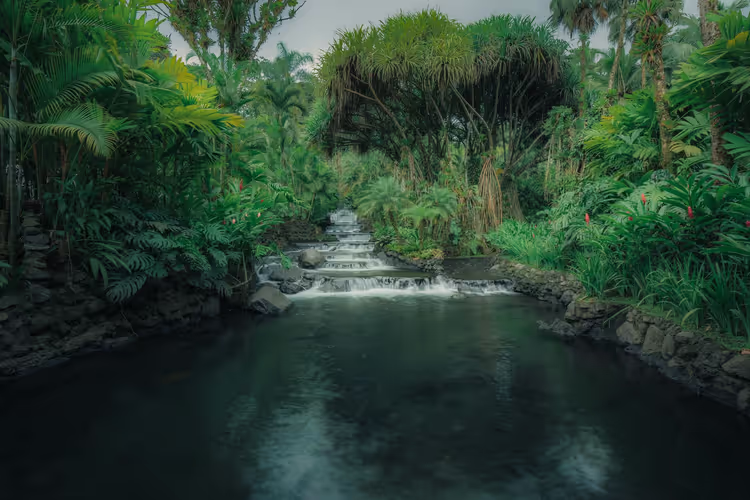
Wild jungles are both frightening and magnetic. There are no paved roads, cell service drops out, but you get waterfalls, orchids, and birds you will never see in a zoo. A vacation in a tropical forest has long stopped being an expedition for the chosen few.
We have picked five locations on different continents, from the island forests of the Philippines to the Amazon selva. For each one we give you practical details instead of a postcard: how to get there, whether you need a guide, and where entry is by time slots. Some parks only admit visitors with advance reservations.
Let's get the key points out of the way. You can enter the national park on Palawan and the Actun Tunichil Muknal cave in Belize only by time slot and with a guide. In Anaga Park you can hike on your own, but the season makes a big difference. In the Orinoco Delta you cannot manage without a local guide, because the channels are a maze.
💡 In short:
- The article covers five locations: Palawan, Anaga, the Orinoco Delta, Amazonia, and the Belize selva.
- In two parks, entry is only by time slot and with a licensed guide.
- Time slots and guide rules are current as of 09/2026; sources are listed in each section.
Ad: this article contains affiliate links, we earn a commission if you book through them, at no extra cost to you.
1. Palawan (Philippines)
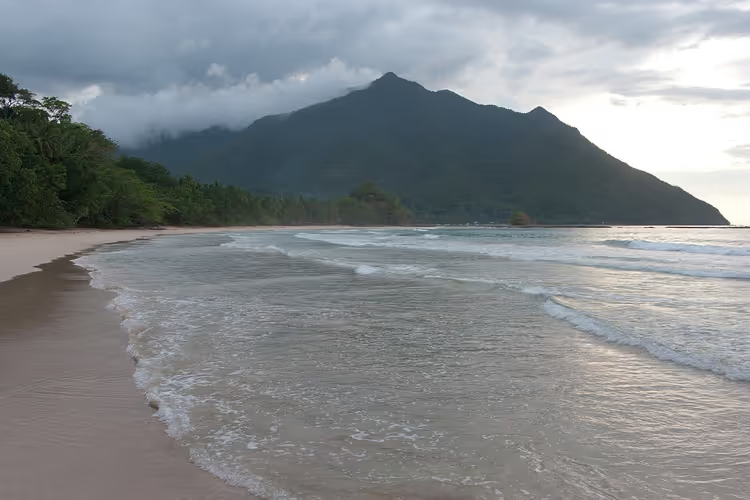
Palawan stretches from southwest to northeast across the Philippines, and its jungles run right down to turquoise lagoons. The island's main forest destination, Puerto Princesa Subterranean River National Park (PPSRNP), is a UNESCO World Heritage Site. The underground river cuts deep into a limestone massif and flows directly into the sea.
Park entry is organized by time slots, and you get to the dock by boat from Puerto Princesa. Confirm your ticket and time in advance on the official park page, because daily quotas sell out quickly. Verified on 09/13/2026 on the official park website.
A second gateway to the jungle opens up in El Nido in the north of the island. There you will find lagoons, mangroves, and hiking trails over limestone cliffs. Bring closed-toe shoes and mosquito repellent; the trails are wet almost all year round.
- Who it's for: travelers who care about forest and water rather than beach resort service.
- The catch: in the rainy season the trails wash out and some routes are closed.
- Where to stay: Palawan hotels on Trip.com.
 © Vyacheslav Argenberg · CC BYPhoto: Vyacheslav Argenberg, CC BY (https://creativecommons.org/licenses/by/4.0), Wikimedia Commons
2. Anaga (Canary Islands, Spain)
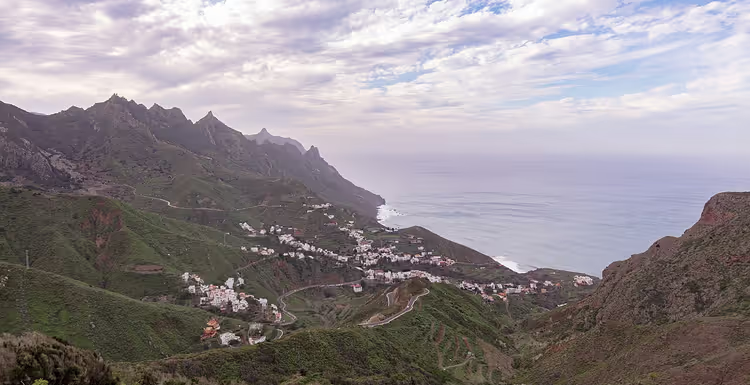
Jungles grow in Europe too. The island of Tenerife keeps them in the northeast, in Anaga Rural Park (Parque Rural de Anaga). This is the oldest part of the island and a UNESCO Biosphere Reserve.
Anaga's laurel forest is called laurisilva. It has survived almost untouched by human activity: relict laurel trees, tree heather, and constant fog that holds in moisture. This type of vegetation is known as monteverde. Many of the park's plants and animals are endemic, meaning they are found only here.
Start at the Cruz del Carmen visitor center on the TF-12 road, where you can pick up a trail map (Turismo de La Laguna). From there, take the Vueltas de Taganana trail to the village of Taganana. After the hike, head down to Playa de Benijo or Roque de las Bodegas: you can eat fresh fish right by the water.
- How to get there: bus or car to Cruz del Carmen, then on foot along marked trails.
- Who it's for: those who want jungle without a long flight and malaria pills.
- The catch: fog and dampness make the rocks slippery, so you need non-slip shoes.
- Where to stay: Hotels in Tenerife on Trip.com.
 © Diego Delso · CC BY-SAPhoto: Diego Delso, CC BY-SA (https://creativecommons.org/licenses/by-sa/4.0), Wikimedia Commons
3. Orinoco Delta (Venezuela)
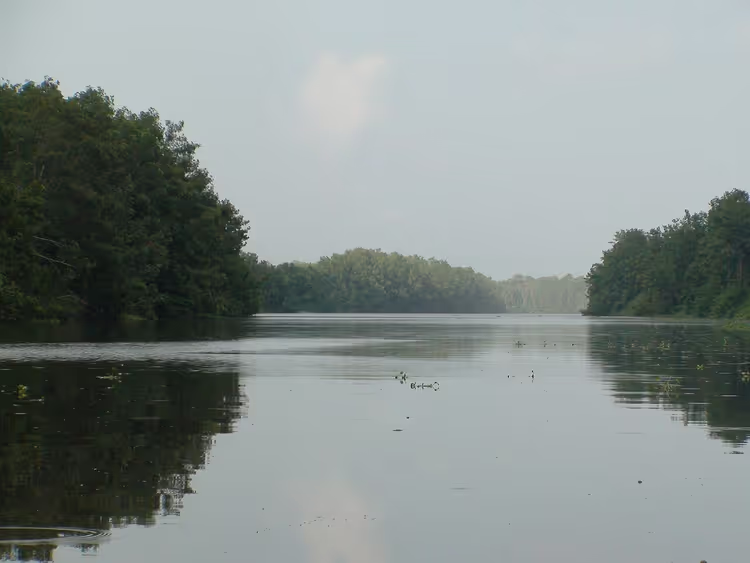
The Orinoco River delta breaks into hundreds of channels and islands. The river splits into branches and flows into the Atlantic Ocean. Here the jungle stands right on the water, and the only way to get around is by boat.
Life in this place is defined by the Warao people, known as the "canoe people." The Warao build settlements on stilts above the water and travel the channels in dugout canoes. A trip here usually includes a night in an eco-lodge and canoe outings in search of wildlife.
You will encounter monkeys, jaguars, pumas, and river dolphins. Deeper in the thickets live parrots, eagles, falcons, and toucans, while the water holds piranhas and anacondas. At night the forest sounds different: rustles, tapping, and the chiming of birds cannot be confused with city noise.
- How to get there: charter or tourist boat from Maturin to the eco-lodges (Osprey Expeditions).
- Who it's for: those who want wild nature and the culture of Venezuela's indigenous peoples.
- The catch: tourist infrastructure is poorly developed, lodge comfort is basic, and there is almost no connectivity.
- Where to stay: Orinoco Delta tours on GetYourGuide.
 © Antolin Martinez A. · CC BY-SAPhoto: Antolin Martinez A., CC BY-SA (https://creativecommons.org/licenses/by-sa/3.0), Wikimedia Commons
4. Amazon rainforest (South American countries)
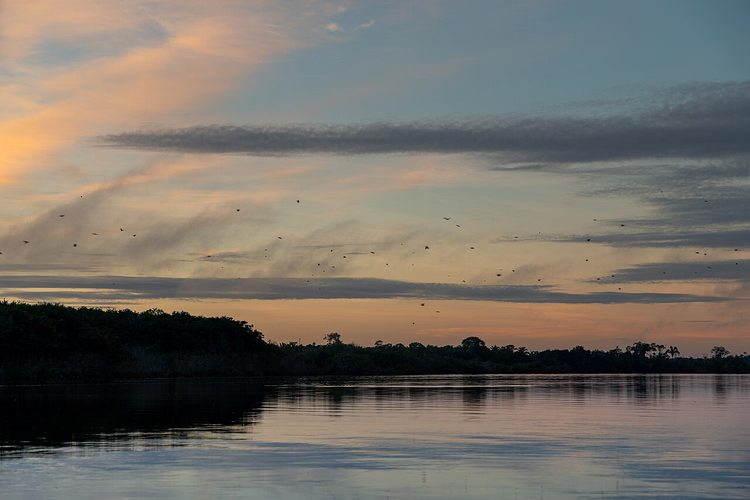
The Amazon rainforest spans several countries, which lets you combine jungle with a South America itinerary. Almost 60% of the forest lies in Brazil, and the rest is shared by eight other countries and territories, including Peru, Colombia, Venezuela, and Ecuador (according to WWF).
The Amazon is considered the largest tropical forest on the planet. It is home to roughly one in ten known species, and the river itself carries about 20% of the world's freshwater discharge (WWF). Only a small fraction of light reaches the ground through the dense canopy, so it is cool and humid beneath the cover.
Indigenous peoples still live in the forest, maintaining their traditional way of life. Be sure to plan a visit to their communities and respect their rules. Programs usually include a boat trip, piranha fishing, and a night outing to spot animals. During high water, it is easier to explore the forest from the water, while in the dry season more trails are open.
- How to get there: fly to Manaus or Iquitos, then take a boat to the lodge.
- Who it's for: those who are ready for humidity and want to see the forest at its largest scale.
- The catch: mosquitoes and high humidity, and discuss vaccinations with your doctor in advance.
- Where to stay: Amazon tours on GetYourGuide.
 © flowcomm · CC BYPhoto: flowcomm, CC BY (https://creativecommons.org/licenses/by/4.0), Wikimedia Commons
5. Selva (Belize)
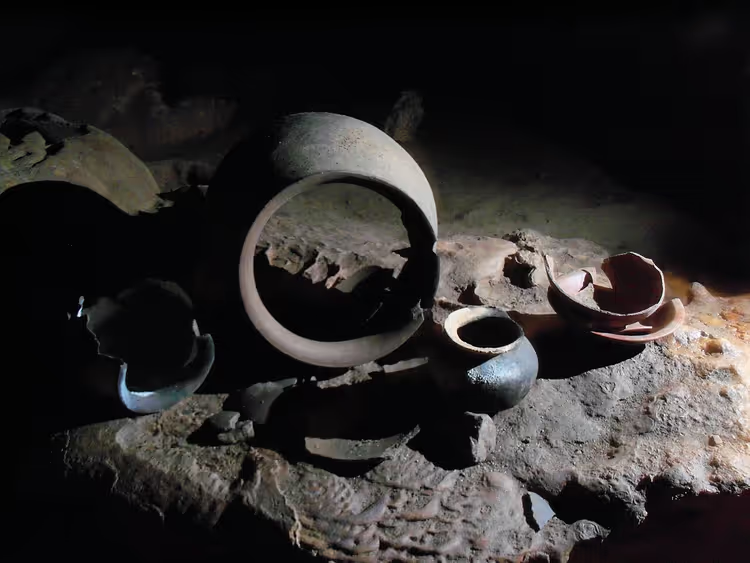
Belize's selva is more compact than the Amazon's, but it is just as dense with life. The forest begins right outside the towns of Santa Elena and San Ignacio, so you do not need to travel far. The main reason to set aside a day for the jungle is the Actun Tunichil Muknal (ATM) cave.
The name ATM translates as "cave of the stone tomb." The Maya considered it an entrance to the underworld and left traces of rituals inside, including the "Crystal Maiden" (Belize Tourism Board). You are only allowed inside with a licensed guide, and cameras and phones are prohibited.
Belize's selva is not just dense thickets. Watch for bright birds, listen to waterfalls, and mark karst sinkholes on your map. The boldest visitors can descend into a sinkhole the locals nicknamed the Black Hole. Some trails are closed to tourists without a guide, so check the rules at the entrance.
- Getting there: transfer or car from San Ignacio, then on foot and wading across the river.
- Who it's for: those who want Mayan caves and a compact jungle route.
- The catch: mosquitoes and wet river crossings, bring closed-toe shoes and repellent.
- Where to stay: Hotels in San Ignacio on Trip.com.
 © Jkolecki · CC BY-SAPhoto: Jkolecki, CC BY-SA (https://creativecommons.org/licenses/by-sa/3.0), Wikimedia Commons
⁉️🤔 Frequently asked questions
Where should I go to see real jungle for the first time?
Start with Anaga Rural Park on Tenerife or with Palawan. In Anaga, the forest is accessible without a long flight and without exotic vaccinations, and the trails are marked and open almost all year. Palawan offers a wilder experience with lagoons and an underground river, but the journey takes longer.
Do I need a guide in the jungle?
In Anaga and on the easy trails of Belize, a guide is not required. You can only enter the national park on Palawan and the Actun Tunichil Muknal cave with a licensed guide. In the Orinoco Delta, you can't do without a local guide, because the channels are confusing.
When is the best time to go to a tropical forest?
The best time depends on the location. The dry season makes trails and roads easier, while in the rainy season some routes get washed out and closed. During high water, the Amazon is easier to see from the water, and Anaga can be visited in almost any month, keeping the fog in mind.
Are the jungles of South America dangerous?
Poisonous plants, snakes, and insects are a reality here, but the risk remains manageable if you follow the rules. Don't leave the trail, don't touch animals, and keep food sealed. Discuss vaccinations and medications with a doctor in advance, especially for the Amazon and the Orinoco Delta.
How many days should I set aside for the jungle?
One day is enough for Anaga, and two are enough for the Belize jungle. For Palawan with the underground river and El Nido, set aside three or four days. For the Amazon and the Orinoco Delta, plan at least four days, otherwise you'll spend more time traveling.
In short: what's worth booking
Five locations cover different scenarios. If you want an easy entry into a tropical forest, start with Anaga Rural Park. If you want maximum jungle and are ready for the journey, choose the Amazon or Palawan. For Mayan caves and compact jungle, go to Belize, and for Warao culture and river channels, head to the Orinoco Delta.
If you have a week: take Anaga and add Palawan or Belize.
If you have two weeks: add the Amazon via Manaus.
If you're going for adventure rather than the beach: look at the Orinoco Delta and the Amazon during high water.
Confirm slots and your guide in advance so you don't overpay on site. See tours on GetYourGuide.

A small editorial team writing guides for independent travel. We travel ourselves, but we haven’t been everywhere, so we check prices, opening hours and how to get there against official sources.