
















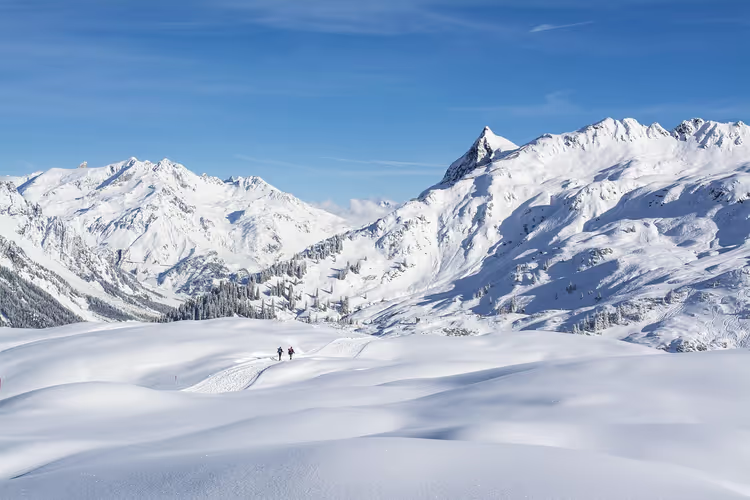
Après-ski in the Alps: drinks, bars and parties after skiing
Après-ski begins where the last run ends. You take off your skis, and the evening is just getting started: music plays at the base of the slope, mulled wine steams, and a crowd gathers.
Today it is not just a drink after skiing, but an entire industry. Bars sit steps from the lift, with restaurants, concert venues, and nightclubs nearby. We will look at where the term came from, what is served in Alpine huts, and at which resorts the evening turns out louder than the slope itself.
Below you will also find practical tips: how the evening unfolds and how to choose a resort for your style of vacation.
What is après-ski
💡 In short:
- Après-ski means "after skiing": relaxation, food, and parties after a day on the slopes.
- The evening starts at bars at the base of the slope.
- Austria's signature drink is called Jagertee: strong tea with rum and spices.
The word comes from French. Après means "after," and ski translates as "skiing." In English, the same meaning is carried by the phrase after-ski. You have probably heard the term, but there is more behind it than a glass of wine.
The tradition took shape in the Alps around the middle of the 20th century, when ski tourism became mainstream and villages near the slopes turned into resorts (according to mentalfloss, 09/2026). Tired skiers gathered at a bar right by the run, warmed up with hot mulled wine, and relived the day's best descents.
At first it lasted two hours, usually from 5 to 7 pm. Then the gatherings grew longer, and the topics of conversation shifted from skiing to other things. Gradually the term expanded.
Today après-ski covers the whole evening package: drinks at the slope, dinner, music, and nightclubs. A two-hour break between skiing and sleep has turned into a full evening program of its own.
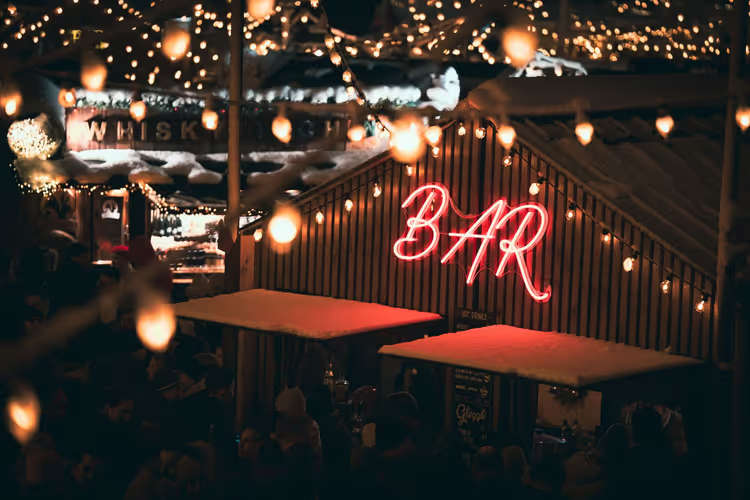
How an evening after skiing unfolds
The pattern is almost the same everywhere. You come down from the last slope and find yourself at a bar or chalet five minutes from the lift. High tables are already set up, music is playing, and the bartender is pouring hot drinks.
Snacks at these bars are usually limited. The alcohol selection, by contrast, is broad: from mulled wine to strong shots.
Then the evening flows into the village. Warmed-up tourists head to restaurants, and later part of the group moves on to nightclubs.
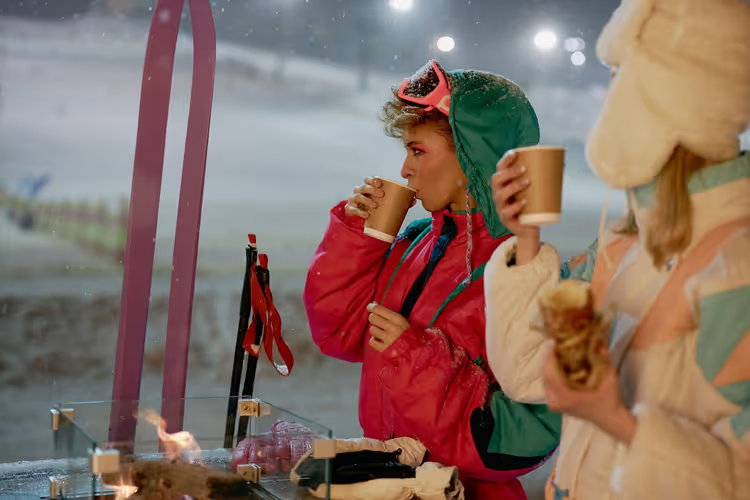
Signature drinks of Alpine resorts
Each region has its own après-ski drink. In Austria it is Jagertee (Jagatee), a hot spiced tea with rum and fruit schnapps. The name is linked to the words Jäger ("hunter") and Tee ("tea") (according to Wikipedia, 09/2026).
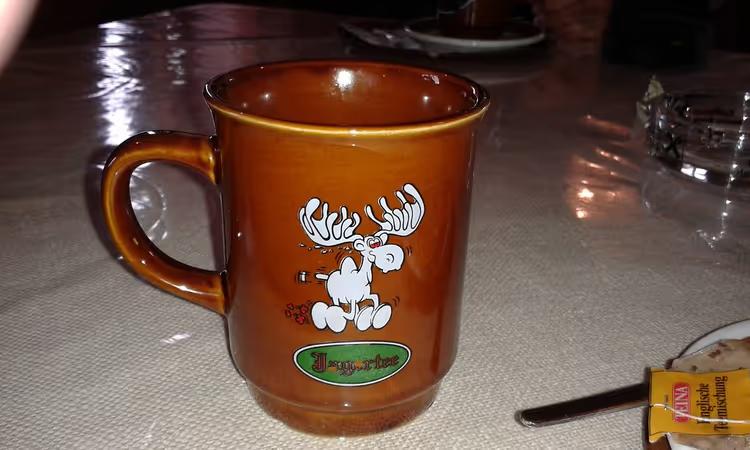 © nordique · CC BYPhoto: nordique, CC BY (https://creativecommons.org/licenses/by/2.0/), Flickr
Hunters and lumberjacks made this tea to warm up after a long day in the cold. Later the drink moved into ski bars and became the calling card of Austrian slopes. You will be offered it in almost every hut by the run.
In Germany, shots of the herbal liqueur Jägermeister are more common near the slope. In Garmisch-Partenkirchen and other German resorts, an ice-cold shot after a hot day of skiing has become as much of a ritual as the descent itself.
Parties, fireworks, and night pavilions
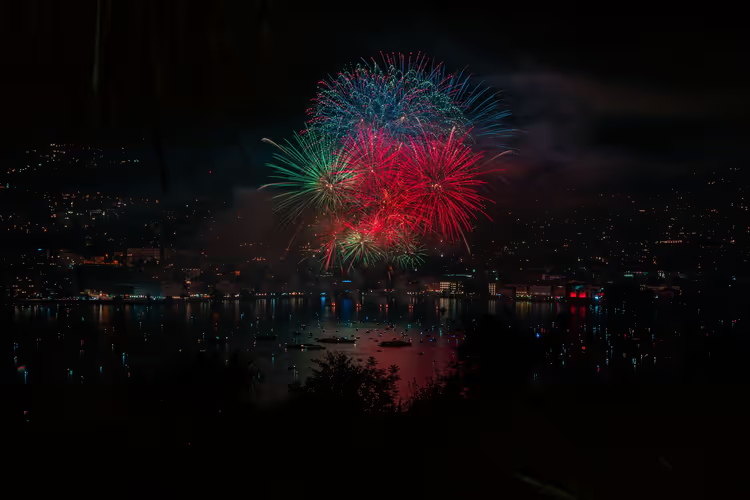
Some resorts have turned the evening into a big show. They host parties with fireworks and live music, and the press regularly writes that the evening events overshadow the skiing itself.
Special structures have also appeared. Organizers set up round pavilions with open fire instead of ordinary lighting: these fire bars hold the heat and draw a crowd even in freezing weather.
Closer to the familiar format are terraces at upscale hotels. Example: the Beluga terrace at the five-star L'Alpaga hotel in Megève, right at the foot of Mont Blanc. The hotel is part of the Beaumier collection and sits near the center of Megève (according to the Megève tourism office, 09/2026).
In the evening the terrace serves mulled wine and dishes from a Michelin-starred restaurant, while guests look out at the snow-covered Mont Blanc. These places operate on a short schedule, usually a few hours after the slopes close. If you arrive too late, the terrace will already be closed.
Where the best après-ski in the Alps is
In Austria, evening life is most concentrated right by the runs; in France, hotel terraces are more common. Below is a selection of resorts most often written about in the evening context.
Resort | What it is known for in the evening | Evening format |
|---|---|---|
St. Anton am Arlberg | Music at the slope, Mooserwirt and Krazy Kanguruh bars | Loud party by the run |
Ischgl | Big concerts and nightclubs | All-evening event |
Mayrhofen, Saalbach, Zell am See | Huts and bars in the village center | Classic evening |
Kitzbühel | Quiet chalets and restaurants | Moderate pace |
Megève | Hotel terraces and restaurants | Premium evening |
Selection and evening formats: according to ski-austria.com, 09/2026.
Choose a resort to match your evening. For music and crowds, head to St. Anton or Ischgl; for a quiet dinner, Kitzbühel; for glamour, Megève.
How to plan your evening after skiing
The evening usually starts in the afternoon. Exact times depend on the resort, so check locally.
Book dinner in advance. In high season there are almost no free tables in the village, especially in St. Anton and Ischgl.
Stay close to your accommodation. There is often no transport between the bar and the hotel after the cable car closes, and taxis in the mountains are expensive.
⁉️🤔 Frequently asked questions
What does the word après-ski mean?
It refers to everything that happens after skiing: drinks at the slope, dinner, music, and evening entertainment. Today the term describes an entire evening leisure industry at European resorts.
When does après-ski start?
The evening starts right after the lifts close, when skiers come down to the base of the slope. Each resort keeps its own schedule, so exact times are best checked on site. Parties start earliest in Austria, later in the French Alps.
What do people drink at après-ski?
In Austria, Jagertee is the most common choice: hot spiced tea with rum and schnapps. In Germany, shots of the herbal liqueur Jägermeister are popular, while in France mulled wine is served on terraces. Non-alcoholic options are available at every bar, and nobody finds them odd.
Is it the same in Austria and France?
No. In Austria, bars right by the run with loud music and crowds dominate. In the French Alps, hotel terraces and quiet dinners are more common. The format depends on the resort, the crowd, and the season, so two neighboring regions can differ greatly.
Can you go to après-ski without skiing?
Yes. Evening bars, terraces, and concerts are open to those who do not ski as well. In Megève, St. Anton, and Ischgl, the evening program is designed for all resort guests. Arrive early, because by late evening the best spots are already taken.
In short: what to book
The bottom line depends on your vacation style. If you want a loud evening with music at the slope, choose Ischgl or St. Anton. For a quiet dinner and chalets, head to Kitzbühel. For a glamorous terrace and a view of Mont Blanc, keep Megève and L'Alpaga in mind.
- If you are with a lively group: choose Ischgl or St. Anton.
- If you are traveling as a couple: choose Kitzbühel or Megève.
- If you want a view of Mont Blanc: choose the Beluga terrace at L'Alpaga.
Accommodation near the lifts is booked in advance: in high season it sells out several months ahead.

A small editorial team writing guides for independent travel. We travel ourselves, but we haven’t been everywhere, so we check prices, opening hours and how to get there against official sources.