
















Gifts from France: 15 ideas from Grasse perfume to vinyl
It's hard to leave France empty-handed. Even without a shopping plan, you'll find a gift in Paris, Grasse, or Toulouse.
The easiest things to bring home are perfume, cosmetics, porcelain, and wine: they don't spoil and take up little space in your suitcase. Cheese, sausages, and foie gras depend on customs and refrigeration, so people either buy them in cans or eat them on the spot. Below are 15 souvenir categories with places to buy, opening hours, and verification against official sources.
Ad: this article contains affiliate links, we earn a commission if you book through them, at no extra cost to you.
1. Perfume
💡 In short:
- Buy perfume in Grasse from the houses of Fragonard, Molinard, and Galimard.
- Get fragile and perishable items at the end of your trip, before your flight.
- Prices, opening hours, and selection: 09/2026, verified on the official page of the perfume museum in Grasse.
 © Olivier Cleynen · CC BYPhoto: Olivier Cleynen, CC BY (https://creativecommons.org/licenses/by/4.0), Wikimedia Commons
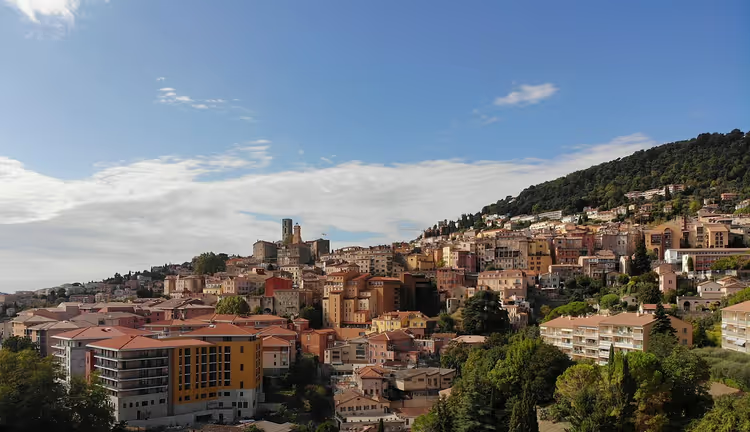
French perfumery grew out of the spice trade. Grasse still produces fragrances for global brands, and it's worth the trip just for the Fragonard, Molinard, and Galimard factories.
A tour of the workshop takes less than an hour, and the Fragonard boutique in Paris houses a perfume museum. After the visit, guests receive a sample. According to the official Fragonard website, the house's museums operate in Paris and Grasse, and you can check the tour schedule there as well (as of: 09/2026).
Longevity and price are on the label. Eau de toilette lasts a couple of hours, Eau de parfum noticeably longer, Essence de parfum costs the most. For a gift, go with a small bottle of parfum: it's easier to pack and travels fine in checked luggage.
- Who it's for: those who want a gift without size or taste preferences.
- Not for: if you have several flights with carry-on luggage ahead.
- The catch: how a fragrance wears is individual, so an unfamiliar bottle is always a risk.
2. Cosmetics
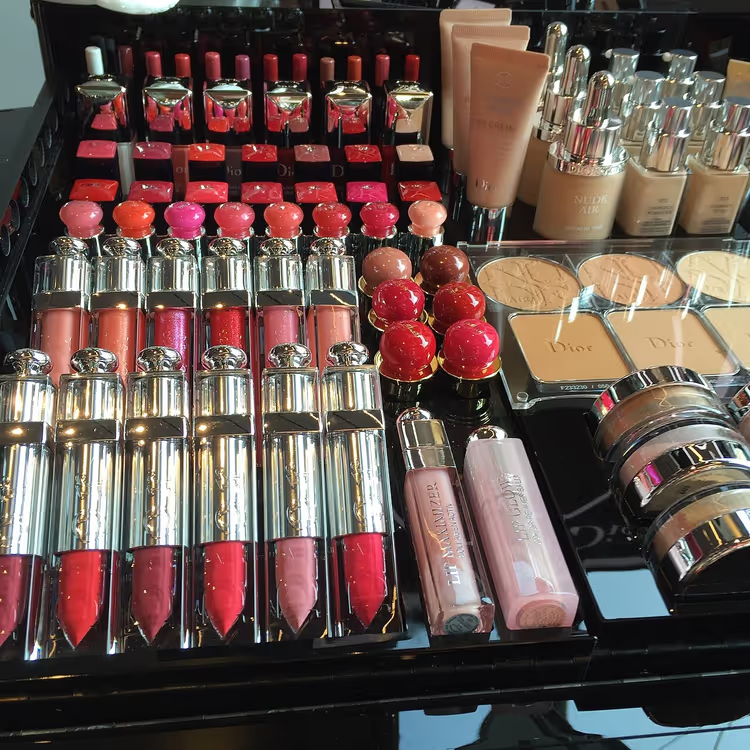
Pharmacies in France operate as standalone shops with a green cross, and prices there are lower than in tourist stores. Natural lines like L'Occitane, Sanoflore, and Melvita make great gifts, as does professional skincare from Decleor, Guinot, and Gernetic.
Before buying, decide who the gift is for. A natural line suits someone who reads ingredient lists: lavender soap, powder, deodorant without aluminum salts. Professional products are bought for salon treatments. Mass-market brands like Bourjois, Garnier, and L'Oréal Paris cover the budget segment, while luxury from Lancôme, Chanel, and Yves Saint Laurent should be bought for a specific request.
Compare two or three packages and don't buy a gift set blindly. It's easy to miss on scent and shade, and exchanging cosmetics in another country is nearly impossible.
- Who it's for: those who know brands and love skincare.
- Not for: if you don't know the recipient's skin type.
- The catch: glass bottles break, and small tubes get lost in luggage.
3. Clothing

Camaïeu, KOOKAI, and Cacharel fall into the mid-price range in France. André, Eram, and Sandro sit nearby, and the Lacoste polo shirt has long been a casual style staple. Local brands are easier to find in Paris and Lyon than in resort towns.
Devernois boutiques carry not only dresses but also wraps, scarves, and belts. PATOUCHKA offers warm knitwear and ready-made sets. Sales are where you save: by the end of the season, prices on collections drop noticeably, and you'll find a cheaper gift there.
- Who it's for: those willing to try things on in person.
- Not for: if the gift needs to be size-free.
- The catch: exchanging a size from another country is nearly impossible, so keep the receipt.
4. Wine and champagne
 © JensKunstfreund · CC BY-SAPhoto: JensKunstfreund, CC BY-SA (https://creativecommons.org/licenses/by-sa/4.0), Wikimedia Commons
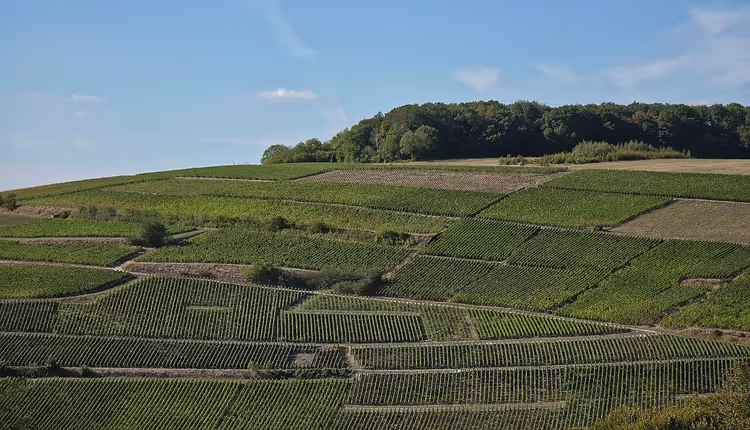
Wine remains the most predictable gift from France. Bordeaux, Burgundy, Alsace, Beaujolais, and Champagne give you clear reference points for style and price. Only sparkling wine from the Champagne province can legally be called champagne. Other sparkling wines are sold as crémants or vin mousseux.
Cognac is made in the Charente province from specific grape varieties. The letters XO on the label indicate aging, not origin. Before buying, check the top of the label: counterfeits often omit the production province. If you want to do more than just bring back a bottle and actually visit a winery, book wine tours on GetYourGuide in advance.
- Who it's for: those who have someone to give a bottle to.
- The catch: glass gets heavy in luggage, and alcohol limits depend on your destination country.
5. Liqueur
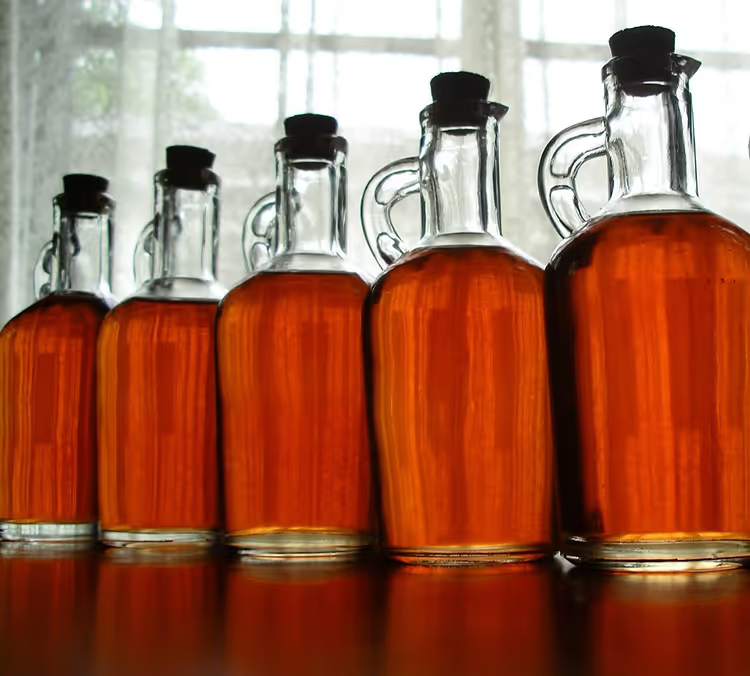 © Unknown author · CC BYPhoto: Unknown author, CC BY (https://creativecommons.org/licenses/by/2.0), Wikimedia Commons
Liquor stores in France sell both local and imported products. In a single shop you'll find Italian Amaretto, Galliano and Sambuca next to German Jägermeister, Mexican Kahlúa and Irish Baileys. It makes more sense to bring home what's actually made here.
You'll find French classics in any wine shop: Bénédictine from Normandy, Chartreuse from the monks near Grenoble, and Cointreau from Angers. Gift sets in tin boxes weigh less than a bottle and survive the flight better. Strong liqueurs are served at the end of a meal, while cream liqueurs go well with coffee.
- Who it's for: people who like digestifs.
- The catch: strong alcohol can only go in checked baggage; it won't be allowed in carry-on.
6. Cheese
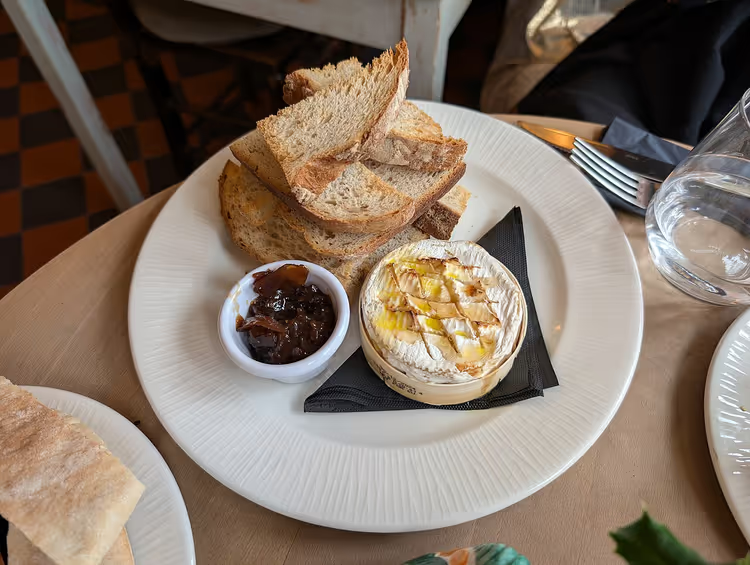
By number of cheese varieties, France is ahead of almost everyone: there are hundreds, from soft to firm, with and without mold. They sell goat, sheep and cow cheeses in different shapes: rounds, squares, cones, hearts. The most prized varieties carry the AOC label for controlled origin.
For gifts, choose firm varieties: Cantal, Emmental and Comté travel better than soft ones. Camembert, brie and Roquefort ripen quickly in warmth, so they're best eaten in France. Goat's milk Chabichou is made in a cone shape, which keeps the paste tender longer.
- Who it's for: people driving and carrying a cooler bag.
- The catch: meat and dairy products may not clear customs when entering from outside the EU.
7. Foie gras
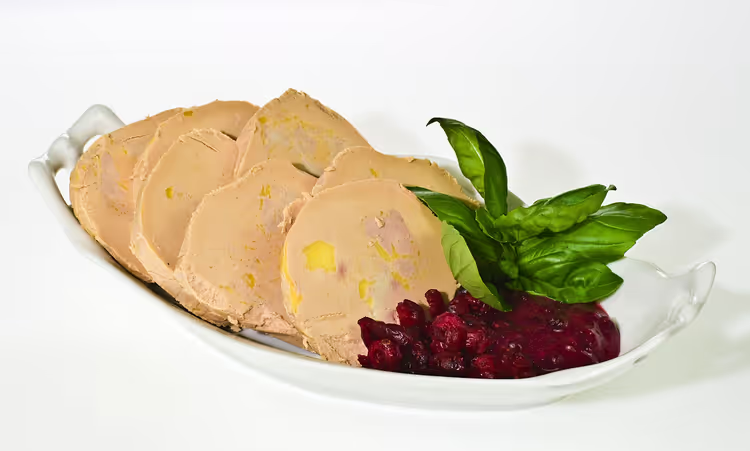 © Nikodem Nijaki · CC BY-SAPhoto: Nikodem Nijaki, CC BY-SA (https://creativecommons.org/licenses/by-sa/3.0), Wikimedia Commons
Foie gras is made from goose or duck liver, and the dish has been known in France since the 18th century. The cult developed in the southwest and in Alsace: in Strasbourg the pâté is pink and firm, in Toulouse it's softer and lighter. So read the product type on the label, not just the name.
Semi-prepared foie gras mi-cuit keeps in the fridge for a couple of weeks and needs cold during travel. Pasteurized foie gras semi-conserve lasts about six months and works as a souvenir (as of 09/2026, source). Canned foie gras in a tin survives transport best, but the taste differs from the fresh dish.
- Who it's for: people bringing a gift for a foodie and flying direct.
- The catch: mi-cuit spoils quickly, and in warm baggage the tin can bulge.
8. Chocolate
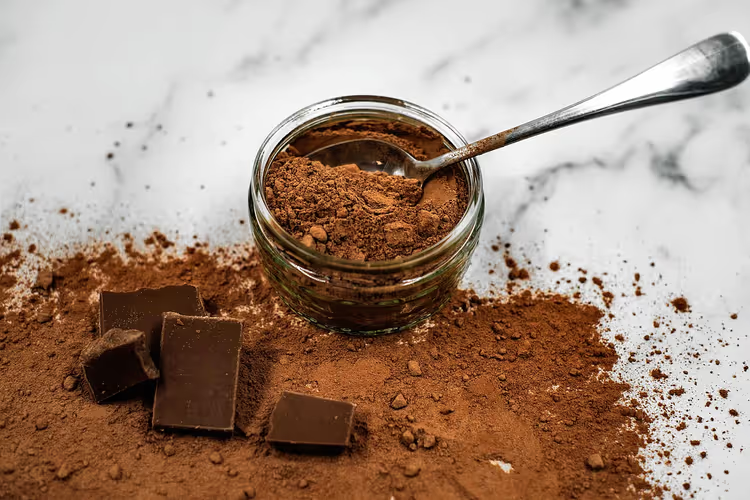 © formulatehealth · CC BYPhoto: formulatehealth, CC BY (https://creativecommons.org/licenses/by/2.0), Wikimedia Commons
France adopted cocoa from Spain but developed the craft into its own school. Truffles, ganache and praline were born here, and hot chocolate became thicker than in neighboring countries. Menier, Lindt and Monoprix Gourmet bars are sold in supermarkets, so they're easy to grab as a backup gift.
For animal figurines and chocolates with berries, go to workshops like Jean-Charles Rochoux. In summer chocolate melts, so take bars rather than truffles for the trip.
- Who it's for: people who need an all-purpose gift.
- The catch: it melts in heat and adds weight to your baggage.
9. Macarons
 © Erwmat · CC BY-SAPhoto: Erwmat, CC BY-SA (https://creativecommons.org/licenses/by-sa/3.0), Wikimedia Commons
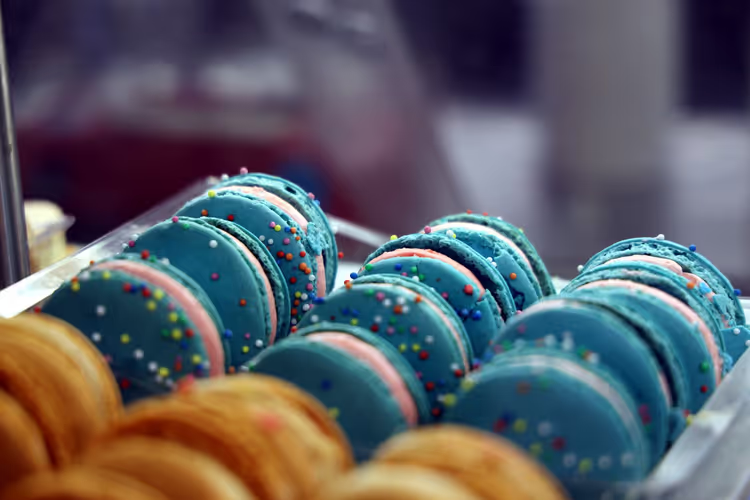
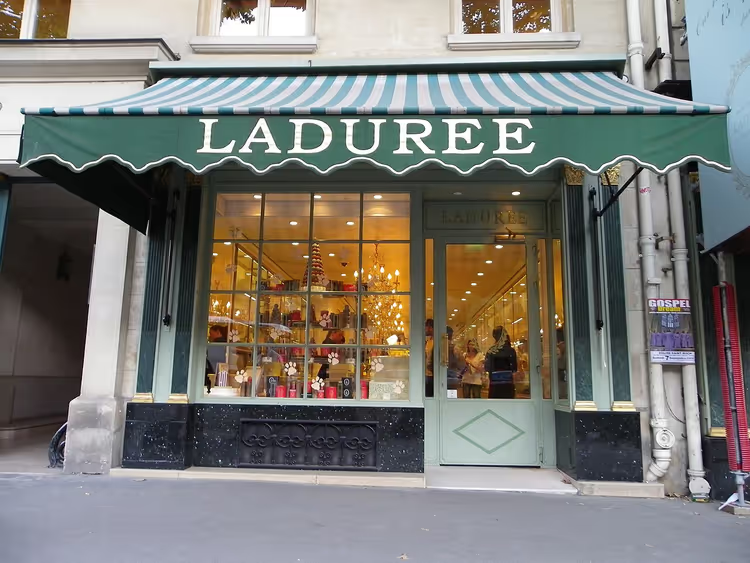
Real macarons are made of two almond shells with cream inside. The double macaron is traditionally linked to the Parisian patisserie Ladurée, and a box of this brand has long been a common gift from Paris. On the official Ladurée website, boxes can be assembled from 8 to 42 pieces (as of 09/2026).
Fillings come in lemon, berry, nut and chocolate, and the shell color has almost nothing to do with the flavor. Buy a box on the day you leave and keep it in your carry-on: in checked baggage the box gets crushed.
- Who it's for: people bringing a gift to work or school.
- The catch: fresh macarons last only a few days before the shells soften.
10. Sausages
 © Pwagenblast · CC BYPhoto: Pwagenblast, CC BY (https://creativecommons.org/licenses/by/3.0), Wikimedia Commons
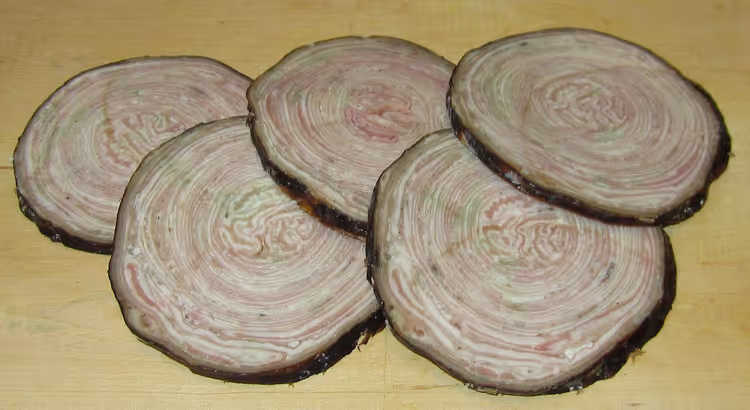
Smoked and dry-cured sausages get their own display case in France. Andouille de Guémené from Brittany has been made since the 18th century: pork intestines are wound into a spiral, smoked over beech wood, and aged in brine. The flavor is intense, so for a gift, buy a small piece.
Salami with nuts and wine-poached pear is an easier sell: it's available in supermarkets and travels fine in vacuum packaging. Sausages with white mold stand apart. They are made only intentionally, by inoculating the meat with fungi: if mold appears on its own, the product is spoiled.
- Who it's for: those traveling by car with a cooler.
- The catch: meat products are restricted at customs, and vacuum packaging is easy to damage.
11. Candied violets
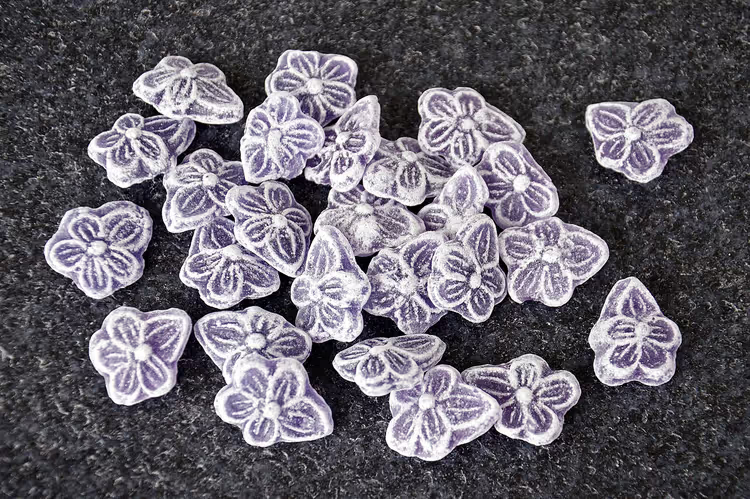
Candied violets came to Toulouse from Italy in the late 19th century and became a symbol of the city. In southern France, plantations were dedicated to them, and people learned to turn sweet violet flowers into a delicacy. Other violet varieties are not edible.
They are sold in small glass jars, and as a souvenir they look unusual. In Toulouse, try violet ice cream and syrup. The jar is light and takes up no space in carry-on luggage.
- Who it's for: those who want a light and unusual gift.
- The catch: the flavor is floral and not for everyone, so it won't suit every recipient.
12. Art objects
 © Rabbi Mendl · CC BY-SAPhoto: Rabbi Mendl, CC BY-SA (https://creativecommons.org/licenses/by-sa/4.0), Wikimedia Commons
Limoges porcelain is known for its snow-white base and fine painting. It's used to make tableware that will survive in checked luggage if packed well. Near museums and galleries, you'll find canvases by local artists, copies of famous paintings, and engravings.
Workshops and shops on Boulevard Saint-Germain and near Pont Alexandre III deserve a separate half-day route. That's also where people hunt for vintage posters and postcards. Take your purchase with you and don't ship it by mail.
- Who it's for: those willing to carry fragile items and pack them well.
- The catch: tableware breaks, and duty-free transport of expensive items is limited.
13. Old records
 AIIllustrative image: AI-generated
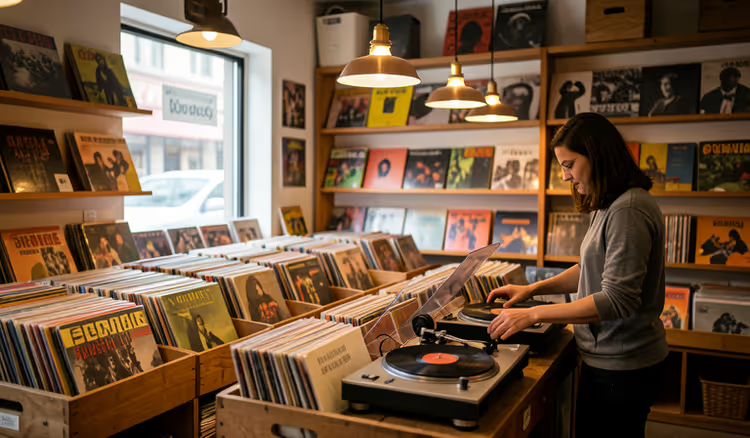
Vinyl is back in fashion, and demand for it is growing in France. Paris has specialized record stores, and people also hunt for records at flea markets. In shops, there's often a turntable near the counter, so you can listen to a record before buying.
At Walrus, not far from Montmartre, you can listen to records at a cafe table. Before buying, check the condition of the disc: scratches are immediately audible, and an intact sleeve matters to collectors. Designers have long used vinyl in interiors, so even a worn cover remains valuable.
- Who it's for: those who have a turntable at home.
- The catch: vinyl is fragile, and it should only go in checked luggage in rigid packaging.
14. Antiques
France's flea markets work like museums with price tags. Here you can find silver sets, rare watches, old cameras, Provençal-style furniture, and books published during the authors' lifetimes. Europe's largest antiques market, Les Puces de Paris Saint-Ouen, welcomes more than five million visitors a year (official website, as of 09/2026).
The market is open four days a week: Saturdays and Sundays from 10 to 6, Mondays from 11 to 5, and Friday mornings are reserved for professionals (Les Puces de Paris Saint-Ouen, as of 09/2026). Arrive at opening time: by midday, the best pieces are already gone.
- Who it's for: those who love old things and are willing to haggle.
- The catch: exporting cultural property older than a certain age requires a permit.
15. Headwear
The beret has long been one of the country's symbols, and in France it's easy to buy as a gift. It's made from wool, felt, leather, fleece, acrylic, and cotton, and the shape can be voluminous or tailored. Hat shops carry models for women, men, and children.
A dense wool beret holds its shape for years; cheap acrylic stretches quickly. Buy the right size, not a guess: stretching wool at home is harder than it seems. For a retro look, people seek out the iconic models worn by Brigitte Bardot, Faye Dunaway, and Marlene Dietrich.
- Who it's for: those willing to find the right size.
- The catch: cheap models shrink or stretch after washing.
Where to buy souvenirs in France
 © The wub · CC BY-SAPhoto: The wub, CC BY-SA (https://creativecommons.org/licenses/by-sa/4.0), Wikimedia Commons
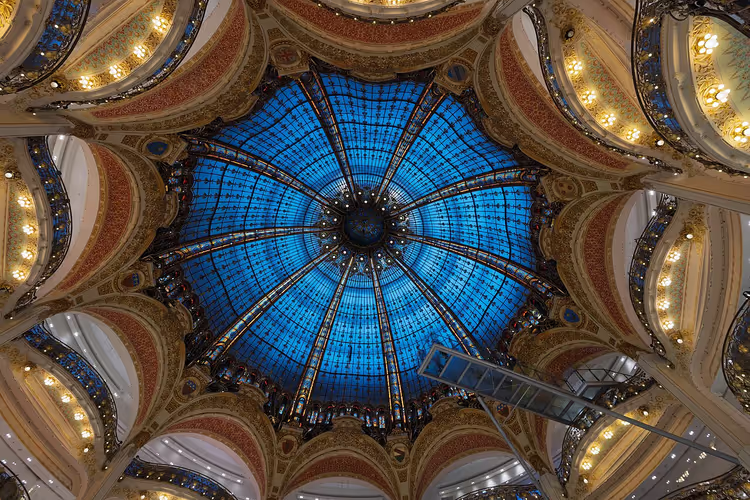
The fastest route: a large department store. Galeries Lafayette Paris Haussmann brings together perfume, cosmetics, textiles, and food under one roof, and you can check opening hours and Sunday slots on the official website (as of 09/2026). That's convenient when you have one day left before your flight.
A market or neighborhood shop is cheaper, while souvenir stores near landmarks are the most expensive. For kids, Vilac sets and Disneyland toys work well; for adults, magnets, postcards, and Eiffel Tower miniatures. Compare prices in two places: the difference can be noticeable.
What to choose: a table by situation
Situation | Souvenir | Where to look |
|---|---|---|
Colleagues at work | Macarons, chocolate | Confectioneries, supermarkets |
Parents | Grasse perfume, Bordeaux wine | Perfume boutiques, wine shops |
Kids | Chocolate figurines, Vilac sets | Confectioneries, Disneyland |
Home and interior | Limoges porcelain, old records | Boulevard Saint-Germain, flea markets |
A collector | Vinyl and antiques | Les Puces de Paris Saint-Ouen |
A foodie | Foie gras, cheese, sausages | Markets and gourmet shops |
A light option | Cosmetics, lavender soap | Pharmacies and cosmetics boutiques |
⁉️🤔 Frequently asked questions
What should I bring from France on a small budget?
Choose things that travel easily and cost little: lavender soap, pharmacy cosmetics, Menier chocolate, supermarket chocolate bars, and a small box of macarons. Magnets and postcards work for colleagues. An expensive gift isn't necessary; what matters more is that the item arrives intact.
Can I bring cheese and sausages across the border?
Within the EU, French products travel duty-free, but at borders with other countries, restrictions on meat and dairy apply. Hard cheese and vacuum-packed sausage survive the journey better than soft and smoked varieties. Check entry rules in advance if you're taking products outside the European Union.
How long does foie gras from France keep?
It all depends on the type of product. Mi-cuit keeps for a couple of weeks, semi-conserve for about six months. Canned foie gras in a tin lasts for years.
Where in France can I buy souvenirs cheapest?
The cheapest options are pharmacies, supermarkets, and neighborhood markets, not shops near landmarks. For antiques and vinyl, look at flea markets, such as Les Puces de Paris Saint-Ouen. A large department store is convenient, but you pay more for that convenience.
Which souvenirs from France are good for kids?
For kids, bring chocolate animal figurines, Vilac educational toys, and Disneyland souvenirs. A fabric doll and a sweet set also work well. Don't give children expensive antiques or fragile porcelain: the item will break or get lost on the very first day.
In short: what's worth booking
Choose gifts by person, not by display case. If the gift is for a colleague, go with Ladurée macarons or chocolate. For parents, Grasse perfume and a bottle of Bordeaux work well. For home and collections, choose Limoges porcelain, vinyl, and antiques from the Les Puces de Paris Saint-Ouen market.
Before your trip, set up an eSIM for France: maps, a translator, and store searches work without roaming.

A small editorial team writing guides for independent travel. We travel ourselves, but we haven’t been everywhere, so we check prices, opening hours and how to get there against official sources.