
















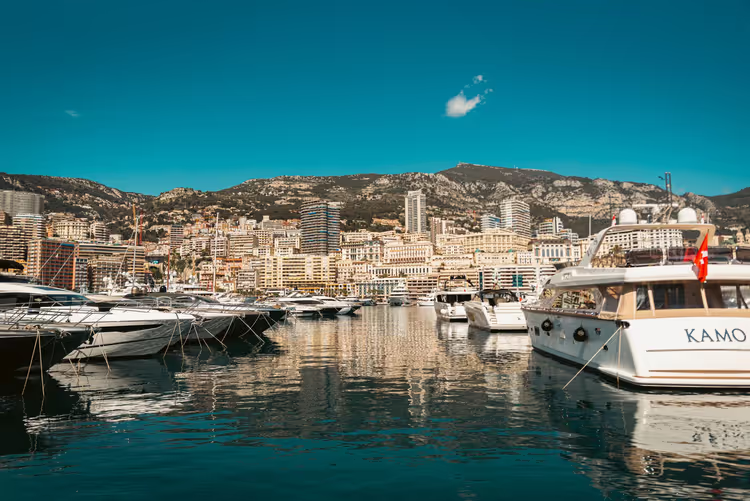
What to see in Monaco in one day: a walking route of 20 stops
Monaco can be walked end to end in one day. The principality is small, and the main sights stand close to one another. In the morning you walk from Larvotto Beach to the Japanese Garden. In the afternoon you climb up to the Oceanographic Museum and the Prince's Palace, and in the evening you have coffee by the casino.
The catch is different: without a plan, you will spend half a day on climbs. Monaco sits on a slope, and distances on the map here are deceptively short. Below is an order of 20 stops with distances and honest caveats about paid entrances.
Wear comfortable shoes and bring a bottle of water.
Ad: this article contains affiliate links. When you use them, we earn a commission, at no extra cost to you.
Larvotto Beach
💡 In short:
- The route starts at the sea and heads west, then you climb up to the old town.
- Entrances, dress codes and opening hours were checked on 15.09.2026 on the official Monaco tourist office website.
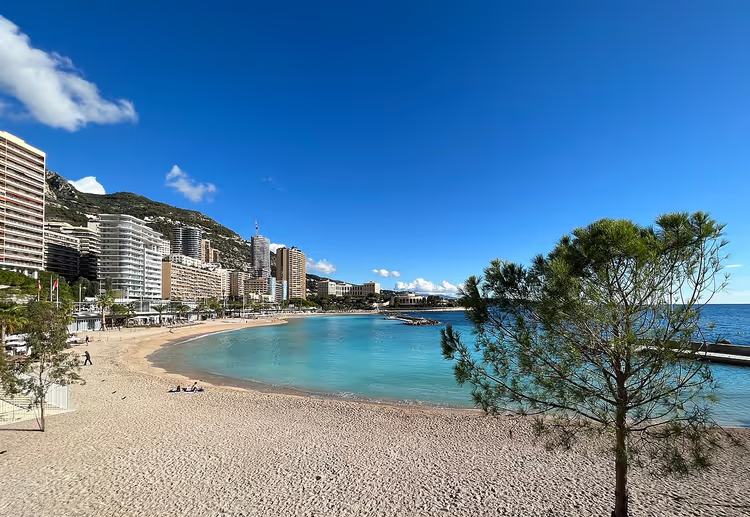
Larvotto is Monaco's main city beach, located in Monte Carlo between Port Hercule and the eastern headland. The sand here is clean, and the shore is cleaned every day. Special nets protect the water from jellyfish, so swimming is safe even with children.
Most of the shore is given over to paid sections with loungers and umbrellas. On the free section, you lay down your own towel and do without an umbrella. Changing rooms, showers and toilets work in both cases, so there is somewhere to change.
Seafood restaurants line the beach, and some tables are set right by the water. In summer the sea is warm, and the heat is easy to bear because the wind blows from the sea. In the morning the sand is noticeably less crowded than after lunch.
- How to get there: the beach lies on the Monte Carlo waterfront, and the route starts here.
- Who it's for: you want sea and sand without a car or taxi.
- The catch: in July and August the free section is crowded, so come before 10 am.
New national museum of Monaco
The New national museum of Monaco occupies two historic villas. The exhibitions are split between Villa Paloma and Villa Sauber, and one ticket works for both. The museum shows the principality's heritage and contemporary art.
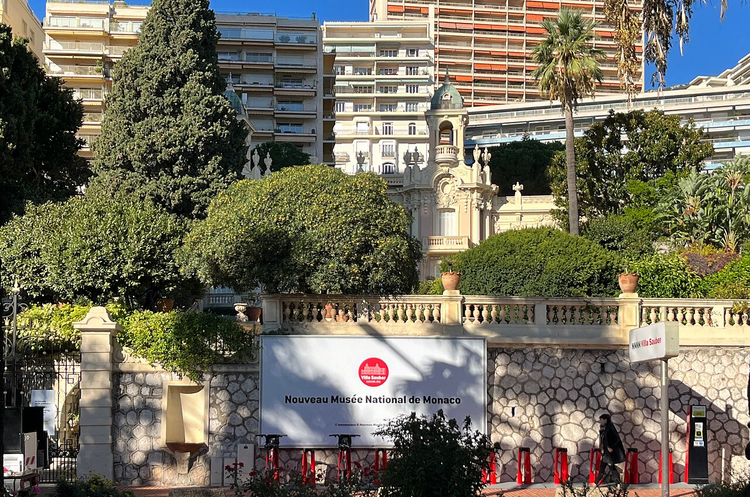
Villa Paloma was built in 1913 as a private home, and in 2008 a museum space opened there (according to the Monaco tourist office). Before that, the building survived the war, renovations and several changes of ownership. The villa's stained glass windows are considered among the most beautiful in Monaco.
The second villa is named after the artist Robert Sauber and became a national treasure in the last century. Around it lies a garden with roses, citrus trees and exotic plants. Stop by here if you want a quiet pause between busy viewpoints.
There is no permanent collection in the usual sense here, so check what is currently open before your trip.
- The catch: between exhibitions, some rooms are closed, and the schedule changes.
Japanese Garden
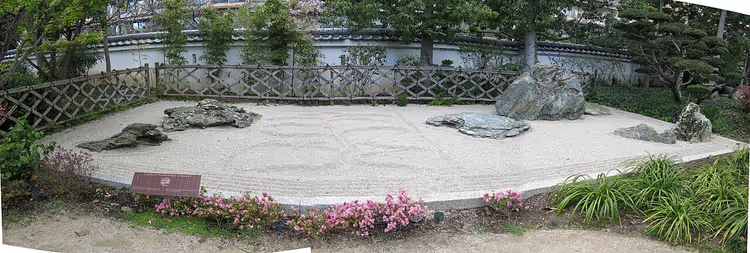
The Japanese Garden is tucked right into the middle of the built-up area, on the Mediterranean shore. The city around it is noisy, but inside there is silence and water. The garden was created at the wish of Prince Rainier III in memory of Princess Grace.
The project was carried out by Japanese landscape architect Yasuo Beppu. Work began in 1990, and today the garden looks much as the author intended (according to the tourist office website). It has everything a Japanese garden should have: stones, water and greenery.
A long path circles the lake and waterfall. You will pass stone lanterns, small bridges and the Tea House. The islands represent a turtle and a crane. Artificial mist maintains humidity, so the leaves here are brighter than usual.
The Japanese do not reshape nature to suit themselves but emphasize its features, and in Monaco this principle is visible in every detail. The composition is built on line, point and surface, so the garden reads as a single picture. Conifers and olive trees grow nearby, staying green all year round. The walk takes little time, but you will leave calmer than you came in.
- How to get there: the entrance is from Avenue Princess Grace, next to a bus stop.
- The catch: the garden is small, and you can walk around the whole thing in a few minutes.
Monte Carlo Casino
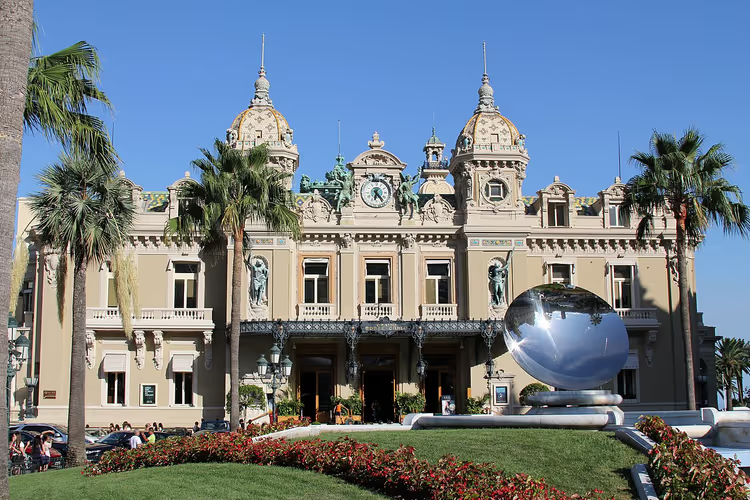 © Fruitpunchline · CC BY-SAPhoto: Fruitpunchline, CC BY-SA (https://creativecommons.org/licenses/by-sa/4.0), Wikimedia Commons
Monte Carlo Casino opened in 1863 and saved the princely House of Grimaldi from bankruptcy (according to the Monaco tourism office). It is the oldest gambling establishment in Europe. Today people play poker, roulette and slot machines here.
After a fire, only part of the premises survived, which now houses the lobby. The building was rebuilt, and the interiors were restored at the end of the last century. Photography is not allowed inside, but filming is permitted, so you will easily recognize the halls from famous movies.
You will only be admitted if you are 18 or older. Gaming starts in the afternoon, while in the morning people come for a tour. A curious fact: citizens of Monaco are forbidden to gamble here.
Restaurants, a club and a dance floor operate inside, so an evening easily stretches over several hours. Separate VIP zones are closed to ordinary visitors: only high-stakes play happens there.
- The catch: a ticket to the roulette and poker rooms is paid, so check the price on the official website before your visit.
Monte Carlo Opera
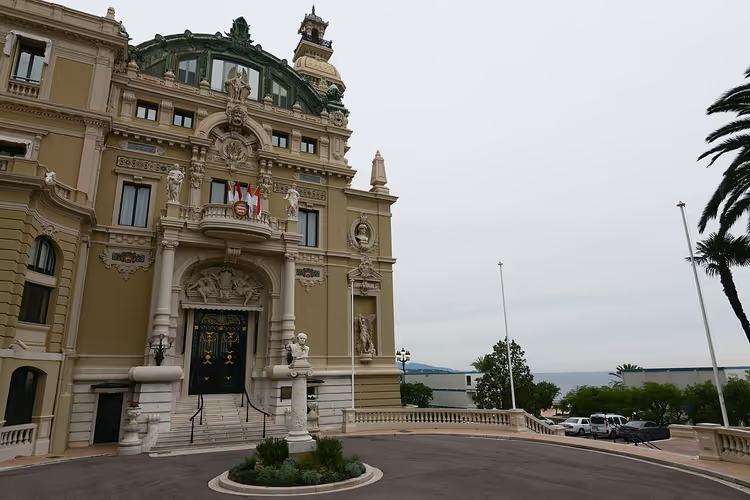 © Jorge Láscar from Australia · CC BYPhoto: Jorge Láscar from Australia, CC BY (https://creativecommons.org/licenses/by/2.0), Wikimedia Commons
The Monte-Carlo Opera is located in the same complex as the casino. The hall opened in 1879 and was named after the architect Charles Garnier (according to the city tourist office). The first performance the audience saw was one in which Sarah Bernhardt shone.
The stage was originally built for music. The facade resembles the Paris Grand Opera, and the lobby is clad in red marble. A separate entrance was made here for the monarch, while the public enters through the common one.
Over more than a century, dozens of premieres have taken place on this stage. Buying tickets for an evening performance is difficult, but during the day you can see the hall as part of a guided tour.
Church of Saint Devota
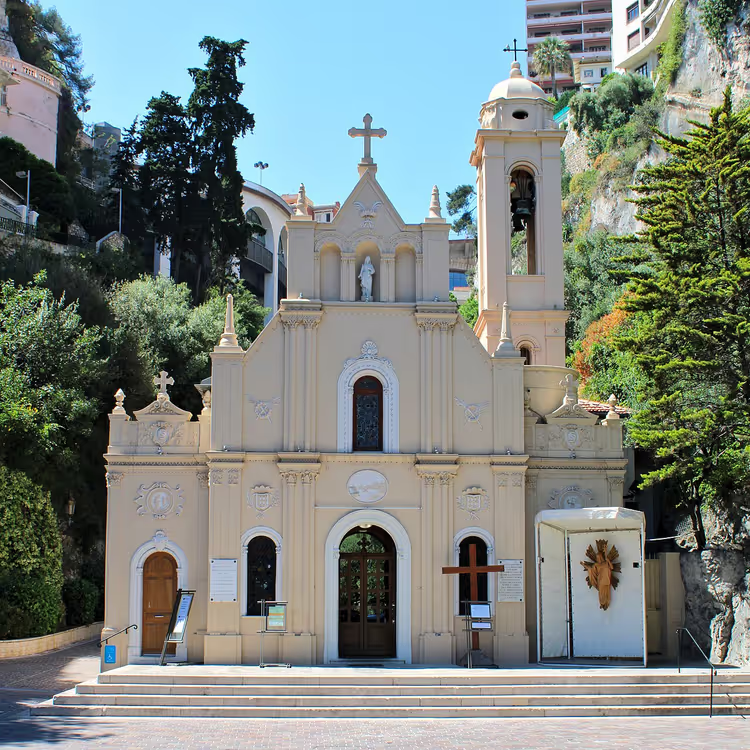 © Alexander Migl · CC BY-SAPhoto: Alexander Migl, CC BY-SA (https://creativecommons.org/licenses/by-sa/4.0), Wikimedia Commons
The Church of Saint Devota is considered the patron saint of Monaco. The first mention of the site dates back to the 11th century, when a simple chapel stood here. It was later expanded and rebuilt.
The facade acquired neo-Greek features, and the bell tower grew to 15 meters. The gates are decorated with a pattern of white and black stone, and monograms are visible on the porch. Inside are the relics of the saint, paintings, and sculptures, one of which may have been worked on by a student of Rodin (according to the tourist office).
According to legend, a boat carrying the martyr's body was driven ashore in Monaco by a storm, and local fishermen buried her here. Every year on January 27, boats are burned in honor of the saint. Step inside for a minute: the mosaics and altars are worth your attention.
Port Hercule
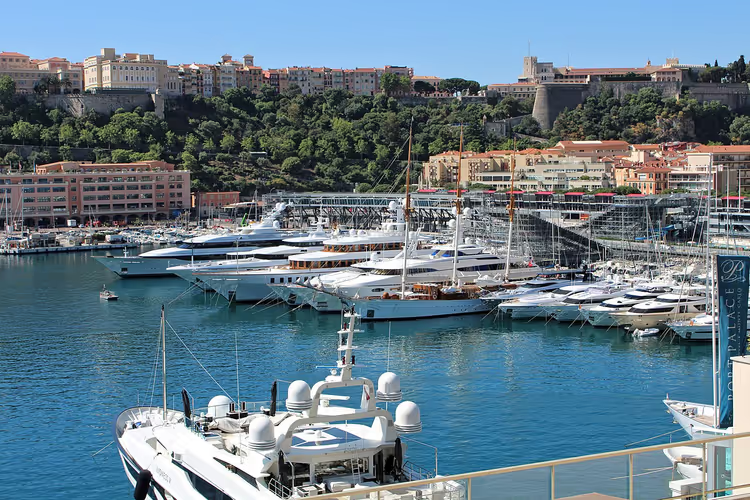 © Alexander Migl · CC BY-SAPhoto: Alexander Migl, CC BY-SA (https://creativecommons.org/licenses/by-sa/4.0), Wikimedia Commons
Port Hercule is a natural deep-water bay in the center of Monaco. Ships of the Greeks and Romans once stopped here. Strong easterly winds made things difficult for vessels, so in the last century piers, a breakwater, and a wave-deflecting wall were built.
Today even cruise liners enter the port, and yachts from around the world moor nearby. Walk along the waterfront in the evening: the lighting, the water, and the mountains on the horizon. Scenes from the James Bond epic were filmed here.
- The catch: parking near the port is expensive, so leave your car higher up the slope.
Fort Antoine
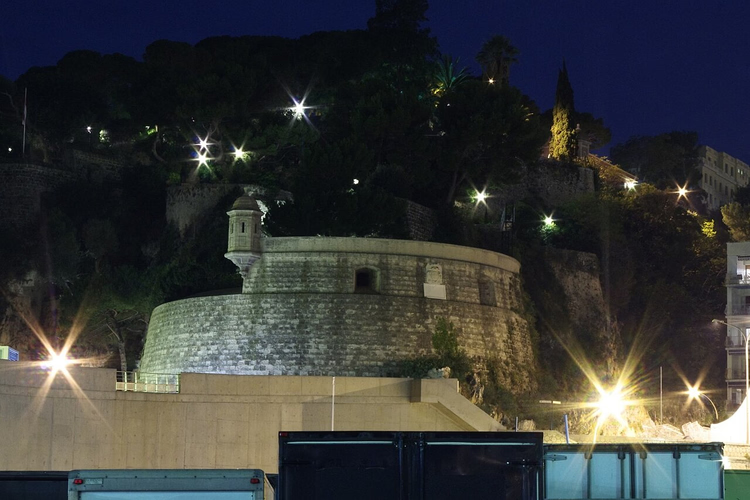
Fort Antoine was built in the 18th century and named after the prince who ordered its construction. It used to be a real fortress with a watchtower, ramparts, and thickets of thorny plants. The nearby rock served as a natural fortification.
 © MSzybalski · CC BY-SAPhoto: MSzybalski, CC BY-SA (https://creativecommons.org/licenses/by-sa/3.0), Wikimedia Commons
Today, only the cannons remain from its military past, firing salutes during holidays. Inside the fort there is an open-air theater, with the stage facing directly out to sea. In summer, musical shows are staged here and evening lighting is switched on.
You can only attend a performance with tickets, and concerts do not run every day.
- Who it's for: you want to combine a fortress and a sea view in one place.
Oceanographic Museum
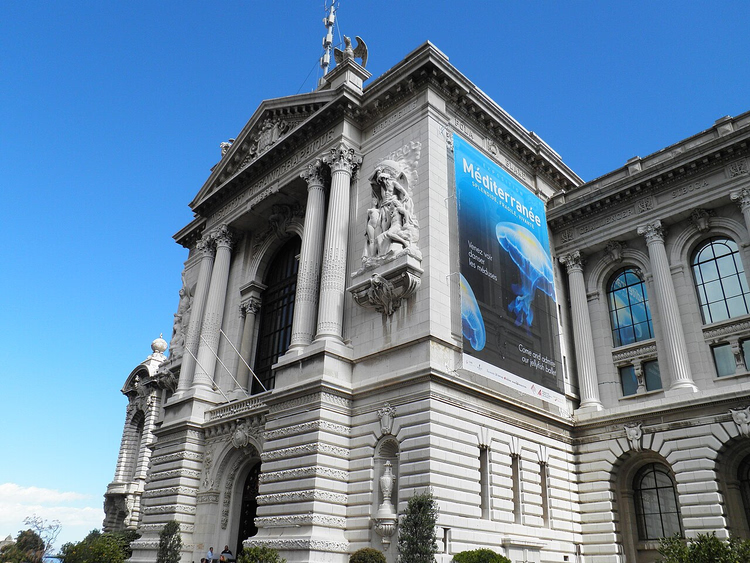
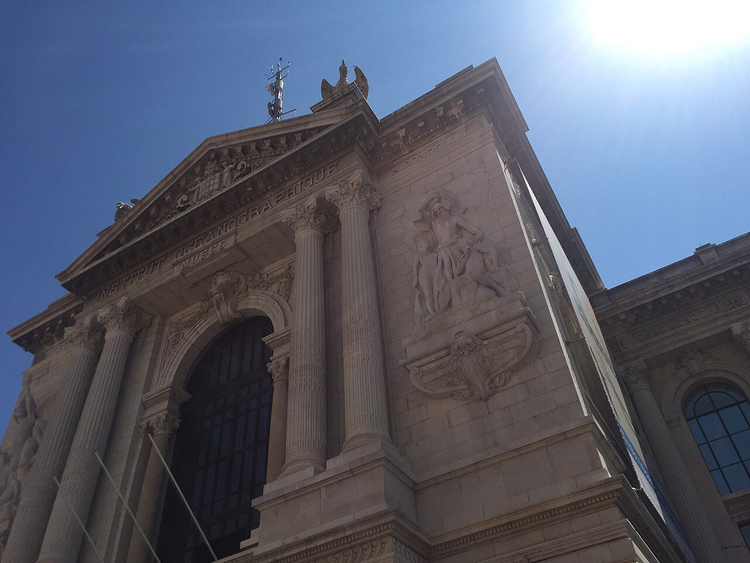
 © Berthold Werner · CC BY-SAPhoto: Berthold Werner, CC BY-SA (https://creativecommons.org/licenses/by-sa/3.0), Wikimedia Commons
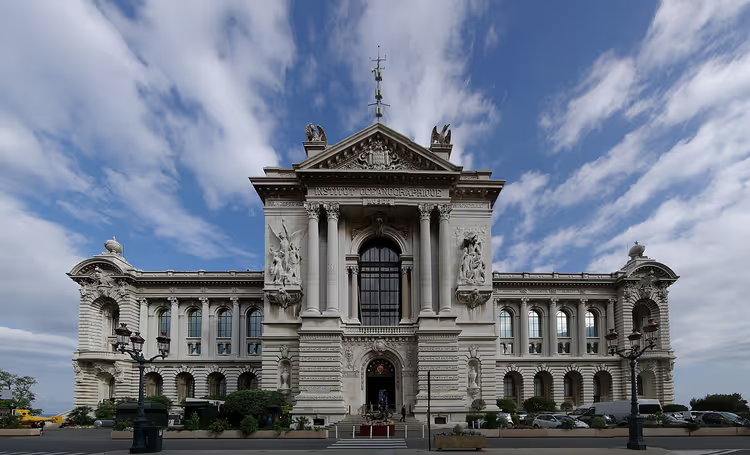
The Oceanographic Museum was founded by Prince Albert I in the early 20th century. The prince personally went on scientific expeditions and built the collection from all over the world. Today it houses more than six thousand exhibits (according to the official Monaco tourism portal).
Downstairs, large aquariums showcase inhabitants of tropical and Mediterranean waters. You'll see sharks, seahorses, and moray eels. Separate halls are dedicated to the prince's collections, and on the roof there's a restaurant with a sea view.
It's best to buy tickets in advance: in summer the entrance line gets very long. Tours and tickets for Monaco on GetYourGuide are a lifesaver if you want a half-day guide and a pre-booked entry time.
- The catch: on weekends the halls get noisy because of school groups.
Saint Martin Gardens
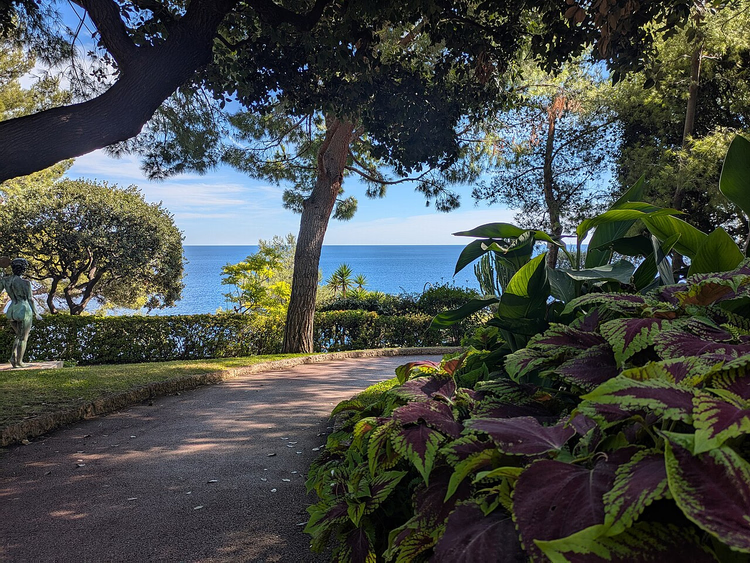
The Saint Martin Gardens opened in 1830 and have been a favorite spot for both tourists and locals ever since (according to the Monaco tourism office portal). The terraces sit right next to the Oceanographic Museum. From here you get perhaps the best elevated view of the port and the city.
It's cool here in the heat: lots of greenery and shade from the trees. You'll walk past cacti that are over a hundred years old and a monument to Albert I.
- How to get there: the gardens have entrances from the Oceanographic Museum side and from the old town. Admission is free.
Cathedral
 © Charles from Port Chester, New York · CC BYPhoto: Charles from Port Chester, New York, CC BY (https://creativecommons.org/licenses/by/2.0), Wikimedia Commons
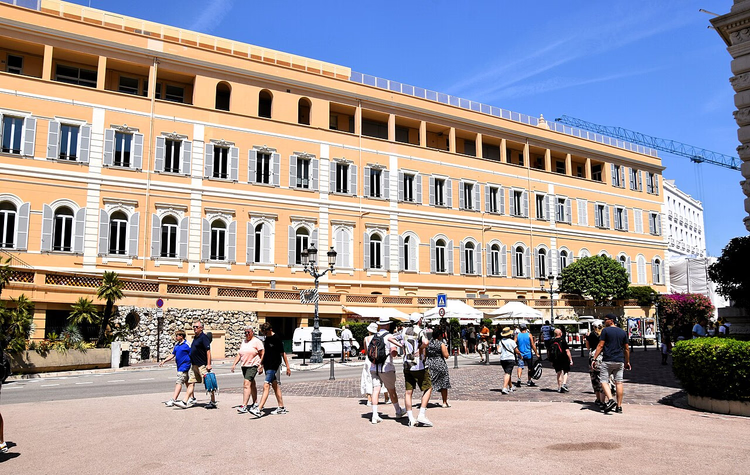
The Cathedral is the main Catholic church in Monaco and one of its top attractions. It was built in the late 19th century on the site of an older church. The material is unusual: limestone turns white when exposed to moisture, so in the rain the walls look snow-white.
The church is built in the neo-Romanesque style, combining elements of Gothic, Art Nouveau, and Renaissance. The four bells each have their own names, and biblical scenes are carved into the stone slabs. Members of the Grimaldi dynasty and Princess Grace are buried inside.
Admission is free, but it's best to cover your shoulders.
Port Fontvieille
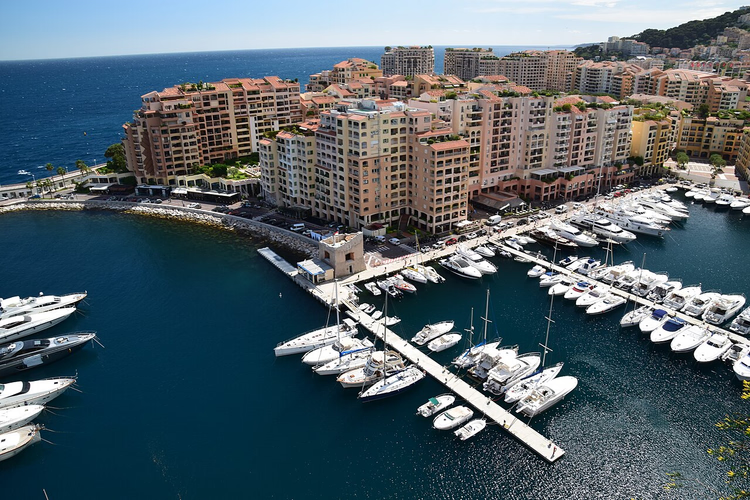 © Patrick F · CC BY-SAPhoto: Patrick F, CC BY-SA (https://creativecommons.org/licenses/by-sa/3.0), Wikimedia Commons
Fontvieille is a district built on reclaimed land where it's easy to spend a whole day. The climate is mild and there's plenty of greenery: palm trees, pines, oaks, and fruit trees. Birds are everywhere, and the waterfront is almost always empty in the morning.
The area is convenient for museums. The Vintage Car Museum is nearby, and the Naval Museum houses miniature models of famous ships. The local stadium hosts international matches, and from the heliport you can take to the air and see the city from above.
The flight is short, so there's no time to get motion sick. A landscape park with the Grace Kelly Rose Garden is right next door, so you don't have to interrupt your walk.
- Who it's for: you're traveling with kids and want to combine museums with a stroll by the water.
Prince's Palace
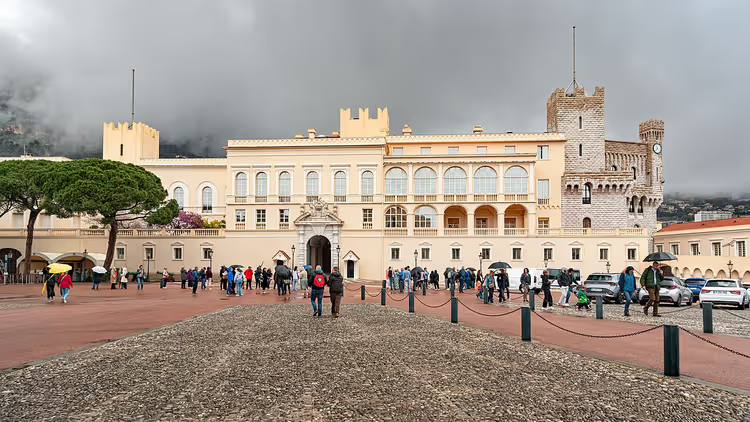 © Jorge Franganillo · CC BYPhoto: Jorge Franganillo, CC BY (https://creativecommons.org/licenses/by/4.0), Wikimedia Commons
The Prince's Palace stands at the top of the rock, and the Grimaldi family has lived here for seven centuries. It was once a fortress; now the residence looks truly ceremonial. When the monarch is in the palace, the princely flag is raised above the roof.
In summer, tourists are allowed inside. You'll see the state rooms, frescoes with mythological figures, and the Chapel of John the Baptist. The collection includes Napoleon's personal belongings and clothing. We checked the opening hours and tickets on 09/15/2026 on the palace website.
Come around noon: the changing of the guard takes place in the courtyard. Plan your visit in advance, as the rooms are closed during official ceremonies.
During the French Revolution, the palace was looted, some of the treasures disappeared, and a hospital was set up inside. Later, the exterior was restored based on documents and old engravings. Summer concerts in the courtyard have been held for decades, and they require a separate ticket.
- The catch: on reception days you can't get inside, so check the calendar on the official website.
Zoological Garden
 © Mister No · CC BYPhoto: Mister No, CC BY (https://creativecommons.org/licenses/by/3.0), Wikimedia Commons
The Zoological Garden was founded by Prince Rainier III in 1954 (according to the Monaco tourist office reference). Today it's home to hundreds of animals: birds, reptiles, primates, and even hippos. Many of the zoo's residents were gifts, while others arrived after being confiscated at customs.
The grounds are small, and you can feel it as you walk around. Rare animals are sometimes transferred to other zoos where they can receive the proper care. Facilities for visitors with disabilities are available.
- How to get there: the garden sits on a slope near the Prince's Palace, with the entrance on the old town side.
Museum of Stamps and Coins
 © David Jones from Isle of Wight, United Kingdom · CC BYPhoto: David Jones from Isle of Wight, United Kingdom, CC BY (https://creativecommons.org/licenses/by/2.0), Wikimedia Commons
The Museum of Stamps and Coins has been operating since the mid-1990s and is located in Fontvieille. It displays the principality's historic stamps and coins. Monaco issued its first own stamps in 1885, and coins appeared even earlier (according to the Monaco tourist service).
The collection is interesting not only to specialists. You'll see rare issues and entire series dedicated to events and notable figures. Major exhibitions draw philatelists from around the world, and the museum shop sells stamps, coins, and books.
The visit is short, so the museum is easy to fit in between walks around Fontvieille.
- The catch: the rooms are small, and the visit takes less than an hour.
Museum of Vintage Cars
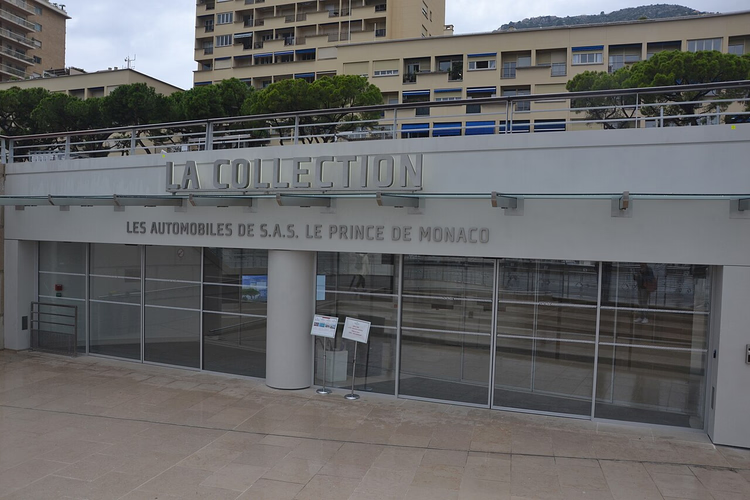 © Gael13011 · CC BYPhoto: Gael13011, CC BY (https://creativecommons.org/licenses/by/3.0), Wikimedia Commons
The Museum of Vintage Cars grew out of Prince Rainier III's private passion. The collection became so large that a dedicated museum was opened for it in 1993 (according to the palace website). Albert II sold part of the collection and used the proceeds to buy even rarer specimens.
Classic and sports models are on display here, including Rolls-Royce. You'll even see a 19th-century carriage and the car that carried the newlyweds. The oldest exhibit is over a hundred years old, which is why its fenders are held by special straps.
Nearby, plaques list the owners' names: many of the cars were donated to the museum by Monaco residents.
- Who it's for: you love machinery and want to escape the heat in cool halls.
Princess grace rose garden
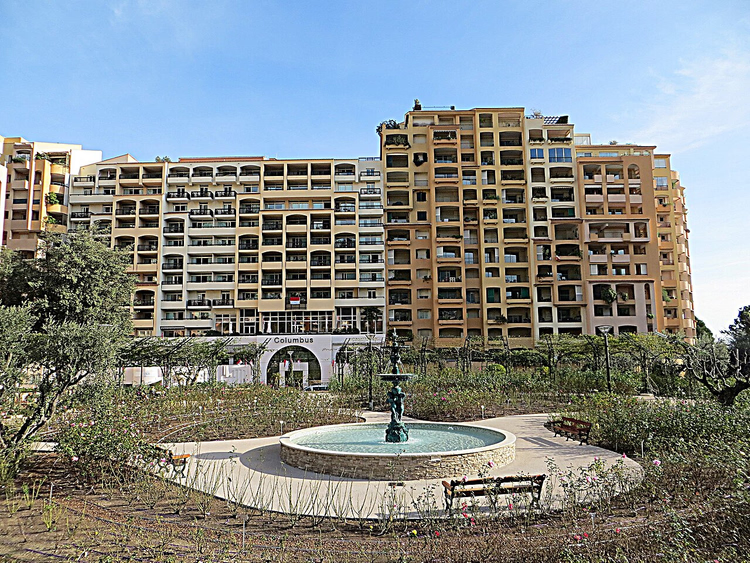 © Mister No · CC BYPhoto: Mister No, CC BY (https://creativecommons.org/licenses/by/3.0), Wikimedia Commons
The Rose Garden was established in 1984 in memory of Princess Grace (according to the Monaco tourist board). Today, thousands of bushes and around 150 varieties of roses grow here. In summer, the air smells of flowers, and butterflies circle above the beds.
The garden is laid out in the shape of a flower with nine petals. A statue of the princess stands at the center. Olive and yew trees provide the backdrop, so there's shade here even in August.
- The catch: the garden has no entrance of its own; you enter it from Fontvieille Park.
Stade Louis II
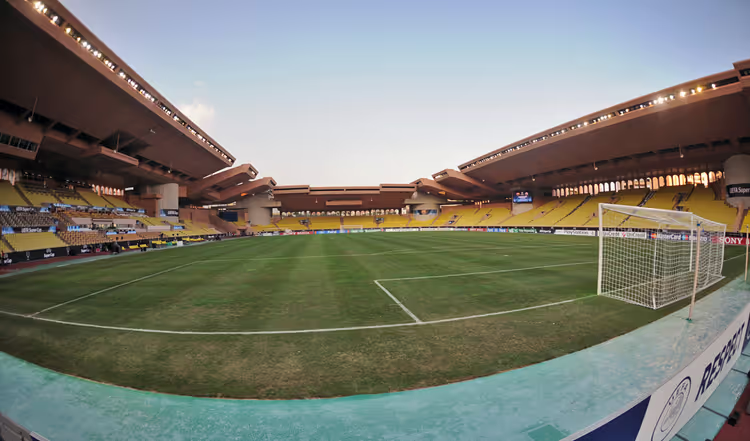 © Валерий Дед · CC BYPhoto: Валерий Дед, CC BY (https://creativecommons.org/licenses/by/3.0), Wikimedia Commons
Stade Louis II opened in 1985 on the site of an older stadium with the same name (according to the official Monaco tourism office website). It has hosted UEFA Super Cup matches and rugby tournaments. The stands are built into the slope, so the arena doesn't look massive.
If there's no match on, there's not much to see at the stadium: it's a working sports venue. Stop by only if you're here for a game or an infrastructure tour.
- The catch: on match days the surrounding area is closed off, and buses take detours.
Exotic Garden
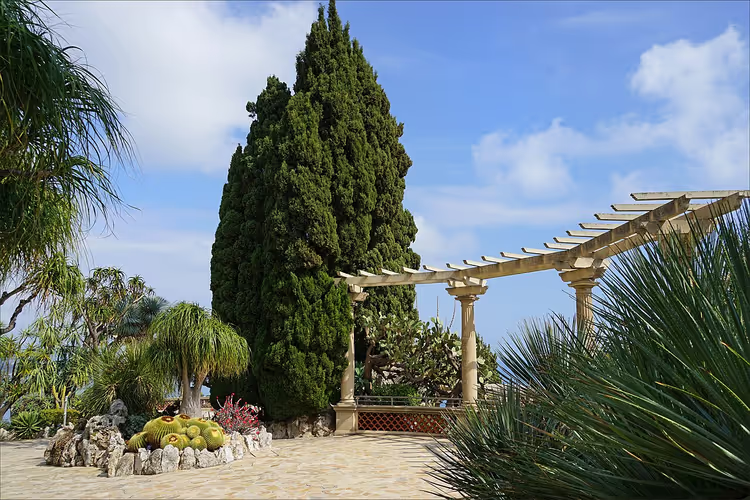 © Jean-Pierre Dalbéra from Paris, France · CC BYPhoto: Jean-Pierre Dalbéra from Paris, France, CC BY (https://creativecommons.org/licenses/by/2.0), Wikimedia Commons
The Exotic Garden opened in 1933, and it's noticeably larger than Monaco's other green spaces (according to the Monaco tourist center). Its main pride is cacti and succulents: some species bloom in any month of the year.
The garden sits on a slope, so it offers a wide view of the city and the sea. An astronomical observatory used to operate on this site. Today visitors descend into the Observatory Cave with its stalactites and stalagmites, where traces of ancient settlements were found.
Many of the plants are well over half a century old, so there's plenty to see.
- The catch: the climb up to the garden is steep, and after rain the steps get slippery.
Princess Antoinette Park
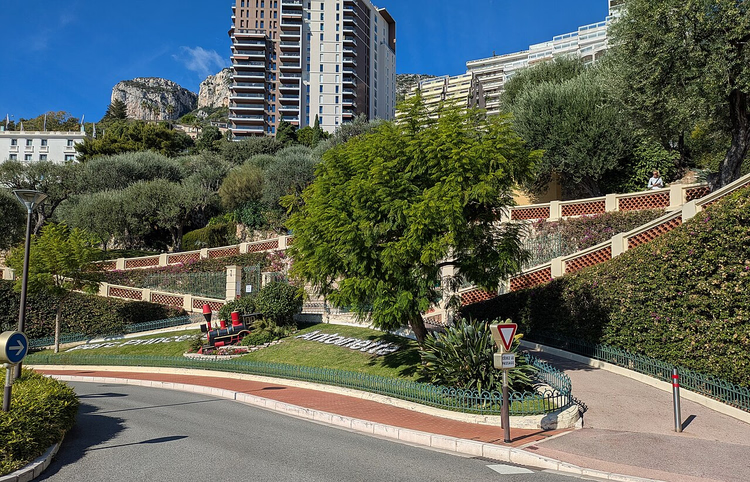
Princess Antoinette Park is designed for families with children. Olive trees and flowers grow here, and it's easy to breathe in the heat. You'll find playgrounds, swings, sandboxes, and a small golf course.
A mini farm operates for kids. Children learn about the fruits and vegetables grown in Monaco and how olive oil is made. If you want to celebrate a birthday while on vacation, the park has a cafe.
The park is small, but in the evening it's quiet here and there are almost no tour groups.
- Who it's for: you're traveling with children and want to end the day on a calm note.
Monaco in one day: how to fit everything in
On foot, Monaco can be crossed entirely, but the climbs take a toll. We put together an order that takes you from the sea west toward the old town. In the evening you return to the casino and Port Hercule.
Part of the day | Main stop | Tickets in advance | On foot (per map) |
|---|---|---|---|
Morning | Larvotto Beach and the Japanese Garden | no | 1.5 km |
Midday | Oceanographic Museum and Saint Martin Gardens | yes | 1 km |
After lunch | Prince's Palace and the Cathedral | yes, in summer | 1.2 km |
Evening | Monte Carlo Casino and Port Hercule | dress code required | 2 km |
Distances are based on the map and are approximate. Between districts it's convenient to take the bus, and long descents can be done using the elevators built into the rock.
If you're coming from Nice for one day, take the train: it runs along the coast and avoids traffic jams. Booking a transfer from Nice Airport to Monte Carlo in advance is worth it if you're traveling with suitcases.
Route around Monaco
Places on the map
- 1Larvotto Beach The main city beach, jellyfish nets, between Port Hercules and the headland
- 2New National Museum of Monaco Villa Paloma and Villa Sauber, the principality's heritage and contemporary art
- 3Japanese Garden Created at the wish of Rainier III in memory of Princess Grace
- 4Monte-Carlo Casino Europe's oldest gambling house, opened in 1863
- 5Monte-Carlo Opera A 1879 hall, named after architect Charles Garnier
- 6Church of Sainte-Dévote Patroness of Monaco, first mentioned in the 11th century
- 7Port Hercules A deep-water bay, yachts from around the world
- 8Fort Antoine An 18th-century fort, today an open-air theatre
- 9Oceanographic Museum Founded by Prince Albert I, over six thousand exhibits
- 10Saint Martin Gardens Terraces from 1830, the best view of the port and the city
- 11Monaco Cathedral Monaco's main Catholic church, burial place of the Grimaldis
- 12Port de Fontvieille A district on reclaimed land, museums and a stadium nearby
- 13Prince's Palace Residence of the Grimaldis for seven centuries, changing of the guard at noon
- 14Monaco Zoo Founded by Rainier III in 1954, hundreds of animals
- 15Museum of Stamps and Coins Historic stamps and coins of the principality since 1885
- 16Collection of Vintage Cars Collection of Prince Rainier III, opened in 1993
- 17Princess Grace Rose Garden Laid out in 1984, about 150 varieties of roses
- 18Stade Louis II Opened in 1985, UEFA Super Cup matches
- 19Exotic Garden Opened in 1933, cacti and succulents, caves below
- 20Princess Antoinette Park For families with children, a mini-farm and playgrounds
The map above shows the order of stops we described in the text. Use it as a reference if you want to walk the route in reverse or cut the evening part short.
Tours and tickets in Monaco
Guided tours, skip-the-line tickets and activities — most offers can be cancelled free of charge.
See offers on GetYourGuideThe widget loads once you give your consent.
⁉️🤔 Frequently asked questions
How much does it cost to see Monaco in one day?
Most sights are free: the beach, the port, the gardens, and the old town cost nothing. You pay for museums, the Exotic Garden, and entry to the gaming rooms. Set aside a buffer for tickets and check exact prices on official websites before your trip, because prices change every season.
How to get from Nice to Monaco?
Trains run between the cities along the coast, and the trip is short and cheap. The train is more convenient than the bus: in summer the coastal highway gets stuck in traffic. From Nice Airport to Monte Carlo, the fastest way is by transfer or helicopter, but book your ticket in advance.
What should I wear to visit the Monte Carlo Casino?
The dress code here is strictly enforced: men need a jacket, and shorts and beach footwear won't work. Check the age limit and rules for individual rooms on the casino's official website before your evening visit. You don't need to bring a change of shoes, a closed-toe pair is enough.
Can you walk around Monaco in one day?
Yes, the distances between the main sights are small, and you can easily cover them on foot. The only obstacle is the terrain: the city rises in terraces, and there are a lot of stairs. Wear comfortable shoes, and you can take the bus for one stretch between districts.
What should you do if you only have half a day?
Pick one route: the old town with the Prince's Palace and the cathedral, or Monte Carlo with the casino and the opera. The Oceanographic Museum takes up half a day, so save it for your next visit. That way you'll see the highlights without rushing or extra climbs.
In short: what's worth booking
Monaco can be done in a day if you start at the sea and head west toward the old town. Leave the morning for Larvotto Beach and the Japanese Garden. In the afternoon, head up to the Oceanographic Museum and the old town, and give the evening to the casino and the port. Buy museum tickets and transfers in advance, as they sell out quickly in season.
If you have one day, start with finding a hotel in Monaco on Trip.com near the port: in the morning you'll step right out onto the waterfront.
And book city tours and a transfer from Nice in advance so you don't waste time on the spot.

A small editorial team writing guides for independent travel. We travel ourselves, but we haven’t been everywhere, so we check prices, opening hours and how to get there against official sources.