
















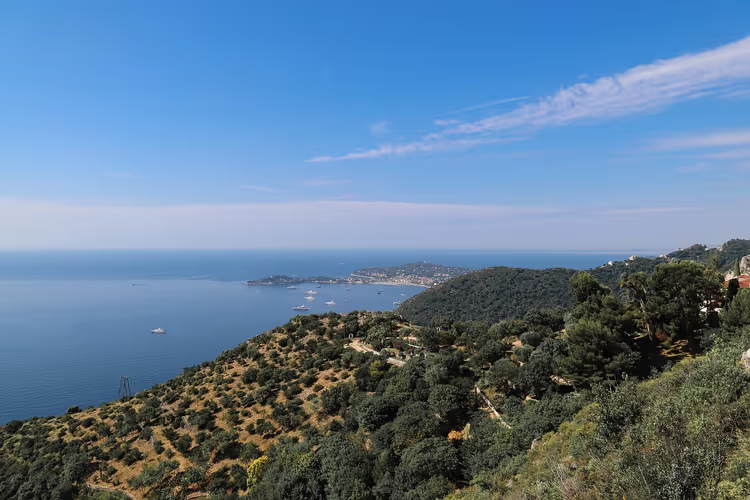
Monaco attractions: 11 places with prices and opening hours
Monaco fits between Nice and Menton on a narrow strip of the French Riviera. In one day you can see the casino, the Prince's Palace, and the old town on the rock. All that's left is to figure out what's open by season and how much tickets cost.
The main attractions in Monaco are concentrated in four districts: Monte-Carlo, Monaco-Ville, La Condamine, and Fontvieille. You move between them on foot via staircases and elevators or on local buses. Check seasonality separately: the Prince's Palace only welcomes visitors from late March through October (as of 09/2026, palace calendar). Below are all the places with photos, opening hours, and prices that we verified on official websites.
Ad: this article contains affiliate links, we earn a commission if you book through them, at no extra cost to you.
Monaco in one day: plan and logistics
💡 In short:
- The principality is small: you can cover all the places on the list in a day, and moving between districts takes 10 to 25 minutes on the map.
- Buy museum and palace tickets online: in summer the ticket office and entrance line move more slowly.
- Prices and opening hours: 09/2026, verified on the official Prince's Palace website.
Place | What to see | Entry |
|---|---|---|
Monte-Carlo Casino | hall interiors and the square | free in the morning |
Monte-Carlo Opera House | facade and small hall | performance only |
Port Hercule | yachts, the Prince's yacht, and the waterfront | free |
Prince's Palace of Monaco | state rooms of the dynasty | ticketed |
Monaco-Ville old town | La Roche, gardens, and walls | free |
La Condamine | waterfront, shops, park | free |
Prince Rainier III Car Collection | collection of cars and carriages | ticketed |
Oceanographic Museum of Monaco | aquariums, turtles, exhibitions | ticketed |
Fontvieille | new district and Route des Sculptures | free |
Saint Nicholas Cathedral | Grimaldi burial place | free |
Japanese Garden in Monte-Carlo | pond, pines, meditation | free |
Monaco sits on a steep slope, so distances on the map are deceptive here. From Monaco-Ville to La Condamine you go down via staircases, and back up you take an elevator or a bus. Plan your day top to bottom: palace and cathedral in the morning, museums and the port in the afternoon, casino and waterfront in the evening.
If you're here for one day, allow an hour for each major stop and don't try to cover everything at once. That way the route stays relaxed rather than a sprint. Below we'll go through each place in order.
1. Monte-Carlo Casino
 © Fruitpunchline · CC BY-SAPhoto: Fruitpunchline, CC BY-SA (https://creativecommons.org/licenses/by-sa/4.0), Wikimedia Commons
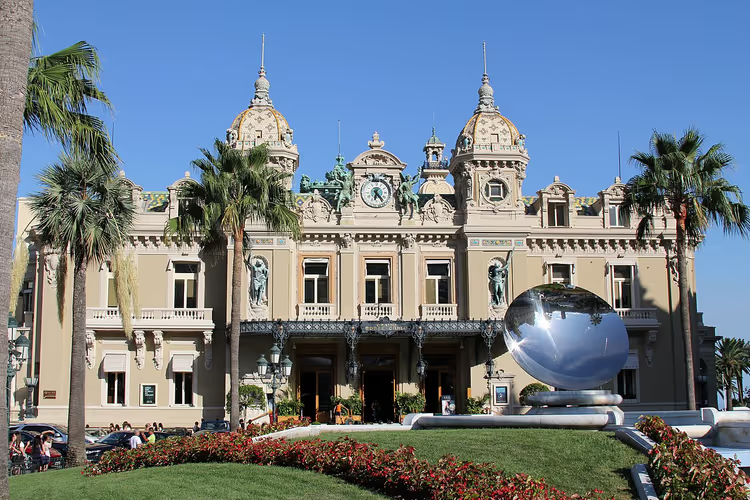
The current casino building was constructed in 1878 to a design by Charles Garnier, the architect of the Paris Opera. The client was François Blanc, and the interiors were finished in record time (as of 09/2026, official website). Today it's the principality's main architectural symbol: gilded facades, crystal, mahogany, and marble.
On the square in front of the entrance you'll see an unusually shaped fountain and a parking area with expensive cars. Inside, the halls are decorated with frescoes, columns, and handmade Persian carpets. In the evening the lighting comes on, and the facade looks completely different from how it does during the day.
- How to get there: from Monaco-Monte-Carlo station to the casino is about a kilometer, a 12-15 minute walk on the map, but uphill.
- Cost: the square and lobby are open freely; the gaming rooms have paid entry and a dress code, with rates depending on the time (rates and conditions).
- Who it's for / Not for: for those who want to see the interiors and atmosphere; not for those looking for inexpensive leisure.
- The catch: photography is not allowed inside the gaming rooms.
A guided tour of Monte-Carlo is convenient to book in advance: Monte-Carlo tours on GetYourGuide.
2. Monte-Carlo Opera House
 © Diego Delso · CC BY-SAPhoto: Diego Delso, CC BY-SA (https://creativecommons.org/licenses/by-sa/4.0), Wikimedia Commons
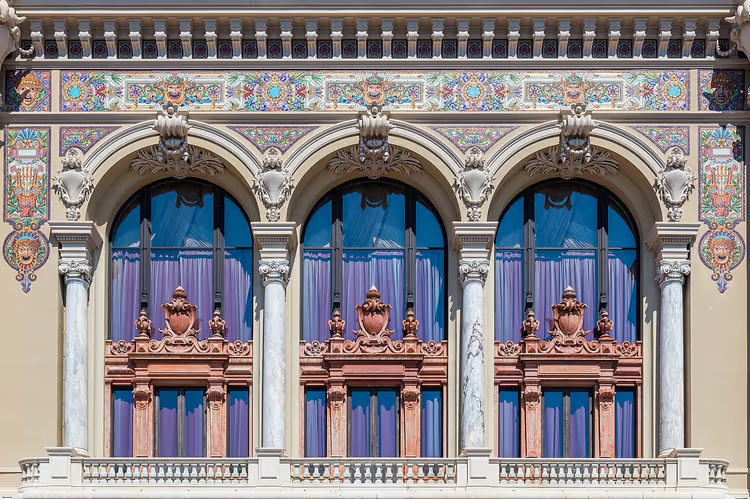
The opera house appeared next to the casino, also designed by Charles Garnier. Prince Charles III wanted to give aristocratic audiences a European stage, so the building was placed on the Mediterranean shore. The facade combines bas-reliefs, sculptures, and paintings, and it remains one of the most ornate buildings in the principality.
The main entrance and part of the base are finished in white marble, and the doors are decorated with gilded coats of arms. The small hall hosted Feodor Chaliapin and Galina Vishnevskaya, and Anna Pavlova and Vaslav Nijinsky danced here. Today operas and ballets are still performed on this stage, so in the evening you can combine sightseeing with a performance.
- Getting there: the theater stands right behind the casino, a couple of minutes on foot across the square.
- Cost: you can't go inside during the day; tickets are sold only for performances, and prices depend on the production and seat.
- The catch: without a performance ticket you can't see the hall, but the facade and square are accessible at any time.
3. Port Hercules in Monaco
 © Alexander Migl · CC BY-SAPhoto: Alexander Migl, CC BY-SA (https://creativecommons.org/licenses/by-sa/4.0), Wikimedia Commons
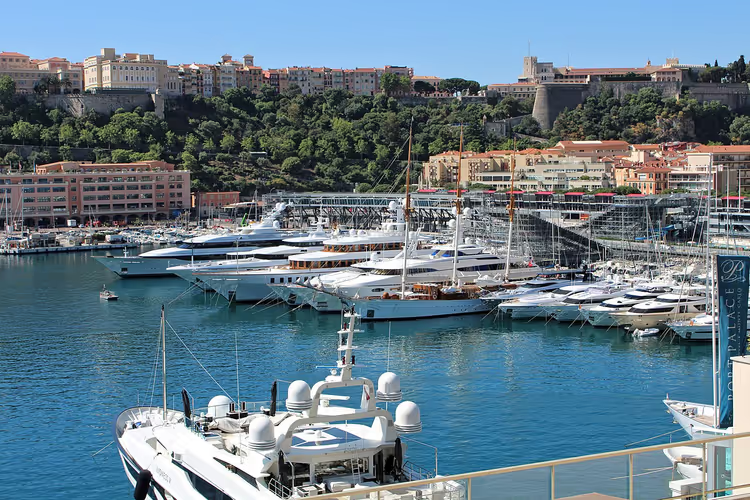
Port Hercules serves as the principality's main harbor. Prince Albert I ordered a yacht mooring area to be built here in the early 20th century because vessel owners couldn't find docking space. The bay was enclosed on both sides with stone breakwaters, making it calm even in windy weather.
Today dozens of private boats and white yachts line the berths, including the Prince of Monaco's vessel. Along the port you can walk or cycle on a wide promenade, and cool air rises from the water on hot days. From here you get the best view of the Rock of Monaco-Ville.
- Getting there: the port lies at the foot of the old town; from Monaco-Ville you can descend to it by elevator or stairs.
- Cost: walking along the promenade is free; you only pay for cafes and parking.
- Who it's for / Not for: for those who love sea views and leisurely walks; not for those who came for a beach, because there is no beach at the port.
- The catch: in summer the promenade is noisy with traffic and crowds.
4. Prince's Palace of Monaco
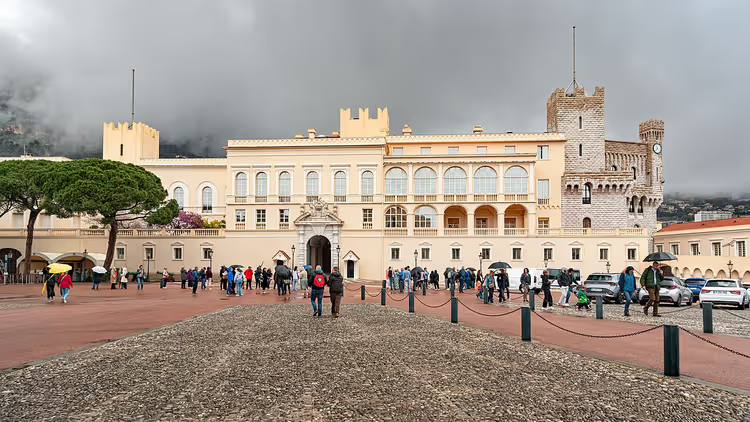 © Jorge Franganillo · CC BYPhoto: Jorge Franganillo, CC BY (https://creativecommons.org/licenses/by/4.0), Wikimedia Commons
The Prince's Palace has served as the residence of the Grimaldi dynasty since the 13th century and stands in the most protected part of the country. Rulers expanded and fortified it over the centuries, so the building reflects every era through its history. Today it is the main attraction of Monaco-Ville.
The palace is open to visitors from March 30 to October 15, 2026. In March-June and September-October you can enter from 10:00 to 18:00; in July and August it stays open until 19:00 (as of 09/2026, visiting schedule). On Grand Prix weekends tours are canceled, so keep that in mind when planning.
- Getting there: the palace stands on Place du Palais in Monaco-Ville, reached by a climb from the port.
- Opening hours: 10:00-18:00, until 19:00 in summer; closed from mid-October to late March (as of 09/2026, tickets and hours).
- Cost: an adult ticket costs in the average double-digit euro range; a combined ticket with the car collection is cheaper than two separate tickets (tickets online).
- Who it's for / Not for: for those interested in the history of the dynasty; not for those looking for entertainment.
- The catch: in summer the square is hot and crowded at midday.
It's more convenient to buy a timed ticket in advance: Prince's Palace tickets.
5. Old Town of Monaco-Ville
The old town stands on the Rock of La Roche at Cape Saint-Antoine, and locals simply call it the Rock. The medieval atmosphere here has survived almost untouched: you walk past terraced gardens, fortress walls, and a cathedral in an unusual style.
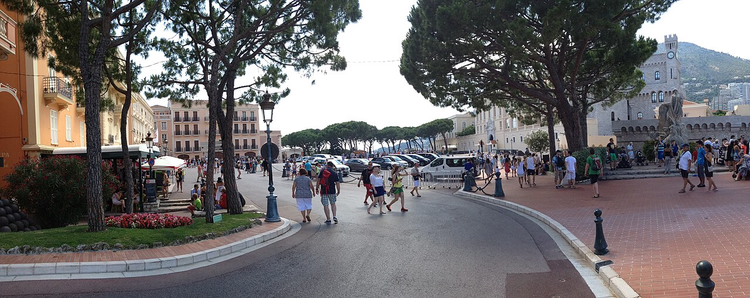 © mphb45 · CC BYPhoto: mphb45, CC BY (https://creativecommons.org/licenses/by/3.0), Wikimedia Commons
Next to the ancient walls stands the Oceanographic Museum. There are also cafes and souvenir shops here, so you can stretch the walk over half a day.
- Getting there: an elevator, escalator, and stairs lead from the port up to the rock; the elevator is the easiest way up.
- Cost: walking the streets is free; you pay separately only for museum entry.
- Who it's for / Not for: for those who want to see the historic part of Monaco; not for those who find climbs difficult.
6. La Condamine and the business district
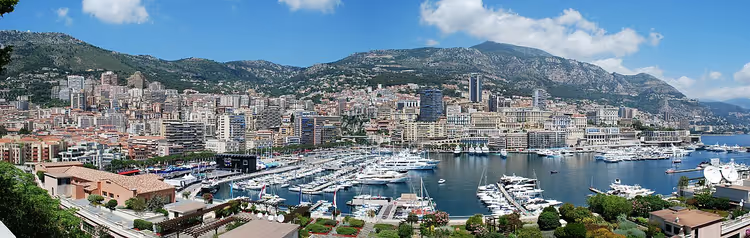
La Condamine grew up around the main port on the Ligurian Sea coast, which is part of the Mediterranean. Today it is the principality's business center: office buildings, corporate headquarters, and several hundred shops are concentrated here. The district is best viewed from the Rock of La Roche.
The name translates from French as land suitable for farming: in the Middle Ages, farmers settled here. Nearby is the cozy Parc Princesse Antoinette on Boulevard du Jardin Exotique, a popular spot for families.
In the evening, take a stroll along Rue Grimaldi, Rue Millo, and Rue Terrazzani, as well as the pedestrian zone on Rue Princesse Caroline. You'll find boutiques, bars, and restaurants for every taste, and in late June the municipality hosts a picnic open to everyone. If you enjoy shopping, allow extra time for La Condamine.
- Getting there: the district is adjacent to the port; from the casino you can walk down the stairs or take a bus.
- Cost: the walk and the park are free.
- Who it's for / Not for: for those who want to combine a walk with shopping; not for those seeking quiet in the evening.
7. Prince Rainier III car collection
 © charles.jacques · CC BY-SAPhoto: charles.jacques, CC BY-SA (https://creativecommons.org/licenses/by-sa/2.0/), Flickr
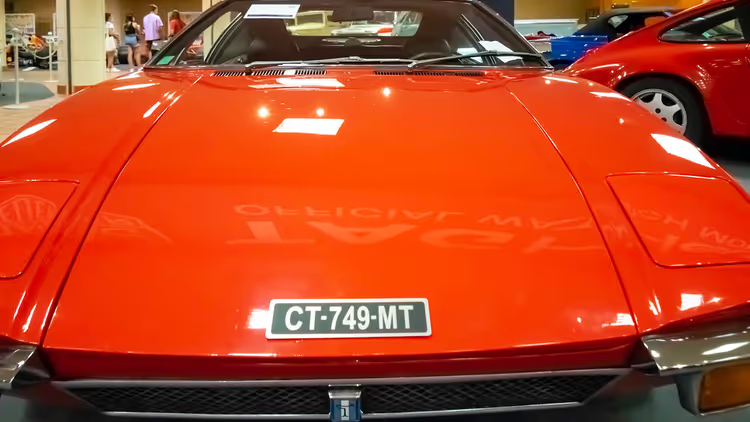
Prince Rainier III assembled the collection of vintage cars and opened it to the public in 1993. In July 2022, the exhibition moved to a new hall in Port Hercule, next to the Rainier III Nautical Stadium (as of 09/2026, collection website). Today it houses around a hundred cars, from early models of the last century to modern race cars.
Among the exhibits are Aston Martin, Lincoln, Packard, Mercedes, and Jaguar, as well as carriages of the princely family. In a separate hall you'll see race cars, gloves of legendary drivers, and Formula 1 posters. An hour is plenty for a relaxed visit, though car enthusiasts may want more.
- Address: 54 Route de la Piscine, Port Hercule.
- Hours: the exhibition is open daily; check exact hours on the official collection website (as of 09/2026, collection page).
- Cost: a combined ticket with the Oceanographic Museum for an adult starts at €33 and is valid for one day (as of 09/2026, combined tickets).
- The catch: it's a single hall, so you won't be able to spend half a day here.
8. Oceanographic Museum of Monaco
 © Berthold Werner · CC BY-SAPhoto: Berthold Werner, CC BY-SA (https://creativecommons.org/licenses/by-sa/3.0), Wikimedia Commons
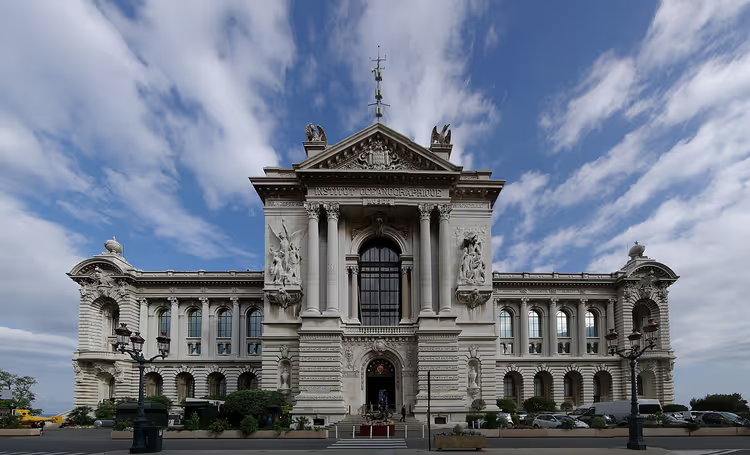
The Oceanographic Museum is built on a sheer cliff above the sea and resembles an ancient Greek temple from the outside. It was founded in the late 19th century, and the famous explorer Jacques-Yves Cousteau later served as its director. The Mediterranean aquarium is currently closed for renovation; the other halls remain open (as of 09/2026, museum website).
In the open halls you'll see a tropical aquarium, turtles, and exhibitions about the ocean. Part of the exhibition is dedicated to the expeditions of Cousteau and his team, and the upper floors display equipment from those voyages. Children usually find this the most engaging part, so it's worth scheduling the museum for the middle of the day.
- Hours: daily, except December 25 and Grand Prix weekends; last entry is half an hour before closing (as of 09/2026, practical information).
- Cost: a combined ticket with the car collection for an adult starts at €33; a separate ticket is cheaper (as of 09/2026, museum tickets).
- Who it's for / Not for: for families with children and sea lovers; not for those who came only for the large aquarium, because it's closed.
- The catch: without the Mediterranean aquarium, the visit is shorter.
It's more convenient to buy tickets online: Oceanographic Museum tickets.
9. Fontvieille: the new district on the sea
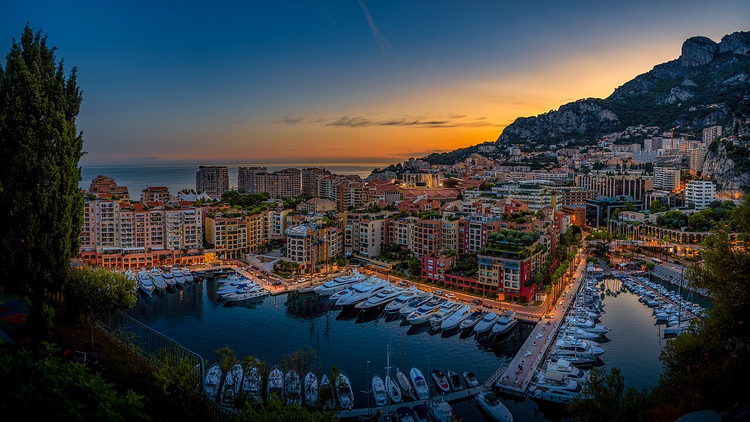
Fontvieille was built on land reclaimed from the sea in the second half of the 20th century. Prince Rainier III originally envisioned an industrial center here, but the district turned out calm and green, more like a quiet waterfront town. Today it is the youngest part of Monaco.
The heart of the district is its commercial center. Nearby runs the Route des Sculptures with more than a hundred works by contemporary artists, and right next to it lies the Roseraie Princesse Grace. From the local Heli Air Monaco heliport you can reach France in just a few minutes.
- How to get there: from the port, pedestrian paths and a bus lead to Fontvieille; it's a short ride.
- Cost: the waterfront, the park, and the Route des Sculptures are free.
- Who it's for / Not for: for those who want to see modern Monaco; not for those who came only for history.
10. Saint Nicholas Cathedral
 © Charles from Port Chester, New York · CC BYPhoto: Charles from Port Chester, New York, CC BY (https://creativecommons.org/licenses/by/2.0), Wikimedia Commons
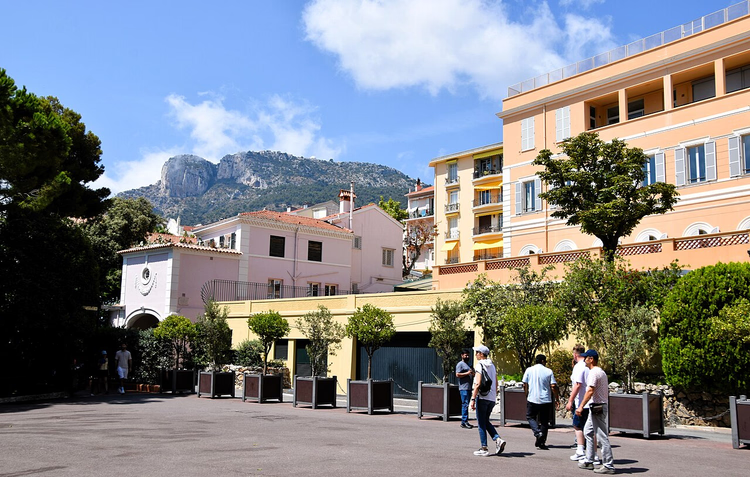
Saint Nicholas Cathedral was built in the late 19th century from white stone in the neo-Romanesque style. Prince Rainier III and actress Grace Kelly are buried here, which has made the cathedral a place of pilgrimage (as of 09/2026, Monaco tourist office). The main service is held on November 19, National Day.
Inside you'll see a large organ, altarpieces by the artist Brea Louis, the Baptism chapel, and a baptismal font. Part of the interior is made of Carrara marble, and each painting has a plaque with a description and the artist's name. Silence is carefully preserved here, so it's best to save conversations for after you leave.
- Address: 4 Rue Colonel Bellando de Castro, Monaco-Ville.
- Cost: admission is free for everyone (as of 09/2026, visitmonaco.com).
- Who it's for / Not for: for those interested in history and architecture; not for those looking for entertainment.
- The catch: during services, tourists are asked not to disturb worshippers and not to use flash photography.
11. Japanese garden in Monte Carlo
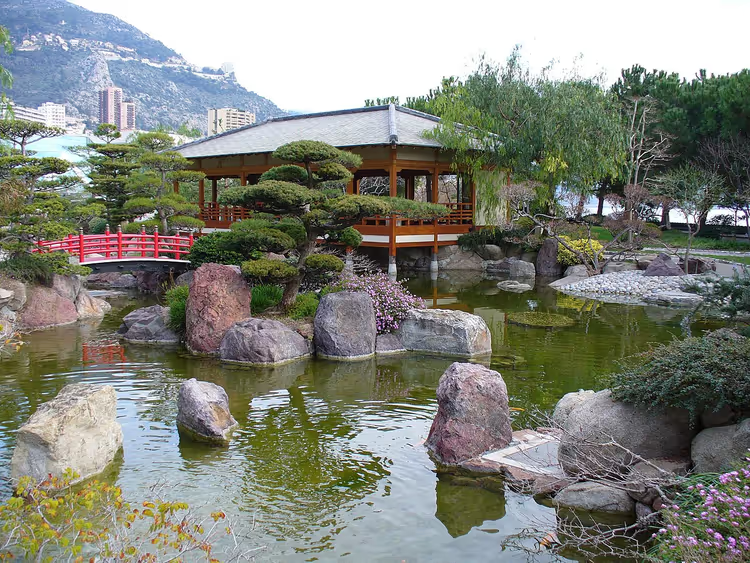
The Japanese Garden on Avenue Princesse Grace was designed by Japanese landscape designer Yasuo Beppu and opened in 1994 (as of 09/2026, regional tourism portal). Prince Rainier III chose this site in memory of Princess Grace, who dreamed of such a corner. The garden covers about 7,000 square meters.
A dense row of pines around the perimeter protects the plants from the hot sun, so there is always shade in the garden. It features ponds, streams, stone compositions, and quiet corners for meditation, where people come with a book or a yoga mat. Yasuo Beppu brought some of the flora from Japanese nurseries, and the stones for the ponds took weeks to find.
- Hours: the garden is open year-round, until evening in spring and summer, and closes earlier in winter (as of 09/2026, Monaco city guide).
- Cost: admission is free for everyone (as of 09/2026, garden guide).
- Who it's for / Not for: for those who want a break from the crowds; not for those expecting large parks with attractions.
- The catch: the garden is small; half an hour is enough to see it.
Tours and tickets in Monaco
Guided tours, skip-the-line tickets and activities — most offers can be cancelled free of charge.
See offers on TiqetsThe widget loads once you give your consent.
Monaco attractions on the map
All the places on this list are easy to view on the map below: it helps you plan your route and understand which spots are close to each other. Mark the palace, the port, and the casino so you don't zigzag up and down the slope and waste energy on unnecessary climbs.
⁉️🤔 Frequently asked questions
How much time do you need to see the main sights in Monaco?
A sightseeing route covering all the places on the list takes one full day. In the morning you can fit in the Prince's Palace and the cathedral, in the afternoon you see the museums and the port, and in the evening you walk around the casino. If you're short on time, keep the palace, the Oceanographic Museum, and Monte Carlo.
What can you see in Monaco for free?
You can freely visit the Cathedral of St. Nicholas, the Japanese Garden, and the old town of Monaco-Ville. Walking around Port Hercules, Fontvieille, and the square by the casino is also free. You only pay for admission to museums, the palace, and the casino gaming rooms.
How much does admission to the Prince's Palace cost?
An adult ticket costs in the average double-digit euro range; the exact price is shown when you buy online (as of 09/2026, palace page). A combined ticket with the car collection works out cheaper than two separate tickets.
How do you get to Monaco from Nice?
The easiest way is by train: regional services run to Monaco-Monte-Carlo station and arrive up top, near the casino. Buses travel along the coast, and if you drive, factor in paid parking: there are almost no free spots in the center. Book train tickets in advance; in high season the cars fill up.
When is the best time to visit Monaco?
The best time for sightseeing is spring and early fall, while the Prince's Palace is open and before the summer heat sets in. In summer there are also plenty of sights, but the square by the palace is hot and crowded. In winter fewer attractions are open, but there are almost no lines.
In short: what's worth booking
If you have one day in Monaco, start with tickets to the Prince's Palace and the Oceanographic Museum: it's better to buy them online while slots are available. For the evening, a Monte Carlo tour and dinner in La Condamine work well.
- If you're traveling with kids: go for the Oceanographic Museum and the Japanese Garden.
- If you love history: the Prince's Palace, the Cathedral of St. Nicholas, and the old town.
- If you want atmosphere: the casino, Port Hercules, and the Prince Rainier III Car Collection.
Three things are worth booking in advance:

A small editorial team writing guides for independent travel. We travel ourselves, but we haven’t been everywhere, so we check prices, opening hours and how to get there against official sources.