
















Card or cash on vacation: what to take and how to pay without extra fees
On vacation you'll need both a card and cash. A card takes up little space, but not every place has a terminal. Cash saves you at the market and in a small cafe. The catch is, it's easy to lose. The only solution: take both options.
Short answer: cover most of your spending with a card, and keep cash as a backup. In EU countries, a seller has no right to charge you extra for paying by card (as of 09/2026, European Commission). So a card is almost always the better deal. You need cash for small purchases and in case something goes wrong.
Ad: this article contains affiliate links, we earn a commission if you book through them, at no extra cost to you.
What to take on vacation: card or cash
💡 In short:
- Take two cards from different banks and enough cash for a day or two.
- Pay by card wherever there's a terminal.
- Keep your money in two different places.
Arguing "card or cash" is pointless, because both tools cover different needs. Below you'll find how much money to take with you, how to pay by card without hidden fees, and what to do if something goes wrong.
When you can't do without cash
Cash remains the foundation of small-scale commerce. At a market, a family-run cafe, or a beach kiosk, there may be no terminal. A card won't help there, but a small bill will solve the problem on the spot.
There's a second argument in favor of paper money. When you pay with bills, the spending is visible immediately, and that keeps your budget in check better than any banking app.
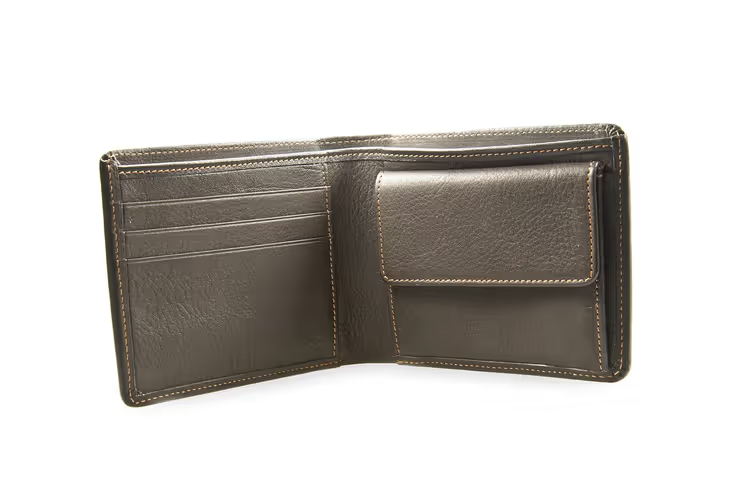
 © Cory Doctorow · CC BY-SAPhoto: Cory Doctorow, CC BY-SA (https://creativecommons.org/licenses/by-sa/2.0), Wikimedia Commons
A third advantage of cash is autonomy. It works without internet, electricity, or a connection to the bank. If the network goes down, your wallet is still with you.
But there are downsides too. If you lose cash, nobody will give it back. A small shop may not be able to break a large bill. In some countries, the amount you can pay in cash is limited by law.
Why a bank card is convenient
A card solves three problems at once: it's safer than carrying a large sum, it works online, and it makes tracking expenses easier.
Safety comes first: you can block a lost card in a couple of minutes, and your money stays in the account. Recovering stolen banknotes is much harder.
Online purchases can only be made with a card, since train tickets, hotel bookings, and car rentals almost always require card payment.
Expense tracking is handled by your banking app, where you can see every transaction and your balance. That makes it easier to stop spending before the vacation ends, not after it.
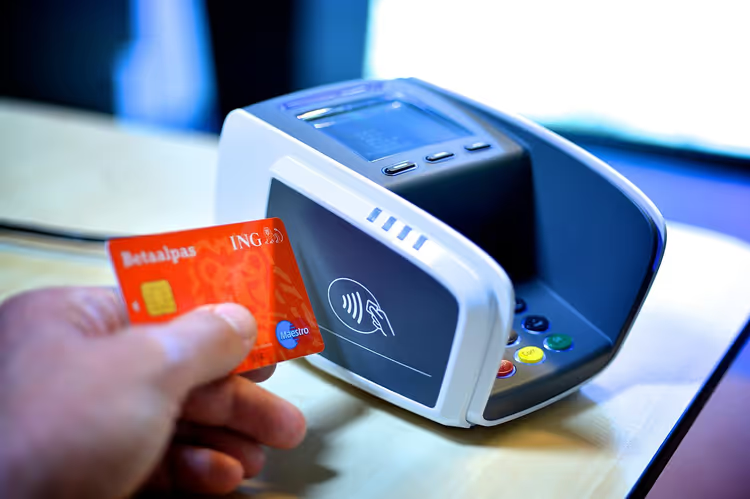 © ING Nederland · CC BY-SAPhoto: ING Nederland, CC BY-SA (https://creativecommons.org/licenses/by-sa/2.0), Wikimedia Commons
The catch with a card is different. In a remote area, there may be no terminal at all. On top of that, not every bank offers a good exchange rate outside the eurozone.
Comparison: card vs. cash
Criterion | Card | Cash |
|---|---|---|
Where it works | Shops, hotels, transport | Markets, small cafes, kiosks |
If lost | Can be blocked, money stays in account | Cannot be recovered |
Requires internet | Partially | No |
Online purchases | Yes | No |
Spending control | Via app | By what's left in your wallet |
The takeaway from the table is simple: the card handles the main load, and cash fills in the gaps.
Cash limits in Europe
Lawmakers restrict large cash payments, and starting in summer 2027, the EU will introduce a uniform cap of €10,000 (as of 09/2026, verified on the EVZ website). This applies to large transactions, not your cup of coffee.
In some countries, the rules are stricter. In Spain, cash payments to a business are limited to €1,000 (as of 09/2026, according to the consumer center). In Germany, there is no strict cap for ordinary purchases.
The practical takeaway here is simple: limits don't get in the way of everyday spending. Problems start when buying electronics, jewelry, or a car.
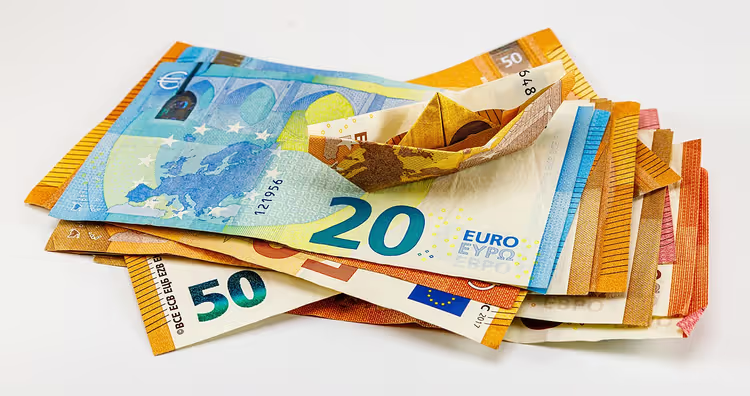 © Friedrich Haag · CC BY-SAPhoto: Friedrich Haag, CC BY-SA (https://creativecommons.org/licenses/by-sa/4.0), Wikimedia Commons
How to pay by card without overpaying
The main trap is dynamic currency conversion. If the terminal offers to charge the amount in your home currency, decline, because in that case the exchange rate is set not by your bank, but by the seller's intermediary. Choose the currency of the country where you're paying.
Second tip: notify your bank about your trip in advance. Otherwise, your first large payment may be declined due to fraud protection, and you can lift the block in the app within a minute.
The third point concerns ATMs, where the screen often offers a "favorable rate" for withdrawals. That's the same markup under a different name, so choose to be charged in the local currency.
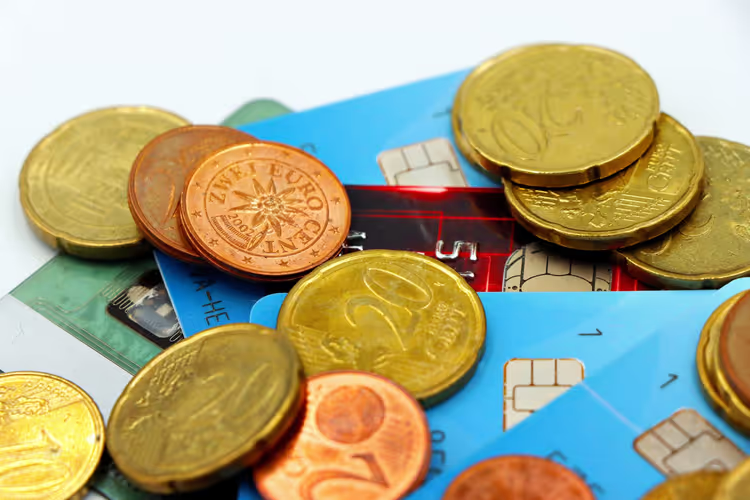
Your banking app and payment confirmation require internet access, so if necessary, get a virtual SIM card for the duration of your trip.
How much cash to take with you
There's no universal amount, so plan for one to two days of expenses plus a buffer. For a city, enough money for a taxi, lunch, and small purchases will do.
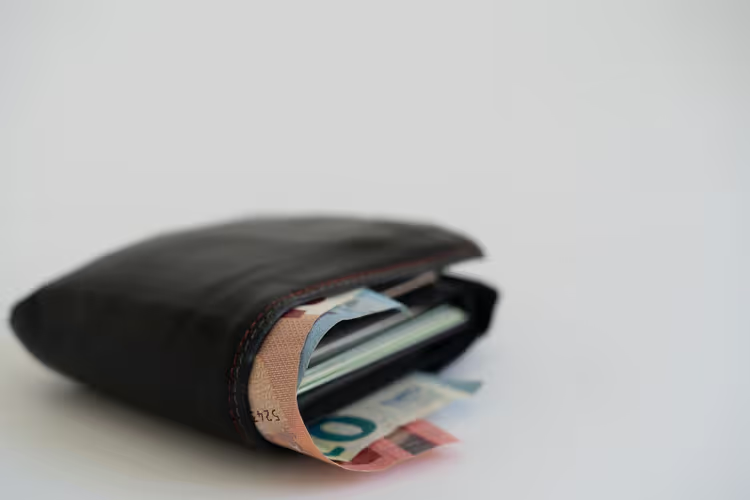
Keep your money in two places: some in your wallet, some in your backpack or the hotel safe. That way, one loss won't take everything.
Take large bills only in limited quantities. Small shops don't like them and won't always break them. Split your money into bills of different denominations.
What to do if your card doesn't work
Start with the simplest step: try another card. A second bank and a different payment system solve most problems. If you have cash in your wallet, pay with it and calmly continue your day.
Call your bank using the number in the app. The operator will tell you the reason for the failure: a limit, a block, or a technical error. In case of a technical error, trying again in an hour usually helps.
Last resort: ask someone close to you to send you money. A transfer to another country takes anywhere from minutes to a day. It's slow, but better than being left without funds.
 © VintageHygrometer · CC BY-SAPhoto: VintageHygrometer, CC BY-SA (https://creativecommons.org/licenses/by-sa/4.0), Wikimedia Commons
⁉️🤔 Frequently asked questions
Can I travel without any cash at all?
Technically yes, if your itinerary consists of hotels, restaurants, and large stores. In practice, a small cash reserve saves you at small shops, markets, and on public transport.
How many cards should I take on a trip?
At least two cards from different banks. Keep them separate from each other. That way, losing your wallet won't cut you off from your money.
In short: how to organize your money for a trip
If you're taking a short city trip, take two cards and a small amount of cash. If your route goes through small towns, increase your cash reserve to cover three to four days of expenses. If you're traveling to a country outside the eurozone, check your bank's exchange rate and fees in advance.
The approach is simple: a card for main expenses, cash for small things and as a backup. That's enough to keep your money working smoothly on the trip.

A small editorial team writing guides for independent travel. We travel ourselves, but we haven’t been everywhere, so we check prices, opening hours and how to get there against official sources.