















When to go to London: May, September and cheap winter
London welcomes tourists year-round. Museums, theaters, and markets operate in any weather, but the nightly rate and the length of the lines depend heavily on the month. The difference between January and July is felt in both your wallet and your schedule: the cheap weeks coincide with damp weather, while the warmest months coincide with peak prices.
The short answer: the best months to visit London are May and September. During these months it is warm, there is less rain, and prices stay in the mid-range. July, August, and the Christmas weeks are the most expensive. We break down the cheap months and days of the week in the prices section below.
We checked the weather summaries and winter event dates on 09/11/2026 using data from Met Office and the Winter Wonderland organizers' website (as of 09/2026).
Ad: this article contains affiliate links, we earn a commission if you book through them, at no extra cost to you.
When to go to London: the short answer
💡 In short:
- Best weather: May and September, fewest tourists in January.
- Cheapest: low season and midweek, details in the prices section.
- Weather and event dates: 09/2026, verified against Met Office climate normals and the Winter Wonderland fair page.
London weather by season
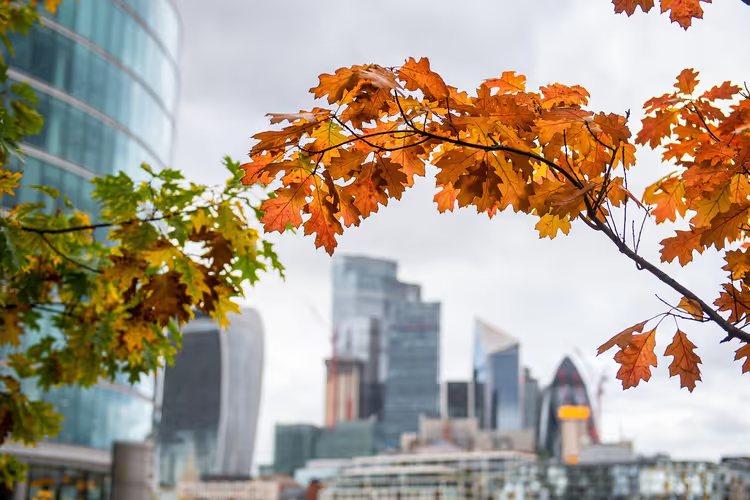
London sits in a maritime climate zone, so severe frosts and oppressive heat are rare here. Instead, the sky changes several times a day: rain can start and stop while you walk from the Tube to a museum. Travelers bring an umbrella to London year-round, not just in autumn.
According to Met Office climate summaries, the southeast of England is among the warmest and driest parts of the country. For London this means a mild winter and a moderate summer without tropical humidity.
 © brian gillman · CC BYPhoto: brian gillman, CC BY (https://creativecommons.org/licenses/by/3.0), Wikimedia Commons
Spring: March, April, May
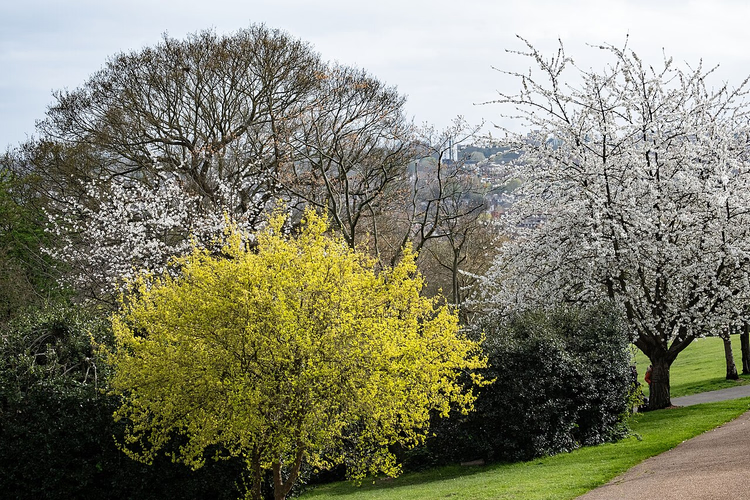
By March, daylight hours grow noticeably, and the city wakes up from its winter slumber. Parks like Hyde Park burst into color, and you can walk around without a heavy coat. The catch with spring: the weather is unstable, and April showers come often and quickly.
 © Jim Osley · CC BY-SAPhoto: Jim Osley, CC BY-SA (https://creativecommons.org/licenses/by-sa/2.0), Wikimedia Commons
In March and early April, there are still few tourists, so accommodation prices stay below summer levels. This is a good window for museums and long walks through the center.
Summer: June, July, August
June, July, and August bring the warmest days and long evenings. It gets dark late, and a walk along the Thames Embankment easily stretches into the night. But this is also the most expensive and most crowded season.
 © Peter Richardson · CC BY-SAPhoto: Peter Richardson, CC BY-SA (https://creativecommons.org/licenses/by-sa/2.0), Wikimedia Commons
At Buckingham Palace and the Tower of London, you will stand in line longer than usual, and hotels in the center get pricier. Book tickets for popular sights in advance and choose morning slots.
Fall: September, October, November
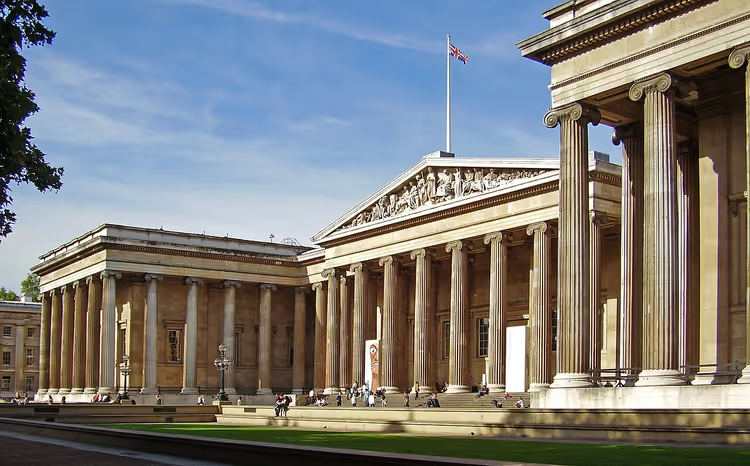
In September and October, the air is still warm, the crowds thin out, and the parks change color. You will have time for both the observation deck and the British Museum without waiting in line.
 © Ham · CC BY-SAPhoto: Ham, CC BY-SA (http://creativecommons.org/licenses/by-sa/3.0/), Wikimedia Commons
By November, it gets damp and gray, but prices drop and the low season begins. If you are okay with gray skies, the trip will cost less.
Winter: December, January, February
Winter in London is mild and mostly snowless. The days are short and it gets dark early, but the city turns on its holiday lights and opens its markets. After New Year's, the cheapest weeks of the year arrive.
When London is cheapest
The lowest hotel prices fall in January, February, and November. After the New Year holidays, demand drops, and you will find a room in the center cheaper than in May or September.
 © wasd42 · CC BY-SAPhoto: wasd42, CC BY-SA (https://creativecommons.org/licenses/by-sa/4.0), Wikimedia Commons
The day of the week matters just as much. From Tuesday to Thursday, a night costs less than on Friday and Saturday. If your dates are flexible, shift your trip to midweek and save on accommodation.
Also look at neighborhoods near the Tube outside the center: check London hotel prices on Trip.com.
The most expensive months and holidays
Prices peak in July and August, as well as during the Christmas and New Year weeks. Hotels get more expensive, and tickets to popular museums and observation decks sell out days before the date.
The Winter Wonderland fair in Hyde Park is scheduled from November 19, 2026 to January 3, 2027 (as of 09/2026, official website). For these dates, accommodation is booked several months in advance, so make your travel decision early.
Flights during holidays and summer vacations are also more expensive than usual. Compare dates and carriers: compare flight prices to London.
What to see in London at any time of year
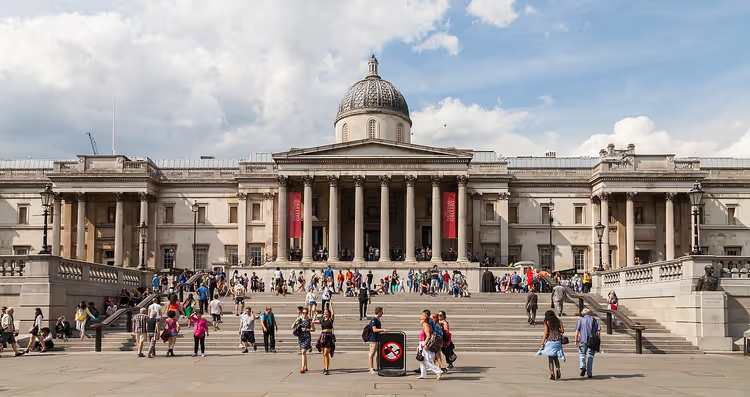
London works for a trip in any season. Museums and galleries operate the same in winter and summer, so a rainy week will not ruin your itinerary. The British Museum and the National Gallery welcome visitors in any season.
 © Diego Delso · CC BY-SAPhoto: Diego Delso, CC BY-SA (https://creativecommons.org/licenses/by-sa/4.0), Wikimedia Commons
In spring and fall, add parks and walks along the embankment. In summer, festival venues and street performances open up. In winter, you get holiday lights, fairs, and shorter lines at the main museums.
Guided tours and observation deck tickets are easier to book in advance: browse London tours on GetYourGuide.
London by month: table
This table compares months by weather, prices, and crowds. Pick the row that matches your priorities: some people care more about sun, others about keeping the trip cheap.
Month | Weather | Prices | Crowds | Best for |
|---|---|---|---|---|
January | cold, sales | lowest | lowest | saving on accommodation |
February | cool, damp | low | low | budget travel and museums |
March | cool, first sun | low | low | a relaxed city trip |
April | changeable, rain | medium | moderate | parks and galleries |
May | warm, parks in bloom | medium | moderate | best weather balance |
June | warm, long days | high | high | festivals and walks |
July | warmest time | very high | peak | only with accommodation booked ahead |
August | warm, school holidays | very high | peak | families with kids |
September | mild, no heat | medium | lower than summer | city and museums |
October | cool, autumn colors in parks | medium | low | museums without queues |
November | gray and damp | low | low | budget trip |
December | cold, festive | high | high | Christmas markets and lights |
How to get to London
From continental Europe, you can reach London by Eurostar from Paris and Brussels or fly. From the airports, a train, the Tube, or a pre-booked transfer will get you into the center.
From Heathrow to the center, take the Piccadilly line or the Heathrow Express. From Gatwick and Stansted, express trains run to main stations, from where you can reach your hotel in a few stops.
Trains and buses across Europe are easier to check in advance: timetables and prices for trains to London.
Book your airport transfer for your exact arrival time, otherwise you will spend an hour looking for a taxi in the terminal.
Tours and tickets in London
Guided tours, skip-the-line tickets and activities — most offers can be cancelled free of charge.
See offers on KiwitaxiThe widget loads once you give your consent.
⁉️🤔 Frequently asked questions
When is the best weather in London?
May and September are the most common answers: the air is warm, there is less rain, and the exhausting heat has not arrived yet. June and July are also warm, but the city is packed and prices are higher. If your dates are flexible, choose late April or early October: the weather is similar, but there are noticeably fewer tourists.
When is London cheapest?
We covered cheap months and days of the week in the "When is London cheapest" section. During these periods, you will find a room in the center noticeably cheaper than in summer.
Is three days enough for London?
Three days give you the basic itinerary: the center with Buckingham Palace and Westminster, the British Museum, and one neighborhood of your choice. Book morning slots, and you will be where you need to be by lunchtime. If you want to add Greenwich or Hyde Park, plan a fourth day.
What clothes should I pack?
Layers work better than one warm jacket: a T-shirt, a sweater, and a light waterproof jacket on top. Bring an umbrella all year round, rain in London comes in short bursts in any season. Comfortable shoes are essential: you will cover many kilometers on foot around the center in a day.
Is London worth visiting in winter?
Yes, if short days and dampness do not bother you. In winter, you get the lowest prices, shorter museum queues, and festive lights with Christmas markets in December. January and February are good for a budget trip, just bring warm clothes.
In short: what to book
If budget matters more than sun, pick the cheaper dates from the prices section and stay near the Tube in zones 2-3: London hotel picks on Trip.com. May and September give you the best balance of weather and prices, July and August have the liveliest streets.
Guided tours and observation deck tickets are easier to book in advance: London tours and tickets on GetYourGuide.
If you are planning day trips to Windsor or Greenwich, car rental on DiscoverCars will come in handy.
Check dates early: around holidays and in May, accommodation sells out first.

A small editorial team writing guides for independent travel. We travel ourselves, but we haven’t been everywhere, so we check prices, opening hours and how to get there against official sources.