


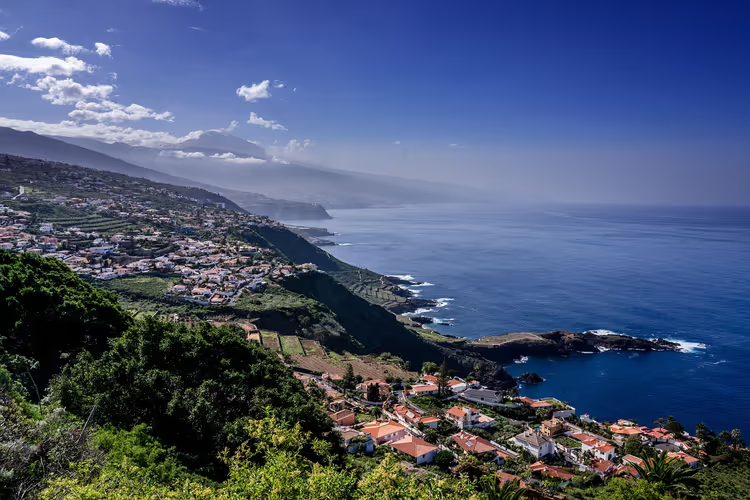
When to go to the Canary Islands: weather and water temperature by month
In winter, the Canary Islands are warm and sunny. Even in January, the air on the southern coasts reaches 21 °C, and the water stays around 19 °C (as of 09/2026, AEMET).
The Canaries are an archipelago of seven islands off the coast of Africa, and you can vacation here year-round. For the beach, the best months are April through October, and the hottest season falls in July and August. You'll find calm water and fewer tourists in spring or early fall. Below, we break down when to go to Tenerife, Fuerteventura, Gran Canaria, Lanzarote, and La Palma and what "eternal spring" means for your trip.
Ad: this article contains affiliate links, we earn a commission if you book through them, at no extra cost to you.
Climate of the Canary Islands: why it's eternal spring here
💡 In short:
- Swimming is comfortable from April through October, the water is warmest in September and October, around 23-24 °C.
- Peak heat falls in July and August, with daytime temperatures around 29 °C in the south.
- In winter, the air stays warm, 20-22 °C during the day, but the water cools to 19 °C.
- The northern coasts of the islands are cooler and rainier than the southern ones.
- Climate and season: 09/2026, verified on the AEMET website
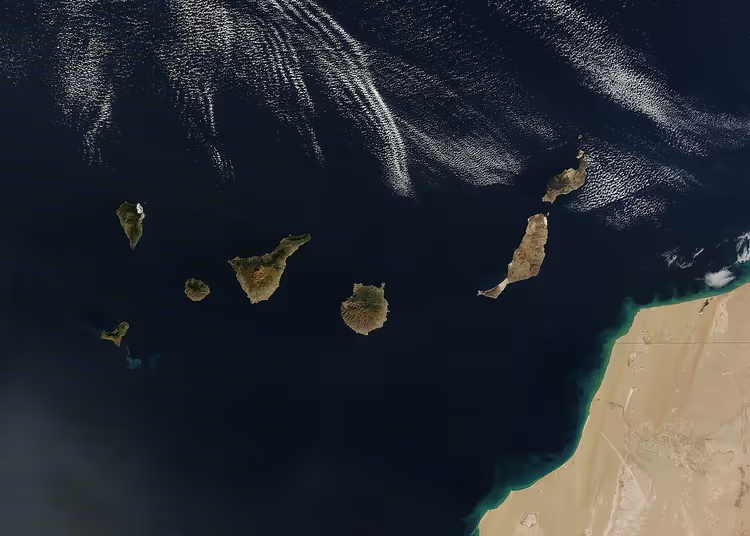
The Canaries lie between Africa and the Atlantic, at 27-29 degrees north latitude. The trade winds keep the scorching air from the Sahara away from the islands, and the cold Canary Current brings the water temperature down. That's why there are no familiar four seasons here: the year is divided into a dry period and a rainy season.
The dry period coincides with summer: the average temperature stays around 25 °C. The wet period falls in winter, when average values drop to around 17 °C. Even in winter, the sun shines almost every day, and rain comes in short bursts.
The ocean and the trade winds keep the climate mild in any month, and there are no sharp temperature swings here. Average annual values stay in the 17-25 °C range, which is why the archipelago is called the islands of eternal spring (as of 09/2026, AEMET annual figures).
Average values for the southern coasts of the main islands look like this (as of 09/2026, Spanish climate normals):
Month | Daytime, °C | Nighttime, °C | Water, °C | Rainy days |
|---|---|---|---|---|
January | 21 | 15 | 19 | 3 |
February | 21 | 15 | 19 | 3 |
March | 22 | 16 | 19 | 2 |
April | 23 | 16 | 19 | 1 |
May | 24 | 17 | 20 | less than 1 |
June | 26 | 19 | 21 | 0 |
July | 28 | 21 | 22 | 0 |
August | 29 | 22 | 23 | 0 |
September | 27 | 21 | 24 | 1 |
October | 26 | 20 | 23 | 2 |
November | 24 | 18 | 22 | 3 |
December | 22 | 16 | 21 | 4 |
The climate within the archipelago is not uniform. The high volcanoes of Tenerife and Gran Canaria intercept moisture from the trade winds, so their northern slopes are green while the southern ones stay dry and sunny. The resorts and best beaches are concentrated in the south, which is why it makes more sense to look for seaside accommodation there.
The same day can look very different in the north and in the south. The difference of a few degrees between the coasts is noticeable as soon as you travel from one to the other.
Best time to visit the Canary Islands
From March to May, the air warms up to 20-23 °C. The water in these months is still brisk, but you can already swim. From May to October, daytime temperatures rise to 30 °C (as of 09/2026, Canary Islands climate). In spring and autumn, the islands have fewer tourists than at the height of summer.
July, August, and September are considered the hottest months. During these months, the thermometer easily passes the 30 °C mark. The sea water warms up to 20-25 °C and stays warm until October.
Winter on the islands is mild and sunny. From November to March, daytime temperatures hold at around 20-22 °C, and it rains for a few days each month. The least precipitation falls on Fuerteventura and Lanzarote.
In short, here is the beach season by island (as of 09/2026, official tourism portal):
Island | Best time for swimming |
|---|---|
Tenerife | April-October |
Fuerteventura | April-October |
Gran Canaria | April-October |
Lanzarote | May-November |
La Palma | April-October |
You should also keep the high season in mind. In July and August, accommodation prices rise, and beaches and parking lots fill up. If you want a quiet vacation, choose May, June, or October.
May and October are often better value than the height of summer. In these months, the water is still or already warm, and the beaches are less crowded. For a trip with children, June is the calmest, when the heat has not yet peaked.
Tenerife: sun in the south, rain in the north
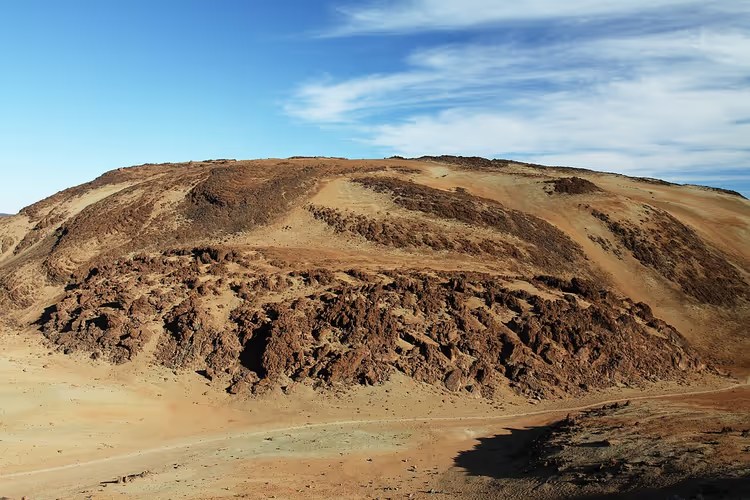
Tenerife ranks first in size among the islands of the archipelago. It is also the most diverse: here you will find beaches, volcanic landscapes, and green ravines. The south of the island lies in a dry zone, so the sun shines here almost all year round.
 © Chmee2 · CC BY-SAPhoto: Chmee2, CC BY-SA (https://creativecommons.org/licenses/by-sa/3.0), Wikimedia Commons
Even in the coldest month, January, the temperature in the south does not drop below 20 °C. The water near the shore in January stays around 19 °C, and the sun in June shines up to 11 hours a day (as of 09/2026, Canar tourism portal). The south of the island is protected by mountains, so prolonged rains are almost unheard of here.
The northeast trade wind divides the island into two zones. The northern side receives more rain and faces the wind, while the southern side is sheltered by mountains. That is why most beaches lie in the south and southwest.
In the north, temperatures vary between 15-29 °C over the year, and the least rain falls from May to September. In the center of the island rises Mount Teide, the highest peak in Spain.
Beach and active season
The best time for the beach on Tenerife is June-September. The air warms up to 26-29 °C, and the water stays around 22 °C. The peak falls in July and August, when the seaside is especially crowded. Quiet spots are worth looking for along Costa Adeje and near Playa de las Teresitas next to Santa Cruz de Tenerife.
For walks and trekking, choose March-May or October-November. In the heat, climbing Teide is hard going, while in the shoulder season the trails are cooler. Windy El Médano in the southeast of the island suits windsurfing.
view hotels in Tenerife on Trip.com
Fuerteventura: wind, sand, and sun all year round
Fuerteventura lies about 120 kilometers from the coast of Morocco and is second in size only to Tenerife. It rains less here than on the other islands: an average of just 19 rainy days a year. That is why the island's landscape resembles a semi-desert.
 © Norbert Nagel, Mörfelden-Walldorf, Germany · CC BY-SAPhoto: Norbert Nagel, Mörfelden-Walldorf, Germany, CC BY-SA (https://creativecommons.org/licenses/by-sa/3.0), Wikimedia Commons
In January, daytime temperatures hold at around 20 °C, and in July and August they rise to 29 °C. The average water temperature is 18.7 °C (as of 09/2026, Fuerteventura weather). Winter downpours here are short, and the rest of the time the weather stays dry.
 © lostajy · CC BYPhoto: lostajy, CC BY (https://creativecommons.org/licenses/by/2.0), Wikimedia Commons
A distinctive feature of the island is the calima. That is the name for a hot easterly wind from the Sahara that brings dust and raises the temperature by 10 degrees within a couple of hours. A calima usually lasts several days and occurs most often in summer and on the eastern islands.
Beach season and wind
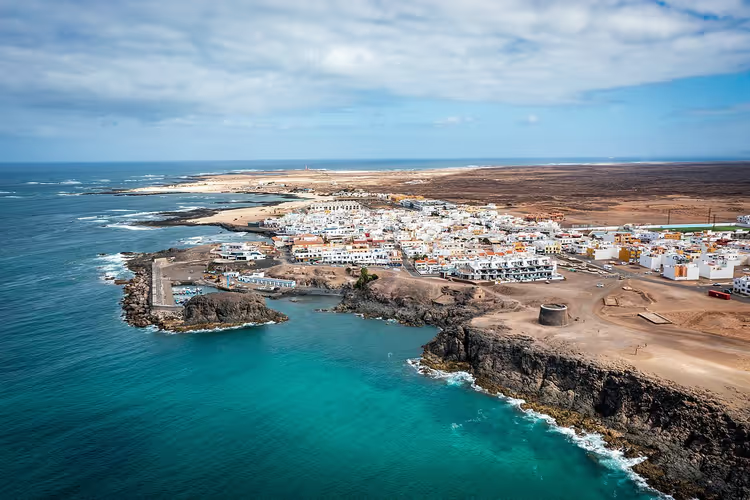
The beach season on Fuerteventura runs from April through October. The island is known for miles of white beaches with clear Atlantic water, and the average air temperature during the season stays around 27 °C. Sotavento and El Cotillo are especially popular, and near the town of Corralejo stretch the sand dunes of a natural park.
 © Dirk Vorderstraße · CC BYPhoto: Dirk Vorderstraße, CC BY (https://creativecommons.org/licenses/by/2.0), Wikimedia Commons
May through September is best for windsurfing and kitesurfing. Strong winds create ideal conditions on the water, and the best spots are in the north and south of the island. Hikers choose spring: routes run through Corralejo Park and along the 300-meter Montaña Roja volcano.
Gran Canaria: two climates on one island
Gran Canaria lies about 210 kilometers west of Morocco and is smaller than Tenerife and Fuerteventura. The island is divided into two climate zones: the north is cooler and rainier, while the south stays dry and sunny.
In the shoulder season, from March to May, temperatures hold at 20-23 °C. High season runs from April to October, and in summer daytime highs can reach 30 °C. The hottest months are July, August, September, and October.
 © Basotxerri · CC BY-SAPhoto: Basotxerri, CC BY-SA (https://creativecommons.org/licenses/by-sa/4.0), Wikimedia Commons
In the summer months, the water warms to 20-23 °C and stays warm through October. The north of the island is on average 7 degrees cooler because of the trade winds and gets rain more often. The south is protected by mountains, so it is almost always dry there.
Beach season and outdoor activities
For a beach vacation on Gran Canaria, July through October works best. The water stays around 21 °C, and a light breeze blows from the northeast, so the heat is easy to handle. The main southern beaches lie near Maspalomas and Playa del Inglés.
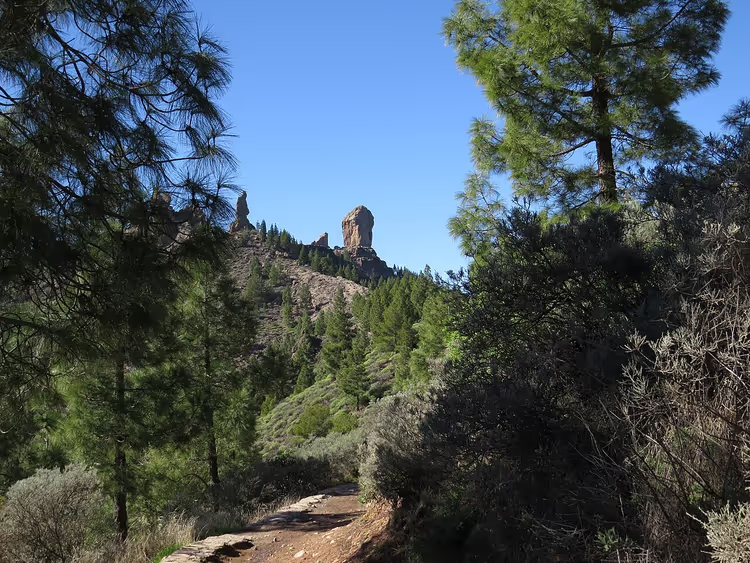
For hiking, choose the shoulder season from February to May. The northwest of the island is greener and cooler, and this is where the trail to the island's symbol, the 1,800-meter Roque Nublo, begins. The north coast has strong winds, which is why many windsurfing schools operate there.
find a hotel on Gran Canaria on Trip.com
Lanzarote: the driest island in the archipelago
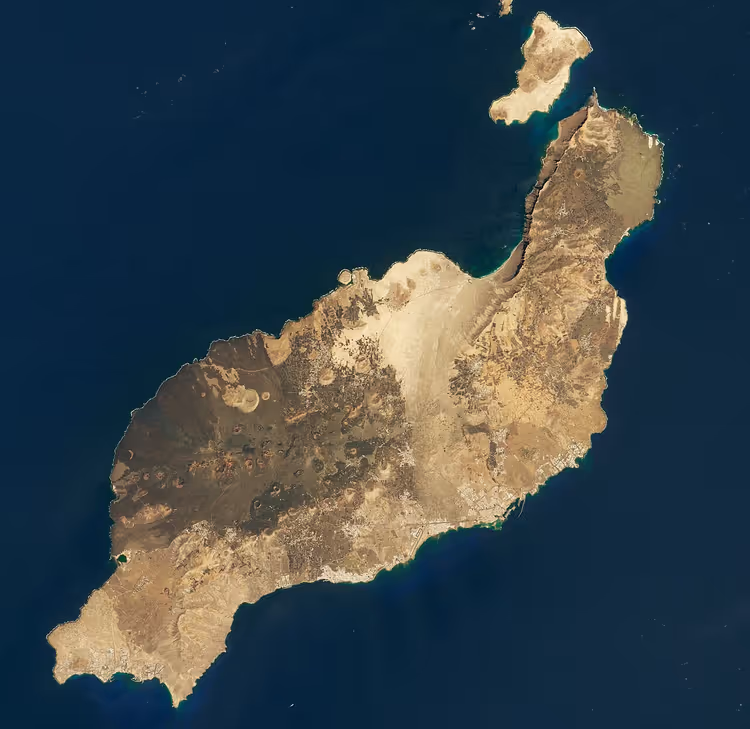
Lanzarote is the fourth largest island and is considered one of the driest in the Canaries. In winter there are no more than 5 rainy days. Mild temperatures hold year-round: daytime highs range from 21 to 29 °C.
In summer the air can heat up significantly, but the constant wind softens the heat. Water near the shore stays around 22 °C. For those who want to extend summer, April already brings pleasant warmth, and October and November deliver temperatures up to 28 °C (as of 09/2026, island climate). At the height of summer, the heat is easier to bear than in Central Europe thanks to the steady wind.
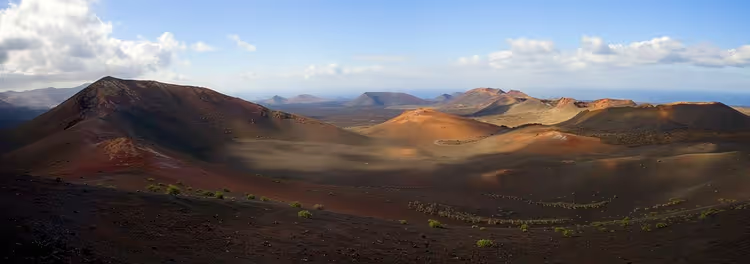 © Gernot Keller, London (www.gernot-keller.com) · CC BY-SAPhoto: Gernot Keller, London (www.gernot-keller.com), CC BY-SA (https://creativecommons.org/licenses/by-sa/2.5), Wikimedia Commons
Beach season
You can swim on Lanzarote almost all year round, and the best months are May through November. Along the nearly 100-kilometer coastline there are about 100 beaches, and a third of them resemble the light sands of the Sahara. The most convenient spots are in the south and east of the island.
 © trolvag · CC BY-SAPhoto: trolvag, CC BY-SA (https://creativecommons.org/licenses/by-sa/3.0), Wikimedia Commons
The north and west coasts are exposed to strong winds. These beaches are better suited for windsurfing than for relaxed swimming. If you are traveling with children, choose sheltered bays in the south.
Outdoor activities
For outdoor activities, spring, autumn, and the months from December to February work best. During this time daytime temperatures are around 21 °C and there is almost no rain. Timanfaya National Park preserves a lava desert where the ground has not yet cooled.
Lanzarote is also convenient for cycling. The terrain is gentle, and the network of bike paths covers the entire island. This lets you ride dozens of kilometers along the coast at a relaxed pace.
hotel prices on Lanzarote on Trip.com
La Palma: the green island with rain
La Palma keeps a mild climate year-round, but differs from its neighbors in humidity. It is the rainiest island in the archipelago. That said, from April to September there is almost no rain, and the weather feels like summer.
The sun shines here on average 5 to 10 hours a day. Thanks to the humid climate, the island is covered in dense vegetation and is considered the greenest in the Canaries (as of 09/2026, Canary Islands tourist office). Moist Atlantic air feeds the greenery, so the island looks more vivid than its neighbors.
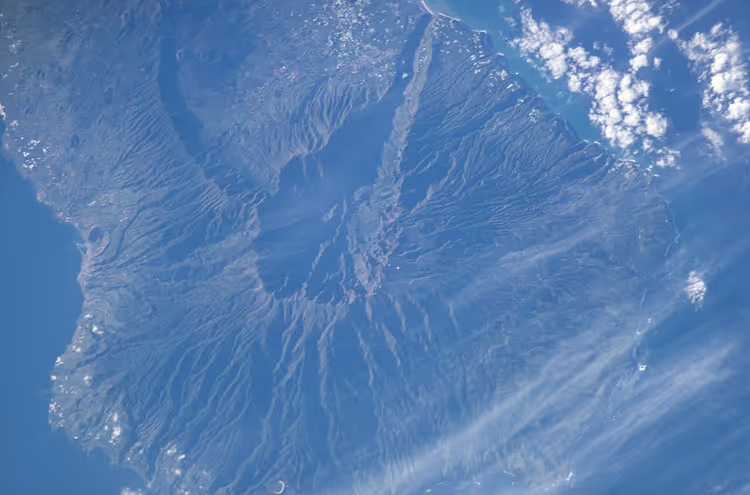
The Cumbre Vieja mountain range runs through the island and creates several microclimate zones. The southwest is usually warmer and drier than the northeast. So the same day can be overcast in the north and sunny in the south.
Beach season
Beach season on La Palma runs from April to October. Here you will find unusual black beaches of volcanic origin. In October there are no more than 4 rainy days, and the average temperature stays around 26 °C.
Most beaches are in the south of the island. Keep in mind that a cold current lowers the perceived temperature, so the water feels cooler than the thermometer shows.
Outdoor activities
For trekking enthusiasts, the island offers about 1,000 kilometers of trails. The centerpiece is Caldera de Taburiente National Park. Another popular route leads to the Teneguía volcano.
In the island's pine forests, light rain often falls in summer. Moist Atlantic air condenses on the trees and drips to the ground, so even in the dry season bring a rain jacket.
Comparing the islands: which one to choose for your trip
All five islands are suitable for travel year-round, but the differences between them are noticeable. The table below will help you get oriented quickly (as of 09/2026, climate data).
Island | Winter daytime | Summer daytime | Water, °C | What to know |
|---|---|---|---|---|
Tenerife | around 20 °C in the south | 26-29 °C | 22 | Diverse, home to Mount Teide |
Fuerteventura | around 20 °C | up to 29 °C | 18.7 | Lots of wind, good surfing conditions |
Gran Canaria | 20-23 °C | up to 30 °C | 20-23 | Rainy north, dry south |
Lanzarote | around 21 °C | hot | 22 | Driest island, little rain |
La Palma | mild | around 26 °C | cooler | Greenest island, many trails |
If you want a beach with no surprises, choose Fuerteventura or Lanzarote. For variety and volcanoes, head to Tenerife. Nature lovers and hikers will enjoy La Palma, while Gran Canaria is worth visiting for a mix of beach and mountains.
Practical tips for your trip
- Calima: in summer, a hot wind sometimes arrives from the Sahara. It brings dust and heat, so on those days keep windows closed and move your outdoor plans.
- Sun: UV levels are high here year-round. Bring high-SPF sunscreen, even if you are visiting in winter.
- Clothing: evenings by the ocean are cool. A light jacket or sweater will come in handy in any month.
- Car: getting around the islands is easier by car, especially if you want to see several areas in one trip. You can compare options on DiscoverCars.
- Geography: the Canaries belong to Spain but lie in the Atlantic off the coast of Africa, so the climate here is closer to subtropical than European.
- Between islands: you can get from one island to another by plane or ferry, so it is easy to turn your trip into a short excursion to a neighboring island.
- High season: accommodation gets more expensive in July and August. Book early if you are going to Tenerife or Gran Canaria.
⁉️🤔 Frequently asked questions
When is the best time to visit the Canaries for swimming?
Swimming is comfortable from April through October. The water is warmest in September and October, around 23-24 °C (as of 09/2026, AEMET figures). In summer the air warms up to 29-30 °C. If you want warm water and fewer people, choose September or October.
Is it hot in the Canaries in winter?
Winters here are mild. From November through March, daytime temperatures stay around 20-22 °C, and rain comes in short spells. The water cools to 19 °C, but people still swim at the southern beaches even in January. This works well for a winter getaway and long walks.
Which island has the best beach weather?
Fuerteventura and Lanzarote offer the most sunny days and the least rain. Fuerteventura averages just 19 rainy days a year, while Lanzarote gets at most 5 such days in winter (as of 09/2026, weather by island).
What is calima and when does it happen?
Calima, a hot dry wind from the Sahara, brings dust, reduces visibility, and raises temperatures. It most often happens in summer on the eastern islands, especially Lanzarote and Fuerteventura. Calima usually lasts a few days, then the weather returns to normal.
When should you go for active holidays and hiking?
For trekking, the shoulder seasons are best: March-May and October-November. During these months daytime temperatures are 20-23 °C, and climbs up Teide feel easier. On La Palma, April through October is good for hiking: the island has around 1,000 kilometers of trails and almost no rain.
In short: what is worth booking
The Canary Islands are convenient because you can plan a trip for any month.
If you are traveling in high season, it is better to book accommodation in advance: in July and August prices are higher, and good options by the sea get snapped up quickly. view hotels in the Canary Islands on Trip.com

A small editorial team writing guides for independent travel. We travel ourselves, but we haven’t been everywhere, so we check prices, opening hours and how to get there against official sources.