




Where in Europe is warm in January: 11 destinations without a down jacket
In December, Central Europe gets dark by four in the afternoon. There are still three months until spring, but you want to spend your vacation somewhere warm. You don't have to fly to the other side of the world: southern Europe stays warm in winter, while beaches and old towns empty out.
We've put together 11 places where you can wait out the cold without a down jacket. For each one, we've noted what sets it apart from the others on the list. In Cyprus, daytime temperatures from December to March are 16-20 °C (as of 09/2026, Cyprus tourism office), which is enough for walks and sightseeing.
Ad: this article contains affiliate links, we earn a commission if you book through them, at no extra cost to you.
What to know about wintering over
💡 In short:
- The warmest winter destinations are Cyprus, Malta, and the Canary Islands: daytime temperatures from +12 °C, sun almost every day.
- The cheapest and quietest time is January through March: hotels are off-season, beaches and old towns are nearly empty.
- Climate and temperatures: as of 09/2026, according to the Malta tourism office and the Madeira tourism office.
Wintering over in southern Europe isn't just about the beach. In the off-season, you get empty viewpoints, quiet streets, and mild weather for long walks. Below is a comparison of all 11 destinations, followed by a detailed breakdown.
Place | Winter daytime | Main draw | Who it's for |
|---|---|---|---|
Malta | 12-15 °C | baroque cities, harbor | those who want culture |
Menorca | mild | trails and empty coves | lovers of quiet |
Lanzarote | warm | volcanoes, black sand | landscape hunters |
Madeira | around 15 °C | levadas, trekking | those who love greenery |
Sardinia | cool | wind, kitesurfing, surfing | athletes |
Zakynthos | mild | coves and caves | sea lovers |
Algarve | 15-17 °C | cliffs and trails | those who want the ocean |
Corfu | mild | mountains, olives, wine | foodies and hikers |
Cyprus | 16-20 °C | ruins and beaches | those who need sun |
Fuerteventura | warm | dunes, surfing | lovers of sand and wind |
Rhodes | mild | old town, ruins | history lovers |
1. Malta: baroque cities without the heat
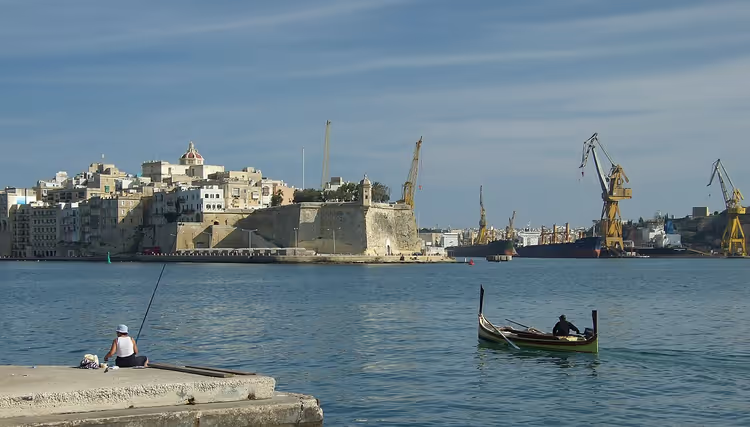
Malta is an island nation with a dense history: knightly fortresses, baroque churches, and fortified cities around the Grand Harbour. In December, daytime temperatures here are 12-15 °C (as of 09/2026, VisitMalta), and there are far fewer tourists than in summer.
Walk through Valletta and Mdina in the morning, while the sun is low and there are no crowds in your shots. The sea stays cool in winter, few people swim, but the waterfronts are empty. For you, this is a trip about architecture, food, and calm views, not about the beach.
 © MrPanyGoff · CC BY-SAPhoto: MrPanyGoff, CC BY-SA (https://creativecommons.org/licenses/by-sa/3.0), Wikimedia Commons
- Who it's for: those who want history and mild weather without summer heat and lines.
- The catch: winter evenings are chilly, it can be windy during the day, a warm sweater will come in handy.
- Where to stay: hotels in Malta on Trip.com
2. Menorca: quiet and empty coves
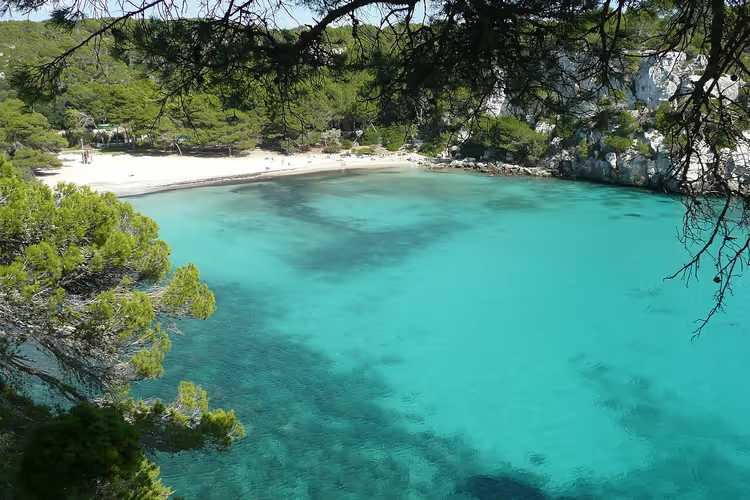
Menorca is Mallorca's calm sibling: same Balearic group, but without clubs and crowds. In winter, the weather is mild, the coves are empty, and the pace is slow, something you won't find in summer.
The historic Camí de Cavalls trail runs around the entire island, so you can walk from cliffs to sandy calas with almost no one else around. After your hike, stop by a café in Ciutadella or Maó, where life keeps going even in January.
 © Paul Stephenson · CC BYPhoto: Paul Stephenson, CC BY (https://creativecommons.org/licenses/by/2.0), Wikimedia Commons
- Who it's for: those who want nature, quiet, and long hiking routes.
- The catch: in winter, some beach infrastructure is closed, and the water is too cold for swimming.
- Where to stay: hotels in Menorca on Trip.com
3. Lanzarote: volcanoes and black sand
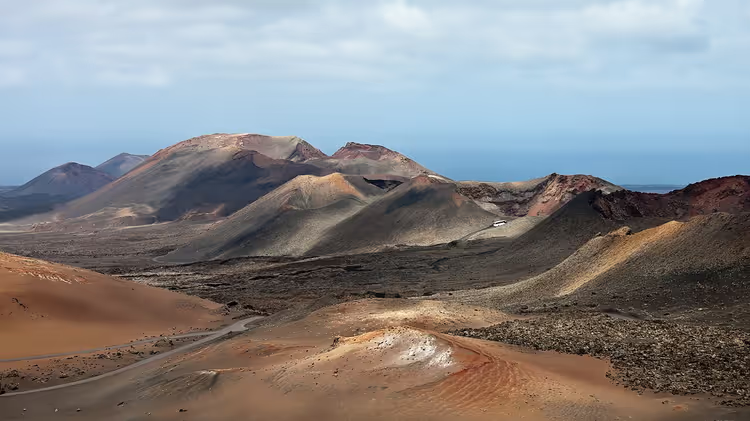
Lanzarote lies off the northwest coast of Africa, in the Canary Islands group. It's an island of volcanoes: black lava sand, red slopes, and white houses create almost otherworldly contrasts.
It's warm here in winter, and the off-season light is softer than in summer. Timanfaya National Park is shown along a designated route, so check the bus schedule before you go. You'll find dark-sand beaches in El Golfo, and for windsurfing, it's easy to reach Fuerteventura from here.
 © Luis Miguel Bugallo Sánchez (Lmbuga) · CC BY-SAPhoto: Luis Miguel Bugallo Sánchez (Lmbuga), CC BY-SA (https://creativecommons.org/licenses/by-sa/3.0), Wikimedia Commons
- Who it's for: those who appreciate unusual landscapes and volcanic wines.
- The catch: the wind on the coast is strong all year round, so bring a windbreaker.
- Where to stay: hotels in Lanzarote on Trip.com
4. Madeira: the green island of eternal spring
Madeira lies in the Atlantic west of Morocco, but belongs to Portugal. Locals call it the island of eternal spring: according to the tourist office, the average temperature here ranges from 15 °C in winter to 25 °C in summer (Visit Madeira).
The island is one big trekking playground: levadas along the canals, cliff trails, and ocean views. Keep the mesoclimate in mind: opposite shores can have clouds and sun at the same time, so build some buffer into your route. Winter here is quiet, and the gardens of Funchal's city park are in bloom.
 © Dietmar Rabich · CC BY-SAPhoto: Dietmar Rabich, CC BY-SA (https://creativecommons.org/licenses/by-sa/4.0), Wikimedia Commons
- Who it's for: those who want greenery, ocean, and hikes instead of a beach lounger.
- The catch: the weather changes with altitude, and rain on one shore can happen while the other side is sunny.
- Where to stay: hotels in Madeira on Trip.com
5. Sardinia: wind for kiting and surfing
People come to Sardinia for its Caribbean-style beaches, but in winter it is first and foremost an island of wind. In Porto Pollo in the north the wind blows constantly, in Chia in the south people ride the waves, and in the west near Buggerru they catch surf.
Daytime in winter is cool, but the water stays clear and the beaches are almost empty. If you want both sunbathing and riding, keep a flexible schedule: the wind decides more here than the calendar. Off-season accommodation prices are noticeably lower than in summer.
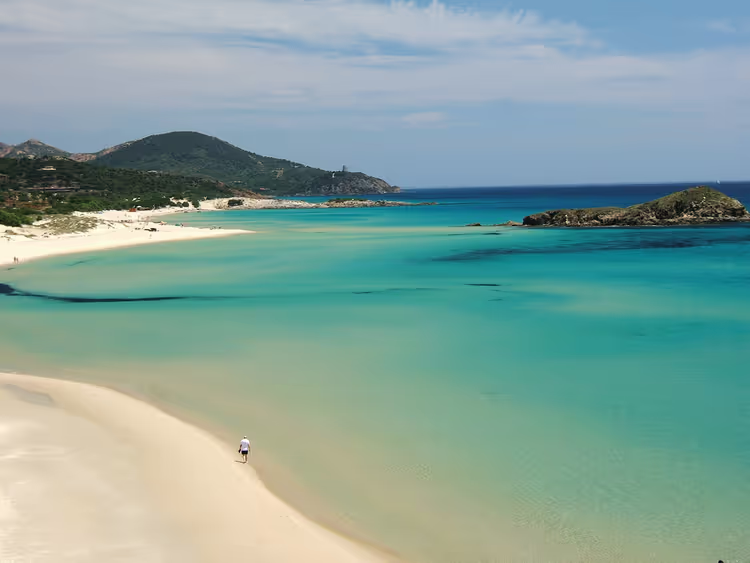 © emmequadro61 · CC BYPhoto: emmequadro61, CC BY (https://creativecommons.org/licenses/by/2.0), Wikimedia Commons
- Who it's for: those who combine the beach with kiting, windsurfing, and surfing.
- The catch: in winter most beach services are closed, so you need your own car rental.
- Where to stay: hotels in Sardinia on Trip.com
6. Zakynthos: bays and blue caves
Zakynthos is an island off the western coast of the Peloponnese, with high cliffs, hillside villages, and a calm sea in the off-season. Greece's most recognizable view was filmed right here: Navagio Bay with its rusty ship is also called Shipwreck Beach.
In winter the viewpoints above the bays are empty, and you can take photos without waiting in line. Boats to the more remote bays run depending on the weather, so check the schedule at the dock. For divers, there are rocks and caves with crystal-clear water.
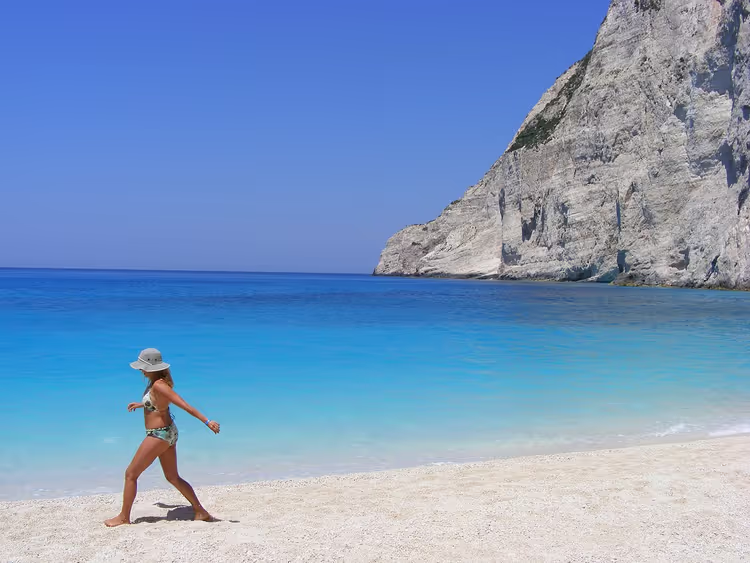 © maczopikczu · CC BYPhoto: maczopikczu, CC BY (https://creativecommons.org/licenses/by/3.0), Wikimedia Commons
- Who it's for: those who want the sea, views, and quiet villages without the August crowds.
- The catch: boat trips depend on the weather, and schedules are reduced in winter.
- Where to stay: hotels in Zakynthos on Trip.com
7. Algarve: cliffs and ocean outside the season
The Algarve is the south of Portugal: white beaches, rocky cliffs, and towns with painted azulejo tiles. In winter, daytime temperatures stay around 15-17 °C (as of 09/2026, weather-and-climate.com), and the 40 °C summer heat is nowhere to be found.
Walk the Seven Hanging Valleys trail (on the map), stop by Faro, Lagos, and Tavira, and in the evening look for fresh fish at the port. Outside the season, accommodation is cheaper and there are fewer people, although some coastal hotels are closed. For you, this is an ideal winter for walks by the ocean.
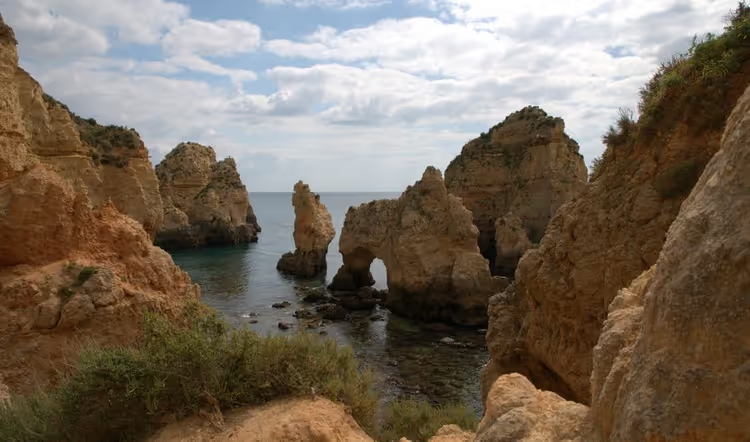 © Guy MOLL from Faro, Portugal · CC BYPhoto: Guy MOLL from Faro, Portugal, CC BY (https://creativecommons.org/licenses/by/2.0), Wikimedia Commons
- Who it's for: those who want the ocean, trails, and mild temperatures without the scorching heat.
- The catch: it rains more often in winter, and the sea water stays cool.
- Where to stay: hotels in the Algarve on Trip.com
8. Corfu: olives, mountains, and wine
Corfu is the second largest island in the Ionian Sea: hills, olive groves, mountain villages, and turquoise sea. In winter it's quiet here, and the mild weather is good for climbs to viewpoints.
Try the local kumquat liqueur and Greek wine, and at the same time get to know the myths that fill the island's history. For those who want history and the sea at once, the old town of Corfu and its fortresses offer both views and architecture. You can get there by plane or by ferry from the mainland if you don't want to fly.
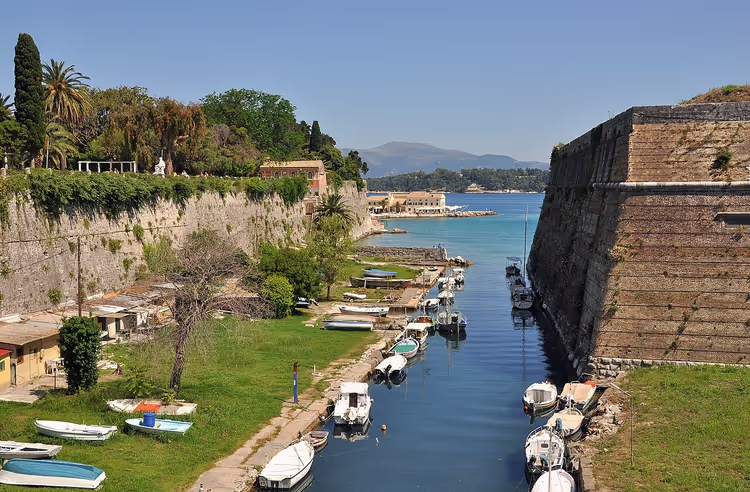 © Marc Ryckaert ( MJJR ) · CC BYPhoto: Marc Ryckaert ( MJJR ), CC BY (https://creativecommons.org/licenses/by/3.0), Wikimedia Commons
- Who it's for: those who want food and wine, nature, and moderate walks.
- The catch: in winter, some coastal tavernas are closed, so look for dinner in town.
- Where to stay: hotels in Corfu on Trip.com
9. Cyprus: maximum sun in winter
Cyprus gets more than 300 sunny days a year, and from December to March daytime temperatures stay at 16-20 °C (as of 09/2026, VisitCyprus). It's the most reliable destination if you want warm sun and the sea in winter.
Combine ruins and beaches: from the ancient mosaics of Paphos to the Limassol promenade and the sandy coves of Ayia Napa. Keep the political situation in mind and check in advance which part of the island you're traveling to, so you don't get surprised at the border. Otherwise, it's a relaxed winter getaway with a short flight.
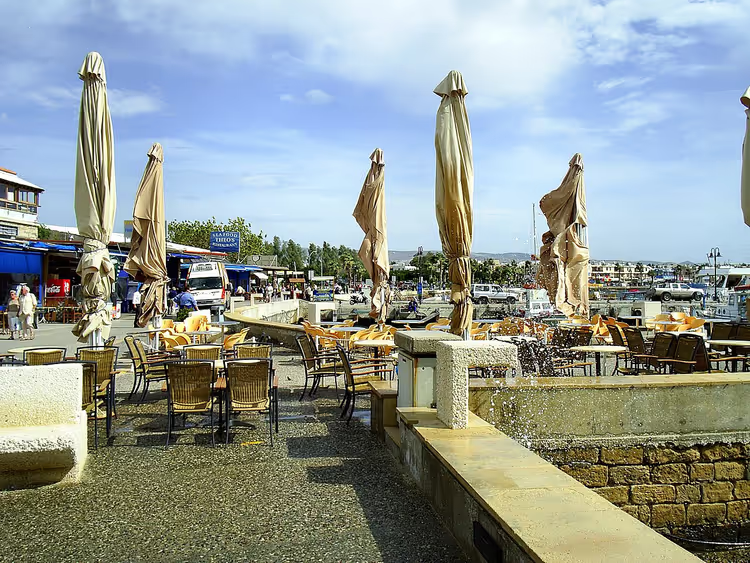 © Ronald Saunders from Warrington, UK · CC BY-SAPhoto: Ronald Saunders from Warrington, UK, CC BY-SA (https://creativecommons.org/licenses/by-sa/2.0), Wikimedia Commons
- Who it's for: those who want maximum sun and a short flight from Europe.
- The catch: the island is divided into south and north, and visa and transport rules differ.
- Where to stay: hotels in Cyprus on Trip.com
10. Fuerteventura: dunes and surf
Fuerteventura lies between Gran Canaria and Lanzarote and greets you with golden sand. The Corralejo dunes and long beaches make the island ideal for winter sun and water sports.
Palm-lined promenades stretch along the coast, and port restaurants serve fresh fish. If you don't like the cold, it's easy to escape the European winter here: a jacket for evening walks is enough. Surfers and kitesurfers choose this island because of the constant wind.
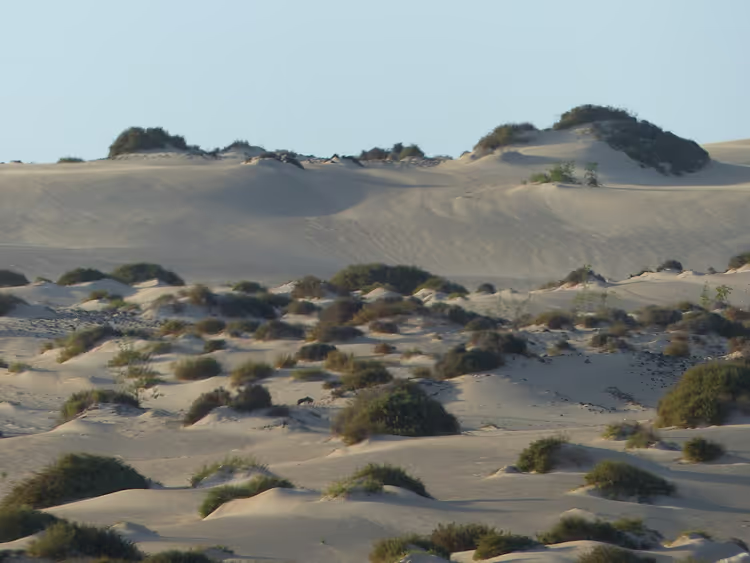 © Benjamín Núñez González · CC BY-SAPhoto: Benjamín Núñez González, CC BY-SA (https://creativecommons.org/licenses/by-sa/4.0), Wikimedia Commons
- Who it's for: those who love sand, long beaches, and active time in the wind.
- The catch: the wind is almost constant, so evenings by the sea are chilly and you need a jacket.
- Where to stay: hotels in Fuerteventura on Trip.com
11. Rhodes: old town and ruins
Rhodes is the largest island in the Dodecanese archipelago: white villages, long beaches, and dense ancient history. In winter the island shows its calm side, and you can walk through the medieval old town without the crowds.
Be sure to climb up to the acropolis in Lindos and stop by Anthony Quinn Bay, named after the actor. After your walk, drop into Ladiko Taverne & Beach Bar for a coffee with a sea view. Thanks to its small size, you can fit in both history and a quiet day on the shore.
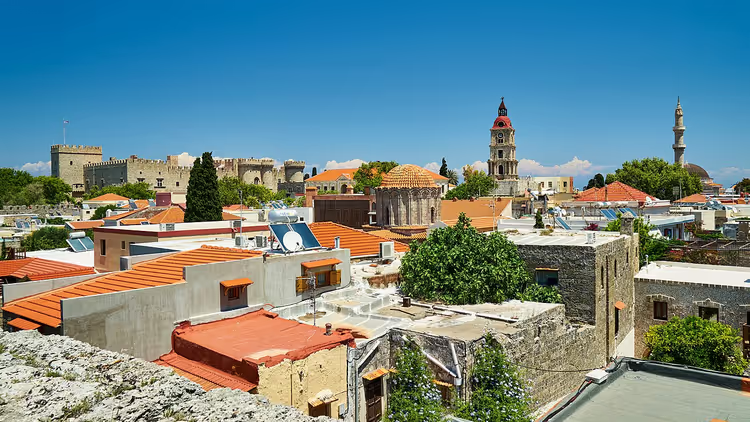 © Georg Karl Ell · CC BY-SAPhoto: Georg Karl Ell, CC BY-SA (https://creativecommons.org/licenses/by-sa/4.0), Wikimedia Commons
- Who it's for: those who want history, ruins, and beaches in one short trip.
- The catch: out of season, some coastal tavernas are closed, and evenings are chilly.
- Where to stay: hotels in Rhodes on Trip.com
⁉️🤔 Frequently asked questions
Where in Europe is it actually warm in winter?
First and foremost, Cyprus, Malta, and the Canary Islands: it's sunny and mild there in winter, and rain is less frequent than in Central Europe. All these destinations work well for long walks and sightseeing, and for swimming choose Cyprus and the Canaries, where the sea is warmer.
When is it cheaper and quieter to go in winter?
The quietest season is January, February, and early March. After the holidays, accommodation prices drop, beaches and old towns empty out, and attractions run on their regular schedule. It's better not to combine Christmas and New Year with your trip if you're looking for peace: those days are more expensive and crowded.
Can you swim in the sea in winter?
In Cyprus and the Canary Islands the sea is cool, but you can swim, especially on sunny days. In Malta, Corfu, or the Algarve the water is colder, so many people choose the hotel pool instead. Don't pack beach clothes; bring comfortable sneakers and a windbreaker: winter in southern Europe is first and foremost about walking.
What should you pack for a winter stay in Europe?
Pack layers: a T-shirt, a sweater, and a light windbreaker or rain jacket. In southern Europe it's warm during the day, but the air cools quickly in the evening, especially by the sea. Add comfortable shoes for trails, sunscreen, and a first aid kit, and bring a swimsuit only if you're going to Cyprus or the Canaries.
Where to go in winter with kids?
Malta and Cyprus are convenient for families because of the short flight, plenty of beaches, and compact distances between towns. The Canary Islands work well if kids love volcanoes, sand, and active time outdoors. Choose a hotel with a pool and on-site dinner so you don't have to find an open restaurant every evening.
Do you need a car on the islands in winter?
On Menorca, Sardinia, and Madeira, renting a car makes the trip noticeably easier: public transport runs infrequently in winter and some routes are reduced. On Malta and Cyprus you can easily get by with buses and taxis, since towns are close together. Compare rental conditions in advance: cars are cheaper in winter, but the choice of pickup locations is smaller.
In short: what's worth booking
If you want maximum sun, go for Cyprus or the Canaries. If you want culture without the heat, Malta is a good fit, and for green trekking choose Madeira. Wind lovers will enjoy Sardinia and Fuerteventura, and for history and beaches in one trip, head to Rhodes.
Book accommodation out of season in advance: in January and February the choice of hotels is wider and prices are lower than in summer.

A small editorial team writing guides for independent travel. We travel ourselves, but we haven’t been everywhere, so we check prices, opening hours and how to get there against official sources.