
















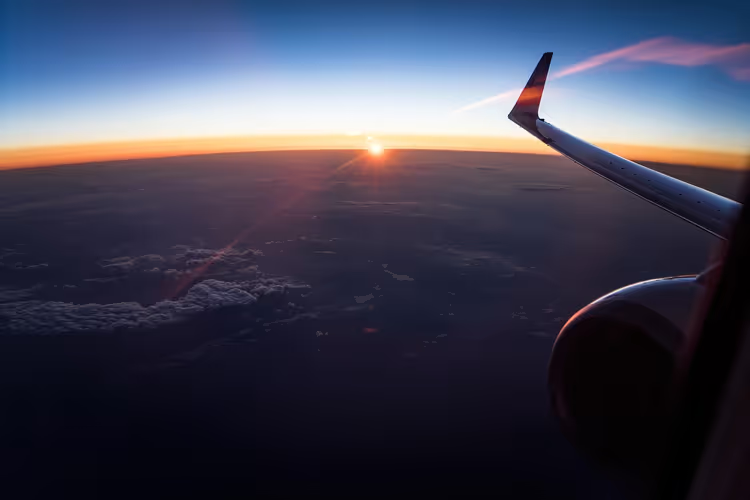
6 Facts about airplanes: where it's safer to sit and why food tastes bland
Flying has long been routine, but the airplane is still surrounded by myths. Many people are afraid of turbulence, refuse to eat on board, or are convinced that you can't bring an empty bottle through security.
We've gathered six facts that change how you see a flight. No esoterica here, just verifiable data and explanations from the carriers themselves.
The main point right away. Turbulence and lightning are not dangerous to an airliner, you can bring water through security, and the safest place is in the tail. Every second, thousands of planes are in the sky at the same time (according to Flightradar24 data, 09/2026).
1. The dirtiest places on an airplane
💡 In short:
- Wipe the tray table with a wet wipe and don't put food on it.
- Tray tables and seat pockets are rarely wiped down, check them right after boarding.
The lavatory seems like the dirtiest place on board, but the crew pays especially close attention to it. Tray tables and seat pockets, however, are rarely wiped down: with hundreds of tables, the cleaner simply doesn't have time.
Flight attendant Kat Kamalani recorded a TikTok video about the dirtiest spots in the cabin. Her list includes the safety card, the call button above you, seat belts, and the lavatory lock, which she recommends closing through a tissue.
Tray tables get the worst of it. According to her, passengers have changed babies' diapers on the tray table and then shoved the trash into the seat pocket. Bring antibacterial wipes and wipe down the table before eating: it takes a couple of seconds.
Don't put your phone or food there without a wipe, and it's better to hold your water bottle in your hands. Check the table and pocket right after boarding, before you spread out your things.
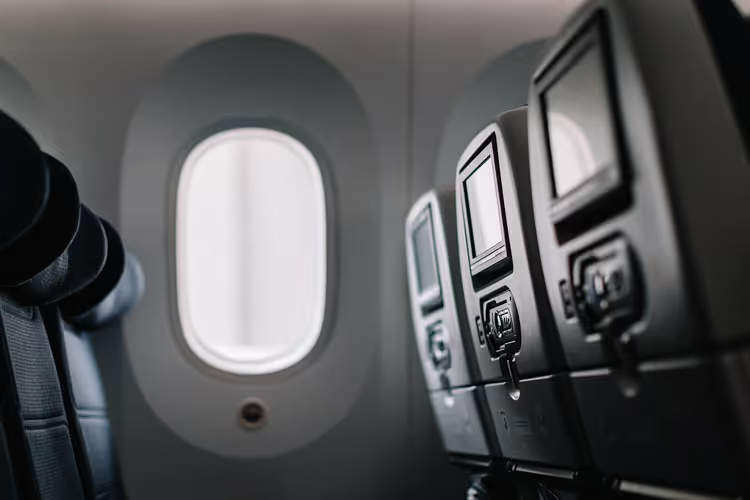
2. Water on board: a free cup and a bottle through security
Budget carriers Ryanair and Wizz Air sell everything, including water. But there are two things you can still get for free, and not all passengers know about them.
According to a low-cost carrier flight attendant, a cup of water must be provided for taking medication. No one is going to check whether you're actually swallowing a real pill. If you don't want to pay a couple of euros for a bottle, feel free to ask for a cup for your medication: they have no right to refuse you.
The second hack concerns security. The liquid rule applies to the amount in the container, not the container itself, so you can easily bring an empty bottle through the checkpoint. Take a soft plastic bottle and slightly crush it: in most airports that's enough.
After the scanner, find a drinking fountain; they're in almost every airport. That way you board with a full bottle and don't overpay at Duty Free. We've gathered other ways to save on tickets in a separate article.
Keep the bottle handy until boarding: water in the sterile area is free, but on board they charge for it. This is especially helpful on long flights with connections, where you can wait hours for water.
 © Bahnfrend · CC BY-SAPhoto: Bahnfrend, CC BY-SA (https://creativecommons.org/licenses/by-sa/4.0), Wikimedia Commons
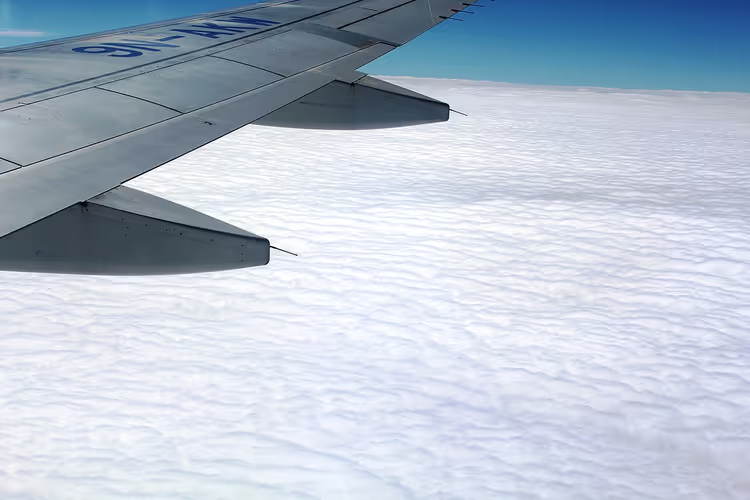
3. Turbulence, lightning, and takeoff
Turbulence is irregular air movement from eddies and vertical currents. Most often the plane enters a light or moderate zone, which only throws off the balance of a standing passenger.
That's exactly why injuries in flight happen more often to those walking around the cabin, not those buckled in. For the airliner itself, the shaking is almost harmless: even strong turbulence moves the plane vertically by only a few meters, and the airframe is designed for far greater loads. Pilots change altitude when possible to make you more comfortable.
Lightning is a similar story. In movies, a strike tears the fuselage apart, but in reality nothing threatens the airliner. Pilots track storm fronts on radar and fly around narrow storms, and the aircraft's design is built for repeated strikes.
The aluminum skin conducts electricity well and distributes the charge across the airframe, while the electronics are grounded and don't fail. Finnair confirms: you have nothing to fear from electrical discharges, and serious incidents caused by lightning are extremely rare. We verified this on 09/14/2026 on the carrier's official website.
What you should actually be wary of is not storms, but entirely different minutes. Most incidents occur during takeoff and landing, when the maximum number of systems is engaged. Takeoff is always done in manual mode, which is why pilots and controllers face special requirements. Some incidents even happen on the ground, during taxiing.
That's why the crew asks you to stay seated until the plane comes to a complete stop. The request seems boring, but it's on the ground that the plane maneuvers near other equipment, and extra movement through the cabin is out of place there.
 © Priyaflorenceshah · CC BY-SAPhoto: Priyaflorenceshah, CC BY-SA (https://creativecommons.org/licenses/by-sa/4.0), Wikimedia Commons
4. Where on the plane it's safer and more comfortable
The farther from the nose of the plane, the higher your chances of surviving an accident. The classic 2007 Popular Mechanics study analyzed 20 crashes in the US and produced these numbers (as of 2007, HuffPost).
Cabin location | Survival rate |
|---|---|
Tail | 69% |
Over the wings | 56% |
Front section | 49% |
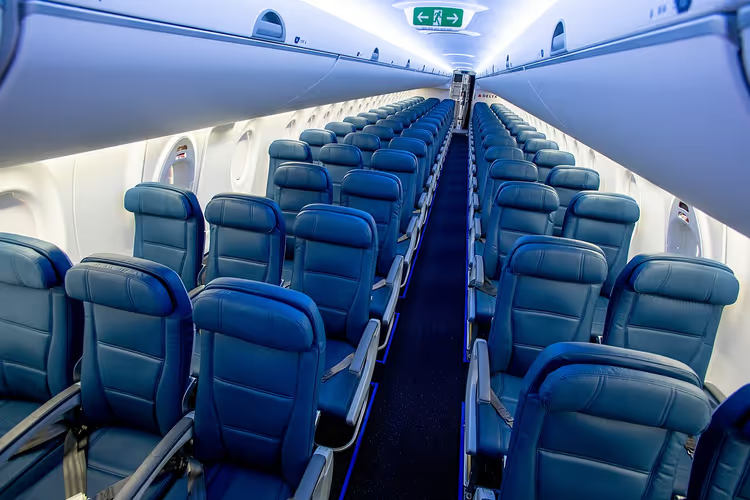
In the tail, the rate reaches 69 percent versus 49 in the front cabin. So why is business class up front? For convenience: passengers want to board faster, exit first, and get served first. Force majeure events spare the expensive seats the least, and that's worth remembering if you're choosing a window seat in the first row.
But the tail has a catch too. That's where turbulence is felt the most, which is why seats at the back of the cabin are often sold cheaper. If you don't handle shaking well, take a seat over the wings: they're considered the calmest, and by incident statistics they look no worse than the front of the cabin.
So choosing a seat is always a compromise. If you want statistics on your side, look to the tail. If you want a smooth flight without bumps, choose the area over the wings. There's simply no perfect option that wins on both counts.
 © Delta News Hub · CC BYPhoto: Delta News Hub, CC BY (https://creativecommons.org/licenses/by/2.0), Wikimedia Commons
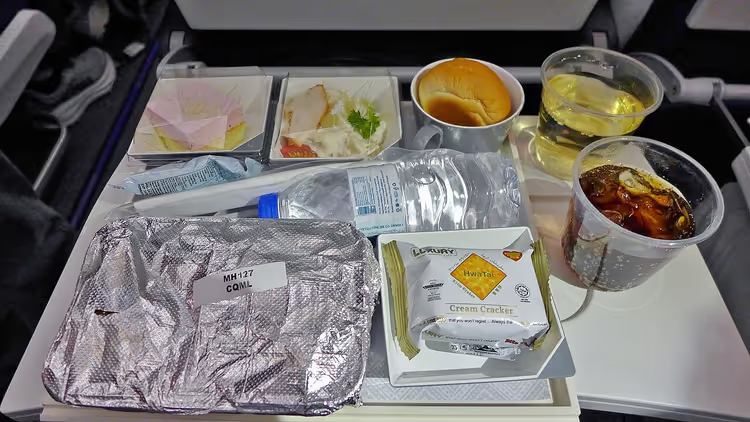
5. Why food in flight tastes bland
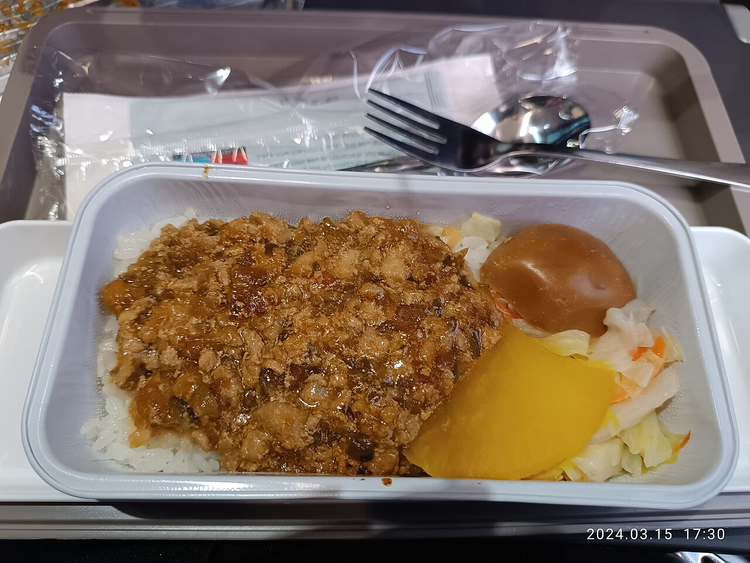
If airline food seems tasteless, the airline isn't to blame, the altitude is. At nine kilometers, humidity drops to about 12 percent, drier than most deserts.
The combination of dryness and low pressure dulls your taste buds. You perceive sweet and salty about 30 percent less intensely (as of BBC Future, 2015). Sour, bitter, and spicy remain almost unchanged, which is why chefs add more spices and salt to the food. It's better to postpone gastronomic exploration until after landing.
There's another fact about food. Most airlines require the captain and first officer to be served different meals. If one gets food poisoning, the other can still fly the plane.
6. How many planes are in the sky at once
If you still board nervously, remember that you're not alone in the sky. Millions of passengers are flying with you around the world, and most flights pass without incident.
The record for the number of planes in the air was set on May 26, 2023. At that moment, about 22 thousand aircraft were in the sky simultaneously, as confirmed by Flightradar24. Your flight is just a small part of a huge air traffic flow.
Behind these numbers is a well-tuned system: controllers separate aircraft by altitude, and crews operate under uniform rules. So statistics are on your side, even if all you see in the window is clouds.
 © Dietmar Rabich · CC BY-SAPhoto: Dietmar Rabich, CC BY-SA (https://creativecommons.org/licenses/by-sa/4.0), Wikimedia Commons
⁉️🤔 Frequently asked questions
Is turbulence dangerous for the plane?
No. It only poses a danger to those walking around the cabin and not buckled in.
Can you bring water through pre-flight security?
Yes, if it's an empty bottle. The restriction applies to the volume of liquid in the container, not the container itself.
Why does food in flight taste bland?
Dry air and low pressure at altitude dull sweet and salty by about a third.
Where are the safest seats on a plane?
In the tail section of the cabin, but shaking is felt more strongly there. The most comfortable spot is over the wings.
Is a low-cost carrier required to give free water?
A cup of water for taking medication must be provided even by the most budget airlines.
In short: what to remember about flying
Almost all fears about flying are tied to things that haven't been dangerous to an airliner for a long time. And an empty bottle, a cup of water, and a calm seat can be had almost for free.
For a smooth flight, take a seat over the wings; for survival statistics, look to the tail.
Before your next flight, check out our in-flight safety guide: it covers rules that will come in handy on both normal and non-routine flights.

A small editorial team writing guides for independent travel. We travel ourselves, but we haven’t been everywhere, so we check prices, opening hours and how to get there against official sources.