

















Team building abroad: how to plan a corporate trip for your team
Getting colleagues together for a trip abroad is harder than booking a hotel for two. You need dates that work for everyone, a shared budget, and a clear plan for each day.
A team trip solves three problems: it motivates, brings people together, and gets them out of their usual environment. Below is a step-by-step process that will save you time: choosing a country, the itinerary, bookings, and paperwork.
Ad: this article contains affiliate links, we earn a commission if you book through them, at no extra cost to you.
What does a corporate trip abroad give you?
💡 In short:
Define the purpose of the trip: a reward for results, a collective reset, or a new story for the team.
Choose a country that fits the format: cities and museums, food, sports, or nature.
Book flights, accommodation, and tours in advance so you don't waste time on the ground.
Arrange documents and insurance for the whole group.
Documents and safety: 09/2026, checked on the official Auswärtiges Amt website
Motivation: a trip instead of a bonus
A trip works well as a reward. Before the start of a new quarter, announce that top performers will go abroad. You're not asking for anything beyond normal job duties and you stay within the bounds of business ethics. This kind of gift is more memorable than a bonus and shows that the team's results were noticed. Announce the selection criteria in advance, otherwise the gift will turn into a source of resentment.
Shared experiences bring the team together

The way to unite a team is simple: give people shared memories. Unusual emotions bring people together more strongly than routine office conversations. In a new environment, you'll see colleagues from a different side and better understand what each person is capable of. An unfamiliar city and a foreign culture bond people more than a shared lunch.
New experiences reveal people
Even strong employees need a reset. A few days without routine is enough to look at the team with fresh eyes. In unfamiliar situations, people show qualities that stay hidden in the office. At the first sign of difficulty, you'll notice who steps up to talk and who looks for a compromise. Exploring a new place helps colleagues get to know each other faster.
How to organize a trip: a step-by-step plan
A large-scale trip requires preparation. Detailed planning doesn't remove all the difficulties, but it turns them into manageable tasks. Follow the steps below.
Choose a destination based on the trip's purpose
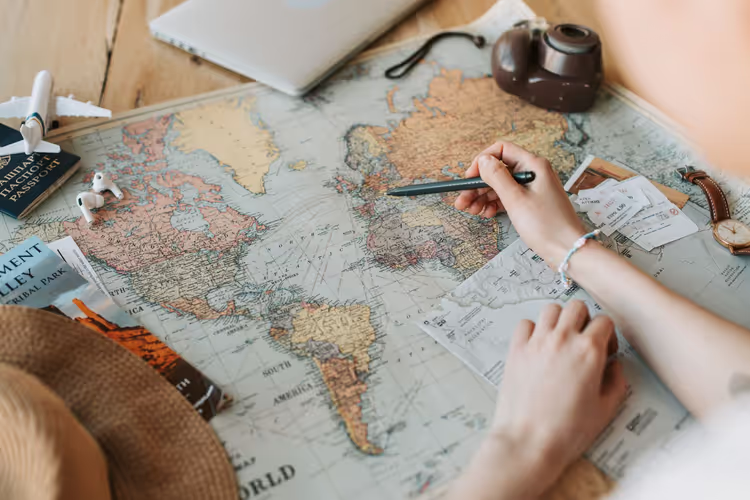
Start with the purpose. Do you want a lively party, educational tours, or sports competitions? Answer this question before choosing a city. If you pick a destination at random, the trip will lose its novelty effect. Find out in advance where colleagues have already been and what interests them. Also check the business value: a partner's factory or office will make the program more useful.
Put together a two-to-three-day itinerary
A corporate trip usually takes two or three days. Subtract travel and sleep, and there aren't many free hours left. So map out the program in time slots. Set a common wake-up time and meal times, and schedule tours and activities in between. Choose restaurants in advance so you don't have to hunt for them on the spot. Leave pauses for rest and casual conversation.
Find a coordinator and a guide

Even if the group speaks English fluently, don't skip having a local coordinator. A local organizer resolves issues with transport, tables, and tickets faster. Where to buy things, how to get around, and who to contact are things locals know best. If nobody in the group speaks the local language, you need an interpreter. Their services for a couple of days cost money, but they save you time and stress. Tours with a local guide are easy to book in advance on GetYourGuide: that way you don't spend hours searching once you're already on the trip.
Flights, hotels, and early booking
To avoid standing in lines, book everything you can in advance. Pay for flights on Kiwi.com and check in online before departure. Buy museum tickets, book rooms, conference rooms, and transport. Early booking usually gets you better terms: seats together on the plane, rooms on the same floor, convenient meeting rooms. Book hotels and tickets ahead of time so you don't have to deal with it during the trip.
Documents and insurance for the group
For all the countries in this post, an EU reader only needs an ID card or passport. Check that every trip participant's document is valid. Before buying tickets, check the current recommendations for the country on the official Auswärtiges Amt website (as of 09/2026). General travel rules, documents, and passenger rights can be found on Your Europe.
Don't set off without medical insurance. A policy covers doctor's expenses abroad and saves money in unexpected situations. For a group, compare insurance options in advance and get a policy for each employee.
How to choose a country for a corporate trip
The main criterion that's hard to get around is logistics. You can fly to a faraway country, but you'll lose half your time to the flight and jet lag. Choose a destination where trainings, team building, and workshops can easily be added to the program. Consider the season and the group's budget.
Country | Format | Why it's good | Best season |
|---|---|---|---|
Italy | Cities and museums | Rome, Venice, and Florence are close to each other | spring, fall |
Spain | Local color and food | Madrid, Barcelona, and the wine regions of Andalusia | spring, fall |
France | Fashion and cuisine | Chef masterclasses and shopping | year-round |
Austria | Sports weekend | Alpine ski resorts and slopes for all levels | winter |
Latvia | Nature and hiking | Riga, pine forests, and sandy Baltic beaches | summer |
Iceland | Adventure and nature | Volcanoes, glaciers, and hot springs | summer |
Italy: history and food
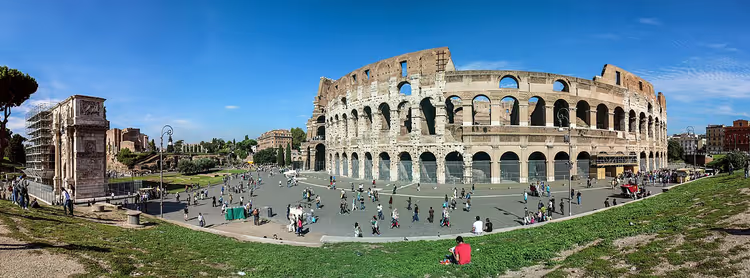 © Dietmar Rabich · CC BY-SAPhoto: Dietmar Rabich, CC BY-SA (https://creativecommons.org/licenses/by-sa/4.0), Wikimedia Commons
Italy works well for the simplest format: walks and tours of historic sites. From Rome, Venice, or Florence, you can put together a packed itinerary in just a couple of days. The Colosseum, Piazza San Marco, and the Uffizi Gallery give you material for stories the team will be talking about long after. You won't see an entire city in a couple of days, but you'll definitely get a feel for its atmosphere.
- Who it's for: teams that enjoy museums, architecture, and a relaxed pace.
- The catch: in two or three days you can realistically see only one city.
Spain: local color and wine regions
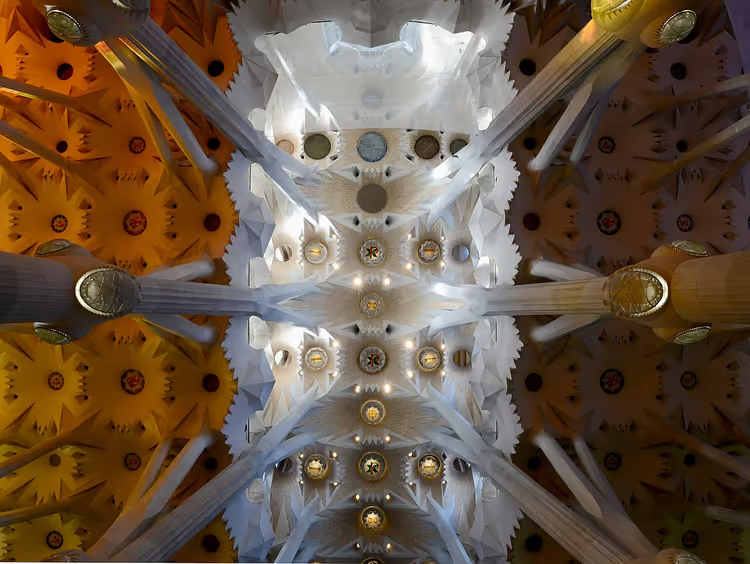 © Alvesgaspar · CC BY-SAPhoto: Alvesgaspar, CC BY-SA (https://creativecommons.org/licenses/by-sa/4.0), Wikimedia Commons
Spain draws you in with its color and sunshine. In Madrid, the Royal Palace is worth seeing; in Barcelona, Sagrada Familia. For something out of the ordinary, head to Andalusia, where they make fortified white wines. A tour of the vineyards and old cellars with a tasting will appeal to the team and spark ideas for working together.
- Who it's for: groups that want warm weather and great food.
- The catch: Andalusia's wine regions are far from Madrid, so you'll need a separate transfer.
France: fashion and cuisine

France covers two interests at once: shopping and gastronomy. In the morning you can browse the shops, and in the evening head out on a tour of well-known restaurants. A masterclass from a chef is especially useful for teams that work in the food industry. Experiences like these easily turn into a shared topic of conversation.
- Who it's for: teams that appreciate cuisine, fashion, and beautiful cities.
- The catch: popular restaurants need to be booked in advance, so a spontaneous evening out may fall through.
Austria: an active weekend in the Alps
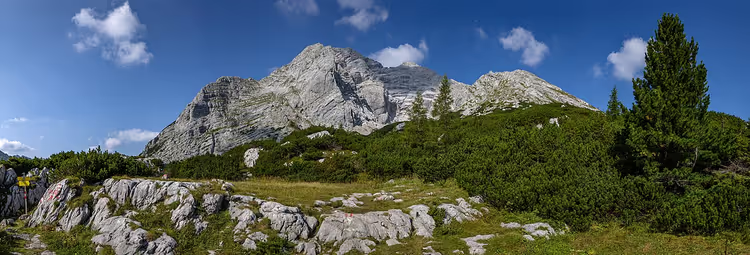 © Michal Klajban · CC BY-SAPhoto: Michal Klajban, CC BY-SA (https://creativecommons.org/licenses/by-sa/4.0), Wikimedia Commons
Austria is great for an active weekend. Pick your format: a yoga tour, paintball, or a regatta along the shore. In winter, you can add Alpine ski resorts with slopes for different levels. Do a group session first, then head out to conquer the heights. An adventure like this restores motivation and clears away built-up fatigue.
- Who it's for: active teams that need an energy boost and movement.
- The catch: a ski weekend requires at least some of the group to have basic skills.
Latvia: Riga and the Baltic coast
 © Diliff · CC BY-SAPhoto: Diliff, CC BY-SA (https://creativecommons.org/licenses/by-sa/3.0), Wikimedia Commons
Latvia offers two scenarios. First: explore Riga and its old town. Second: a camping trip to the Baltic Sea coast. Pine trees, sand, and cool water appeal to almost everyone. A trip like this will show who on the team handles challenges well. Prepare gear, food, the route, and communication in advance.
- Who it's for: teams that want an outdoor format without long flights.
- The catch: the trip requires gear and physical readiness from participants.
Iceland: a jeep tour through volcanoes
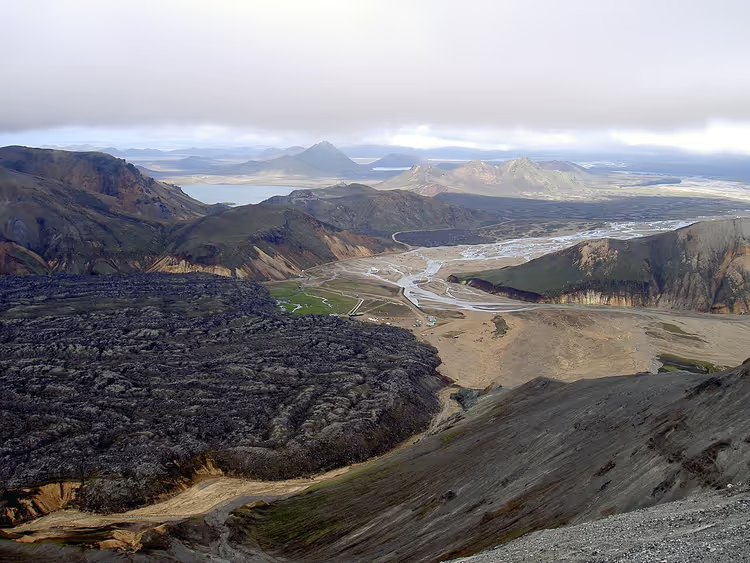 © User:Chris 73 · CC BY-SAPhoto: User:Chris 73, CC BY-SA (https://creativecommons.org/licenses/by-sa/3.0), Wikimedia Commons
Iceland delivers powerful impressions. Local drivers will take you on a jeep tour through mountainous terrain and show you places a regular tourist can't reach. Volcanoes, glaciers, and hot springs will open up before you. Try the local dishes: for many, that's a separate part of the trip.
- Who it's for: teams ready for a long journey and an unconventional itinerary.
- The catch: the flight takes a lot of time, so the country doesn't work for a short weekend.
Tours and tickets
Guided tours, skip-the-line tickets and activities — most offers can be cancelled free of charge.
See offers on GetYourGuideThe widget loads once you give your consent.
⁉️🤔 Frequently asked questions
How many days should you set aside for a corporate trip?
Most often it's a two- or three-day getaway: that's enough time for travel, the program, and rest. A longer format makes sense for distant countries where the flight itself eats up a day. If you're going for the first time, start with a short route and don't overload the schedule.
Which country should you choose for a first corporate trip?
For a first trip, go with Italy or Spain: a short flight, straightforward logistics, and plenty of ready-made excursions. Cities and museums are easy to combine with dinners, and the program can realistically be put together for a couple of days. Austria works well if the team loves sports.
Where should a team that loves active recreation go?
Look at Austria and Iceland. In Austria, it's easy to put together a sports weekend with trails of different levels, while Iceland offers jeep tours through volcanoes and glaciers. Both options require readiness for travel and changing plans.
Does the whole group need medical insurance?
Yes, get a policy for every employee in advance. It covers doctor's expenses abroad and saves money in unexpected situations. Terms vary between companies, so compare options before departure and get coverage for active recreation.
When should you book tickets and hotels for a group?
The earlier, the better: a few months out, prices are usually lower and room selection is wider. Booking ahead lets you put the group on the same floor and get adjacent seats on the plane. Museums and excursions should also be booked before departure.
In short: what's worth booking
The final choice depends on your team's goals and budget.
- You want museums and cities: go with Italy, book rooms in Rome or Florence.
- You want food and wine: choose Spain or France.
- You love sports: Austria or Iceland will work.
- You need a budget-friendly outdoor option: look at Latvia.
Book two things for the trip in advance: hotels on Trip.com and flights on Kiwi.com.
Take care of group safety before departure too: a policy for the whole team.

A small editorial team writing guides for independent travel. We travel ourselves, but we haven’t been everywhere, so we check prices, opening hours and how to get there against official sources.