
















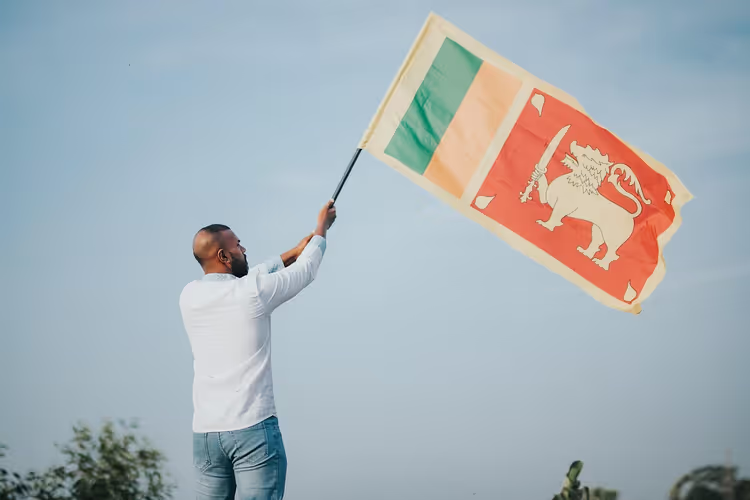
Sri Lanka: ocean, elephants and tea hills in one trip
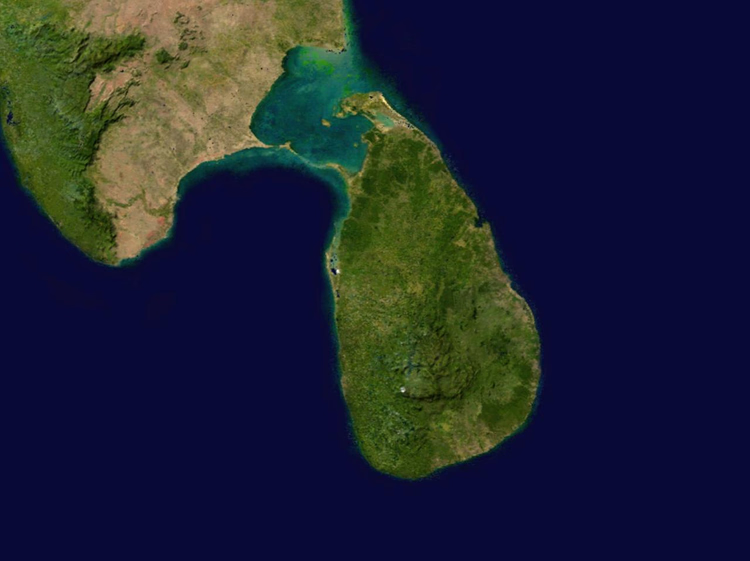
Sri Lanka packs ocean, jungle, and mountains into a single trip. From a December Europe, you step into warmth where elephants wander up to the road and the train runs through tea-covered hills. Two monsoons set the island's weather: while the southwest is soaking up sun, the east is getting rain (as of 09/2026, official tourism portal). In a week you can fit in the ocean, the temples, and the highlands. Below are ten reasons to plan this trip, plus practical notes on seasons, getting around, and food.
Ad: this article contains affiliate links, we earn a commission if you book through them, at no extra cost to you.
What to know before you go
💡 In short:
- Two seasons split the island: the southwest is dry from December to March, the east from May to September.
- Get your visa online in advance; details and fees depend on your citizenship.
- Visa rules and seasonality: 09/2026, verified on the Sri Lanka tourism office website.
Pick your coast by season, not by habit. If you want a dry southwest, go in winter. The east opens up in summer, and the central highlands welcome visitors year-round.
Region | Dry season | What to do |
|---|---|---|
Southwest (Colombo, Galle) | December-March | beaches, Galle Fort, excursions |
East (Trincomalee) | May-September | quiet beaches, diving |
Central hills (Kandy, Nuwara Eliya) | year-round | tea plantations, trains |
Prices are in Sri Lankan rupees (LKR). Between cities, the train is the most convenient option: tickets for popular routes sell out in advance. The island is compact, but the roads are winding, so allow extra time.
Warmth, beaches, and the ocean
1. Warm climate in the middle of winter
While Europe is under snow, the island lives in endless summer. It stays warm during the day, and a light shirt is enough in the evening. For anyone from the DACH region, this is the simplest reason to open the map in winter. Pack light clothes and a hat: the tropical sun is strong.
2. Beaches for every taste
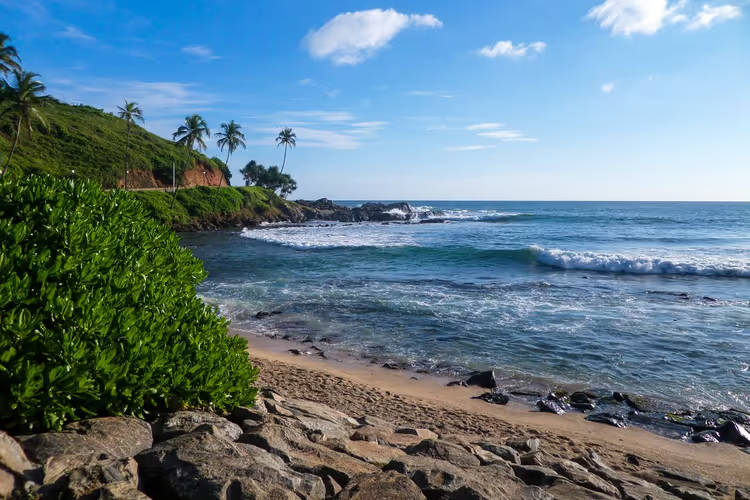
You get both empty coves and developed resorts with loungers and cafes. Southwest beaches are chosen for calm water and sunsets. Eastern beaches are valued for their cleanliness and quiet in season. Getting between beaches is easy by tuk-tuk or rental car.
3. Surfing, diving, and water sports
The ocean here works almost year-round: one coast is always in season. In the south and east, beginners can learn to surf from scratch. Divers look for shipwrecks and coral reefs. Windsurfing, water skiing, and jet skis are available right at the hotels.
- The catch: in the south, currents can be strong in places, so swim near lifeguards and watch the flags.
Culture, jungle, and tea hills
4. Buddhist and Hindu temples
Two religions coexist on the island, and you can see it in the architecture. Kandy is home to the Temple of the Tooth, where pilgrims come from across the country. The ancient cities of Anuradhapura and Polonnaruwa have preserved stupas. The rule is simple: cover your shoulders and knees and take off your shoes at the entrance.
5. Wildlife: elephants and leopards
Elephants appear by the roads and on plantations, not only in enclosures. Yala National Park is home to leopards, and it is one of the few places where you can actually see them. Start your safari at dawn: by midday the animals retreat into the shade. A guide will show you tracks and explain the safety rules.
 © Casey Klebba · CC BY-SAPhoto: Casey Klebba, CC BY-SA (https://creativecommons.org/licenses/by-sa/4.0), Wikimedia Commons
- The catch: safari departures start before sunrise, so you will need to go to bed early.
6. Nuwara Eliya and tea plantations
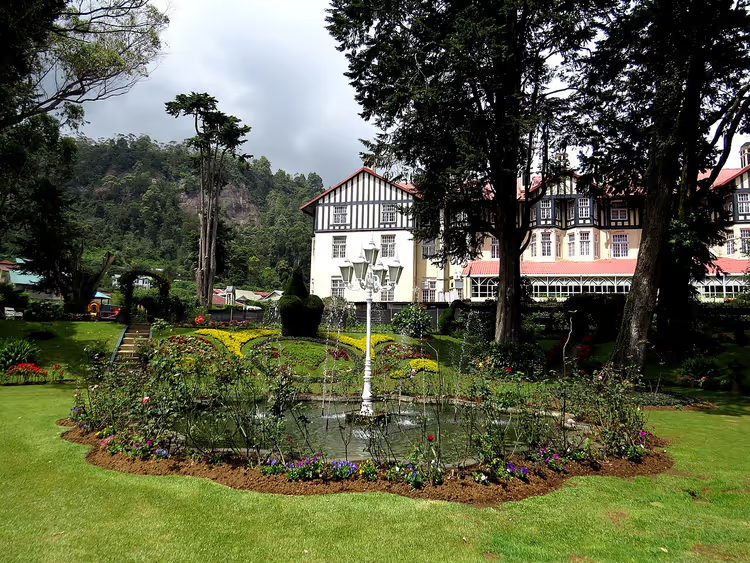
The highlands offer a break from the heat: evenings here are cool. Tea plantations stretch all around, and the train between Kandy and Ella runs right through them and is considered one of the most beautiful routes on the island. At dawn, the hills open up a panorama that photographers come here for. Bring a light jacket: the air gets noticeably cooler at night.
 © vivali · CC BYPhoto: vivali, CC BY (https://creativecommons.org/licenses/by/3.0), Wikimedia Commons
Food, wellness, and festivals
7. Ayurveda, massage, and spa
Ayurveda practitioners work with herbs and oils, and treatments last for hours. You will be offered oil massage, aromatic baths, and meditation. Hotels have regular spa centers, but for authentic Ayurveda, look for specialized clinics. Book in advance in high season.
8. Poya full moons and festivals
Every full moon, the island celebrates Poya, and it is an official day off. Temples are packed on these days, streets are decorated, and processions take place in the evening. For a traveler, this is a chance to see the country in its own rhythm, not just in tourist mode.
- The catch: during the full moon, intercity buses and trains are packed, so buy tickets in advance.
9. Ceylon tea and tropical fruit
Ceylon tea from these plantations is known in Europe, but on site it is fresher and cheaper. Fruit stalls are piled high with mangoes, papayas, and passion fruit. A separate challenge awaits the brave: durian, with its sharp smell and delicate taste. Try fruit at the market, where the selection is wider than at the hotel.
10. Gemstones, shopping, and local people
The island has traded in precious stones for centuries; sapphires and rubies are mined here. Buy them in licensed shops and ask for a certificate. Besides stones, people bring back spices, tea, and fabrics. And you will also take home a habit of local smiles: the islanders are open and happy to point you in the right direction.
- The catch: at informal markets without a certificate, it is easy to overpay for a stone.
⁉️🤔 Frequently asked questions
When is the best time to go to Sri Lanka?
Look at the coast: each shore has its own dry season, with dates listed in the table above. That way you almost always get good weather and avoid monsoon rains. Decide on your base in advance and fit your dates to its season.
Do I need a visa?
Yes, you get a visa online in advance through the ETA system. Conditions and fees depend on your citizenship, so check them on the country's official portal before buying tickets. Apply in advance and keep your confirmation handy at the border.
How many days should I plan for the trip?
A week is enough for a first visit. In that time you can cover one coast, Kandy, and one day in the highlands. Two weeks let you add the east, a safari in Yala, and the ancient cities. Do not try to cover everything in three days: the roads are winding, and transfers eat up time.
Is it safe to swim in the ocean?
Swimming is calm on most beaches, but the south can have strong currents. Watch the flags and listen to the lifeguards. Swim in your coast's season, when the water is calmer. For surfing, choose established schools with an instructor.
Is it worth going with children?
Yes, if you pick a calm coast and short transfers. Kids usually love the elephants, trains, and fruit. Check the water situation at your hotel in advance and bring familiar food for little ones. Evenings in the highlands are cool, so pack warm clothes.
In short: what to book
For surfing, stay in the south near established schools. You can conveniently book hotels on Trip.com in advance, and tours and excursions on GetYourGuide take care of the guide question.

A small editorial team writing guides for independent travel. We travel ourselves, but we haven’t been everywhere, so we check prices, opening hours and how to get there against official sources.