

















10 Rules so a trip as a couple or group does not end in a fight
Three friends, one hotel, and different expectations. A trip together tests a relationship more than it seems. One wants an expensive hotel, another is looking for a hostel, and the third dreams of lying on the beach all day. Sound familiar?
The problem is usually an uncoordinated plan, not the people. The sooner you agree on budget, pace, and personal time, the calmer your vacation will be. We have put together ten rules that help a group come home as friends.
Ad: this article contains affiliate links. We earn a commission if you book through them, at no extra cost to you.
1. Plan the trip together
Agree on dates, country, and comfort level before booking. Decide together, not by majority vote, whether it will be a budget trip or an expensive one. That way you avoid surprises on site.
Assign responsibilities in advance. One person looks for accommodation, another handles tickets and activities, and the third manages the shared budget. Preparation goes faster, and no one is left out.
In practice, it works well when the group arrives at the same destination on different days and by different transport, and leaves together. Write down who arrives when and how. Everyone gets a chance to wrap up personal matters before the group meets.
💡 In short:
- Agree on dates, route, and budget before booking.
- Divide roles: accommodation, tickets, money.
 © BLM Oregon & Washington · CC BYPhoto: BLM Oregon & Washington, CC BY (https://creativecommons.org/licenses/by/2.0), Wikimedia Commons
2. Be considerate of each other's interests
It is great when everyone in the group supports each other's ideas. In practice, that is not always the case. Some people like active days from morning to evening, others prefer a relaxing getaway by the water.
Collect everyone's wishes and include activities in the plan that suit the majority. If someone wants a quiet evening, do not drag them on a noisy excursion. Respecting other people's interests saves the whole group's nerves.
Agree on a simple rule: if a person skips one activity, it is not a personal slight. Then you will calmly get through any evening with different plans.
3. Agree on the budget in advance
Discuss money before the trip, not on the first evening at a cafe. Be honest about how much you are willing to spend and on what. Otherwise one person orders expensive wine while another counts every euro.
Split expenses into shared and personal. Accommodation and travel are easiest to split equally, while shopping and dinners are paid for individually. That way you avoid petty resentments and lengthy calculations.
Accommodation is usually the biggest budget item. Compare options in advance and choose what the whole group can afford: browse accommodation options on Trip.com.

4. Leave room for spontaneity
Even if you plan minute by minute, leave one day unplanned. Weather, fatigue, and closed museum doors change everything. Relax, that is normal.
If someone is worn out, adjust the program. Otherwise a fun outing turns into an irritating obligation. One failed excursion does not ruin an entire vacation.
Book in advance only what cannot be rescheduled. Decide the rest on the spot, based on weather and mood.
5. Do not look for someone to blame when things go wrong
Someone forgot their passport or mixed up the departure time. It is easy to get angry. But blame only deepens the disappointment and triggers new arguments.
Solve the problem instead of looking for the guilty party. Emotions can be controlled even when plans fall apart. A year from now you will remember the story with a laugh.
Do not bring up old mistakes in future arguments. That way you keep the whole group calm.
 © IAEA Imagebank · CC BYPhoto: IAEA Imagebank, CC BY (https://creativecommons.org/licenses/by/2.0), Wikimedia Commons
6. Learn about the country and local customs
Before the trip, find out about the culture, cuisine, and rules of the country you are visiting. It is easier than it seems: official recommendations and tourist offices provide information for free.
We checked entry rules and insurance on 09/03/2026 using the official recommendations of Auswärtiges Amt: they have data for every country.
If you know the dress code and local customs, there will be fewer awkward situations. Then each person's expectations match reality.
7. Personalize the itinerary
"Top ten places" lists from the internet are easy to get carried away by. But that is someone else's trip, not yours. Set priorities: what exactly does your group want to see.
Pick two or three must-do items per day and no more. Leave the rest for next time. Your idea of fun may differ from someone else's, and that is normal.
Make sure there is time for lunch and rest between the must-do items. Otherwise a packed day will exhaust the whole group.
8. Plan time apart
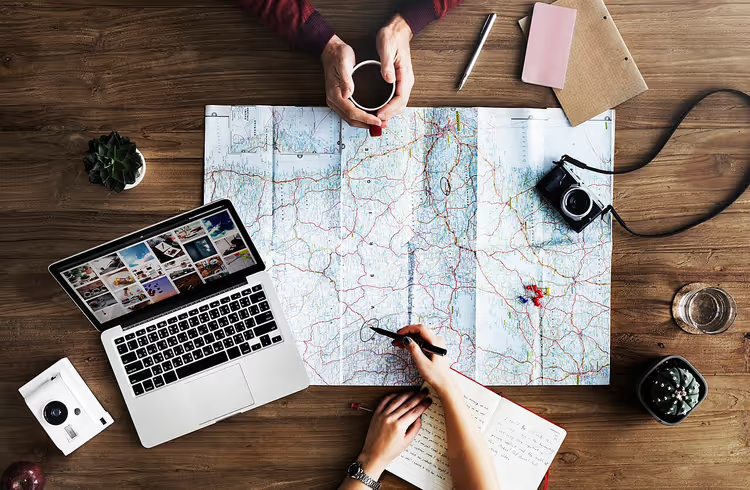
Traveling together does not mean not separating for a minute. On a long trip, everyone needs personal time. It is not a quarrel, it is self-care.
Split up for half a day: one person goes to a museum, another stays by the pool. In the evening you will share impressions over dinner. This especially helps groups with different tastes.
Activities and tickets are easier to book in advance: tours and tickets on GetYourGuide.
9. Agree on pace and daily routine
Agree on wake-up time, the number of excursions per day, and rest time. Not everyone likes an early start, and by evening even enthusiasts get tired.
Plan travel with a buffer. For driving, calculate the route, breaks, and toll sections in advance (according to ADAC, 09/2026). Then a traffic jam will not derail the whole program.
One relaxed day in the middle of the trip makes the vacation more comfortable for everyone.
10. Keep a shared chat and a document with the plan
Set up one chat and one document with all bookings: addresses, times, flight numbers. That way no one loses a confirmation or asks for the tenth time where you are meeting.
Make the plan available offline. Install the hotel app and an offline city map in advance. For staying connected during the trip, a local SIM card is useful: get mobile internet for your trip.
Review the plan for the next day once a day. A shared document eliminates half of the minor conflicts before you even take off.
⁉️🤔 Frequently asked questions
What if we have very different budgets?
Be honest about your amount in advance and split the days. Part of the trip follows the shared budget, part each person plans on their own. Choose accommodation and transport that fit the lowest budget in the group, and keep expensive experiences as an option. Then no one feels pressured or builds up resentment.
How do we avoid arguments during a vacation together?
Agree on money, pace, and personal time before you leave. Plan one activity per day that suits the majority, and do not demand to be together every minute. If something goes wrong, solve the problem instead of looking for someone to blame. A calm conversation in the evening resolves most resentments.
Should we plan everything in advance?
Plan the key things in advance: accommodation, transport, visas, and at least one main item per day. Leave free hours for spontaneity. A minute-by-minute schedule is exhausting, while full improvisation in high season is expensive and eats up time on searching.
What if our flight is delayed?
Under EU rules, a delay of 3 hours or more entitles you to compensation of 250 to 600 €, and the carrier must provide drinks and communication after 2, 3, or 4 hours depending on the flight distance (according to the European Commission, 09/2026). Keep your boarding passes and receipts. Each passenger files a claim separately.
We are going for a long time and have different interests, what should we consider?
On long routes, be sure to plan time apart and a shared slow day. Agree in advance how many hours a day you spend together. Different tastes are normal, not a problem, when everyone has their own experiences and a shared evening.
In short: what to book
Break the preparation into simple steps: accommodation, transport, activities, and small details. Then a couple or a large group argues less and sees more.
- If you are traveling with a large group: book an apartment with a shared kitchen, where it is easy to cook and split costs.
- If people in the group have different interests: book separate excursions and tickets so no one gets bored.
- If you are going for a long time: sort out accommodation and internet in advance.
Book accommodation and transport in advance so you do not have to search for them in high season: compare accommodation prices on Trip.com.

A small editorial team writing guides for independent travel. We travel ourselves, but we haven’t been everywhere, so we check prices, opening hours and how to get there against official sources.