
















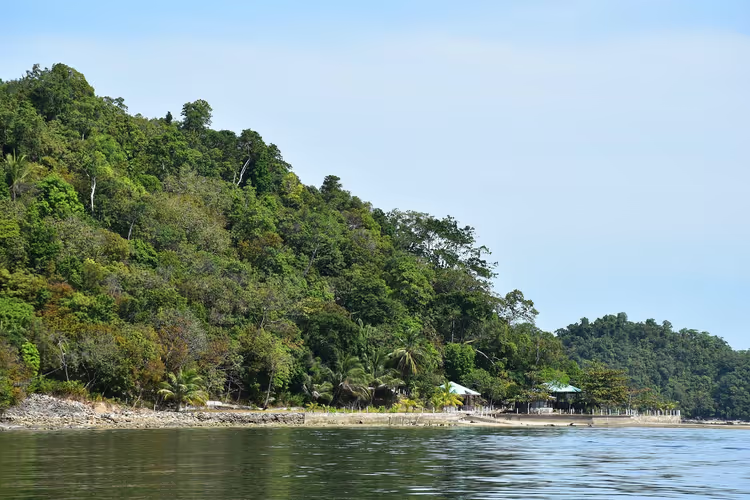
Philippines resorts: which island to choose for beach, diving and surfing
The Philippines spreads across 7,641 islands, and choosing between them is harder than it seems (as of 09/2026, Philippines Department of Tourism). One island is great for diving, another for surfing, a third greets you with silence and no cars.
A mistake costs you dearly. A flight between islands eats up an entire day, and the wrong season ruins the whole trip. Below we've broken down the resorts by scenario: beach, diving, nature, and budget.
Ad: this article contains affiliate links, we earn a commission if you book through them, at no extra cost to you.
How to choose a resort in the Philippines
💡 In short:
- The dry season runs from December to May, the wet season from June to November: pick the first window for the beach.
- Local airlines and ferries connect the islands: allow a full day for the transfer.
- Look for diving on Bohol, Panay, and in Cebu, surfing on Siargao, silence on Carabao and Kalanggaman.
- Climate, number of islands, and entry rules: as of 09/2026, verified on the Department of Tourism website.
Scenario | Resort |
|---|---|
First visit, history and museums | Manila |
Classic beach and bars | Boracay |
Diving and underground rivers | Palawan |
Lagoons and Spanish forts | Cebu |
Nature without crowds | Malapascua, Talicud |
Surfing | Siargao |
Silence and budget | Carabao, Bantayan |
Below are the resorts by island and region, from the capital to remote atolls. For each one we give a quick summary, how to get there, and an honest catch. Check prices and schedules on the ground: local rates change every season.
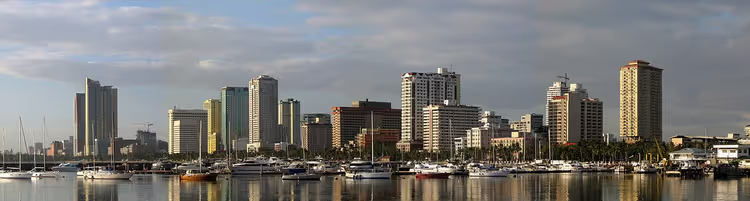
1. Manila: the capital and starting point
 © Mike Gonzalez ( TheCoffee ) · CC BY-SAPhoto: Mike Gonzalez ( TheCoffee ), CC BY-SA (https://creativecommons.org/licenses/by-sa/3.0), Wikimedia Commons
The country's capital and one of the most densely populated cities in the world. It's not a beach resort, but a base for getting to know the history: the old Intramuros district with Fort Santiago delivers Spanish character, with churches, temples, and mosques nearby. Museums introduce the country's culture, and the waterfront buzzes day and night. The city was captured in different eras by the Spanish, British, Americans, and Japanese, and each left a mark on the architecture. Manila lies in a subequatorial climate zone, so the heat stays steady year-round.
- How to get there: Ninoy Aquino International Airport, direct flights from Europe and Asia.
- Who it's for: you want museums, food, and big-city nightlife.
- Not for: you need the sea and quiet from day one.
- The catch: traffic and noise, no beaches within the city limits.
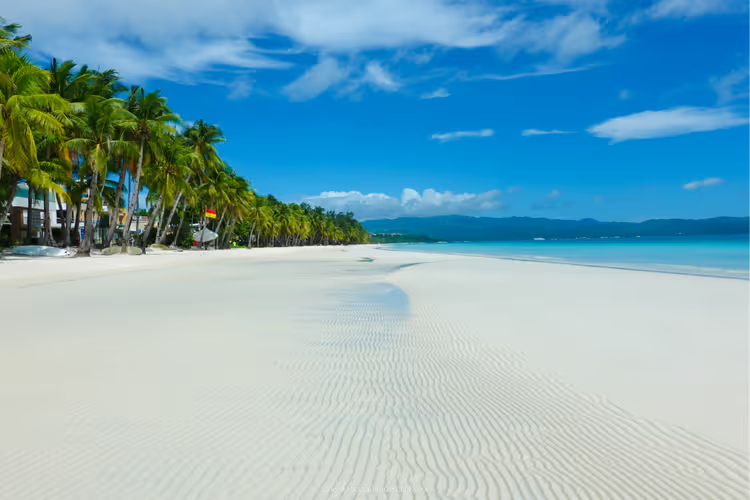
2. Boracay: the country's main beach
 © Jhun Sacapano · CC BY-SAPhoto: Jhun Sacapano, CC BY-SA (https://creativecommons.org/licenses/by-sa/4.0), Wikimedia Commons
The archipelago's most famous beach resort. White Beach stretches along the western shore, while Bulabog lies to the east with constant wind and waves. Windsurfing and kitesurfing schools operate there.
After the sanitation rehabilitation, the island reopened to visitors with new rules: some waterfront activities were restricted. Book accommodation in advance, as rooms are scarce in high season.
- How to get there: flight to Caticlan, then a boat to the island.
- Who it's for: you want a classic beach, sunsets, and bars.
- Not for: you need shore diving, which has been restricted here.
- The catch: crowded in December and at Easter.
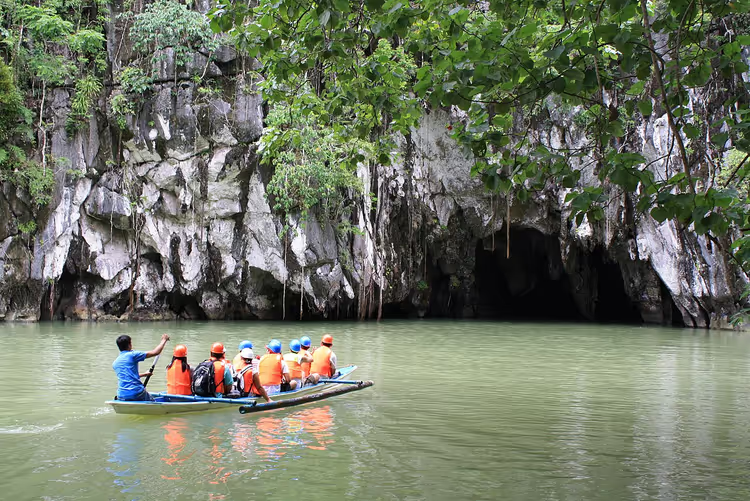
3. Palawan: underground river and jungle
 © Mike Gonzalez · CC BY-SAPhoto: Mike Gonzalez, CC BY-SA (https://creativecommons.org/licenses/by-sa/3.0), Wikimedia Commons
The country's largest island province, with rice fields, mangrove forests, and an underground river. The coast of Palawan and neighboring islands are protected as a World Heritage site, and the river in Sabang is listed among the natural wonders of the world.
Puerto Princesa, the province's main city, receives flights. From here you head out by boat to lagoons, reefs, and fishing villages. The coastline stretches for hundreds of kilometers: sandy beaches alternate with rocky headlands. Protected coral reefs lie offshore, and divers encounter both small fish and large inhabitants here. Roads between villages run through tropical greenery, and the settlements themselves keep an authentic way of life.
- How to get there: flight to Puerto Princesa, then jeepneys and boats.
- Who it's for: you want nature, diving, and expeditions.
- Not for: you need everything within walking distance of your hotel.
- The catch: the trip to the underground river takes half a day.
4. Panay: diving on the west coast
 © Patrick Roque · CC BY-SAPhoto: Patrick Roque, CC BY-SA (https://creativecommons.org/licenses/by-sa/4.0), Wikimedia Commons
The island is washed by the Sibuyan Sea and the Sulu Sea. The west coast is known for its dive sites: the underwater walls of Buruanga and Nasog, Black Rock, and the Dog Drift drop-off. Clear water and coral colonies suit beginners too.
On land, you'll find stalactite caves, including the vast Pangihan Cave, and long beaches. Hotels, nightclubs, and restaurants are concentrated in the resort areas.
- How to get there: fly or take a ferry to Iloilo, then transfer north.
- Who it's for: you want diving and caves in one trip.
- Not for: you want a compact resort near the airport.
- The catch: the west coast dive sites are only reachable by boat.
5. Cebu: lagoons and a Spanish fort
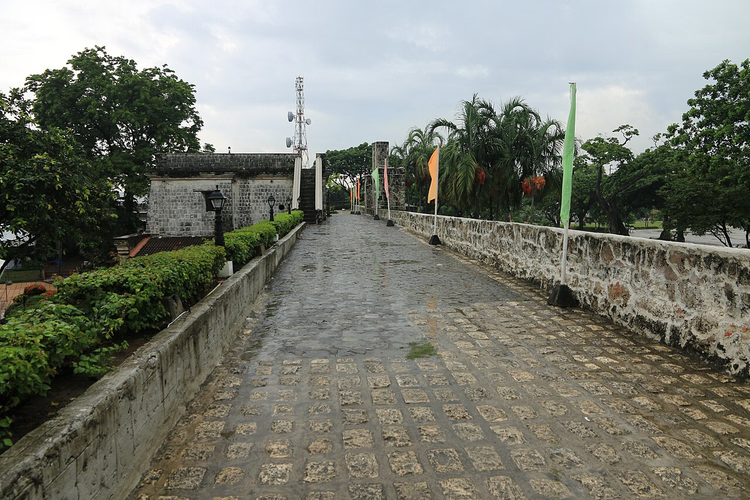
A versatile resort where nature meets urban comfort. Small islands around Cebu are ideal for snorkeling and diving, and shipwrecks rest on the seabed.
 © Øyvind Holmstad · CC BY-SAPhoto: Øyvind Holmstad, CC BY-SA (https://creativecommons.org/licenses/by-sa/4.0), Wikimedia Commons
In the city, you'll find Fort San Pedro and the Basilica del Santo Niño with its image of the Christ Child. Shopping malls and markets cover the souvenir side of things. Clean lagoons and abundant coral make the island a good choice for family trips, so some hotels operate on an all-inclusive basis. Beyond the reefs, shipwrecks on the seabed attract divers from many countries.
- How to get there: Mactan-Cebu International Airport, with flights from Asia and Europe via connection.
- Who it's for: you want to combine diving, history, and shopping.
- Not for: you want a quiet island without a city.
- The catch: getting between the beaches and the city means driving across the whole island.
6. Bohol: Chocolate Hills and tarsiers
 © P199 · CC BY-SAPhoto: P199, CC BY-SA (https://creativecommons.org/licenses/by-sa/3.0), Wikimedia Commons
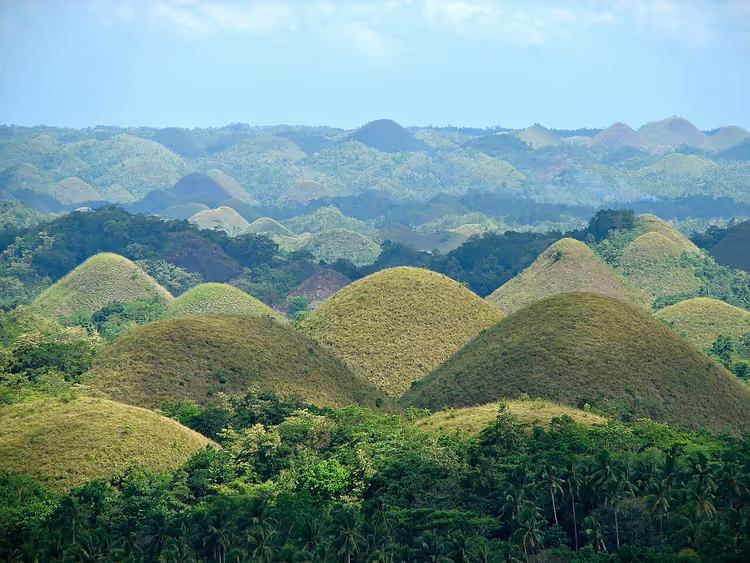
A volcanic island with "chocolate" hills that turn brown with dry grass in summer. Bohol is connected by a bridge to Panglao Island, where the main hotels and beaches are located.
At the Tarsier Sanctuary you'll see rare, tiny primates with big eyes. They are shown in their natural habitat. The beaches on Panglao are sandy and coral.
- How to get there: ferry or flight to Tagbilaran, then transfer across the island.
- Who it's for: you want hills, wildlife, and rural charm.
- Not for: you only want a beachfront property.
- The catch: the hills and the Tarsier Sanctuary require a drive across the whole island.
7. Siquijor: waterfalls and the island of fire
 © Robert Breivik · CC BY-SAPhoto: Robert Breivik, CC BY-SA (https://creativecommons.org/licenses/by-sa/3.0), Wikimedia Commons
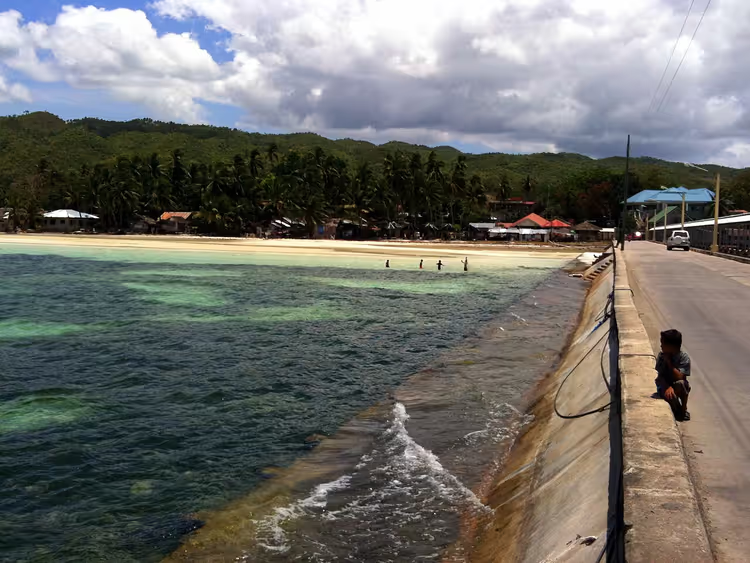
A small island province with white beaches, waterfalls, and mangrove parks. The island's second name, Isla del Fuego, means "island of fire": it was named for the many fireflies in the trees.
The main transport here is motorbikes, tricycles, and multicabs. There are few heavy vehicles, so the air and water stay clean. You'll find six small towns with churches, gardens, and cafes.
- How to get there: ferry from Cebu or Negros, then a tricycle.
- Who it's for: you want a quiet island with waterfalls and diving.
- Not for: you want a developed nightlife scene.
- The catch: getting around the island means riding a motorbike or tricycle.
Hotels on Siquijor on Trip.com
8. Malapascua: thresher sharks near the shore
 © Matt Kieffer · CC BY-SAPhoto: Matt Kieffer, CC BY-SA (https://creativecommons.org/licenses/by-sa/2.0), Wikimedia Commons
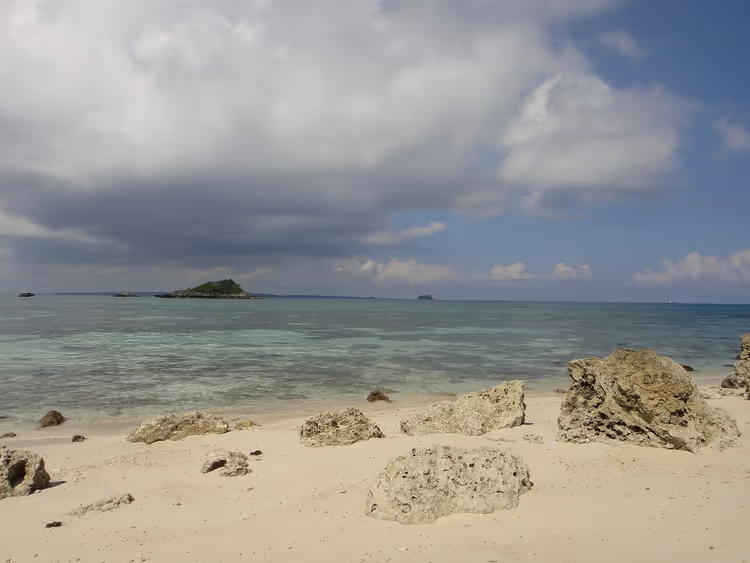
A tiny island about a kilometer wide at the northern tip of Cebu. The name translates from Spanish as "bad Christmas": when the Spanish landed here on the holiday, a storm broke out.
Getting there is not easy, which is exactly why nature here is almost untouched. Deep-water thresher sharks live in the coastal waters and come to the shallows to be cleaned by wrasses. Divers come for this spectacle, and the best season runs from November to May. The popular beaches of Logon Beach, Bounty Beach, Lighthouse, and Tawigan are well kept but retain their pristine look. Locals work in hotels, fishing, and farming, so the island has a calm, village-like pace.
- How to get there: a flight or bus to the port, then a boat to the island.
- Who it's for: you want shark diving and empty beaches.
- Not for: you need city infrastructure and entertainment.
- The catch: the journey is long, and there are no direct flights to the island.
Hotels in Malapascua on Trip.com
9. Kalanggaman: a tiny sand spit
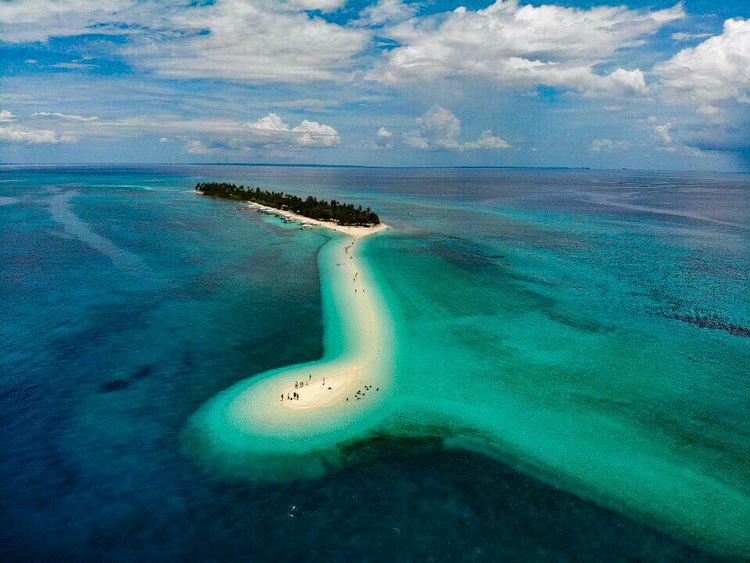 © Exec8 · CC BY-SAPhoto: Exec8, CC BY-SA (https://creativecommons.org/licenses/by-sa/4.0), Wikimedia Commons
A thin sand spit about a kilometer long off the island of Leyte, west of Palompon. White and pink sand and clear water create the classic tropical picture.
There are no crowds here: the place is visited on group tours from Palompon and Cebu. Swimming and entry are paid; check the price on site with the organizers. The water is so clear that you can see the bottom at a considerable depth.
- How to get there: a bus to Palompon, then a group boat tour.
- Who it's for: you want snorkeling, photos, and a day on an uninhabited spit.
- Not for: you need accommodation on the island itself: there are no hotels here.
- The catch: visiting is paid and only as part of a tour.
Hotels in Palompon on Trip.com
10. Davao: the calm south of Mindanao
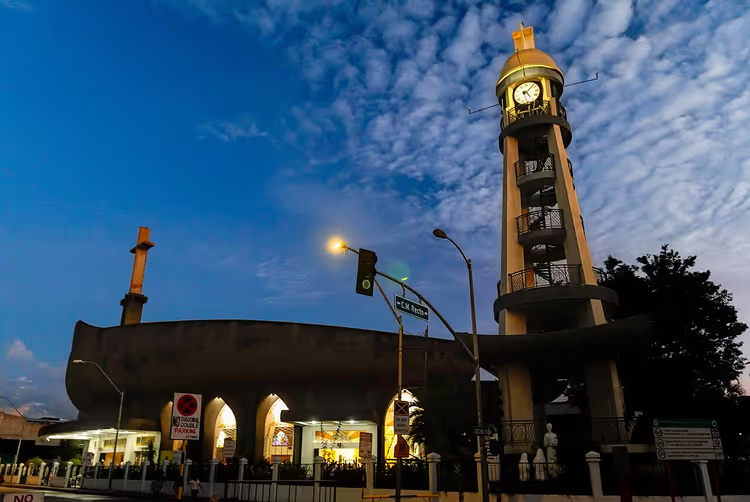 © JESSIEENOPHOTO · CC BY-SAPhoto: JESSIEENOPHOTO, CC BY-SA (https://creativecommons.org/licenses/by-sa/4.0), Wikimedia Commons
A large resort city on the island of Mindanao. Mountains shield it from winds and typhoons, so the weather here is steady all year round.
The city is considered safe: traffic is restricted, and order is enforced more strictly than the national average. The beaches offer conditions for both active and relaxed recreation. Local dive schools are considered among the best in the archipelago.
- How to get there: Davao International Airport, with flights from Asia and via Manila.
- Who it's for: you want year-round vacation and diving without typhoons.
- Not for: you need bars and nightlife until morning.
- The catch: the beaches are outside the city, so you'll need transport to get there.
11. Samal: fruit and wild nature
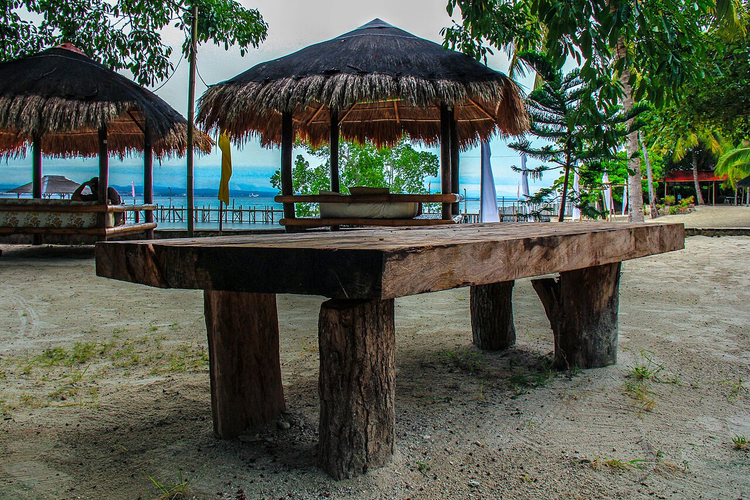 © Ismael Cacharro · CC BY-SAPhoto: Ismael Cacharro, CC BY-SA (https://creativecommons.org/licenses/by-sa/4.0), Wikimedia Commons
A southern island known as a haven for fruit lovers and raw food enthusiasts. Bungalows, an abundance of mangoes, passion fruit, and seafood make for an inexpensive and relaxed stay.
The main guests here are Filipinos coming for the weekend. You'll be drawn to the village life, beaches, and dense forests. But the island also has a flip side.
- How to get there: a flight to Davao, then a ferry and bus to your destination.
- Who it's for: you're looking for a cheap tropical getaway far from the crowds.
- Not for: you're traveling with small children.
- The catch: risk of dengue fever, and accidents are common on the mountain switchbacks.
12. Talicud: the island of coconuts and ferries
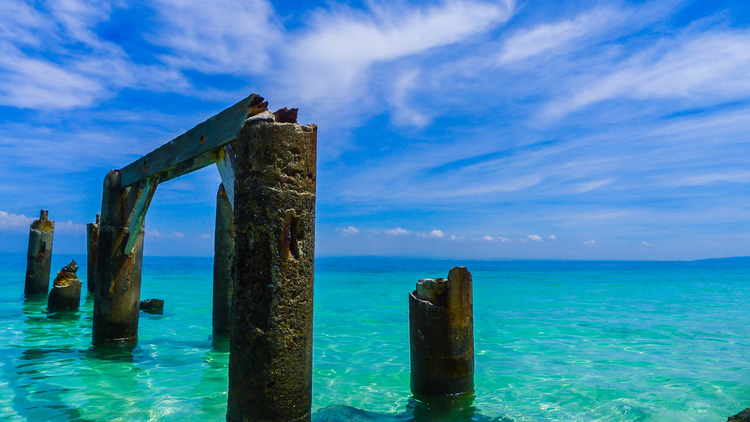 © Jeff Pioquinto, SJ · CC BYPhoto: Jeff Pioquinto, SJ, CC BY (https://creativecommons.org/licenses/by/2.0/), Flickr
A tiny island near Mindanao where almost all the exotic fruits of the tropics grow. Here the blue of the sky merges with the azure of the sea, and "toy-like" local houses line the shore.
Ferries arrive at the port of Santa Cruz. Nearby lies Isla Reta Beach, the island's largest beach with white sand. On the other beaches, Dayang and Babusanta, houses by the water can be rented for the night.
- How to get there: a ferry from Magsaysay Port (Davao) to Santa Cruz.
- Who it's for: you want a secluded beach and cheap accommodation by the sea.
- Not for: you need full-service hotels and excursions.
- The catch: the infrastructure is basic, and there is almost no entertainment.
13. Carabao: quiet near Boracay
A small island close to Boracay, but its complete opposite. It is quiet here, there are no crowds, and nature remains almost untouched. At the same time, hotels have internet and television, and bars and cafes are open.
People come here for a day, for a honeymoon, or for a week of complete peace. You can take a kayak, jump off a cliff into a lagoon, or snorkel. Divers find reefs and fish at depth.
- How to get there: boat from Boracay or Caticlan.
- Who it's for: you want peace, nature, and snorkeling without noise.
- Not for: you need parties and big hotels.
- The catch: there is little entertainment, evenings here are calm.
14. Coron: lakes among cliffs
 © 우한길(HK Woo) · CC BYPhoto: 우한길(HK Woo), CC BY (https://creativecommons.org/licenses/by/3.0), Wikimedia Commons
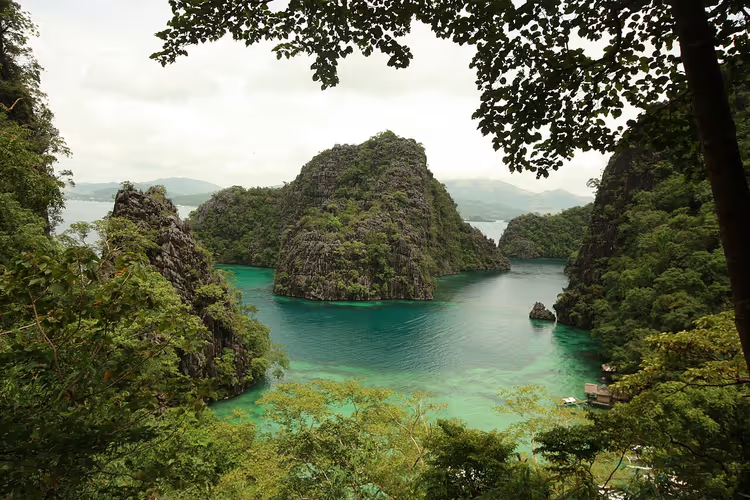
A small island near Busuanga with steep cliffs, bays, and lakes. The sacred Kayangan Lake with emerald water and wooden walkways is considered the main point of the route.
The second popular lake, Barracuda, is a favorite of divers: they descend to great depths here. There are no hotels on the island itself; it is visited only on group boat tours from Busuanga. Swim in life jackets.
- How to get there: flight to Busuanga (Coron), then a boat tour.
- Who it's for: you want snorkeling, cliffs, and lakes in one day.
- Not for: you need to stay right by the lakes.
- The catch: there are no hotels on the island, only group excursions.
15. Dumaguete: the promenade and the old town
 © Marion Paul Baylado · CC BY-SAPhoto: Marion Paul Baylado, CC BY-SA (https://creativecommons.org/licenses/by-sa/3.0), Wikimedia Commons
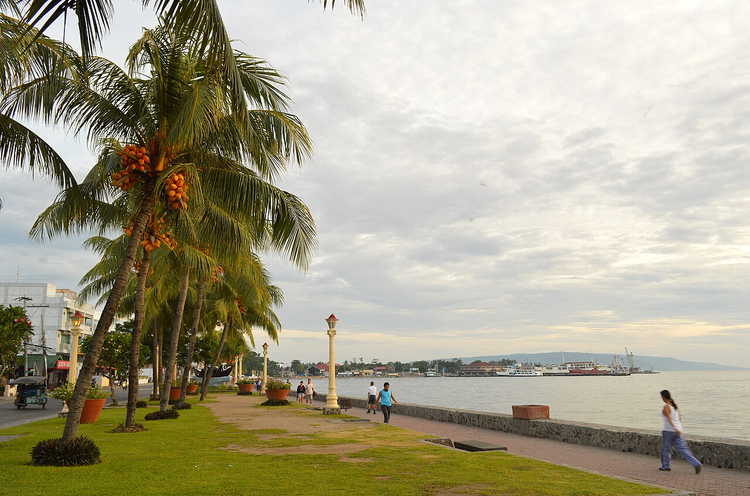
A city on Negros Island with a long promenade that is pleasant to walk along in the evening. Resort life is in full swing here, with cafes, bars, and shops.
The "Nuns in Boats" monument draws attention, erected in honor of the nuns who sailed here fleeing the Spanish. Nearby stand an old Spanish fort and a cathedral on the central square. The beach within the city is well maintained, the sea is clean, and water sports are available near the hotels. Newlyweds often get married near the landmarks and local ceremonies take place, so it is always lively here.
- How to get there: flight to Dumaguete or ferry from Cebu Island.
- Who it's for: you want a city resort with a beach and a promenade.
- Not for: you need complete isolation from people.
- The catch: it is always crowded near the main landmarks.
Hotels in Dumaguete on Trip.com
16. Bantayan: budget beach and Santa Fe
 © Øyvind Holmstad · CC BY-SAPhoto: Øyvind Holmstad, CC BY-SA (https://creativecommons.org/licenses/by-sa/4.0), Wikimedia Commons
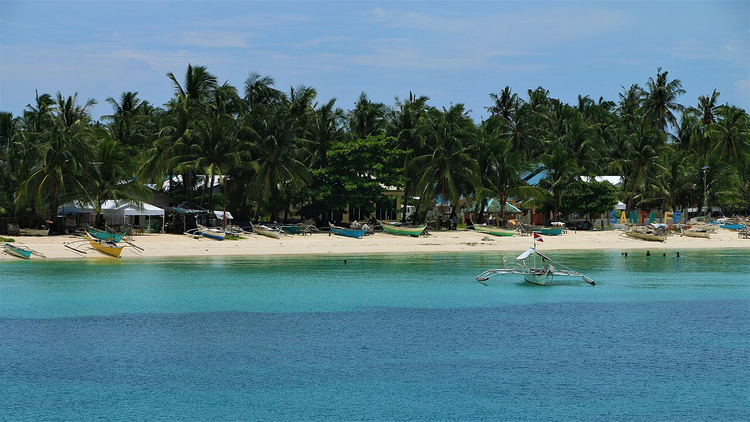
A small island northwest of Cebu with clean beaches and low accommodation prices. It has everything you need: hotels, restaurants, bars, and shops. The island's resort center, Santa Fe, is fully geared toward tourists.
Here you will find ATMs, which are absent in other parts of the island. Mysterious caves, a butterfly farm, and an old Catholic cathedral in the town of Bantayan await you. There is no loud nightlife on the island. People come here for swimming in the sea, beach days, and tropical fruit.
- How to get there: bus to Hagnaya, then ferry to Santa Fe.
- Who it's for: you want a cheap beach vacation without crowds.
- Not for: you need clubs and parties until morning.
- The catch: ATMs are only in Santa Fe.
Hotels on Bantayan Island on Trip.com
17. Siargao: surfing and the island of palms
 © Spraken eboy2887 · CC BY-SAPhoto: Spraken eboy2887, CC BY-SA (https://creativecommons.org/licenses/by-sa/4.0), Wikimedia Commons
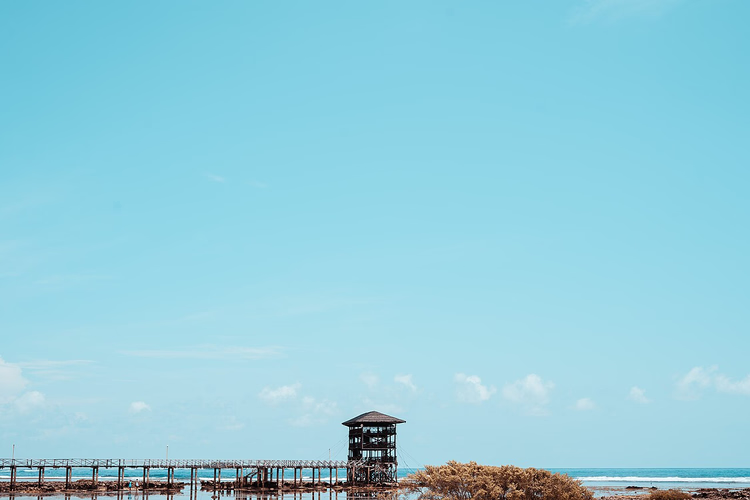
An island in the east of the country, called the island of palms. White ribbons of beaches, turquoise water, and cliffs that form cozy lagoons greet you at the shore.
This is the unofficial capital of Philippine surfing. High tides from the open ocean provide consistent waves, and rental points and schools with instructors are open on the shore. A rescue service operates here.
- How to get there: flight to Siargao or ferry from Surigao City on Mindanao.
- Who it's for: you want surfing and ocean waves.
- Not for: you need a calm sea and a gentle entry into the water.
- The catch: the wave season depends on the ocean; when it is calm, there is no surfing.
Philippine resorts on the map
The archipelago has 7,641 islands in total (as of 09/2026, official Philippine tourism website), and the map below shows the resorts from this list. It's a handy way to estimate flights between islands and plan your route.
Philippine resorts on the map
Places on the map
- 1Manila Capital, Intramuros with Fort Santiago, museums and nightlife
- 2Boracay The country's main beach resort with windsurfing at Bulabog
- 3Palawan Underground river in Sabang and protected coral reefs
- 4Panay West-coast dive sites and stalactite caves
- 5Cebu Fort San Pedro, lagoons and shipwrecks for divers
- 6Bohol Chocolate Hills and the Tarsier Sanctuary on Panglao island
- 7Siquijor "Island of fire" with fireflies, waterfalls and diving
- 8Malapascua Thresher sharks offshore, best season November to May
- 9Calanggaman Sandbar with no hotels, group tours only
- 10Davao Quiet southern resort town, typhoon-free year-round
- 11Samal Cheap tropical getaway with mangoes and passion fruit
- 12Talicud Secluded Isla Reta beaches and cottages by the water
- 13Carabao Quiet island near Boracay, kayaking and snorkeling
- 14Coron Kayangan and Barracuda lakes among cliffs, tours only
- 15Dumaguete Waterfront, a Spanish fort and the "Nuns in a boat" monument
- 16Bantayan Budget Santa Fe beach resort with no nightlife
- 17Siargao Unofficial capital of Philippine surfing
⁉️🤔 Frequently asked questions
When is the best time to go to the Philippines?
The dry season runs from December to May: this is the best time for beaches, diving, and excursions. The wet season brings rain and typhoons, especially in the northern part of the archipelago. If you're heading to Davao or southern Mindanao, the weather is more consistent year-round. Accommodation prices are noticeably higher in high season, so book in advance.
How many islands should you include in one trip?
Experienced travelers recommend no more than two or three islands at a time. Each transfer eats up a day on a flight or ferry with connections. If you're short on time, pick two nearby destinations, such as Cebu and Bohol or Boracay and Carabao. That way you won't spend your vacation on the road.
Where should a beginner go diving?
Start with Bohol, Panay, or Cebu: they have calm water and schools with instructors. Panglao near Bohol works well for a first dive, while Malapascua and Kalanggaman are good for snorkeling. Experienced divers go for thresher sharks and shipwrecks near Cebu.
Do I need a visa for the trip?
Entry rules depend on your citizenship and the length of your stay. Check the current requirements on the official website of the Philippine Department of Tourism before buying tickets. Bring a return ticket and proof of accommodation: they're often requested at the border.
Is it safe to vacation in the Philippines?
Safety levels are high at popular resorts, especially in Davao and on Bantayan Island. The main risks involve roads and mosquitoes rather than crime. Use repellent against dengue, don't drive on mountain switchbacks, and keep an eye on the typhoon forecast.
In short: what to book
The Philippines offers different experiences on nearby islands: beaches on Boracay, diving on Bohol, surfing on Siargao. Choose based on your travel style, and plan transfers in advance.
- If it's your first trip: go for Boracay and Cebu.
- If you're a diver: head to Bohol, Panay, and Malapascua.
- If you want peace and quiet: look at Carabao and Bantayan.
- If you're on a budget: consider Samal and Talicud.

A small editorial team writing guides for independent travel. We travel ourselves, but we haven’t been everywhere, so we check prices, opening hours and how to get there against official sources.