
















Museums in Brussels: 25 addresses to see art, trains and chocolate
Brussels has dozens of museums, and almost all of them are in the center, a couple of metro stops from each other.
Planning your visits is easy with the Brussels Card: a 24, 48, or 72 hour card gives you entry to about 47 museums in the city (official Brussels museums portal, as of 09/2026). Below you'll find 25 museums, from royal halls to cars, trains, comics, and chocolate. We note where admission is paid, what to see first, and how to get there.
Ad: this article contains affiliate links, we earn a commission if you book through them, at no extra cost to you.
1. Royal Palace
💡 In short:
- 25 museums: from royal palaces to trains, comics, and chocolate.
- Almost all venues are closed on Mondays; the zoology and Wiertz museums operate on special days.
- The Brussels Card for 24, 48, or 72 hours gives you entry to about 47 museums (list of museums covered by the card, as of 09/2026).
- Prices and opening hours: 09/15/2026, verified on the official website of the Royal Museums of Fine Arts
 © Diego Delso · CC BY-SAPhoto: Diego Delso, CC BY-SA (https://creativecommons.org/licenses/by-sa/4.0), Wikimedia Commons
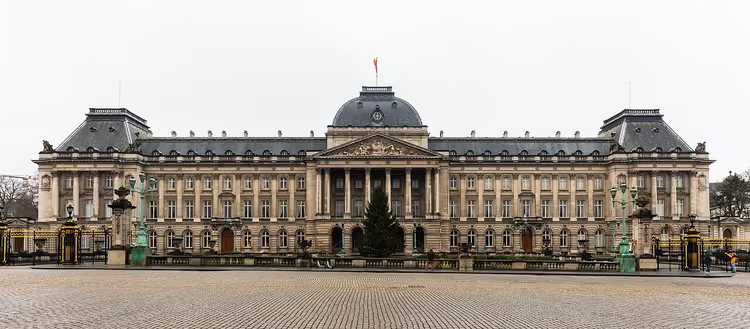
The Royal Palace stands at the edge of Brussels Park, between the historic center and the European Quarter. The monarch hasn't lived here for a long time: the halls are used for official receptions and ceremonies, and the neoclassical facade took its current form more than a century ago. The palace is open to visitors only in summer, during a short window between the national holiday and the start of autumn.
The tour begins at the grand staircase and the Throne Room, which was built for balls. Next you pass through the Mirror Room with gilded stucco on the ceiling. The Imperial Room holds golden pots with flowers, one for each province of the country. The royal apartments show how the monarchs lived, and the windows look out over the park.
- Location: center, near Rue de la Loi and Brussels Park.
- Who it's for: anyone who wants to visit a working royal residence for free.
- The catch: the doors are closed in winter and spring; visitors are only allowed inside during the warm months.
2. BELvue Museum
 © Diego Delso · CC BY-SAPhoto: Diego Delso, CC BY-SA (https://creativecommons.org/licenses/by-sa/4.0), Wikimedia Commons
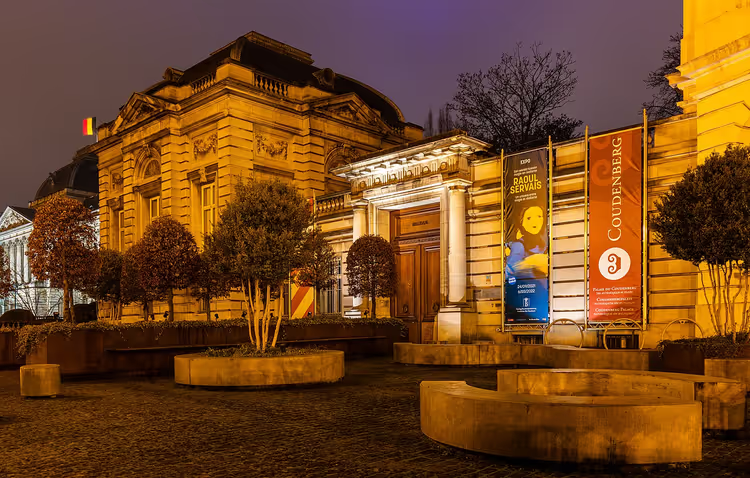
BELvue is attached to the Royal Palace and tells the country's history through the royal dynasty's archives. Before it became a museum, members of the royal family lived here, and later an upscale hotel operated in the building, giving it its name. The interiors of two floors have kept the style of the era: furniture, clothing, and accessories of the former residents.
The courtyard has been turned into a winter garden with exotic trees and flowers. You should linger by the windows: from there you can see the Mont des Arts and Brussels Park. In summer the museum stays open longer than in other months, so the warm season is more convenient for a visit.
- Location: same site as the Royal Palace, entrance from the park side.
- Who it's for: anyone interested in the dynasty and period interiors.
3. Royal museums of fine arts

The Royal Museums of Fine Arts is not a single gallery but a complex of six museums under common management. The collection began to take shape under Napoleon, and today old masters, impressionists, surrealists, and Belgian Art Nouveau sit side by side under one roof. This is usually where people start exploring Brussels as an art destination.
The main rule for budget-conscious visitors: on the first Wednesday of the month, all museums in the complex are free from 1:00 PM, but this does not apply to temporary exhibitions (visiting rules and free Wednesdays, as of 09/2026). Brussels Card holders also get free entry to the permanent collections. Tickets for the permanent collections are worth booking in advance through Tiqets.
- Location: Rue de la Regence, between Place Royale and the Musical Instruments Museum.
- Who it's for: anyone willing to give painting half a day.
- The catch: once a month the halls are closed to visitors; check the date before your trip.
4. Museum of Modern Art
 © Ank Kumar · CC BY-SAPhoto: Ank Kumar, CC BY-SA (https://creativecommons.org/licenses/by-sa/4.0), Wikimedia Commons
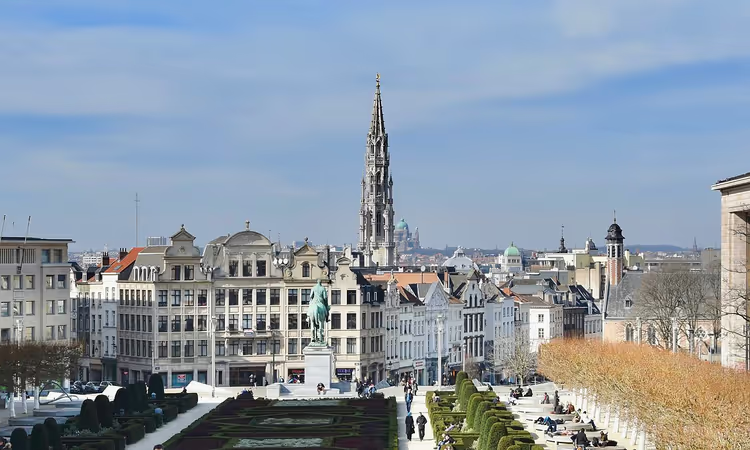
The museum occupies a neoclassical building on Rue de la Regence, built for the collection in the late 19th century. It shows Belgian painting across a wide range: neoclassicism, romanticism, realism, and impressionism. Separate rooms are devoted to surrealism, which is what most visitors come for.
You'll find it easier to navigate by names rather than by periods. Look for canvases by David and his followers, works by Delacroix and Gericault, realistic scenes by Courbet and Meunier, impressionists Sisley and Claus. The Magritte room is worth visiting before the artist's dedicated museum, so you can compare the presentation.
- Location: same site as the Royal Museums, shared entrance with the permanent collections.
- Who it's for: anyone who wants to see the Belgian school in one place.
5. Fin-de-Siecle Museum
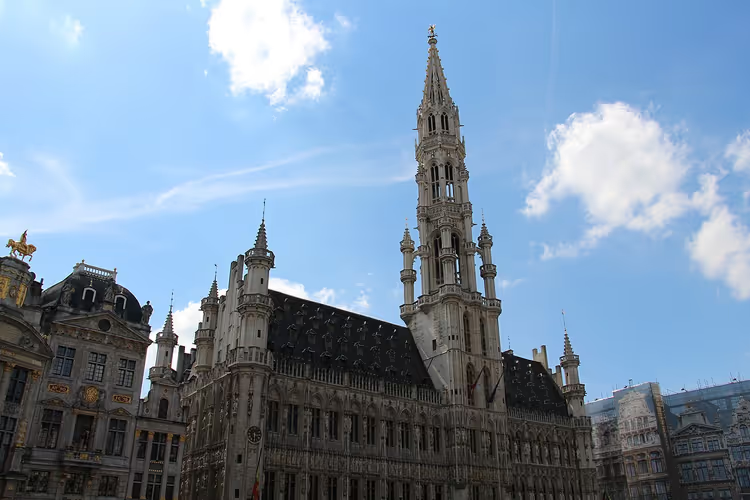
Fin-de-Siecle occupies a wing connected by a passage to the museum's main building. Two floors are devoted to turn-of-the-century art: workers, peasant labor, romantic ladies, painted in impressionist and neo-impressionist styles. Here you'll find Gauguin, Van Gogh, Sisley, Seurat, Bonnard, and Dali.
 © Fred Romero from Paris, France · CC BYPhoto: Fred Romero from Paris, France, CC BY (https://creativecommons.org/licenses/by/2.0), Wikimedia Commons
Fans of Art Nouveau will enjoy a separate section: works by Alphonse Mucha and furniture with floral motifs. The art glass collection deserves special attention. From these rooms, a passage takes you straight into the Old Masters Museum, so the two museums are convenient to visit back to back.
- Location: inside the Royal Museums complex, no separate ticket needed.
- Who it's for: those who love Art Nouveau and painting from the turn of the 19th and 20th centuries.
6. Old Masters Museum
 © Fred Romero from Paris, France · CC BYPhoto: Fred Romero from Paris, France, CC BY (https://creativecommons.org/licenses/by/2.0), Wikimedia Commons
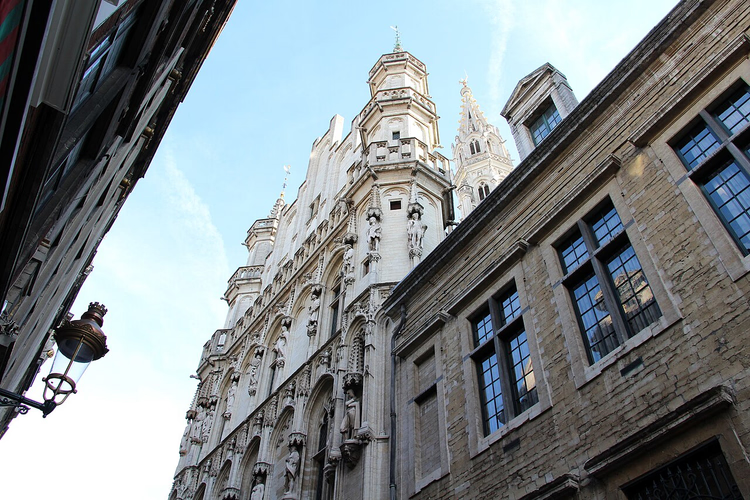
The museum occupies the opposite wing of the main building and houses painting from the 15th to 17th centuries. Most of the collection consists of Flemish masters, and they are exactly what draws visitors from other cities. After climbing the grand staircase from the central hall, you enter a suite of bright galleries.
The first floor is devoted to the 15th and 16th centuries: from Flemish primitives to the schools of Antwerp and Bruges. Here you'll find Bosch's "The Temptation of St. Anthony" and David's "The Death of Marat." Further on comes the Bruegel family: "The Fall of the Rebel Angels," "Landscape with the Fall of Icarus," "Winter Landscape with a Bird Trap." On the upper floor you'll find Jordaens, van Dyck, Memling, and Rubens with "Christ and the Adulteress."
- Location: Rue de la Regence, the second wing after the modern art museum.
- Who it's for: those who came for Bruegel and Rubens.
7. Rene Magritte Museum
 © Warburg · CC BY-SAPhoto: Warburg, CC BY-SA (https://creativecommons.org/licenses/by-sa/3.0), Wikimedia Commons
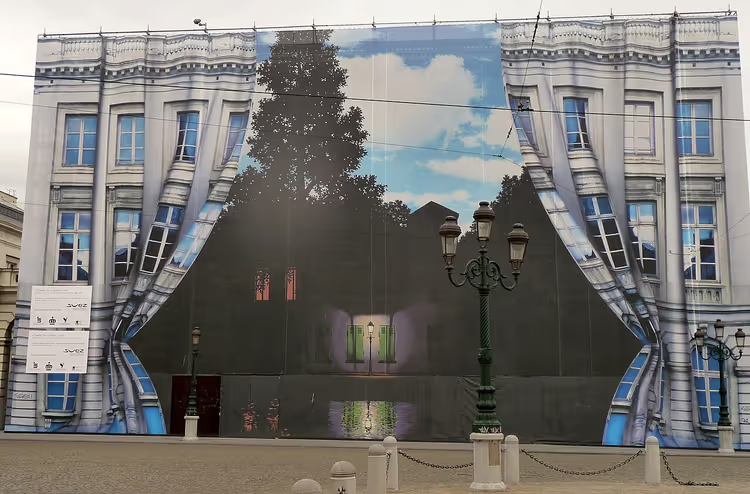
The Magritte Museum operates in a separate building on Place Royale, and its facade is designed as a sketch for the painting "The Empire of Light." Inside is the most complete collection of the artist's work: paintings, drawings, sculptures, sketches, and advertising posters. The galleries span several floors, so allow at least an hour for your visit.
Besides paintings, you'll see photographs, documents, sheet music, and Magritte's personal belongings. A small cinema screens a film about his life and work. The exhibition is arranged chronologically, so you gradually move from his early experiments to his recognizable surrealism.
- Location: Place Royale, a two-minute walk from the Royal Museums (on the map).
- Who it's for: those who want to understand where the floating hats and apples came from.
- The catch: the museum is closed on Mondays and public holidays.
8. Antoine Wiertz Museum
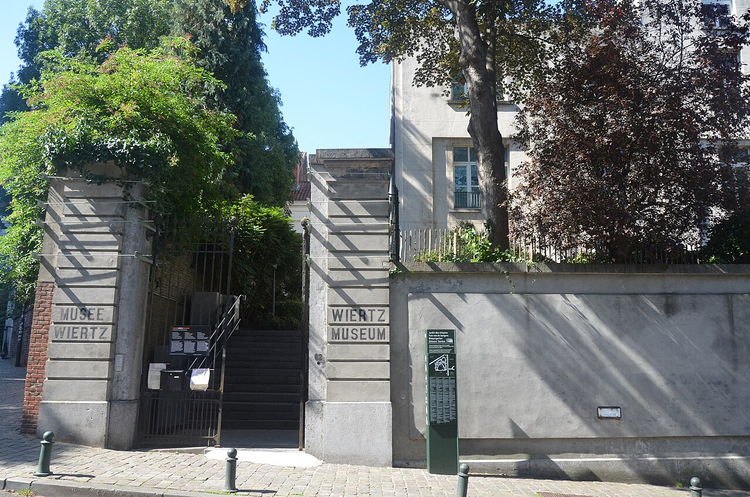
The Wiertz Museum occupies the artist's former studio in Ixelles, in the Parliament district. Antoine Wiertz worked in the Romantic style of the 19th century and was influenced by Rubens. Inside, you step into the atmosphere of a studio rather than ordinary exhibition halls.
 © Napoleon Distelmans · CC BY-SAPhoto: Napoleon Distelmans, CC BY-SA (https://creativecommons.org/licenses/by-sa/4.0), Wikimedia Commons
The main impression comes from the scale: some of Wiertz's canvases are taller than two floors. The artist introduced otherworldly forces, devils, monsters, and skeletons into his subjects, so scenes of executions and deaths feel heavy. The portraits and self-portraits make an equally strong impression. On weekends, only organized groups are admitted; on weekdays, the museum is open to all visitors.
- Location: Ixelles, Parliament district, near Place du Luxembourg.
- Who it's for: those interested in Romanticism outside grand galleries.
- The catch: individual visitors are not admitted on weekends.
9. Constantin Meunier Museum
Constantin Meunier worked in a realistic style and dedicated his work to working people. His museum is housed in a building on Abbey Street in Ixelles, where the artist's studio used to be. Formally it is a branch of the Royal Museums of Fine Arts, but it feels like an independent venue.
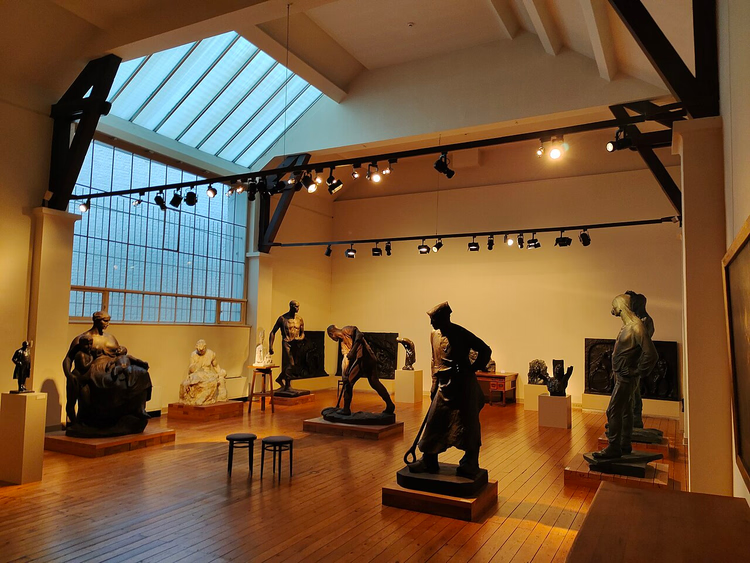 © Karmakolle · CC BY-SAPhoto: Karmakolle, CC BY-SA (https://creativecommons.org/licenses/by-sa/4.0), Wikimedia Commons
The collection includes sculpture and painting from different periods. The early works explore social themes, and the artist's peak came at the end of the 19th century, when he created figures of workers, dockers and miners. The sculpture of a mother over her slain son makes the strongest impression on visitors.
- Location: Ixelles, Abbey Street, away from the tourist center.
- Who it's for: those who want to see Belgian realism without the crowds.
- The catch: open only on weekdays with a lunch break, closed on weekends.
10. Atomium
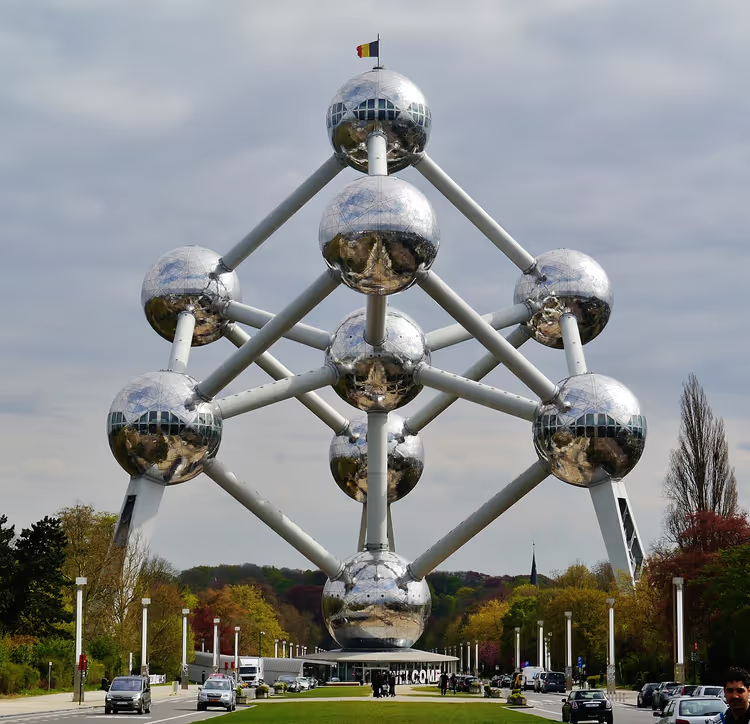 © Zairon · CC BY-SAPhoto: Zairon, CC BY-SA (https://creativecommons.org/licenses/by-sa/4.0), Wikimedia Commons
The Atomium was built for the World's Fair and kept by the city as a symbol of the peaceful atom. The structure consists of nine spheres connected by tubes, and escalators inside the tubes take visitors up to the observation deck. From up there you get a panoramic view of the city, which is why most tourists come here.
Inside the spheres there are exhibitions on scientific and technological progress and modern discoveries, plus a cafe and a small hotel. A combined ticket gives access to five spheres with the panorama, to the Design Museum Brussels and to Mini-Europe: both neighboring attractions are a couple of minutes' walk from the Atomium. Book a dated ticket in advance through GetYourGuide: at the ticket office you just waste time in line.
- Location: Heysel district, terminus of the metro line at Heysel station.
- Who it's for: those traveling with kids who want to see the city from above.
11. Autoworld
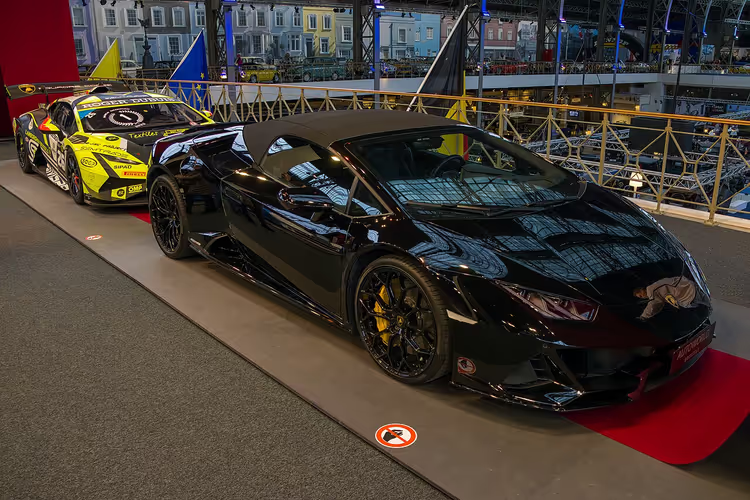 © Clemens Vasters from Viersen, Germany, Germany · CC BYPhoto: Clemens Vasters from Viersen, Germany, Germany, CC BY (https://creativecommons.org/licenses/by/2.0), Wikimedia Commons
Autoworld occupies the south hall of the exhibition complex in Cinquantenaire Park. Several dozen cars are displayed on two floors, showing how the automobile evolved from the first models to modern ones. The themed halls present the evolution of technology, not just beautiful bodywork.
You'll enjoy seeing the first automobiles and fire engines, pre-war models from Belgian industry, and limousines. A separate section is dedicated to the car collections of royal families and cars that belonged to Roosevelt and Kennedy. The gift shop sells model cars. In summer the museum stays open an hour longer than in winter.
- Location: Cinquantenaire Park, south hall, next to the Art Museum.
- Who it's for: those visiting with a group who love technology.
12. Train World
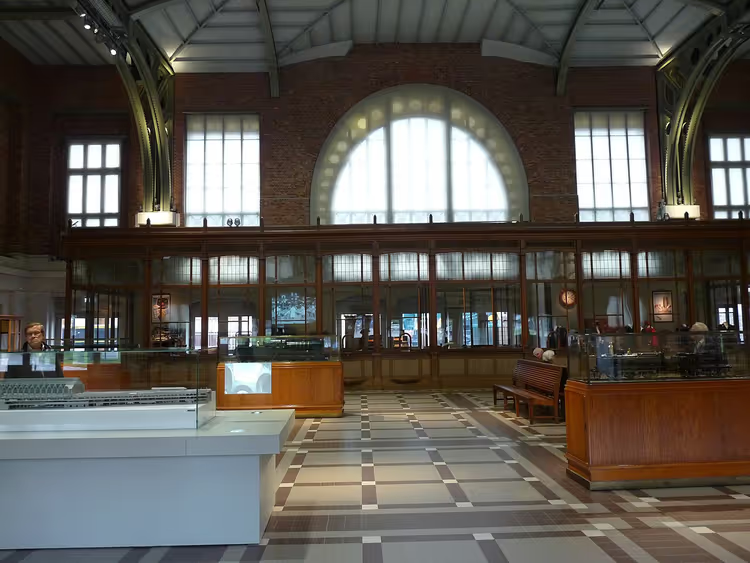 © Smiley.toerist · CC BY-SAPhoto: Smiley.toerist, CC BY-SA (https://creativecommons.org/licenses/by-sa/4.0), Wikimedia Commons
Train World operates in the old Schaarbeek railway station building and is dedicated to 20th-century rail transport. The exhibition is interactive: dim lighting, steam locomotive whistles and the sound of train wheels take you back in time. The route starts at the monument to Jean-Baptiste Masui, the first director of Belgian railways.
Here you'll find real locomotives and carriages, as well as full-scale station mock-ups. In the driver's cab you're allowed to pull levers and press buttons, and in the vintage carriages you can sit and even lie down on the seats. The old locomotives in the first hangar and the Type 12 Atlantic high-speed steam locomotive in the second are particularly valuable. Brussels Card holders get free entry, but the card ticket is issued only at the ticket office (trainworld.be, as of 09/2026).
- Location: Schaarbeek station, Gare de Schaerbeek metro nearby.
- Who it's for: those traveling with kids who want to touch everything.
- The catch: closed on Mondays.
13. Palace of Charles of Lorraine
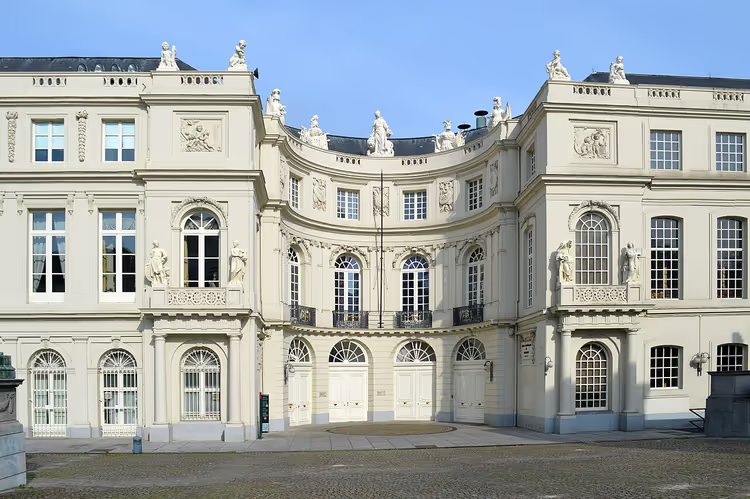
The palace was built in the 18th century for Charles of Lorraine, Governor-General of the Austrian Netherlands. Today it is one of the most visited venues in central Brussels, and people come here for the interiors rather than a large collection. In the hall you'll see bas-reliefs depicting the four elements, and in the main hall a rosette made of different varieties of Belgian marble lies on the marble floor.
The grand staircase with bas-reliefs and a sculpture of Hercules leads to the rotunda. Five rooms house exhibitions on 18th-century art and daily life: furniture, Chinese porcelain, medals, silver, musical instruments and clocks. The palace is not open every day, so check the schedule before your trip.
- Location: Museum Square, next to Place Royale.
- Who it's for: those who love palace interiors and marble.
- The catch: open only on a few days of the week, closed the rest of the time.
14. Museum of Natural Sciences
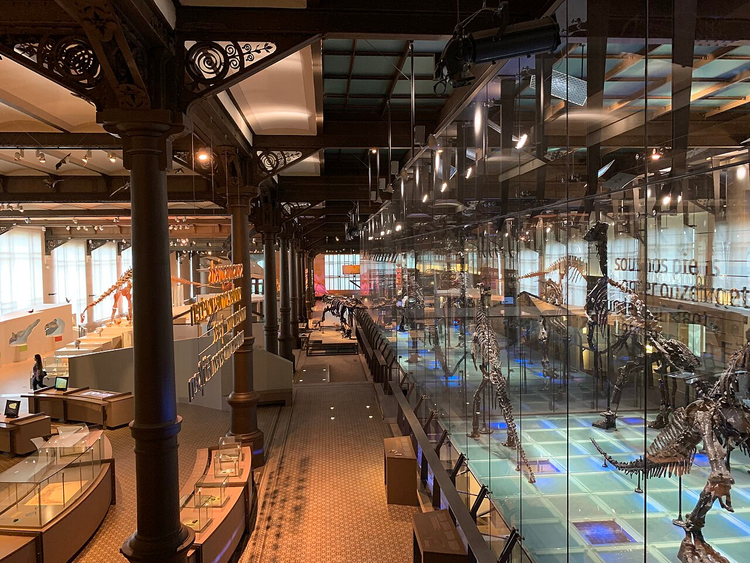
The Museum of Natural Sciences sits next to the European Parliament building and works like a time machine. The exhibition takes you from the planet's earliest inhabitants to the present day, and the main draw here is one of the largest dinosaur collections in Europe. Fragments of an iguanodon skeleton help reconstruct what these animals looked like.
Separate rooms cover human development, tools, hunting, and writing. The insect hall and the mineral collection with moon rocks and meteorites are impressive. You should find the largest meteorite ever to fall to Earth that is now on display in the museum.
- Location: Rue Vautier, Leopold Quarter, near Luxembourg Square and the parliament.
- Who it's for: those visiting with kids or anyone who loves paleontology.
15. Museum of Zoology
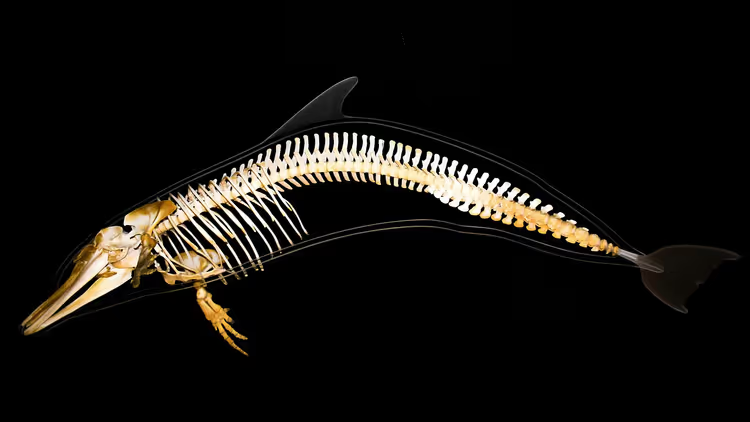
The Museum of Zoology is one of the oldest in the city: the collection has been growing since the first half of the 19th century. Today it holds thousands of specimens, from small insects to large mammals. The exhibition shows the diversity of the animal world and the anatomical features of reptiles, primates, and cetaceans.
Skeletons of a camel, elephant, giraffe, hippopotamus, buffalo, deer, and horse are complemented by preserved specimens and organs. Nearby are skeletons of rare and fossil animals and taxidermy of local fauna. A particular pride of the museum is one of the world's largest beetle collections.
- Location: Rue Vautier, in the same complex as the Museum of Natural Sciences.
- Who it's for: those who want to see rare specimens and skeletons.
- The catch: the halls are open only on odd-numbered days of the week, so check ahead.
16. Museum of Medicine
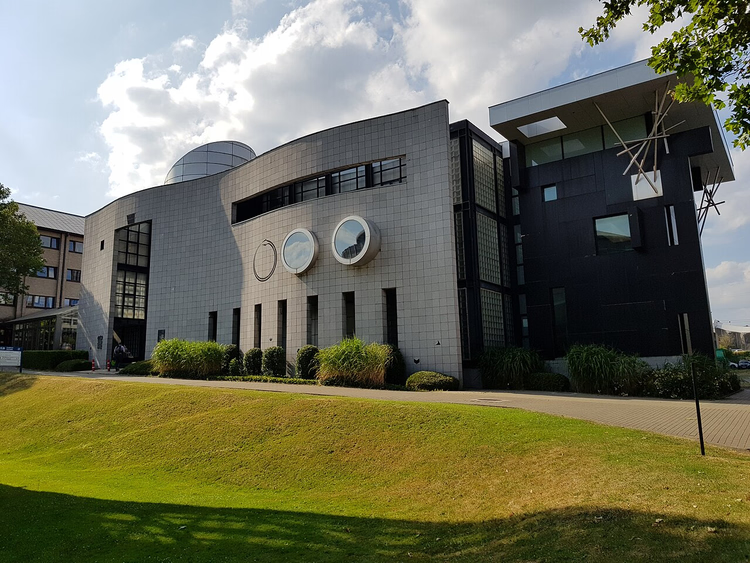
The Museum of Medicine is located in the Anderlecht district on the Campus Erasme and belongs to the medical faculty of the Free University of Brussels. The exhibition traces how diseases were treated from antiquity to the present day. Separate displays cover magical and religious rituals, as well as the practices of Hippocrates, Avicenna, and Galen.
 © Fin-de-siècle · CC BY-SAPhoto: Fin-de-siècle, CC BY-SA (https://creativecommons.org/licenses/by-sa/4.0), Wikimedia Commons
The strongest part of the collection is the wax anatomical figures showing skin diseases and cancers. Also on display are models used to teach treatment in Arab, African, and Asian countries. The medieval instruments are striking: amputation saws, obstetric forceps, and devices for trepanation of the skull. Once a month the museum offers free admission; on other days it is open on weekday afternoons.
- Location: Anderlecht, Campus Erasme, away from the center.
- Who it's for: those interested in the history of medicine.
- The catch: the exhibition is heavy, so it's not a good choice with young children.
17. Musical Instruments Museum
 © Miguel Discart · CC BY-SAPhoto: Miguel Discart, CC BY-SA (https://creativecommons.org/licenses/by-sa/2.0), Wikimedia Commons
The Musical Instruments Museum occupies an Art Nouveau building on Rue Montagne de la Cour. It is one of the largest collections in Europe: thousands of instruments from different continents, from antiquity to the present day. Each floor is devoted to its own era, and the instruments reveal the sound palette of different cultures.
You'll be given headphones connected to the display cases, so you'll hear the voice of each instrument, not just see it. The orchestrion, which reproduces the music of an entire orchestra, deserves special attention. A string instrument workshop operates nearby, where you can watch repairs and tuning.
- Location: Rue Montagne de la Cour, between Place Royale and the Royal Square.
- Who it's for: those who want not only to look but also to listen.
18. Horta Museum
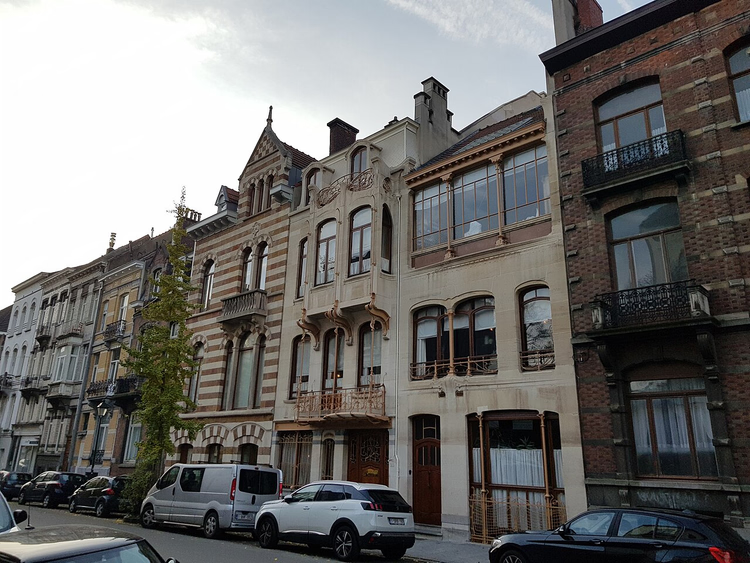
Victor Horta designed buildings in the Art Nouveau style, and his own house became one of the movement's defining examples. Flowing lines, botanical decoration, and facade ornamentation shaped the look of entire Brussels neighborhoods. The house retains wall paintings with floral motifs, wrought-iron stair decorations, and stained glass.
The abundance of glass fills the rooms with light and creates the illusion that there are no corners. You'll see the master's personal belongings, Art Nouveau furniture, and art of the period. From the living quarters, the route leads to a terrace and winter garden, then to the studio with archival documents, drawings, and the architect's tools.
- Location: Rue Americaine, Ixelles, near Place Louise.
- Who it's for: anyone interested in Art Nouveau and architecture.
- The catch: it only opens in the afternoon; you can't get in during the morning.
19. Belgian comic strip center
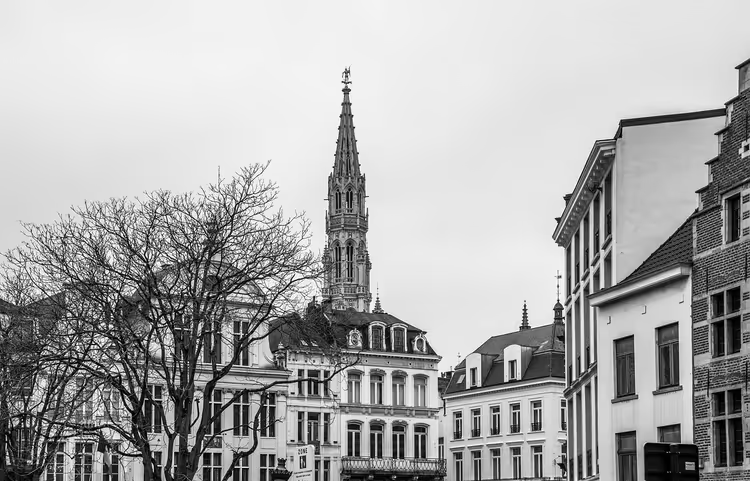
The Comic Strip Center opened in the Royal Quarter near Grand Place, in an Art Nouveau building that Victor Horta designed for a textile shop. The exhibition traces the genre's development from cave paintings to digital comics. It's one of the city's most visited museums, so it's best to book tickets in advance.
It houses thousands of works by Belgian artists and creators from around the world. Separate rooms are dedicated to famous series and their authors, and exhibit labels are available in dozens of languages. Two hours is enough to see the entire exhibition and stop by the comic book shop.
- Location: Rue des Sables, two minutes from Grand Place (on the map).
- Who it's for: anyone who grew up on comics or wants to understand Belgian culture.
20. Museum of Chocolate and Cocoa
 © Miguel Discart Photos Vrac 2 · CC BY-SAPhoto: Miguel Discart Photos Vrac 2, CC BY-SA (https://creativecommons.org/licenses/by-sa/2.0), Wikimedia Commons
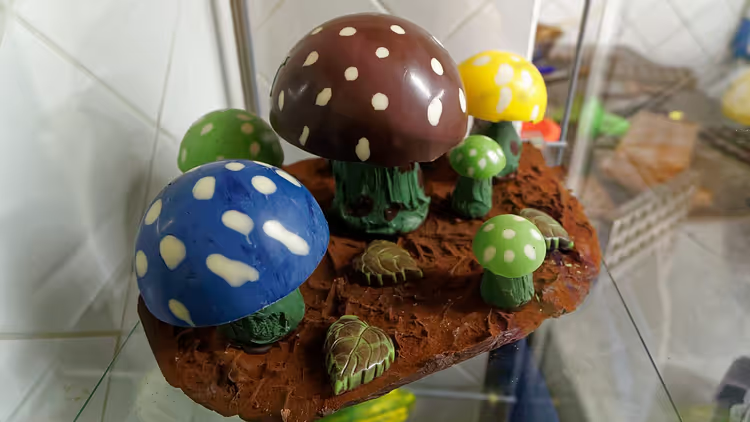
Belgium is called the chocolate capital of Europe, and Brussels has an entire museum devoted to the subject. The building stands on Rue de la Tete d'Or near Grand Place, and it's easy to find by the smell of cocoa. The exhibition, demonstration room, and shop are spread across two floors.
Here you'll learn the history of chocolate and watch it being made. In the demonstration room you can taste chocolate while it's still warm, and under a chocolatier's guidance you can make your own treat. It's worth booking tickets in advance through GetYourGuide, because groups run back to back during the day. By the way, the Brussels Card is also sold at this museum's ticket desk (visit.brussels, as of 09/2026).
- Location: Rue de la Tete d'Or, Grand Place quarter.
- Who it's for: anyone traveling with kids and anyone with a sweet tooth.
- The catch: the museum is closed on Mondays.
21. Royal museum of the armed forces and military history
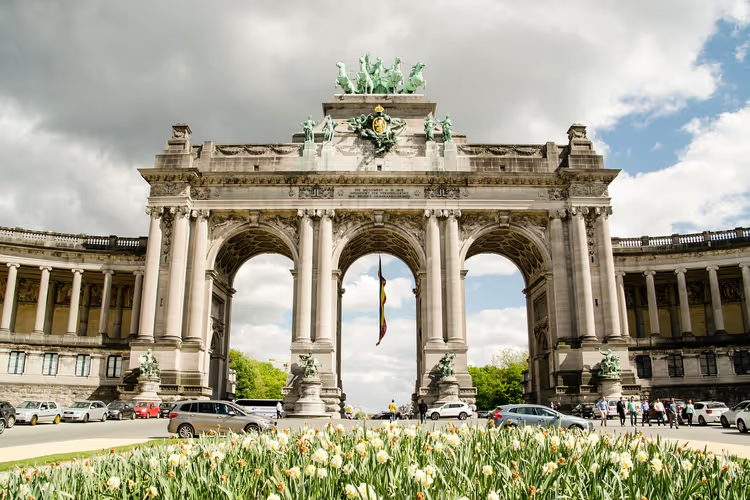
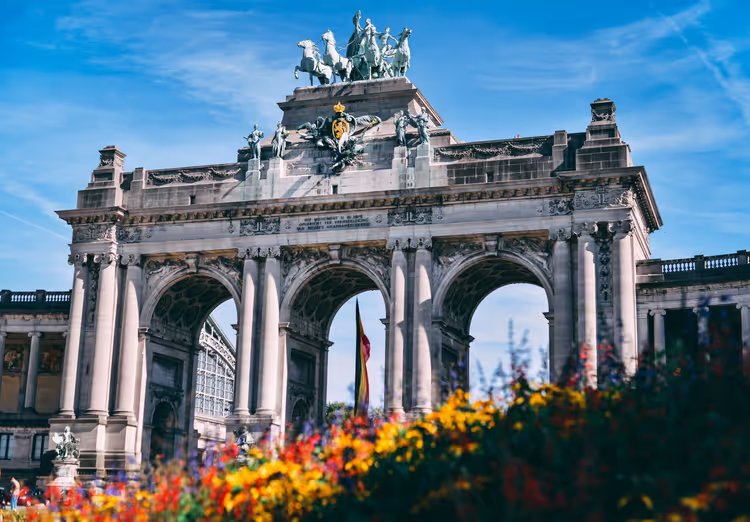
The military museum occupies a wing of the complex at the Triumphal Arch, which serves as the entrance to Cinquantenaire Park. The collection extends far beyond Belgium: it includes weapons and exhibits from other European countries, including Russia. The tour moves from the Knights' Hall to the Hall of Contemporary History.
Much of the exhibition is devoted to the two world wars: weapons, uniforms of the warring countries, medals, banners, and ship models. Separate rooms cover the development of aviation, tanks, and the navy, and soldiers' daily life is shown through personal items. Allow several hours for the full visit; the surrounding park is also worth a stroll.
- Location: Cinquantenaire Park, the complex at the Triumphal Arch.
- Who it's for: anyone interested in the history of wars and military technology.
- The catch: the exhibition is enormous; you can't see it all in one visit.
22. Art & history museum at cinquantenaire park
 © Otter · CC BY-SAPhoto: Otter, CC BY-SA (https://creativecommons.org/licenses/by-sa/4.0), Wikimedia Commons
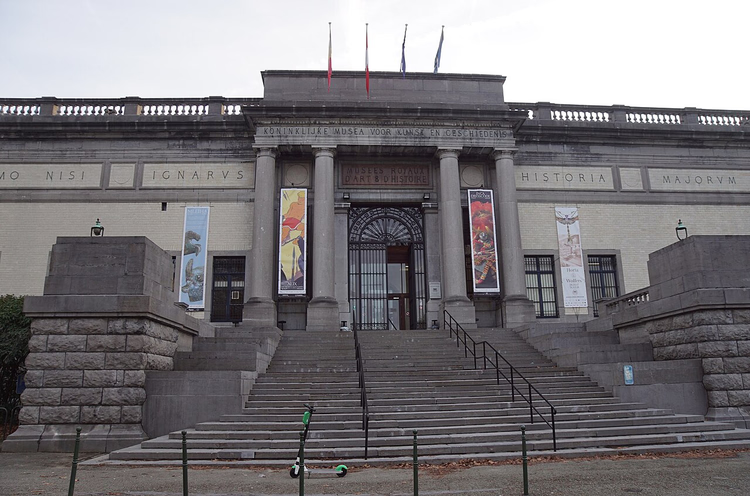
The Art & History Museum operates in the exhibition complex in Cinquantenaire Park. The collection spans five continents and begins with prehistoric times. This is where you'll find artifacts that aren't in the city center's art galleries: the Gilgamesh relief, Syrian mosaics, and medieval Belgian altars.
Further on, you pass through the Egypt rooms with sarcophagi and mummies, ancient Greek and Roman art, and collections from the Middle East, China, Japan, Korea, and Polynesia. A separate section is devoted to decorative arts: sculpture, furniture, tableware, textiles, costumes, and antique carriages. The museum is closed on Mondays, and on December 24 and 31 the doors are open until 3:00 PM, with last tickets sold at 2:00 PM (artandhistory.museum, as of 09/2026). Permanently closed days: January 1, May 1, November 1 and 11, December 25.
- Location: Cinquantenaire Park, the Cinquantenaire complex.
- Who it's for: anyone ready to spend half a day in a museum.
23. Halle Gate
Halle Gate is the only part of the medieval city wall that has survived to this day. The gate was built in the 14th century, and today it houses a museum of the city's history. You'll see how Brussels was fortified and why the city needed a wall.
Inside there are several themed rooms: Gothic culture, weapons and armor, and the history of the guilds. Some spaces are used for temporary exhibitions. At the top there's an observation deck with a panoramic view of the city. The museum is closed on national holidays and closes earlier on Christmas Eve and New Year's Eve.
- Location: Porte de Hal, on the border between Saint-Gilles and the center.
- Who it's for: anyone who wants to see the city from above and touch history.
- The catch: you can't get in on holidays.
24. Jewish Museum of Belgium
 © Miguel Discart · CC BY-SAPhoto: Miguel Discart, CC BY-SA (https://creativecommons.org/licenses/by-sa/2.0), Wikimedia Commons
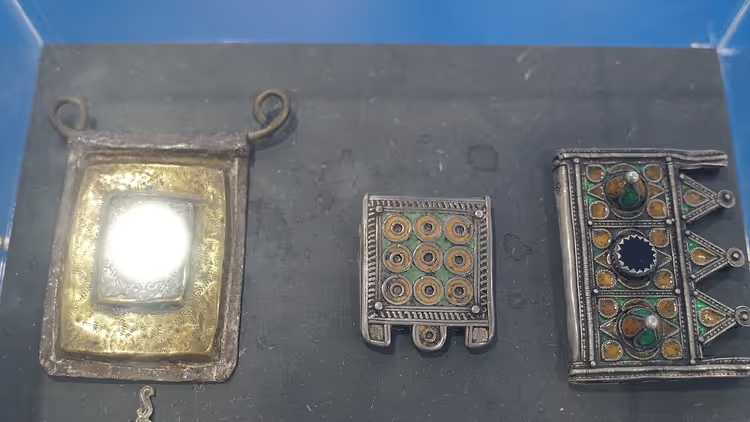
The Jewish Museum of Belgium operates in central Brussels and collects objects of Jewish religion and Jewish art from Europe, Asia, and Africa. The oldest exhibits date back to the 18th century. It's a small venue, but the collection is dense and well labeled.
In the rooms you'll see ritual objects with Jewish symbolism and items that explain the people's customs and traditions. A separate part of the collection includes synagogue and household utensils, antique synagogue furniture, photographs, and posters. The library holds thousands of books on national history and art, as well as paintings by Jewish artists.
- Location: Rue des Minimes, Grand Place quarter.
- Who it's for: anyone interested in religion and diaspora cultures.
25. House of European History
 © Fred Romero from Paris, France · CC BYPhoto: Fred Romero from Paris, France, CC BY (https://creativecommons.org/licenses/by/2.0), Wikimedia Commons
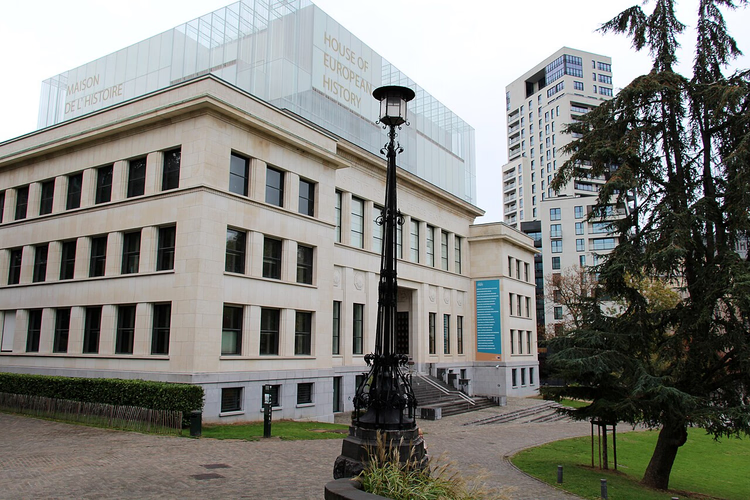
The House of European History is the youngest museum in Brussels, opened in May 2017. The building of the former Istman dental clinic was renovated and extended with three additional floors. The idea for the museum was proposed by one of the European Parliament's leaders, so the venue is intended as a symbol of a united Europe.
The permanent exhibition spans four floors and tells the story of 20th-century European history and the relations between EU countries. The exhibits were provided by hundreds of museums and collections, and descriptions are available in dozens of languages on interactive tablets handed out for the duration of your visit. Two floors are dedicated to temporary exhibitions. Admission to the museum is always free. On Mondays the museum opens only in the afternoon; on other days it is open from morning to evening.
- Location: Leopold Park, next to the European Parliament.
- Who it's for: those who want to understand modern Europe, not just its history.
Museums of Brussels on the map
The list above is easy to follow as a route: the Royal Museums, the Palace of Charles of Lorraine, and the Musical Instruments Museum are all a stone's throw from each other. Autoworld and the Art Museum sit side by side in Cinquantenaire Park. The Atomium in the Heysel area requires a separate trip. Mark the spots you want in advance so you don't waste a day on travel.
Museums of Brussels
Places on the map
- 1Royal Palace Working residence, open to the public only in summer
- 2BELvue Museum History of the dynasty in a former hotel next to the palace
- 3Royal Museums of Fine Arts Complex of six museums, old masters and modernism
- 4Fin-de-Siècle Museum Gauguin, Van Gogh and Mucha, turn-of-the-century art
- 5Old Masters Museum Flemish painting of the 15th-17th centuries, Bosch and Brueghel
- 6René Magritte Museum The most complete collection of the artist's works on Place Royale
- 7Antoine Wiertz Museum Former workshop of the Romantic painter in Ixelles
- 8Constantin Meunier Museum Sculpture and painting of Belgian realism
- 9Atomium Nine spheres, an observation deck and a panorama of the city
- 10Autoworld Evolution of the automobile in Cinquantenaire Park
- 11Train World Interactive railway museum at Schaerbeek station
- 12Palace of Charles of Lorraine 18th-century interiors, marble floors and bas-reliefs
- 13Natural Sciences Museum One of Europe's largest dinosaur collections
- 14Museum of Medicine Wax anatomical figures on the Erasme campus
- 15Musical Instruments Museum Art Nouveau house, thousands of instruments with headphones
- 16Horta Museum The architect Victor Horta's own home in Art Nouveau style
- 17Belgian Comic Strip Center Horta building, the history of the genre from cave art to digital
- 18Chocolate and Cocoa Museum History of chocolate, tasting and a masterclass near Grand Place
- 19Royal Museum of the Armed Forces and Military History Weapons and equipment from two world wars in the Triumphal Arch wing
- 20Art & History Museum, Cinquantenaire Park Artefacts from five continents from prehistoric times
- 21Halle Gate Surviving 14th-century fortress gate with an observation deck
- 22Jewish Museum of Belgium Objects of Jewish religion and art from Europe, Asia and Africa
- 23House of European History The city's youngest museum, the history of 20th-century Europe
If you want to cover several museums at once, check out the ticket selection for Brussels on Tiqets before your trip.
Tours and tickets in Brussels
Guided tours, skip-the-line tickets and activities — most offers can be cancelled free of charge.
See offers on TiqetsThe widget loads once you give your consent.
⁉️🤔 Frequently asked questions
How much does admission to Brussels museums cost?
The price depends on the museum: some venues charge a symbolic amount, while major complexes cost noticeably more. The best value is the Brussels Card for 24, 48, or 72 hours, which gives you access to about 47 museums in the city (full catalog of museums covered by the card, as of 09/2026). Before buying, calculate how many museums you can realistically visit.
When is admission free?
On the first Wednesday of the month, the Royal Museums of Fine Arts are free from 1:00 PM, but only for the permanent collections (free admission rules, as of 09/2026). The House of European History is always free, and the Museum of Medicine also has one free day per month. These offers do not apply to temporary exhibitions.
Are museums open on Mondays?
Many are closed: the Art Museum in Cinquantenaire Park is fully closed on Mondays, the chocolate museum is also closed on Mondays, and the House of European History only opens in the afternoon. The Museum of Zoology is open on odd-numbered days of the week. Plan this day for city walks or for the Atomium.
How many days do you need for museums?
To cover everything listed, you need at least a week, but a reasonable minimum is two to three days. On the first day, do the Royal Museums; on the second, the Art Museum and the Atomium; on the third, comics and chocolate. That way you won't mix classical art with technology and won't be exhausted by evening.
Where can I check current opening hours?
Museum schedules change by season and holidays, so check the official websites and the city calendar. For a general overview of all venues, see the Brussels museum calendar. If you're traveling in winter, check December 24, 25, and 31 separately: many museums close earlier.
In short: what's worth booking
The list varies by budget and time, so choose based on your situation. If you have one day: the Royal Museums of Fine Arts and the Palace of Charles of Lorraine, they're next to each other. If you have two days: add the Atomium with its city panorama. If you're traveling with kids: Train World, the Atomium, and the chocolate museum fully cover that need. If you're interested in modern Europe: the House of European History and the Belgian Comic Strip Center. To save money, get the Brussels Card and check the exact schedule for your travel day in advance. Tickets for a specific date are easiest to book through GetYourGuide.

A small editorial team writing guides for independent travel. We travel ourselves, but we haven’t been everywhere, so we check prices, opening hours and how to get there against official sources.