
















What to do in Brussels in two days: route from Grand Place to the Atomium
Brussels is often passed through on the way between Paris and Amsterdam. It is easy to stop by the Grand-Place and leave in the evening, but the city opens up differently if you give it two days. The capital of Belgium is compact: the center is walkable, and the metro and tram get you to the Atomium in about half an hour.
Below is a two-day itinerary: from the Grand-Place to the Atomium, with prices, opening hours, and honest catches.
Ad: this article contains affiliate links, we earn a commission if you book through them, at no extra cost to you.
What you need to know before the trip
💡 In short:
- A single ride paid with a contactless bank card costs just over two euros, and it is the easiest way to get around the center.
- The center of Brussels is walkable, and the metro and tram are convenient for reaching the Atomium and Mini-Europe.
Ticket inspections in Brussels are strict, so do not throw away your paper ticket until you leave the station. A regular ticket is valid for one hour and allows transfers between metro, tram, and bus within the central zone. The easiest way to pay for a single ride is with a contactless bank card directly at the turnstile, without buying a ticket at the counter.
For multiple rides, a MOBIB card is a better deal: it costs money, but you can load day passes and multi-ride tickets onto it, and top up the balance online. If you are staying in the center for two days and barely leaving it, buying the card is unlikely to pay off. The trip from the Grand-Place to the Atomium takes about half an hour by metro and tram, so it makes sense to leave the farther sights for the second half of the day.
The heart of the city: Grand-Place and the town hall
Grand-Place square
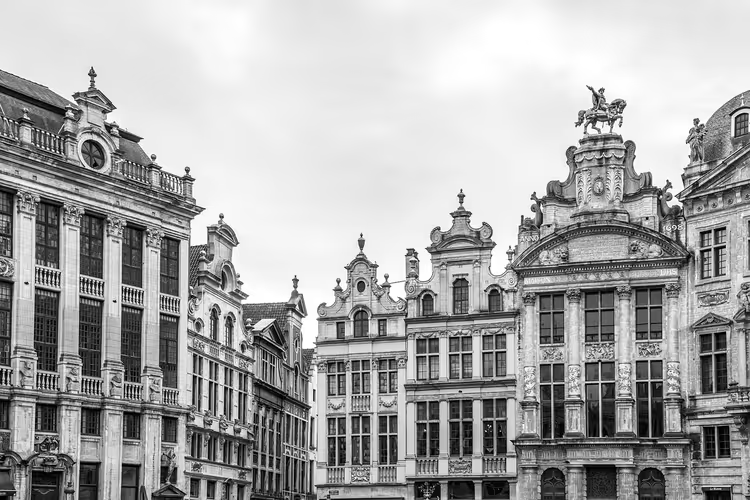
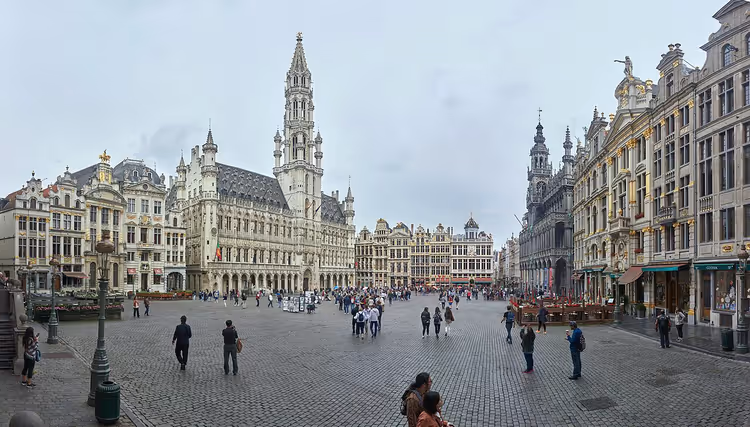
The Grand-Place, Brussels' main square, is a UNESCO World Heritage site. You should come here in the morning, before tour groups fill the cobblestones and you can calmly study the facades. Almost every house has its own name, from the "King of Spain" to the "Tin Pot," and behind these names are the stories of the guilds. The facades combine Brabantine Gothic, Baroque, and Neo-Gothic, so the square looks like a stone textbook of architecture.
 © Celuici · CC BY-SAPhoto: Celuici, CC BY-SA (https://creativecommons.org/licenses/by-sa/4.0), Wikimedia Commons
Every two years in August, a flower carpet of begonias is laid out here, and it takes about a million fresh flowers to assemble. If you are visiting in a different year, come in the evening: the facade lighting runs until midnight, and there are noticeably fewer tourists.
King's house (maison du roi)
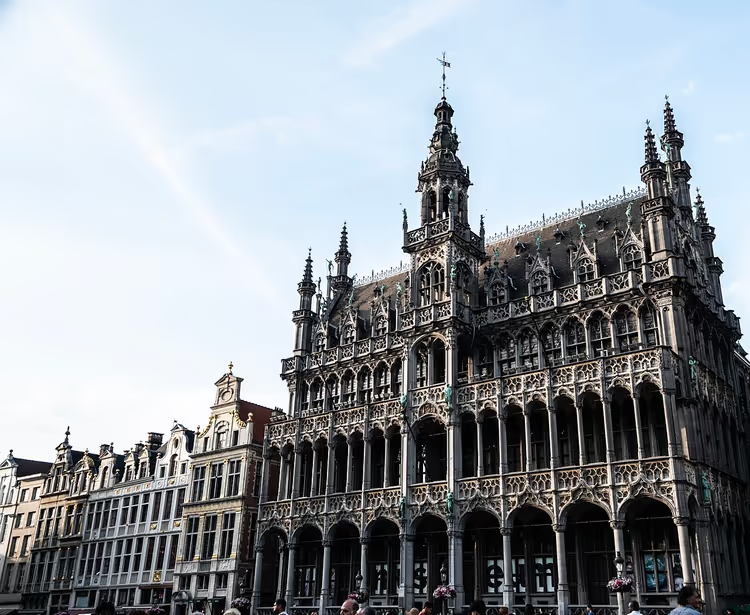
The King's House stands out among its stone neighbors, although it began as a modest bread warehouse. In the 15th century, the building was rebuilt in stone for the Duke of Brabant, who later became King of Spain, and that is when the grand name appeared. Today it houses the Brussels City Museum. An adult ticket costs 10 € (as of 09/2026, Brussels City Museum). Go inside if you want to see the surviving original statues from the square's facades. Brussels City Museum tickets on Tiqets
Town hall
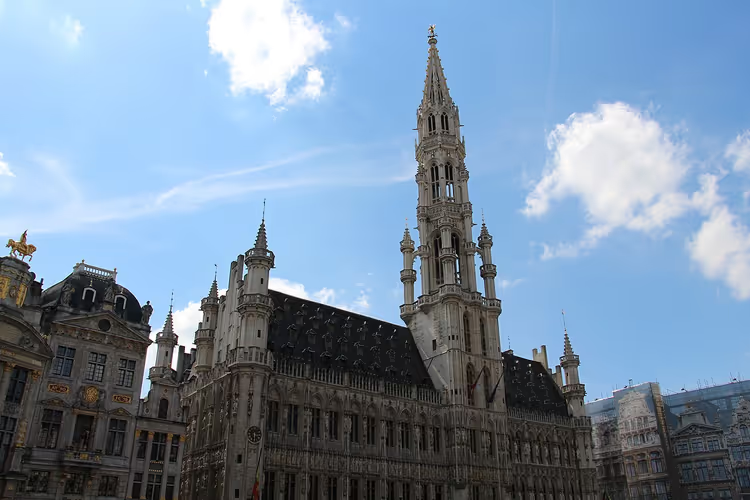
The town hall stands to the side of the King's House and has served the city magistrate since the 15th century. It is the only authentic medieval building on the square; the other houses were rebuilt. The facade is decorated with sculptures of saints, nobility, and mythical figures, and you can spend a long time studying them. Take a closer look at the tower: it is off-center, and according to legend, the architect who noticed the mistake threw himself off it in despair. You can only enter with a guided tour, so check the schedule in advance.
 © Fred Romero from Paris, France · CC BYPhoto: Fred Romero from Paris, France, CC BY (https://creativecommons.org/licenses/by/2.0), Wikimedia Commons
Royal Palace and churches
Royal Palace
The Royal Palace stands by Brussels Park and serves as the official residence of the royal family. The monarchs use it for ceremonies and live in the more modest Palace of Laeken. In summer 2026, the palace is open to visitors from July 3 to August 16, closed on Mondays; dates and hours were verified on the palace website. Entry is by timed sessions, so get your ticket online in advance.
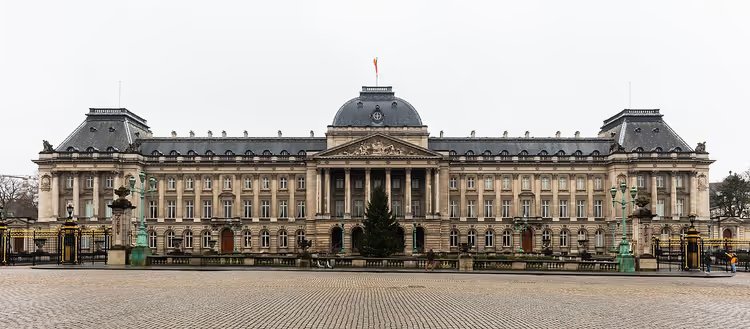 © Diego Delso · CC BY-SAPhoto: Diego Delso, CC BY-SA (https://creativecommons.org/licenses/by-sa/4.0), Wikimedia Commons
You'll find the Imperial Hall with its golden pots: each color represents a province of the country. The Throne Room was built for King Leopold II's balls, and it still conveys the spirit of high-society receptions. The palace operates as a working residence, so some rooms may be closed without notice.
Basilica of the Sacred Heart
The Basilica of the Sacred Heart in the Koekelberg district shares only its name with its Parisian counterpart. Construction dragged on for more than sixty years and finished in the second half of the 20th century, with two world wars falling between the start and the finish. The building combines neo-Gothic and art deco, which is why it's considered one of the largest churches in this style. Inside you'll find museums, an observation deck, and even a training room for rock climbers.
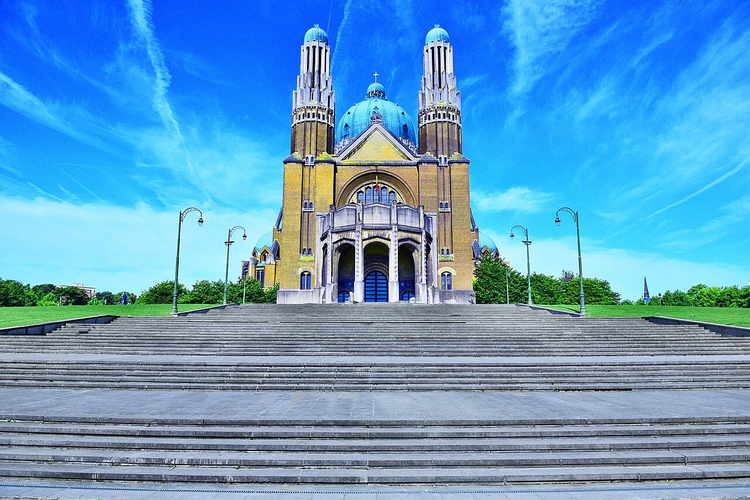 © Edison McCullen · CC BY-SAPhoto: Edison McCullen, CC BY-SA (https://creativecommons.org/licenses/by-sa/4.0), Wikimedia Commons
Église Notre-Dame des Victoires
This small church a stone's throw from Grand Place is easy to miss. The first chapel was built here in the 14th century with money from the crossbowmen's guild, who were celebrating a competition victory. Later, other military guilds took part in rebuilding it, each responsible for its own section of the church. According to tradition, the church gained fame after a townswoman brought a statue of the Madonna here from Antwerp. You'll find carved ornamentation and quiet in the middle of a bustling neighborhood.
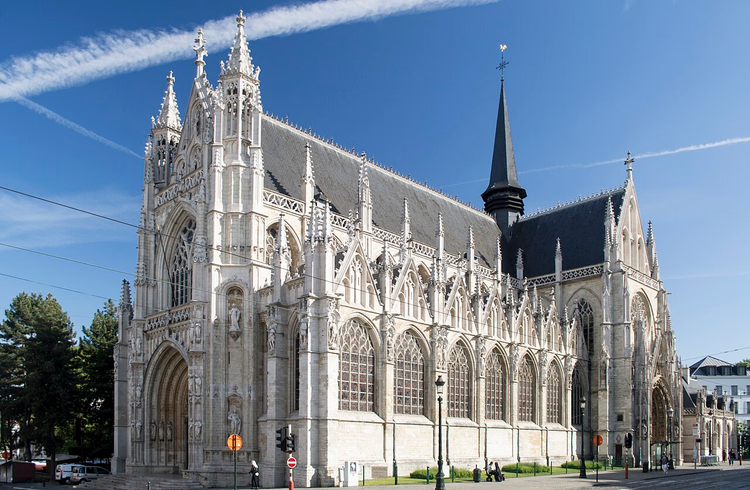 © Voyager747 · CC BY-SAPhoto: Voyager747, CC BY-SA (https://creativecommons.org/licenses/by-sa/4.0), Wikimedia Commons
Cathedral of St. Michael and St. Gudula
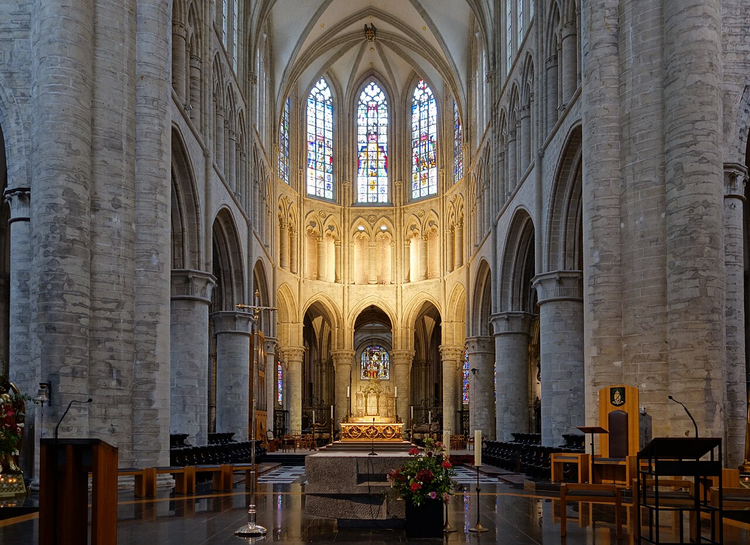
Brussels' main cathedral took almost two hundred years to build and was completed in the late 15th century, making it one of the oldest buildings in the city. Outside, you'll be greeted by classic Brabantine Gothic, and inside it's worth lingering by the enormous stained glass windows. The oldest of them are more than five centuries old and survived both world wars. Admission is free, but during services tourists are asked to keep quiet.
Manneken Pis, parks, and the Atomium
Manneken Pis
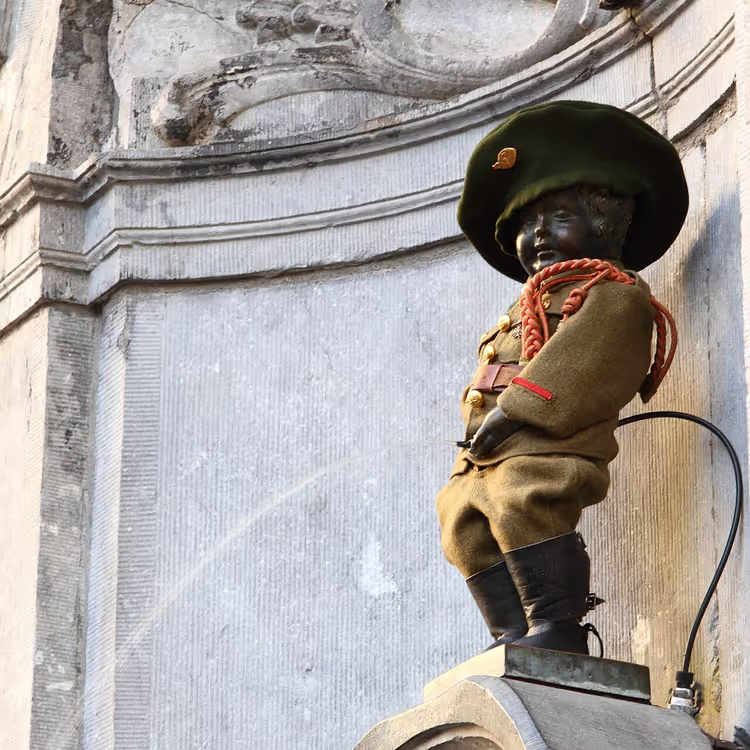
Manneken Pis is smaller than expected: the half-meter statue hides at the intersection of Rue du Chêne and Rue de l'Étuve, not far from Grand Place. If you don't know the address, the statue is easy to miss. It's more than three centuries old, and there are dozens of legends surrounding it. According to one version, the boy extinguished sparks near the enemy's ammunition; according to another, he was a young ruler of Brabant encouraging his warriors. Nearby stand Jeanneke Pis and Het Zinneke, so you can conveniently capture the whole trio in one photo.
- The catch: the statue is tiny, and expectations often don't match reality.
 © Harald Hoyer from Schwerin, Germany · CC BY-SAPhoto: Harald Hoyer from Schwerin, Germany, CC BY-SA (https://creativecommons.org/licenses/by-sa/2.0), Wikimedia Commons
Parc du Cinquantenaire
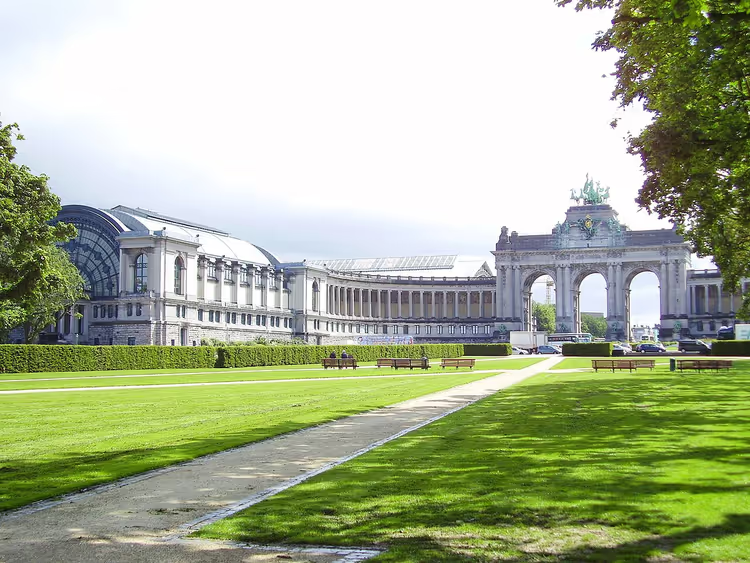
Parc du Cinquantenaire was opened for the anniversary of Belgium's independence, which is why the entrance is crowned with a triumphal arch. The layout resembles the Tuileries and Versailles gardens, so it's a pleasant place to stroll between museums. The pavilions house the Autoworld museum, the Royal Museum of the Armed Forces and Military History, and the Royal Museums of Art and History. Tickets for each museum are sold separately, so decide in advance which one appeals to you most. The park is good for a breather: there are plenty of lawns and few tour groups.
 © User:Ben2 · CC BY-SAPhoto: User:Ben2, CC BY-SA (http://creativecommons.org/licenses/by-sa/3.0/), Wikimedia Commons
Mini-Europe
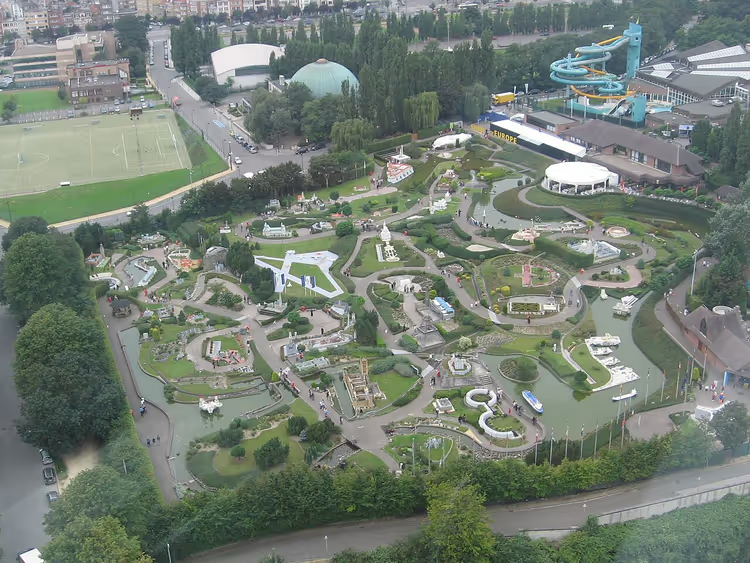
Mini-Europe brings together miniatures of the continent's major buildings in one place. You'll see a scaled-down erupting Vesuvius, a bullfight in Spain, and the fall of the Berlin Wall. An adult ticket costs about €20 (as of 09/2026, Mini-Europe), and children under 115 cm enter free. Stop by with kids: they'll appreciate the moving replicas. Tickets to Mini-Europe and the Atomium
 © Gellerj · CC BY-SAPhoto: Gellerj, CC BY-SA (https://creativecommons.org/licenses/by-sa/3.0), Wikimedia Commons
Atomium
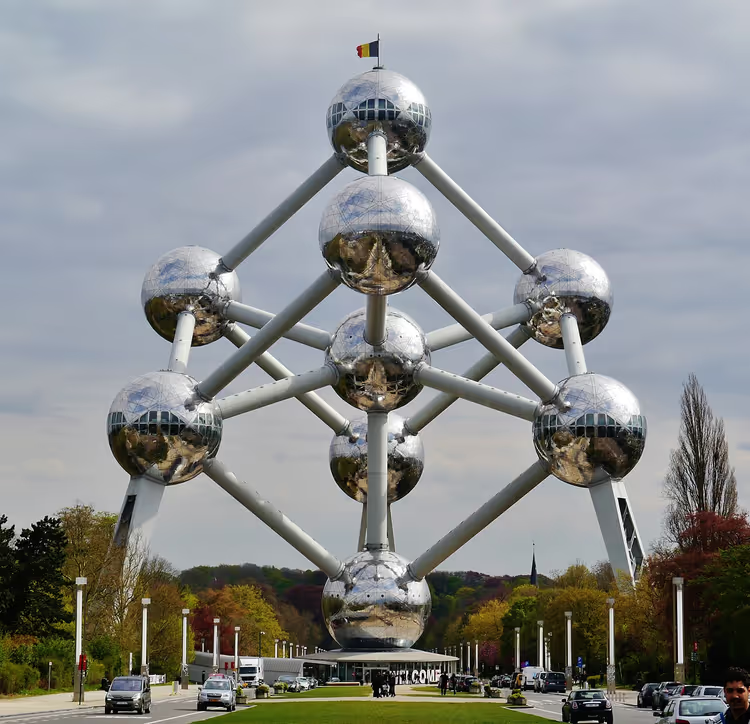
The Atomium was built for the world's fair in Belgium, and today it's one of the symbols of Brussels. The structure depicts an iron molecule magnified billions of times. Nine spheres are connected by tubes, and six of them are open to visitors. Inside there's an elevator that whisks you up to the panoramic deck and restaurant in a matter of seconds. A combined ticket with Mini-Europe will cost more than thirty euros, while separate admission to the Atomium itself is cheaper.
 © Zairon · CC BY-SAPhoto: Zairon, CC BY-SA (https://creativecommons.org/licenses/by-sa/4.0), Wikimedia Commons
Gastronomy: mussels, fries and chocolate
Rue des Bouchers
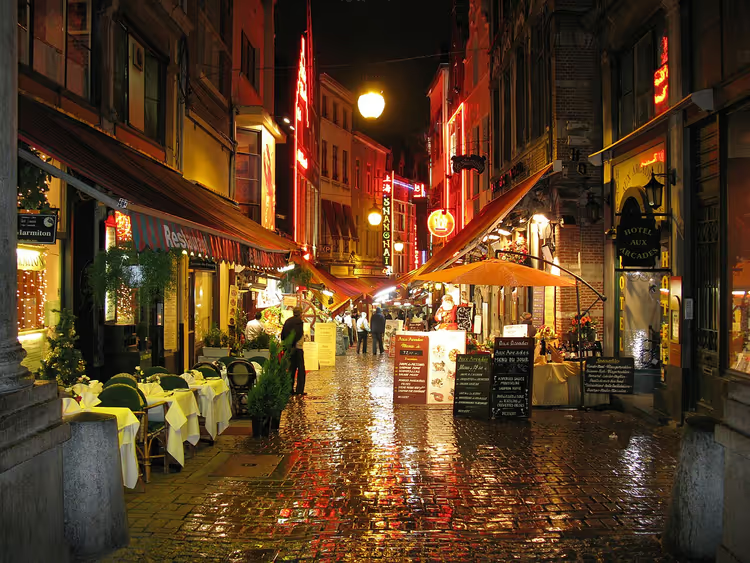
Rue des Bouchers, the most food-focused street in the center, runs from Grand-Place. It is home to the city's oldest restaurants, food shops and seafood displays. The street's signature dish: mussels with fries. Stop by Chez Léon, a restaurant spanning four buildings that has been run by the same family since the late 19th century. Prices in the tourist center are above average, so compare the menus at the entrance before sitting down.
 © Rex · CC BYPhoto: Rex, CC BY (https://creativecommons.org/licenses/by/3.0), Wikimedia Commons
Choco-Story Brussels
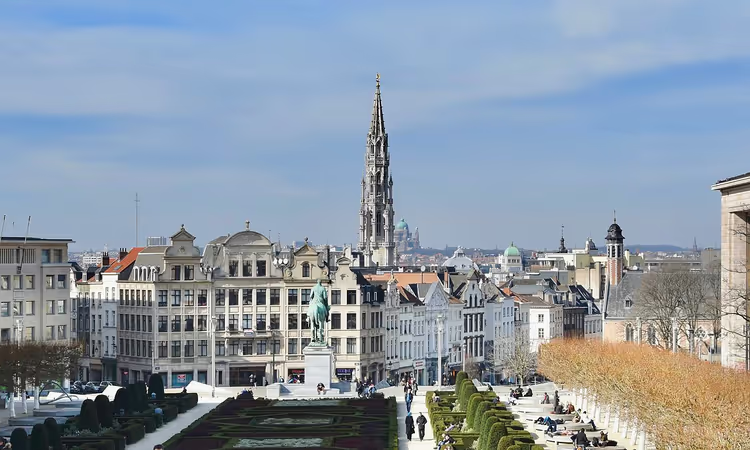
Choco-Story Brussels, the museum of cocoa and chocolate, is located near Grand-Place. The exhibition takes you from the drink of the ancient Maya to the modern pralines that made Belgium famous. You will watch master chocolatiers at work and taste different varieties, with the tasting included in the ticket. An adult ticket costs around 15 € (as of 09/2026, Choco-Story Brussels), a child ticket is half the price. Choco-Story tickets on Tiqets
 © Ank Kumar · CC BY-SAPhoto: Ank Kumar, CC BY-SA (https://creativecommons.org/licenses/by-sa/4.0), Wikimedia Commons
Souvenirs in the covered galleries
Galeries Royales Saint-Hubert
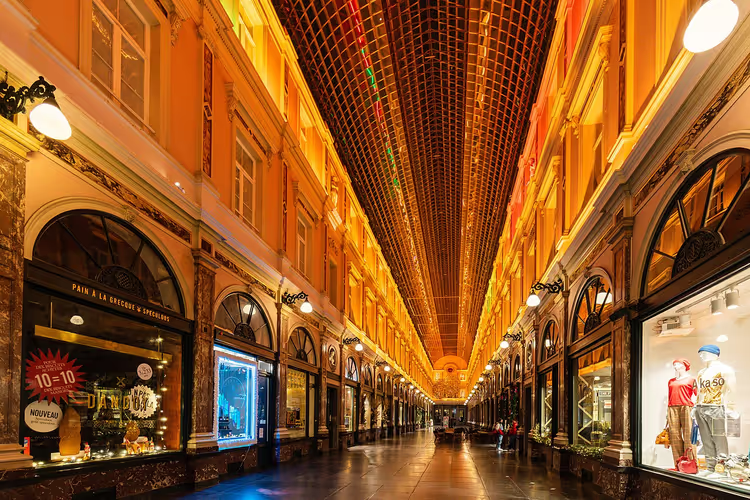
Galeries Royales Saint-Hubert connect the neighborhoods around Grand-Place and remain among the oldest covered galleries in Europe. The glass vault stretches for almost two hundred meters, so it is bright here even on an overcast day. Here you can buy chocolate, lace and books, or simply take shelter from the rain. The galleries have cafes where you can comfortably end your walk and wait out a downpour.
 © Diego Delso · CC BY-SAPhoto: Diego Delso, CC BY-SA (https://creativecommons.org/licenses/by-sa/4.0), Wikimedia Commons
Tours and tickets in Brussels
Guided tours, skip-the-line tickets and activities — most offers can be cancelled free of charge.
See offers on GetYourGuideThe widget loads once you give your consent.
⁉️🤔 Frequently asked questions
How many days do you need for Brussels?
Two days are enough for a first visit. In that time you can walk around Grand-Place, go up to the Atomium and visit the chocolate museums. On the third day, add Ghent or Bruges: a direct train takes you there.
When is the Royal Palace open?
The summer opening dates are listed above, in the section about the Royal Palace. Entry is by timed sessions, so get your ticket in advance. In other months the palace is closed: it is a working residence.
Is Mini-Europe worth visiting with children?
Yes, if your children like miniatures and moving parts. There is a scaled-down replica of Vesuvius and the fall of the Berlin Wall. An adult ticket costs around 20 € (as of 09/2026, Mini-Europe), and children under 115 cm enter free. Plan your visit for the morning, when there are fewer school groups.
Where can you try mussels and fries in Brussels?
On Rue des Bouchers and in the alleys around Grand-Place. Stop by Chez Léon: mussels with fries have been served here for decades. Portions are large, and local beer is offered with the dish. Prices in the tourist center are above average, so compare the menus at the entrance.
What can you fit into one day in Brussels?
If you only have one day, start with Grand-Place and the Town Hall, then walk to Manneken Pis. In the afternoon, head to the Atomium and Mini-Europe, and in the evening return to the center for chocolate and mussels. That way you will see the main sights without rushing.
In short: what to book
In two days in Brussels, you can easily put together an itinerary around your interests. If you are short on time: take Grand-Place, the Town Hall and Manneken Pis, they are all close together in the center. If you are traveling with children: add Mini-Europe and the Atomium. If you love chocolate: do not miss Choco-Story Brussels and Galeries Royales Saint-Hubert. Hotels in the center get booked up in advance, so check out Brussels hotels on Trip.com. Guided tours of the center are easy to choose among the options on GetYourGuide.

A small editorial team writing guides for independent travel. We travel ourselves, but we haven’t been everywhere, so we check prices, opening hours and how to get there against official sources.