
















Chaikhana, topchan and chapan: 5 Uzbek traditions for your first trip
In an Uzbek teahouse, a piala is filled only halfway. A cup filled to the brim signals disrespect: the guest would burn their hands and couldn't immediately ask for a refill. Local customs live not in museums but on the streets, in the teahouse, and in the mountains, and in UNESCO lists Uzbekistan has both cuisine and crafts (as of 09/2026, UNESCO list).
You can try the five traditions below yourself, without a guide or preparation. Just show up and do as everyone else does. Each custom has an honest catch, which you'll learn about in advance.
Our picks: five customs
💡 In short:
- Tea in a teahouse will show you the local rhythm faster than any museum.
- Tubeteikas and chapan robes are worn here every day, not just on holidays.
- A topchan and kurpacha replace a table, sofa, and bed all at once for Uzbeks.
- Kites are flown in the mountains, where families go on weekends.
- Plov and Uzbekistan's crafts are included in UNESCO lists.
Custom | Where to try it | What to ask for | Who it's for |
|---|---|---|---|
Tea | A teahouse in any city | Green tea and "Tashkent" black tea | Those who want to understand the local rhythm |
Tubeteikas and chapan robes | Bazaars in big cities | A tubeteika with ornament and a chapan | Those looking for clothing with history |
Topchan and kurpacha | Teahouse, home courtyard | A meal served on a topchan | Those who aren't in a hurry |
Kites | Uzbekistan's mountains | A kite at the bazaar if you didn't bring your own | Families with children |
Family gathering | A home or a large teahouse | Plov for the shared table | Those who enjoy long feasts |
1. Drinking tea constantly
Tea in Uzbekistan is drunk on any occasion: black, green, with herbs. "Tashkent" is what locals call black tea with lemon and sugar, which is added directly to the drink.
No meal goes without tea, but you can also brew a pot just because. The drink is served in a piala. The host refills your cup again and again. That's the whole point. Tea here is not just a drink, it's a conversation.
The word "teahouse" comes from the word "tea." These tea houses used to be for men only, but now it's any Eastern-style establishment with a broad menu.
According to the National Tourism Portal, gastronomy and ethnic tourism in Uzbekistan are designated as separate focus areas (as of 09/2026, official portal).
- How to try it: order a pot of green tea at the first teahouse on your way.
- Who it's for: those who want to understand the local rhythm from day one.
- The catch: black tea is often served already sweetened, so ask for green if you drink it without sugar.
 © Jovhar M-zada · CC BY-SAPhoto: Jovhar M-zada, CC BY-SA (https://creativecommons.org/licenses/by-sa/4.0), Wikimedia Commons
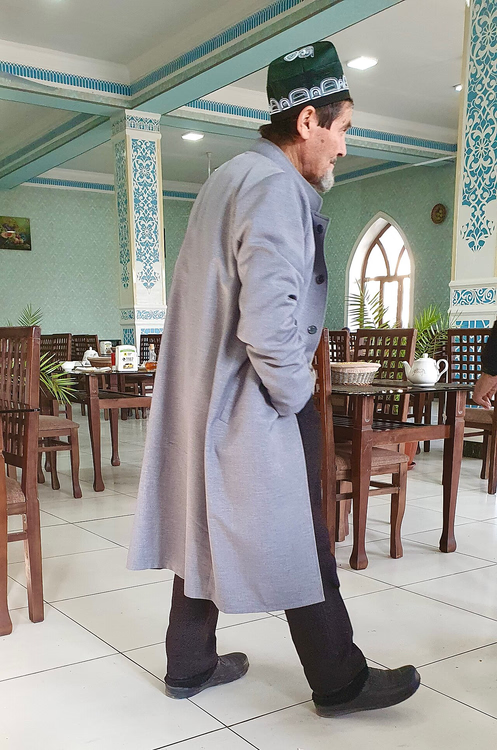
2. Wearing tubeteikas and chapan robes
A tubeteika here is everyday clothing, not a tourist souvenir. Uzbeks wear plain and embroidered tubeteikas, velvet or summer ones, and each ornament has its own meaning. The patterns differ from Kyrgyz ones: in the latter you'll see swirls.

A chapan here is a long robe, a caftan, and it can be worn outdoors. Chapans come in light summer and warm quilted versions, with hand-made gold embroidery. Both men and women wear them.
Fabrics for such robes are made by hand. UNESCO recognized the program of the Crafts Center in Margilan, which preserves the techniques of making atlas and adras fabrics (as of 09/2026, according to UNESCO).
- How to try it: pick a tubeteika at the bazaar and ask the seller about the pattern.
- Who it's for: those who want to bring home something with local history, not a fridge magnet.
- The catch: an embroidered chapan remains clothing for the trip; at home it usually hangs in the closet.
3. Sitting on a topchan and sleeping on a kurpacha
In Uzbek homes and restaurants you'll easily come across large wooden platforms with thick blankets. A low table is placed on the topchan, guests take off their shoes, and eat half-reclining. That's how lunch and tea drinking happen.
Topchans appeared when floors in homes were stone and cold. People slept, ate, and rested on them in warmth.
A kurpacha is the thick blanket from a topchan. Many people still sleep on a kurpacha today, spreading it directly on the floor, over a carpet. When many guests come to a home, such bedding is very convenient.
- How to try it: order lunch at a teahouse and sit on the topchan rather than at a regular table.
- Who it's for: those who are ready to eat unhurriedly, for hours.
- The catch: sleeping on something hard and directly on the floor is unusual; the first night you'll toss and turn.
4. Flying kites in the mountains
Come to the mountains of Uzbekistan and you'll see how whole families relax. The day's plan includes a light snack or a proper shashlik, and kites rise overhead.
You can bring a kite with you or look for one at the bazaar. A day off here is traditionally spent outdoors, and for children it's the best day of the trip.
- How to try it: head to the mountains on a weekend, when families have picnics.
- Who it's for: families with children and those who want views without a long climb.
- The catch: a kite depends on wind, and there may be no wind in the mountains all day.

5. Gathering as a family
This tradition is simpler than the others, and that's exactly why it surprises tourists. Uzbeks often gather in large families, where several generations meet at one table. They cook plov, drink tea, and simply talk.
No special occasion is needed: relatives are invited over any day. Loved ones are supported, and time spent on a close person is not considered wasted.
UNESCO included the culture of plov on the list of intangible heritage in 2016 (as of 09/2026, on the UNESCO website). Plov is cooked for such a shared table, where everyone eats together.
- How to try it: stay at a guesthouse and ask the hosts for a family dinner with plov.
- Who it's for: those who travel for people, not just architecture.
- The catch: such a dinner lasts the whole evening, so don't make other plans for that time.
⁉️🤔 Frequently asked questions
Why is a piala filled only halfway?
In a teahouse you'll be poured as many cups as you need, and it's part of the conversation, not a way to save.
What is a teahouse?
A teahouse is an Eastern-style establishment where people drink tea and eat plov. Today families come here. Tourists are welcome, especially if you order a pot of tea and don't rush.
Can a tourist wear a tubeteika and chapan?
Yes, locals wear them as ordinary clothing, not as a photo costume. A tubeteika is chosen by its ornament; each pattern has its own meaning. A chapan suits both men and women: light in summer, warm and quilted in winter. Buying one at the bazaar also gives you a reason to talk with the seller about the meaning of the patterns.
How is a topchan different from an ordinary bed?
A topchan is a large wooden platform with thick blankets, on which a low table is placed. People eat and drink tea at it half-reclining, with shoes off. At night, people still sleep on a kurpacha over a carpet.
What is eaten at a family gathering?
The main dish of such a table remains plov. It's accompanied by tea, flatbread, and long conversations. No occasion is needed: relatives gather any day, and several generations meet at one table.
In short: what to try in Uzbekistan
You can try all five customs on your very first trip. If you have one free evening, go to a teahouse and sit on a topchan. If you're traveling with children, take a kite and head to the mountains. If you're interested in crafts, look at tubeteikas and chapan robes at the bazaar. And if you want to understand how people live here, order a family dinner with plov at a guesthouse. Start with tea at the first teahouse on your way.

A small editorial team writing guides for independent travel. We travel ourselves, but we haven’t been everywhere, so we check prices, opening hours and how to get there against official sources.