
















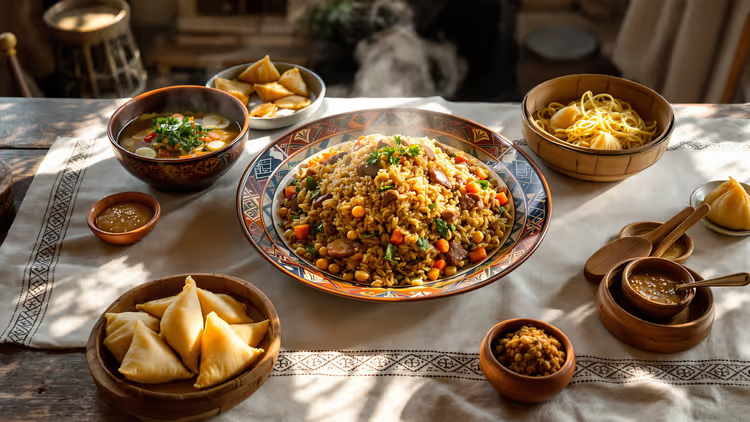
 AIIllustrative image: AI-generated
What to try in Uzbekistan: 5 dishes worth finding on your trip
Uzbek cuisine is built on meat, rice, dough, and fat-tailed sheep fat. It's hearty food made for long meals and big groups.
The five dishes below explain it best. Four of them you'll find in any city and in any season, while one is made only in spring, for the Navruz holiday.
Here's the order: what each dish is made from, where to find it, and what to order first.
Ad: this article contains affiliate links, we earn a commission if you book through them, at no extra cost to you.
What to try in Uzbekistan: the essentials
💡 In short:
- Four of the five dishes are available year-round, while sumalak is made only for Navruz.
- Plov was added to the UNESCO intangible heritage list in 2016.
- Meat and onion repeat across plov, lagman, manti, and samsa, and dough appears in the last three.
- Dish ingredients and traditions verified: 09/2026, based on data from the official Uzbekistan tourism portal.
1. Plov
 © AIDEPCUL · CC BYPhoto: AIDEPCUL, CC BY (https://creativecommons.org/licenses/by/4.0), Wikimedia Commons
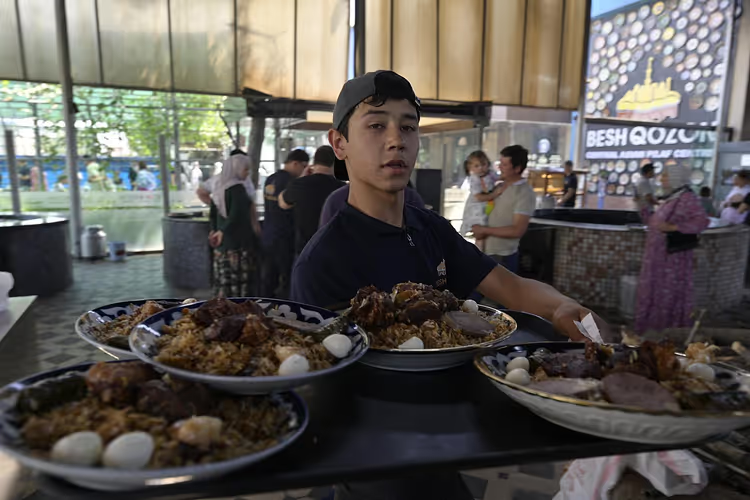
The country's signature dish opens the list. Plov, or palov, is made from rice, meat, carrots, and onion, and its distinctive flavor comes from cumin.
In restaurants, plov is traditionally made by men, while at home women usually handle it. The recipe varies from region to region: in some places chickpeas and raisins go into the kazan, in others it's just meat and carrots.
UNESCO added the culture and traditions of palov to its intangible heritage list in 2016 (according to UNESCO, 09/2026).
Plov is served with quail eggs, horse-meat kazy sausage, and even dolma. In Uzbekistan, people say that after plov, guests start heading home: it's the last dish on the table.
- Where to try: chaikhanas and plov centers in every city; the rice is fresher in the morning.
- Who it's for: those who love hearty rice and meat dishes.
- Not for: those who don't eat lamb or rich, fatty food.
- The catch: plov is cooked in fat-tailed sheep fat, so the dish is high in calories.
2. Lagman
 © Sebleouf · CC BY-SAPhoto: Sebleouf, CC BY-SA (https://creativecommons.org/licenses/by-sa/4.0), Wikimedia Commons
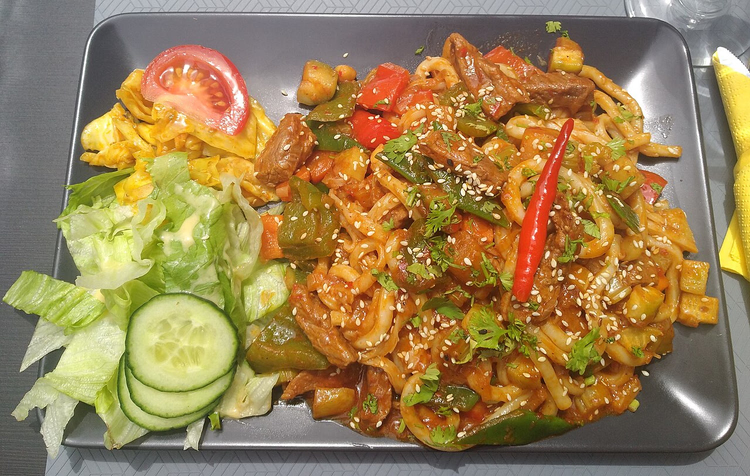
Lagman is made from hand-pulled noodles, meat, and vegetables. The dish came from Uyghur cuisine, and its name is related to the Chinese word for pulled noodles.
The noodles for lagman are pulled by hand, which makes them thick and springy. The bowl always has meat, vegetables, and sauce, and the flavor is built on cumin and hot pepper.
The dish has two variations: soupy, almost like a broth, and thick, closer to a stir-fry. It's made in China and Tajikistan too, so there are countless variations, and every cook has their own recipe.
If you make lagman at home with your own vegetables and meat, it's still lagman. Don't be afraid of the spices: they carry the flavor.
You can try lagman on a food tour with GetYourGuide tours.
- Where to try: chaikhanas and bazaar lagman stalls, where the noodles are pulled in front of you.
- Who it's for: those who love noodles and spiced vegetable sauces.
- The catch: the portion is thick and very filling; you won't need dessert afterward.
3. Manti
 © Ji-Elle · CC BY-SAPhoto: Ji-Elle, CC BY-SA (https://creativecommons.org/licenses/by-sa/4.0), Wikimedia Commons
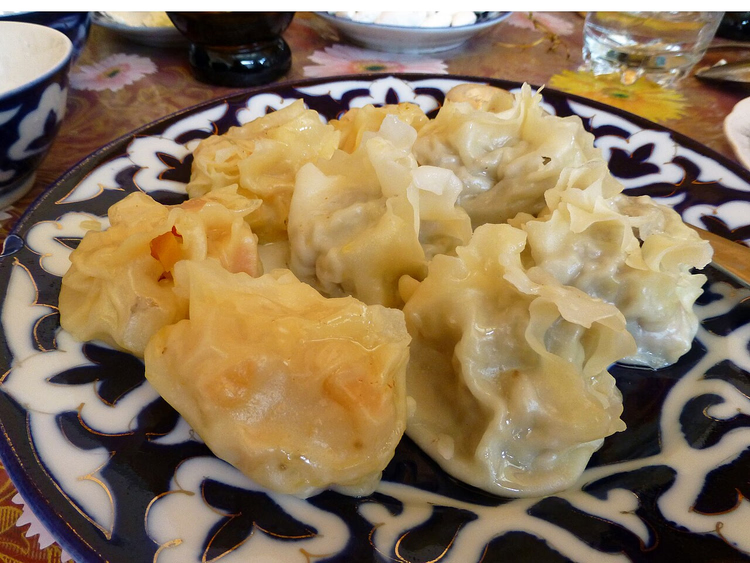
Manti are steamed, and that's their main difference from fried pies. The meat for the filling is chopped more coarsely than in pelmeni, and onion and spices are added.
The dough is rolled thin, so manti come out juicy. They're noticeably larger than pelmeni, and a plate usually holds several.
There's also a pumpkin version, without meat. Those manti are often chosen by people who don't eat lamb.
- Where to try: chaikhanas, bazaars, and manti cafes.
- Who it's for: those who want to compare local dumplings with the ones they're used to.
- Not for: those who don't like onion.
- The catch: the dough is filling, so it's better not to order manti together with plov.
4. Samsa
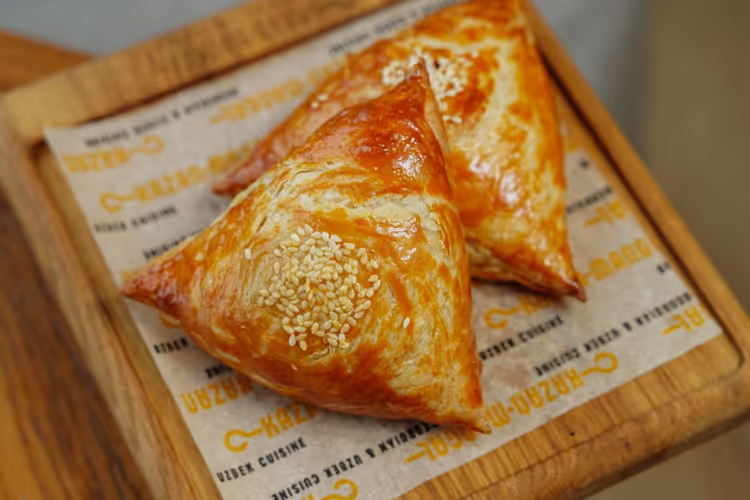
Samsa is baked in a tandoor: the dough is pressed onto the hot walls and kept there until done. This gives the crust its crunch.
The filling comes with meat or greens, and it almost always includes fat-tailed sheep fat. The dough is flaky, so the pastry is juicy inside and dry outside.
Samsa is best eaten hot, straight from the tandoor. The most interesting samsa with greens is sold outside the city, right on the road, so if you're passing by, stop: you're unlikely to find that kind in the city center.
- Where to try: tandoor stands at bazaars; for the greens version, look along the highway outside the city.
- Who it's for: those who love crispy baked pastries with meat.
- The catch: the filling has a lot of fat, so one samsa is enough for a taste.
5. Sumalak
The list ends with a festive dish made for Navruz. Sumalak is made from sprouted wheat grains and flour, and it's cooked for up to ten hours, stirred constantly (according to UNESCO, 09/2026).
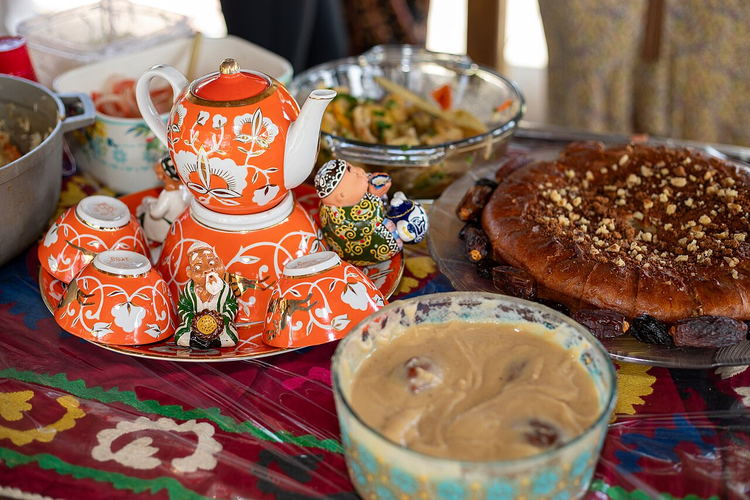 © Redhatstudiophotography · CC BY-SAPhoto: Redhatstudiophotography, CC BY-SA (https://creativecommons.org/licenses/by-sa/4.0), Wikimedia Commons
In consistency, sumalak resembles jam or thick porridge, and its taste is reminiscent of condensed milk. It turns out sweet without adding any sugar.
It's made by the whole family, often across several households: one person can't handle a large pot alone. Locals believe that while stirring, a person lets go of unkind thoughts, and the finished dish is traditionally shared with friends and neighbors.
If you come to Uzbekistan in summer, you won't find sumalak: the dish lives for exactly one spring season.
The easiest way to catch Navruz is by train: check tickets between Tashkent and Samarkand on Trip.com.
- Where to try: bazaars and chaikhanas in spring, during the days of Navruz.
- Who it's for: those who want to try a festive dessert.
- The catch: it's available only once a year.
⁉️🤔 Frequently asked questions
Which Uzbek dish should I try first?
Start with plov: it's made in every city and served by lunchtime. For a second dish, go with lagman or samsa; they handle hunger well. Save manti for dinner, and try sumalak separately if you find yourself in Uzbekistan in spring.
Is Uzbek cuisine suitable for vegetarians?
Partially. Sumalak is made without meat, and manti can come with pumpkin. Samsa with greens is almost always made with fat-tailed sheep fat, so it won't work. Plov and lagman are almost always made with meat broth or lamb, so you'll have to skip them. Check the ingredients with the server before ordering.
What do people order with plov?
Plov is usually eaten with flatbread and green tea. Spicy tomato and onion salads are also on the table.
When is sumalak sold in Uzbekistan?
Only in spring, during the Navruz holiday. If you want to try it, plan your trip for March.
How much does it cost to eat in Uzbekistan?
Prices depend on the city and the place, so go by what you see locally. Plov and samsa at a bazaar will cost less than dinner at a restaurant. We recommend leaving room in your budget for market tastings: bazaars are a convenient way to try several dishes at once.
In short: what to book
If you're visiting Uzbekistan for the first time, start with plov and lagman: they're made in every city. Choose the other dishes by season and occasion.
- If it's your first visit: get plov, and samsa to go with it.
- If you're vegetarian: get pumpkin manti, and sumalak in spring.
- If you want dessert: plan your trip for spring, around Navruz.
And don't forget to wash down any dish with green tea: locals can't imagine a day without it.

A small editorial team writing guides for independent travel. We travel ourselves, but we haven’t been everywhere, so we check prices, opening hours and how to get there against official sources.