
















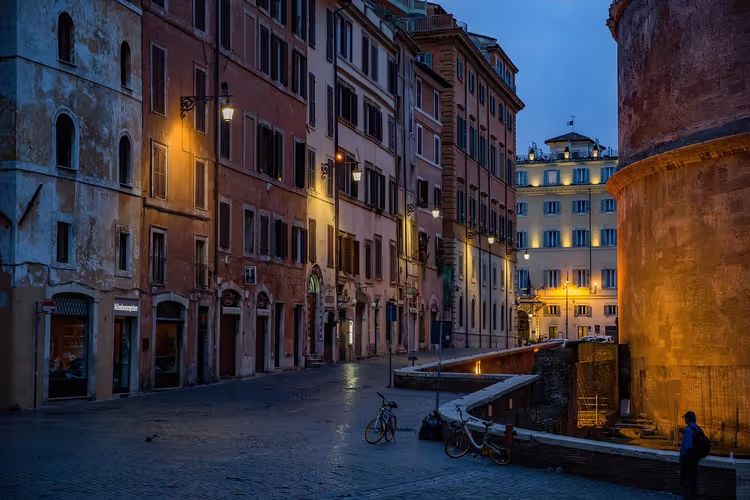
The oldest cities in the world: Jericho, Damascus, Byblos and Plovdiv
Jericho is several thousand years older than the Egyptian pyramids (according to UNESCO). The city stands almost exactly where the first farmers founded it, and it has never been abandoned since.
There are only a handful of such places on the planet. Below are four of them: Jericho, Damascus, Byblos, and Plovdiv. For each, we've gathered the age, the main site, and the honest catch. If you're deciding where to go this fall, start with the comparison table.
Who is considered the world's oldest city
"Oldest" here doesn't mean the oldest ruin site, but a city that has been continuously inhabited. There's one reference point: the UNESCO World Heritage list. It includes Jericho, Byblos, and the old part of Damascus.
The age of such cities is determined by cultural layers. They'll tell you more than any guidebook. Each layer corresponds to its own era: Neolithic, Bronze Age, Roman times, the Ottoman Empire. The deeper the excavation, the older the first settlement on that site.
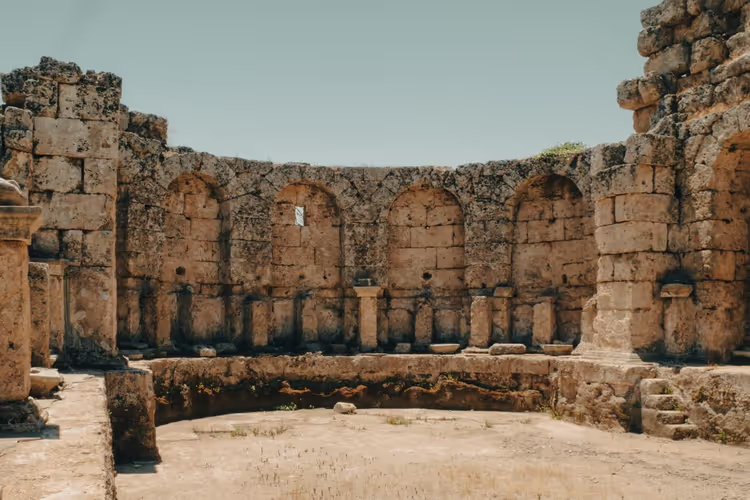
💡 In short:
- Jericho: a permanent Neolithic settlement, the oldest on the list.
- Byblos: inhabited since the Neolithic, one of the oldest Phoenician ports.
- Damascus and Plovdiv: continuous history with no empty centuries.
- City ages and heritage statuses: 09/2026, verified against the UNESCO registry.
City | Country | First settlements | What to see | Source |
|---|---|---|---|---|
Jericho | Palestine | 9th-8th millennium BC | Tell es-Sultan | |
Byblos | Lebanon | Neolithic | Phoenician port | |
Damascus | Syria | Neolithic and Bronze Age | Umayyad Mosque | |
Plovdiv | Bulgaria | Neolithic | Ancient Roman theater |
Jericho, Palestine
Jericho lies in the Jordan Valley, at the Ain es-Sultan spring. People settled here earlier than anywhere else on the planet. According to UNESCO data, as early as the 9th-8th millennium BC a large permanent settlement existed here, not just a hunters' camp.
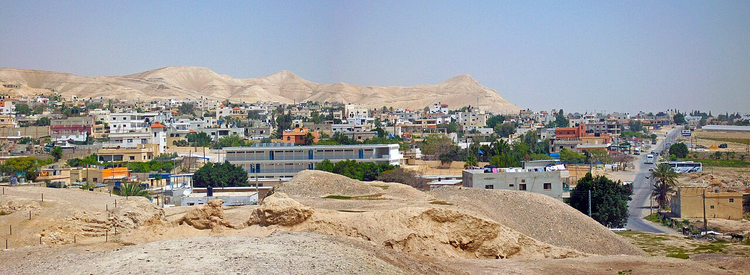 © Daniel Case · CC BY-SAPhoto: Daniel Case, CC BY-SA (https://creativecommons.org/licenses/by-sa/3.0), Wikimedia Commons
The city was destroyed many times, and each time it was rebuilt. The spring kept people in place even after fires and invasions.
Today Jericho lies below sea level, in a hot desert. In summer it is dry and stifling: only shade and spring water will help you. Rain is rare.
Near the city, the Hisham's Palace has survived, an early Islamic complex from the 8th century. It was decorated with mosaic floors, and some of them have come down to us (according to UNESCO).
To the east of the city rises the Mount of Temptation. A steep climb leads to the Orthodox monastery on its slope, but from the top the entire Jordan Valley opens up.
- Who it's for / Not for: for those who care about archaeology and biblical history; not for those coming for the sea and beaches.
- The catch: the West Bank lives under occupation and periodic flare-ups. Before traveling, check the Auswärtiges Amt warnings.
Damascus, Syria
Damascus, also known as Ash-Sham, is among the oldest continuously inhabited cities in the Middle East (according to UNESCO). No one gives an exact founding date: the city's cultural layers go back to the Neolithic.
Damascus survived the Romans, the Byzantines, the Arab Caliphate, and the Ottomans. Each ruler left their own layer of stone here, so you have several eras within a few square kilometers.
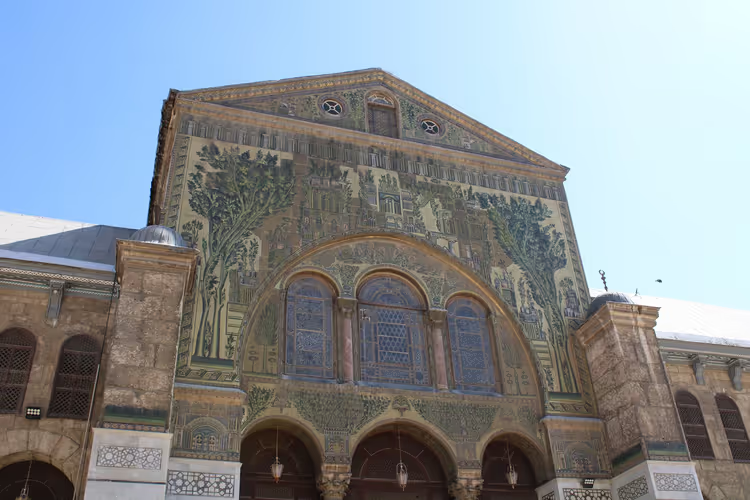
The heart of Damascus remains the Umayyad Mosque. It stands on the site of a Roman temple of Jupiter and a Byzantine church. The mosque is considered one of the largest places of continuous prayer in Islam (according to UNESCO).
Damascus was so often demolished and rebuilt that the ancient layers are buried beneath the modern metropolis. Excavations here are almost impossible, and that is the main frustration for archaeologists.
- Who it's for / Not for: for those interested in Islamic architecture and the history of the Caliphate; not for those looking for a calm and predictable route.
- The catch: the situation in the country remains unstable. Plan a trip only based on Auswärtiges Amt signals.
Byblos, Lebanon
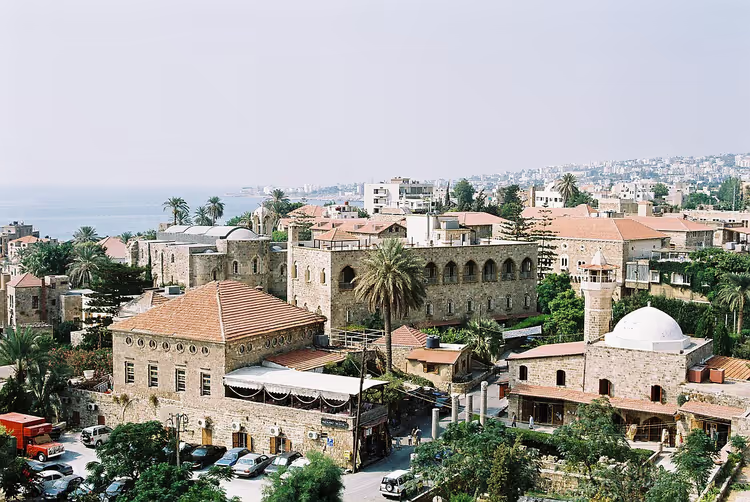
Byblos stands on the Mediterranean coast north of Beirut. It is one of the oldest Phoenician ports, inhabited since the Neolithic era (according to UNESCO data).
It was from here that the Phoenicians exported cedar and papyrus. According to one version, the word "Bible" comes from the Greek name of the city.
 © Orient at de.wikipedia · CC BY-SAPhoto: Orient at de.wikipedia, CC BY-SA (https://creativecommons.org/licenses/by-sa/2.0/de/deed.en), Wikimedia Commons
In Byblos, the eras stand right next to each other. Bronze Age temples sit beside a Crusader castle and Byzantine churches. That is why the city was added to the World Heritage list.
Narrow cobbled streets lead to bazaars. In the evening the area comes alive: bars spill live music into the streets, and vendors offer replicas of ancient ships and souvenirs. One day is enough to walk the entire historic center.
- Who it's for / Not for: for those who want to combine Phoenician ruins with the sea and bazaars; not for those expecting big cities and world-class museums.
- The catch: in the evening the old lanes get noisy because of the bars and brisk trade.
Plovdiv, Bulgaria
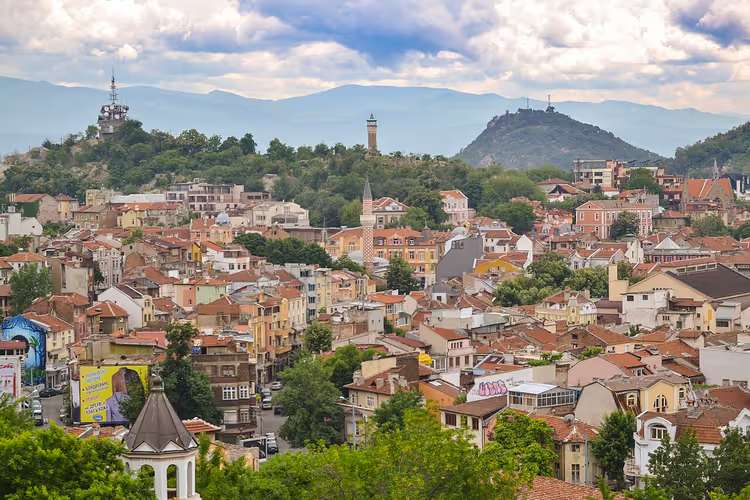
Plovdiv is called the oldest living city in Europe (according to Plovdiv Municipality). It stands on the Maritsa River and over its history has been a Thracian, Greek, Roman, Byzantine, and Ottoman city.
The first settlement here was founded in the Neolithic era. Macedonians, Romans, and Ottoman Turks all passed through the city, and each people added its own page to its appearance.
 © Ilia Markov from Sofia, Bulgaria · CC BY-SAPhoto: Ilia Markov from Sofia, Bulgaria, CC BY-SA (https://creativecommons.org/licenses/by-sa/2.0), Wikimedia Commons
The ancient Roman theater remains the city's main attraction. It was built under Emperor Trajan, in 98-117 AD, and still hosts concerts and festivals (according to the theater's official website). The theater seated several thousand spectators and is considered one of the best-preserved ancient theaters in the world.
In the late 19th century, a large park garden was laid out in the city for the first Bulgarian industrial exhibition. It was later named after Tsar Simeon the Great. The garden retains a fountain with a figure of Demeter, the goddess of fertility, and a lake with the Singing Fountains, and you can walk through all of it on foot.
- How to get there: the old town is compact, and the main sights are within walking distance of each other.
- Who it's for / Not for: for those who want to see antiquity without Rome's crowds; not for those looking for the sea: the coast is far away.
- The catch: the city is hot in summer, and during festivals the old town gets crowded with tourists.
⁉️🤔 Frequently asked questions
Which city in the world is the oldest?
Most often Jericho is named first. According to UNESCO's description, a permanent settlement existed here as early as the 9th-8th millennium BC. Damascus and Byblos are close in age, but nobody knows the exact founding date: scholars argue about every city on the list.
Is it currently possible to travel to Jericho and Damascus?
Both cities lie in unstable regions. The West Bank lives under occupation, and Syria remains an unstable country. First check the warnings from Auswärtiges Amt, and only then plan tickets and accommodation.
How much time do you need for Plovdiv?
Plovdiv's old town is compact. You can see the ancient Roman theater, Tsar Simeon's garden, and the ruins on the hills in one day. If you want to catch a concert in the theater, add an evening and buy tickets in advance.
How is Byblos different from the other cities on the list?
Byblos sits right on the shore, unlike the other cities on the list. Here a Phoenician necropolis, Bronze Age temples, and fortresses from different eras stand side by side. Add a walk by the sea and through the bazaars: in the evening the ancient streets turn into a trading quarter.
What to see in Damascus besides the Umayyad Mosque?
First of all, the old city itself. Covered markets and narrow lanes with courtyard houses preserve several eras at once. The Umayyad Mosque remains the main site, but much around it is hidden beneath modern construction and inaccessible to archaeologists.
In short: what's worth booking
If you have a short vacation, choose Plovdiv. The city is European, with an ancient theater and a garden, and getting there from Sofia is easy. EU citizens don't need a visa, but book tickets for concerts at the theater in advance.
If you're going for biblical history, choose Jericho. Hisham's Palace, the Mount of Temptation, and the Tell es-Sultan excavations are all close together, but check the situation in the region first.
If you want sea and ruins at the same time, Byblos is a good fit. The Phoenician port, Bronze Age temples, and evening bazaars are all in one place.
If you're drawn deeper into Islamic culture, plan for Damascus. The Umayyad Mosque is worth it, but only after travel warnings are lifted.
A trip like this is best planned for spring or fall: in summer, Jericho and Damascus are too hot for walking around ruins.

A small editorial team writing guides for independent travel. We travel ourselves, but we haven’t been everywhere, so we check prices, opening hours and how to get there against official sources.