
















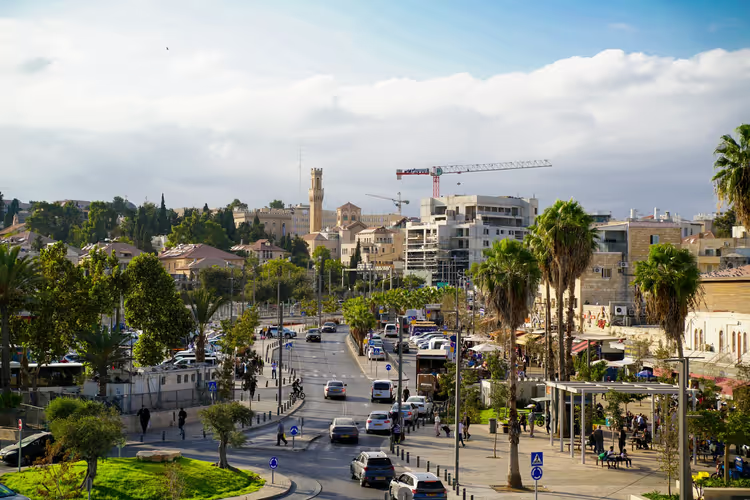
10 Places in Israel: from Ein Gedi to the Western Wall
Between the Dead Sea, Haifa, and Jerusalem, it is easy to rack up hundreds of kilometers. In a week, you will see more if you decide in advance which places are worth your time.
We picked ten places that most often end up on a first route through Israel: nature reserves, fortresses, and the ancient quarters of Jerusalem. For each spot, you will find how much time to allow, how to get there, and whether you need tickets in advance. A money reference point: entry to the Ein Gedi Nature Reserve is paid, while you enter the Old City of Jerusalem without a ticket (as of 09/2026, reserve page on the Israel Nature and Parks Authority website).
Ad: this article contains affiliate links, we earn a commission if you book through them, at no extra cost to you.
1. Ein Gedi nature reserve
💡 In short:
- Nature and swimming: Ein Gedi and the Dead Sea are easy to combine into one day.
- Logistics: people come here by car or on a tour, buses run infrequently.
- Prices and opening hours: 09/2026, verified on the official reserve website.
Ein Gedi hides in the Judean Desert right on the shore of the Dead Sea. In the middle of the dry plain, freshwater springs burst out, and dense palm groves stretch along the streams. You will cover the main trail in two to three hours if you do not climb to the distant viewpoints.
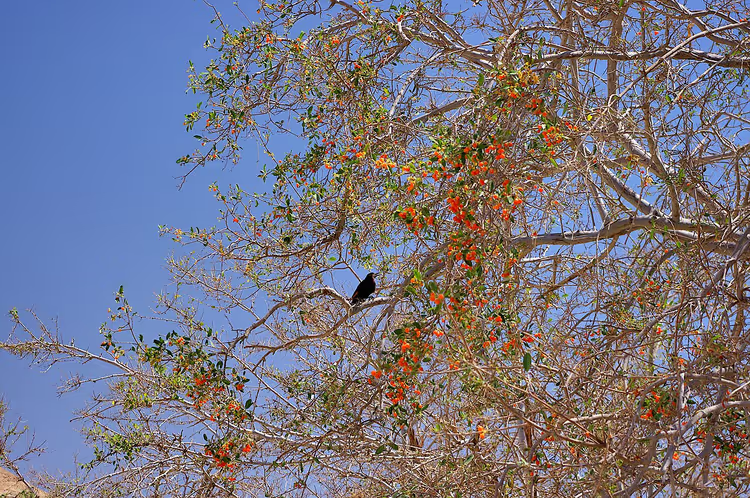
In the summer of 2025, a powerful flash flood washed out part of the trails in the Nahal David and Nahal Arugot canyons. Open routes change, so check their status before your trip (as of 09/2026, Israel Nature and Parks Authority website). For swimming, the lower Nahal David pools are more convenient: they are closer to the entrance and suit a short walk.
An ancient city stood on this spot, and archaeologists still study its ruins. Caravans carrying dates, grapes, and incense passed through the oasis, and the local balsam was valued more than gold. Today, the area's mineral springs feed Dead Sea cosmetics, which you will find in any pharmacy in the country.
Allow half a day for the visit if you want to combine the reserve with swimming in the Dead Sea. Bring water, a hat, and closed shoes: there is little shade on the trails, and the rocks near the waterfalls are slippery. The catch: after floods, some routes are closed, so check the open sections before you set out.
2. Timna Valley
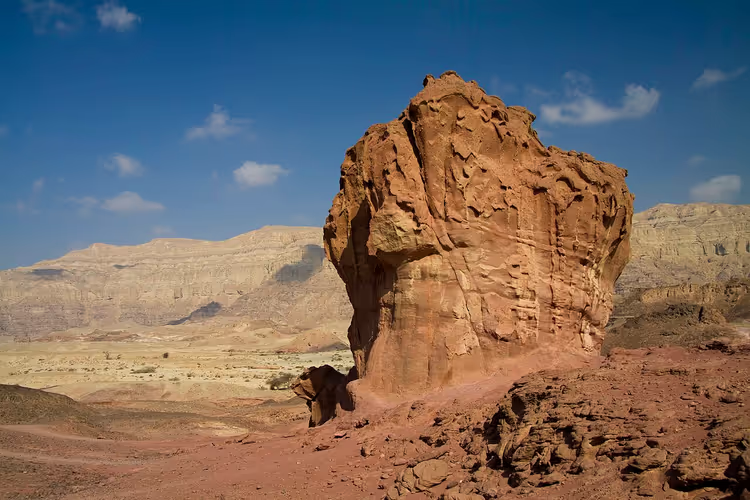
Timna Valley lies thirty kilometers north of Eilat and the Gulf of Eilat. Copper was once mined here, and the first mines appeared in this area as early as the fifth millennium BC. Because of its rich ore, the valley is called "King Solomon's Mines."
 © Chmee2 · CC BYPhoto: Chmee2, CC BY (https://creativecommons.org/licenses/by/3.0), Wikimedia Commons
Today it is a large open-air archaeological park. Marked routes of varying lengths run through it, and there is an artificial lake and picnic areas. Three to four hours will be enough for the main loop road with stops at the rock formations.
The park is open from 08:00 to 16:00 every day (as of 09/2026, Timna Park official website). Arrive at opening time: the desert heats up during the day, and there is almost no shade near the rocks. The catch: the gates close in the evening, and you may not have time for the longer trails (as of 09/2026, Timna Park schedule).
Among the finds from the last century are copper mines, rock carvings, ancient tools, and the remains of temples. Take a guided tour or an audio guide, otherwise some of the sites will remain unclear. If you are driving, the park is easy to combine with Eilat in a single day.
3. Jerusalem, Old City
The Old City of Jerusalem fits within one square kilometer and is divided into four quarters: the Jewish, Armenian, Christian, and Muslim quarters. Jews, Christians, and Muslims consider it a holy city, so the streets are filled with pilgrims year-round. You can walk through it in a day, but it is better to split your visit into two parts.
 © שלמה רודד · CC BYPhoto: שלמה רודד, CC BY (https://creativecommons.org/licenses/by/2.5), Wikimedia Commons
It is convenient to book a tour of the quarters in advance: Old City routes on GetYourGuide will help you avoid getting lost in the alleys. The city lives an ordinary life: shops, schools, and institutions operate here, not just museums. The new part of Jerusalem began growing in the second half of the nineteenth century and has long surpassed the old part in area and population.
Christian churches, synagogues, and mosques rise above the quarters, and they all stand side by side. You can walk around the Old City walls in about an hour if you follow the fortifications. Wear comfortable shoes and allow at least half a day.
4. Yad Vashem Holocaust Memorial
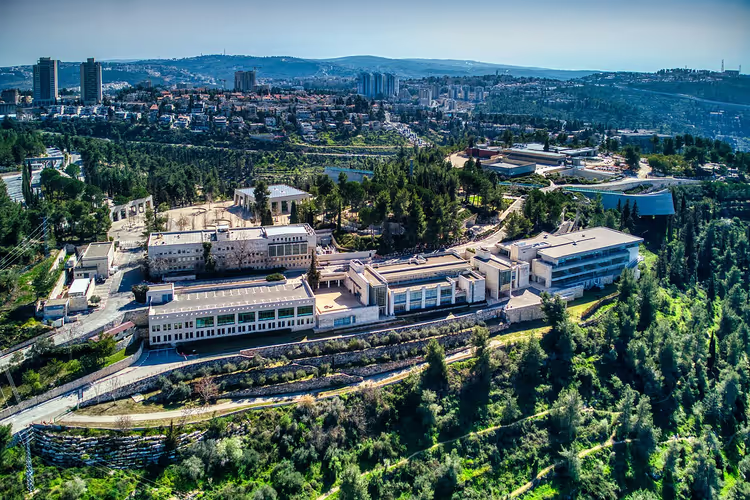
Yad Vashem is dedicated to the memory of Jews who perished during the Holocaust. The complex opened in 1953, and today millions of people visit it every year (as of 09/2026, Yad Vashem official website).
 © Hagai Agmon-Snir حچاي اچمون-سنير חגי אגמון-שניר · CC BY-SAPhoto: Hagai Agmon-Snir حچاي اچمون-سنير חגי אגמון-שניר, CC BY-SA (https://creativecommons.org/licenses/by-sa/4.0), Wikimedia Commons
Admission to the grounds is free, but visits to the history museum must be booked in advance. The complex is closed on Saturdays and holidays, and children under ten are not allowed in the museum (as of 09/2026, Yad Vashem schedule page). The catch: because of the schedule, Saturday is completely out, and Friday evening only works for a short visit.
The heart of the memorial, the Hall of Remembrance, holds an eternal flame and the ashes of the victims. Here you will see the names of camps and mass burial sites. Be quiet and do not photograph people. Allow two to three hours for the visit to cover the museum and the Avenue of the Righteous Among the Nations.
5. Bahá'í Gardens in Haifa
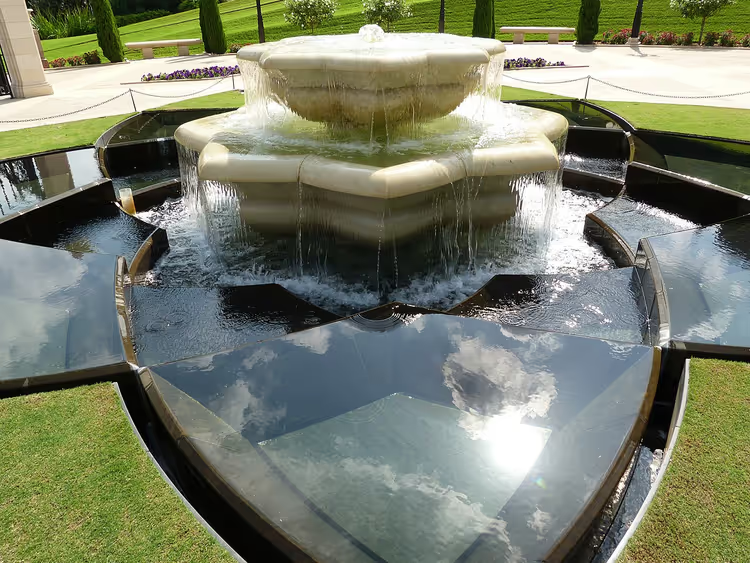
The Bahá'í Gardens descend the slope of Mount Carmel in nineteen terraces. This is the main center of the Bahá'í faith and a UNESCO World Heritage Site, and in the middle of the cascade stands the Shrine of the Báb with its golden dome (as of 09/2026, Bahá'í Gardens official website).
 © Eneemann@gmail.com · CC BY-SAPhoto: Eneemann@gmail.com, CC BY-SA (https://creativecommons.org/licenses/by-sa/3.0), Wikimedia Commons
You can visit the upper observation deck and the lower terraces for free and without a reservation. Walking the entire cascade from top to bottom is only possible with a guided tour by reservation. A walk through the lower terraces takes about an hour, and from here you will see a panorama of the Haifa port. The catch: without a reservation you cannot walk the entire cascade, and the terrace route is closed during prayer times (as of 09/2026, terrace visiting conditions).
The gardens are maintained by gardeners and volunteers from around the world. Flower beds and lawns are planted so that the terraces are never empty in any month of the year. Come at opening time: in the morning there are fewer groups and softer light for photos.
6. Masada Fortress
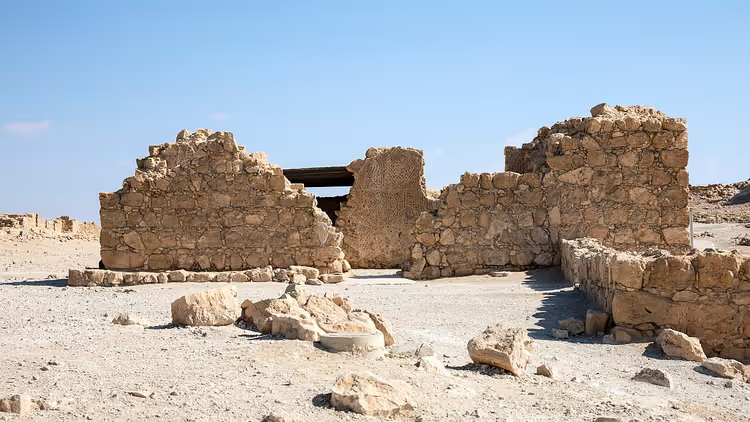
Masada stands on a cliff about 450 meters above the Dead Sea. It was the last stronghold of the rebels against Rome in the first century, and the events of the siege are known from the account of Josephus Flavius (as of 09/2026, official Masada website).
 © Godot13 · CC BY-SAPhoto: Godot13, CC BY-SA (https://creativecommons.org/licenses/by-sa/4.0), Wikimedia Commons
The fortress was defended by about a thousand people, including women and children. The siege lasted several months in 73-74 CE, and when the Romans breached the wall, the defenders chose death over captivity. According to the source, the bodies of nearly 960 people remained in the fortress (as of 09/2026, Masada fortress page).
In summer the park is open from 08:00 to 17:00, with entry closing one hour before closing time. The last cable car ride up also runs one hour before closing (as of 09/2026, Masada park schedule). Museum access is by advance reservation only.
You can go up on foot via the Snake Path or take the cable car. Masada tickets with a time slot on Tiqets should be booked in advance during high season. The catch: hiking up in summer is tough, and some visitors opt for the cable car (as of 09/2026, Masada visitor information).
7. Makhtesh Ramon
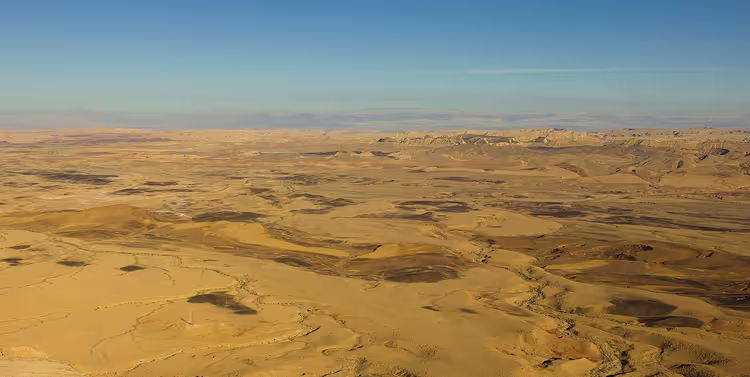
Makhtesh Ramon, a large erosion crater in the Negev, stretches for dozens of kilometers. It is considered one of the most scenic places in the country, and people come here for the lookout points on the edge of the cliff. You will remember the sunset over the crater just as vividly as the southern beaches.
 © Godot13 · CC BY-SAPhoto: Godot13, CC BY-SA (https://creativecommons.org/licenses/by-sa/4.0), Wikimedia Commons
The lookout point near the town of Mitzpe Ramon is open around the clock and free of charge. Hiking and cycling routes lead down, but some of them require preparation and a supply of water. The crater received nature reserve status in the late nineties, and fossil mining here was stopped.
Take a car, without one you cannot reach the more remote lookout points. Arrive an hour before sunset so you can get to the crater rim and find a good spot for photos.
8. Mini Israel Park
Mini Israel shows the country in miniature. It features hundreds of replicas of famous buildings, monasteries, and neighborhoods, with tiny human figures placed alongside them. You can walk through the entire exhibition in a couple of hours.
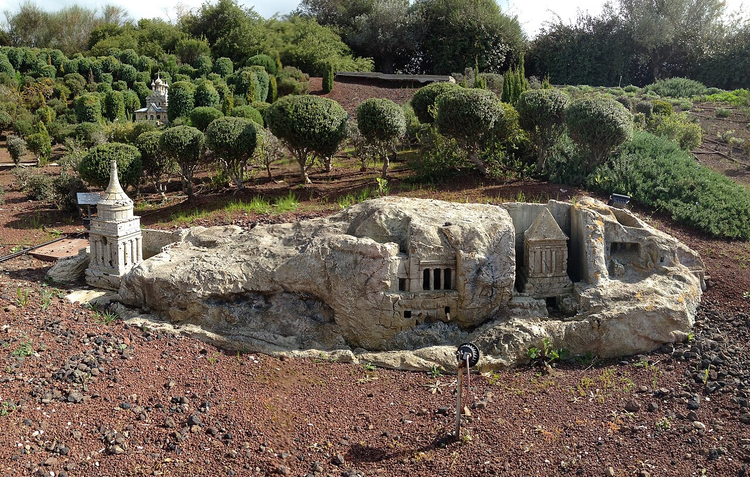 © חושם תשתקו שם · CC BY-SAPhoto: חושם תשתקו שם, CC BY-SA (https://creativecommons.org/licenses/by-sa/4.0), Wikimedia Commons
Buy Mini Israel tickets on Tiqets online so you don't have to wait at the ticket office. The park operates on a seasonal schedule, so check the hours on the park's official website. The catch: some of the models are sent out for restoration, so the full exhibition is not always on display (according to the park's page).
9. Garden of Gethsemane
The Garden of Gethsemane lies at the foot of the Mount of Olives, across the road from the Old City. According to tradition, Jesus prayed here on the night before the crucifixion. Pilgrims come here from all over the world, and you can easily join them on a walk.
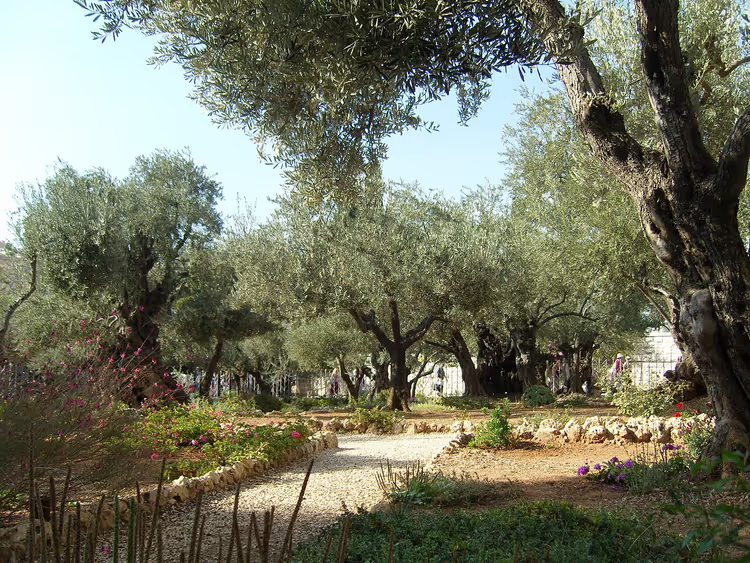 © Mewasul · CC BY-SAPhoto: Mewasul, CC BY-SA (https://creativecommons.org/licenses/by-sa/3.0), Wikimedia Commons
The garden is small, so a visit takes about half an hour. The garden's main treasure, its ancient olive trees, have been growing here for centuries, and guides talk about them more than anything else. The catch: the garden is small and crowded in the middle of the day, so come in the morning or closer to closing time.
A basilica stands nearby, and entry to the garden grounds is free. Set aside time for a walk up the Mount of Olives: from there you get a view of the Old City and the Dome of the Rock. In the evening it is quieter and cooler here.
10. Western Wall
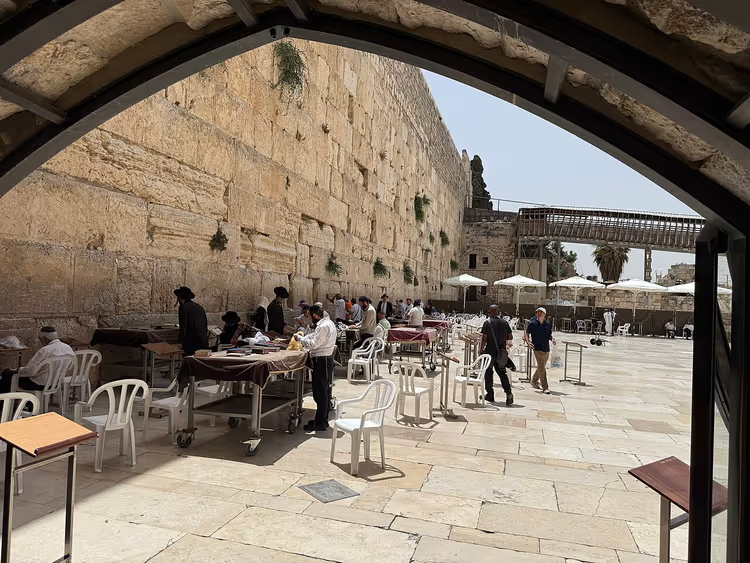
The Western Wall, the surviving part of the Second Jewish Temple, remained after the Roman destruction. For Jews it is the most revered shrine and a site of mass pilgrimage. Prayers at the wall are heard around the clock, and access is open almost always.
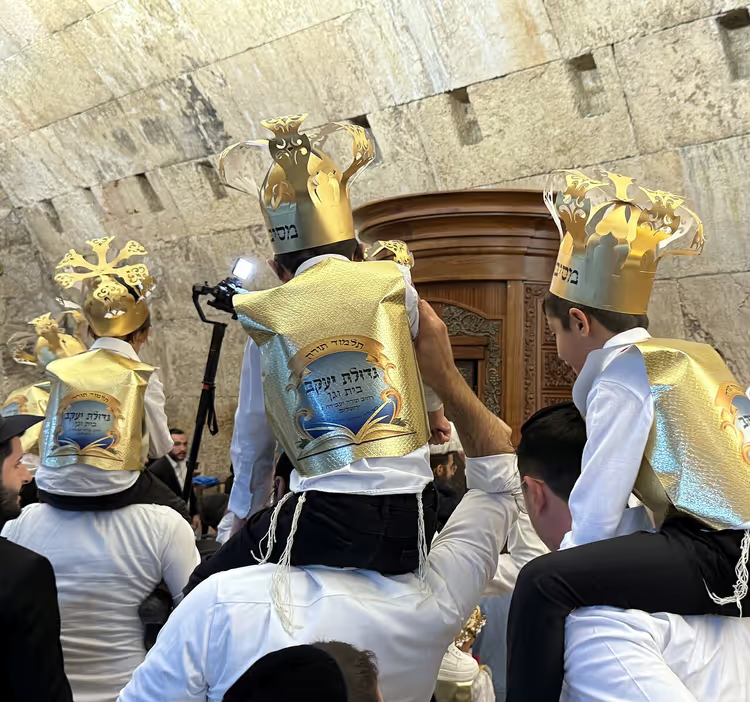 © שלמה רודד · CC BYPhoto: שלמה רודד, CC BY (https://creativecommons.org/licenses/by/2.5), Wikimedia Commons
The wall got its name because people mourned the destroyed First and Second Temples here. At the entrance you will receive a kippah, and prayer notes are left in the cracks between the stones. Respect the rules: do not make noise, do not disturb worshippers, and do not photograph people up close.
Come early in the morning or after sunset, when the heat subsides. From the wall it is easy to go up to the Mount of Olives and return to the Old City. On Friday evening Shabbat begins, and the plaza by the wall fills with worshippers.
⁉️🤔 Frequently asked questions
How many days do you need to see all ten places?
Allow at least five to seven days. The north and Jerusalem are easy to combine into one trip, while the Dead Sea, Masada, and Eilat require a separate route. If you have less time, pick three or four spots and don't try to cover everything at once.
Do you need to buy tickets in advance?
Yes, in high season. For Masada and the Ein Gedi Nature Reserve, tickets and entry slots are booked online, otherwise you may end up waiting at the ticket office in the morning. Nature reserves and parks operate on schedules that are worth checking before you set out (as of 09/2026, official website of the Nature and Parks Authority).
What is closed on Saturday?
On Shabbat, Yad Vashem, many shops, and some public transport do not operate. Nature reserves and national parks are usually open, but check the schedule and opening hours in advance (as of 09/2026, nature reserves and parks schedule). The Old City and the Western Wall remain accessible.
When is the best time to go?
The mildest months for a trip are March to May and October to November. In summer the desert and the Dead Sea area are extremely hot, and Jerusalem is stuffy. In winter the north gets rain, but the south stays warm and works well for Eilat.
How do you get between cities?
Trains and buses run between Jerusalem, Tel Aviv, and Haifa, while Masada and Ein Gedi are easier to reach by car or on a guided tour. Rent a car in advance and allow extra time for winding mountain roads.
In short: what to book
These ten places cover the main reasons to visit Israel: nature, history, and religion in one trip. If you have a week, start with Jerusalem and the Old City, then head to the Dead Sea and Masada on day three or four. Leave the north with Haifa for the end of your route.
If you are short on time: choose Jerusalem and the Dead Sea, and save Eilat and the Negev crater for next time. Before your trip, compare accommodation and check places to stay in Israel on Trip.com. For more about the country, read the article Interesting facts about Israel.

A small editorial team writing guides for independent travel. We travel ourselves, but we haven’t been everywhere, so we check prices, opening hours and how to get there against official sources.