
















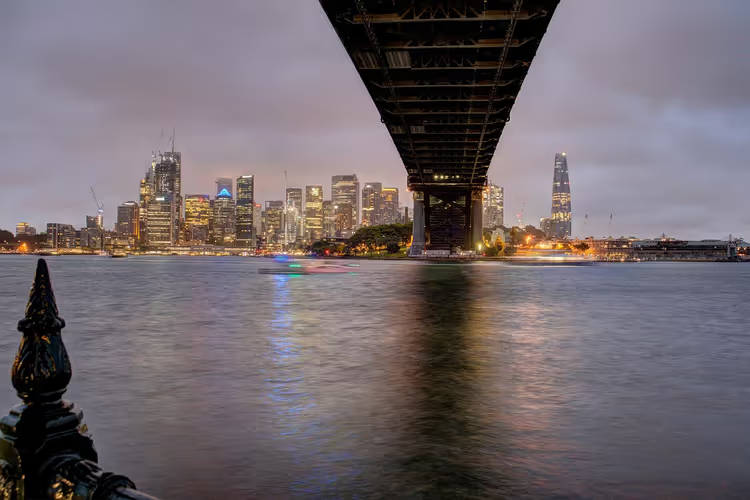
What to see in Sydney: main places and free activities
Sydney looks like an expensive city, but entry to half of its main sights is free. The Opera House, parks, beaches, and the sunken ship in Homebush Bay don't cost a cent. You'll only have to pay for the observation deck, a tour inside the Opera House, and transportation.
The Royal Botanic Garden welcomes everyone free of charge year-round, and it's a two-minute walk from Circular Quay (according to the garden's official website, 09/2026). Below you'll find Sydney's main attractions and straightforward routes: on foot, by ferry, or by train.
Ad: this article contains affiliate links, we earn a commission if you book through them, at no extra cost to you.
What to see in Sydney: the essentials
💡 In short:
- Spend your first day on the water: ferry from Circular Quay, the Opera House and Harbour Bridge, then the city center on foot.
- Hyde Park, the Royal Botanic Garden, the Rocks and Darling Harbour neighborhoods, and the beaches are all free.
- Get tickets for the observation deck and tours of the Opera House in advance and online.
- Prices and opening hours: 09/2026, verified on the Opera House's official website and Sydney Tower Eye.
Sydney is best planned by neighborhood, otherwise you'll spend the day in transit. The center is compact: Circular Quay, the Rocks, and the Opera House are right next to each other, and Hyde Park with the cathedral is a fifteen-minute walk from the waterfront.
Place | Entry | How much time |
|---|---|---|
Sydney Opera House | free from outside, tour by ticket | about an hour |
Harbour Bridge | free on foot | half an hour |
Sydney Tower Eye observation deck | by ticket, cheaper online | an hour |
Hyde Park | free | an hour |
Royal Botanic Garden | free | two to three hours |
St Mary's Cathedral | free | half an hour |
The Rocks and Darling Harbour | free | two to three hours |
Bondi Beach | free | half a day |
Sydney Opera House and its tours
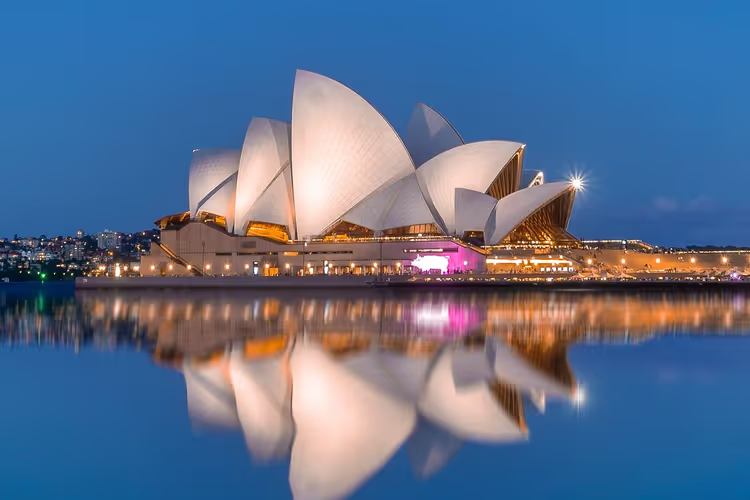
The white sails on the shore of the bay are recognizable even to those who have never been to Australia. You can view the building from outside for free from any point along the waterfront, but you can only get inside on a guided tour or with a concert ticket. Tours are offered in seven languages, including German and Spanish, so you can pick a convenient day and time (as of the official website, 09/2026). In summer, slots sell out quickly, so it's best to book in advance.
- Cost: viewing from outside is free, tours require a ticket, check prices on the Opera House website.
- The catch: inside, the halls look more understated than the famous sails, and some visitors expect more.
- How to get there: from Circular Quay station, it's about a five-minute walk along the waterfront (see map).
Harbour Bridge
 © Photograph by Greg O'Beirne · CC BYPhoto: Photograph by Greg O'Beirne, CC BY (https://creativecommons.org/licenses/by/2.5), Wikimedia Commons
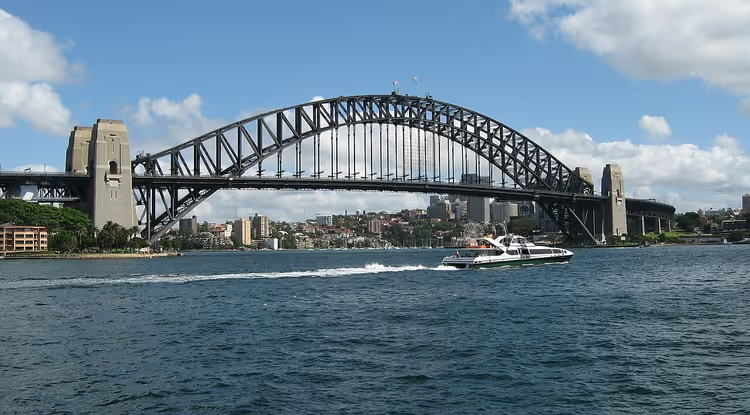
The steel arch connects the business district with the north shore and remains the city's most recognizable crossing. The bridge is over a kilometer long and carries trains, cars, and pedestrians. Locals jokingly call the structure a "coat hanger," and on New Year's Eve the bridge becomes the centerpiece of the fireworks display.
- Cost: walking across the pedestrian path is free.
- How to get there: from Circular Quay along the water, about a twenty-minute walk (see map).
- The catch: on New Year's Eve, the crowd on the waterfront starts gathering in the afternoon, and finding a spot by the water becomes impossible.
Sydney Tower and observation deck
 © Photograph by Greg O'Beirne · CC BYPhoto: Photograph by Greg O'Beirne, CC BY (https://creativecommons.org/licenses/by/2.5), Wikimedia Commons
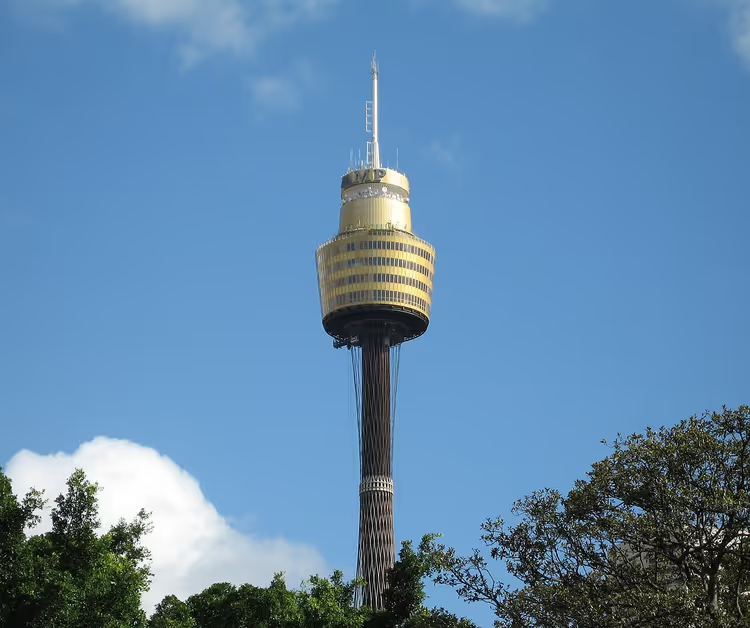
The tower's upper level features an observation deck with views of the bay, the bridge, parks, and the ocean in the distance. The elevator ride takes just a couple of minutes, and inside you'll find souvenir shops and a restaurant. Tickets are cheaper on the official website: savings can reach 20% (as of the tower's official website, 09/2026). In the evening, the city lights look better from up high than during the day.
- Cost: admission by ticket, up to 20% cheaper online (official website).
- How to get there: look for the entrance in the shopping arcade beneath the tower, about five minutes from Town Hall station (see map).
- Who it's for: those who want to see all of Sydney from a single point without spending a whole day on it.
Hyde Park in the city center
 © Jorge Láscar from Melbourne, Australia · CC BYPhoto: Jorge Láscar from Melbourne, Australia, CC BY (https://creativecommons.org/licenses/by/2.0), Wikimedia Commons
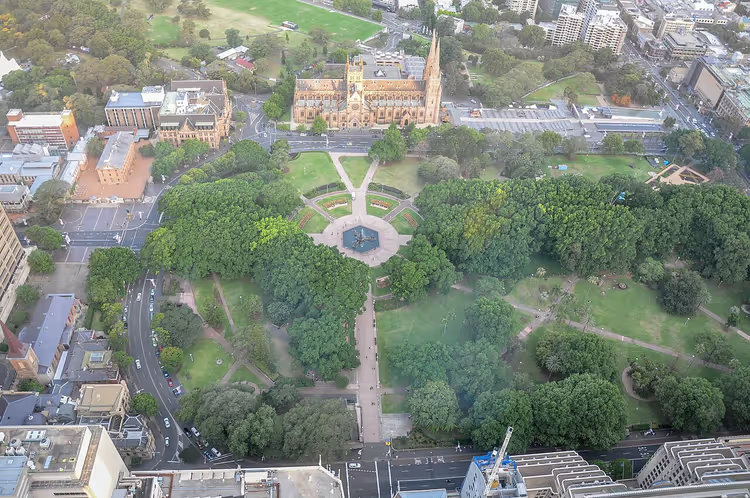
Hyde Park occupies a large area right in the center and is crisscrossed by walkways where both locals and tourists stroll. Palm trees and fig trees grow here, monuments stand throughout, and you can have a picnic on the lawns surrounded by skyscrapers. The park is open around the clock, and admission is free.
- Cost: free.
- How to get there: Museum and Town Hall stations are nearby, each a couple of minutes on foot (see map).
- Who it's for: for a break between museums and a walk in the shade.
Royal botanic garden and government house
 © Chris.sherlock2 · CC BY-SAPhoto: Chris.sherlock2, CC BY-SA (https://creativecommons.org/licenses/by-sa/4.0), Wikimedia Commons
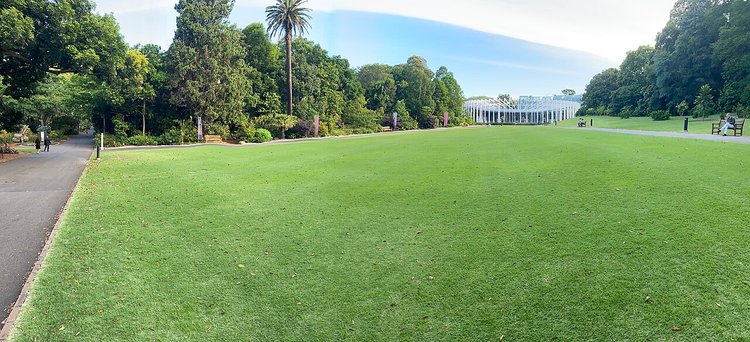
The Royal Botanic Garden sits opposite the Opera House and is open year-round. Sydney's first zoo appeared here, and today the garden's collection includes more than a million herbarium specimens. Along the paths you'll meet yellow-crested cockatoos, brushtail possums, and Australian white ibises. Entry is free (according to the official website, 09/2026); you only pay for the cafes and boats at the dock.
Government House with free tours
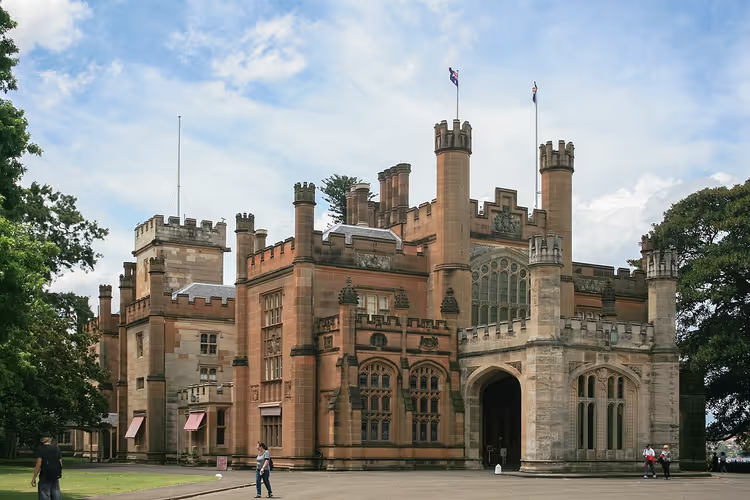
Tours at the neighboring Government House are also free: the interior preserves furnishings from past eras, antique furniture, and a collection of paintings. The rest of the time the building remains the governor's residence, so you can only get inside on a strict schedule.
 © Diego Delso · CC BY-SAPhoto: Diego Delso, CC BY-SA (https://creativecommons.org/licenses/by-sa/3.0), Wikimedia Commons
- Cost: entry and tours are free.
- How to get there: from Circular Quay along the garden, about fifteen minutes on foot (see map).
St Mary's Cathedral
 © Dietmar Rabich · CC BY-SAPhoto: Dietmar Rabich, CC BY-SA (https://creativecommons.org/licenses/by-sa/4.0), Wikimedia Commons
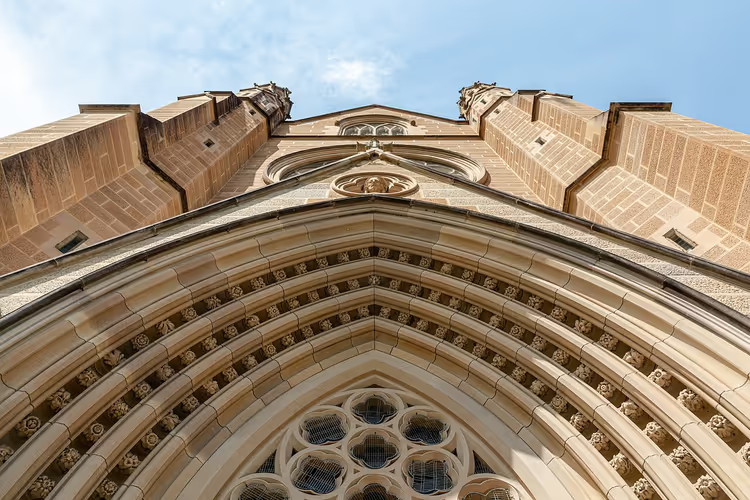
The neo-Gothic sandstone cathedral stands in the business district, and it took almost two hundred years to build: the first stone was laid in the 1820s, and the final spires went up in the early 2000s. The cathedral is known for its stained glass, which is the main reason people come here. Masses are held on Saturday and Sunday; check the cathedral's official website for the current schedule (as of 09/2026).
- Cost: entry is free, but during services tourists are asked to keep quiet.
- How to get there: about five minutes on foot from Hyde Park (see map).
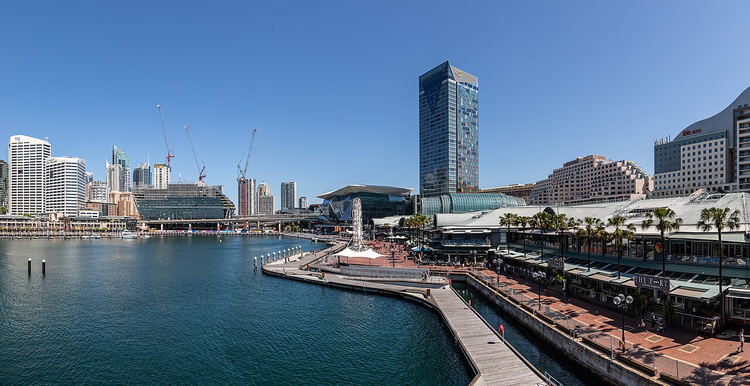
The rocks and darling harbour
 © Dietmar Rabich · CC BY-SAPhoto: Dietmar Rabich, CC BY-SA (https://creativecommons.org/licenses/by-sa/4.0), Wikimedia Commons
The Rocks is called the city's oldest quarter: stone warehouses, pubs, and narrow streets remember the first decades of the colony. Real estate here is among the most expensive in Sydney, but you can walk around the quarter for free. Darling Harbour looks modern: offices, a waterfront, and vessels that dock right at the promenade.
- Cost: walking around is free.
- How to get there: The Rocks is next to Circular Quay; to reach Darling Harbour, walk through the center or take the tram.
- Who it's for: for an evening stroll and harbor views.
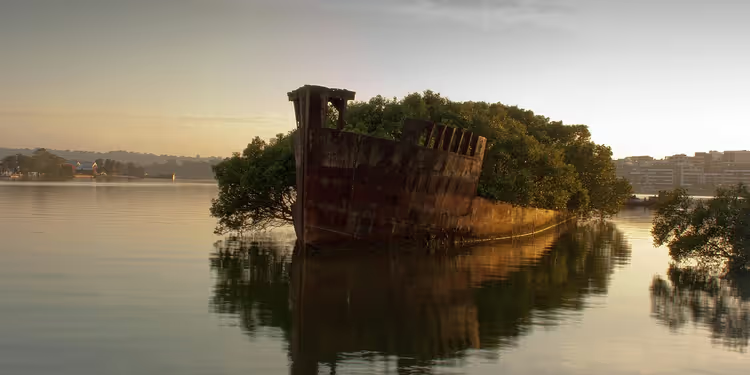
SS Ayrfield shipwreck and Mrs Macquarie's chair
 © mezuni (Jason Baker) · CC BYPhoto: mezuni (Jason Baker), CC BY (https://creativecommons.org/licenses/by/2.0), Wikimedia Commons
Near the shore of Homebush Bay sits the rusted ship SS Ayrfield, with trees growing on its deck. The ship sailed from the early twentieth century and was permanently moored in the early seventies; locals now call it the "Floating Forest." The remains of the hull are visible from the shore, and access is free.
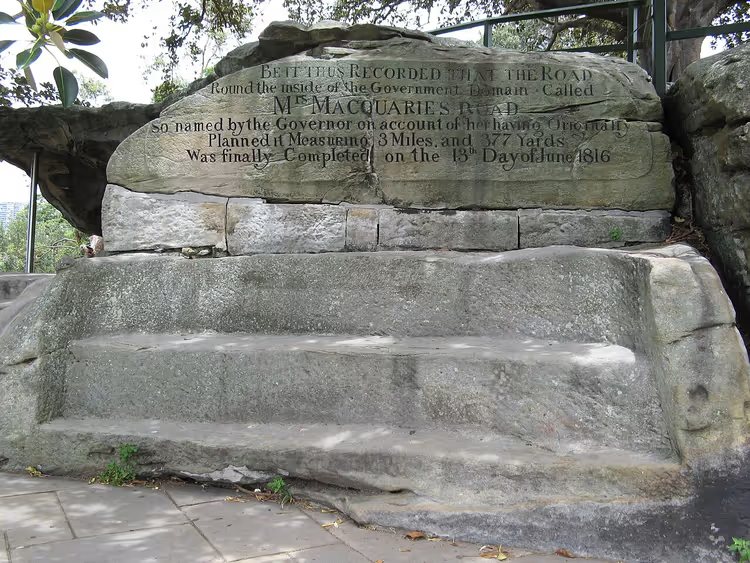
Mrs Macquarie's Chair
The stone chair was carved into the rock on the orders of Elizabeth Macquarie, wife of Governor Lachlan Macquarie. Today it's a popular picnic spot with views of the Opera House and the bridge.
 © Mitch Ames · CC BY-SAPhoto: Mitch Ames, CC BY-SA (https://creativecommons.org/licenses/by-sa/3.0), Wikimedia Commons
- How to get there: for SS Ayrfield, take the train to Olympic Park station; the chair sits at the far end of the Royal Botanic Garden.
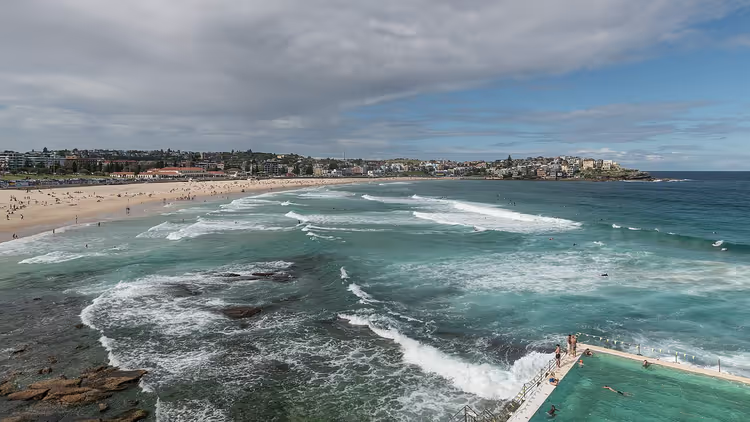
Sydney beaches
 © DXR · CC BY-SAPhoto: DXR, CC BY-SA (https://creativecommons.org/licenses/by-sa/4.0), Wikimedia Commons
Bondi, Maroubra, Manly, and Palm Beach stretch along the eastern and northern coast. Bondi draws the biggest crowds: a sandy arc about a kilometer long where, in addition to swimmers, you'll see surfers. Entry to all beaches is free, and it's safer to swim between the red and yellow flags, where lifeguards are on duty.
- How to get there: a bus from the center goes to Bondi; a ferry from Circular Quay takes about half an hour to Manly.
- Cost: free.
- The catch: Bondi gets crowded on weekends, but early morning is much calmer.
Free entertainment: movies, tours and music
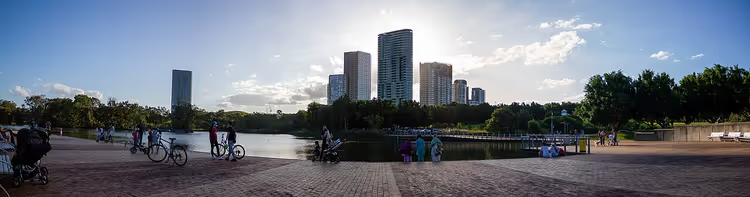 © Felix Shannon · CC BY-SAPhoto: Felix Shannon, CC BY-SA (https://creativecommons.org/licenses/by-sa/4.0), Wikimedia Commons
In summer, Sydney Olympic Park hosts free open-air screenings: people come as if to a picnic, with blankets, pillows and food. Part of this program runs as the Movies by the Boulevard series, and in January the screenings give you evening plans after the beach.
The city is easy to see with a free guide. I'm Free Tours runs two walks a day, meeting at Town Hall: during the day through the main sights, in the evening through The Rocks (as of I'm Free Tours, 09/2026). The tour lasts two and a half hours, and you only pay a tip to the guide at the end.
You can finish the evening with a concert: several venues in Newtown and Surry Hills host free live music on weekdays, and you only pay for drinks there.
Tours and tickets in Sydney
Guided tours, skip-the-line tickets and activities — most offers can be cancelled free of charge.
See offers on TiqetsThe widget loads once you give your consent.
⁉️🤔 Frequently asked questions
What should you see in Sydney for free?
The Opera House from outside, the Harbour Bridge, Hyde Park, the Royal Botanic Garden, The Rocks and Darling Harbour, the SS Ayrfield ship and all the city beaches. Government House offers free tours. Within the city, you only have to pay for a ticket to the observation deck and a tour inside the Opera House.
How much time do you need for Sydney?
Two days are enough for the main sights: the first day through the center from Circular Quay, the second to the beach and Homebush Bay. If you also want the Opera House from inside and the observation deck, add a third day, otherwise the pace will be too fast.
How do you get around Sydney without a car?
The city has trains, trams, ferries and buses, all paid through the unified Opal system. An electronic card or a regular bank card works on all types of transport. The ferry from Circular Quay is also convenient as a sightseeing trip: the fare costs the same as a regular ride, and the views are as good as on a tour.
Do you need a visa to travel to Sydney?
You need a visa to enter Australia, including for tourists from the EU. EU citizens can apply online for the free eVisitor (subclass 651). Processing times vary, so it's best to prepare your documents in advance. Check visa types and requirements on the immigration department website.
When is the best time to visit Sydney?
Australian summer falls in December, January and February: it's warm then, but expensive and crowded. March and April are calmer, when it's still hot but there are fewer tourists. In winter, walking around the city is pleasant, but swimming at Bondi is already cold.
In short: what to book
If you have one day, walk along the water from Circular Quay to the Opera House, then go up to the observation deck and finish in Hyde Park. If you have two or three days, add Bondi, Darling Harbour and a free walking tour. If you're traveling with kids, they'll enjoy open-air movies and beaches with wide stretches of sand. In Sydney, it's worth booking tickets to the observation deck and a tour inside the Opera House, and you can get a city guide on GetYourGuide.

A small editorial team writing guides for independent travel. We travel ourselves, but we haven’t been everywhere, so we check prices, opening hours and how to get there against official sources.