
















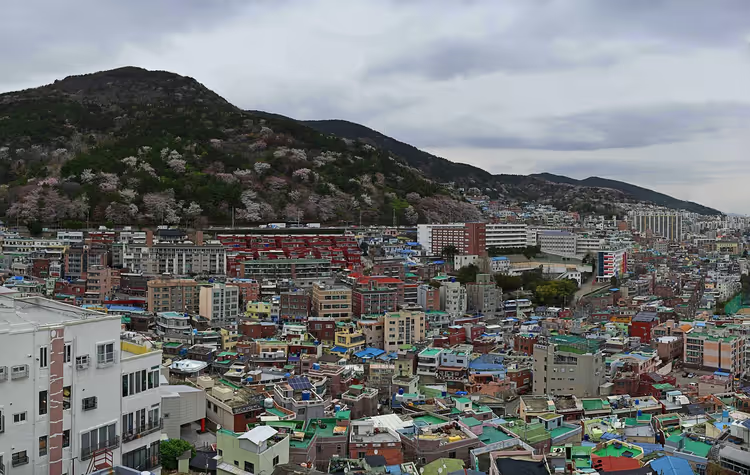
Car rental in Bulgaria: vignette, parking and prices 2026
As of January 1, 2026, Bulgaria switched to the euro. The exchange rate is fixed at 1.95583 leva per euro, and the lev is gradually being phased out (ECB). Car rental agencies, gas stations, and city parking lots already charge in euros rather than leva.
A rental car removes the biggest headache of vacationing in Bulgaria. Buses between resorts run on their own schedules, excursions start early in the morning, and fortresses, cliffs, and lakes away from the coast remain out of reach. Behind the wheel, you decide where to stop for the sunset and how much time to spend by the sea.
Rental prices have gone up in recent years, so it pays to plan your budget ahead of time. Below we've put together the 2026 vignette rates, driver rules, booking steps, and routes you can realistically cover in one or two days.
Ad: this article contains affiliate links, we earn a commission if you book through them, at no extra cost to you.
How much a road trip in Bulgaria costs
💡 In short:
- Your trip budget consists of the rental, fuel, vignette, and parking.
- The vignette for a rental car is usually handled by the rental company, but it's worth checking the sticker by license plate number.
- Confirm the deductible and deposit before signing the contract, they make up the final amount.
- Book early: in July and August, economy class cars are the first to go.
- Vignettes and road tolls: 09/2026, verified on the BGToll website.
Fuel in Bulgaria is cheaper than in Germany or Austria. The average price of A95 gasoline in September 2026 held at €1.57 per liter, while diesel cost €1.81 per liter (as of 07.09.2026, fuel-prices.eu). Gas stations operate around the clock, but at many stations you pay the cashier rather than at the pump, so a bit of cash in the glove box will come in handy.
The vignette is added on top of the rental fee. Driving on highways and first-class roads requires an electronic toll sticker linked to the vehicle's registration number. The 2026 rates for a passenger car up to 3.5 tons are as follows:
Validity | Price | Source |
|---|---|---|
Weekend | €5.11 | |
7 days | €7.67 | |
30 days | €15.34 | |
Year | €49.60 |
Rates are valid from 01/01/2026; you can buy a vignette no earlier than 30 calendar days before your trip (as of 09/2026, BGTOLL). On a rental car, the vignette is usually already paid for by the rental company. You can check its validity by the vehicle registration number on the BGTOLL website, and you can easily do that yourself on the first day of the rental.
The main expense is getting around. The more cities you include in your itinerary, the higher your costs for rental, fuel, and overnight stays, so it makes more sense to plan one drive per day. Below are four routes proven by road-trip experience in Bulgaria: distances are shown according to the map, without mountain switchbacks.
Varna, Balchik, and Cape Kaliakra
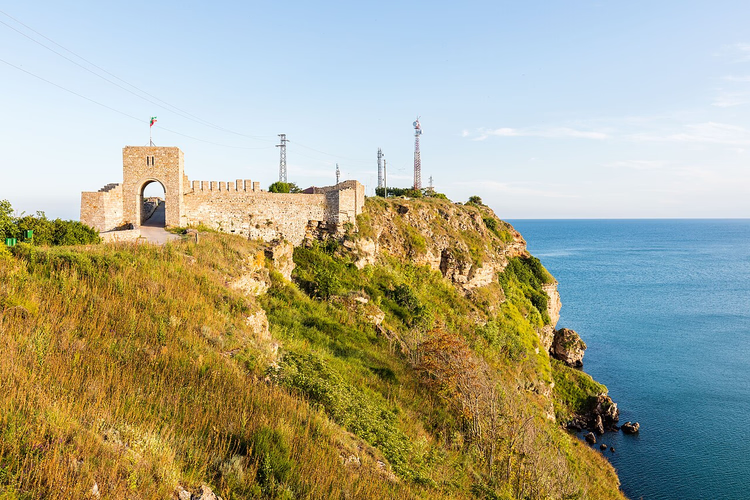
A circular route along the Northern coast works well for the first day. In Varna you will have time for the Dormition Cathedral, the Seaside Park, the Aladzha Monastery, and the Roman baths; two hours is enough to see the city. After that, the road leads to Balchik with its botanical garden. The route ends at Cape Kaliakra.
 © Diego Delso · CC BY-SAPhoto: Diego Delso, CC BY-SA (https://creativecommons.org/licenses/by-sa/4.0), Wikimedia Commons
Stone Forest, Madara, and Veliko Tarnovo
 © Mark Ahsmann · CC BY-SAPhoto: Mark Ahsmann, CC BY-SA (https://creativecommons.org/licenses/by-sa/4.0), Wikimedia Commons
This route is designed for two days and takes you away from the sea into the interior of the country. First comes the Stone Forest valley with its giant naturally formed columns, then the Madara reserve. It is more convenient to spend the night in Veliko Tarnovo, and in the morning only a short drive remains to the Shipka pass. The drive takes longer than the map shows because of switchbacks and slow trucks.
Sofia and Rila Monastery
 © Manastirile · CC BY-SAPhoto: Manastirile, CC BY-SA (https://creativecommons.org/licenses/by-sa/4.0), Wikimedia Commons
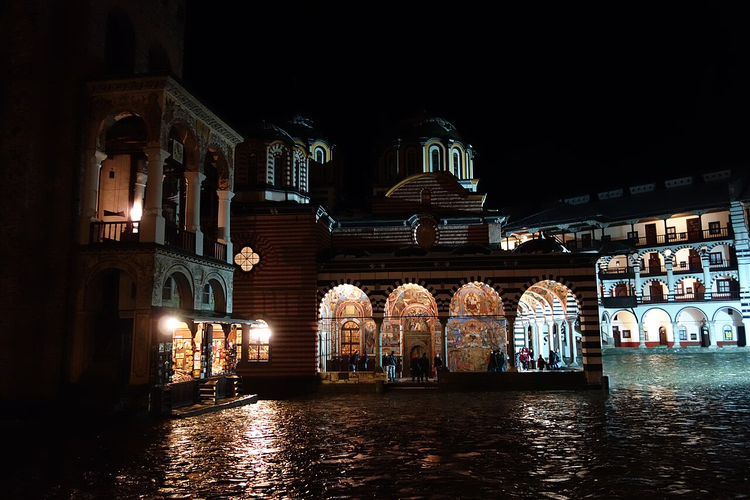
From Sofia, a road leads south to Rila Monastery, one of the most visited places in the country. The city itself lies at the foot of a mountain range, and half a day is enough to see the Byzantine and Ottoman buildings in the center. Traffic leaving the capital is heavy in the morning, so it is better to set off after nine. Returning to Sofia takes the same few hours, so it is worth planning to spend the night in the capital.
Sofia and Belogradchik
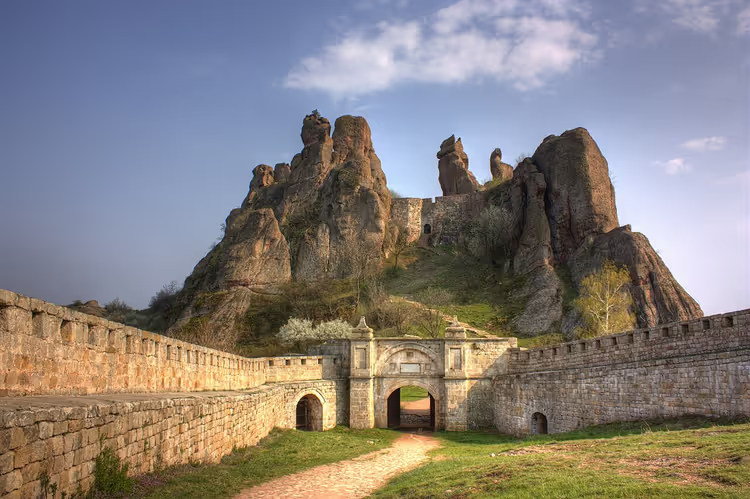 © Klearchos Kapoutsis · CC BYPhoto: Klearchos Kapoutsis, CC BY (https://creativecommons.org/licenses/by/2.0), Wikimedia Commons
In the northwest of the country, Belogradchik awaits: a Roman fortress on a rocky ridge and striking rock formations around the town. The drive from Sofia takes about two and a half hours each way on secondary roads. A full tank will come in handy here, because chain gas stations are less common on this route than on the coast.
What is the best way to get around Bulgaria
Public transport in Bulgaria is unevenly developed. Buses run between major cities, and there is rail service and domestic flights, but schedules are built around locals, not tourists. Intercity buses remain the cheapest way to get around, but long-distance departures leave early in the morning, and you lose a whole day just on travel. It is easier to check bus and train schedules in advance, before buying a ticket.
Organized tours solve the logistics problem but cost more. A tour with an overnight stay or a day trip is designed for a group and a strict return time, and visiting Rila Monastery or Plovdiv in this format will cost a family more than two days of car rental. On the plus side, you do not need to find parking, a gas station, or a route.
A self-drive trip wins on flexibility. The A1 highway connects the coast with Sofia and runs without hairpin turns; the distance between Sunny Beach and the capital is about 400 km (on the map). Along the way you stop in colorful towns, have lunch wherever you like, and continue at a time that suits you. Savings compared to the tour format already appear on the second or third leg, because the cost of the car is split across the whole family.
A second driver also needs to be noted in the contract. Many companies include an additional driver in the rate for free, but with some it is a paid option, and it is better to clarify this at booking rather than at the airport counter.
What drivers need to know
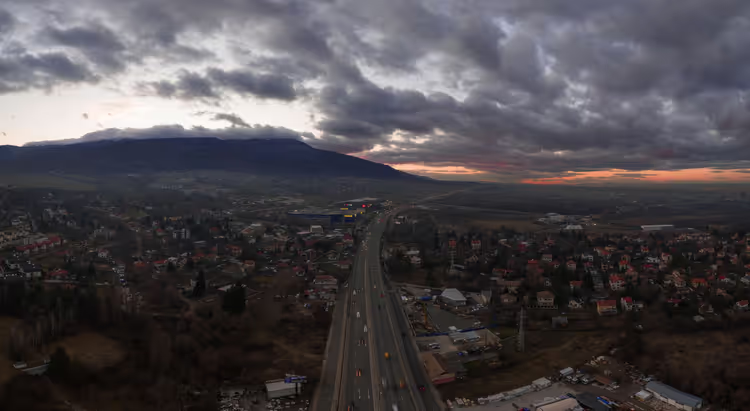
Traffic rules in Bulgaria are close to the general European standard, but there are local details that tourists usually discover only on the spot. Below is what most often affects the budget and mood of a trip: documents, the vignette, parking, police, speed, and connectivity.
Driver's license and documents
While driving, you must carry your driver's license, vehicle registration, and insurance. National licenses from EU countries are valid without additional documents, while for licenses from third countries, rental companies and traffic police recommend getting an international driving permit in advance (ADAC reference on documents). A photo on your phone will not satisfy an officer, so keep the originals in the glove compartment, not in a suitcase in the trunk. Fines are issued to the driver, not the vehicle owner.
Vignette and toll sections
An electronic vignette is required for highways and some first-class roads. Cameras read the license plate, and driving without a paid vignette results in a fine that will reach you after you return home. Trucks pay by distance through an onboard unit, while passenger cars only need a vignette. On secondary roads the vignette is not required, so you can actually plan a route that avoids toll sections. In a rental car, the vignette is electronic and linked to the vehicle's plate number and category. An officer checks the status electronically in the database, so manually altering the date is pointless.
Road quality and the A1 highway
Highways in Bulgaria are in good condition, with clear markings and signs. Secondary roads require more attention: the asphalt is old in places, and single-lane sections with slow trucks stretch out the drive. In the mountains you will find hairpin turns with guardrails and debris-flow nets, and there it is better to keep your speed below the limit. The A1 highway connects the coast with the capital and remains the fastest route in the country.
City parking: zones and payment
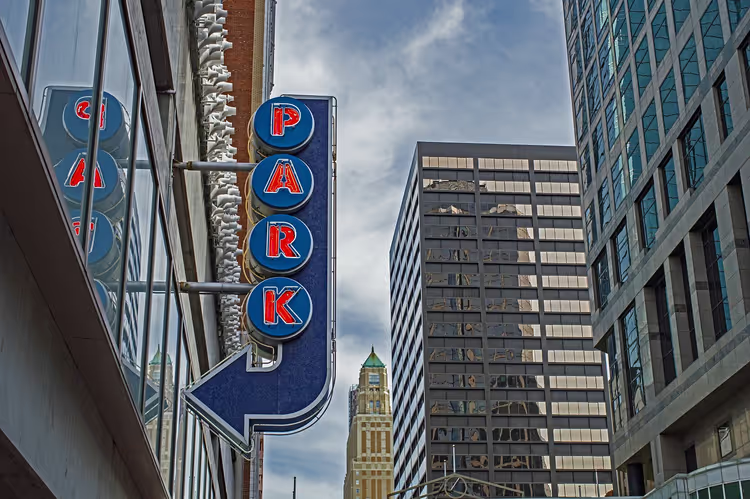
Parking in central Sofia is divided into blue and green zones. An hour in the blue zone costs €2, an hour in the green zone costs €1, paid hours run from 9:00 to 21:00 and include Sunday (as of 01/2026, BNR). Maximum parking in the blue zone is limited to three hours (as of 09/2026, Sofia Parking Center). Payment is made by SMS to the number on the road sign or through the city app; a paper ticket under the windshield is not needed, since the officer sees the plate number in the database. The rules for each zone are written on a blue sign at the entrance, and you just need to check the hours.
Where you can park for free
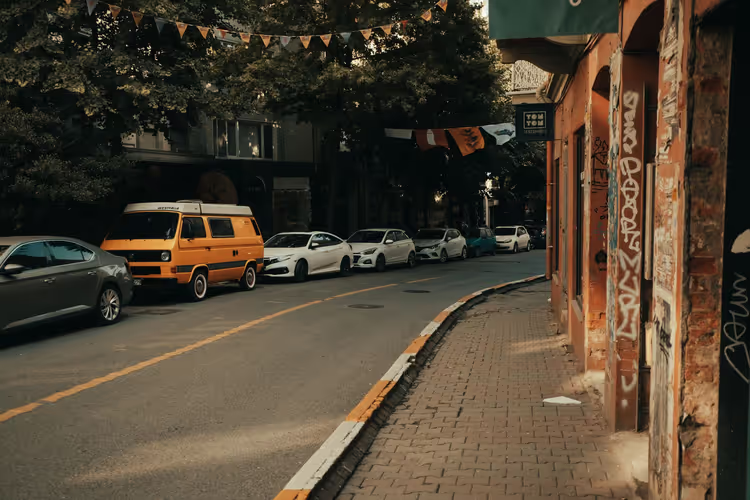
You park for free where there is no blue or green marking, no parking signs, and no meters. Hotels and restaurants have guest parking, and many paid zones are inactive at night. Do not leave your car on the sidewalk, in a public transport lane, near a crosswalk, or in a disabled spot: such violations end with towing. Getting your car back from the impound lot costs more than the fine itself, so it is better to walk an extra hundred meters.
Police on the roads
Patrols are stationed on highways, in ambushes near turns, and at city entrances. A driver who follows the rules is usually not stopped, but if you are pulled over, the officer must introduce himself, state his unit, and give the reason for the check. You will be asked for your passport, license, vehicle registration, and insurance, and a sobriety check can be done without additional grounds. Traffic police officers do not accept cash; fines are issued as a receipt, and trying to settle the matter on the spot will only make things worse. A trunk search is conducted only with serious grounds and with a written report, so you have the right to refuse a request to show your belongings without paperwork.
What to do in an accident
In a minor collision, stop, turn on your hazard lights, and set up a warning triangle. Call the police if there are injuries or a dispute over fault; if both drivers agree, fill out the European accident report and sign the diagram. Photograph the cars, plates, and the accident scene, and keep a copy of the report. Notify the rental company the same day, otherwise the insurance may not apply. You may not repair the car yourself, even if the damage seems minor.
Speed limits and permitted alcohol
Speed limits differ from German ones, and cameras are placed precisely on fast sections. The limits for passenger cars are as follows:
Where | Limit | Source |
|---|---|---|
Built-up areas | 50 km/h | |
Outside built-up areas | 90 km/h | |
Highways | 140 km/h |
The permitted blood alcohol level is 0.5 per mille, and this rule applies to all drivers (Bulgarian traffic rules). The display showing your speed near a radar is visible from afar, so you will learn about the limits in advance.
Seat belts and child seats
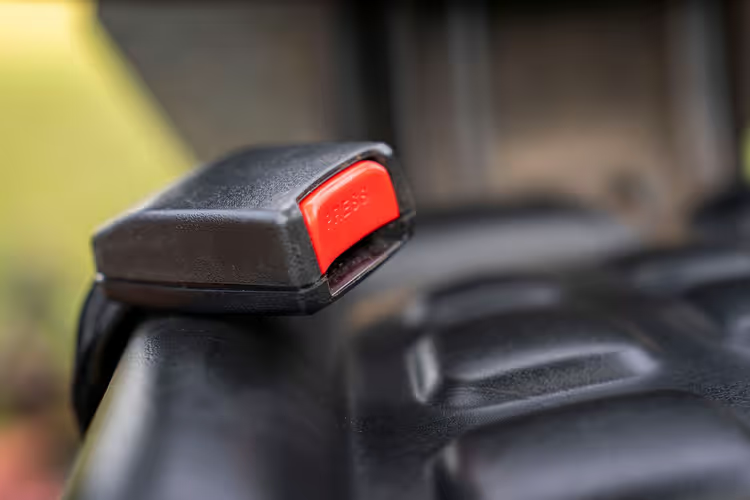
All passengers must wear seat belts, including those in the back row. Children must ride in a certified car seat or booster appropriate for their height and weight, and a child may sit in the front seat only if the airbag is disabled. In the mountains, a restraint system is especially important, since on winding roads only the belt holds the child in place. Book a car seat together with the car in advance, as there may be none available on site.
Fines and how to pay them
Road enforcement has increased, and fine amounts went up after Bulgaria joined the European Union. Officers use radar and cameras that record violations automatically. You pay the ticket at a bank or by transfer using the details on the notice. For a serious violation, your license may be confiscated on the spot, so a disputed situation should be resolved through official channels, not on the roadside.
Gas stations and fuel prices
Chain and independent gas stations are densely spaced along highways, so you will not need to carry a gas can in the trunk. At most stations, an attendant fills the tank: you state the fuel type and amount, then pay by card or cash. A95 gasoline and diesel are sold everywhere; LPG stations are less common. Stations on motorways operate around the clock, but fuel is cheaper in cities.
Internet and connectivity on the road
A local SIM card or a travel eSIM solves the issue of navigation and calling for help. Within the European Union, roaming works at your home rate, so with a European SIM card you can get by without buying a new one. In the mountains, the signal drops in places, and an offline map on your phone is the best fallback. You can top up your balance at carrier stores and payment terminals. Local SIM cards are sold by Vivacom, A1, and Yettel: at the counter they will ask for your passport, and the data package is activated immediately. A European SIM card spares you this procedure, but a local plan is cheaper for a longer stay. Coverage is stable at resorts, while in the mountains it depends on the terrain.
Night driving specifics
Plan your drives for daylight hours. At night, secondary roads have little lighting, lane markings are harder to see, and fog appears in the mountains. Trucks move slowly, and overtaking them on winding roads is dangerous. If you are tired, it is better to spend the night at a roadside guesthouse than to push on to the next stop in the dark. Distances between towns are short, so by lunchtime you will already be at your destination.
Navigator: do you need one
On main highways, a navigator is not essential: signs are clear, and along the coast you just need to stay on E87. On secondary roads, apps sometimes route you against the main traffic flow, so it is worth checking the route against a map. Download offline maps of Bulgaria in advance, as internet disappears in the mountains. Free Google Maps and OsmAnd handle the job no worse than paid apps.
Book in advance or on arrival
Booking early saves you both money and stress. In high season, economy cars are the first to go, and the airport counter offers whatever is left at a price above the online rate. Online, you see the final amount with the deposit and deductible, and you can compare several offers for the same dates. It is worth arranging a car rental in Bulgaria at least two to three weeks before your trip if you are traveling in July or August.
You can also get a car on arrival, but the choice is smaller. Local agencies in resort towns keep only a few cars, and at the height of the season they will offer you whatever is sitting in the yard. On the other hand, in low season and outside school holidays, it is sometimes easier to negotiate a discount on the spot than online.
Comparing rental companies
The choice comes down to international brands versus local agencies, and each option has its own advantages.
Company type | Strengths | Weaknesses |
|---|---|---|
International brands | Airport counters, new cars, clear contract in English | Higher price, advertised rate does not include insurance and extra charges |
Local agencies | Lower price, flexible deposit terms, car delivered to your hotel | Fewer cars available, not all have a website and online booking |
Aggregators | Price comparison in one place, reviews, filters by transmission and class | Final amount is only visible after selecting a rate |
International companies are convenient because you will find their counters at the airports in Varna, Burgas, and Sofia, and resort towns are served by local offices. Their contract is standard, but the advertised rental price often excludes VAT, insurance, and additional options, so the final total differs from the headline on the website. Read every clause carefully before signing (check options in Bulgaria).
Local agencies win on price and knowledge of their area. The owner of such an agency usually meets you at the airport or hotel and hands over the car without prepayment. Check the technical condition of the car more carefully: mileage, tires, air conditioning, and whether a vignette is present. The contract here is shorter than with a brand, and it is better to put all agreements in writing.
Which car to choose
For the coast and cities, a compact hatchback is enough: it is cheaper, more fuel-efficient, and easy to park in narrow lanes. If your plans include the Shipka Pass, the Rila Lakes, or Belogradchik, take a more powerful car with higher clearance, and the climbs will not be a problem. A station wagon is useful for a family with luggage, and an SUV is only needed on unpaved roads, which you can usually avoid on your route. Be sure to check the transmission type: automatics in Bulgaria are more expensive and less common than manuals. Comparing classes and prices is easier on one screen.
What documents you need
To rent a car, you will need a passport, a driver's license, and a bank card in the driver's name. You will also need a printout of the booking or the voucher from the aggregator's email. Each company sets its own driver age and experience requirements: international brands have a higher threshold than local agencies, and all conditions are stated in the rate details before payment. Separately check the deductible and deposit, and compare insurance terms before booking, not after.
How to book a car online
Booking takes ten minutes if you decide on the city, dates, and car class in advance. We have described the process that works both for an aggregator and for the rental company's own website.
Step 1: choose the location and dates
Enter the city, pickup date and time, and the return point. Picking up the car from the airport is more convenient, but rates in the city center are sometimes lower, and a surcharge for returning to a different location is more common. Check whether the counter works at night: if you arrive late, you will have to wait until morning.
Step 2: compare the final terms
Do not look at the headline rate, look at the full amount: deductible, deposit, insurance, second driver, child seat, one-time fee for returning in another city. The lowest price often comes from a basic rate with a large deductible, and you will have to cover that yourself.
Step 3: complete the booking and save the voucher
After confirmation, you will receive a voucher by email with the booking number, counter address, and the rental company's phone number. Print the document or save it on your phone along with the cancellation terms: different rates have different prepayment refund deadlines. If your plans change, cancel the booking in advance, and you will get your money back without losses.
Picking up the car at the airport
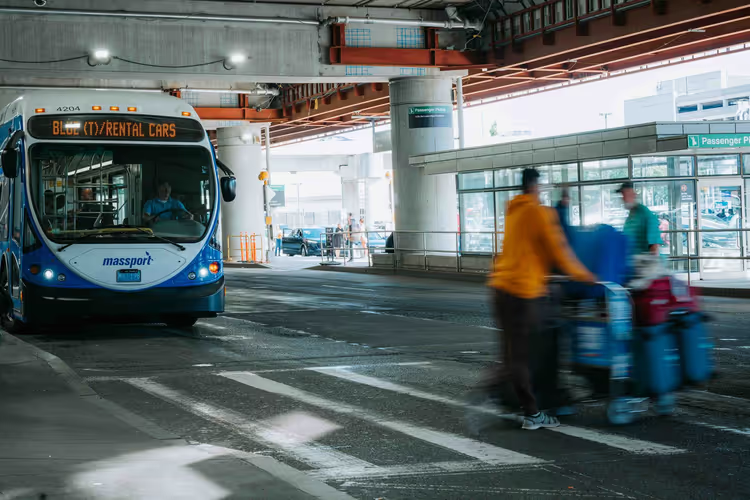
A company representative meets you at the counter or in the arrivals hall, and the handover process takes about twenty minutes. Inspect the body, windows, tires, and interior together with the employee, and have all scratches and dents recorded in the handover report. Take photos of the car from all sides on your phone: you can later prove disputed damage with the pictures. Sign the contract only after the fuel and deductible terms have been explained to you.
Important rental details

The rules that apply to rental companies across Europe also work in Bulgaria. You cannot give the car to third parties, drive it into restricted areas, or use it to transport goods. Clarify the fuel policy in advance: some companies require you to return the tank full, while others include a fixed amount in the rate. Smoking and transporting animals in the cabin are usually subject to a separate fee.
Driving to neighboring countries
From Bulgaria, it is easy to drive to Greece, Romania, Serbia, Turkey, or North Macedonia. To cross the border, you need written permission from the rental company, which is arranged in advance and sometimes for an extra fee. Check whether the insurance is valid outside the country and get a green card at the counter. Some countries do not allow rental cars to enter at all, so agree on your route before signing the contract.
Returning the car and the deposit
The return goes quickly if the car is refueled and washed. The employee inspects the car, checks the fuel level against the contract terms, and only then releases the deposit hold on your card. The unblocking takes from a few days to a few weeks, depending on your bank. Keep the handover report until the money is back in your account.
Insurance: what the policy covers
All rental cars are insured under a basic program, and you can buy extended insurance if you wish. The basic program includes third-party liability and, as a rule, damage coverage with a deductible that is withheld from the deposit. Pay special attention to coverage for the underbody, tires, and windows: on mountain roads such damage is likely, and a standard policy often does not cover it. An additional policy removes the deductible entirely, and comparing policy terms makes more sense before the trip.
Where to go by car in Bulgaria
Bulgaria is compact, but the interesting places are scattered across the whole country: the coast, mountain ranges, rock cities, and wine villages in the south. Below are the sites that are easy to connect into a route if you have a car for a few days.
Cape Kaliakra
 © Diego Delso · CC BY-SAPhoto: Diego Delso, CC BY-SA (https://creativecommons.org/licenses/by-sa/4.0), Wikimedia Commons
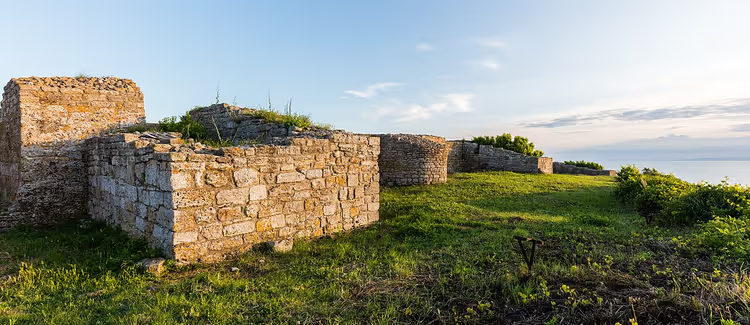
The cape is 60 km from Varna (on the map) and remains the most recognizable spot on the Northern coast. A narrow rocky strip extends far into the sea, and shrubs and fruit trees grow along the edge of the cliffs. The reserve contains the ruins of a medieval fortress, a lighthouse, and the Chapel of St. Nicholas, with a memorial to Admiral Ushakov nearby. The road to the parking lot is paved, but the last kilometer is crowded with tourists and buses, so arrive at opening time.
Balchik and the botanical garden
 © Камен Ханджиев · CC BY-SAPhoto: Камен Ханджиев, CC BY-SA (https://creativecommons.org/licenses/by-sa/4.0), Wikimedia Commons
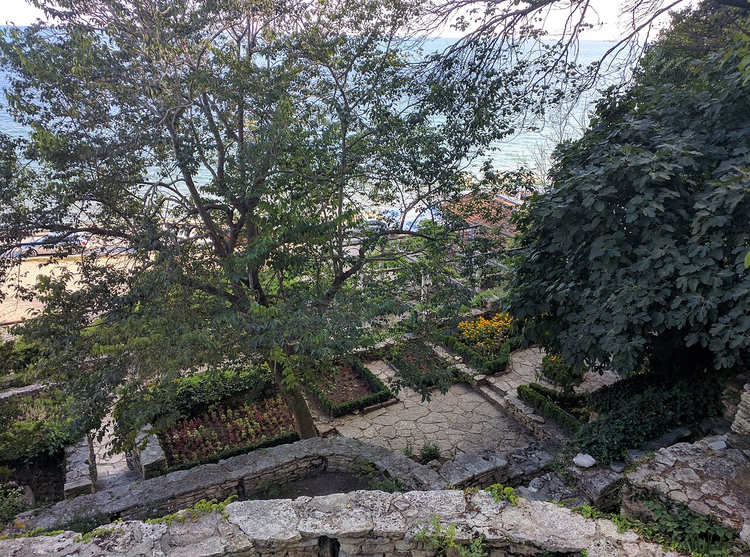
Balchik sits on hills, and its winding streets descend to a waterfront with restaurants. People linger here because of the botanical garden with its collection of plants from around the world and a large cactus collection. Exploring the park takes two to three hours, and the shade from the trees saves you in the hot midday sun. Parking at the entrance is paid in season, but spots are usually available before eleven in the morning.
Madara Fortress
Madara is located 30 km from Shumen (on the map) and is designated as a national historical and archaeological reserve. At the top of a rocky plateau stand the ruins of an ancient fortress, and carved into the stone is a bas-relief of a horseman, listed as a UNESCO World Heritage site. A long staircase leads to the plateau, so bring water and comfortable shoes. A ticket office and a small museum operate near the parking lot.
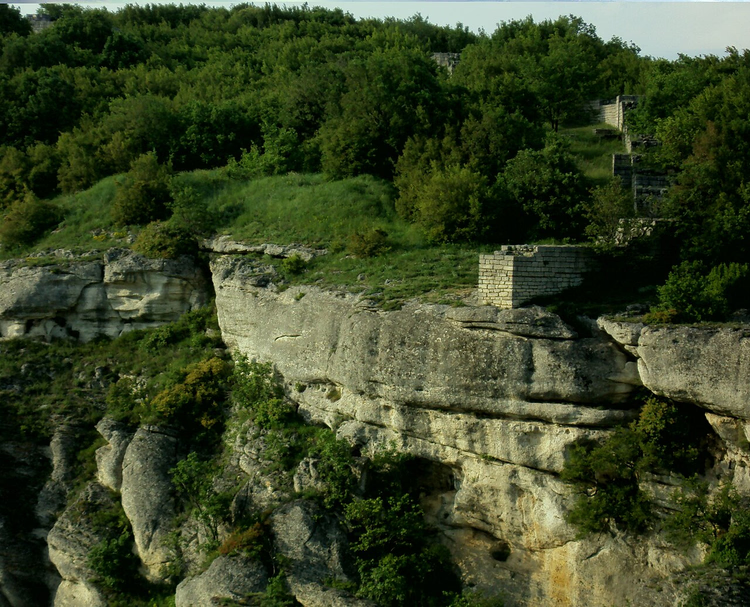 © Vislupus · CC BY-SAPhoto: Vislupus, CC BY-SA (https://creativecommons.org/licenses/by-sa/4.0), Wikimedia Commons
Ovech Fortress
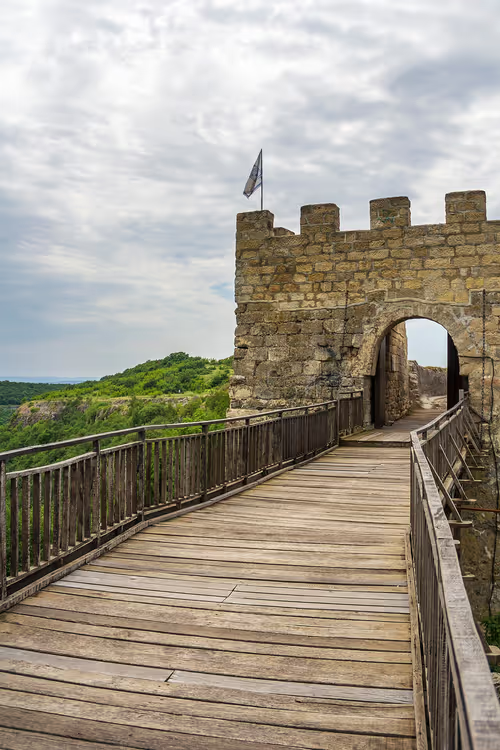 © DILIN · CC BY-SAPhoto: DILIN, CC BY-SA (https://creativecommons.org/licenses/by-sa/4.0), Wikimedia Commons
From Varna to Ovech is about 50 km (on the map), and few tourists make it here. The Byzantines built the fortress on a hilltop, and the gate and part of the wall remain from the fortifications. A long wooden bridge leads to the citadel, with a view of the surrounding fields. This place suits you if you want to see excavations without lines and crowds.
Veliko Tarnovo and Tsarevets fortress
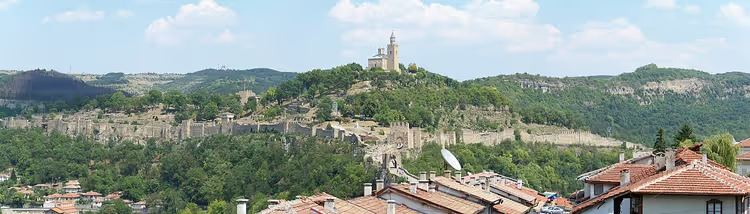 © www.vacacionesbulgaria.com · CC BY-SAPhoto: www.vacacionesbulgaria.com, CC BY-SA (https://creativecommons.org/licenses/by-sa/4.0), Wikimedia Commons
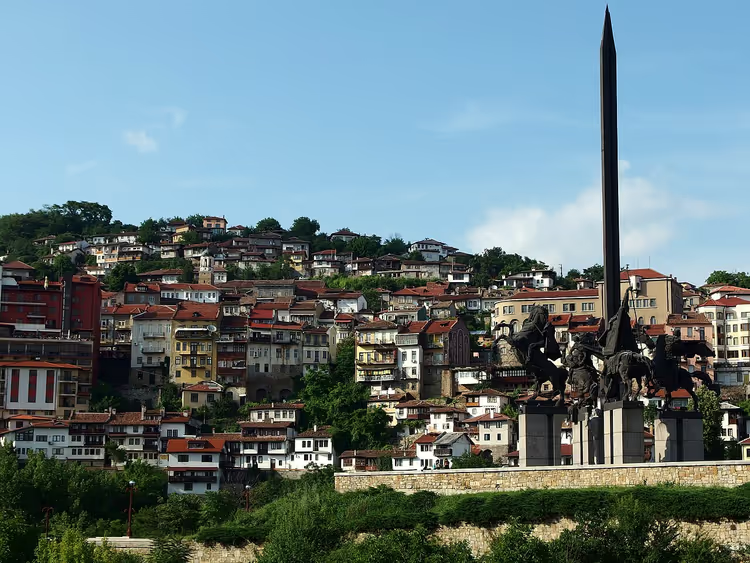
Veliko Tarnovo grew on three hills by the Yantra River and was the country's first capital. The city is easy to explore on foot: old quarters sit next to houses on the slopes, and above them rise the walls of Tsarevets. The restored Church of the Ascension is painted inside with frescoes depicting scenes from Bulgarian history. In the evening the city is lit up, and a walk along the cobblestones near the fortress becomes the best part of the day.
Arbanasi village
Arbanasi is a few kilometers from Veliko Tarnovo (on the map). The village is made up of stone houses, churches, and monasteries that are recognized as architectural monuments. Everything here looks like an open-air museum: narrow streets, high fences, courtyards with grapevines. In a couple of hours you can see several churches with murals and buy local wine from the owners.
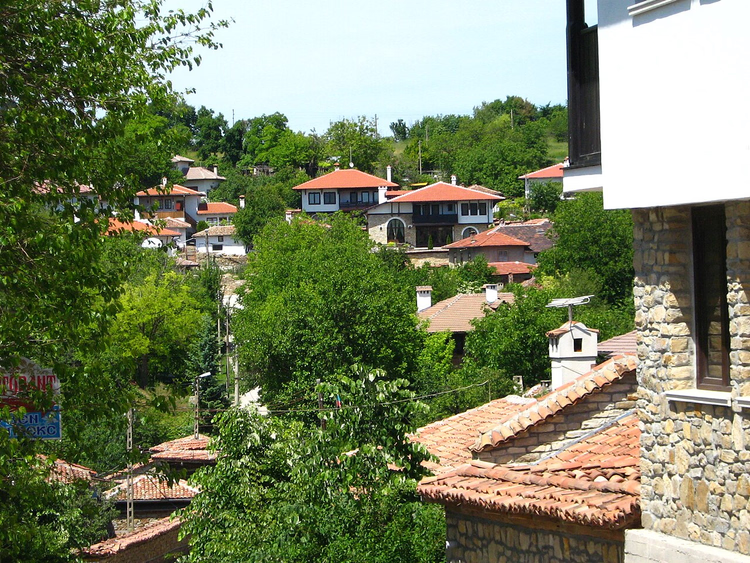 © Plamen Petkov · CC BYPhoto: Plamen Petkov, CC BY (https://creativecommons.org/licenses/by/2.5), Wikimedia Commons
Shipka Pass
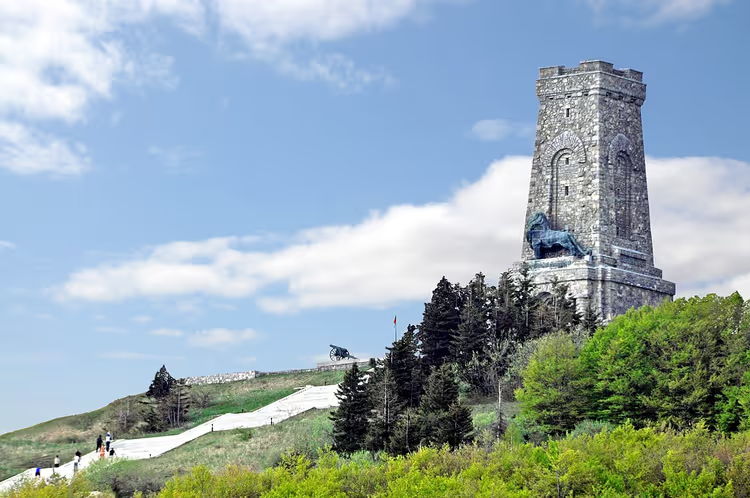 © Dennis G. Jarvis · CC BY-SAPhoto: Dennis G. Jarvis, CC BY-SA (https://creativecommons.org/licenses/by-sa/2.0), Wikimedia Commons
Shipka is a mountain pass with a memorial honoring the soldiers who died in the battles for Bulgaria's liberation. At the top stands a stone tower, with artillery pieces displayed nearby and an eternal flame burning. The viewing platform offers a panorama of the valleys, but you should go up only in clear weather. The road through the pass is winding, so allow more time for the climb than the navigator shows.
Plovdiv and the Roman amphitheater
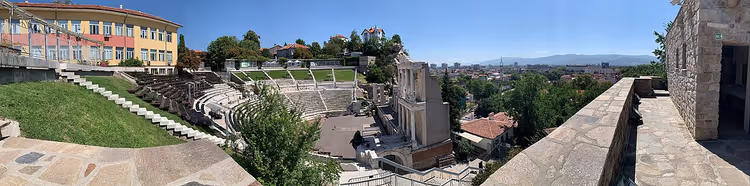 © Христо Христов · CC BY-SAPhoto: Христо Христов, CC BY-SA (https://creativecommons.org/licenses/by-sa/4.0), Wikimedia Commons
Plovdiv is considered one of the oldest cities in Europe, and the Roman heritage is visible right in the center. The amphitheater is so well preserved that concerts are held on its steps in summer. Nearby lie the old town with its churches and a hill with the monument to the Soviet soldier Alyosha. For parking in the center, look for underground garages; blue zones operate only on weekdays.
Devil's Throat Cave
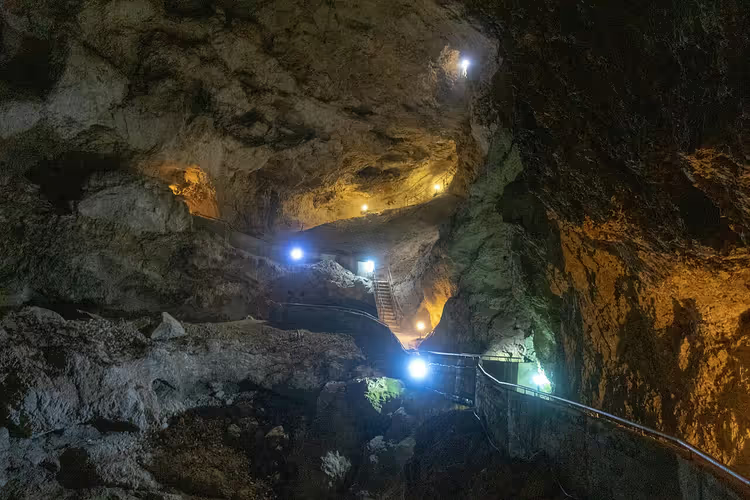 © Vislupus · CC BY-SAPhoto: Vislupus, CC BY-SA (https://creativecommons.org/licenses/by-sa/4.0), Wikimedia Commons
In the Rhodopes, a cave with a waterfall in an underground chamber awaits you, and it is one of the strongest impressions of the country's south. A trail through pine trees leads to the entrance, and a narrow staircase descends inside. The chamber is noisy and cool even in the heat, so bring a jacket. This place suits you if you don't mind dampness and long walks over rocks.
Rila Lakes
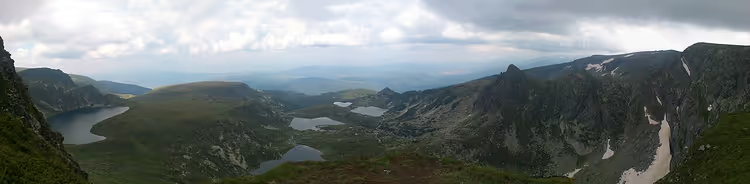 © Vance_95 · CC BY-SAPhoto: Vance_95, CC BY-SA (https://creativecommons.org/licenses/by-sa/4.0), Wikimedia Commons
The Rila massif in the center of the country rises to alpine meadows and snowy peaks. Glacial lakes lie at different elevations, and you can cover part of the way to them by cable car, then continue on foot. Weather in the mountains changes quickly, so a rain jacket and a warm layer will come in handy even in summer. In summer, many cars head to the lower cable car station, so arrive before it opens.
Town of Melnik
Melnik is considered the smallest town in the country, and it is surrounded by chalk cliffs of unusual shapes. Ruins of basilicas and monasteries, an old Turkish bath, and merchant houses with wine cellars have been preserved here. At the owners' places you can try wine aged in rock caves and local fig jam. The drive from Sofia takes about two and a half hours, and you can return via a different pass.
What to see outside the country
Bulgaria borders Greece, Romania, Serbia, North Macedonia, and Turkey, and by car you can easily continue your route abroad. Each country has its own vignettes, toll roads, and entry rules.
Find hotels
Compare prices across booking sites and filter for rooms with free cancellation.
Compare prices on Discover CarsThe widget loads once you give your consent.
⁉️🤔 Frequently asked questions
Do I need a vignette if I rent a car in Bulgaria?
In most cases, the electronic vignette is already included in the rate and paid by the rental company. You should check the voucher by license plate number on the BGToll website, ideally on the first day of the rental. If there is no voucher, you can buy one online, and the fine for driving without a vignette will reach you after you return home.
Can I drive a rental car to Greece or Turkey?
Yes, but only with written permission from the rental company. It is arranged at booking or at the counter, sometimes for an additional fee. Check whether the insurance is valid outside Bulgaria and order a green card. Rental cars are not allowed into certain countries, so agree on the route in advance.
How much does gas cost in Bulgaria in 2026?
The average price of A95 gasoline in September 2026 was around €1.57 per liter, and diesel fuel cost about €1.81 per liter. As of the European fuel price monitoring data, these figures change every week. Gas stations on highways are more expensive than in cities, so it is better to fill a full tank before heading out.
What should I do if I return the car with an empty tank?
The terms depend on the rate. Most often you return the car with the same fuel level as at pickup, and the rental company charges for the missing liters at its own price, which is higher than at the pump. Some rates include a full tank upfront, in which case no extra payment is needed. Clarify this at pickup and keep the return inspection report.
Do I need an international driving permit?
National driver's licenses are usually accepted without additional documents. An international driving permit is worth getting in advance if your license was issued outside the European Union: this way you will have fewer questions both at the counter and during roadside checks. Also bring a bank card in the driver's name, without which the deposit cannot be blocked.
In short: what to book
If you are traveling with your family to the coast, get a compact hatchback for the entire trip. If your route includes mountains and passes, go up a class and order a child seat right away. If you want to go abroad, arrange written permission from the rental company at the time of booking, not at the airport. Search for a car by your dates in advance, check the vignette by license plate on the first day, and compare insurance before paying.
Choose a car for your travel dates and compare insurance options before you fly.
For navigation on the road, pick an eSIM in advance.

A small editorial team writing guides for independent travel. We travel ourselves, but we haven’t been everywhere, so we check prices, opening hours and how to get there against official sources.