












Egypt in April 2026: weather, queues and prices after Easter
April in Egypt works as a compromise between winter crowds and summer heat. Coptic Easter in 2026 falls on April 12, and the spring festival Sham el-Nessim on April 13 (The Middle East Insider). On these days banks and government offices are closed, and resorts on the Red Sea fill up with Egyptian families. This is the last month when you can walk through temples without exhausting heat and without paying winter rates. Below: weather by region, prices after Easter, and an itinerary that will actually work for you.
Ad: this article contains affiliate links, we earn a commission if you book through them, at no extra cost to you.
 © Marc Ryckaert · CC BYPhoto: Marc Ryckaert, CC BY (https://creativecommons.org/licenses/by/3.0), Wikimedia Commons
Weather in April: what to expect
💡 In short:
- For snorkeling in Hurghada you don't need a wetsuit (as of 09/2026, SeaTemperatures.net).
- Coptic Easter on April 12 and Sham el-Nessim on April 13 drive peak bookings at resorts (The Middle East Insider).
- The khamsin kicks up dust for a day or two, so keep a backup plan at a museum.
- Prices and opening hours for museums and the Giza Plateau: as of 09/2026, verified on the official ticket portal.
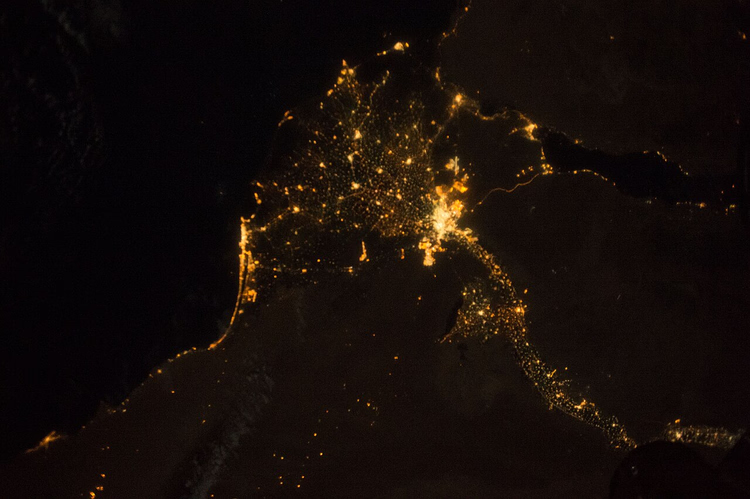
April is warmer than March but milder than May. In the north of the country the sun warms without scorching. Walks through the Citadel, Tahrir Square, and Islamic Cairo fit into a few hours without exhaustion.
In Upper Egypt the heat builds from the start of the month to the end. Aswan is hottest during the day, so plan your visit to Abu Simbel and the Philae Temple for the morning, not midday.
The air in April is dry, and you handle the heat more easily than the humid stuffiness of the tropics. But there is little shade in open areas: at Karnak Temple and Abu Simbel the sun is overhead for almost the entire day. Bring water and keep your head covered.
Khamsin: the main risk factor
The khamsin, a southern wind carrying sand, can arrive from March through May, but it doesn't happen every year. An episode usually lasts a day or two: visibility drops, breathing becomes difficult, and excursions in open areas lose their point. It can't be predicted in advance, so you need a weather report every day of your trip.
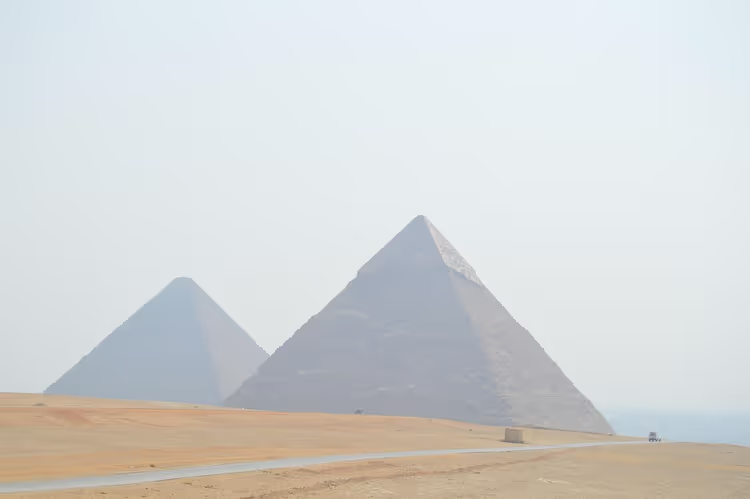
The practical approach is this. Keep the Egyptian Museum, the Grand Egyptian Museum in Giza, or the covered Khan el-Khalili market in reserve. That way you move the pyramids to a dust-free morning and don't lose the day. Tickets to both museums are sold with fixed entry times on the museum's official website (as of 09/2026).
Red Sea: April is milder than the Nile Valley
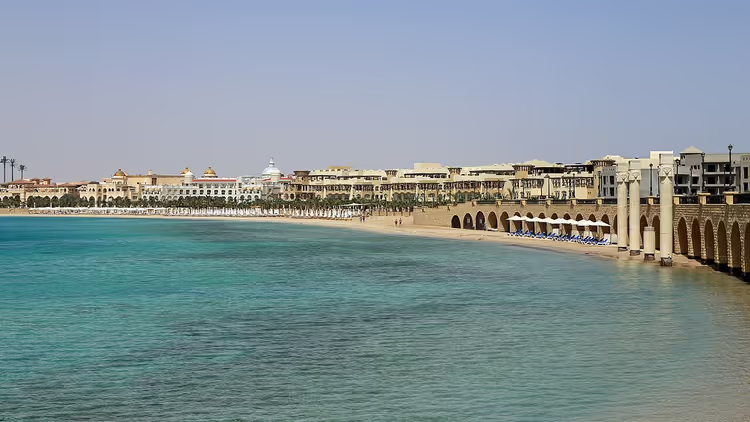
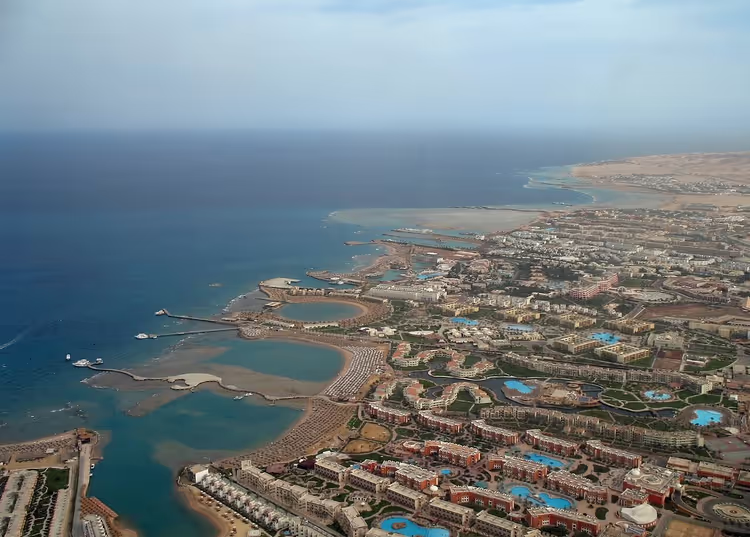
On the coast the air is cooler than in Luxor. For most visitors the water is already warm enough for snorkeling without a wetsuit.
Hurghada and Sharm El Sheikh hold steady weather without sharp swings. In the morning you have breakfast on the terrace without a windbreaker, and in the evening a light shirt is enough. For a trip with kids, this is the most predictable April option.
 © Marc Ryckaert · CC BYPhoto: Marc Ryckaert, CC BY (https://creativecommons.org/licenses/by/3.0), Wikimedia Commons
Crowds and prices: what April costs
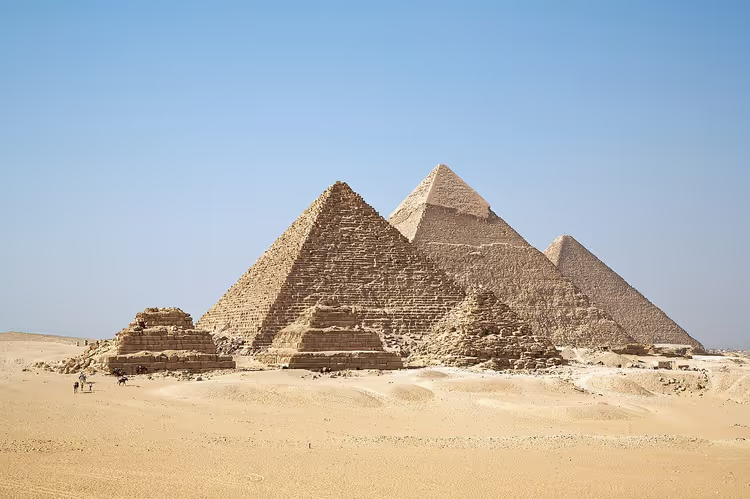
The Easter weeks split April into two different periods. After the holidays, the flow drops off, and at the Pyramids of Giza and the Valley of the Kings you wait in line less than in winter.
 © Ricardo Liberato · CC BY-SAPhoto: Ricardo Liberato, CC BY-SA (https://creativecommons.org/licenses/by-sa/2.0), Wikimedia Commons
In 2026, both Easters fall in the first half of the month, so the second and third weeks of April turn out to be the quietest. Photos from the viewing platform in Giza come out cleaner: you rarely have to wait for a spot at the railing to open up.
Hotels drop their peak rates, but they do not reach the summer low. Cabins on cruises between Luxor and Aswan cost less than in December and January, with the same service and the same stops at the temples. There are more available rooms, so you choose your dates without rushing, and you pick a hotel in Luxor or Aswan to match your arrival: you can compare hotel prices in Egypt on Trip.com.
If you arrive in the first ten days of April, add a buffer for transfers. Domestic flights and trains between Cairo and Luxor fill up earlier on holidays, and taxis at the station cost more.
Regions: where April is comfortable
April feels different in the north and the south. The daily ranges in the table are taken from the regional climate overview (as of 09/2026).
Region | Daily range | What to see |
|---|---|---|
Cairo and Giza | 14-29 °C | pyramids, Egyptian Museum, Grand Egyptian Museum |
Alexandria | cooler than Cairo | Catacombs of Kom El Shoqafa, Bibliotheca Alexandrina |
Luxor and Aswan | 19-35 °C | Karnak Temple, Valley of the Kings, Abu Simbel, Philae Temple |
Hurghada and Sharm El Sheikh | cooler than Luxor | reefs, beaches, diving |
As of: monthly tables, 09/2026.
Upper Egypt demands an early start
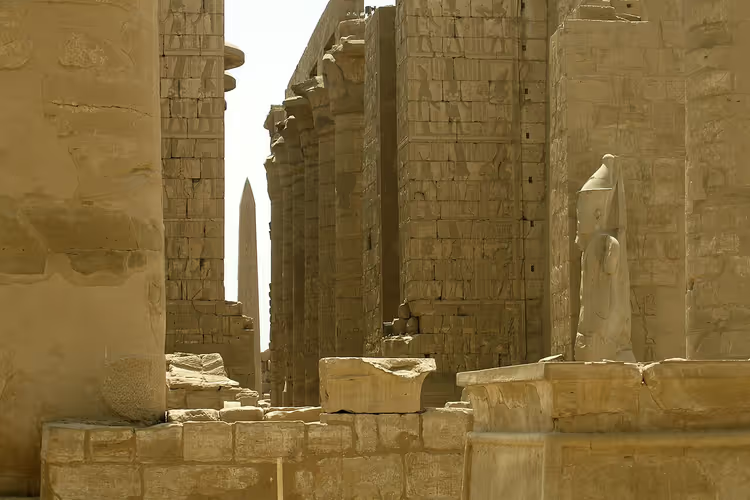
In Luxor and Aswan, head out at opening time, before the air heats up. Karnak Temple and the Valley of the Kings work best in the morning, and after lunch the heat becomes heavy.
The Valley of the Kings is worth taking the earliest slot. In the morning there are more slots than in winter, because there are fewer groups, and you can get into two or three tombs without crowding. Tickets and opening hours are sold through the official portal of the Ministry of Tourism and Antiquities: buy entry for a specific time and keep a printout with you. Early slots go first, so book them a few days before your trip.
 © Vyacheslav Argenberg · CC BYPhoto: Vyacheslav Argenberg, CC BY (https://creativecommons.org/licenses/by/4.0), Wikimedia Commons
Alexandria and the northern coast
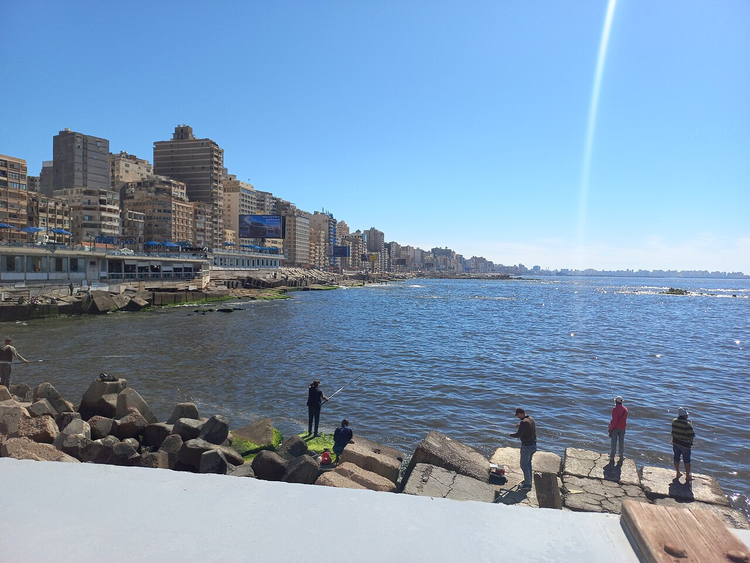
The Mediterranean coast in April is cooler than Cairo thanks to the sea breeze. In Alexandria you can walk all day: the Catacombs of Kom El Shoqafa and the Bibliotheca Alexandrina are not far from the waterfront.
 © Sohilaali869 · CC BY-SAPhoto: Sohilaali869, CC BY-SA (https://creativecommons.org/licenses/by-sa/4.0), Wikimedia Commons
Beach season here starts later than on the Red Sea. The water in the north warms up more slowly, so in April Alexandria works as a city itinerary rather than a beach. The upside is that there are almost no lines at the entrance.
Holidays: Sham El Nessim and Ramadan
Sham el-Nessim in 2026 falls on April 13 (The Middle East Insider). It is a public holiday. Egyptian families head outdoors, eat salted feseekh fish and colored eggs, and hotels and restaurants prepare special menus.
Ramadan in 2026 ended in March: the official Eid al-Fitr holidays were set for March 19 to 23 (Egypt Independent). There is no fasting in April, cafes are open all day, and alcohol is sold without daytime restrictions. Many people plan a spring trip for exactly this reason.
On the holiday itself, book your table and buy tickets in advance. Intercity buses and trains fill up, and restaurants in Cairo and Alexandria have lines starting at lunchtime.
What to do in April
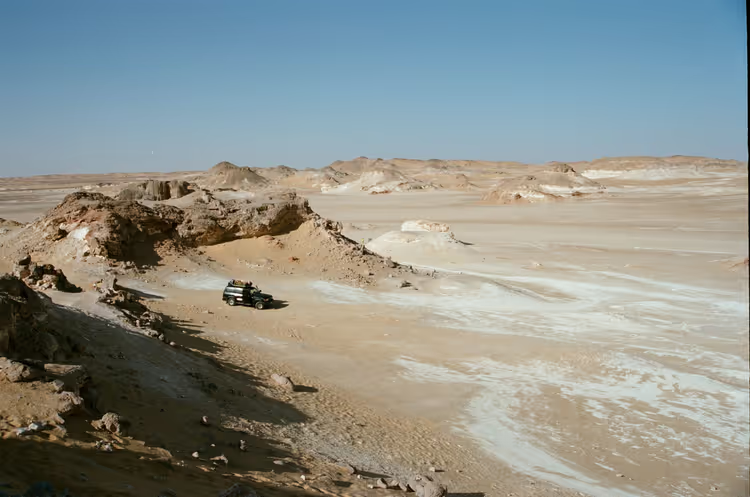
Desert excursions in April are possible, but only in the first half of the month. An overnight stay in the White Desert becomes an ordeal as the heat rises, so the Bahariya and Siwa oases are better left for October or March. If you do go to the desert, start early and take more water than you think you need.
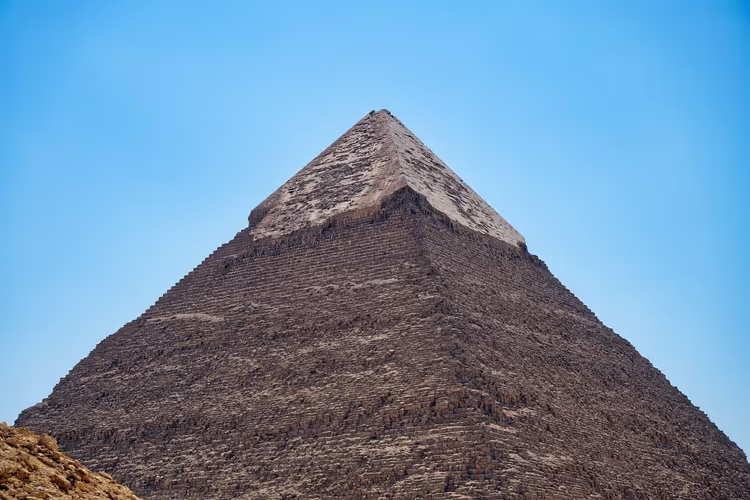
A Nile cruise in April works perfectly. The river breeze cools the deck, evenings are great for open-air dinners, and you visit the temple stops between Luxor and Aswan without the winter crowds. During the day the deck remains the coolest spot, so see the shore in the morning and come back on board after lunch. Excursions and day trips are easy to find on GetYourGuide.
Another advantage of the shoulder season: guides work with small groups. You ask questions instead of listening to a talk from the twentieth row, and that noticeably changes your experience of the Valley of the Kings.
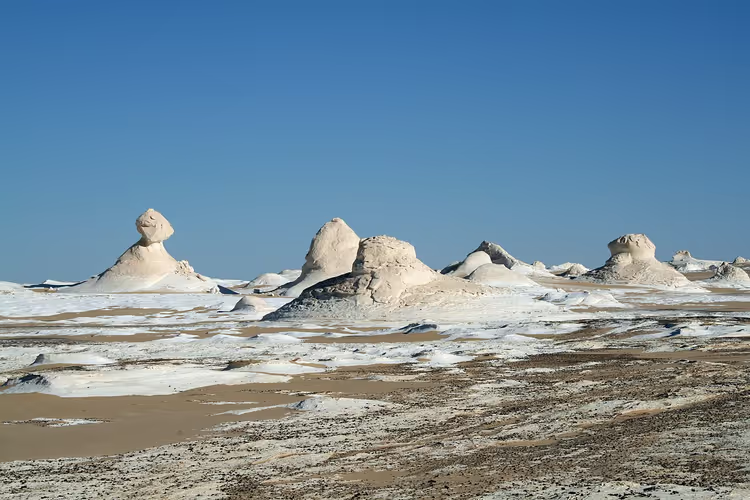
Red Sea: diving and snorkeling
After the winter storms, the water clears up and visibility on the reefs improves. Ras Mohammed and the wreck of the SS Thistlegorm show the best picture of marine life precisely in spring. Gear rental at dive centers in Hurghada and Marsa Alam operates every day.
A trip here with children also goes smoothly. The water and air stay in a comfortable range, so you don't have to keep your child out of the heat, as you would in Luxor.
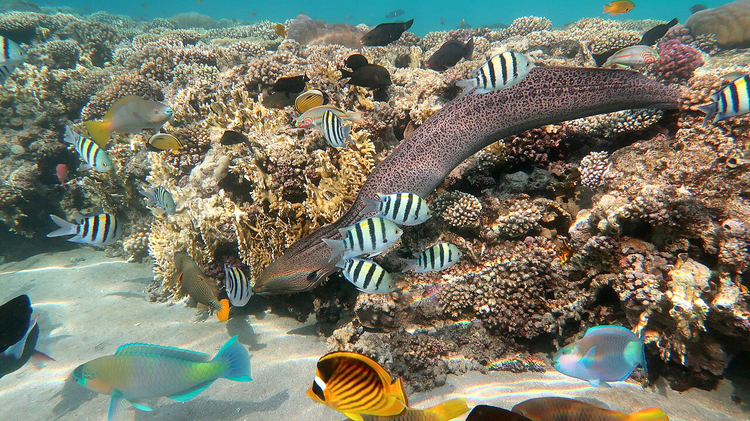 © 74papa · CC BYPhoto: 74papa, CC BY (https://creativecommons.org/licenses/by/4.0), Wikimedia Commons
What to bring
Pack layers. Long pants and a long-sleeve shirt protect you from the sun at temples, and a light sweater comes in handy in the evening: the desert cools down quickly after sunset.
- High-SPF sunscreen, waterproof for the beach.
- A wide-brimmed hat and sunglasses.
- Comfortable sneakers or light hiking shoes; heavy combat boots are unnecessary.
- A water bottle and a scarf to cover your face in the wind.
- A light sweater or windbreaker for the evening, especially if your itinerary includes the desert.
A beach kit is also worth having if you are heading to the Red Sea. You bring a swimsuit, sandals, and a hotel towel with you, but a snorkeling mask is cheaper to rent locally.
On a windy day, eye drops and wet wipes come in handy: after a khamsin, dust stays on your skin and in the air for several more hours. A light scarf covers your face from sand and your head from the sun.
Comparison with March, May, and October
Month | Weather | Crowds | Prices |
|---|---|---|---|
March | cooler than April | winter peak, busy | high |
April | warm, hotter toward the end of the month | drop after Easter | lower than winter |
May | noticeably hotter | few tourists | low |
October | heat subsides | more tourists | average |
October is usually more comfortable than April climate-wise: temperatures drop and khamsin almost never arrives. But October attracts people escaping the summer heat, so lines and prices are higher.
March is colder and more crowded. April loses to March in comfort but wins on lines and hotel rates. May is hotter with similarly empty hotels, so April beats May everywhere except a pure beach vacation on the Red Sea.
How to plan an April trip
Book a hotel with air conditioning. Cooling in Egyptian hotels runs year-round, but in April the difference between your room and the street becomes noticeable, and you want a predictable night's sleep.
Plan to head out before noon. Schedule pyramids, temples, and city walks for the morning, and leave museums, Khan el-Khalili market, or the pool for the afternoon.
Split your route by region. Start in the south, with Luxor and Aswan, before the heat wears you down, and finish in Cairo or Alexandria, where April stays steady.
Book hot air balloon tickets over Luxor and early slots in the Valley of the Kings in advance. Demand is high even in the shoulder season, and flights leave at dawn, when the air is still cool. Look for museums and attractions with timed entry slots on Tiqets.
One-week itinerary: Cairo, Luxor, and the Red Sea
A week covers three different Egypts: cities, temples, and the sea. Below is a plan that works when you fly into Cairo and return home from Hurghada.
First days in Cairo
Stay in a hotel in the center or in Giza. Give the first day to the Giza Plateau: the pyramids, the Sphinx, and the desert viewpoint. The second day goes to the Egyptian Museum and Khan el-Khalili market, and the Grand Egyptian Museum in Giza takes another half day (timed entry tickets).
Luxor and Aswan
A domestic flight from Cairo to Luxor takes about an hour; the night train takes longer. In Luxor, take an early slot in the Valley of the Kings and see Karnak Temple, then move on to Aswan: Philae Temple and Abu Simbel complete the southern program. Evenings in April are warm, and dinner on deck works without a windbreaker.
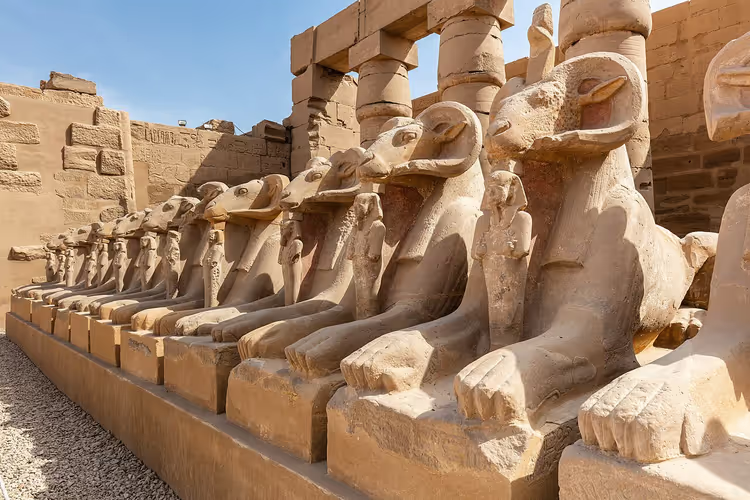 © Diego Delso · CC BY-SAPhoto: Diego Delso, CC BY-SA (https://creativecommons.org/licenses/by-sa/4.0), Wikimedia Commons
Finale on the Red Sea
The last days make sense in Hurghada or Sharm el-Sheikh. The flight from Luxor is short, the water is already warm in April, and after the temples you need a steady beach rhythm. If time is short, reverse the order: sea first, then Cairo, so your last day does not depend on flight connections.
⁉️🤔 Frequently asked questions
What is the weather in Egypt like in April?
In Cairo, the daily range is 14-29 °C; in Luxor, 19-35 °C (as of 09/2026, Global Highlights). Alexandria and Hurghada are cooler by the sea. The north of the country is comfortable for walking all day; the south requires an early start. Toward the end of April, the heat builds, and the last week of the month feels warmer than the first.
Does khamsin disrupt a trip in April?
Not always. Khamsin does not arrive every year, and an episode usually lasts a day or two. Hotels, museums, and covered markets operate as usual during that time. Keep a half-day backup plan and watch the forecast: then wind and sand will not ruin your trip to the pyramids.
Can you swim in the Red Sea in April?
Yes. The average water temperature in Hurghada in April is about 23 °C (as of 09/2026, SeaTemperatures.net). Most visitors swim and dive without a wetsuit. The resorts of Hurghada, Marsa Alam, and Sharm el-Sheikh hold steady weather, and visibility on the reefs improves in spring.
Is April considered high season in Egypt?
No. April falls in the shoulder season between the winter peak and the summer heat. After the Easter weeks, there are fewer tourists, lines at the Giza pyramids and in the Valley of the Kings are shorter, and hotel rates drop. So April gives you warm weather without winter prices.
When should you start sightseeing in April?
In Luxor and Aswan, go at opening time. Karnak Temple, the Valley of the Kings, and Philae Temple are best seen before the air heats up, and Abu Simbel requires the earliest trip of all. You cover the hot hours with museums, lunch, and pool time.
What should you do on a hot April afternoon?
Head indoors. The Egyptian Museum in Cairo and the Grand Egyptian Museum in Giza offer cool, air-conditioned halls (timed entry tickets: tickets.gem.eg), and Khan el-Khalili market hides you in its alleys. By evening, you can walk outside again.
In short: what to book
If you have a week and it is your first trip, base yourself in Cairo: the Giza pyramids, the Egyptian Museum, and the Grand Egyptian Museum, and fly to Luxor for two days for Karnak Temple and the Valley of the Kings.
If you are going for the sea, choose Hurghada or Sharm el-Sheikh: diving at Ras Mohammed, warm water, and steady evenings on the promenade.
If you want to see the most without moving around, take a cruise between Luxor and Aswan in the first half of the month, before the heat intensifies.
Book accommodation with air conditioning and flexible cancellation: during khamsin, plans change on the fly. Compare options and lock in your dates in advance: check hotel prices in Egypt on Trip.com.

A small editorial team writing guides for independent travel. We travel ourselves, but we haven’t been everywhere, so we check prices, opening hours and how to get there against official sources.