
















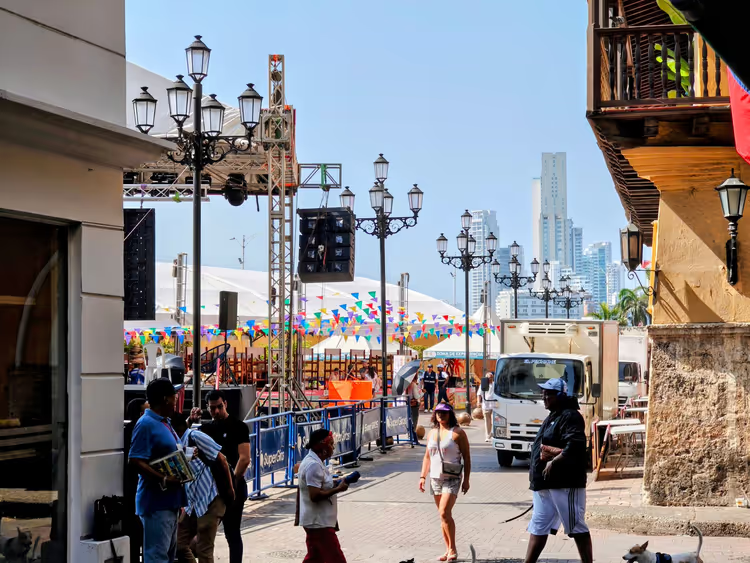
Event tourism: how to plan a trip around an event
Oktoberfest 2024 drew around 6.7 million visitors (As of 2024, City of Munich).
Event tourism is a trip made for a specific event. A carnival, a match, an airshow, or a food festival becomes the centerpiece of the itinerary. This kind of vacation is nothing like a beach holiday: the date is fixed, and the city runs on the event schedule.
Planning it is harder. Hotels get more expensive during the event, tickets sell out in advance, and the city itself fills with visitors. Let's look at the types of events and how to prepare.
Ad: this article contains affiliate links. We earn a commission from them, but the price for you stays the same.
What is event tourism
💡 In short:
- An event trip is built around one date, not around a city.
- Tickets and accommodation are booked in advance: demand is always higher during the event.
- Events fall into four groups: professional interest, culture, adrenaline, and spiritual quest.
- Dates: 09/2026, verified on official event websites, including the Oktoberfest website
Event tourism covers trips ranging from a local festival to a world championship. The reason is always the same: to see the event with your own eyes, not through a broadcast.
Events are generally divided into four groups. Professional interest: forums, conferences, and seminars. Culture and aesthetics: film festivals, theater premieres, music competitions. Adrenaline: rock festivals and sports matches. Spiritual quest: pilgrimages to holy sites and religious holidays.
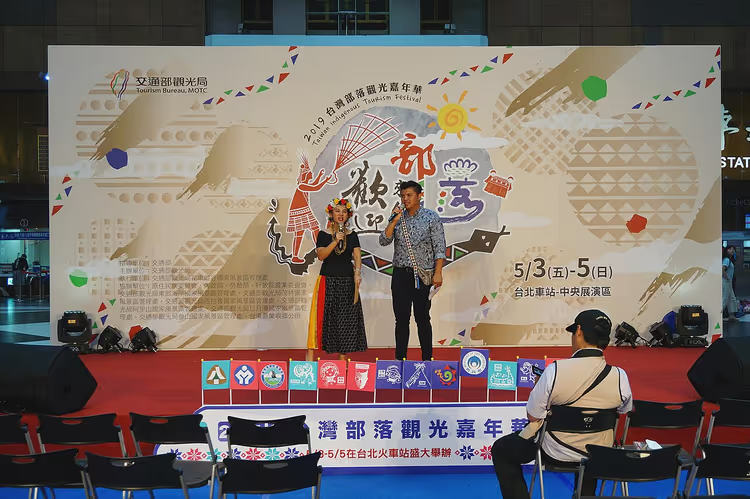 © Solomon203 · CC BY-SAPhoto: Solomon203, CC BY-SA (https://creativecommons.org/licenses/by-sa/4.0), Wikimedia Commons
Event tourism took shape as a distinct industry only recently. During major events, a city's infrastructure runs at full capacity. Sometimes the festival itself becomes the region's main resource. You come for the event, and you also get to know the city along the way.
Carnivals: Venice and Rio de Janeiro
Carnivals open the event year in Europe. According to Carnevale di Venezia, the 2026 carnival in Venice runs from January 31 to February 17. Street access is free; you pay only for balls and select performances.
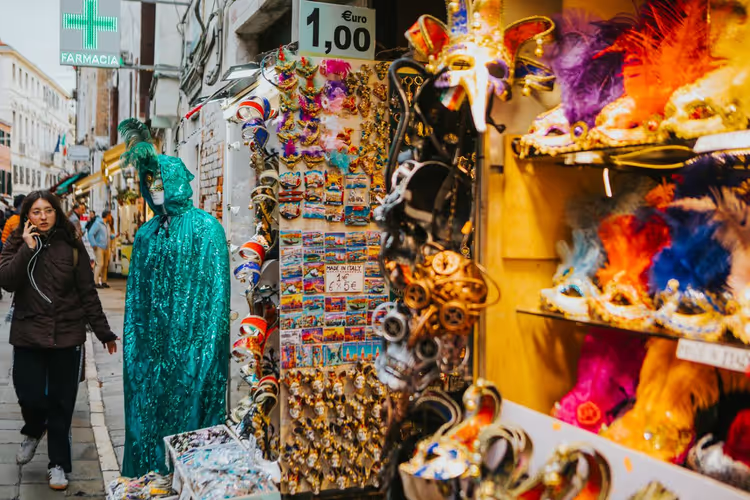
Masks and historical costumes are sold in workshops throughout the center. Many people rent a costume to get photos by the bridges and canals. Go in the morning: by midday, crowds gather around the main squares.
 © Sergio Luiz · CC BYPhoto: Sergio Luiz, CC BY (https://creativecommons.org/licenses/by/2.0), Wikimedia Commons
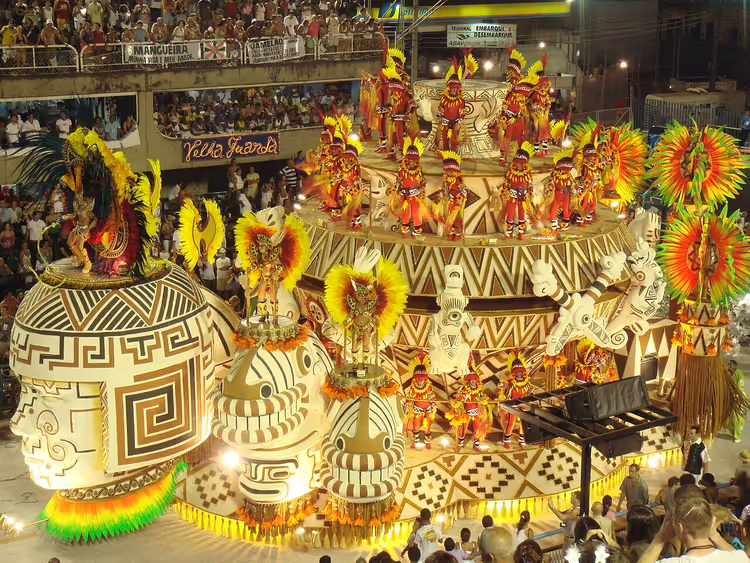
The Brazilian carnival in Rio de Janeiro works differently. It is a samba school competition, and grandstand tickets sell out long before the parade. If you are going to Rio, book a hotel in the center in advance. There are almost no rooms left during carnival days.
Food events: Oktoberfest and La Tomatina
Food has long become a reason to travel. Europe's largest beer festival is Oktoberfest in Munich. In 2026 it will run from September 19 to October 4 (As of 2026, festival website).
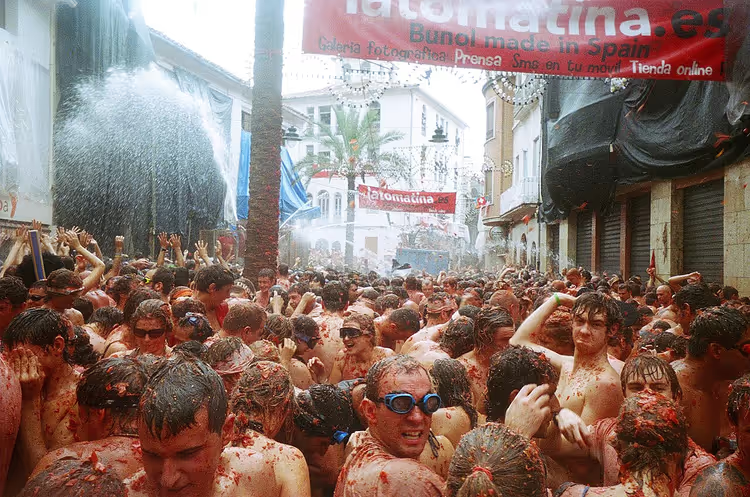 © Graham McLellan from London, UK · CC BYPhoto: Graham McLellan from London, UK, CC BY (https://creativecommons.org/licenses/by/2.0), Wikimedia Commons
The beer tents at Theresienwiese operate on table reservations. Seats in the hall are sought months ahead, while no ticket is needed to enter the grounds. Food festivals take place all over Europe: cheese, chocolate, seafood, and wine.
Spain's La Tomatina near Valencia brings participants together for an hour-long tomato fight in August. Comparing the main events by date and format is convenient.
Event | Where | When | Why it's interesting |
|---|---|---|---|
Oktoberfest | Munich | September and early October | beer tents and fairground |
La Tomatina | Buñol near Valencia | August | hour-long tomato fight |
Venice Carnival | Venice | January and February | masks and balls |
Rio Carnival | Rio de Janeiro | February | samba school parade |
Sports, exhibitions, and airshows
Sports events draw the largest audiences. The 2026 FIFA World Cup is hosted by the United States, Canada, and Mexico. 48 teams play in 16 cities, and the final is scheduled for July 19, 2026 (As of 2026, FIFA).
For a match, a fan buys a stadium ticket, a flight, and accommodation near the arena. Book everything at once and in advance: prices rise as the match date approaches. Business trips also fall into this group: forums, congresses, and exhibitions.
The Paris Air Show at Le Bourget near Paris showcases new civil and military aircraft. These trips combine work and leisure: stands and negotiations by day, the city by night. For a professional, it is also a chance to see the industry live.
Fashion, auctions, and spiritual journeys
Sports and food are not the only things that draw travelers. Paris Haute Couture Week attracts designers and press from around the world. Collectors travel to major art auctions.
Spiritual tourism leads to holy sites and religious holidays. The goal here is not entertainment but participation: a pilgrim chooses a specific date and ritual. Ethnic festivals and national holidays present a region's culture in a living form.
For a beginner, such a trip is a good starting point. For an experienced traveler, it reveals a new side of a familiar country. These journeys stand out for their depth and budget.
How to plan an event trip
Preparation is best broken down into five steps. Each step addresses a specific risk: a wrong date, no ticket, fully booked hotels.
- Check the date on the official website. Listings and aggregators make mistakes, and a date change ruins the itinerary.
- Buy tickets right away. For popular events, entry tickets run out in advance.
- Book accommodation. During the event, hotels in the center see the steepest price increases.
- Plan your travel. Buy plane or train tickets and transfer to the venue in advance.
- Leave a time buffer. Arrive a day before the event and leave the day after.
You can verify any step on the event's official website. It lists the date, time, and entry rules. Tours and activities around the event are easy to find on GetYourGuide.
Stage | What to do | When |
|---|---|---|
Choosing the event | check the date and rules | several months ahead |
Tickets | buy an entry ticket | right away |
Accommodation | book a hotel | as early as possible |
Travel | buy transport tickets | in advance |
Buffer | arrive a day early | during planning |
How much an event trip costs
An exact figure is impossible to give: it depends on the city, the hotel, and the event's popularity. The cost structure is always the same: tickets, accommodation, travel, and food.
During major events, accommodation prices in the center rise noticeably. The more popular the event, the earlier you should book a place.
Save money on travel and food rather than on accommodation. A distant hotel without transport will eat up all the savings, and getting to the venue will take hours. Look at travel time, not just the price.
Off-peak events are cheaper. Local festivals and fairs will cost you several times less than world championships.
⁉️🤔 Frequently asked questions
What is event tourism in simple terms?
It is a trip made for a specific event: a carnival, a match, a festival, or an airshow. The city is secondary here, and the date is fixed, so the itinerary is built around the event, not the destination. You see the sights in whatever time is left, not as the main goal. This also changes the booking order: first the event, then everything else.
How far in advance should you book a hotel for an event?
The bigger the event, the earlier. For Oktoberfest, accommodation in central Munich is booked almost a year ahead. If you are going to a local off-peak festival, a couple of months is enough. Accommodation with free cancellation reduces the risk if the date changes. That way you won't lose money if plans change.
Which events suit a first event trip?
Start with city festivals and food festivals: they are cheaper and simpler logistically. Major events like a world championship require more budget and preparation. For your first time, choose a city that is easy to reach and where you don't depend on a single ticket. That way your first event trip will go smoothly.
Can you attend the Venice Carnival without a ticket?
Yes. The streets and St. Mark's Square are open to everyone. You pay only for balls, concerts, and select performances.
What if the event date is moved?
Check the date on the official website, not on listings. Hotels with free cancellation and exchangeable tickets reduce your losses. Verify the information a month and a week before the trip, so you have time to adjust the itinerary. That way you save both money and time.
In short: what to book
An event trip is usually more expensive than a regular one, but it gives you impressions that no beach can replace. Plan it around the event date: first the ticket, then accommodation, then travel.
If you want a city festival, choose a carnival or a food festival. If you want large-scale excitement, go for a world championship or Oktoberfest. For a quiet getaway, religious holidays and seasonal fairs work well.
If you have | Choose |
|---|---|
little time | a city festival in Europe |
a large budget | a world championship or Oktoberfest |
a trip with children | a food festival or carnival |
a quiet getaway | a religious holiday or fair |
Check the date on the official website, buy a ticket, and book a hotel for the right dates on Trip.com. That way you won't be left without a place on the day you need it most.

A small editorial team writing guides for independent travel. We travel ourselves, but we haven’t been everywhere, so we check prices, opening hours and how to get there against official sources.