
















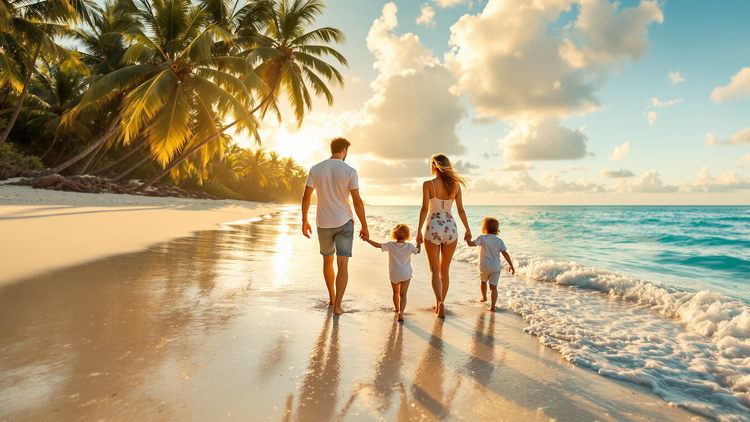
 AIIllustrative image: AI-generated
Family vacation in the tropics: what to know before traveling with a child
Exotic destinations are tempting, but with a child everything gets more complicated. The journey takes many hours with layovers, the climate flips to the opposite, and unfamiliar food and insects add extra hassle. Below we look at what such a trip gives you and what you need to prepare for in advance.
The benefits of a vacation in warm countries are real, but they come at a price. According to WHO, diarrheal diseases kill roughly 443,000 children under five every year (as of 09/2026, WHO fact sheet). That is not a reason to cancel the trip, it is a reason to pack a first aid kit and agree on the rules with your child beforehand.
Ad: this article contains affiliate links, we earn a commission if you book through them, at no extra cost to you.
The upsides of vacationing with children in exotic destinations
💡 In short:
- Check vaccinations and medical insurance 4 to 6 weeks before departure.
- Choose a flight with one layover and an overnight segment so your child sleeps on the way.
- Put water, snacks, repellent, and wet wipes in your carry-on.
- Vaccination requirements and medical recommendations by country: 09/2026, verified on the Auswärtiges Amt website.
A winter change of climate
In winter, children often do not get enough sun. Short daylight hours, rain, chilly classrooms, and a long season of runny noses. It is especially hard for younger schoolchildren and kindergarteners, whose immune systems are still developing, while you have to take sick leave yet again.
Two weeks by a warm sea change the picture, and you will see it in your child's sleep and appetite. Sea air gently clears the airways, swimming trains the body, and the sun provides vitamin D, which is almost absent from November through March. Pick destinations with a dry season during these months and do not confuse it with the rainy season. A selection of exotic destinations helps you compare options by weather.
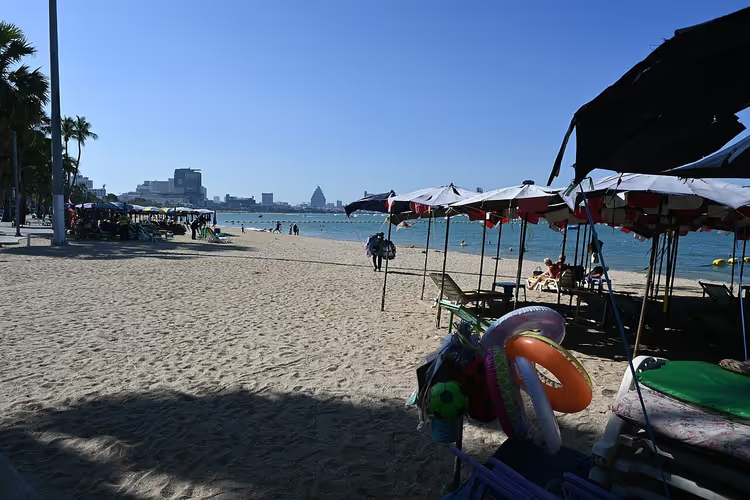 © PattayaPatrol · CC BY-SAPhoto: PattayaPatrol, CC BY-SA (https://creativecommons.org/licenses/by-sa/4.0), Wikimedia Commons
Broadening horizons
In the tropics, children notice things adults miss. Bright birds, huge leaves, the sounds of the jungle, unfamiliar speech all around. Nature stops being a picture in a textbook and becomes a personal experience you discuss as a family.
Getting to know other cultures works without lectures. A child sees that people dress differently, cook differently, and celebrate differently. Observing this alongside you, they learn to accept differences calmly.
 © Divya Mudappa · CC BY-SAPhoto: Divya Mudappa, CC BY-SA (https://creativecommons.org/licenses/by-sa/4.0), Wikimedia Commons
New knowledge and skills
A language environment produces fast results. Within a few days, a child memorizes dozens of words and gestures because they need to make themselves understood on the beach or in a shop. At home you will not see that kind of progress even after a month of lessons.
Exotic destinations add skills a city backyard cannot provide. On islands, children learn to snorkel, dive, and fish. In the jungle, they pitch a tent, look for edible plants, and build a fire. Every activity should be supervised by an adult or an instructor.
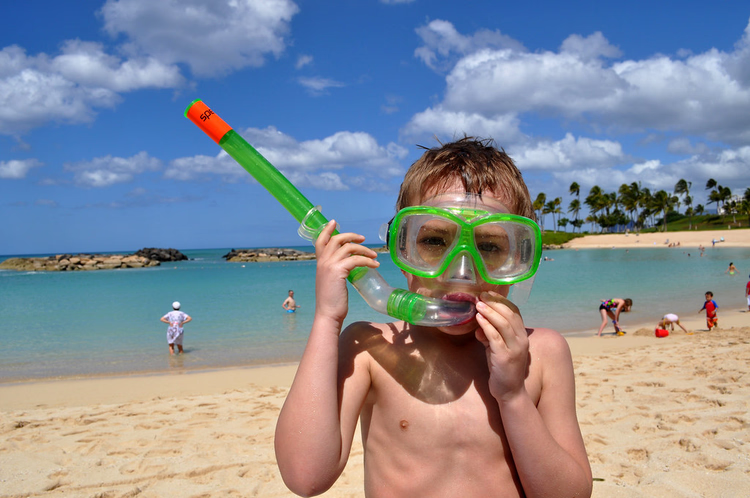 © GoodNCrazy · CC BYPhoto: GoodNCrazy, CC BY (https://creativecommons.org/licenses/by/2.0/), Flickr
The catches you need to plan for in advance
A long flight with layovers
Far-flung destinations almost always mean two flight segments. Eight, twelve, sometimes fifteen hours in a seat, an overnight wait in the transit area, another security screening, and unfamiliar customs rules. Adults handle this calmly, children get twice as tired.
Plan the route around your child's routine. An overnight segment gives several hours of sleep, a short layover saves energy. Put a favorite snack, a book, and small surprises that distract into your carry-on. That way you avoid tears in the cabin and dirty looks from fellow passengers. It is worth finding flights with a short layover that fit your child's routine in advance.
 © Collin Knopp-Schwyn · CC BYPhoto: Collin Knopp-Schwyn, CC BY (https://creativecommons.org/licenses/by/4.0), Wikimedia Commons
Acclimatization and sun exposure
A sharp change in temperature and humidity is felt in the first few days. A child may become lethargic, eat poorly, or complain of headaches. Adaptation usually takes two to four days, and that is a normal process, not an illness.
A simple tactic helps: you give more water and light food, walk in the morning and evening, and spend midday in the shade. The return trip also puts a load on the body: after thirty-degree heat, cold weather waits at home, and the body adjusts again. Pay special attention to the sun. Children's skin burns faster than adults', and heatstroke can happen even on a cloudy day. Medical recommendations for each country are collected in Auswärtiges Amt materials.
Weak infrastructure and roads
Tourist infrastructure in exotic countries is unevenly developed. Outside resort areas, comfortable hotels are scarce, often old guesthouses or bungalows without air conditioning. Kids' pools, entertainers, and playgrounds that are common in Turkey and Egypt are usually absent here.
Roads require separate planning: pavement ends outside the city, and a local route takes two hours instead of thirty minutes. An adult can walk ten kilometers in the heat, a child cannot. Allow extra time for travel and bring water for you and your child.
Unfamiliar food and water
Children are conservative about food, and in a foreign country you may not find the bread or cheese they are used to, and a picky child will simply refuse an unfamiliar dish. Bring some familiar foods for the first days.
If your child tries everything, the risks are higher. Unusual spices, raw seafood, and street food cause stomach upset in children more often than in adults. According to WHO estimates, children under five account for 40% of the disease burden related to unsafe food (as of 09/2026, WHO fact sheet). Eat where there is a steady flow of customers, ask about dish ingredients, and request food without hot spices.
 © PattayaPatrol · CC BY-SAPhoto: PattayaPatrol, CC BY-SA (https://creativecommons.org/licenses/by-sa/4.0), Wikimedia Commons
Water matters just as much. Drink only from bottles, skip ice in drinks, wash fruit with clean water, and do not buy pre-cut fruit from a stall. Carry your own bottles for you and your child and do not touch the bottle opening with your lips.
Dangerous wildlife
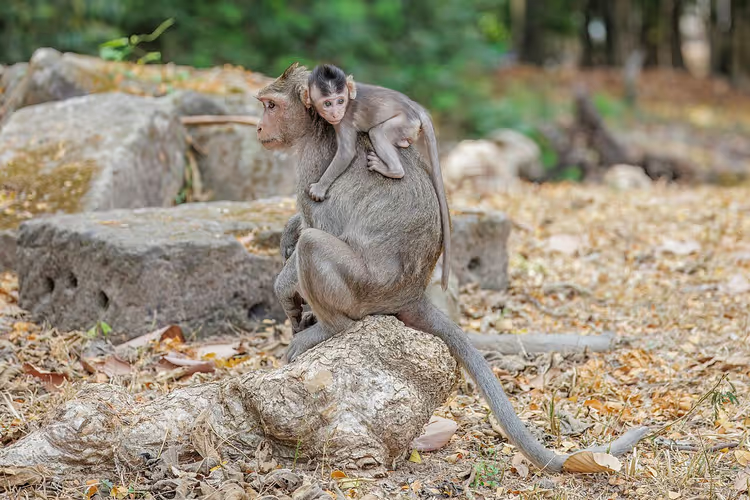
Animals are not always dangerous, but they are unpredictable. A child reaches out to a monkey or lizard because they see a cute creature, not a wild animal. Even in parks and on beaches, keep your distance and do not hand-feed animals.
Rabies remains a real threat, and according to WHO data, 40% of deaths from this disease occur in children under fifteen (as of 09/2026, WHO fact sheet). After a bite or scratch, there is only one path: wash the wound, treat it, and get to a doctor as quickly as possible. Rules for safaris and zoos are covered in the article about family safaris.
Insects carry malaria, dengue fever, and other infections. According to WHO data, in 2024 there were 282 million malaria cases and 610,000 deaths worldwide (as of 09/2026, WHO indicators). Repellent, a mosquito net, and covered clothing in the evening reduce the risk. Discuss vaccinations and prevention with your doctor in advance: the list of required vaccinations and Auswärtiges Amt country medical guidance will help you prepare (as of 09/2026).
 © Charles J. Sharp · CC BY-SAPhoto: Charles J. Sharp, CC BY-SA (https://creativecommons.org/licenses/by-sa/4.0), Wikimedia Commons
Sea, jellyfish, and coral
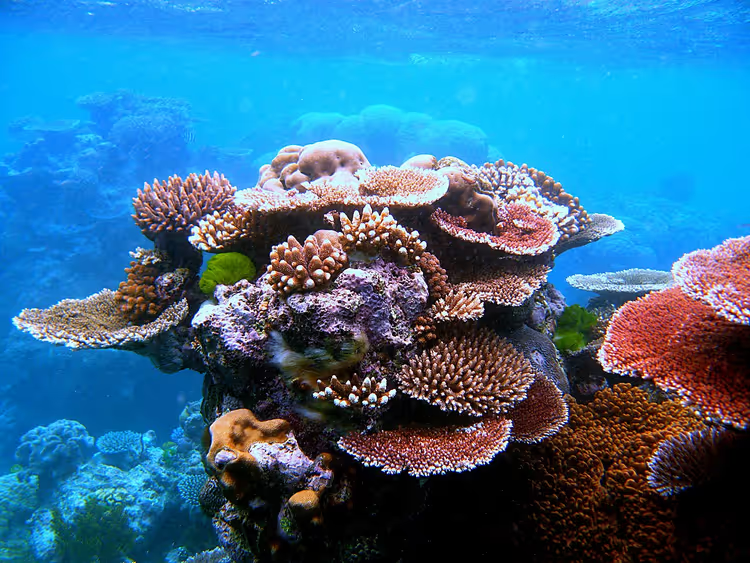
Swimming in the tropics requires attention: bright fish and coral are often poisonous, jellyfish sting, and sea urchins prick. The first rule is simple: do not touch anything underwater with your hands.
The statistics here are brutal: according to WHO, about 300,000 people drown worldwide every year, and children under five account for nearly a quarter of those deaths (as of 09/2026, WHO fact sheet). Always keep your child within sight, don't let them go into the waves, and check whether there's a lifeguard on the beach. For snorkeling, use a life vest.
 © Toby Hudson · CC BY-SAPhoto: Toby Hudson, CC BY-SA (https://creativecommons.org/licenses/by-sa/3.0), Wikimedia Commons
⁉️🤔 Frequently asked questions
At what age is a child comfortable flying to faraway countries?
There are no formal restrictions, but doctors usually advise waiting until at least one year old. Before that age, the strain on the body is higher and vaccination is incomplete. From age three or four, a child handles the flight more easily, understands the rules, and copes well with walking in the heat. The decision is best made together with a pediatrician.
What vaccinations are needed for exotic countries?
The set depends on the country and season. Children already have basic vaccinations according to the schedule, and before the trip you discuss hepatitis A, typhoid fever, and other vaccines. You need to start 4-6 weeks before departure, because some vaccines are given as a course (as of 09/2026, guide to vaccinations for the tropics).
How can I help my child get through acclimatization?
In the first days, give more water and light food, walk in the morning and evening, and spend midday in the shade. Plan a calm start without long excursions. If a fever or severe weakness appears, see a doctor rather than waiting for it to pass on its own.
Do I need separate travel insurance for a child?
Yes, standard tourist insurance often does not cover treatment in the tropics or evacuation. Check that children are included in the policy, that there is coverage for malaria and dengue, and that assistance works around the clock. Compare insurance options in advance so you are not looking for a policy at the airport.
What should I take in carry-on luggage when flying with children?
Water and light snacks, wet wipes, a spare T-shirt, a favorite toy, and repellent. Keep medications with you, not in the suitcase. Separately pack copies of the child's documents and the insurance policy in case you need help en route.
In short: what to book
If you are traveling with children for the first time, start with a simple set. A flight with a short layover, a hotel with air conditioning and a pool, medical insurance for everyone, and a first aid kit. Everything else can be sorted out on the spot.
- If you are going to Asia in winter: book a flight with one layover and a hotel by the sea.
- If your child has allergies: prepare the first aid kit in advance and check the ingredients of dishes.
- If the trip is long: add a transfer and insurance for the entire duration.
Booking excursions and tours in advance is convenient once the trip itinerary is ready.

A small editorial team writing guides for independent travel. We travel ourselves, but we haven’t been everywhere, so we check prices, opening hours and how to get there against official sources.