
















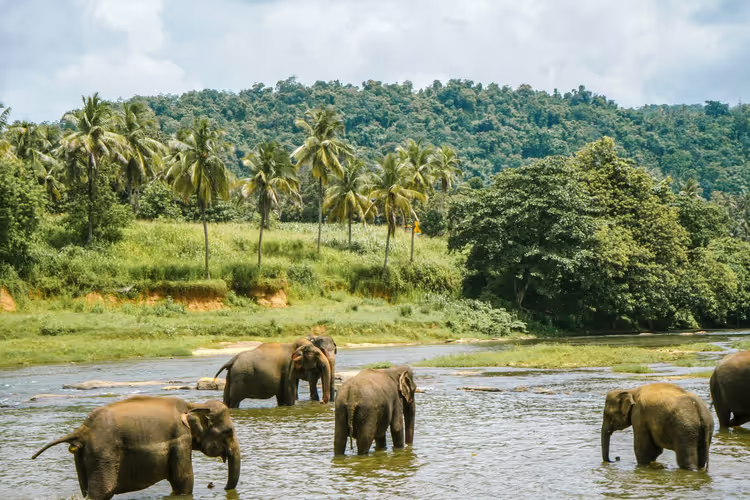
Sri Lanka: where to stay, what to see and when to go
Sri Lanka fits tea mountains, the ocean, and ancient fortresses on one island. In two weeks you can travel from the cool highlands to the warm beaches of the Indian Ocean.
Traveling here independently is easier than it seems. It is best to look for tickets three to four months before the trip.
The climate here is steady: warm weather lasts almost all year round. Below we have put together a proven route, popular resorts, beaches, and practical details that will save you time.
We cover the airport experience separately: what to do if you miss your flight.
Ad: this article contains affiliate links. We earn a commission if you book through them, at no extra cost to you.
When to go: season, visa, and climate
💡 In short:
- Visa: free ETA for 30 days for 40 countries from 05/25/2026, apply online in advance.
- Season: southwest (Colombo, Bentota, Hikkaduwa) from November to April, east and the Cultural Triangle from May to September.
- Transport: train to Kandy and Nuwara Eliya, buses and tuk-tuks between cities, a car is worth taking with a driver.
- Visa, season, and prices: 09/2026, checked on the Sri Lanka tourism portal
The island has two monsoons, and they hit different coasts. From May to September, rains fall on the southwest, while the east coast stays sunny. From October to January the picture changes, and it becomes dry precisely in the west and south. That is why Sri Lanka has no single best month: you choose the coast for your season.
The Cultural Triangle (Anuradhapura, Polonnaruwa, Sigiriya) lies in the center and is accessible year-round. In the mountains of Nuwara Eliya it is always cool, at night it can be around 10 °C, so a warm jacket will come in handy even in the tropics. On the coast, take light clothing, sunscreen, and repellent.
The currency here is the rupee (LKR). Cards are accepted in hotels and large restaurants, but markets, tuk-tuks, and small cafes require cash. The easiest way to get a local SIM card is at Colombo airport: a passport and a few minutes, and you are online.
Nuwara Eliya: tea, waterfalls, and Adam's Peak
Nuwara Eliya sits high in the mountains, at an elevation of 1,884 meters above sea level (according to the island region guide). Because of the altitude, the city is called little England: it is cool here, often foggy and green. The temperature stays within 15-20 °C, and the surrounding area is covered with tea plantations and waterfalls.
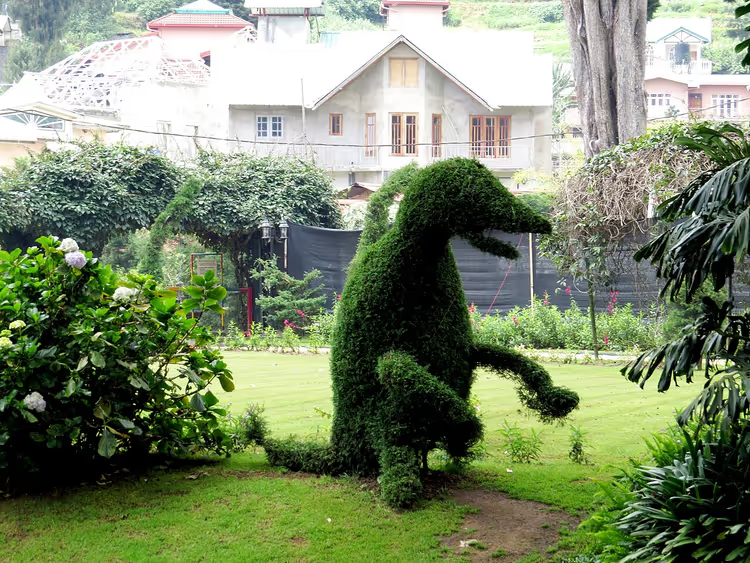 © vivali · CC BYPhoto: vivali, CC BY (https://creativecommons.org/licenses/by/3.0), Wikimedia Commons
During the day the city comes alive: restaurants are open, entertainment programs are arranged for guests, and in April the racecourse opens. There is almost no nightlife here, everyone falls asleep with the last rays of the sun. But nearby lies Lake Gregory with a farm for breeding brown trout, which was brought here back in 1882.
Adam's Peak
Adam's Peak is considered a sacred mountain, a 2.5-3 hour drive from Nuwara Eliya. Pilgrims come here to see the footprint, and tourists climb for the sunrise above the clouds. The night ascent takes several hours, the steps are lit, but the path is steep and tiring. Take water and something warm: it is cold and windy at the top.
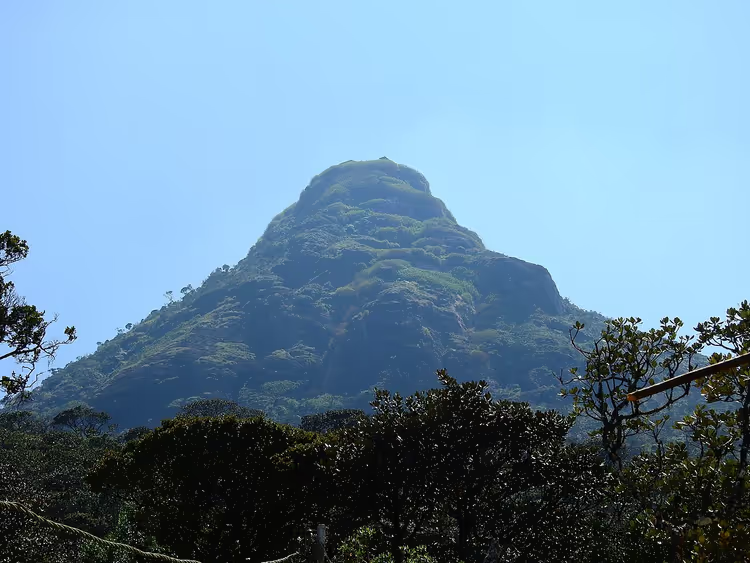 © Rehman Abubakr · CC BY-SAPhoto: Rehman Abubakr, CC BY-SA (https://creativecommons.org/licenses/by-sa/4.0), Wikimedia Commons
If you do not want to walk in the dark, climb during the day: the view from the summit opens up in daylight too. Adam's Peak is included in almost all sightseeing tours, so it is better to start early, while there are few people on the trail.
Tea plantations
This region is where the best varieties of Ceylon tea grow. The plant was brought to the island from China back in 1824, Indian varieties were added later, and the first experiments were conducted in the Peradeniya Botanical Garden. The taste of Nuwara Eliya tea is explained by the growing conditions: high altitude, eucalyptus and cypress trees around.
You'll reach any plantation by taking the train from Kandy to Nuwara Eliya. This route is considered one of the most scenic in the world, and it's convenient to check tickets on Trip.com. Second-class seats sell out quickly, so book in advance.
Bentota: sun, water, and water sports
Bentota lies close to Colombo, between the sea and a river mouth. Air temperatures here stay in the 25-30 °C range, and the water holds at around 25 °C year-round. Those in the know recommend visiting Bentota from October through April, when the ocean is calm.
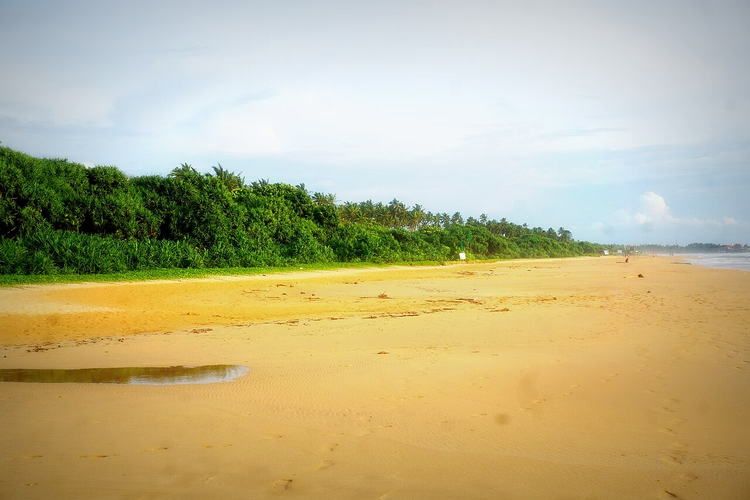 © Pavan Lulla · CC BYPhoto: Pavan Lulla, CC BY (https://creativecommons.org/licenses/by/3.0), Wikimedia Commons
Carnival and masquerade
If you time your visit right, you'll catch the annual masquerade on the streets and in the open-air theater. Participants dress up as fairy-tale creatures and put on outdoor shows. Theatrical performances, puppet shows, and masquerades are also part of the evening program at many hotels.
Water sports
Bentota is known as the island's water sports hub. A major sports center and a well-known diving club operate here: they offer excursions, fishing, cruises, and rentals of catamarans, kayaks, canoes, and water skis. Calm water and the absence of currents suit beginners, while experienced divers go down to 35 meters.
After a short course, you can make your first dive under an instructor's supervision. Water tours and trips to underwater reefs are easy to find on GetYourGuide, which also has sunset cruises and trips to the mangroves.
Negombo: fort, temples, and fishing
Negombo sits about 40 kilometers from Colombo (on the map). Most island sightseeing tours start here, and it's also the closest resort to the airport. The temperature rarely drops below 25 °C, but October and November bring heavy rainfall.
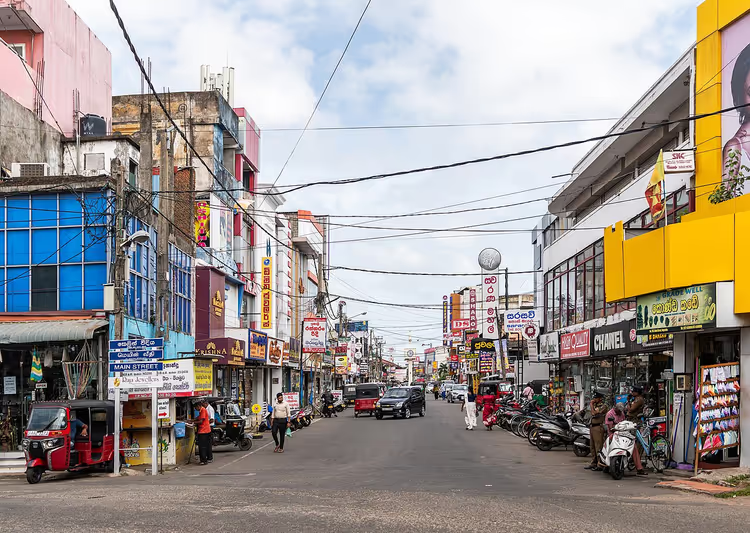 © Steffen Schmitz ( more photos ) · CC BY-SAPhoto: Steffen Schmitz ( more photos ), CC BY-SA (https://creativecommons.org/licenses/by-sa/4.0), Wikimedia Commons
The old fort
The central attraction, the old fort, was built by the Dutch in the late 17th century. Little remains of it: fragments of walls, the central gate, and a moat that connects the fortress to the sea. Negombo is considered the center of the Catholic faith on the island, so near the fort you'll see churches and other sacred buildings.
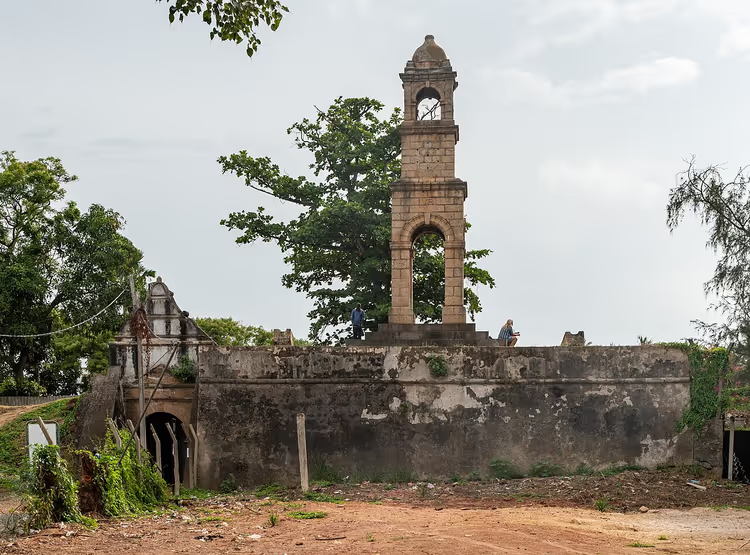 © Steffen Schmitz ( more photos ) · CC BY-SAPhoto: Steffen Schmitz ( more photos ), CC BY-SA (https://creativecommons.org/licenses/by-sa/4.0), Wikimedia Commons
Angurukaramulla Temple
The large Buddhist temple Angurukaramulla draws pilgrims from all over Sri Lanka and neighboring countries. The Buddhist temple Kelaniya Raja Maha Vihara near Colombo hosts an annual festival with grand processions: elephants, fakirs, acrobats, and dancers take part in the parade.
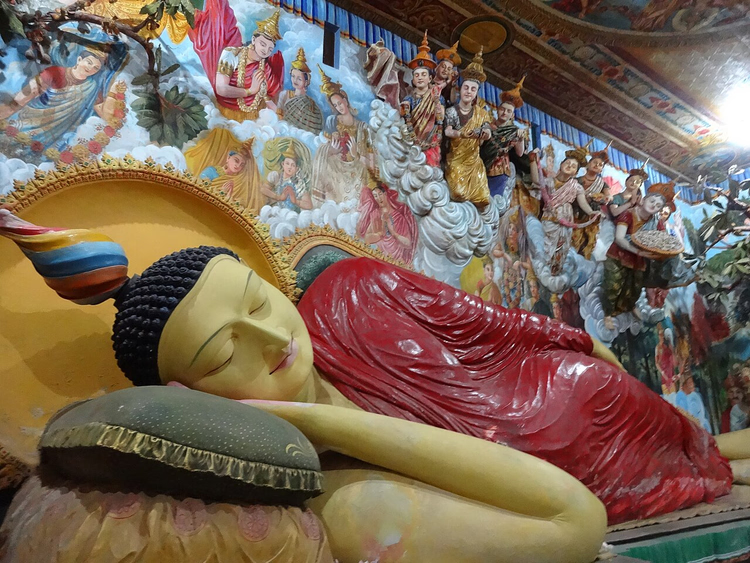 © Z thomas · CC BY-SAPhoto: Z thomas, CC BY-SA (https://creativecommons.org/licenses/by-sa/4.0), Wikimedia Commons
Canoeing along the canal
In the city itself, rent a canoe and paddle along the banks of the central canal. Along the way you can stop at the island's largest fish market. For fishing, head to Baikal, a small village where you can cast a line yourself and come back with a catch of fish and shrimp.
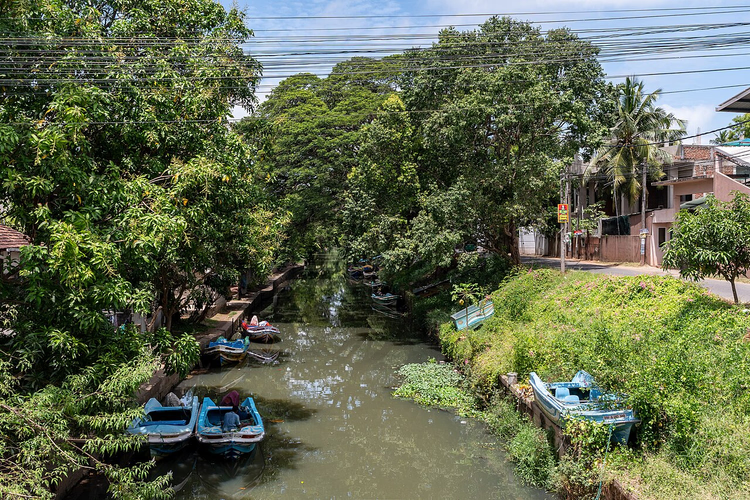 © Steffen Schmitz ( more photos ) · CC BY-SAPhoto: Steffen Schmitz ( more photos ), CC BY-SA (https://creativecommons.org/licenses/by-sa/4.0), Wikimedia Commons
Getting from Colombo airport to Negombo and further along the coast is easy with a Kiwitaxi transfer. The driver will meet you in the arrivals hall and take you to your hotel without haggling with taxi drivers.
Hikkaduwa: beaches and coral gardens
On the south coast, tourists especially love Hikkaduwa. This is where foreigners first discovered Sri Lanka, so the infrastructure here is better developed than in many neighboring towns. The resort is known for crystal-clear water, beaches with coarse sand, and coral reefs.
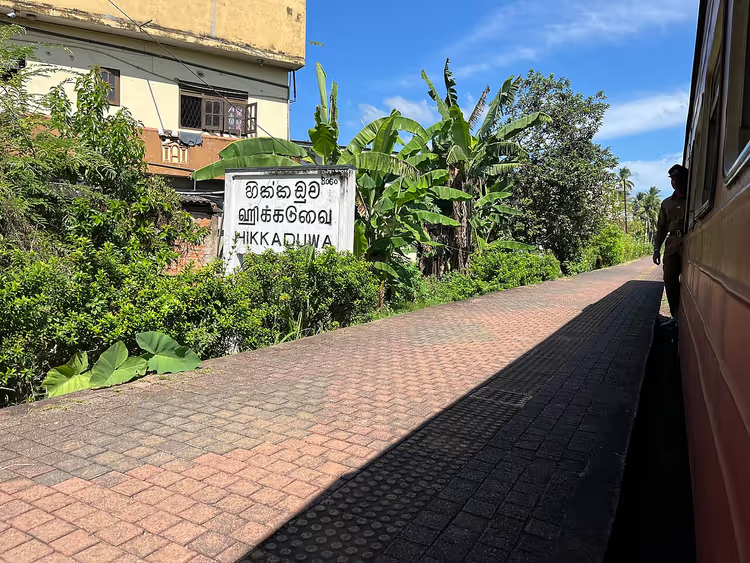 © LittleT889 · CC BYPhoto: LittleT889, CC BY (https://creativecommons.org/licenses/by/4.0), Wikimedia Commons
Coral has become the symbol of the town: you'll find its image on shop windows, in bar decor, and on souvenir stalls. The heavy sand doesn't get under your clothes or blow into your eyes in the wind, and it's easy to hide from the midday heat under the coconut palms.
Underwater excursions
To see the coral gardens, you don't have to take a diving course. Glass-bottom boats are used for this, and for those who want to dive, there are equipment rental and training centers. Tickets for sea excursions and entry to the underwater reserve are easy to check on Tiqets.
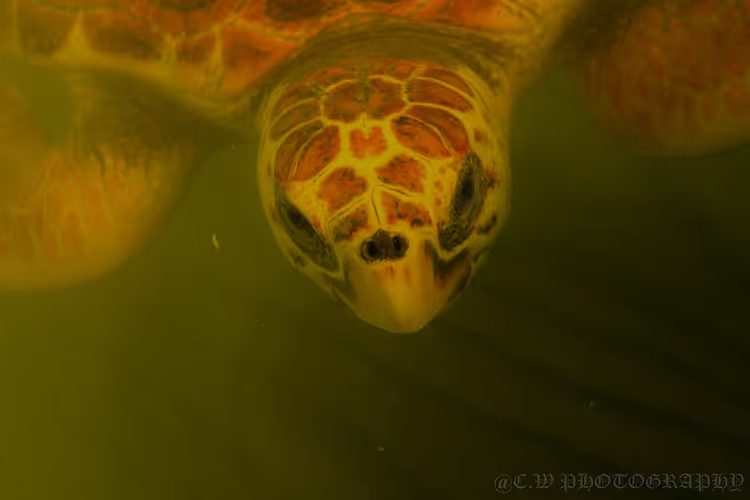 © Chamixth · CC BY-SAPhoto: Chamixth, CC BY-SA (https://creativecommons.org/licenses/by-sa/4.0), Wikimedia Commons
Traditions and rules: how to behave on the island
Sri Lanka is called a country of festivals. Locals are very friendly and love celebrations, so there is a reason to celebrate almost every third day. The main festival, Esala Perahera, includes grand processions with decorated temple elephants, dancers, fakirs, and fire eaters.
If fate brings you to Beira Lake, you will see the Navam Perahera festival of the Gangaramaya Temple. Thousands of people take part in the celebrations.
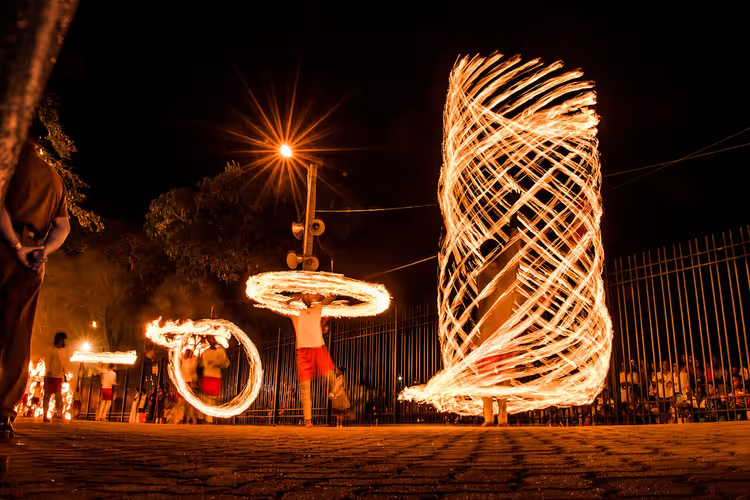 © Sachin Kaveesha Fernando · CC BY-SAPhoto: Sachin Kaveesha Fernando, CC BY-SA (https://creativecommons.org/licenses/by-sa/4.0), Wikimedia Commons
Dress modestly for temples and religious sites: cover your knees, shoulders, and back. When entering Buddhist and Hindu temples, remove your shoes; this rule also applies to mosques. Topless sunbathing on beaches is prohibited, and some hotel restaurants have a dress code: you will not be allowed in wearing shorts and beach footwear.
Ayurveda, the ancient teaching about a healthy lifestyle, is widespread on the island. Some of its methods focus not only on the body but also on psychological well-being. Courses and treatments are offered at many hotels and specialized centers.
Hotels and guesthouses in Sri Lanka
A poorly chosen hotel can ruin a vacation, and Sri Lanka figured this out long ago. That is why local hotels compete on service, cuisine, and entertainment programs. Finding a suitable option is realistic for almost any budget.

The southwest coast offers hotels from two to five stars, and the Cultural Triangle in the center of the country also has many hotels. Most hotels have their own dive centers, equipment rental, and excursion tours. On the northern coast there are few hotels, but they are in demand during the season, so book in advance.
You can conveniently find a hotel by area and dates on Trip.com. During the high season, prices in coastal towns rise noticeably, so booking early will save you money.
The island's most popular beaches
Sri Lanka has a great many beaches, and each suits a different type of vacation. Here are five that travelers choose most often.
Casuarina Beach
Casuarina, the island's northernmost beach, suits young people who love active recreation. It has good conditions for windsurfing. The catch: the beach is remote, and the journey takes a lot of time.
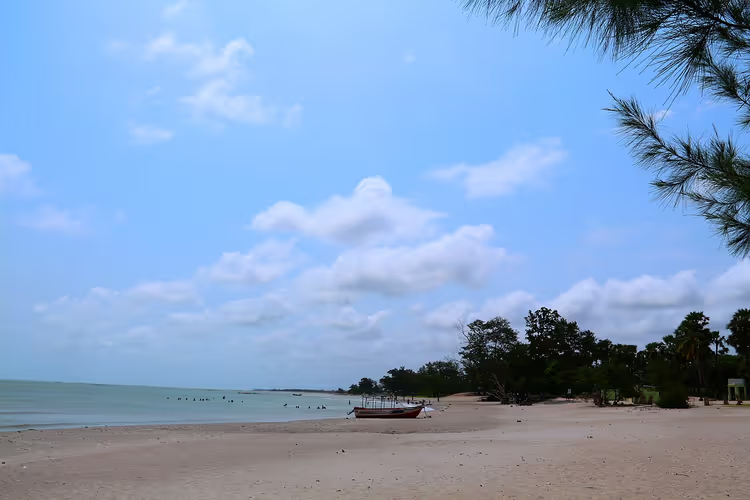 © Vakeezan · CC BY-SAPhoto: Vakeezan, CC BY-SA (https://creativecommons.org/licenses/by-sa/4.0), Wikimedia Commons
Mirissa Beach
Mirissa lies on the southern coast. Unlike windy Casuarina, it has a calm atmosphere and gentle water. You can get there from the island's southernmost city, Matara; the distance is about 10 kilometers (on the map).
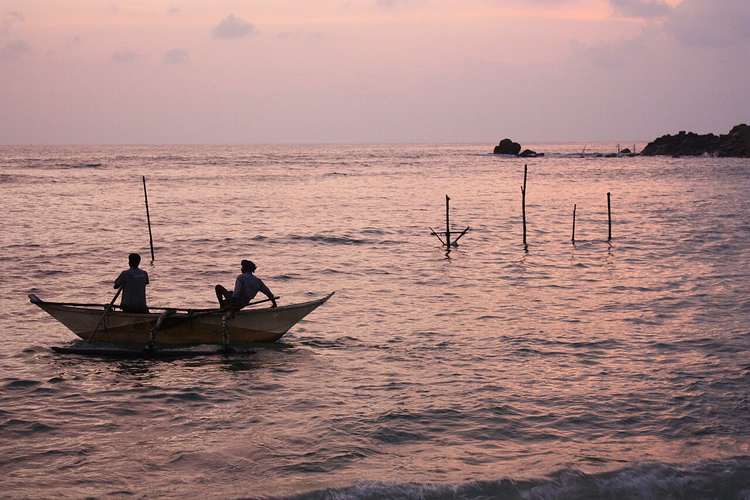 © Arian Zwegers · CC BYPhoto: Arian Zwegers, CC BY (https://creativecommons.org/licenses/by/2.0), Wikimedia Commons
Unawatuna Beach
Unawatuna is one of the most beautiful places on the island, and families with children have taken a liking to it. The beach is protected on all sides by a coral reef, so the water here is calm and safe. The catch: because of its popularity, it is always crowded.
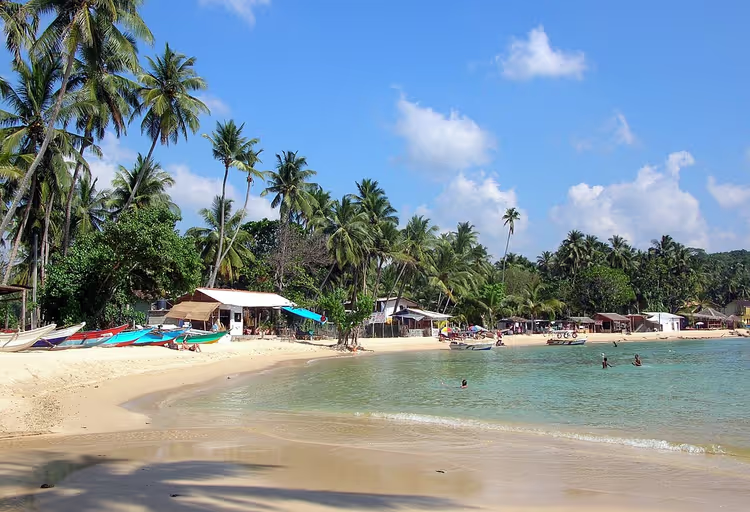 © Bernard Gagnon · CC BY-SAPhoto: Bernard Gagnon, CC BY-SA (https://creativecommons.org/licenses/by-sa/3.0), Wikimedia Commons
Hikkaduwa Beach
Hikkaduwa suits nightlife lovers. This is where the most famous beach parties and discos take place, and the beach is about two kilometers long (on the map).
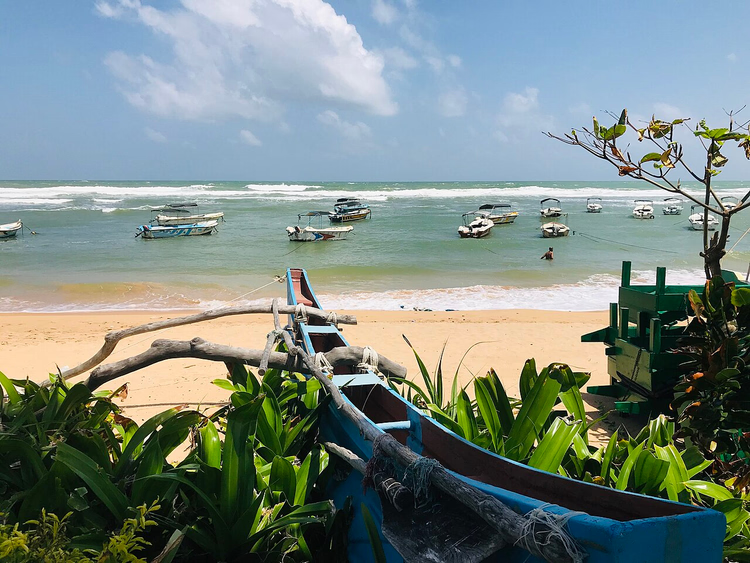 © Sendaru Perera · CC BY-SAPhoto: Sendaru Perera, CC BY-SA (https://creativecommons.org/licenses/by-sa/4.0), Wikimedia Commons
Bentota Beach
Bentota, the country's most famous beach, has become a favorite spot for newlyweds. A vacation here costs more than at neighboring resorts, so it attracts those who want to celebrate an important event or are willing to pay for comfort.
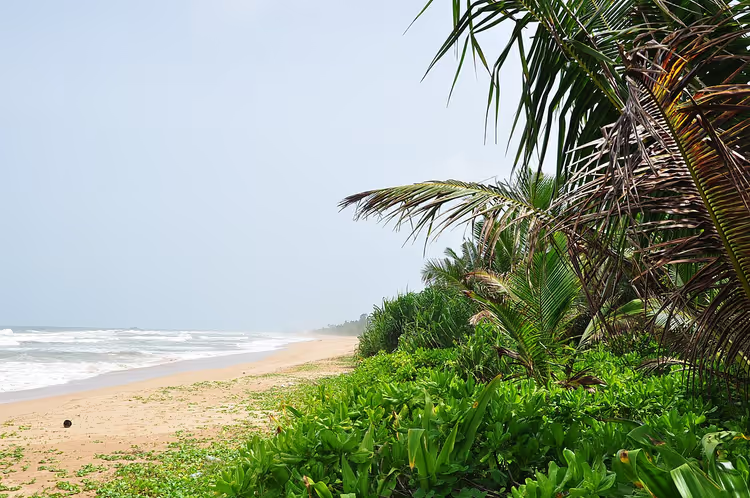 © Vincent van Zeijst · CC BY-SAPhoto: Vincent van Zeijst, CC BY-SA (https://creativecommons.org/licenses/by-sa/3.0), Wikimedia Commons
Bars and nightlife in Colombo
In Colombo, it is worth checking out The Blue Elephant club. Its bar is considered the best in the country, but getting in is not easy: sometimes you have to wait in line. For dancing, head to My Kind of Place, where they play modern music of various genres.
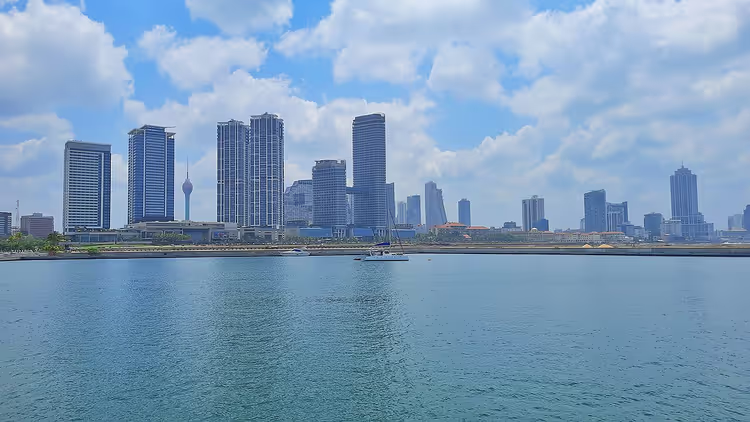
For good old jazz, choose Echelon Pub, where well-known musicians of the genre perform. Rock Cafe offers a wide selection of cocktails, a stylish disco, and an interior with a waterfall. For authentic Ceylonese cuisine, we recommend Curry Leaf: it is a great option to end the evening.
What to see: an island guide
Sightseeing usually starts with the Cultural Triangle, then continues down to the coast. That way you cover ancient cities, nature, and the ocean in one trip. Below are the main points worth including in your plan.
Sigiriya Rock
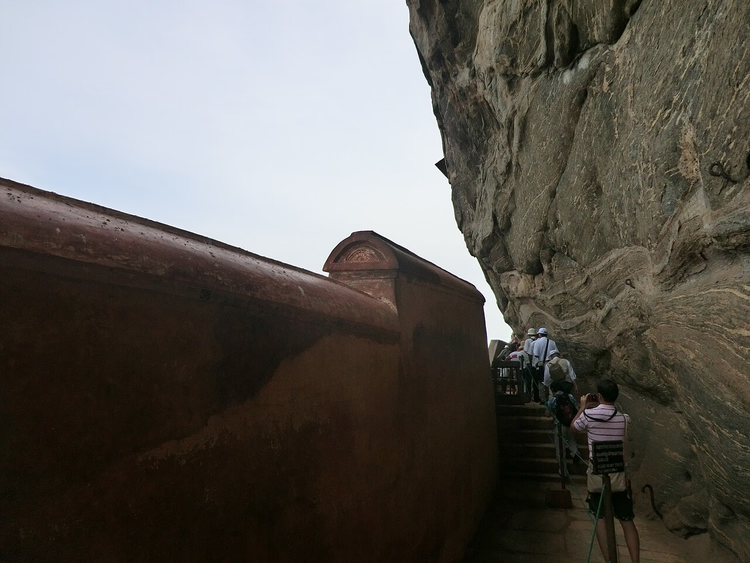
Sigiriya, a rock with a fortress on top, appears in every guidebook. The structure originally served for defense, and the fortress was decorated with eleven frescoes that survived thanks to a special coloring compound. Entry for foreigners is paid; check the price on the official website or at the ticket office.
 © Daibo Taku · CC BYPhoto: Daibo Taku, CC BY (https://creativecommons.org/licenses/by/3.0), Wikimedia Commons
Royal Botanical Gardens
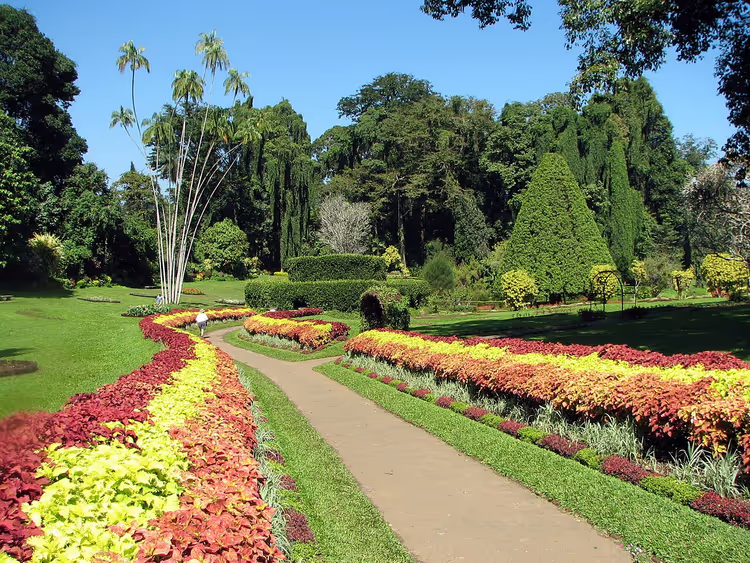
The Royal Botanical Gardens, covering about 70 hectares (according to the island's gardens and parks), deserves a separate visit. It houses a huge collection of plants from around the world, and many exhibits have their own story: for example, a tree planted by Yuri Gagarin.
 © Bernard Gagnon · CC BY-SAPhoto: Bernard Gagnon, CC BY-SA (https://creativecommons.org/licenses/by-sa/3.0), Wikimedia Commons
Turtle farms
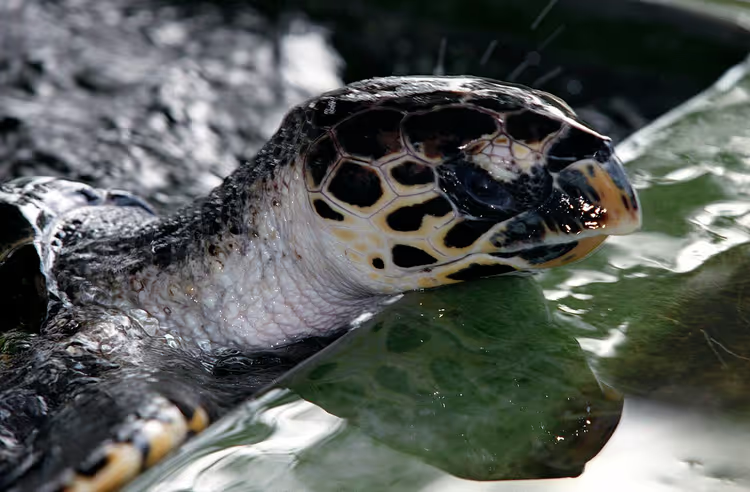
At the turtle farms in Kosgoda, you will see baby turtles hatching from eggs. The eggs are collected on the coast and protected from predators, and once the hatchlings are strong enough, they are released back into the ocean. It is a good way to support local conservation work.
 © Jerzy Strzelecki · CC BYPhoto: Jerzy Strzelecki, CC BY (https://creativecommons.org/licenses/by/3.0), Wikimedia Commons
Elephant orphanage
The state elephant orphanage leaves no one indifferent. Here they care for baby elephants left without parents and prepare them for life in the wild. Elephants play an important role in the country's culture and agriculture, and the attitude toward them here is special.
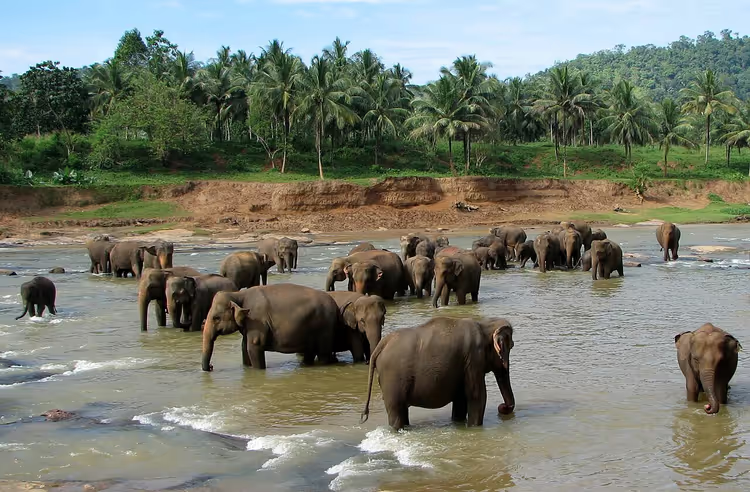 © Bernard Gagnon · CC BY-SAPhoto: Bernard Gagnon, CC BY-SA (https://creativecommons.org/licenses/by-sa/3.0), Wikimedia Commons
Temples of Anuradhapura
The highlight of the trip will be the temple complex of the sacred city of Anuradhapura. It preserves an ancient royal palace with an advanced irrigation system and seven reservoirs, as well as the oldest monastery and the second-largest Buddhist stupa. According to legend, this is where the sacred Bodhi tree, brought from India, grows.
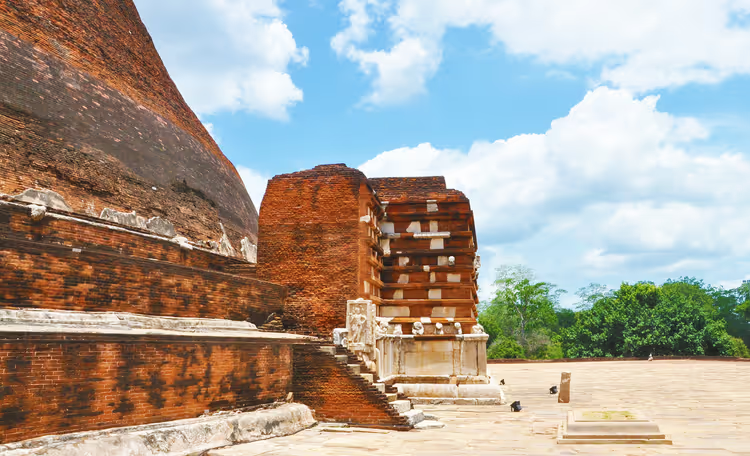 © Prof Ranga Sai · CC BYPhoto: Prof Ranga Sai, CC BY (https://creativecommons.org/licenses/by/4.0), Wikimedia Commons
Tours and tickets
Guided tours, skip-the-line tickets and activities — most offers can be cancelled free of charge.
See offers on GetYourGuideThe widget loads once you give your consent.
7-10 Day travel itinerary
If you want to see as much as possible in a short time, build your route like this: Cultural Triangle, Kandy, Nuwara Eliya, Bentota. This path covers ancient cities, mountains, and the beach.
In the Cultural Triangle, you will visit cave temples and see rock figures of impressive size. You can stay in one of the four- or five-star hotels. Be prepared that monkeys roam freely around the grounds of many hotels.
Day | Main focus | Book tickets in advance | Walking, km |
|---|---|---|---|
1-3 | Cultural Triangle, Sigiriya | Yes, for Sigiriya in the morning | 4-6 |
4 | Kandy, Temple of the Tooth | No | 2-3 |
5-6 | Nuwara Eliya, tea and Adam's Peak | Yes, Kandy train | 5-8 |
7-9 | Bentota, beach and water | No | 1-2 |
In Kandy, it is worth stopping for the Temple of the Tooth: the sarcophagus with the relic is shown to the public twice a day. On the way to Nuwara Eliya, visit the Botanical Gardens, and we covered the town itself above. At the end of the trip, spend a few days at a coastal hotel in Bentota to rest before the long flight home. For traveling around the island with stops, compare car rental options: cars here are usually hired with a driver.
⁉️🤔 Frequently asked questions
Do I need a visa for Sri Lanka?
An ETA electronic visa is required, and from May 25, 2026, it is free for 30 days for citizens of 40 countries, including the EU (as of 09/2026, electronic visa system). Apply for it online in advance, at least a few days before departure, and print out the confirmation.
When is the best time to go to Sri Lanka?
The choice depends on the coast. The southwest coast (Colombo, Bentota, Hikkaduwa) is comfortable from November to April, while the east coast and the Cultural Triangle are best visited from May to September. In the hills of Nuwara Eliya it is always cool, so bring warm clothes.
How many days do I need for the itinerary?
For the classic route covering the Cultural Triangle, Kandy, Nuwara Eliya, and Bentota, 7-10 days is enough. If you add the east coast or more beach days, plan for two weeks. Getting around the island takes time, so allow extra.
Is Sri Lanka suitable for traveling with children?
Yes. Unawatuna Beach is protected by a coral reef, so the water there is calm, which makes it convenient for swimming with children. For families, hotels in Bentota and Negombo with their own grounds, a pool, and a short transfer from Colombo Airport are a good fit.
What should I try in Sri Lanka?
First of all, Ceylon tea from Nuwara Eliya: local varieties have a distinctive taste thanks to the altitude and climate. Try dishes made from fresh fish and shrimp sold at the Negombo fish market, as well as traditional Ceylonese cuisine at restaurants in Colombo.
In short: what to book
If you are on a short trip, choose a hotel in Bentota or Negombo: close to the airport and the sea. If you want mountains and tea, book accommodation in Nuwara Eliya in advance, especially during the season. For a route with stops, book the Kandy train in advance and pick accommodation on Trip.com so you don't overpay in high season.

A small editorial team writing guides for independent travel. We travel ourselves, but we haven’t been everywhere, so we check prices, opening hours and how to get there against official sources.