
















What surprises in Belgium: chocolate, beer and unusual laws
Belgium is associated with chocolate, beer, and diamonds. Its capital is known for the EU and NATO headquarters. Behind its small area lies a country with a rich history and its own perspective on many things.
We have gathered verified facts about Belgium: history, records, and everyday details. Every figure is backed by a source, and we checked disputed legends separately to make things easier for you.
Belgium in facts and figures
💡 In short:
- The country is one of the founding members of the European Union, and Brussels is called the capital of the EU.
- Chocolate is made here, hundreds of beer varieties are brewed, and diamonds are processed for the whole world.
Belgium consists of three regions and three language communities. There are also three official languages: Dutch, French, and German. Signs and menus are often duplicated in two languages, so you won't have to guess (as of 09/2026, Belgium overview).
The main EU institutions and NATO headquarters operate in Brussels. That is why the city is called the informal capital of Europe. The center has many hotels and cafes for business travelers, and prices there are higher than in the provinces.
 © Trougnouf · CC BYPhoto: Trougnouf, CC BY (https://creativecommons.org/licenses/by/4.0), Wikimedia Commons
Pages of history
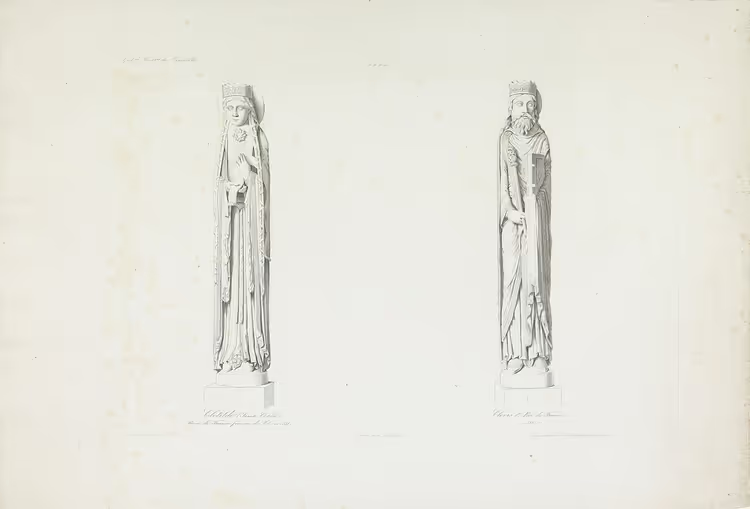
The country got its name from the Celtic tribe of the Belgae, who lived here long before the Romans. Later these lands became part of the Frankish kingdom, and in the 5th century they were ruled by Clovis I of the Merovingian dynasty (as of 09/2026, Clovis I).
Belgium can be called a country that was repeatedly handed over. In 1555, Emperor Charles V gave the Netherlands, including the future Belgium, to his son Philip II, the future king of Spain (as of 09/2026, Charles V). Thus the country remained under Spanish and then Austrian crown rule for a long time.
The turning point came in 1815. Near the village of Waterloo outside Brussels, Napoleon's army suffered its final defeat (as of 09/2026, Battle of Waterloo). The name spread around the world: there are Waterloos in Canada, the US, and Australia. Belgium gained independence in 1830, separating from the Netherlands (as of 09/2026, Belgian Revolution).
Records and unusual laws
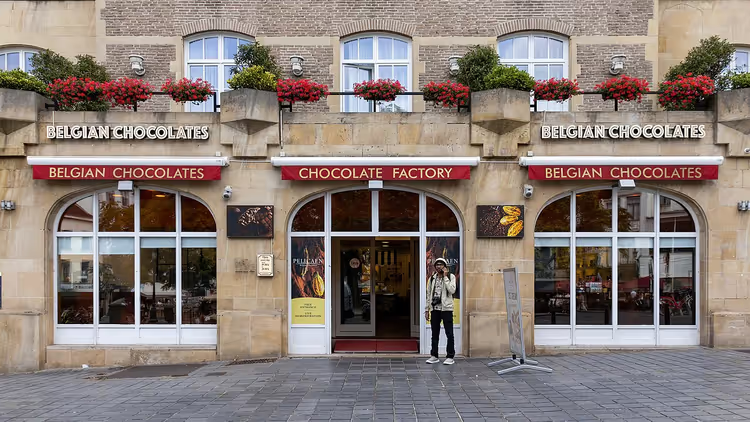
Belgium claims the title of a leading chocolate producer. According to industry publications, around 584,000 tons of chocolate and cocoa products are produced here annually, and most of it is exported (as of 09/2026, Brussels Times report). Fresh chocolate is sold in every neighborhood, so finding a gift will be easy.
 © iMahesh · CC BY-SAPhoto: iMahesh, CC BY-SA (https://creativecommons.org/licenses/by-sa/4.0), Wikimedia Commons
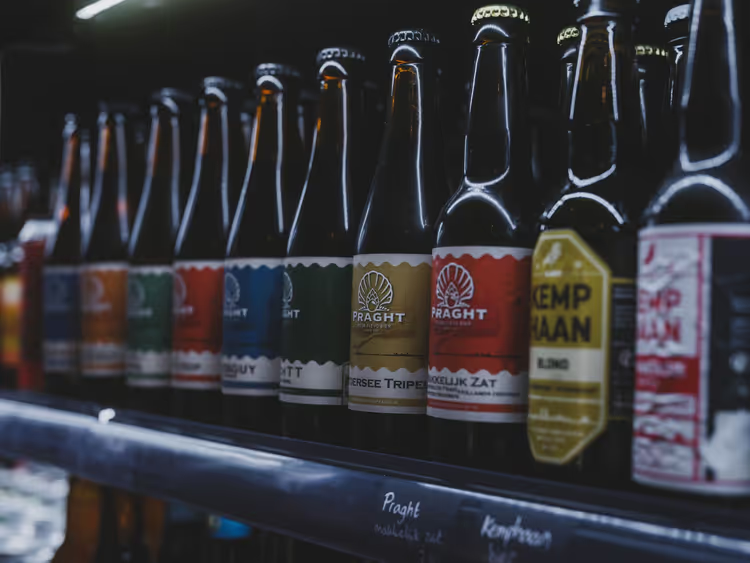
The country is also among the leaders in the beer race. In 2025, beer consumption here reached 6.2 million hectoliters, and the number of breweries dropped below 400 (as of 2025, brewers' annual report). Belgian varieties are still valued abroad, so exports go to dozens of countries.
The love of beer here is even formalized. In 1999, a beer academy opened in Herk-de-Stad, where beer sommeliers are trained. Each variety is poured into its own glass, and ordering sometimes looks like a small ceremony (as of 09/2026, Beer in Belgium).
Belgium was one of the first countries to legalize euthanasia. Since 2002, terminally ill adults can request voluntary departure, and the annual number of cases is in the thousands (as of 09/2026, Euthanasia in Belgium). The law describes the procedure and mandatory medical consultations in detail.
Records also extend to family law. Same-sex couples have been able to register marriage here since 2003, and forced marriages are explicitly prohibited and prosecuted by law (as of 09/2026, Same-sex marriage in Belgium).
There is a persistent legend about the roads. Supposedly the highways with their lights are visible from the Moon. Astronauts do not confirm this: from orbit, only large natural objects are visible to the naked eye. However, the illuminated highways in Belgium are among the most noticeable at night (as of 09/2026, Belgium).
Other interesting facts
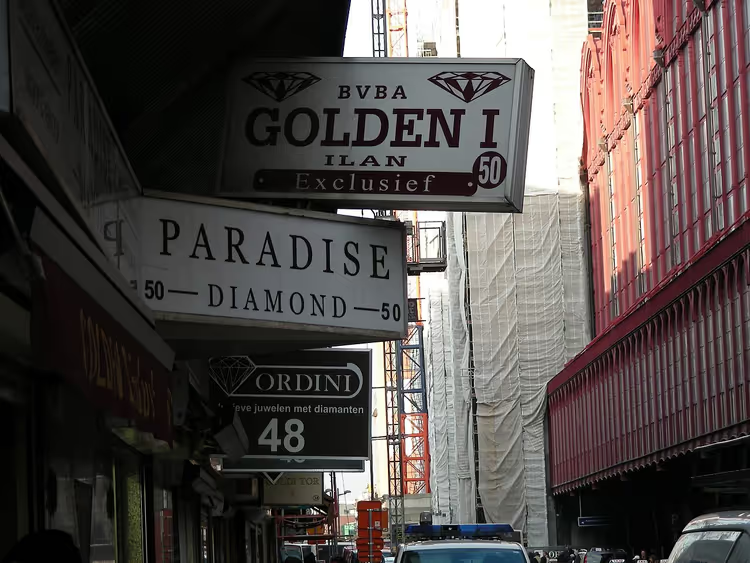
Antwerp has long been considered a global center for diamond trading and cutting. In the diamond quarter, raw materials are sorted, processed, and sold to jewelers around the world (as of 09/2026, Antwerp). You can stop by even without buying anything: the streets around Hoveniersstraat live by their own rules.
Almost every family has pets. It is hard to find a home without a cat or a dog. Belgium is among the European leaders in the number of pets.
Soft drugs are treated more leniently here than in neighboring countries. Possession of a small amount of cannabis by adults is not permitted, only tolerated. Police pursue such cases as a last priority, while sale remains prohibited.
 © Kristina D.C. Hoeppner · CC BY-SAPhoto: Kristina D.C. Hoeppner, CC BY-SA (https://creativecommons.org/licenses/by-sa/2.0), Wikimedia Commons
The main symbol of Brussels has a very large wardrobe. Some of the outfits of the Manneken Pis statue are kept in the GardeRobe MannekenPis museum on the same street (as of 09/2026, Manneken Pis).
⁉️🤔 Frequently asked questions
Why are there so many beer varieties in Belgium?
There are far more varieties than breweries because small breweries produce dozens of seasonal options. You will find popular varieties in any bar, while rare ones are worth looking for in specialty shops.
Is Belgium really the main chocolate producer?
By output volume, the country is among the world leaders. For a tourist, this is an advantage: fresh chocolate is sold everywhere and it is cheaper than at the airport.
Why is Brussels called the capital of the EU?
The city is home to the main institutions of the European Union and NATO headquarters (as of 09/2026, Brussels). Belgium was one of the six founding countries of the union. The EU has no official capital, but key decisions are made here, which is how the city earned its name.
How many costumes does Manneken Pis have?
About a thousand outfits, and the collection keeps growing. The statue is dressed for holidays and official visits. A copy has stood on the square since 1965; the original is kept in the city museum.
When is the best time to visit Belgium?
The most comfortable period is from May through September, when summer terraces are open and all museums are operating (as of 09/2026, Belgium). In other months it rains more often, but the lines are shorter. The weather here changes quickly, so an umbrella will come in handy on any trip.
If you prefer watching to reading, turn on the overview in English. The author covers the same topics in a few minutes: chocolate, beer, and Belgian laws.
In short: what to book
Belgium is compact, so a trip can realistically fit into a few days.
- If chocolate and beer matter to you: schedule tastings on weekdays; on weekends museums and cafes are packed.
- If history interests you: leave time for Waterloo, which is easy to reach by train.
- If this is your first visit: start with Brussels, from there it is easy to plan short day trips.
Check current prices and opening hours on the official websites of museums, hotels, and transport operators, and confirm train schedules in advance.

A small editorial team writing guides for independent travel. We travel ourselves, but we haven’t been everywhere, so we check prices, opening hours and how to get there against official sources.