
















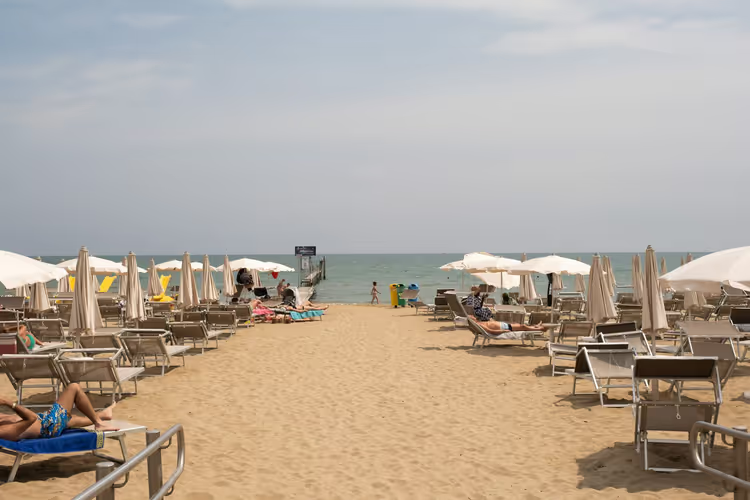
Holiday in Rimini: beaches, weather and a route through the old town
Rimini is often chosen for an affordable Adriatic vacation: sandy beaches here go hand in hand with a historic center. It is a city in the Emilia-Romagna region, not just a strip of beach by the sea.
The beach runs along the entire city, and you can walk from the sea to the old squares. Below we will go through, in order, when to go, where to swim, and what to see, so you understand what to realistically expect from the resort.
Ad: this article contains affiliate links, we earn a commission if you book through them, at no extra cost to you.
Rimini: the resort in short
💡 In short:
- Rimini suits those who want a sandy beach and an old town within walking distance.
- The season opens in May, peaks in July and August, and in September there are noticeably fewer people.
- Walking along the shore and swimming is free, while a lounger and umbrella in paid zones cost money.
- Park hours: 09/2026, verified on the official Italia in Miniatura website.
How to get to Rimini
The resort is easy to reach by train along the Adriatic coast or by plane with a connection in one of the major Italian hubs. The railway station is in the center, so you can walk from the train car to the beach.
Compare travel time and flights to Rimini in advance to choose the most convenient option. In summer, flights and trains fill up quickly, so book several weeks ahead.
Weather in Rimini: season from May to September
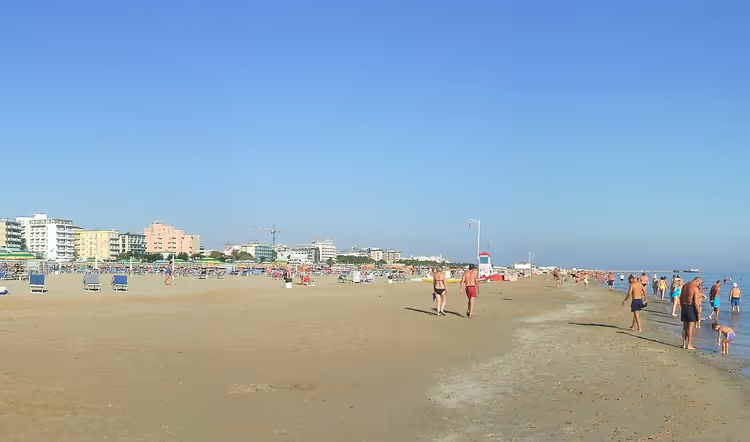
The main season on the coast starts in May and ends in September. The peak falls in July and August: the sea is warmest, but there are also the most people. In September the water is still comfortable, and lines at the beach and in cafes are shorter.
 © RiminiCity · CC BY-SAPhoto: RiminiCity, CC BY-SA (https://creativecommons.org/licenses/by-sa/3.0), Wikimedia Commons
In summer the weather is mostly sunny and hot, but short cyclones do occur on the Adriatic. They bring gusty wind, rain, and noticeable coolness. Take a light raincoat and at least one warm item: no one is immune to bad weather here.
The sea off the coast of Rimini
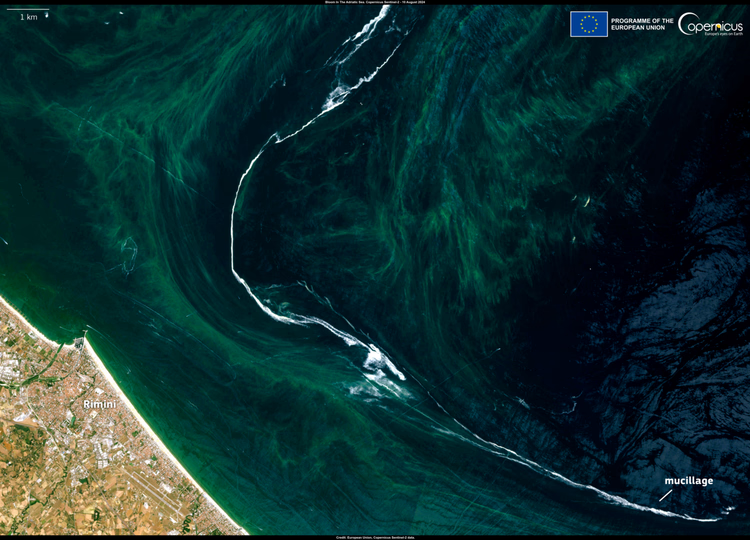
The Adriatic at Rimini is often liked less than the Croatian coast: the water here is greenish rather than turquoise. On the plus side, the sea is warm and calm, the bottom is sandy, and the entry into the water is gradual. Even in windy weather the water remains comfortable, but lifeguards prohibit swimming in a storm.
 © European Union, Copernicus Sentinel-2 imagery · CC BYPhoto: European Union, Copernicus Sentinel-2 imagery, CC BY, Wikimedia Commons
If you want fewer people, choose the morning or late afternoon. After lunch the central sections are noticeably crowded, and finding a free patch of sand is harder. Two to three hours at the sea is enough if you came for the city.
Beaches of Rimini and rules on the shore
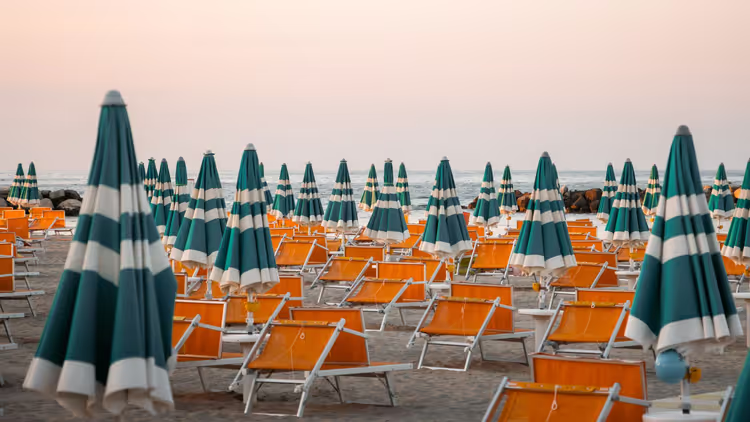
The sandy shore is divided into equipped zones with loungers, umbrellas, changing rooms, toilets, and cafes. Walking along the shore and swimming is free along the entire line. But lying on your own towel is allowed only in designated free zones: check their location with your hotel.
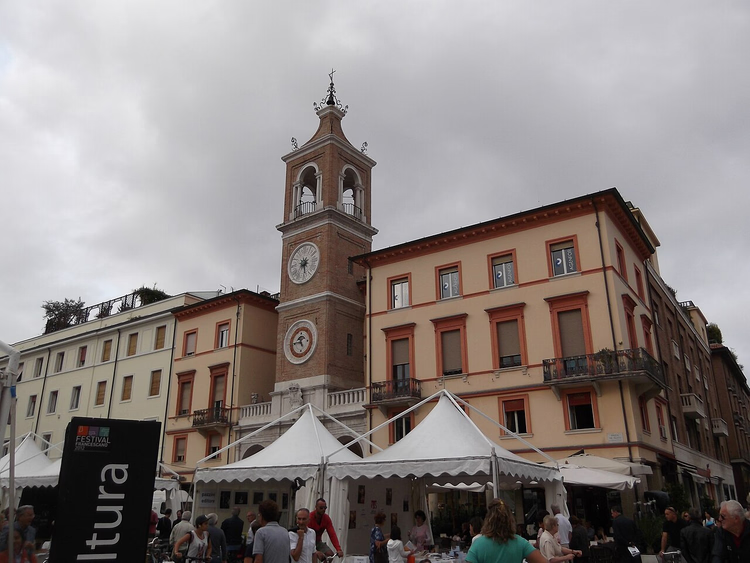 © karel291 · CC BYPhoto: karel291, CC BY (https://creativecommons.org/licenses/by/3.0), Wikimedia Commons
A lounger with an umbrella in a paid zone costs money: the rate depends on the row, the month, and the specific stabilimento balneare. Check the price list at the entrance to your beach, where the daily price is posted. First-line hotels often include a lounger and umbrella in the room rate, so check this in the rate description.
Sights of Rimini: a route through the center
The city center can be covered in a day, but it is more convenient to split the walk into two parts. We have put the main points into one route: from the ancient Roman bridge through the fishing district to the old squares and the port.
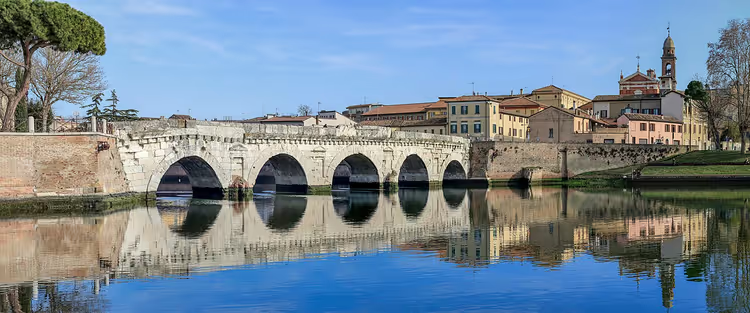 © Terragio67 · CC BY-SAPhoto: Terragio67, CC BY-SA (https://creativecommons.org/licenses/by-sa/4.0), Wikimedia Commons
The sights are close to each other, so you will not walk much. Bike rental is available at almost every hotel: the park is green and has a dedicated bike path, while riding through the center streets is inconvenient due to heavy traffic.
Bridge of Tiberius
 © Flying Russian · CC BY-SAPhoto: Flying Russian, CC BY-SA (https://creativecommons.org/licenses/by-sa/3.0), Wikimedia Commons
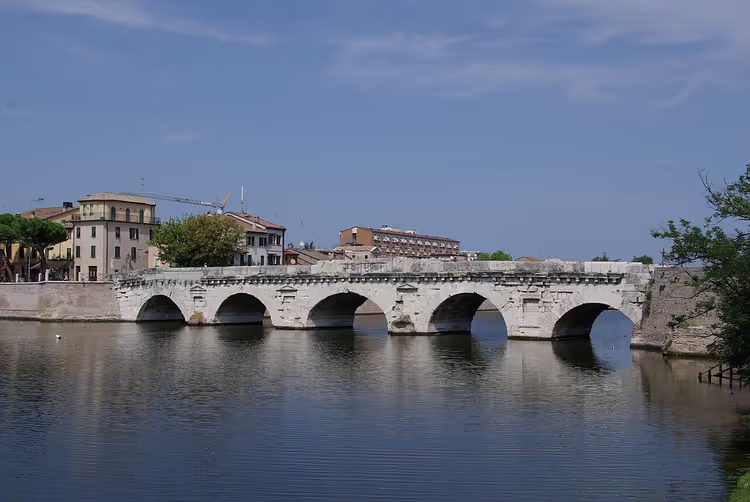
The Bridge of Tiberius spans the Marecchia River and is considered one of the oldest Roman bridges in Europe. Its construction began under Emperor Augustus and was completed under Tiberius. Pedestrians still walk across it today, and nearby you can go down to the water.
San Giuliano district
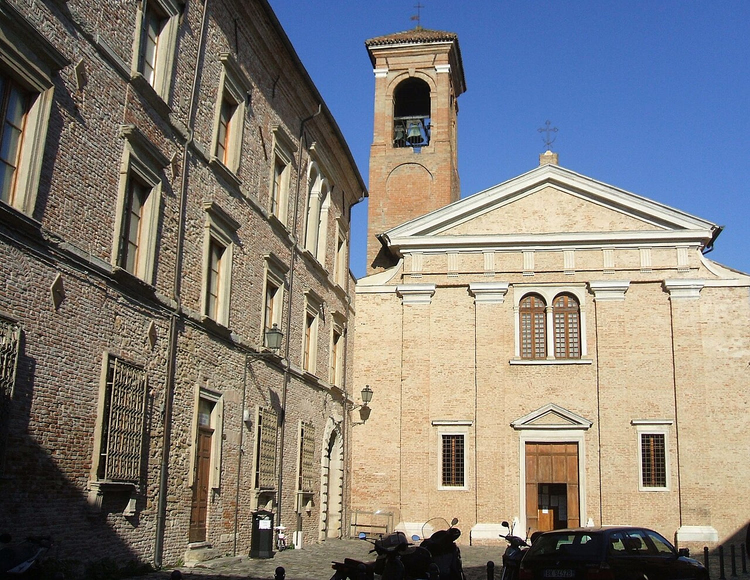
Beyond the bridge begins the fishing district of San Giuliano. Here you will find low brightly colored houses and narrow streets that are simply pleasant to wander. Come here in the first half of the day, before it gets hot and before the tourists arrive.
 © RiminiCity · CC BY-SAPhoto: RiminiCity, CC BY-SA (https://creativecommons.org/licenses/by-sa/3.0), Wikimedia Commons
Castel Sismondo and Piazza Cavour
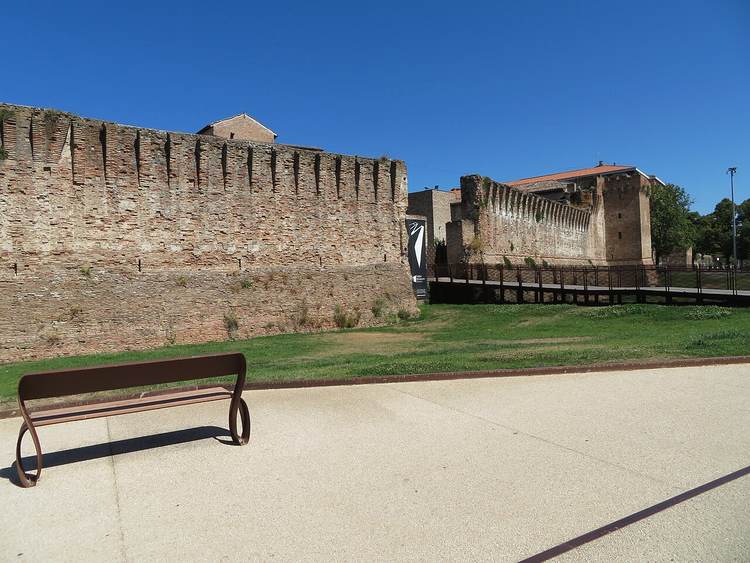
The Sismondo Castle, also known as Rocca Malatestiana, was built in the fifteenth century for the ruler Sigismondo Malatesta. Today the fortress hosts fairs and exhibitions, and the Federico Fellini Museum operates within its walls. Nearby lies the medieval Cavour Square with the town hall, the old fish market, and a marble fountain. You can fill your water bottle there, and Leonardo da Vinci once admired its beauty.
Archaeological complex and Domus del Chirurgo
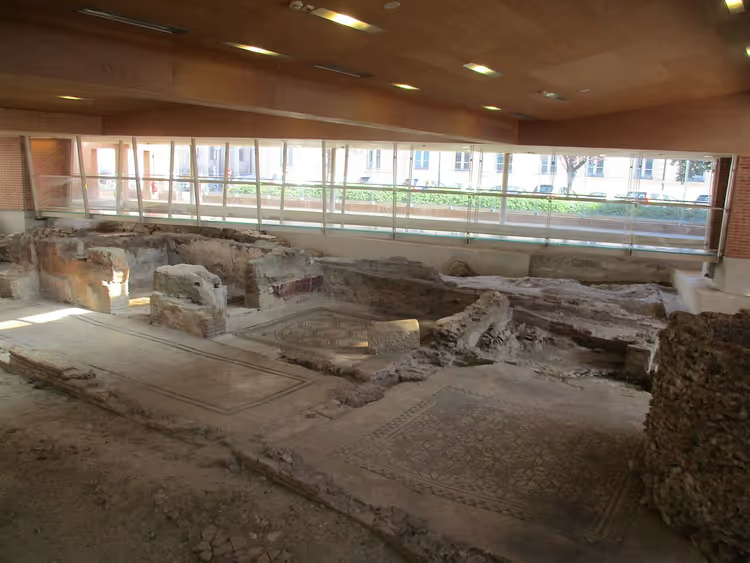
A few dozen meters from Cavour Square are the ruins of an ancient complex under a huge glass dome. Part of the old settlement has survived here along with everyday objects, and the finds are kept in the nearby Luigi Tonini City Museum. In the Domus del Chirurgo ("House of the Surgeon"), archaeologists found surgical instruments, vessels for medicines, and the savings of a military doctor.
 © Capvalerio85 · CC BY-SAPhoto: Capvalerio85, CC BY-SA (https://creativecommons.org/licenses/by-sa/4.0), Wikimedia Commons
Three Martyrs Square
 © Paperoastro · CC BY-SAPhoto: Paperoastro, CC BY-SA (https://creativecommons.org/licenses/by-sa/4.0), Wikimedia Commons
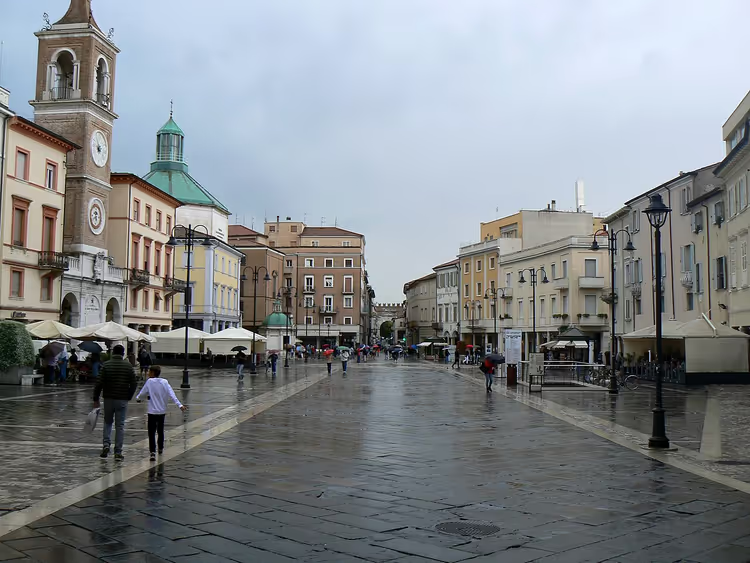
Three Martyrs Square stands on the site of the Roman forum. According to legend, this is where Caesar announced to his troops that they would cross the Rubicon. Today the square features a monument to the commander and a memorial column. After World War II, it was renamed in honor of local partisans.
Arch of Augustus
 © Il Malatestiano · CC BY-SAPhoto: Il Malatestiano, CC BY-SA (https://creativecommons.org/licenses/by-sa/4.0), Wikimedia Commons
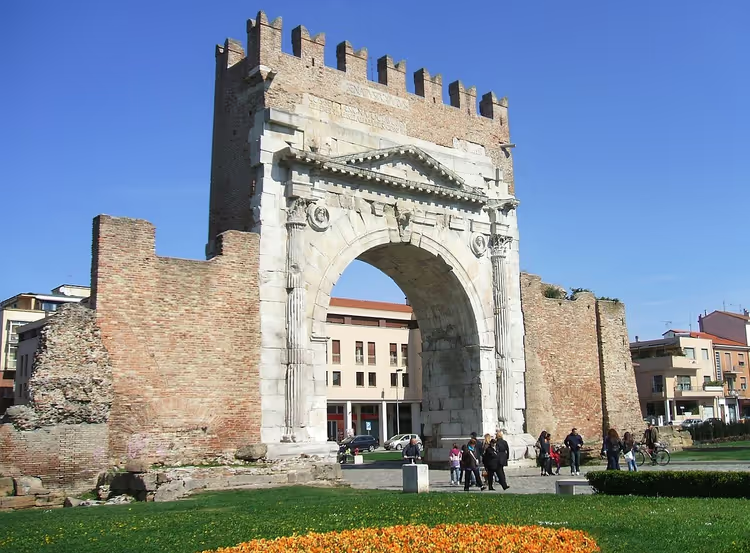
The Arch of Augustus is considered the oldest surviving Roman arch. It was built before our era and served as a city gate until the Middle Ages. In the tenth century, the arch had to be restored, which is when the battlements with arrow slits appeared.
Roman amphitheater and Federico Fellini Park
Only ruins remain of the Roman amphitheater, but a green park with a bike path leads to it. It is easier to walk through the park than along the streets.
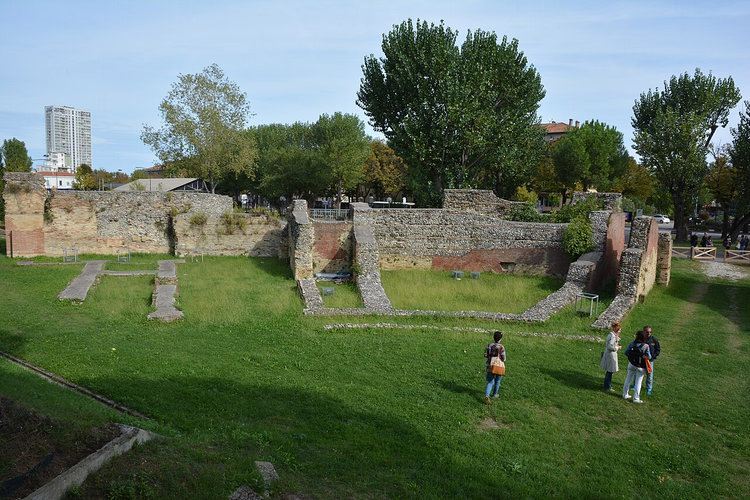 © Bacchi Rimini · CC BY-SAPhoto: Bacchi Rimini, CC BY-SA (https://creativecommons.org/licenses/by-sa/4.0), Wikimedia Commons
The park is named after Federico Fellini: the director was born in Rimini and stayed at the Grand Hotel Rimini. A huge sculpture of a movie camera stands here, and a fountain with four horses operates nearby. Stroll along the paths at a leisurely pace: this spot works well for a break between route stops.
Port of Rimini
The port at the mouth of the Marecchia River combines ferry docks, fishing boats, and yachts. Come here before sunset to see the harbor and walk along the waterfront. If you want to see the city with a guide, compare tours in Rimini on GetYourGuide.
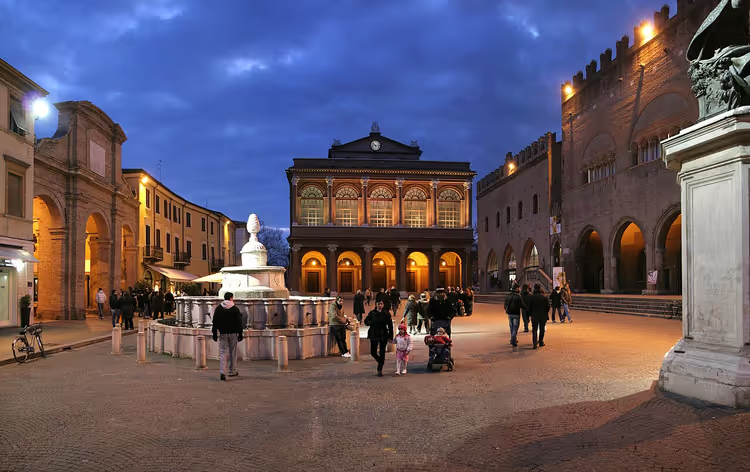 © Emilio Salvatori · CC BY-SAPhoto: Emilio Salvatori, CC BY-SA (https://creativecommons.org/licenses/by-sa/4.0), Wikimedia Commons
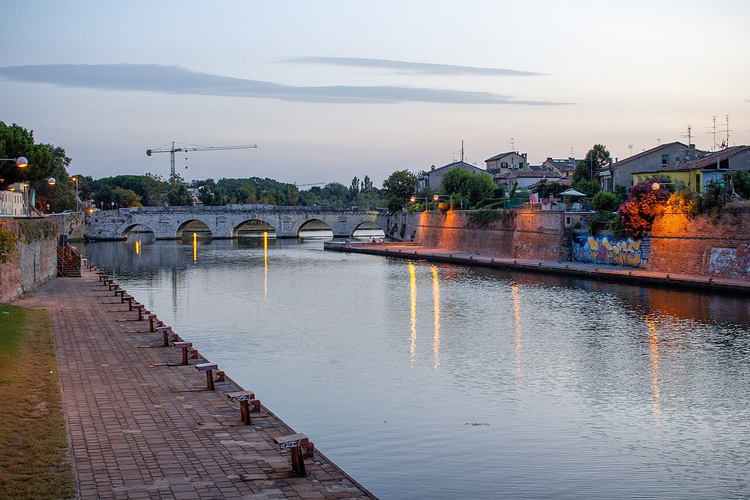
Rimini in the evening: the waterfront and lights
 © DILIN · CC BY-SAPhoto: DILIN, CC BY-SA (https://creativecommons.org/licenses/by-sa/4.0), Wikimedia Commons
In the evening, the waterfront becomes the center of nightlife. Restaurants, bars, and clubs stretch along the sea, and the lighting makes the walk especially pleasant. Take a ride on the Ferris wheel: from above you can see both the port and the whole city. Music and cuisine vary from place to place, so choose a spot based on reviews and arrive early while tables are still available.
Food in Rimini: piadina and regional cuisine
Local gastronomy revolves around piadina, a thin flatbread with ham and mozzarella. It is the main street food of the Emilia-Romagna region. For breakfast, hotels usually serve croissants and pies, pasta for lunch, and pizza for dinner. Fish and seafood are well prepared here, and it is easy to put together a light snack from local shops.
Rimini with kids: parks and water parks
Families with kids feel more at ease on the other side of the Marecchia: evenings there are quieter, beaches are set up for play, and the sea entry is gradual.
 © Ivan.Petrović.Poljak.001 · CC BY-SAPhoto: Ivan.Petrović.Poljak.001, CC BY-SA (https://creativecommons.org/licenses/by-sa/4.0), Wikimedia Commons
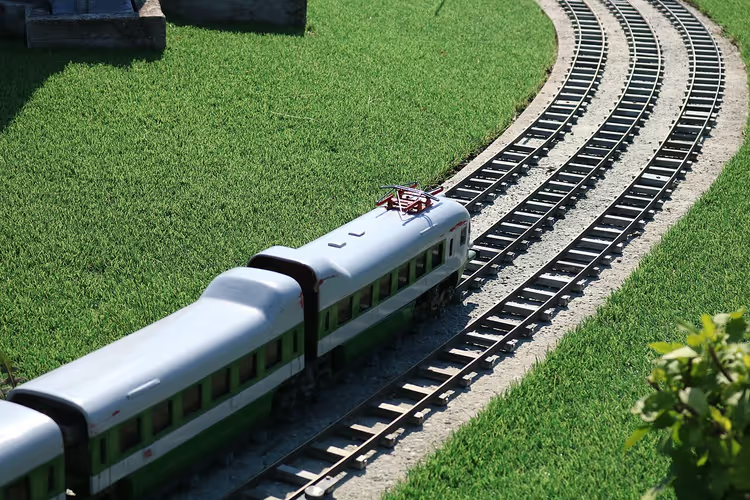
The main spot for kids: Italia in Miniatura park. It has more than 270 miniature replicas of Italian landmarks, plus you can take a boat ride through mini Venice and a train around the park (according to the official website).
Near the main promenade, Fiabilandia offers more than 30 rides, themed zones, a lake, and water slides (according to the official website). Nearby, in Riccione, you will find Aquafan water park, one of the first in Italy. Further down the coast, in Cattolica, stands Acquario di Cattolica, the country's second-largest marine mammal park. Its glass tanks are home to sharks, rays, jellyfish, penguins, and otters (according to the official website). Park hours vary by season: checked on 09/03/2026 on the official website.
It is convenient to book park and aquarium tickets online in advance: park and aquarium tickets on Tiqets. Rimini is also an easy half-day trip to San Marino: a separate country right next to the resort.
⁉️🤔 Frequently asked questions
Is Rimini good for budget travel?
Yes, it is one of the most affordable resorts on the Adriatic. Accommodation and food cost less than at many Italian destinations, and you can save on the beach by picking a free area and bringing your own towel. You only pay for a lounger and umbrella if you want the comfort.
When is the best time to visit Rimini?
The optimal window: late May through early September. September gives you comfortable water and fewer tourists, while short rain showers are possible in any month.
How warm and clean is the sea in Rimini?
The Adriatic water here is warm and calm, with a sandy bottom. It has a greenish tint, so if you are expecting turquoise, the resort may seem more modest than Croatia. Swimming in a storm is prohibited even when the water is warm.
Can you walk around central Rimini?
Yes, all the main sights are close to each other. Tiberius Bridge, Piazza Cavour, the Arch of Augustus, Federico Fellini Park, and the port are easy to link into one walk. One day is enough if you do not linger in museums.
What to do in Rimini with kids?
With kids, stay on the quiet side of the Marecchia and plan a day at the parks. Italia in Miniatura, Fiabilandia, Aquafan water park, and the aquarium in Cattolica cover almost every interest.
Tours and tickets in Rimini
Guided tours, skip-the-line tickets and activities — most offers can be cancelled free of charge.
See offers on KiwitaxiThe widget loads once you give your consent.
In short: what to book
For a relaxed family stay, choose hotels on the other side of the Marecchia. For nightlife, stay closer to the promenade, where the clubs and restaurants are. If you want to save, look for apartments with a kitchen: then you set the menu yourself.
Compare accommodation options in advance: Rimini hotels on Trip.com.

A small editorial team writing guides for independent travel. We travel ourselves, but we haven’t been everywhere, so we check prices, opening hours and how to get there against official sources.