

















What tourists pay fines for: unexpected laws in ten countries
In Venice, feeding pigeons is not allowed. The fine for it is higher than dinner in the city center.
There are many such unexpected rules around the world. Somewhere snowballs are banned, somewhere children's names, and somewhere even dying in the parliament building. Some of these rules are still in force, while others have long become urban legends.
What surprises tourists: a short list of bans
💡 In short:
- Pigeons in Venice, seashells on the lagoon beaches, and chewing gum in Singapore are punishable by fines.
- In Denmark, a child's name is chosen from an official list, and in Germany you cannot stop on the autobahn.
- The largest fine in this selection, up to 100,000 Singapore dollars, applies to chewing gum suppliers in Singapore.
- Rules and fines: 09/2026, verified on the official Venice website
We looked at ten countries where tourists most often get fined for minor actions. The amounts in the table were verified against official sources or left without figures if no confirmation was found.
Country | Ban | What you face | Source |
|---|---|---|---|
Italy | Feeding pigeons in St. Mark's Square | Fine from 25 to 500 € | |
Singapore | Import and sale of chewing gum | Up to 100,000 Singapore dollars | |
Denmark | Naming a child outside the official list | Application reviewed separately | |
Germany | Stopping on the autobahn except in exceptional cases | Fine | |
Saudi Arabia | Celebrating Valentine's Day | Ban stopped being enforced in 2018 |
Italy
In Italy, historic squares are watched more strictly than it seems. Feeding pigeons in St. Mark's Square is prohibited, and the fine ranges from 25 to 500 € (as of 09/2026, Venice city regulations). The birds damage marble and facades, so the city has been fighting feeding for decades. In Florence, pigeons are also not fed for the same reason.
On the beaches of the Venetian lagoon, collecting seashells and taking sand with you is prohibited. You will be issued an administrative fine for this. In the town of Eboli near Salerno, local rules prohibit kissing in a car in public. If you are caught, you will be fined.
 © Matthias Süßen · CC BY-SAPhoto: Matthias Süßen, CC BY-SA (https://creativecommons.org/licenses/by-sa/4.0), Wikimedia Commons
Singapore
Singapore is known for its strict rules, and chewing gum tops the list here. Importing and selling it is prohibited (as of 09/2026, NLB reference). An exception was made for medical gum: it is sold in pharmacies with a doctor's prescription. Gum discarded on the street carries a fine, and repeat offenders face court.
 © Dietmar Rabich · CC BY-SAPhoto: Dietmar Rabich, CC BY-SA (https://creativecommons.org/licenses/by-sa/4.0), Wikimedia Commons
The largest fines are reserved for suppliers. Importing a batch of chewing gum carries a fine of up to 100,000 Singapore dollars (as of 09/2026, gum import rules). An individual traveler does not face a fine of that size, but importing gum is also prohibited for tourists.
The second rule concerns public toilets. Flushing after yourself is mandatory, otherwise you face a fine. A repeat offense can end up in court, so check that the flush button works before you leave the stall.
France
In Paris, kissing at train stations was once banned. The rule was introduced in the early 20th century so that couples in love would not delay train departures. Today nobody enforces this provision. If you kiss on the platform, you will not be fined, but the story of the ban is still retold in guidebooks.
 © Clicsouris · CC BY-SAPhoto: Clicsouris, CC BY-SA (https://creativecommons.org/licenses/by-sa/3.0), Wikimedia Commons
United Kingdom
In England, restrictions often depend on the county. In Suffolk, feeding seagulls carries a fine because the birds damage beaches and steal food from cafe patrons. In London, cyclists are not allowed to ride on sidewalks, and this is also fined. Drivers are reminded of another rule: you cannot idle with the engine running for long periods.
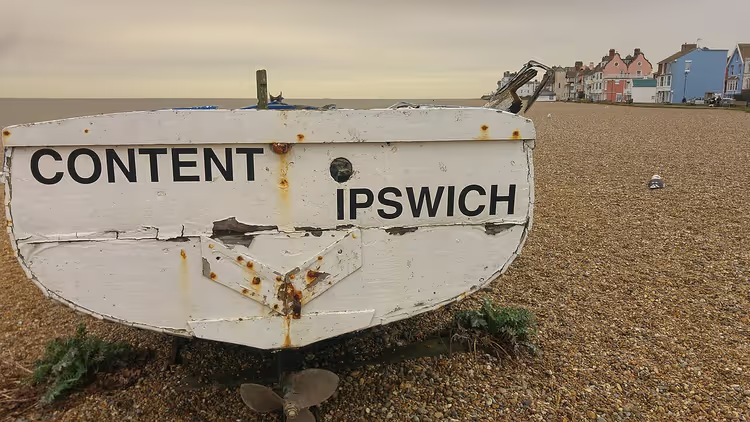 © Phil Champion · CC BY-SAPhoto: Phil Champion, CC BY-SA (https://creativecommons.org/licenses/by-sa/2.0), Wikimedia Commons
A separate story concerns Parliament. According to legend, dying in the Palace of Westminster is not allowed, because death in a royal residence supposedly entitled a person to a state funeral. The commission that repeals outdated laws does not confirm this rule (as of 09/2026, analysis by British lawyers). The story is linked to old rules about royal property. For a tourist, one conclusion matters: the rumor remains a rumor.
Belgium
In winter, tourists in Belgium play snowball fights, and it is not as harmless as it seems. Local rules equate a snowball with a thrown stone, so playing in public carries a fine. If a police officer spots you, the conversation will end with a citation. It is safer to build a snowman: there are no penalties for that.
 © Marc Ryckaert ( MJJR ) · CC BYPhoto: Marc Ryckaert ( MJJR ), CC BY (https://creativecommons.org/licenses/by/3.0), Wikimedia Commons
Denmark
In Denmark, parents cannot give a child just any name. Approved names are collected in two official lists, one for girls and one for boys, maintained by the Agency of Family Law (as of 09/2026, Denmark's name list). The lists contain tens of thousands of options, so the choice remains wide. If the desired name is not on the list, parents submit an application, and it is reviewed individually (as of 09/2026, registration rules). A rejection is possible if the name could harm the child.
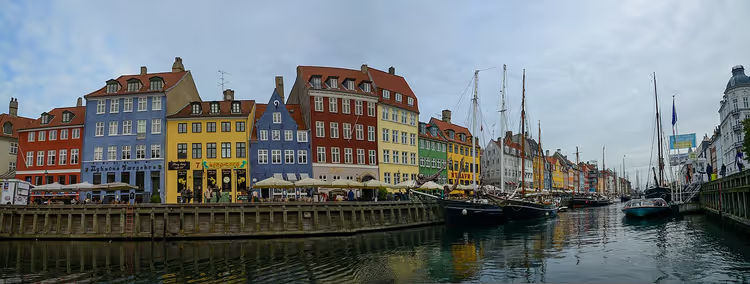 © Jorge Láscar from Melbourne, Australia · CC BYPhoto: Jorge Láscar from Melbourne, Australia, CC BY (https://creativecommons.org/licenses/by/2.0), Wikimedia Commons
Ireland
In Ireland, there is a tradition tied to the leap year. Once every four years, on leap day, a woman may propose to a man. According to legend, if he refused, he paid compensation, and a proposal could even come from a stranger. Today the tradition has become more of a running joke than a working norm, but the Irish bring it up every leap year.
 © William Murphy · CC BY-SAPhoto: William Murphy, CC BY-SA (https://creativecommons.org/licenses/by-sa/4.0), Wikimedia Commons
Germany
You cannot stop on German autobahns. Section 18 of the road traffic regulations permits stopping only in exceptional cases (as of 09/2026, rules summary for the autobahn). Running out of fuel is not considered such a case: the driver could have refueled in advance. Walking on the autobahn is also prohibited.
 © Steffen Mokosch · CC BY-SAPhoto: Steffen Mokosch, CC BY-SA (https://creativecommons.org/licenses/by-sa/3.0), Wikimedia Commons
If your car does break down, call roadside assistance and wait for help off the roadway. A breakdown does count as one of the exceptional cases under Section 18. This is exactly the kind of situation you do not want to find yourself in.
Saudi Arabia and Pakistan
Valentine's Day was banned in these countries for a long time. The reason was religious: the holiday was considered foreign to local tradition. In Saudi Arabia, shops were forbidden from selling flowers and gifts for the day, and storefronts were inspected. The ban stopped being enforced in 2018, and flower shops are operating again (as of 09/2026, Al Arabiya on the lifting of the ban). In Pakistan, the authorities also restricted celebrations. If you plan to mark the day, check the local rules in advance: they change.

Spain
On Mallorca, beach showers are allowed only for their intended purpose. If you decide to wash fruit or shoes there, you will be fined, and the amounts run into the hundreds of euros. The rule applies on many beaches on the island. Before you travel, check where the showers are working and where they have been turned off.
 © Rolf Heinrich, Köln · CC BYPhoto: Rolf Heinrich, Köln, CC BY (https://creativecommons.org/licenses/by/3.0), Wikimedia Commons
⁉️🤔 Frequently asked questions
What happens if you feed the pigeons in St. Mark's Square?
Feeding pigeons in Venice is prohibited by municipal regulations (as of: 09/2026, City of Venice website). Violators are fined, and the amount is determined by the inspector based on the circumstances. Photographers who offer feed to set up a shot are also operating outside the law.
Can you bring chewing gum into Singapore?
No, importing and selling chewing gum is prohibited (as of: 09/2026, official Singapore government information). Tourists are better off not bringing gum from home.
In which countries can't you give a child any name you want?
The most famous example is Denmark. There, parents choose a name from an official list maintained by the Agency of Family Law (as of: 09/2026, name registry).
Is it true that in Britain you can't die in Parliament?
That's more of an urban legend. There is no rule in British law that prohibits dying in the Palace of Westminster (as of: 09/2026, legal analysis of the myth).
Where do you get fined for stopping on the highway if you run out of gas?
On German autobahns. Running out of fuel is not considered an exceptional circumstance, because the driver could have refueled in advance.
In short: what to check before your trip
Strange bans rarely make it into guidebooks, but fines for them are issued regularly. Before your trip, check the rules on the official city or tourist office website: they change every year.
- If you are going to Venice, do not feed the pigeons and do not collect seashells.
- If you are going to Singapore, leave your chewing gum at home.
- If you are going to Denmark, check the list of approved names in advance.
- If you are driving in Germany, fill up before the autobahn.
Check local rules a couple of days before your flight. It is cheaper than any fine.

A small editorial team writing guides for independent travel. We travel ourselves, but we haven’t been everywhere, so we check prices, opening hours and how to get there against official sources.