
















Snorkeling in Sri Lanka: when to go and where the reef is near the beach
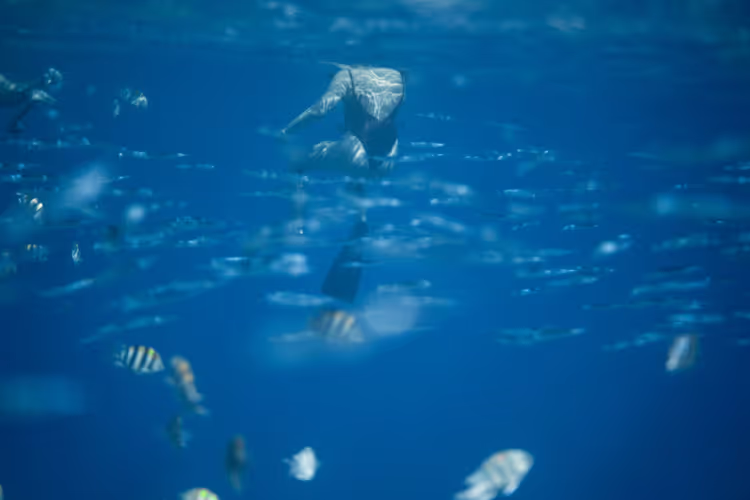
Snorkeling in Sri Lanka starts twenty meters from the shore. Coral gardens lie at a depth of about one meter, and a mask and snorkel are all you need. No diving or certifications required.
The island is governed by two monsoons: while the east coast is drenched with rain, the west coast sits under the sun, and vice versa. If you end up on the wrong side, instead of reefs you'll find murky water and waves.
Below are the seasons by coast, gear, and seven spots where the reef comes right up to the beach: Pigeon Island, Pottuvila, Kalpitiya, Hikkaduwa, Weligama, Kirinda, and Negombo.
Ad: this article contains affiliate links, we earn a commission if you book through them, at no extra cost to you.
When to go snorkeling
💡 In short:
- East and northeast (Trincomalee, Nilaveli, Pottuvila): May to October.
- West and south (Hikkaduwa, Weligama, Negombo, Kalpitiya): November to April.
- Swim in the morning, before 11:00: the wind is lighter and the water is clearer.
- Season and reef access: 09/2026, verified on the official DWC website.
There is no single rainy season in Sri Lanka. The island is divided by two monsoons: the southwest Yala monsoon covers the west and south from May to September, while the northeast Maha monsoon arrives on the east coast toward the end of the year (according to the monsoon overview). In practice, wet weather on one side coincides with dry weather on the other.
For snorkeling, the rule is simple. From May to October, your side is the east: Trincomalee, Nilaveli, Pottuvila. From November to April, you head to the west and south: Hikkaduwa, Weligama, Negombo, Kalpitiya.
Morning matters more than the month: in the early hours you can see the bottom without straining. In the afternoon on the west coast, waves often pick up and stir up the sand.
Snorkeling gear
The basic set is a mask, snorkel, and optionally short fins. In a calm lagoon near the shore, fins aren't necessary: distances are short, and you swim along the edge of the reef.
If you're visiting for just a couple of days, rent gear from the boatmen on the beach. A day's rental usually costs a few euros, and payment is accepted on the spot.
Check your mask before getting in the water: press it to your face without the strap. If it stays in place on its own, it's your size.
And most importantly: use reef-safe sunscreen. Regular sunscreen harms corals, and in shallow water you're directly above them.
What you'll see underwater
The reef off Sri Lanka starts right at the waterline. You'll see corals in bizarre shapes, sea sponges that breathe and change their outlines, mollusks, and schools of bright reef fish.
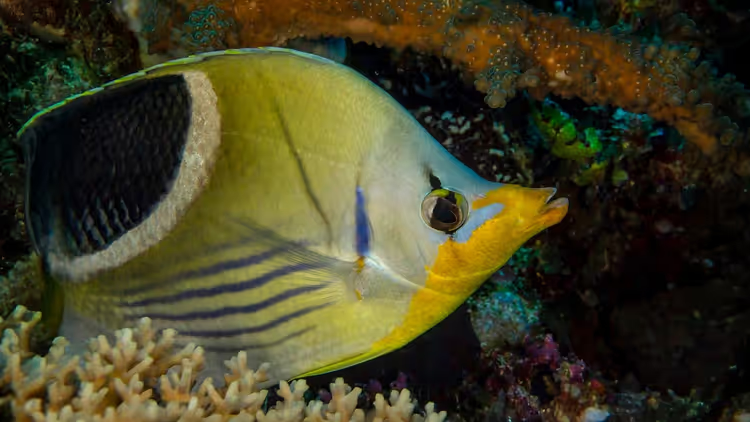
On the eastern reefs, sea turtles join the fish. They graze calmly in the shallows and barely react to people.
Pigeon Island near Trincomalee
Pigeon Island lies close to Nilaveli Beach, about a ten-minute boat ride. It's part of a national park protected by Sri Lanka's Department of Wildlife Conservation (official website). The island is ringed by coral reefs, and it offers the most accessible outing for a snorkeler.
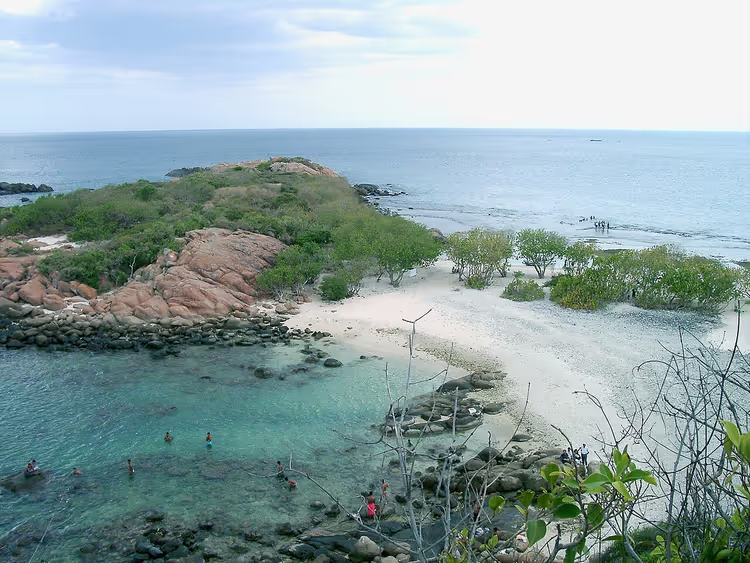 © Dschen Reinecke · CC BY-SAPhoto: Dschen Reinecke, CC BY-SA (http://creativecommons.org/licenses/by-sa/3.0/), Wikimedia Commons
The park ticket, boat, and gear are sold as one package (as of: 2026, snorkeling price list).
Choose a morning time: the sea is calm and visibility is best. From November to March, waves pick up in the east, and boats to the park may not run (according to a tourism resource).
- Who it's for: beginners and families; the depth at the reef is waist-high.
- How to get there: taxi or tuk-tuk to Nilaveli, then a boat from the beach.
- The catch: during the day there are many boats and people at the reef, so come with the first group.
Pottuvil and reefs with lighthouses
Pottuvil is located near Arugam Bay on the east coast. The dive sites here are marked by lighthouses, so even beginners can find the right spot. The Great Basses and Little Basses reefs are known for an underwater cave where rays, barracuda, tuna, and reef sharks gather.
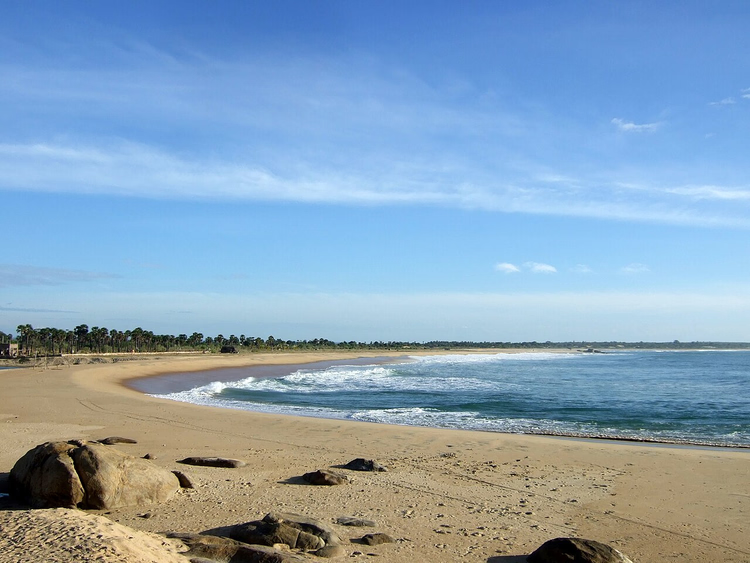 © Indi Samarajiva · CC BYPhoto: Indi Samarajiva, CC BY (https://creativecommons.org/licenses/by/2.0), Wikimedia Commons
The season here is the same as for the entire east coast: May to October. In winter, the waves make snorkeling pointless, and you simply waste a day.
- Who it's for: those who have already snorkeled and want to see large fish.
- Cost: gear rental and a boat; check prices with local operators.
- The catch: the infrastructure is basic, and there are few comfortable beach clubs.
Kalpitiya and Bar Reef
From Colombo to Kalpitiya takes more than two hours by car, but the drive is worth it. This is where Bar Reef lies, the country's largest reef system, covering over three hundred square kilometers (according to a dive club).
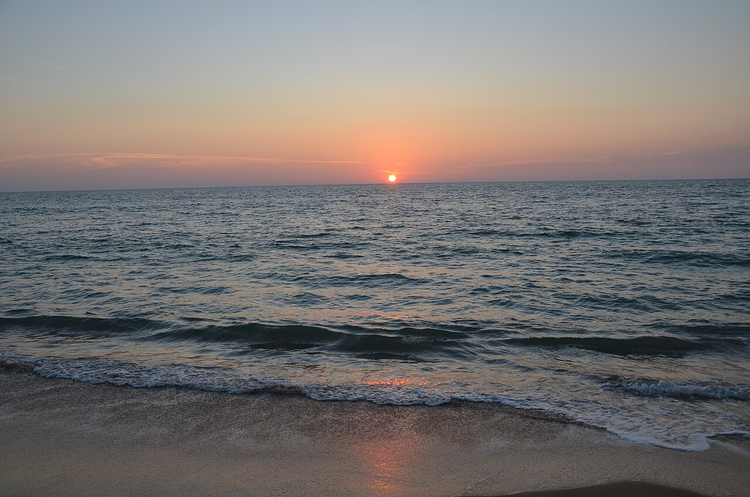 © Raiyans · CC BY-SAPhoto: Raiyans, CC BY-SA (https://creativecommons.org/licenses/by-sa/4.0), Wikimedia Commons
The reef stretches along the peninsula and is considered one of the most untouched in the Indian Ocean. Coral gardens, schools of fish, minimal boat traffic. The snorkeling season here runs from October to April (according to a local resort).
- Who it's for: those who value seclusion and are willing to make the trip.
- The catch: the logistics are lengthy, and it's inconvenient for a single day.
Hikkaduwa: reef and turtles
Hikkaduwa lies on the southwest coast: the coral sanctuary starts just a few meters from the shore. People come here for the turtles, which crawl onto the sand at dawn and dusk and are not afraid of people. It's about two hours from Colombo by train (according to a Hikkaduwa guide).
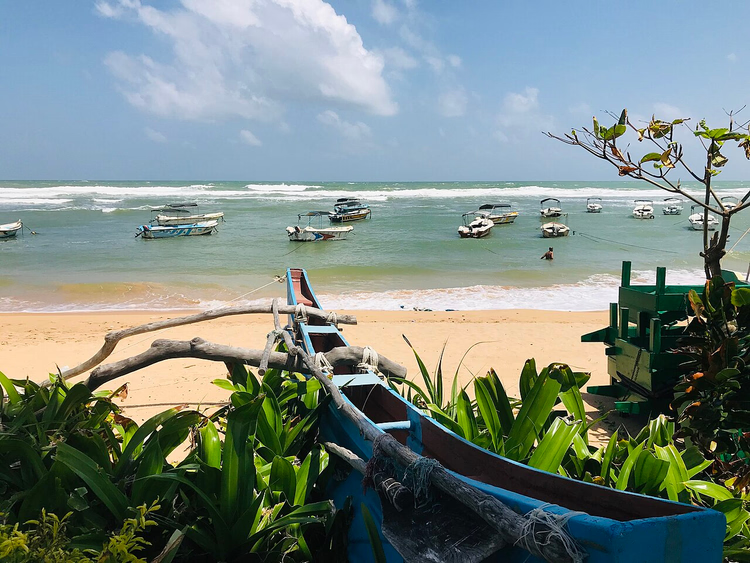 © Sendaru Perera · CC BY-SAPhoto: Sendaru Perera, CC BY-SA (https://creativecommons.org/licenses/by-sa/4.0), Wikimedia Commons
The best season here is November to April. In summer, the water gets murky, waves hit the reef, and snorkeling loses its appeal.
- Who it's for: families and beginners; the water entry is gradual.
- The catch: part of the reef is damaged; the most beautiful sections are near the sanctuary.
Weligama, Kirinda, and Negombo
Weligama is known for its pink rocks, where fish and turtles gather. Kirinda is a small village with a coastal dive center: from here you head out to the southern reefs. Negombo is popular in winter, with a calm lagoon and close proximity to the airport.
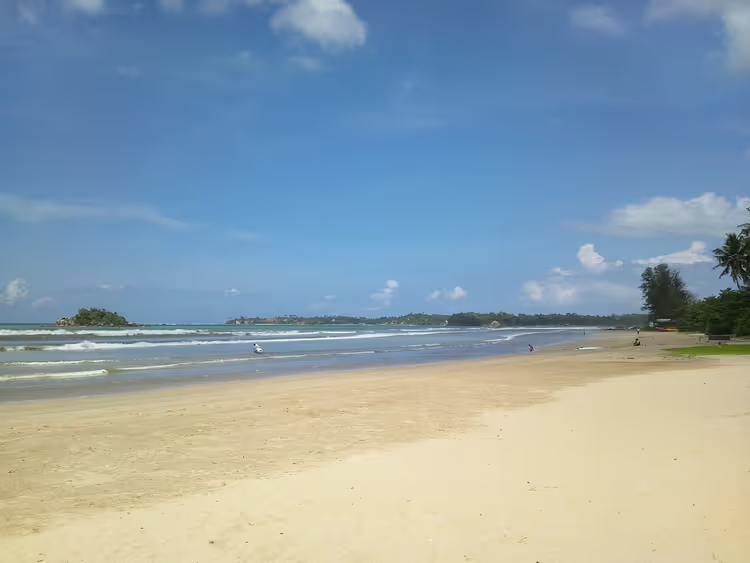 © Honeplus · CC BY-SAPhoto: Honeplus, CC BY-SA (https://creativecommons.org/licenses/by-sa/3.0), Wikimedia Commons
All three places operate in the November to April season. In other months, the water near the shore is murky, and you won't see the reef.
- Who it's for: those who want to combine snorkeling with a regular beach.
- The catch: in Negombo, the water near the shore is murkier than on the east coast.
⁉️🤔 Frequently asked questions
When is the best time for snorkeling in Sri Lanka?
Look at the coast. The east, meaning Trincomalee and Pottuvil, is good from May to October. The west and south, including Hikkaduwa, Weligama, and Negombo, work from November to April. In its own season, each side offers calm water and clear visibility all the way to the bottom.
Do I need my own gear?
No, all the beaches described have rentals: mask, snorkel, and fins. You pay on the spot, and the amounts are small. Bring your own mask only if you have poor eyesight or sensitive eyes. Rental masks cannot be fitted with prescription lenses, and that matters underwater.
Are sharks dangerous off the coast of Sri Lanka?
Blacktip reef sharks are found near the eastern reefs, and they are not dangerous to humans (according to the park guide). Keep your distance and don't feed the fish. The current and sharp corals are a far bigger concern than sharks.
How much does a trip to Pigeon Island cost?
An organized trip from Nilaveli costs about €48 per person (as of 09/2026, operator's price list). This includes the boat, entrance ticket, gear, and life jackets. Going on your own is cheaper, but you still buy the park ticket at the ticket office.
What should you not do on the reef?
Don't step on corals or touch them with your hands; they are living organisms and break easily. Use reef-safe sunscreen. Don't feed the fish and don't take anything from the reef, including empty shells. That way your kids will see the corals alive.
In short: what's worth booking
Snorkeling in Sri Lanka comes down to two decisions: the right side of the island and an early morning. Pick the coast based on the month, and the reef will show its best side.
- Want turtles and easy water entry: head to Hikkaduwa.
- Need the most accessible reef: book a trip to Pigeon Island.
- Looking for seclusion: plan for Kalpitiya.
Beachfront accommodation is best booked in advance: hotels on the coast of Sri Lanka on Trip.com.

A small editorial team writing guides for independent travel. We travel ourselves, but we haven’t been everywhere, so we check prices, opening hours and how to get there against official sources.