
















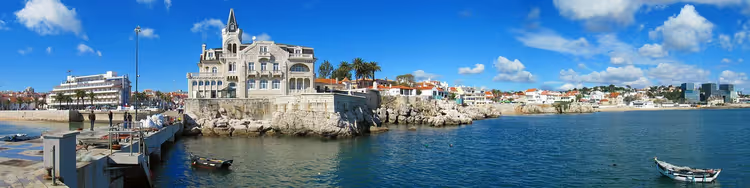
Souvenirs from Portugal: port wine, azulejo and cork instead of magnets
Portugal produces more cork than any other country in the world. And that is just one of its souvenirs.
You will not bring magnets home from Lisbon or Porto, but a bottle of port wine, a tin of sardines, and a blue-and-white tile. We have put together ten categories of gifts and will tell you where to find fair prices.
The short answer: go for port wine, canned fish, olive oil, azulejo tiles, skincare, filigree, cork, soccer and surfing gear, and a Barcelos rooster figurine. Shop in workshops and brand stores, not at the airport shop.
Ad: this article contains affiliate links. We earn a commission if you book through them, at no extra cost to you.
The essentials of Portuguese souvenirs
💡 In short:
- Bring home: port wine, olive oil, canned fish, azulejo tiles, cork, filigree, and cosmetics.
- Selection and prices: 09/2026, verified on VisitPortugal.
Portuguese souvenirs fall into three groups. Food and drinks weigh the most, so they belong in your suitcase. Decor and textiles take up space, but they do not spoil. Jewelry is light, but costs the most.
Different cities have their own souvenirs. In Aveiro striped items are popular, and in the mountains you will find sheep's cheese and presunto. From Lisbon people bring yellow trams. And do not forget the sweets: pastéis, ovos moles, and bola de berlim.
1. Port wine from the Douro Valley
Port wine was invented in Portugal. Winemakers fortified wine with spirit so it could survive the long sea journey without spoiling. That is how the fortified drink you recognize by its sweet taste was born.
Today you can buy a bottle of port in any supermarket, while rare varieties are found in the shops at the cellars of Vila Nova de Gaia. It is worth stopping there: they pour tastings.
Port styles differ by flavor.
- Ruby gives notes of berries and chocolate.
- Tawny ages longer in oak, so nuts and dried fruit come through.
- White can be not only sweet, but also off-dry.
- Vintage is made from the best years and aged for decades.
According to the IVDP classification, standard and special port go in ascending order of quality: Ruby, Reserve, LBV, and Vintage (as of 09/2026).
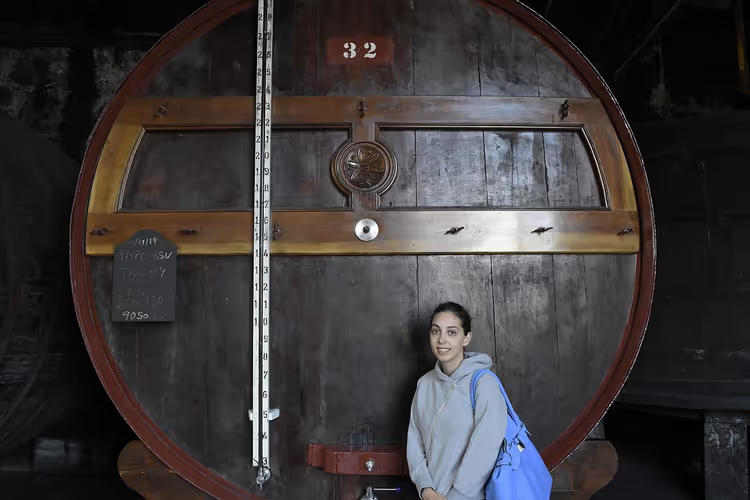 © Alberto Brandolini · CC BY-SAPhoto: Alberto Brandolini, CC BY-SA (https://creativecommons.org/licenses/by-sa/2.0), Wikimedia Commons
Popular brands: Taylor's, Sandeman, Caves Cálem, and Ferreira. A regular bottle costs about the same as a good table wine, while aged vintages are many times more expensive.
There are other drinks too. Young sparkling Vinho Verde goes down easily in summer, and the cherry liqueur Ginja is served in a chocolate cup.
2. Canned sardines
In Portugal, sardines are truly loved. In June the big catch begins, and a series of grilled fish festivals takes place across the country. You cannot take a grilled sardine on a plane, but you can pack a can with no problem.
In a regular supermarket a tin costs about as much as a cup of coffee, while gift sets from brand shops like Comur will cost noticeably more. They are painted with Portuguese cities and symbols.
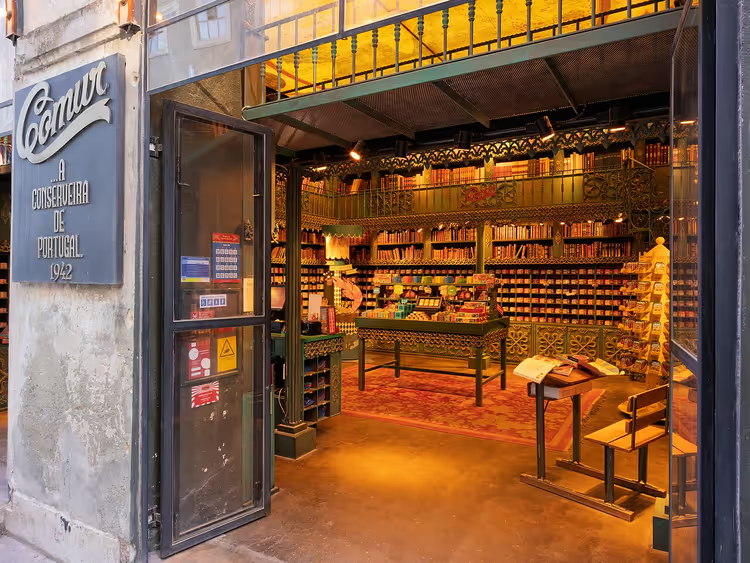 © Dale Cruse - 10M views from San Francisco, CA, USA · CC BYPhoto: Dale Cruse - 10M views from San Francisco, CA, USA, CC BY (https://creativecommons.org/licenses/by/4.0), Wikimedia Commons
The fish comes in olive oil, tomato sauce, or spicy. Take several different cans: that makes the gift look more interesting.
Quality tins are wrapped in kraft paper and tied with a ribbon. It is a ready-made gift: you open it, eat it, and keep the box.
3. Olive oil, azeite
The Portuguese call olive oil azeite. The oil is pressed from whole olives, much like juice from fruit.
A liter of oil in a store is inexpensive, but it is more interesting to get homemade oil at a mill. For a long trip, choose a dark glass bottle: oil spoils faster in light.
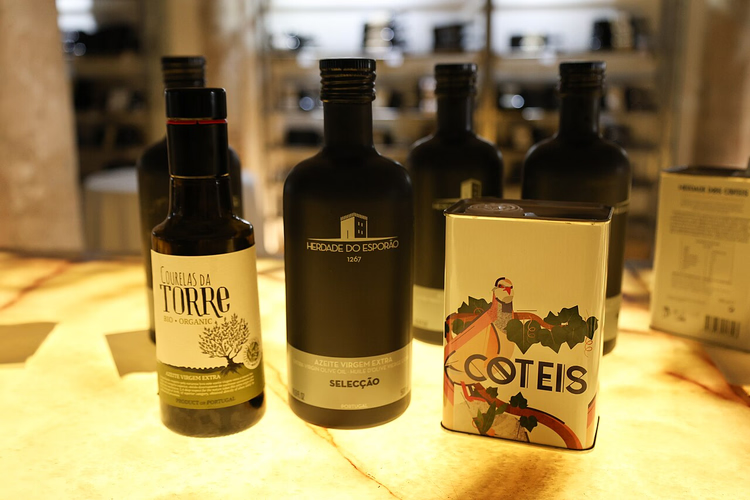 © flowcomm · CC BYPhoto: flowcomm, CC BY (https://creativecommons.org/licenses/by/2.0), Wikimedia Commons
4. Azulejo tiles
Azulejo tiles are recognized even by people who have never been to Portugal. Blue-and-white tiles cover the facades of houses, train stations, and churches.
Tiles used to be made only to order, and then industrial production appeared. Hand-painted work is still valued. Newlyweds order tiles with their names and wedding date and give them to their parents.
You can buy azulejo tiles in ceramic workshops and souvenir shops. Tiles are made into trivets, cutting boards, and trays.
 © Dr. Thomas Liptak · CC BY-SAPhoto: Dr. Thomas Liptak, CC BY-SA (https://creativecommons.org/licenses/by-sa/4.0), Wikimedia Commons
A plain tile costs a few euros, hand-painted ones cost more. Small tiles even show up in jewelry, and azulejo motifs are printed on fabrics and packaging.
5. Skincare products
Natural cosmetics in Portugal are made according to old recipes. These products don't last long, but they work gently.
Look for the brands O Boticário, Claus Porto, Ach Brito, Castelbel, and Confiança. Stop by a pharmacy and ask for local natural cosmetics: the pharmacist will suggest what to buy as a gift.
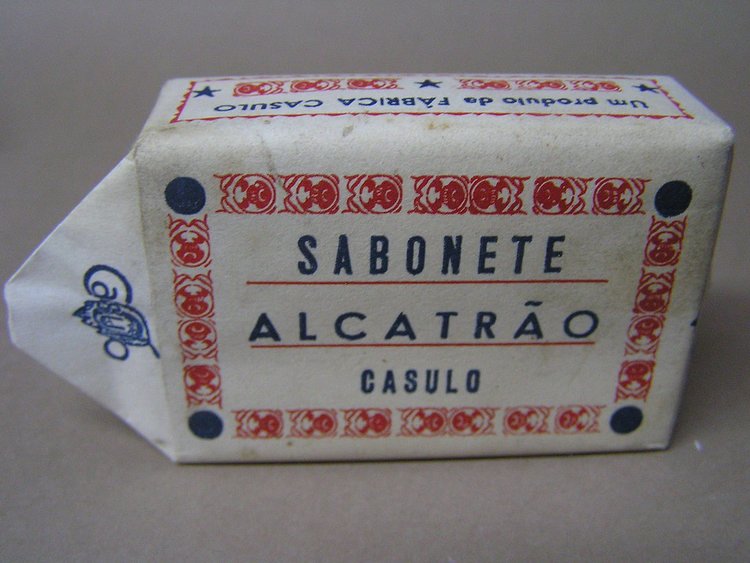 © renato martins 938 · CC BYPhoto: renato martins 938, CC BY (https://creativecommons.org/licenses/by/2.0/), Flickr
Sea salt is another thing people bring back from the Atlantic. It's used to make bath bombs and body scrubs.
6. Filigree jewelry
Portuguese gold hallmarks differ from what you're used to, so check the stamp in the store. Buy jewelry only in brand-name shops on central streets and in malls.
Filigree is especially prized: earrings, pendants, and brooches woven from the finest gold threads. The "Heart of Viana" (Coração de Viana) symbol is popular, representing the flame of love.
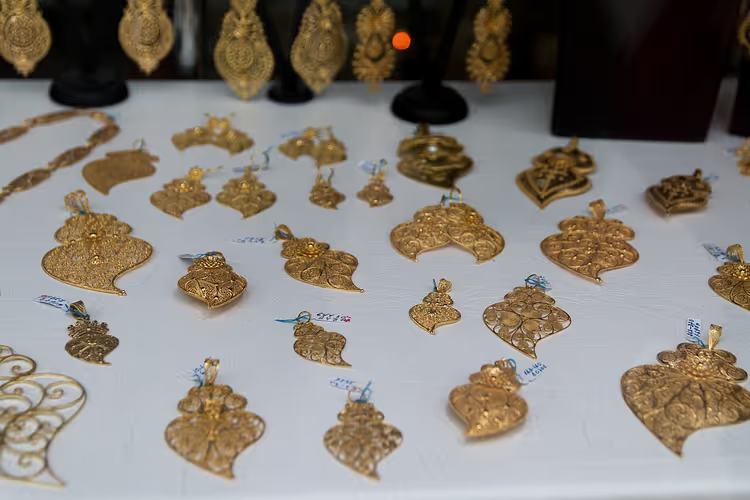 © Daniel VILLAFRUELA . · CC BY-SAPhoto: Daniel VILLAFRUELA ., CC BY-SA (https://creativecommons.org/licenses/by-sa/3.0), Wikimedia Commons
Gold filigree is expensive. If your budget is modest, go for silver or filigree-style costume jewelry.
7. Cork products
Cork items won't surprise you, but buying them in Portugal makes perfect sense.
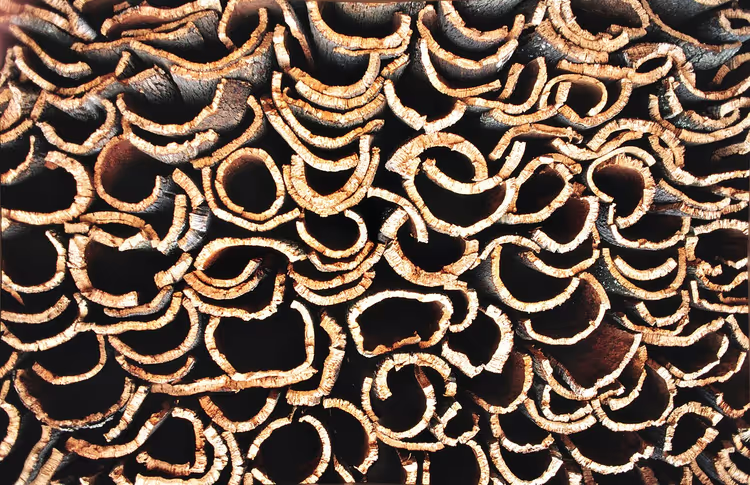 © pedrik · CC BYPhoto: pedrik, CC BY (https://creativecommons.org/licenses/by/2.0), Wikimedia Commons
Cork is used to make bags, wallets, umbrellas, shoes, and fabrics. The material is lightweight, water-resistant, and barely wrinkles in a suitcase.
8. Soccer souvenirs
The Portuguese live and breathe soccer. Even a small town has a pitch and a soccer-themed bar.
In souvenir shops you'll see small items with the emblems of Porto, Benfica, and Sporting. Club stores carry items autographed by famous players.
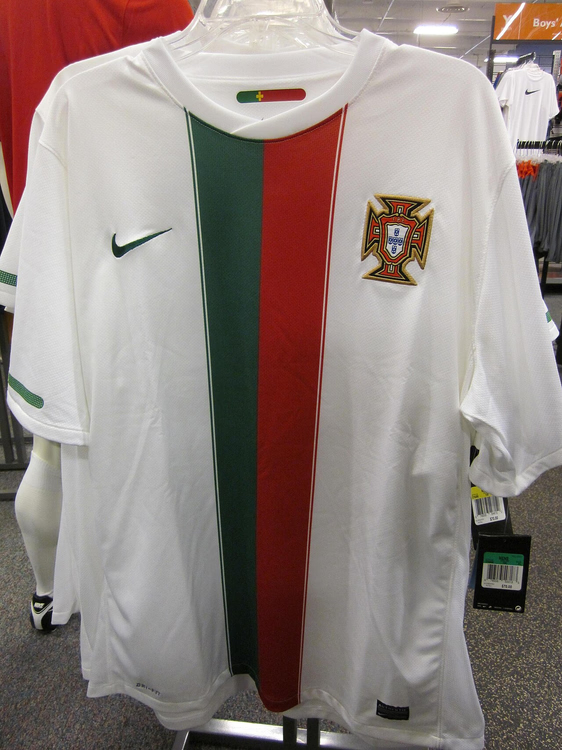 © BrokenSphere · CC BY-SAPhoto: BrokenSphere, CC BY-SA (https://creativecommons.org/licenses/by-sa/3.0), Wikimedia Commons
Prices vary: from a keychain for a couple of euros to a collectible jersey for hundreds. If you're buying a gift for a fan, check which club they support: there are three big ones here.
9. Surf gear
Portugal is one of the best places in Europe for surfing. We wrote in detail about the best surfing spots in Portugal.
The coast has plenty of surf camps and shops. Quality clothing, swimwear, gear, and home decor also make great gifts. If you want to catch a wave, book surf lessons on GetYourGuide.
 © Joseolgon · CC BYPhoto: Joseolgon, CC BY (https://creativecommons.org/licenses/by/4.0), Wikimedia Commons
10. Barcelos roosters
The Barcelos rooster (Galo de Barcelos) has become the country's main symbol. You'll see its bright figurine in every souvenir row.
According to legend, a pilgrim who stayed overnight in the town of Barcelos was accused of a crime. He told the judge: if he was telling the truth, the roasted rooster on the table would crow. The rooster crowed, and the pilgrim was set free. Since then, the figurine has stood for justice and mercy.
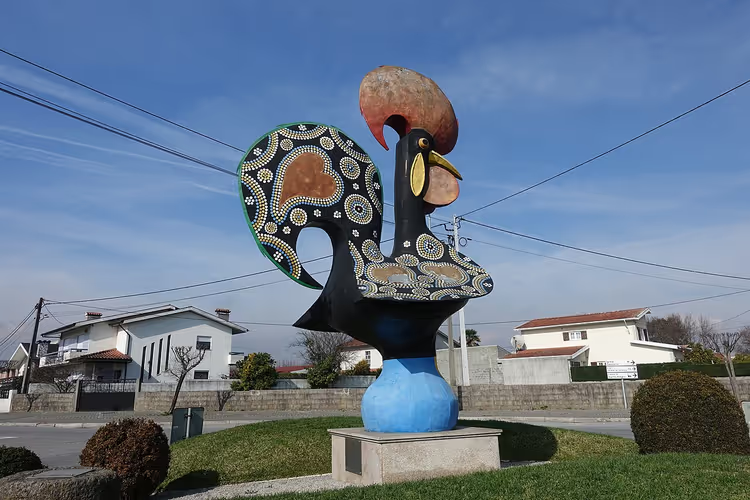 © Joseolgon · CC BY-SAPhoto: Joseolgon, CC BY-SA (https://creativecommons.org/licenses/by-sa/4.0), Wikimedia Commons
If you don't need a figurine, get kitchen textiles or tableware with the rooster. A tablecloth with roosters also makes a nice gift.
For an overnight stay in the north, it's convenient to book a hotel in Porto on Trip.com.
⁉️🤔 Frequently asked questions
How much money should I budget for souvenirs?
Portugal offers options for every wallet. A soccer keychain costs a couple of euros, a simple azulejo tile costs a few euros. A collectible club jersey will set you back hundreds of euros. Filigree and aged port wine also cost noticeably more. Set aside a budget in advance and don't buy everything on the last day.
Can I take port wine in my carry-on?
Liquids in carry-on luggage are limited by volume, so it's better to check the bottle in your baggage. Wrap the glass in clothing and place it in a sturdy box. In Portugal, wine is often sold in travel packaging that survives the flight. That way the bottle arrives intact.
Where should I buy azulejo tiles and filigree?
Look for azulejo tiles in ceramic workshops, markets, and souvenir shops. Buy filigree only from branded jewelry stores and ask for the hallmark. On the streets and in underpasses there are many fakes passed off as handmade. The price difference here is almost always justified.
Which souvenirs are lightweight and don't take up space?
Azulejo tiles, cork, textiles, and cosmetics weigh almost nothing. Tiles and coasters are easy to carry in hand luggage if you wrap them in clothing. Leave heavy purchases, wine, oil, and canned goods in your checked baggage. That way you won't overpay for weight.
What should I give on a small budget?
Go for a sardine set and olive oil: they're inexpensive and look presentable. Soap, cosmetics, dark port varieties, and striped textiles also work well. These are gifts people actually use rather than leave gathering dust on a shelf.
In short: what's worth booking
If you're traveling to Portugal for shopping, plan your route in advance. That way souvenirs won't eat up your last day.
- Short on time: stay in central Lisbon and walk between shops.
- Want to head north for cork and azulejo tiles: check Lisbon to Porto train tickets.
- Combining shopping with sightseeing: compare insurance options.

A small editorial team writing guides for independent travel. We travel ourselves, but we haven’t been everywhere, so we check prices, opening hours and how to get there against official sources.