
















What to bring from Brazil: 12 souvenirs and gifts
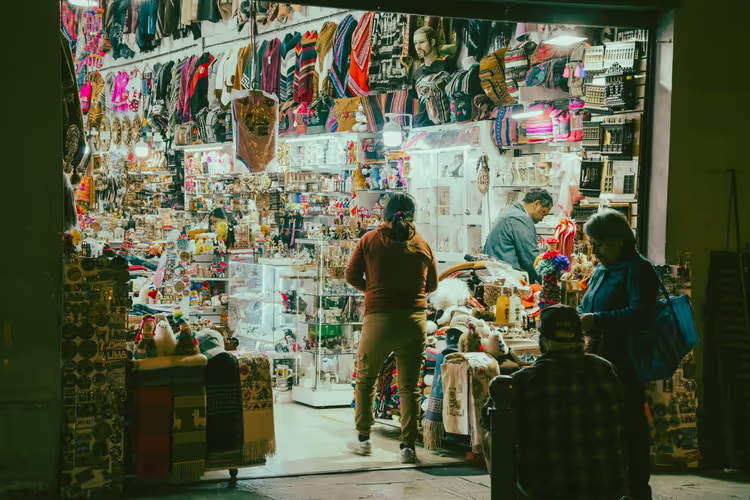
The Brazilian market greets you with the smell of coffee and ripe fruit. From a trip like this, you want to bring home not a dusty magnet, but something the country lives with every day. Some of these gifts fall under strict import rules: fresh plant products are not allowed into Europe in luggage (verified on the European Commission page, 09/2026). Below are twelve ideas, from coffee to a carnival mask. For each one, you'll find where to buy it, what the catches are, and what to check before your flight. Take this list with you on your first shopping trip.
What to bring from Brazil
💡 In short:
- Buy food and drinks in supermarkets and markets: the same packages cost noticeably more at the airport.
- Check alcohol, oils, and other liquids in your luggage; they won't be allowed in carry-on.
- Buy souvenirs on the first day of your trip so you have time for replacements.
- Fresh fruit and plants cannot be brought into the EU, but coffee and dried fruit in factory packaging are allowed (verified on the European Commission website, 09/2026).
1. Whole bean and ground coffee
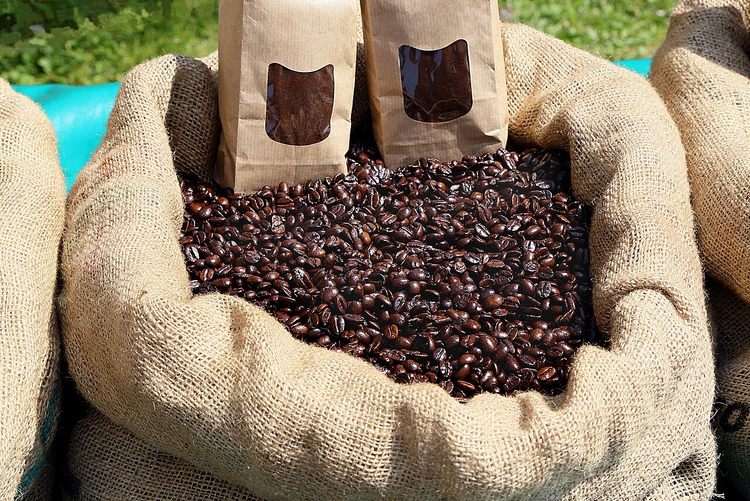
Brazil has long been one of the world's largest coffee producers, and here people drink it strong and sweet. In any supermarket you'll find bags of whole bean and ground coffee at prices lower than in Europe. Good roasts are sold not only in coffee shops: look for shelves marked "especial" or "gourmet." For a gift, go with whole beans, they hold their aroma longer. If you don't have a grinder at home, ask to have the bag ground right in the store.
 © Jamain · CC BY-SAPhoto: Jamain, CC BY-SA (https://creativecommons.org/licenses/by-sa/4.0), Wikimedia Commons
- Where to buy: Pão de Açúcar and Carrefour supermarkets, city markets.
- The catch: ground coffee loses its aroma within a couple of weeks, so whole beans are the better gift.
2. Espresso cup with Brazilian cities
Coffee is often paired with an espresso cup. They're printed with city views, state flags, and carnival scenes. A set like this makes a ready-made gift: a bag of beans plus a cup with a local design. Cups are sold in souvenir shops, markets, and housewares sections. Wrap ceramics in clothing, otherwise they'll arrive broken.
- Where to buy: souvenir shops, markets, housewares sections in supermarkets.
- The catch: ceramics break in transit, so you need soft packaging.
3. Cachaça and a caipirinha kit
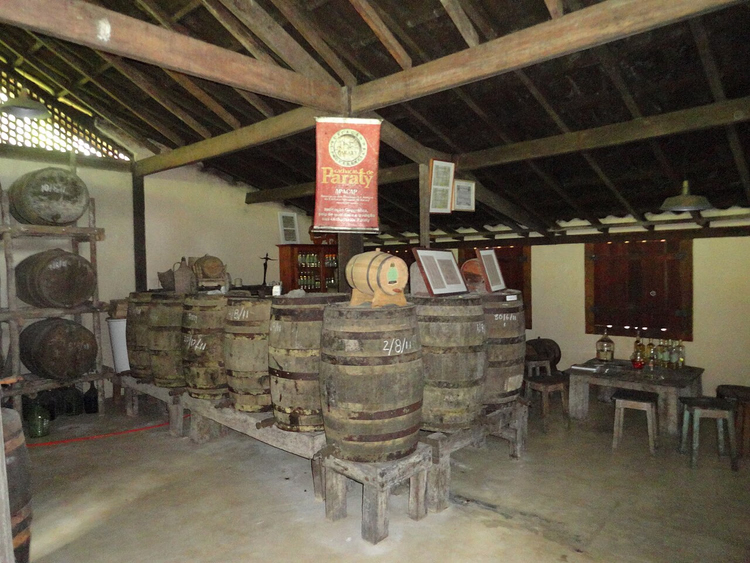
Cachaça is made from sugarcane juice, and it's the country's main spirit. It's rarely drunk neat: mix cachaça with lime, cane sugar, and ice, and you get a caipirinha, the national cocktail of Brazil. A bottle is easy to find in any supermarket, and there's a wide selection of brands. Small farms distill cachaça all over the country, and Brazil's Ministry of Agriculture maintains a separate registry of producers (as of 2026, Anuário da Cachaça). Alcohol is sold only to adults in the country, and stores may ask for ID. You can bring 1 liter of spirits into the EU duty-free.
 © Adrian Michael · CC BY-SAPhoto: Adrian Michael, CC BY-SA (https://creativecommons.org/licenses/by-sa/3.0), Wikimedia Commons
- Where to buy: supermarkets, wine shops, duty-free stores.
- The catch: the cocktail requires lime and ice, and a strong spirit isn't for everyone.
4. Yerba mate and a calabash gourd
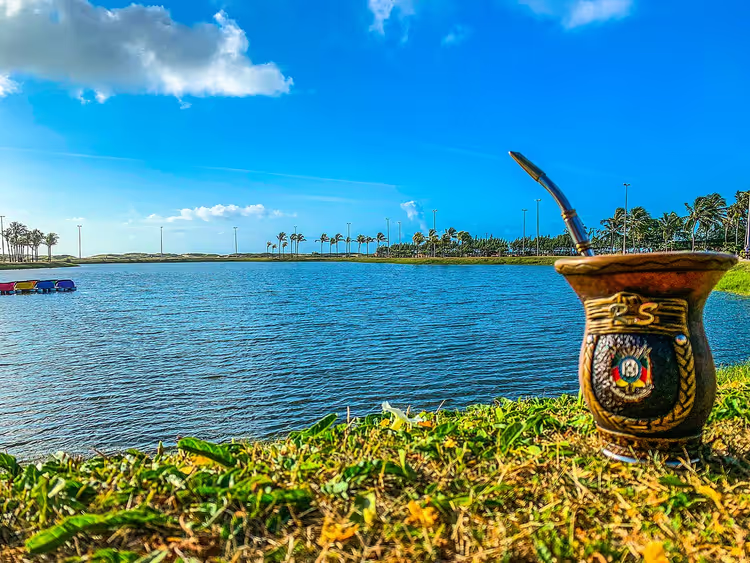
Brazilians themselves drink mate, especially in the south of the country. The drink is made from crushed leaves of the yerba mate plant, and it's a good pick-me-up. Bagged mate is available in supermarkets, but for loose leaf and the traditional vessels, check specialty stores: the selection there is much wider. The traditional method requires a calabash gourd and a bombilla. Mate is passed around and drunk from the same vessel, and for locals it's part of an everyday ritual.
 © Cesar Vieira · CC BY-SAPhoto: Cesar Vieira, CC BY-SA (https://creativecommons.org/licenses/by-sa/4.0), Wikimedia Commons
- Where to buy: supermarkets, specialty mate stores.
- The catch: without a calabash gourd and bombilla, the drink doesn't fully open up.
5. Fruit and EU import rules
Markets and stores offer a huge variety of fruit. There are melons and watermelons in several colors, mangoes and avocados of different varieties, dragon fruit, papaya, and passion fruit. Fresh fruit is best enjoyed on the spot. Fresh plant products go through phytosanitary control, and they're not allowed into the EU in personal luggage (according to the European Commission, 09/2026). For gifts, bring dried fruit, juices, or jams in factory packaging.
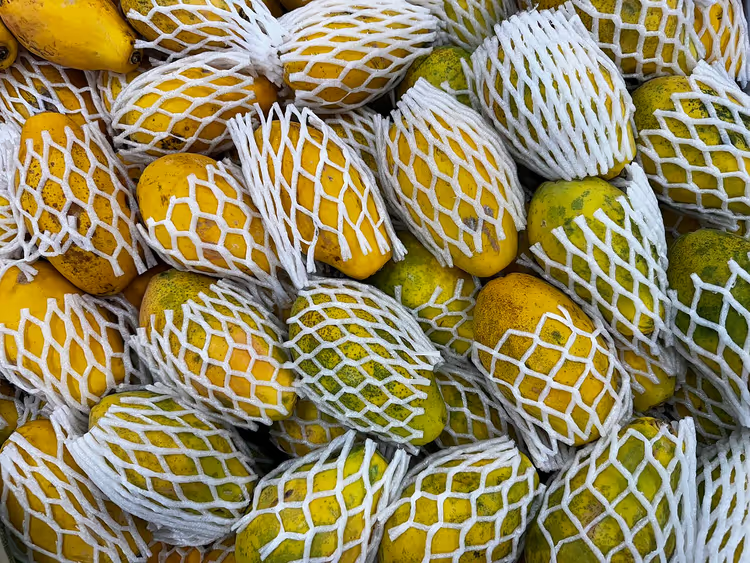
- Where to buy: city markets and fairs.
- The catch: fresh fruit can't be brought home; it's not allowed into the EU.
6. Clothing from local brands
In any shopping mall you'll see mannequins in colorful outfits. Brazilians love bright colors, so local brands make dresses, shirts, T-shirts, and skirts in every color. The assortment is refreshed every season, and sales happen in January and July. Quality varies between brands, and warm outerwear is almost never made here.
- Where to buy: shopping malls, markets, brand stores.
- The catch: sizing follows the local chart, so try things on before buying.
7. Havaianas flip-flops
Havaianas flip-flops are everywhere, and locals even wear them with evening dresses. The brand sells more than 250 million pairs a year in a hundred countries (according to Havaianas, 09/2026). Prices depend on the design: there are models with the Brazilian flag, rhinestones, and glitter, as well as simple solid-color pairs. The selection in a brand store is wider than at the airport. This is a lightweight gift that takes up little space in your suitcase.
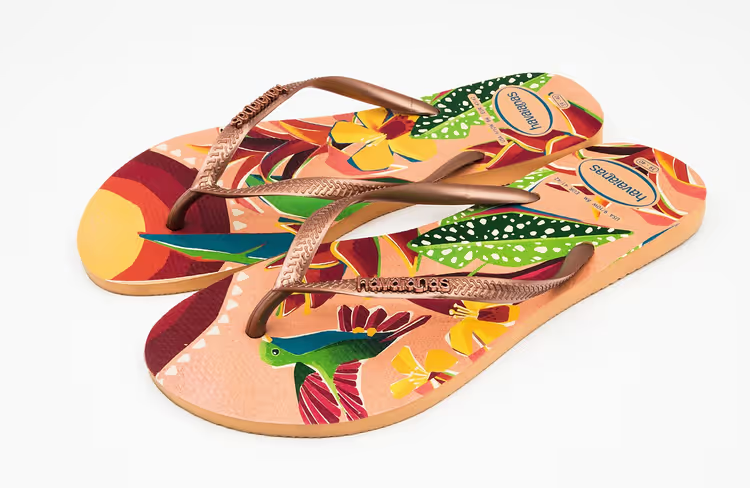 © Jacek Halicki · CC BY-SAPhoto: Jacek Halicki, CC BY-SA (https://creativecommons.org/licenses/by-sa/4.0), Wikimedia Commons
- Where to buy: Havaianas brand stores, shopping malls, shoe departments.
- The catch: prices are higher at the airport, so buy flip-flops in the city.
8. Cosmetics made with natural oils
Cosmetics here are made with coconut, olive, and eucalyptus oils. These products nourish the skin well and leave a lasting scent. Local brands are sold in pharmacies and natural cosmetics stores. Before buying, open the package and check the scent: natural oils have a rich aroma. A sealed set will easily survive the trip home.
- Where to buy: pharmacies, natural cosmetics stores.
- The catch: the strong scent isn't for everyone, so check it on the spot.
9. Shell jewelry
Jewelry made from shells and marine materials is sold at beach markets and seaside shops. These earrings and bracelets are inexpensive, lightweight, and remind you of your vacation. Items made from local stones are often displayed nearby. Check the clasps: on cheap jewelry they quickly deteriorate from water.
- Where to buy: beach markets, waterfront shops, souvenir stores.
- The catch: cheap clasps deteriorate from water and sweat.
10. Figurines, magnets, and postcards
In Rio de Janeiro you'll find figurines and magnets featuring the Christ the Redeemer statue and Sugarloaf Mountain. Every city in the country has its own souvenir themes, so a magnet collection will come together on its own. Postcards with views of Brazil are handy if you like sending notes. These small items take up little space and cost little, but it's very easy to overdo it.
- Where to buy: souvenir stores, markets, kiosks near attractions.
- The catch: magnets and figurines break easily, so pack them separately.
11. Books in Portuguese
If you read Portuguese, bring back a couple of books. A bookstore is worth a visit even without knowing the language: displays with bright covers draw the eye. In larger cities there are stores with translations of Brazilian authors into English and German. Themed postcards and bookmarks make a nice addition to a gift from Brazil.
- Where to buy: bookstores in the center of larger cities.
- The catch: books are heavy and take up a lot of suitcase space.
12. Carnival masks and costumes
If Brazil makes you think of carnival, look for masks, feathers, and costume pieces. These accessories are sold year-round, especially in Rio de Janeiro and Salvador. At home they'll remind you of your trip even on the gloomiest day. Feathers and large masks don't travel well, so choose compact options.
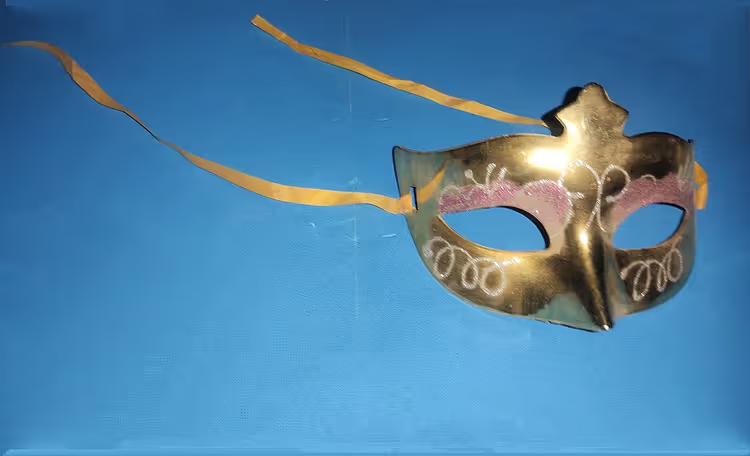
- Where to buy: carnival stores, markets, souvenir shops.
- The catch: feathers get crushed, and large masks take up half a suitcase.
⁉️🤔 Frequently asked questions
What to bring from Brazil as a gift?
Start with whole bean coffee and Havaianas flip-flops: almost everyone loves them, and they're lightweight. Add cachaça for caipirinhas, oil-based cosmetics, or shell jewelry. For kids, magnets and figurines work well, and for readers, books in Portuguese. These gifts definitely won't end up gathering dust on a shelf.
Can you bring Brazilian coffee into the EU?
Yes, coffee in personal luggage is allowed, because the ban applies to fresh plant products, not roasted beans. Choose vacuum-sealed bags so the aroma survives until you get home. At the border the product may be inspected, so keep your store receipt. Some EU countries have a coffee limit: in Germany you can bring in 500 g duty-free.
How much does cachaça cost in Brazil?
The price depends on the brand and aging. In a supermarket, a bottle of basic cachaça is in the lower price range, while aged versions cost noticeably more. Airport prices are usually higher than city stores, and the selection is smaller.
Is it allowed to take fruit out of Brazil?
You can take fruit out of the country, but you can't bring it into the EU without phytosanitary control. Bring home dried fruit, juices, or jams in factory packaging.
Where is it cheaper to buy souvenirs in Brazil?
The cheapest options are at city markets and supermarkets, not at the airport or tourist shops near beaches. Open packages and check the coffee roast date. For larger purchases, go to shopping malls: they have fixed prices and receipts.
In short: what to bring home
Brazil offers gifts for every taste: from coffee and cachaça to flip-flops and carnival masks. Check EU restrictions before your flight so you don't have to part with a purchase at the border.
If you want a practical gift, go with whole bean coffee and Havaianas. If you want a bright souvenir, choose oil-based cosmetics or shell jewelry. If you're bringing a gift for kids, magnets and figurines work well. If you want to remember the trip, take a carnival mask.
Make your shopping list in advance.

A small editorial team writing guides for independent travel. We travel ourselves, but we haven’t been everywhere, so we check prices, opening hours and how to get there against official sources.