

















Weather in Vietnam in November: where it is dry and where it rains
November divides Vietnam into three different countries when it comes to weather. While the south is opening its beach season, the central coast is getting drenched by downpours. If you pick a region at random, you risk spending your vacation staring out a hotel window.
The difference between regions is huge. In the south, temperatures hold at 28-32 °C (as of 09/2026, source), while Da Nang gets around 500 mm of rainfall in a month. Below you'll find the weather across three regions, water temperatures, and a packing list.
Weather in northern Vietnam
💡 In short:
- The north in November is dry and cool: 18-25 °C during the day, little rain (based on climate data for the north of the country, 09/2026).
- In Ha Long Bay it's around 25 °C during the day, 21 °C at night, with roughly 63 mm of rain for the month (based on Ha Long Bay in November, 09/2026).
- Air and water temperatures were checked in 09/2026 via the Vietnam tourism portal.
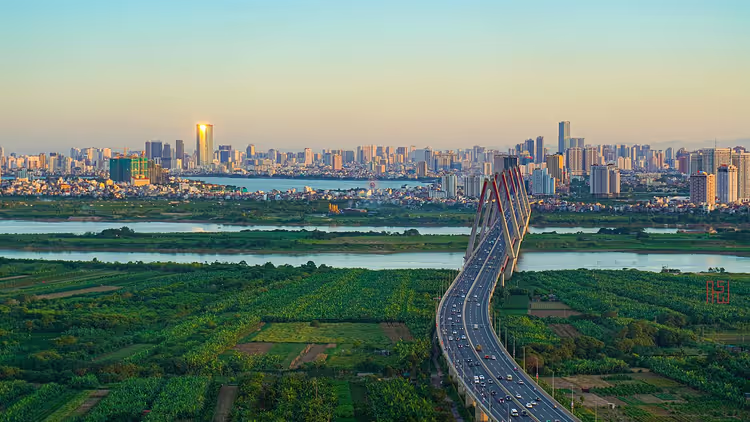
November closes out the wet season in northern Vietnam. The heat recedes, the sky clears, and the air feels fresher. In Hanoi, daytime temperatures are 18-25 °C, with mornings around 18-20 °C (based on Hanoi data, 09/2026). It's a good fit for walking and sightseeing, but not for the beach.
Hanoi in November is often lumped in with the rainy months, but recent data says otherwise. Rainfall here is low, and the month ranks among the best for the city (based on the Vietnam overview, 09/2026). Bring a light sweater for the evening and comfortable shoes.
 © NKSTTSSHNVN · CC BY-SAPhoto: NKSTTSSHNVN, CC BY-SA (https://creativecommons.org/licenses/by-sa/4.0), Wikimedia Commons
In Ha Long Bay, rain falls on roughly 8 days of the month (based on Ha Long Bay climate data, 09/2026). The karst cliffs are at their best on clear days. The catch is something else: in a storm, the bay is closed to boats, so build in a spare day.
Weather in central Vietnam
The central coast experiences peak rainfall in November. Da Nang receives about 500 mm of precipitation per month, and in some years more than 800 mm (based on data on rainfall in Da Nang, 09/2026). Beaches are unusable at this time, and rivers rise.
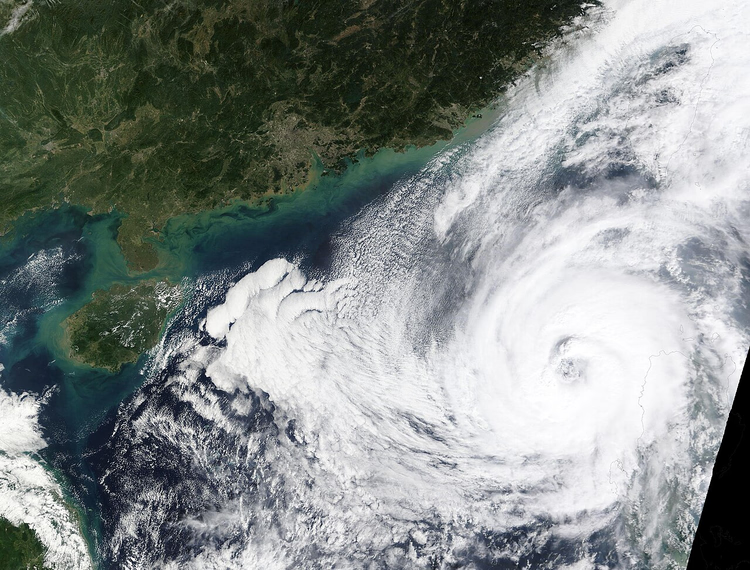
Hoi An and Hue also get thoroughly soaked. Hue receives 400-600 mm of rain, and the Huong River turns muddy and fast (based on data on rain in Hue, 09/2026). Rain here lasts for days, not hours. You cannot get by without a raincoat, but hotels in the center drop 40-60% from October prices.
Nha Trang sits on the border between zones. In the first half of the month it is still in the rainy season, but by the third week the weather usually improves and the beaches reopen (based on data on weather in Nha Trang, 09/2026). Daytime temperatures hold at 24-30 °C. Typhoons and flooding sometimes reach here, but less often than in the central cities.
After storms, the water near Nha Trang turns murky, so check the beach flags.
Weather in southern Vietnam
In southern Vietnam, November opens the dry season. The monsoon departs at the beginning of the month, and temperatures hold at 28-32 °C (according to the forecast for the south of the country, 09/2026). The best period of the year begins for you.
In Ho Chi Minh City, rain turns into short showers and disappears entirely by the end of the month. Daytime temperatures are 25-32 °C, and humidity drops (based on data on Ho Chi Minh City in November, 09/2026).
Mui Ne and Phan Thiet shift to dry and windy weather. The kitesurfing season starts here in November, with wind holding through March (based on data on Mui Ne in November, 09/2026).
 © Vivu Vietnam · CC BY-SAPhoto: Vivu Vietnam, CC BY-SA (https://creativecommons.org/licenses/by-sa/4.0), Wikimedia Commons
Phu Quoc hits its seasonal peak by November. The sea around the island is calm and clear, rain is scarce, and the sun is steady. This is where many people go specifically for the beach (based on Phu Quoc in November data, 09/2026). Keep in mind that island hotels enter high season, so book in advance.
Water temperature and swimming season
Water temperatures in Vietnam in November vary significantly by region. The south is warmest: Phu Quoc averages 29.2 °C (based on Phu Quoc water temperature data, 09/2026). Nha Trang is around 27.1 °C (based on Nha Trang water data, 09/2026). In the north, around Halong, the sea is cool, and swimming there in November is not advisable.
Regional summary:
Region | Daytime air | Water | November rainfall |
|---|---|---|---|
North (Hanoi, Halong) | 18-25 °C | cool | low |
Central (Da Nang, Hue) | 22-29 °C | warm | 300-600 mm |
Nha Trang | 24-30 °C | around 27 °C | moderate |
South (Phu Quoc, Mui Ne) | 25-32 °C | 27-29 °C | low |
Sources for the table (as of 09/2026): air and rainfall, Halong data, sea temperature.
What to pack in November
Weather varies by region, so pack according to your itinerary. For the north and center, bring a light sweater, a raincoat, and footwear that can handle water. For the south, light clothing is enough, but don't forget sunscreen and a hat.
If you're planning to visit the mountains in the north, add a warm layer: evenings there get chilly. In the center, it's best not to travel without a raincoat.
⁉️🤔 Frequently asked questions
What is the weather in Vietnam like in November?
November splits the country into three zones. The north is dry and cool, the center is at its rainy peak, and the south is entering its dry season with heat. For the beach, choose the south; for cities and cooler weather, choose the north. The center works if you're prepared for downpours and cheap hotels.
Can you swim in Vietnam in November?
Yes, but not everywhere. In the south the sea is warm and calm: Phu Quoc water is around 29 °C (based on sea data, 09/2026). In Nha Trang people swim from the second half of the month. In the north, around Halong, the sea is cool, so beach holidays there won't work.
Where in Vietnam gets the least rain in November?
The least rain is in the south: Ho Chi Minh City, Mui Ne, and Phu Quoc. Rainfall there is low and the sun is steady. Among northern destinations, Hanoi is a good choice, as November is one of its best months. The central coast, by contrast, gets the wettest weather.
What is the water temperature in southern Vietnam in November?
The water in the south stays warm and comfortable for swimming. It is warmest near Phu Quoc, while near Nha Trang the water is slightly cooler (based on water temperature measurements, 09/2026). There are no sharp changes, the sea holds its temperature all month. In the north the water is noticeably colder.
Is central Vietnam worth visiting in November?
Only if you are ready for rain. Da Nang and Hue get drenched in November, beaches are closed, and there is a risk of flooding. On the other hand, hotels get almost twice as cheap, and there are few tourists. If you go, bring a raincoat and choose accommodation on higher ground.
In short: where to go in Vietnam in November
If you have a week and the main goal is the sea, choose Phu Quoc. If you want to combine beach and sightseeing, look at Nha Trang in the second half of the month. If you are going for culture and cooler weather, plan for the north.
Book accommodation in advance: the south enters high season in November, and good hotels get snapped up quickly.

A small editorial team writing guides for independent travel. We travel ourselves, but we haven’t been everywhere, so we check prices, opening hours and how to get there against official sources.