
















What to bring from India as a gift: 13 ideas and what you cannot take out
Few people return from India with an empty suitcase. The markets of Delhi and Kerala are packed with spices, silk, and cookware, and prices here are several times lower than in Europe. But you can bring goods into the EU duty-free only up to €430 per person (as of 09/2026, EU rules). Beyond that, duties kick in, and some items will simply be confiscated by customs.
Below are 13 souvenir ideas that people actually bring home: tea, spices, rum, carpets, jewelry, and textiles. For each one, you'll find where to buy it, what to haggle over, and what the catch is. We'll also cover separately what you can't take out of India and what exactly will be confiscated when you enter Europe.
What to bring and what customs won't let through
💡 In short:
- The easiest and cheapest gifts: tea, spices, incense.
- Carpets, jewelry, and silk take up most of the budget.
- Haggle at markets and buy whole spices instead of ground ones.
- Import rules and the €430 limit: 09/2026, verified on the official EU portal.
EU customs treats gifts as part of your baggage. The duty-free limit for an air passenger is €430 per person, and it includes all purchases combined (as of 09/2026, official EU portal). Rum and wine are counted separately: you can bring 1 liter of spirits per adult (as of 09/2026, EU customs rules).
Food is stricter. Meat, milk, and products made from them cannot be brought from India into the EU, and plants and seeds are restricted. Tea, spices, and sweets can be brought in, but only in small personal quantities (according to EU rules on food imports, 09/2026). Check this before you buy, not at the airport.
On the Indian side, the main restriction concerns antiquities. Items over 100 years old can only be exported with a permit, otherwise they'll be confiscated at departure (as of 09/2026, text of the antiquities law).
Our picks by budget:
Gift | Price range | Who to bring it for |
|---|---|---|
Tea, spices, incense | a few hundred rupees | everyone you know |
Soap, henna, essential oils | hundreds of rupees | colleagues |
Silver, silk, pashmina | thousands of rupees | close friends and family |
Carpets, gold | tens of thousands of rupees | for the home |
1. Tea
 © Sonnonn · CC BY-SAPhoto: Sonnonn, CC BY-SA (https://creativecommons.org/licenses/by-sa/4.0), Wikimedia Commons
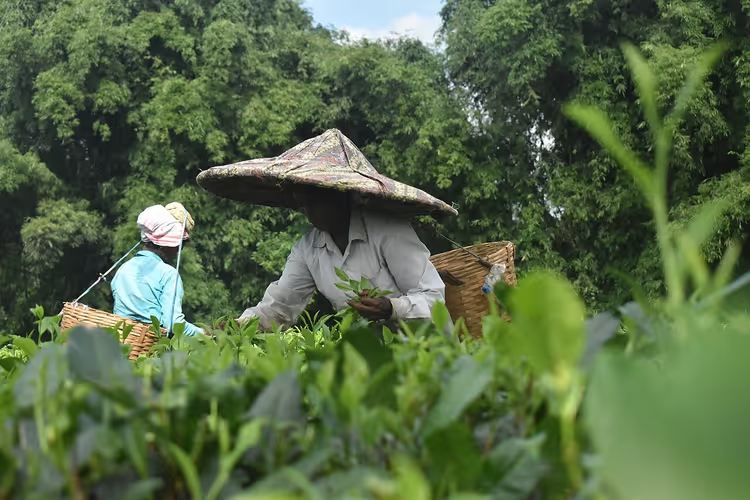
Indian tea rests on two regions: Assam and Darjeeling. Assam produces a strong, dark brew, while Darjeeling delights with a light, floral flavor. The tea gardens in Darjeeling were first planted back in the 19th century, and some of them still operate today.
It's best to buy from a tea shop or directly at a plantation. In a supermarket, the same name often hides a blend from a different region. Look for packaging that states the garden and harvest year: that's the main sign of genuine Darjeeling.
Prices vary by a factor of ten or more. Regular tea in a shop costs a few hundred rupees per 100 grams, while premium first-flush tea goes at auction for tens of thousands of rupees per kilogram (as of 2024, ETV Bharat). For a gift, a box of mid-range Darjeeling will do.
- The catch: fresh Darjeeling gets more expensive every season, and old tea loses its aroma, so check the harvest year on the package.
2. Spices
 © Indurema · CC BY-SAPhoto: Indurema, CC BY-SA (https://creativecommons.org/licenses/by-sa/4.0), Wikimedia Commons
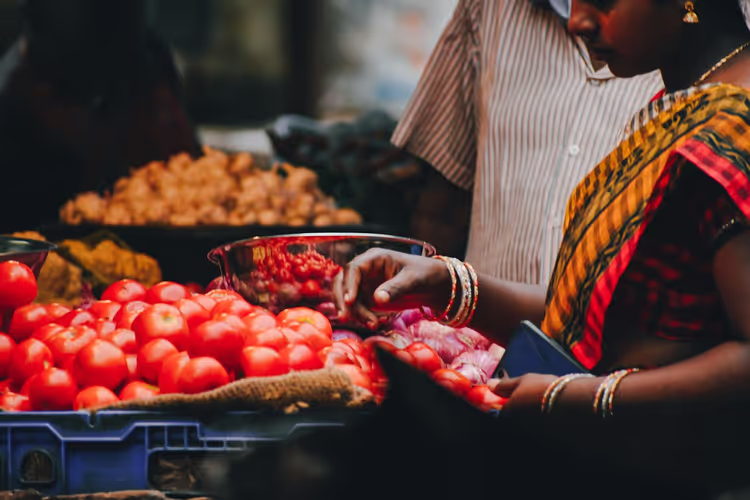
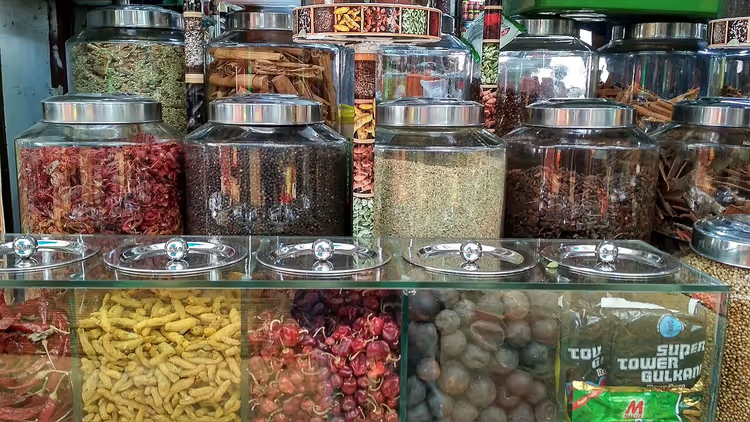
Spices are sold everywhere in India: at markets, in small shops, and on plantations. The country's largest spice markets are in Kerala. Here you'll find coriander, turmeric, cinnamon, cardamom, and saffron.
Indians call their blends "masala." There's the basic garam masala for meat and vegetables, and there's the spicy chaat masala for fruit and street food. At the market, a vendor will let you taste a blend and mix it to your liking.
For a small amount of money, you'll take home a bag of spices that lasts six months. Buy whole grains and seeds: they smell stronger and keep longer.
- The catch: ground spices are easily cut with cheap filler, so buy whole grains and grind them at home.
3. Alcoholic drinks
 © Sitaram Sagare · CC BY-SAPhoto: Sitaram Sagare, CC BY-SA (https://creativecommons.org/licenses/by-sa/4.0), Wikimedia Commons
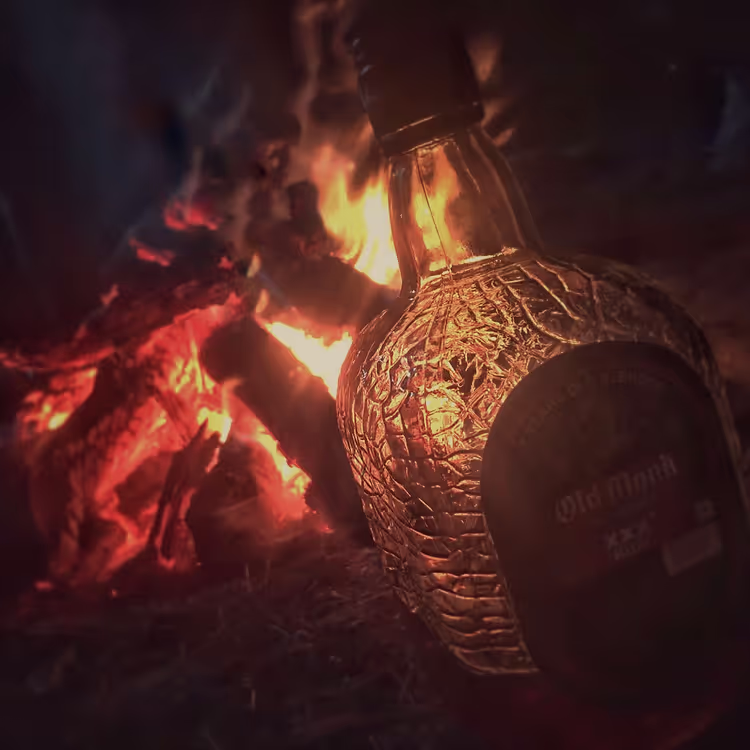
Indian rum deserves special attention. The most famous brand, Old Monk, is sold in dark plastic bottles, and its taste is smooth, with a spicy aftertaste. Rum is cheapest in Goa, where the selection is bigger and prices are lower.
The EU limit on hard liquor is described in the "What to bring and what customs won't let through" section. Anything over that limit will have to be declared and paid for.
- The catch: plastic bottles get crushed in a suitcase and leak, so it's best to wrap the bottle in plastic film.
4. Natural cosmetics
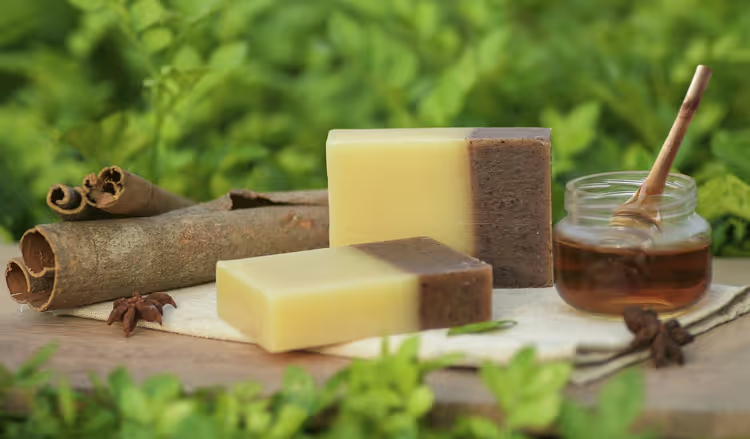
Cosmetic shops in India sell soap, scrubs, balms, and oils. Henna is also a common purchase here. Indian henna gives a lasting copper shade and applies gently to hair roots.
Go for bar soap instead of gels: it won't leak in your bag and doesn't take up half the space. Sets of several bars are easy to give as gifts and easy to pack.
- The catch: on some jars the ingredients are listed only in Hindi, so look for packaging with Latin ingredient names.
5. Rugs

The two main centers for rugs and shawls are Kashmir and Jaipur. Here they make items from wool, silk, and cotton, and the patterns are knotted by hand. The price depends on knot density and material, so a rug becomes the most expensive purchase on this list.
At the bazaar, haggling is expected, and it's part of the deal, not rudeness. Feel free to name your price: the seller almost always meets you halfway. Buy from a workshop, not from a street reseller.
Who it's for: those looking for a long-lasting piece for their interior.
Not for: if your suitcase is already full of gifts.
The catch: a rug takes up half a suitcase and weighs several kilograms, so sort out shipping in advance.
6. Medicines
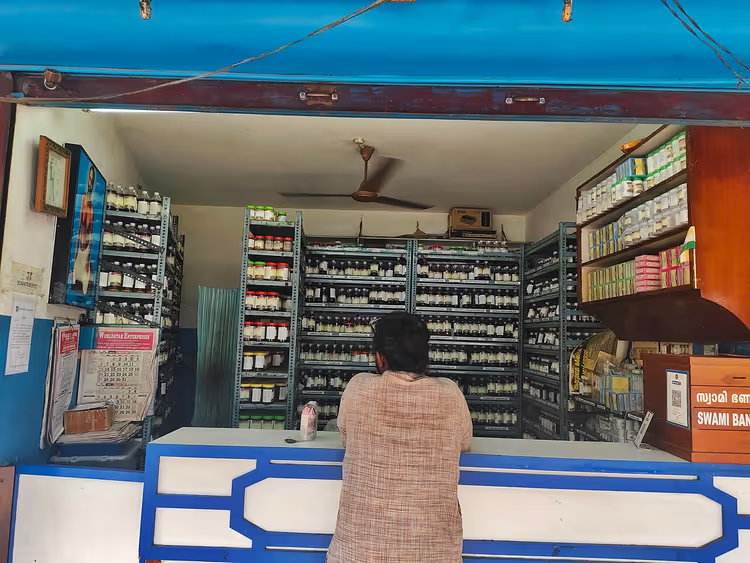 © Sujithshivam511 · CC BY-SAPhoto: Sujithshivam511, CC BY-SA (https://creativecommons.org/licenses/by-sa/4.0), Wikimedia Commons
An Ayurvedic pharmacy in India sells herbal remedies for various needs. Most often, tourists buy trifala, neem, and ashwagandha, as well as the healing balm Kailas Jeevan. Plus an unusual toothpaste with a sharp herbal taste that works well as a souvenir.
Don't rely on a seller's advice and don't buy such products to treat serious illnesses. Before your trip, check whether the product is allowed in your country.
- The catch: EU customs may inspect medicines and herbal supplements, so buy packages with a clear ingredient list and keep the receipt.
7. Handicrafts
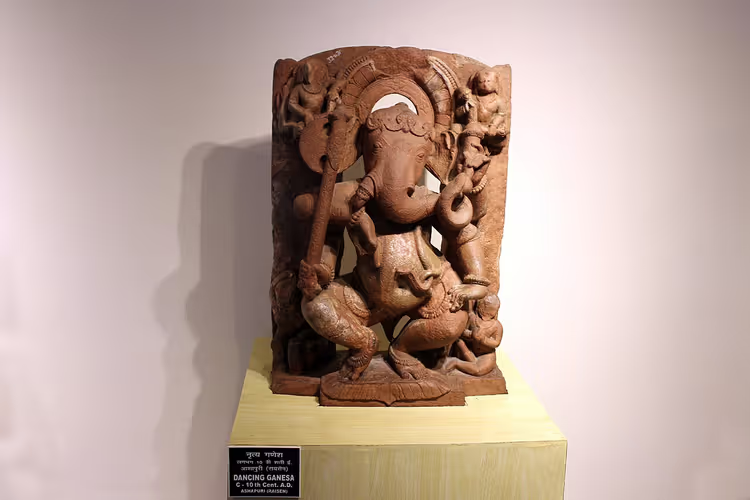 © Suyash Dwivedi · CC BY-SAPhoto: Suyash Dwivedi, CC BY-SA (https://creativecommons.org/licenses/by-sa/4.0), Wikimedia Commons
Ganesha figurines are made from stone, bronze, copper, and sandalwood. They're sold in Kolkata, Agra, and Jaipur. The price depends on the material and size: a bronze figurine is cheaper than a stone one, and sandalwood is the most expensive of all.
Pottery is a separate story. In Jaipur they make blue ceramics, but not from clay. This ware can't withstand heat. Clay kullars, tea cups, are hand-painted with figures of animals and birds.
Choose a figurine in a craftsman's shop, not in a tourist stall. Ask them to wrap it in paper and soft cloth for you.
- The catch: for an old statue without a permit, you can lose both the purchase and your money; the rules are described in the "What to bring and what customs won't let through" section.
8. Indian incense
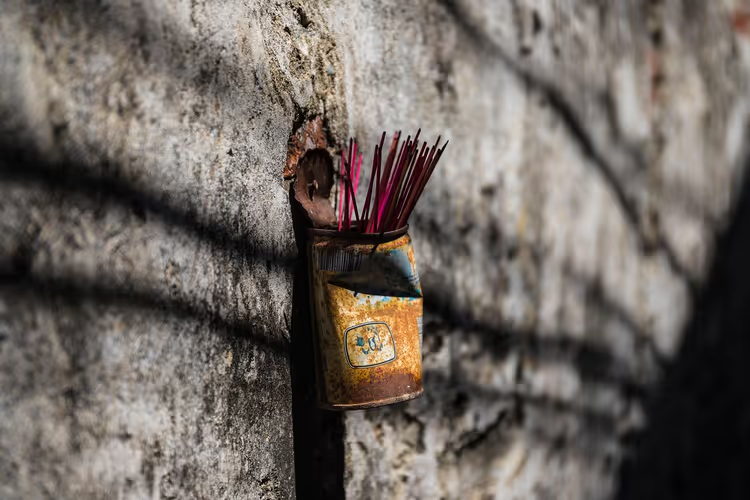
Incense is sold in all souvenir shops and markets. For a small amount of money, you'll take home dozens of sticks with the scent of sandalwood, jasmine, or lotus. Standard packs are light and weigh almost nothing.
- The catch: the smell of the sticks soaks into clothing, so pack them separately and away from your things.
9. Jewelry
Jaipur is considered the center of the jewelry trade. Here they make jewelry in the kundan and meenakari techniques: gold with enamel and national ornamentation. Silver is cheapest in Rajasthan.
Buy expensive items in specialized stores, not at markets. Tourist centers are full of fakes, and you're unlikely to be able to tell them apart.
- The catch: at the market it's easy to buy gold-plated costume jewelry instead of gold, so ask for a receipt and a hallmark.
10. Shoes
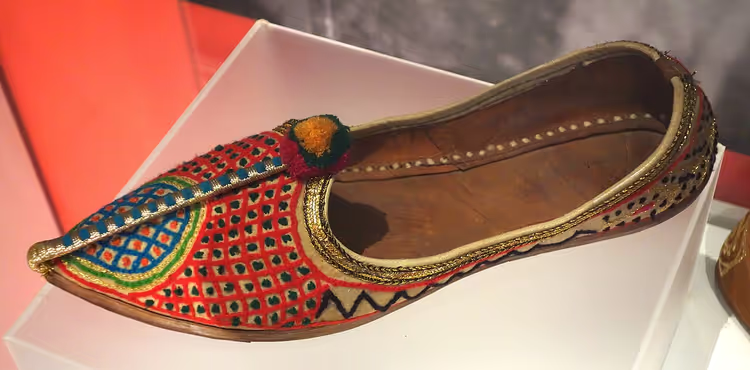
Jutti: traditional leather slippers with embroidery. They are more of a souvenir than everyday footwear. Wear them at home or for a celebration.
- The catch: jutti soles are thin and slip on wet pavement, so they won't work for city wear.
11. Essential oils

Indian essential oils are made from bark, herbs, and spices. They are sold in small glass vials, often decorated with beads and small stones. Sandalwood, patchouli, and jasmine scents last a long time.
- The catch: glass breaks in a suitcase, so carry the vials in your carry-on and in a separate bag.
12. Ayurvedic products
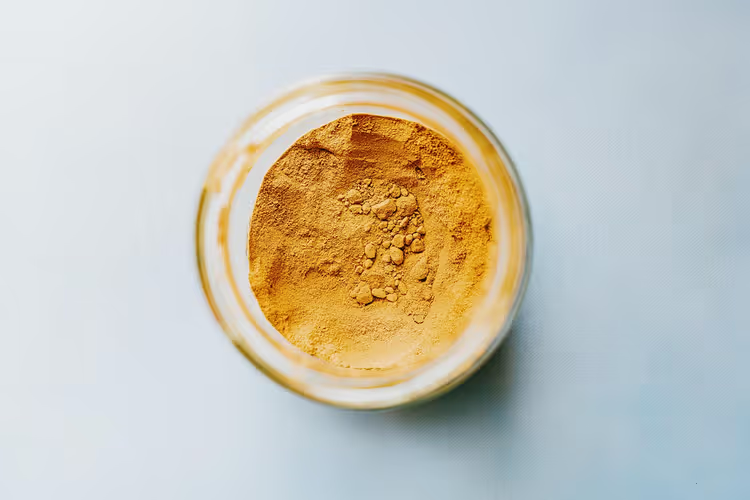
Major Indian Ayurvedic brands: Dabur, Ayur, and Biotik. The most popular product is chyawanprash, a thick paste made from herbs, berries, and honey. It's sold in Kerala and Delhi, in jars of various sizes.
- The catch: EU customs considers the honey paste a food product, so check your country's food import rules in advance.
13. Textiles

Silk and printed fabrics are sold in every city here. Indian workshops make saris, shawls, and scarves with hand embroidery and beadwork. Kashmiri pashmina is the lightest and warmest option, but also the most expensive.
For silk, it's better to go to a shop attached to a workshop. At the market, you'll often be sold a blended fabric passed off as silk.
- The catch: acrylic is sold under the guise of pashmina, so ask for a certificate or check the fiber content on the label.
⁉️🤔 Frequently asked questions
What should you bring from India first and foremost?
Start with tea, spices, and incense: they're light, cheap, and won't spoil in transit. For a more substantial gift, add a Kashmiri shawl or silver from Rajasthan. Save heavy items like carpets for the end of your trip, when you can see how much suitcase space you have left.
How much money should you budget for souvenirs?
You don't have to spend a lot: spices, incense, and soap cost a few hundred rupees. The main budget goes to carpets, jewelry, and pashmina, where prices start at several thousand rupees. Keep separate cash for the market and don't pull out the whole amount at once, or you'll undermine your bargaining position.
What can't you take out of India?
Antiques without a special permit, ivory, and products made from rare animals are prohibited (verified against the text of the antiquities law, 09/2026). Export rules for antiquities are described in the "What to bring and what customs won't allow" section. If a seller insists that an old statue will pass customs, don't believe them. The item will be confiscated at departure, and no one will refund your money.
What can't you bring into the EU?
Meat and dairy products from India cannot be brought into Europe. Detailed import rules are collected in the "What to bring and what customs won't allow" section. Check them in advance so you don't end up leaving your purchases at the airport.
How do you bargain at Indian markets?
At the market, haggling is appropriate almost always: the starting price is noticeably inflated, and the buyer has the right to ask for a discount. State your price calmly and don't show that you really need the item. In fixed-price stores, bargaining doesn't work.
In short: what's worth buying
If you're on a small budget, go for tea, spices, and incense. If you're ready to spend more, look at carpets, silver, and pashmina. If you're bringing gifts for colleagues, a box of masala and a couple of bottles of oil will do.
Before your flight, check the EU limit and pack liquids separately so customs doesn't take half your suitcase. Save this list and take it to the market with you.

A small editorial team writing guides for independent travel. We travel ourselves, but we haven’t been everywhere, so we check prices, opening hours and how to get there against official sources.